Fermented Green Chili Paste — health benefits and uses
Fermenting chilies rounds their heat and, by tradition, warms digestion.
The Short Answer
Fermented green chili paste is a tangy, probiotic condiment made by lacto-fermenting unripe chilies, providing 6mg of vitamin C and metabolism-boosting capsaicin per teaspoon.
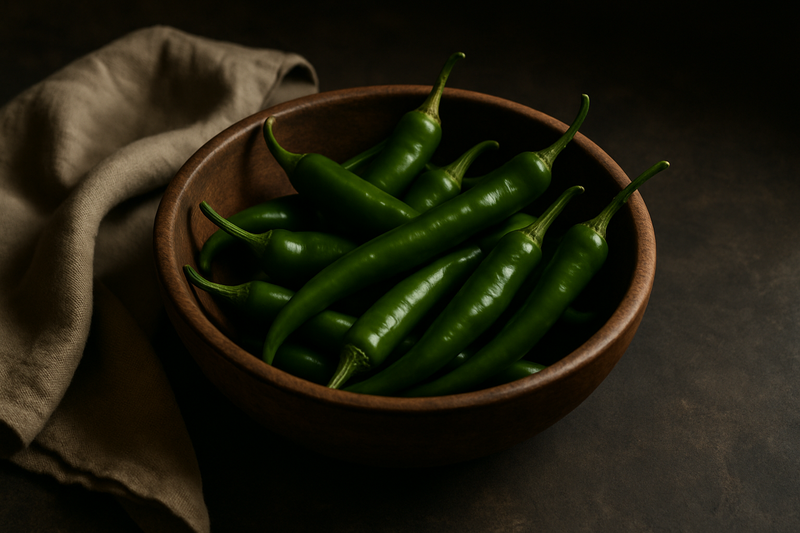
Fermented Green Chili Paste · Photograph
Discover the evidence-backed health benefits and side effects of fermented green chili paste, including gut health, heart support, capsaicin nutrition, and how to use it safely in a whole-food plant-based diet.
Key Nutrients
% Daily Value based on 2,000 cal diet
Key active compounds in fermented green chili paste
- Capsaicin and capsaicinoids — Pungent alkaloids (natural compounds found in plants) that activate a receptor in the body called TRPV1, which is involved in heat sensing, pain modulation, and metabolic signaling. Capsaicin typically makes up 38–58% of total capsaicinoids in fermented chili sauces.
- Total phenolic compounds — A broad category of antioxidant plant molecules. Fermented chili sauces contain 35–195 mg of these per 100 g, depending on pepper variety and how long fermentation runs.
- Luteolin — A specific flavonoid (a type of phenolic) that can increase in free form during fermentation, reaching up to ~43 µg/g in some chili cultivars. Associated with antioxidant and anti-inflammatory activity in lab studies.
- Lactic acid and organic acids — Produced by lactic acid bacteria during fermentation. These lower the pH, preserve the food, and give the paste its tangy flavor. They may also influence how the gut environment responds to the food.
- Vitamin C — Green chilies are naturally high in vitamin C; fermentation reduces levels somewhat, but a small serving still contributes meaningful antioxidant support.
- Provitamin A carotenoids — Pigment compounds that the body can convert to vitamin A, supporting vision and immune function.
Prep and pairing ideas
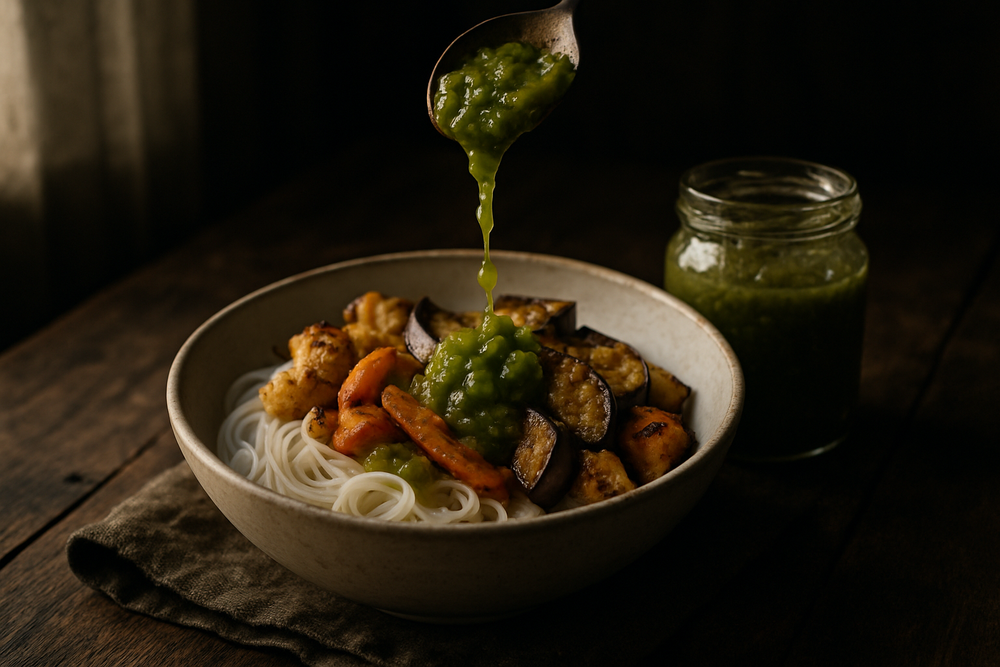
Fermented green chili paste shines as a finishing condiment rather than a cooking sauce — heat kills the live bacteria and dulls the bright flavor. Here are three practical pairings:
1. Rice bowls and grain bowls Stir ½ to 1 teaspoon directly into the bowl at the table. The fermented tang cuts through the starchiness of rice or farro and amplifies any umami from tofu or tempeh. A natural flavor bridge.
2. Noodles (cold or warm) Mix with a small amount of sesame oil, a splash of rice vinegar, and a squeeze of lime for a quick noodle sauce. The lactic acid in the paste integrates beautifully with vinegar-forward dressings.
3. Hummus or white bean dip Swirl a teaspoon into hummus as a topping. The capsaicin heat and funky depth turn a basic dip into something restaurant-worthy, and the chickpea base tempers spice for heat-sensitive guests.
Storage note: Refrigerate unpasteurized paste after opening and use within 4–6 weeks for best flavor and microbial viability. If you see off-odors, unusual colors, or mold above the brine line, discard and start fresh.
Bottom line
Fermented green chili paste is a nutritionally interesting, flavor-forward condiment with a reasonable evidence base — mostly extrapolated from studies on related fermented red chili pastes. Capsaicin, phenolic compounds, and lactic acid bacteria all offer plausible mechanisms for cardiovascular, metabolic, and gut health support. The key word is "plausible": direct human trials on fermented green chili paste specifically are missing, and most benefits are inferred rather than proven.
What is well-established: the paste is low in calories, provides antioxidant vitamins, and is high in sodium. Used in small amounts as part of a varied whole-food plant-based diet, it's a smart way to add heat and complexity to rice bowls and noodles. Just don't lean on it as a health treatment — it's a condiment with genuine nutritional upside, not a cure.
If you have hypertension, GI conditions, or are on relevant medications, have a quick conversation with your healthcare provider before making it a daily habit.
How Fermented Green Chili Paste Compares
| Compared with | What's different |
|---|---|
| Fermented Green Chili Paste vs. Fresh Green Chili Paste | Fermented paste has a tangy, acidic funk and contains live cultures, while fresh paste is bright and grassy. |
| Fermented Green Chili Paste vs. Sriracha (Fermented Red Chili) | Green paste uses unripe chilies for a sharper, herbal heat; red paste is sweeter and more mellow. |
Health Benefits
Things to Know
Sodium is the main watchpoint.: A typical 10 g serving can deliver ~250 mg sodium — about 11% of the daily value. Two tablespoons puts you near 25% of your daily sodium from one condiment. People with hypertension, heart failure, or chronic kidney disease should account for this carefully.
GI sensitivity is real.: Capsaicin can aggravate gastroesophageal reflux disease (GERD — acid backing up into the esophagus), peptic ulcers, irritable bowel syndrome (IBS), and inflammatory bowel disease (IBD), particularly during flares. Start with a very small amount and stop if symptoms worsen.
Not all fermented pastes are probiotic.: Pasteurization eliminates live cultures. Even raw products don't guarantee therapeutic bacterial counts or strain diversity.
Medication interactions to flag:
Antihypertensives (blood pressure medications): high sodium from salty pastes can blunt medication effectiveness.
Proton pump inhibitors / H2 blockers (reflux medications): large amounts of capsaicin may challenge symptom control even with medication.
Anticoagulants and antiplatelet agents: GI irritation from very spicy foods could theoretically worsen bleeding from existing lesions — use cautiously.
Medications that affect kidney function or electrolytes: discuss sodium intake with your clinician.
Pregnancy: Generally fine in small amounts, but significant reflux or nausea may make spicy, acidic foods uncomfortable. Follow your own tolerance.
Chili allergy: Rare but possible — oral or skin irritation, swelling, or respiratory symptoms are signs to stop immediately and seek medical advice.
Home fermentation safety: Use adequate salt concentrations (typically 2–3% by weight), clean equipment, and submerge chilies fully to minimize spoilage risk.
Glossary
Shop This Ingredient
Stock your pantry with quality fermented green chili paste.
Buy on AmazonAs an Amazon Associate, Plantopedia earns from qualifying purchases. This costs you nothing extra and helps us keep the encyclopedia free.
Frequently Asked Questions
Evidence ranges from solid human data (for cardiovascular markers, mostly from studies on similar fermented red chili pastes) to early-stage lab findings. Here's where the science currently stands. Heart and circulation The best human evidence for fermented chili paste and cardiovascular health comes from randomized controlled trials and a meta-analysis examining fermented red pepper paste — most closely resembling Korean gochujang. These studies found modest reductions in systolic and diastolic blood pressure (the numbers on your blood pressure reading) compared with capsinoid supplements alone, suggesting the whole fermented matrix does something that isolated capsaicin doesn't fully replicate. The working theory is that capsaicinoids, fermentation-derived metabolites, and effects on lipid metabolism work together. The important caveat: these studies are small, mostly conducted in Korean populations, and focused on red chili pastes. Direct human trials on fermented green chili paste do not yet exist. And ironically, the high sodium content of most fermented chili pastes can counteract cardiovascular benefits if portions are too large — so overall salt intake context matters. Digestive health and microbiome Unpasteurized fermented green chili paste can harbor lactic acid bacteria including Lactobacillus and Leuconostoc species — the same families found in kimchi and other lacto-fermented vegetables. Observational data and mechanistic work suggest that LAB-containing foods may influence gut microbiome diversity and digestive comfort. That said, a thorough human-focused scientific review concludes that evidence is still insufficient to confirm broad digestive health benefits from fermented foods generally. The main issues: bacterial strains, viable counts, and survival through digestion are rarely characterized; pasteurized commercial products often contain few or no live bacteria; and controlled human trials on fermented green chili paste specifically haven't been published. Fermented ≠ probiotic by default. Blood sugar and metabolism A systematic review on fermented chili pepper products found that fermentation generates bioactive metabolites that may help regulate glucose and lipid metabolism, potentially supporting metabolic health. Some trials included in this work found improved metabolic markers with fermented red pepper paste compared to capsinoid supplements. The finding that the whole fermented food matrix has distinct effects beyond isolated capsaicin is intriguing. For fermented green chili paste specifically, any blood-sugar benefit is extrapolated from these related products. Also worth noting: some commercial recipes add sugar, and almost all are high in sodium — both factors that matter in overall metabolic health management. Inflammation and recovery Capsaicin and the phenolic compounds retained (and sometimes concentrated) during fermentation show antioxidant and anti-inflammatory activity in cell and animal studies. Fermentation can also increase free luteolin and total phenolics, adding theoretical antioxidant value. Human trials in this space primarily report clinical endpoints like blood pressure rather than direct inflammatory biomarkers, so anti-inflammatory effects remain a plausible mechanism rather than a confirmed clinical outcome. Hormones and metabolism signaling Capsaicin activates TRPV1 receptors, which influence thermogenesis (heat production that burns calories), appetite signaling, and energy expenditure. These mechanisms are frequently cited to explain why spicy fermented condiments might support weight management or satiety. But controlled human studies measuring hormonal responses — like GLP-1 (a gut hormone that influences appetite), ghrelin (the hunger hormone), or insulin — specifically to fermented green chili paste have not been published. Any hormonal effect is extrapolated from broader capsaicin research.
Unpasteurized, refrigerated paste Made by lacto-fermenting whole green chilies with salt in a sealed container. Most likely to contain live lactic acid bacteria, though strains and counts vary and are rarely tested. Best bet if you're looking for potential probiotic benefit — but no guarantees on strains or counts. Pasteurized or shelf-stable jarred condiment Commercial products are often heat-treated or acidified for shelf stability. This kills most or all live bacteria. Still provides capsaicin, phenolics, vitamin C, and flavor — just don't assume probiotic activity. Artisanal small-batch fermented hot sauce featuring green chilies Some producers use wild fermentation and advertise live cultures. Nutritional and microbial composition can vary significantly. Look for "raw" or "unpasteurized" on the label if probiotic potential is a goal. Blended fermented pastes (gochujang-style or kimchi-style with green chilies) These may combine chilies with grains, soy, or other vegetables. Most human health data come from red chili paste and kimchi-type ferments, not green-only pastes. Nutritional profile will vary widely. Label tip: If you want the most capsaicin with the least sodium, look for pastes with green chilies as the first ingredient and salt listed lower. Avoid products with added sugar if blood sugar management is a priority.
There is no officially established daily recommended amount for fermented green chili paste — it's a condiment, not a supplement. Here's a practical framework based on available evidence: Start with 1 teaspoon (5 g). This provides flavor, a modest capsaicin hit, and about 125 mg of sodium — manageable for most people. Most culinary uses fall in the 1–2 tablespoon (15–30 g) per day range across meals, which is consistent with amounts used in human trials on fermented red chili pastes. At 2 tablespoons, you're taking in roughly 750 mg sodium — about one-third of the 2,300 mg daily limit recommended for most adults. Account for this in your overall diet. Heat tolerance is individual. Capsaicin sensitivity varies enormously. New users should start at ½ to 1 teaspoon and increase slowly over days or weeks. There is no minimum effective dose for any specific health benefit. Even small amounts contribute antioxidant compounds and flavor variety, both of which support a sustainable plant-forward diet.
Quick Answers
Common questions, answered in a line.
Fermented green chili paste contains capsaicin, phenolic compounds like luteolin, lactic acid, vitamin C, and provitamin A carotenoids. These active compounds work together to provide antioxidant, anti-inflammatory, and metabolic signaling support.
You should use fermented green chili paste as a finishing condiment for rice bowls, grain bowls, noodles, or swirled into bean dips like hummus. Adding it at the table instead of during cooking preserves the live bacteria and bright flavor profile.
Capsaicin, the primary alkaloid in the paste, activates the TRPV1 receptor, which is involved in metabolic signaling, heat sensing, and pain modulation. It typically makes up 38–58% of the total capsaicinoids found in fermented chili sauces.
Fermented green chili paste contains high sodium levels, with a single 10g serving providing about 250mg of sodium, or 11% of the daily value. Excessive intake can impact blood pressure and may interfere with antihypertensive medications.
People with GERD, peptic ulcers, IBS, or IBD should use fermented green chili paste cautiously as capsaicin can aggravate these conditions. It is best to start with very small amounts to test tolerance, especially during symptom flares.
To maximize flavor and microbial viability, you should refrigerate unpasteurized fermented green chili paste after opening and consume it within 4–6 weeks. Discard the paste immediately if you notice off-odors, mold, or unusual color changes.
While generally safe in small amounts, pregnant individuals may find that the spicy and acidic nature of the paste worsens symptoms like reflux or nausea. You should follow your own personal tolerance levels during pregnancy.
For Readers in the USA
Local context — sourcing, seasonality, and regional notes.
In the United States, you can find fermented green chili paste at specialty retailers like Whole Foods Market, Asian grocery chains like H Mart, or through local producers at regional farmers markets. Many artisanal US brands now sell unpasteurized versions in the refrigerated section to preserve live cultures.
While fresh green chilies are available year-round in the US due to imports, domestic peak season runs from late summer through early fall, particularly in states like New Mexico and California. Fermentation is a traditional American method used to preserve these seasonal harvests for use throughout the winter months.
Look for the 'USDA Organic' seal to ensure the chilies were grown without synthetic pesticides and the 'Non-GMO Project Verified' label if you want to avoid genetically modified ingredients. Because these are fermented products, the FDA also requires specific labeling regarding refrigeration if the product is unpasteurized.
In the US, you will often see fermented green chili pastes categorized by the pepper variety, such as Jalapeño, Serrano, or the iconic Hatch Green Chile from New Mexico. Each variety offers a different Scoville heat level, with Serrano generally being hotter than the standard Jalapeño.
AI Clinical Review
- Clearly explains lacto‑fermentation (salt + lactic acid bacteria) and why fermented ≠ probiotic by default; pasteurization usually removes live microbes.
- Balanced take on evidence: plausible benefits are mostly extrapolated from research on fermented red chili pastes; no cure‑all claims.
- Practical nutrition context: very low calorie, sources of capsaicin and phenolics, with sodium as the main constraint (~250 mg per 2 tsp; ~750 mg per 2 Tbsp).
- Useful, realistic dosing guidance (start around 1 tsp) and advice to use as a finishing condiment to preserve flavor and any live cultures.
- Helpful distinction among product forms (raw/unpasteurized vs pasteurized/shelf‑stable) and what that implies for live bacteria.
- Direct human trials on fermented green chili paste are lacking; most data come from small studies of red pastes in specific populations.
- Cardiometabolic findings (e.g., modest blood‑pressure effects) are not definitive and may be confounded by sodium content; sodium‑matched studies are needed.
- Microbiome outcomes remain inconsistent: strains, viable counts, and survival through digestion are rarely characterized, especially in commercial products.
- Anti‑inflammatory and hormonal mechanisms (TRPV1, GLP‑1, thermogenesis) are biologically plausible but not confirmed with robust clinical endpoints for green pastes.
- Portion and sodium: starting at 1 tsp (≈125 mg sodium) is reasonable; many people top out at 1–2 Tbsp/day (≈375–750 mg sodium) depending on total daily intake (general limit 2,300 mg/day).
- Who should be cautious: people with hypertension, heart failure, or chronic kidney disease (due to sodium); those with GERD, peptic ulcer, IBS, or IBD (capsaicin can aggravate symptoms); pregnant individuals with significant reflux; anyone with suspected chili allergy.
- Medication considerations: high‑sodium condiments can blunt antihypertensive control; capsaicin may worsen reflux despite acid‑suppressing meds; use extra care if on anticoagulants or diuretics—discuss with a clinician.
- Form and handling: choose “raw”/unpasteurized and keep refrigerated if seeking potential live cultures, but don’t assume probiotic potency; for home ferments, use ~2–3% salt by weight and keep produce submerged to reduce spoilage risk (immunocompromised individuals may prefer commercial options).
Spicy and salty; use sparingly if sensitive to heat.
References
- USDA FoodData Central — green chili peppers, raw (nutrient reference) (fdc.nal.usda.gov)
- Systematic review: fermented chili pepper products — sensory quality, health benefits, fermentation microbiomes, and metabolic pathways (sciencedirect.com)
- Meta-analysis: effects of capsinoids and fermented red pepper paste supplementation on blood pressure (sciencedirect.com)
- Peer-reviewed review: underlying evidence for health benefits of fermented foods in humans (pubs.rsc.org)
- Fermented chili sauce composition — capsaicinoids, phenolics, and fermentation microbiology (Hermética Superfoods encyclopedia) (hermeticasuperfoods.com)
- Fermented sriracha safety and microbiology guide (Hermética Superfoods encyclopedia) (hermeticasuperfoods.com)
- Gochujang gut health overview — Times of India Life Style (timesofindia.indiatimes.com)
- Nutrition database entry: calories in fermented green chili (mynetdiary.com)
- Pip Shot Sauce: fermented hot sauce — what you need to know (consumer overview) (pipshotsauce.co.uk)
- NIH NCCIH — probiotics overview (safety and evidence context) (nccih.nih.gov)
Know Your Numbers
Eating healthy is a start. Now get to know your biomarkers.
Food changes bloodwork — inflammation, lipids, blood sugar and nutrient status all respond to what you eat. 59 markers from $59.
- Results in 7–10 days at 2,000+ Quest sites
- Licensed provider reviews every result
- One flat price, no membership, HSA/FSA eligible
Educational information only, not medical advice. Panels are ordered and reviewed through our licensed partner; Plantopedia may earn a commission.