Fermented Green Beans — health benefits and uses
Traditional country pickling preserved the harvest while adding living cultures thought to aid digestion.
The Short Answer
Fermented green beans are a probiotic-rich snack providing 8 grams of fiber and only 31 calories per cup. They are made through lacto-fermentation, which preserves antioxidants like quercetin and creates gut-healthy organic acids.
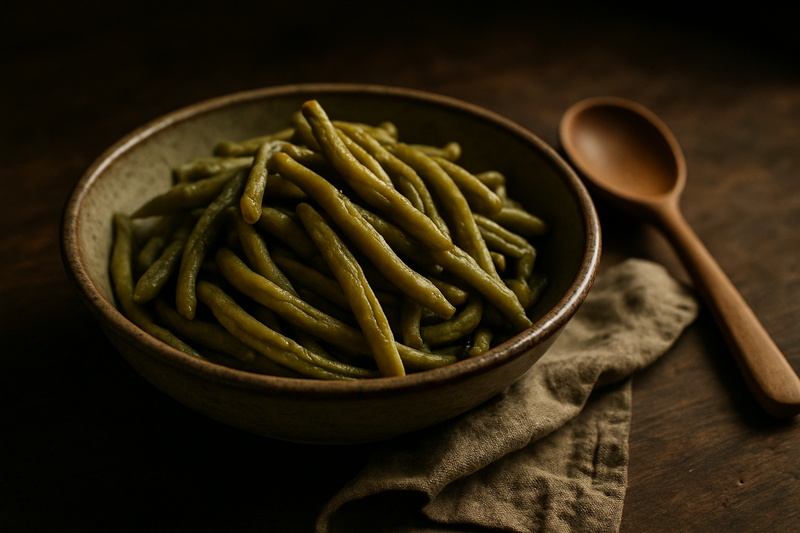
Fermented Green Beans · Photograph
Discover the real fermented green beans health benefits and side effects — from gut health and probiotic content to sodium risks and dilly bean nutrition facts. Evidence-aligned, layperson-friendly guide.
Key Nutrients
% Daily Value based on 2,000 cal diet
Key active compounds in fermented green beans
- Polyphenols (including flavonoids quercetin and kaempferol) — plant secondary metabolites that act as antioxidants; fermentation may increase their bioavailability.
- Carotenoids (e.g., beta-carotene) — pigmented compounds that support vision, immune function, and antioxidant defense; largely preserved through fermentation.
- Chlorophylls — the green pigments that give beans their color; associated with antioxidant and potential detoxifying properties.
- Organic acids (lactic acid, acetic acid) — produced by lactic acid bacteria during fermentation; lower the pH to preserve food, add tangy flavor, and may support a healthy gut environment.
- Short-chain fatty acids / SCFAs (acetate, propionate, butyrate, valerate) — fatty acid molecules with fewer than six carbons produced when gut bacteria ferment dietary fiber; linked to colon health and immune regulation.
- Bioactive peptides — short protein fragments released during fermentation that may have antioxidant, antihypertensive, or immunomodulatory (immune-modifying) properties, though research is still early for green beans specifically.
- Lactic acid bacteria (LAB) — the live microorganisms responsible for lacto-fermentation; present in unpasteurized products and often referred to as probiotics.
Prep and pairing ideas
Classic dilly beans (basic lacto-ferment): Pack trimmed green beans vertically into a clean wide-mouth jar with 3–4 garlic cloves, a large sprig of fresh dill, and optional red pepper flakes. Pour a 2% saltwater brine over the top, weigh the beans down below the waterline, cover loosely, and ferment at room temperature for 3–7 days before refrigerating. They'll stay crisp and tangy for up to 3 months in the fridge.
Common pairings that work particularly well:
- Fermented green beans + grain bowls — Tuck 4–6 beans alongside brown rice, farro, or quinoa with roasted vegetables. The sour-salty crunch contrasts beautifully with earthy grains, and you're pairing fiber with more fiber for sustained fullness.
- Fermented green beans + Bloody Mary — Stand 2–3 spears in your glass as a garnish instead of (or alongside) a celery stick. The savory, garlicky brine complements tomato juice, and you're sipping your way to a more interesting vegetable intake. Go light on the additional salt rim if you're sodium-conscious.
- Fermented green beans + hummus or tahini dip — Serve cold beans alongside a protein- and fat-rich dip. The fat helps absorb fat-soluble vitamins like vitamin K and carotenoids, while the dip adds staying power and turns a few beans into a satisfying snack.
Bottom line
Fermented green beans are a genuinely enjoyable, low-calorie, fiber-rich snack with a real culinary identity — the crunch, the garlic-dill tang, the Bloody Mary moment. The science is promising but still maturing: human data support modest improvements in gut metabolites (particularly SCFAs) with regular lacto-fermented vegetable consumption, but anti-inflammatory and heart-health benefits haven't been clearly demonstrated in controlled trials. The biggest practical consideration isn't the bacteria — it's the brine. Sodium content is high, and that matters for anyone managing blood pressure, heart, or kidney conditions.
Treat dilly beans as a flavorful, probiotic-containing addition to a varied, plant-forward diet rather than a standalone health intervention. A few spears a day, most days of the week, as part of a diet already rich in vegetables, fiber, and whole foods — that's where the evidence points.
Looking to build a broader gut-health strategy? Explore our gut health food guide for ingredients that pair well with fermented vegetables.
How Fermented Green Beans Compares
| Compared with | What's different |
|---|---|
| Fermented Green Beans vs. Pickled Green Beans (Dilly Beans) | Fermented beans are lactic-acid fermented in brine; pickled beans use vinegar and are often heat-processed. |
| Fermented Green Beans vs. Fermented Cucumbers (Pickles) | Green beans provide more fiber (8g) and vitamin K per cup, while cucumbers offer less fiber. |
Health Benefits
Things to Know
High sodium: One cup can provide ~1,900 mg of sodium. Start with small portions (2–6 beans) and factor in sodium from other meals.
Blood pressure medications: High-sodium foods can counteract antihypertensives including ACE inhibitors, ARBs, beta-blockers, and calcium channel blockers. Discuss portion sizes with your prescriber.
Diuretics: Excess sodium may reduce the effectiveness of diuretics prescribed for heart failure or hypertension.
Kidney disease: Strict sodium monitoring is often required; check with your renal dietitian before adding brined vegetables regularly.
Lithium and corticosteroids: Sodium fluctuations can affect lithium levels in the blood; corticosteroids promote fluid retention that high-sodium foods can worsen.
Histamine intolerance: Fermented foods are naturally high in histamine. If you experience headaches, flushing, or hives after eating fermented foods, start with very small amounts or avoid.
Pregnancy: Fermented foods made safely at home are generally fine, but gestational hypertension or preeclampsia warrants sodium restriction — speak with your OB or midwife.
GI sensitivity: Introduce fermented vegetables gradually (a few beans at a time) to allow your gut to adjust and minimize bloating or discomfort.
Vitamin K and blood thinners: Green beans provide moderate vitamin K, which interacts with warfarin (Coumadin). Consistent, moderate intake is generally fine, but sudden large increases should be discussed with your care team.
Food safety at home: Maintain an acidic environment (pH below 4.6), use clean equipment, and keep beans submerged below the brine surface to prevent mold and unsafe fermentation.
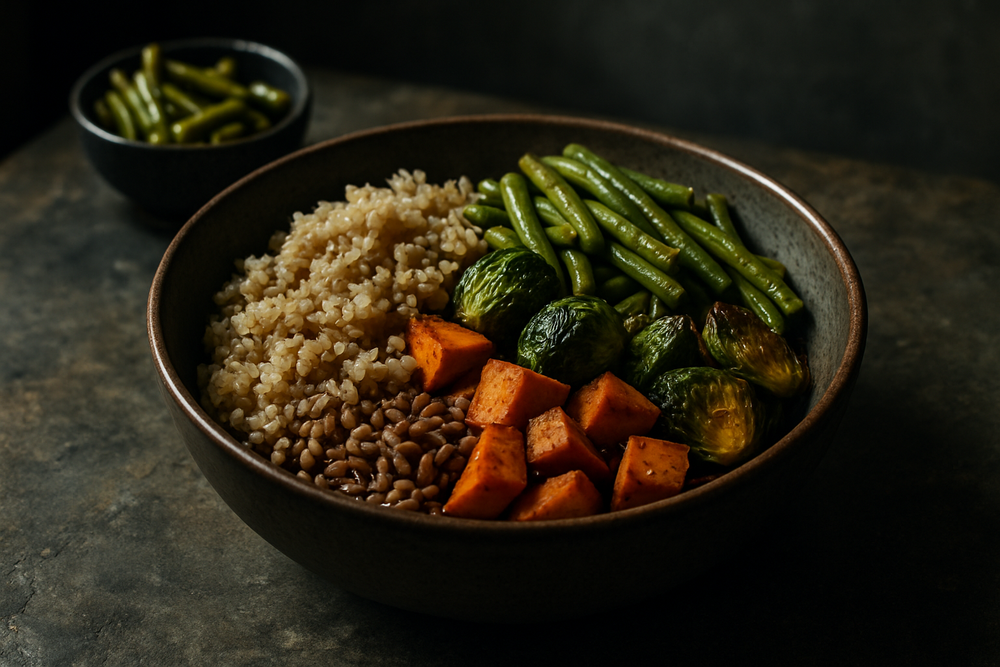
Prep Ideas
- — Fermented green beans + grain bowls — Tuck 4–6 beans alongside brown rice, farro, or quinoa with roasted vegetables. The sour-salty crunch contrasts beautifully with earthy grains, and you're pairing fiber with more fiber for sustained fullness.
- — Fermented green beans + Bloody Mary — Stand 2–3 spears in your glass as a garnish instead of (or alongside) a celery stick. The savory, garlicky brine complements tomato juice, and you're sipping your way to a more interesting vegetable intake. Go light on the additional salt rim if you're sodium-conscious.
- — Fermented green beans + hummus or tahini dip — Serve cold beans alongside a protein- and fat-rich dip. The fat helps absorb fat-soluble vitamins like vitamin K and carotenoids, while the dip adds staying power and turns a few beans into a satisfying snack.
Glossary
Shop This Ingredient
Stock your pantry with quality fermented green beans.
Buy on AmazonAs an Amazon Associate, Plantopedia earns from qualifying purchases. This costs you nothing extra and helps us keep the encyclopedia free.
Frequently Asked Questions
Digestive health and the gut microbiome This is where the strongest human evidence points. A randomized trial published in 2024 found that adults eating about 100 g of mixed lacto-fermented vegetables daily for eight weeks showed significantly higher fecal levels of SCFAs — particularly butyrate, acetate, and valerate — and greater diversity in their gut metabolome (the full range of chemical compounds produced by gut microbes) compared with a control group. Butyrate is especially notable because colonocytes (the cells lining your colon) use it as their primary fuel source. The same research found only modest changes to the gut microbiome itself (the actual populations of bacteria), which suggests fermented vegetables influence what your gut microbes produce more than which microbes live there. That's still meaningful — SCFAs play roles in colon health, immune signaling, and possibly metabolism — but it's a more nuanced picture than "fermented food = better gut bacteria." These studies used mixed fermented vegetables, so the findings are inferred for dilly beans as a member of that food category. Research specific to fermented green beans is limited. Heart and circulation Evidence here is more cautious. A clinical study following adults at cardiovascular risk who consumed fermented vegetables five or more days per week for eight weeks found no significant changes in inflammatory biomarkers such as CRP (C-reactive protein, a marker of inflammation) or gut microbiota diversity. That's a neutral finding — not harmful, not clearly beneficial in the short term. The sodium issue also deserves direct attention here: high-sodium diets are associated with elevated blood pressure, and fermented green beans are unambiguously a high-sodium food. Any potential gut-mediated benefit to heart health needs to be weighed against the sodium load, particularly at full-cup serving sizes. Blood sugar and metabolism No human trials have tested fermented green beans specifically on blood glucose or insulin. What we do know: fresh green beans are low in carbohydrates, high in fiber, and have a modest glycemic impact (the effect a food has on blood sugar levels after eating). Fermentation may further reduce simple sugars and add organic acids that slow digestion, but this remains mechanistic reasoning rather than confirmed human data. As part of a balanced, fiber-rich diet, dilly beans can fit comfortably into a blood-sugar-conscious eating pattern — but they shouldn't be counted on to treat or reverse glycemic conditions. Inflammation and recovery Current human data do not support strong anti-inflammatory effects from typical portions of lacto-fermented vegetables. The cardiovascular-risk trial mentioned above found no significant reduction in systemic inflammatory markers over two months. Lab and animal studies suggest that polyphenols and bioactive peptides in fermented green beans may have anti-inflammatory potential, but that evidence hasn't translated clearly into controlled human outcomes yet. Nutrient bioavailability Fermentation reduces antinutrients like trypsin inhibitors, which can interfere with protein digestion and mineral absorption. This means the iron, calcium, and zinc in fermented green beans may be slightly more absorbable than in their raw counterparts — a modest but real benefit, especially for those relying on plant-based iron sources.
Live-culture lacto-fermented (refrigerated, unpasteurized) Your best bet for probiotic content. Look for products sold cold, with minimal ingredients: green beans, water, salt, garlic, dill. No vinegar. Check that the label says "unpasteurized" or "raw." Sodium content varies by brand — always check the Nutrition Facts panel. Home-fermented dilly beans Full control over salt level and add-ins. Use filtered or non-chlorinated water (chlorine can inhibit fermentation). A 2–3% salt brine (about 1 tablespoon of non-iodized salt per 2 cups of water) is a standard starting point. Ferment at room temperature (65–75°F / 18–24°C) for 3–7 days, then refrigerate. Bubbling is normal; off smells or pink/slimy beans are not. Vinegar-pickled green beans (shelf-stable or canned) Crisp and tangy, but vinegar halts fermentation and pasteurization kills live cultures. No meaningful probiotic content. Useful as a low-sugar condiment, but not equivalent to lacto-fermented beans for gut-health purposes. Also high in sodium. Low-sodium home brine Rinsing or briefly soaking fermented beans before eating can reduce surface sodium by roughly 30–45% while preserving much of the flavor. You can also experiment with slightly lower-salt brines (around 1.5–2% salt), though going too low risks spoilage — keep pH below 4.6 for food safety.
There's no officially established recommended dose for fermented green beans, but human research on lacto-fermented vegetables has used around 100 g per day (roughly ½ to 1 cup) for gut-metabolome effects. For everyday snacking with sodium awareness, 2–6 whole beans (30–60 g) is a practical starting point. At 30–60 g per serving, sodium exposure drops to roughly 240–480 mg — much more manageable for most people and still within a reasonable daily budget when combined with other low-sodium foods. General guidance: New to fermented foods? Start with 2–3 beans and observe how your gut responds over a week before increasing. Gut-health focus: Aim for consistency (most days of the week) over quantity. A small daily portion is more useful than occasional large amounts. Sodium-restricted diets: Keep portions to 30–60 g and rinse beans before eating. Work with a dietitian to fit fermented vegetables into your sodium budget. No upper limit is established, but larger amounts (close to 1 cup daily) should be balanced carefully against total daily sodium, especially for those with cardiovascular, kidney, or liver conditions.
Quick Answers
Common questions, answered in a line.
Fermented green beans contain polyphenols (like quercetin), carotenoids, and chlorophylls, which act as antioxidants to support immune function and vision. The fermentation process may increase the bioavailability of these compounds, helping your body absorb them more effectively.
To make dilly beans at home, pack green beans into a jar with garlic and dill, cover them with a 2% saltwater brine, and ferment at room temperature for 3–7 days. Ensure the beans stay submerged below the waterline to prevent mold and maintain a safe, acidic environment.
Fermented green beans support gut health by providing lactic acid bacteria (probiotics) and organic acids that help maintain a healthy gut environment. Additionally, the fiber in the beans is fermented by gut bacteria to produce short-chain fatty acids (SCFAs), which are linked to colon health.
You can serve fermented green beans in grain bowls, stand them in a Bloody Mary as a garnish, or pair them with hummus or tahini dip. Pairing them with healthy fats like tahini can actually help your body better absorb the fat-soluble vitamin K and carotenoids in the beans.
Yes, fermented green beans are very high in sodium, with one cup containing approximately 1,900 mg. This high salt content means they should be eaten in moderation, especially by those managing blood pressure, heart conditions, or kidney disease.
Fermented green beans can interact with blood thinners like warfarin due to their vitamin K content, and their high sodium can interfere with blood pressure medications and diuretics. They may also affect lithium levels or worsen fluid retention caused by corticosteroids.
If you have a histamine intolerance, you should be cautious because fermented foods are naturally high in histamine. Consuming them may trigger symptoms like headaches, flushing, or hives, so it is best to start with very small amounts or avoid them entirely.
For Readers in the USA
Local context — sourcing, seasonality, and regional notes.
You can find raw green beans at U.S. farmers markets from May through October, while fermented "dilly beans" are available year-round in the refrigerated section of major grocers like Whole Foods or Sprouts. In warmer states like Florida or California, fresh bean seasons may extend even longer due to multiple harvest cycles.
Look for the USDA Organic seal and labels stating "Live and Active Cultures" or "Keep Refrigerated" to ensure the fermented green beans contain probiotics and meet federal organic standards. The FDA requires these labels on unpasteurized products to distinguish them from shelf-stable, vinegar-pickled beans which do not offer the same probiotic benefits.
In the United States, fermented green beans are most famously known as "dilly beans," a regional staple originating from the Northeast and South that features fresh dill and garlic. While they are a popular snack in the Pacific Northwest and New England, they have become a national favorite as a garnish for cocktails like the Bloody Mary.
AI Clinical Review
- Clearly distinguishes true lacto‑fermented beans (salt brine, unpasteurized, live cultures) from vinegar‑pickled or pasteurized products that don’t provide probiotics.
- Accurately frames the strongest evidence around gut metabolites: regular fermented vegetable intake can raise short‑chain fatty acids (SCFAs—beneficial fatty acids made by gut microbes), with more modest shifts in the microbiome itself.
- Emphasizes the very high sodium content of brined beans and offers practical ways to manage it (small portions, optional rinse), which is essential for readers with blood‑pressure concerns.
- Keeps claims balanced: potential benefits for gut health are plausible, while effects on inflammation or cardiovascular risk are not yet consistent in human studies.
- Data on fermented green beans specifically are sparse; most findings are extrapolated from mixed fermented vegetables, so results may not translate 1:1 to dilly beans.
- Probiotic quantity is highly variable by brand, batch, and storage time; there is no standardized “dose,” making outcomes inconsistent.
- Human evidence for improvements in blood pressure, systemic inflammation, or glycemic control remains limited or neutral over short study periods; longer, well‑controlled trials are needed.
- The real‑world impact of fermentation on nutrient bioavailability (e.g., minerals, polyphenols) in typical serving sizes is promising but not well quantified in humans.
- Sodium adds up quickly: a 1‑cup serving can approach the daily limit for many adults; a practical range is 30–60 g (about 2–6 beans), and a brief rinse may lower surface sodium.
- Form matters: choose refrigerated, unpasteurized, no‑vinegar products for live cultures; shelf‑stable or pasteurized versions are fine for flavor but not for probiotics.
- Who should be cautious: people with hypertension, heart or kidney disease; those on diuretics, ACE inhibitors/ARBs, or lithium; individuals with histamine intolerance; and anyone with pregnancy‑related high blood pressure should discuss portions with a clinician.
- Home fermentation safety: keep beans submerged, aim for an acidic environment (pH below 4.6), and discard if slimy, pink, or foul‑smelling; immunocompromised readers may prefer commercially prepared products made under controlled conditions.
High sodium from brine; those on sodium-restricted diets should moderate portions.
References
- USDA FoodData Central — green beans nutrition data (fdc.nal.usda.gov)
- Nutritional quality of green beans fermented with starter culture (human/compositional study) (pubmed.ncbi.nlm.nih.gov)
- Chemical and nutritional evaluation of green beans during fermentation (compositional study) (pubmed.ncbi.nlm.nih.gov)
- Regular consumption of lacto-fermented vegetables has greater effects on the gut metabolome than the microbiome (randomized trial) (pubmed.ncbi.nlm.nih.gov)
- Lacto-fermented fruits and vegetables: bioactive components and human health effects (review) (pubmed.ncbi.nlm.nih.gov)
- Effects of fermented vegetables on the gut microbiota for prevention of cardiovascular disease (clinical trial, Cambridge) (cambridge.org)
- Effect of fermentation on nutritional quality of selected legumes and vegetables (review) (pmc.ncbi.nlm.nih.gov)
- Legumes fermented with lactic acid bacteria — bioavailability and health (review) (pmc.ncbi.nlm.nih.gov)
- Healthline — Green beans nutrition and health overview (healthline.com)
- Dill beans wellness and sodium reduction guide (thelivinglook.com)
Know Your Numbers
Eating healthy is a start. Now get to know your biomarkers.
Food changes bloodwork — inflammation, lipids, blood sugar and nutrient status all respond to what you eat. 59 markers from $59.
- Results in 7–10 days at 2,000+ Quest sites
- Licensed provider reviews every result
- One flat price, no membership, HSA/FSA eligible
Educational information only, not medical advice. Panels are ordered and reviewed through our licensed partner; Plantopedia may earn a commission.