Fermented Purple Cabbage & Apple — health benefits and uses
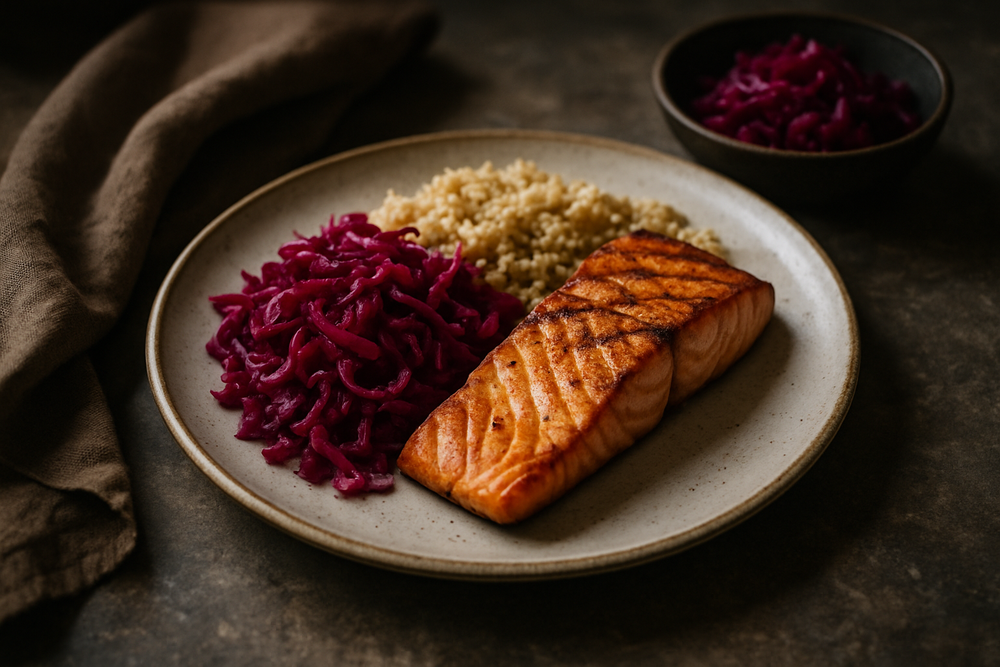
The deep pigment signals the antioxidant anthocyanins prized in traditional diets.
The Short Answer
Fermented purple cabbage and apple is a probiotic-rich condiment made by lacto-fermenting shredded cabbage and fruit. It is high in Vitamin C and antioxidant anthocyanins, offering a tangy, crunchy profile that supports gut health through live cultures and

Fermented Purple Cabbage & Apple · Photograph
Fermented red cabbage and apple kraut is exactly what it sounds like: shredded purple cabbage (Brassica oleracea var. capitata f. rubra) and apple, massaged with salt and left to ferment naturally at room temperature. Within days, wild lactic acid bacteria — the microorganisms already living on the vegetable's surface — convert sugars into lactic acid, preserving the food, creating a pleasantly tangy flavour, and producing a jar full of vivid magenta goodness.
Key Nutrients
% Daily Value based on 2,000 cal diet
Key active compounds
- Anthocyanins (cyanidin derivatives) — The purple-red pigments in red cabbage and apple skins. These flavonoid compounds act as antioxidants, helping to neutralise free radicals (unstable molecules that can damage cells). Fermentation can alter their chemical profile, potentially affecting how well they are absorbed.
- Glucosinolates and isothiocyanates — Sulphur-containing compounds unique to brassica vegetables like cabbage. The body converts glucosinolates into isothiocyanates, which have shown anti-inflammatory and potentially cancer-protective properties in laboratory and animal models. Fermentation partially breaks these down, but some bioactive forms remain.
- Polyphenols (quercetin, chlorogenic acid, flavonols) — A broad family of plant compounds found in both cabbage and apple. They contribute to antioxidant capacity and may modulate gut microbiota composition and blood vessel function.
- Prebiotic fibres (pectin and non-starch polysaccharides) — Fermentable fibres from apple and cabbage that gut bacteria use as fuel, producing short-chain fatty acids (SCFAs) — small molecules like butyrate, acetate, and propionate that nourish the gut lining and support metabolic health.
- Lactic acid bacteria (LAB) — Living microorganisms including Lactobacillus plantarum, Lactobacillus brevis, and Leuconostoc mesenteroides that drive fermentation, produce lactic acid, and may act as probiotics in the gut.
- Lactic acid (organic acid) — The acid produced by LAB during fermentation. It lowers the pH of the ferment, preserving the food and inhibiting harmful bacteria.
- Vitamin C — Concentrated in red cabbage; functions as a water-soluble antioxidant and supports immune function and collagen synthesis.
Prep and pairing ideas
1. On grain bowls and rice dishes A spoonful of magenta kraut alongside brown rice, roasted sweet potato, and tahini dressing adds colour, crunch, tang, and probiotic benefit. The fat in tahini may also support absorption of the fat-soluble compounds in the kraut.
2. With oily fish or avocado Fermented cabbage's acidity cuts through richness beautifully — try it alongside smoked mackerel or sliced avocado on rye bread. The fibre in the kraut complements the omega-3s in fish for a gut-and-heart supporting combination.
3. As a taco or wrap topping Swap ordinary shredded cabbage slaw for a small handful of purple cabbage apple kraut in plant-based tacos. The lactic acid acts like a dressing, and the apple adds a gentle sweetness that balances spices.
Storage tip: Keep refrigerated and use a clean utensil each time to avoid introducing contaminants. Homemade kraut keeps for 2–3 months refrigerated, though flavour sharpens over time.
Bottom line
Fermented purple cabbage and apple kraut is one of the most nutritionally interesting condiments you can add to a plant-rich diet. It combines the vivid anthocyanins of red cabbage, the prebiotic pectin of apple, and live lactic acid bacteria into a single food that may support gut microbiota diversity, digestive regularity, and some markers of inflammation and metabolic health — at serving sizes as modest as half a cup a day.
The honest caveat is that the evidence base is still catching up with the enthusiasm. Most human trials have studied kimchi or mixed fermented vegetables rather than specifically purple cabbage–apple kraut, and effect sizes in available studies are modest. What we can say is that this is a nutrient-dense, low-calorie, whole-food addition to meals that fits well within plant-forward eating patterns, provided sodium intake is monitored and it is introduced gradually to minimise digestive discomfort.
How Fermented Purple Cabbage & Apple Compares
| Compared with | What's different |
|---|---|
| Fermented Purple Cabbage & Apple vs. Classic Sauerkraut | Has more anthocyanins and a crunchier texture than typical green cabbage kraut. |
| Fermented Purple Cabbage & Apple vs. Kimchi | A Korean ferment containing chili, ginger, and garlic, making it significantly spicier. |
| Fermented Purple Cabbage & Apple vs. Braised Red Cabbage | Usually pickled in vinegar and sugar rather than fermented with live bacteria. |
Health Benefits
Things to Know
Sodium: Salt-based fermentation means this food can contain 200–500 mg of sodium per 100 g serving. People with hypertension, heart failure, or kidney disease who need sodium restriction should count this toward their daily limit or look for lower-sodium homemade versions.
Bloating and gas: Very common when first introducing fermented vegetables. This typically settles within 1–2 weeks. Start with 1–2 tablespoons per day and increase gradually.
Histamine: Fermented foods naturally contain histamine — a compound produced during fermentation. People with histamine intolerance or mast cell activation syndrome may experience symptoms such as headaches, skin flushing, or digestive discomfort.
Thyroid conditions: Purple cabbage is a brassica and contains goitrogenic compounds. Fermentation reduces these, and typical servings are not thought to be problematic, but people with hypothyroidism (underactive thyroid) who eat large amounts daily may wish to monitor symptoms and discuss with their doctor.
Vitamin K and anticoagulants: Cabbage provides vitamin K, which is involved in blood clotting. People on warfarin or other vitamin K-antagonist blood thinners should keep their intake of vitamin K-rich foods consistent from day to day rather than cutting them out — sudden large changes can affect medication effectiveness. Discuss with your prescriber.
Kidney disease: The potassium and sodium content make portion awareness important for people with chronic kidney disease who need strict electrolyte control.
Immunocompromised individuals: Ensure the ferment is properly prepared; improperly fermented foods carry a risk of harmful bacteria. Commercial refrigerated products from reputable producers are the safest option.
Pregnancy and breastfeeding: Fermented vegetables at normal food amounts are generally considered safe, but if you are introducing them for the first time during pregnancy, start small and buy from reputable producers rather than relying on home ferments with uncertain safety controls.
Drug interactions: As above for warfarin (vitamin K), antihypertensives (sodium), diuretics (sodium/potassium balance), and antidiabetic medications (diet-level glycaemic effects).
Glossary
Shop This Ingredient
Stock your pantry with quality fermented purple cabbage & apple.
Buy on AmazonAs an Amazon Associate, Plantopedia earns from qualifying purchases. This costs you nothing extra and helps us keep the encyclopedia free.
Frequently Asked Questions
Digestive health and microbiome This is where the evidence is most developed. A pilot trial published in PLOS ONE had women eat approximately 100 g per day of fermented cabbage and cucumbers for six weeks. The result: measurable shifts in gut microbiota composition consistent with increased microbial diversity, including higher abundance of butyrate-producing and anti-inflammatory bacteria. A meta-analysis of fermented food studies also found modest increases in stool frequency compared to control groups. The mechanism seems straightforward: LAB from the kraut arrive in the gut, where they may temporarily colonise and produce beneficial compounds; the prebiotic fibre from cabbage and apple then feeds existing gut bacteria, encouraging production of SCFAs like butyrate, which nourishes the cells lining the colon and may strengthen the gut barrier. The gut barrier is the thin layer that controls what passes from your intestine into your bloodstream. That said, bloating and gas are common when starting fermented vegetables, as your microbiome adjusts. Starting with small amounts (1–2 tablespoons) and building up gradually helps most people adapt within one to two weeks. Heart and circulation Research here is promising but largely indirect. In a crossover trial, obese and overweight adults who ate 300 g per day of kimchi (a fermented cabbage dish) for four weeks showed reductions in total cholesterol, body weight, BMI, waist-to-hip ratio, and body fat. A large Korean cohort study linked frequent kimchi consumption with lower rates of metabolic syndrome in women over ten years. Purple cabbage–apple kraut shares some of the same ingredients and mechanisms — brassica fibre, fermentation-derived bacteria, and polyphenols — but it has not been tested in dedicated cardiovascular trials. The purple cabbage sauerkraut for heart health story is plausible, but the sodium content in most ferments is also worth keeping in mind: high sodium intake can raise blood pressure, which may offset potential heart benefits in susceptible people. Blood sugar and metabolism Some human evidence suggests fermented vegetables can support glycaemic control (blood sugar regulation). In the kimchi trial mentioned above, fasting blood glucose and fasting insulin both fell in the intervention group. Observational data from the Korean Genome and Epidemiology Study also linked higher kimchi intake with lower metabolic syndrome risk, including improvements in blood sugar markers. Fermented cabbage and apple blood sugar benefits are plausible through several pathways: low energy density, high fibre content slowing glucose absorption, and gut microbiota changes that improve insulin sensitivity. However, no controlled human trial has specifically tested purple cabbage–apple kraut for glycaemic outcomes, and people taking antidiabetic medications should discuss dietary changes with their doctor. Inflammation and recovery In an intervention study, obese and overweight adults consuming 300 g/day of kimchi for four weeks showed significant reductions in C-reactive protein (CRP — a blood marker of systemic inflammation) and pro-inflammatory cytokines including IL-6 and TNF-α. A pilot study using 100 g/day of mixed fermented vegetables in women also found trends toward reduced inflammatory markers alongside positive microbiota changes. The anti-inflammatory effects are thought to come from the combined action of LAB metabolites, SCFAs, anthocyanins, and glucosinolate derivatives — all present in red cabbage–apple kraut. But again, these findings are extrapolated from kimchi and mixed ferments; direct trials on this specific kraut are lacking. Hormones and cycle health The evidence here is very early-stage. In the kimchi intervention, researchers observed changes in adipokines — hormones secreted by fat tissue, including adiponectin (which supports insulin sensitivity) and leptin (which regulates appetite). These shifts accompanied weight loss, so it is difficult to isolate the fermented food's effect. Reviews suggest fermented vegetables may indirectly modulate hormonal pathways via gut microbiota changes and reduced inflammation, but there is no human clinical evidence that purple cabbage–apple kraut meaningfully affects sex hormones, thyroid function, or stress hormones. Worth noting: brassica vegetables contain goitrogenic compounds (substances that can interfere with thyroid hormone production), but fermentation reduces these, and typical serving sizes remain well below problematic levels in most people.
Buying guide Refrigerated, unpasteurised kraut is your best option for probiotic benefit. Look for products sold chilled, with "raw," "live cultures," or "naturally fermented" on the label. Ingredients should be short: cabbage, apple, salt, and possibly caraway or spices. Avoid products with added vinegar — vinegar shortcircuits lacto-fermentation and produces a pickled product, not a probiotic one. Pasteurised shelf-stable products have been heat-treated, which kills live bacteria. They retain fibre, vitamin C, and polyphenols, but the probiotic effect will be minimal. Still a nutritious condiment, just not a probiotic one. Homemade kraut gives you full control over salt level (useful for sodium-conscious eaters), apple variety, and fermentation time. A basic ratio is 2% salt by weight of your cabbage and apple combined. Ferment at room temperature for 5–14 days, then refrigerate. Label tip: A lower sodium option can be made at home by reducing salt to about 1.5% — fermentation still works, though the texture may be slightly softer.
The gut-health focused eater Already eating a plant-rich diet but wants to add diversity Notices bloating or irregular digestion and is looking for a food-first approach Interested in microbiome diversity as part of a long-term wellness strategy The plant-based athlete or active person Wants anti-inflammatory foods to support recovery alongside training Looking for nutrient-dense, low-calorie condiments to replace processed options Benefits from the vitamin C and antioxidant support without adding significant calories or fat
Human studies on fermented vegetables have typically used around 100 g per day (approximately ½ cup or a generous forkful alongside a meal). Some kimchi trials used up to 300 g per day, but at that level sodium intake from fermented foods alone becomes substantial. A practical approach: Start: 1–2 tablespoons (15–30 g) per day for the first 1–2 weeks to allow your gut to adjust. Build to: 50–100 g per day (2–4 tablespoons), used as a condiment or side at one or two meals. Avoid: Eating large amounts all at once if you are new to fermented foods — this is the most common trigger for gas and bloating. There is no established upper safe limit for fermented vegetables in healthy adults, but consistently high intake (multiple cups daily) would also mean high sodium intake, which is worth avoiding without specific guidance. Evidence does not suggest more is always better; the gut microbiota changes seen in trials were achieved at modest 100 g servings.
Quick Answers
Common questions, answered in a line.
Fermented purple cabbage and apple kraut is created by massaging shredded red cabbage and apple with salt and allowing them to ferment naturally at room temperature. This process allows wild lactic acid bacteria on the produce to convert sugars into preserving lactic acid.
The vibrant magenta color of this kraut comes from anthocyanins, which are purple-red pigments found in red cabbage and apple skins. These flavonoid compounds function as antioxidants that help the body neutralize unstable free radical molecules.
It is common to experience bloating and gas when first adding fermented vegetables like purple cabbage kraut to your diet. These symptoms typically resolve within one to two weeks, and starting with just one to two tablespoons per day can help minimize discomfort.
People taking warfarin or other vitamin K-antagonist blood thinners should maintain a consistent daily intake of cabbage-based ferments. Because cabbage is rich in vitamin K, which is involved in blood clotting, sudden large changes in consumption can affect medication effectiveness.
A 100g serving of salt-fermented cabbage and apple can contain between 200 mg and 500 mg of sodium. Individuals with hypertension, heart failure, or kidney disease should monitor their intake and count these amounts toward their daily sodium limits.
Fermented purple cabbage and apple contains prebiotic fibers like pectin and non-starch polysaccharides that serve as fuel for beneficial gut bacteria. When these bacteria consume the fibers, they produce short-chain fatty acids that nourish the gut lining.
Fermented purple cabbage and apple kraut generally stays fresh for two to three months when kept in the refrigerator. To prevent contamination, always use a clean utensil when scooping from the jar, and note that the flavor will become sharper over time.
Fermentation naturally produces histamine, so people with histamine intolerance or mast cell activation syndrome may experience reactions. Potential symptoms include headaches, skin flushing, or digestive discomfort after consuming fermented foods.
For Readers in the USA
Local context — sourcing, seasonality, and regional notes.
You can buy fermented purple cabbage at national retailers like Whole Foods Market, Trader Joe’s, and Sprouts Farmers Market, often located in the refrigerated produce or deli sections. Unlike shelf-stable canned kraut, these "raw" varieties are unpasteurized to ensure the lactic acid bacteria remain alive and active.
While purple cabbage is available year-round in the US, peak season for domestically grown red cabbage and apples spans from late summer through early winter. Purchasing these ingredients at local farmers markets during the fall ensures the highest nutrient density and supports the natural wild fermentation process with fresh, local microbes.
USDA Organic certification ensures the cabbage and apples were grown without synthetic pesticides, which is particularly beneficial for ferments since the skins—where microbes and nutrients reside—are consumed. Many US consumers prefer organic options for fermentation to avoid potential pesticide residues that might interfere with delicate lactic acid bacteria.
In the US, purple cabbage and apple kraut is a staple at traditional backyard barbecues and Jewish delis, where its acidity is used to balance heavy, fatty proteins. It has also become a core component of modern "Californian" cuisine, appearing frequently as a topping for grain bowls, avocado toast, and fish tacos.
AI Clinical Review
- Clearly explains how lacto‑fermentation works and why refrigerated, unpasteurised products provide live cultures, while pasteurised versions do not.
- Accurately frames this kraut as a synbiotic food (prebiotic fibre + probiotic bacteria) with plausible benefits for gut microbiota and regularity, supported by small human studies using ~100 g/day of fermented vegetables.
- Highlights purple cabbage’s high anthocyanin content and apple’s pectin/polyphenols, which together may contribute antioxidant and anti‑inflammatory effects.
- Provides practical, sensible intake guidance (start small; build to ~50–100 g/day) and flags sodium as a meaningful variable.
- Most clinical data come from kimchi or mixed‑vegetable ferments; red‑cabbage–apple kraut hasn’t been tested in large, dedicated trials, so benefits are inferred rather than proven.
- Reported improvements in metabolic and inflammatory markers are modest and not universal; effects likely vary by individual microbiome, recipe, and portion size.
- The live microbe dose (CFU) in fermented vegetables is not standardised and can decline over time, making “how much is enough” imprecise.
- Fermentation may change anthocyanin profiles and bioavailability, but the net impact on absorption in humans remains uncertain.
- Dose and form: For probiotic effect, choose refrigerated, unpasteurised products without added vinegar; pasteurised, shelf‑stable kraut retains fibre and micronutrients but few live cultures. Typical research portions are ~100 g/day.
- Sodium: Expect roughly 200–500 mg sodium per 100 g; those with hypertension, heart failure, or chronic kidney disease should account for this and consider lower‑salt homemade versions if appropriate.
- Sensitivities and conditions: Fermented foods contain histamine—people with histamine intolerance or mast‑cell disorders may react. Brassica goitrogens are lowered by fermentation, but very high habitual intakes may warrant caution in hypothyroidism.
- Medications and special populations: Keep vitamin K intake consistent if you take warfarin; discuss with your clinician if you use antihypertensives, diuretics, or diabetes medications. In pregnancy or if immunocompromised, prefer reputable commercial products and introduce in small amounts.
Salty; brassica ferments may cause initial gas.
References
- USDA FoodData Central — Red cabbage, raw (FDC #169977) — nutrition reference data used for the snapshot above (fdc.nal.usda.gov)
- Pilot trial: fermented vegetables and gut microbiota in women (PLOS ONE, 2022) — six-week trial showing feasibility and microbiota shifts at ~100 g/day (journals.plos.org)
- Advancing Insights into Probiotics during Vegetable Fermentation (Nutrients, 2023) — review of LAB species, probiotic mechanisms, and health effects of fermented vegetables (pmc.ncbi.nlm.nih.gov)
- Fermented Vegetables: Health Benefits, Defects, and Current Challenges (review, 2024) — comprehensive review covering cardiometabolic, anti-inflammatory, and gut health evidence (pmc.ncbi.nlm.nih.gov)
- Fermented Foods, Health and the Gut Microbiome (Nutrients, 2022) — review positioning fermented foods within gut health and immune regulation research (pmc.ncbi.nlm.nih.gov)
- Fermented Fruits, Vegetables, and Legumes in Metabolic Syndrome (review, 2024) — covers glycaemic, lipid, and weight-related evidence including kimchi intervention data (pmc.ncbi.nlm.nih.gov)
- Impact of fermented foods consumption on gastrointestinal outcomes (review, 2025) — meta-analytic evidence on stool frequency, IBS symptoms, and microbiota changes (pmc.ncbi.nlm.nih.gov)
- Fermented Vegetables as Vectors for Relocation of Beneficial Microorganisms to the Gut (USDA ARS review) — mechanistic overview of how LAB from fermented vegetables interact with the gut (ars.usda.gov)
- Does Consumption of Fermented Foods Modify the Human Gut Microbiota? (review, 2020) — evidence synthesis on fermented food effects across food types (pmc.ncbi.nlm.nih.gov)
- University of Minnesota: Fermented vegetables positively impact gut health — accessible summary of research on fermented vegetable trials (twin-cities.umn.edu)
Know Your Numbers
Eating healthy is a start. Now get to know your biomarkers.
Food changes bloodwork — inflammation, lipids, blood sugar and nutrient status all respond to what you eat. 59 markers from $59.
- Results in 7–10 days at 2,000+ Quest sites
- Licensed provider reviews every result
- One flat price, no membership, HSA/FSA eligible
Educational information only, not medical advice. Panels are ordered and reviewed through our licensed partner; Plantopedia may earn a commission.