Milk Thistle Seeds — health benefits and uses
A classic Western herbal seed traditionally used to support the liver.
The Short Answer
Milk thistle seeds are a source of silymarin, a plant compound studied for supporting liver health by reducing oxidative stress. A 10g serving provides 4.5g of fiber and 8.1mg of iron, though seeds contain lower silymarin concentrations than standardized
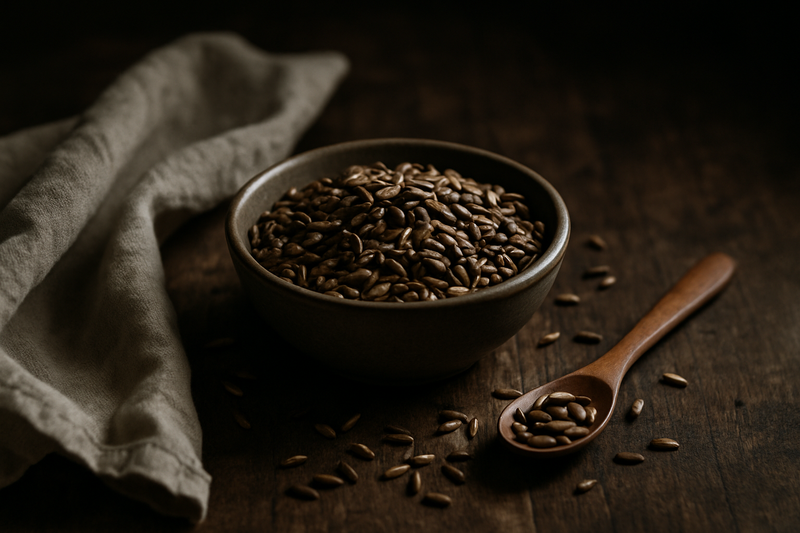
Milk Thistle Seeds · Photograph
Discover the science-backed milk thistle seeds benefits for liver health, including silymarin content, nutrition facts, how to use them in smoothies or tea, dosage guidance, and important safety information for people on medications.
Key Nutrients
% Daily Value based on 2,000 cal diet
Key active compounds in milk thistle seeds
- Silymarin — A mixture of flavonolignans (plant compounds that form when a flavonoid bonds with a lignan, a structural fiber molecule). The main components are silybin, silychristin, and silydianin. Silymarin typically makes up 1.5–3% of seed weight and is concentrated in the seed coat.
- Silybin (also spelled silibinin) — The most biologically active individual component of the silymarin complex; most studied for liver-protective effects.
- Flavonoids (e.g., taxifolin) — Polyphenolic plant compounds that contribute additional antioxidant activity alongside silymarin.
- Phenolic acids — Smaller antioxidant molecules including hydroxybenzoic and hydroxycinnamic acid derivatives that help protect fats, proteins, and DNA from oxidative stress.
- Linoleic acid — The predominant unsaturated fatty acid in milk thistle seed oil; an omega-6 fat that supports cell membrane structure.
- Vitamin E (tocopherols) — Fat-soluble antioxidants present in the seed oil that protect cell membranes from damage.
Myths vs. facts about milk thistle seeds
Myth 1: Milk thistle seeds "detox" the liver. Fact: The liver detoxes itself continuously — it doesn't need to be "detoxed." What silymarin appears to do is support the liver's own protective mechanisms by reducing oxidative stress and inflammation. That's meaningful, but it's not the same as the popular detox narrative.
Myth 2: Eating whole seeds gives the same benefits as taking a standardized silymarin capsule. Fact: The seeds contain silymarin, but at much lower and more variable concentrations than a standardized extract. A tablespoon of seeds provides far less silymarin than the doses used in clinical trials. Whole seeds are a food-based source, not a pharmacological dose — which is both their advantage (gentler, with fiber and minerals) and their limitation for therapeutic use.
Myth 3: Because it's "natural," milk thistle is always safe to combine with medications. Fact: Natural does not mean interaction-free. Milk thistle is well-documented to affect the enzymes that process many prescription drugs in the liver. Combining it with certain medications — including warfarin, diabetes drugs, and HIV medications — without medical supervision carries real risks.
Prep and pairing ideas
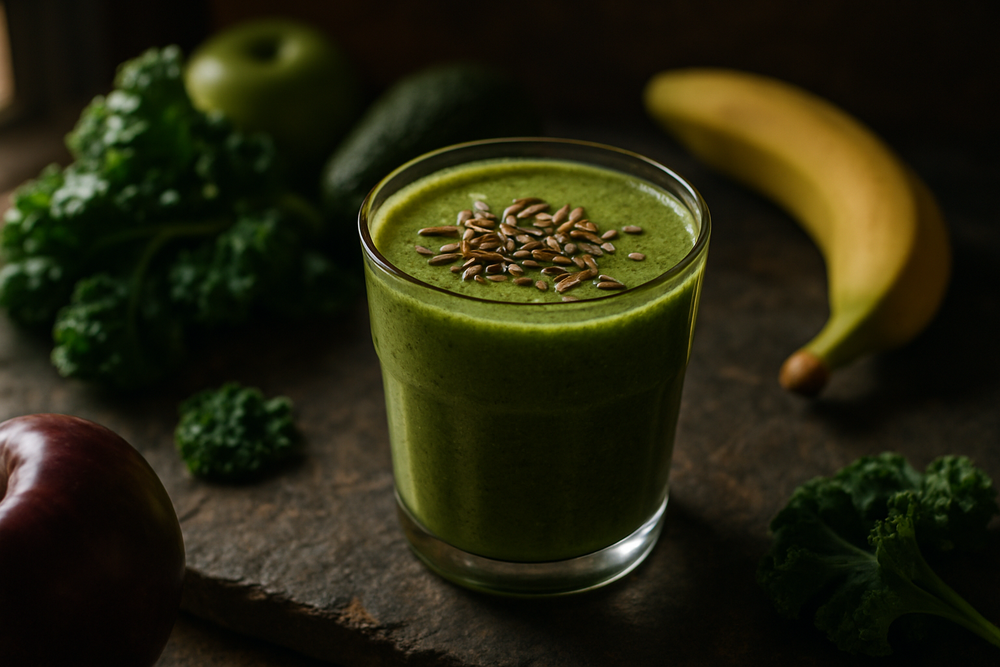
Ground seed smoothie: Add 1–2 teaspoons of freshly ground milk thistle seeds to a blender with banana, frozen blueberries, a handful of spinach, and unsweetened plant milk. The slightly bitter edge is mellowed by the fruit.
Oatmeal topper: Sprinkle whole or lightly toasted seeds over overnight oats alongside chia seeds and a drizzle of tahini. The combination adds texture, fiber, and a range of minerals.
Seed tea: Add 1 teaspoon of lightly crushed seeds to a small saucepan with 2 cups of water. Simmer (do not boil hard) for 10–15 minutes. Strain, add a slice of ginger or a squeeze of lemon to soften the bitterness, and sip slowly.
Buying guide
- Whole seeds vs. ground: Whole seeds last longer. Buy whole and grind as needed to preserve volatile compounds and prevent oil oxidation. Look for seeds with a visible gray-green, mottled appearance — a sign of freshness.
- Organic certification: Because silymarin concentrates in the seed coat, minimizing pesticide residue on that coat is a reasonable preference.
- Supplement labels: If choosing a capsule, look for "standardized to 70–80% silymarin" on the label — this is the form used in most clinical research.
- Avoid pre-ground bulk bags that lack a packaging date; rancid seed oils smell musty and offer reduced nutritional value.
- Tea bags: Commercial milk thistle tea bags are convenient but typically provide very small silymarin doses. Fine as a ritual; not a substitute for a meaningful food serving.
Bottom line
Milk thistle seeds are one of the more intriguing seeds in the whole-food plant-based toolkit — not because they are a superfood cure-all, but because they deliver a genuinely unusual combination: high fiber, notable minerals, and a well-researched phytochemical complex (silymarin) in a single small seed. The liver-health evidence is suggestive and consistent, even if most of it comes from concentrated extracts rather than kitchen-ready seed preparations. The fiber story is solid on its own terms. And the mineral profile — particularly iron and copper — makes these seeds genuinely useful for people eating predominantly plants.
The main caveat is also genuine: milk thistle is not a passive food ingredient when it comes to medications. Its effect on liver enzymes that process drugs is well-documented, and anyone on a prescription medication list should have a brief conversation with their clinician before adding these seeds regularly to their diet, and especially before reaching for a supplement. Used thoughtfully, milk thistle seeds can be a quiet, useful addition to a food-first approach to health.
How Milk Thistle Seeds Compares
| Compared with | What's different |
|---|---|
| Milk Thistle Seeds vs. Flaxseeds | Higher in protein and omega-3s but lacks the specific silymarin complex found in milk thistle. |
| Milk Thistle Seeds vs. Sesame Seeds | Rich in minerals but used primarily for oil and culinary flavor rather than liver support. |
Health Benefits
Things to Know
Medication interactions are significant.: Milk thistle can affect enzymes in the liver (particularly CYP3A4 and related pathways) that process many common drugs. This can raise or lower drug levels in ways that matter clinically.
Warfarin users: Milk thistle may enhance anticoagulant (blood-thinning) effects, potentially increasing bleeding risk. Closer monitoring of INR (a measure of clotting time) is advised.
Diabetes medications: Milk thistle may add to blood sugar–lowering effects, risking hypoglycemia (dangerously low blood sugar). Monitor blood glucose if combining these.
HIV medications: May alter levels of protease inhibitors and non-nucleoside reverse transcriptase inhibitors, risking toxicity or treatment failure.
Transplant recipients: Combined use with sirolimus or nivolumab has been associated with possible transplant rejection complications.
Antipsychotics: Cases of pancreatitis have been reported when milk thistle was taken alongside haloperidol or risperidone.
Pregnancy and breastfeeding: Safety data for high-dose supplements are limited. Whole-seed food use in small amounts is lower risk, but discuss with a clinician.
Ragweed allergy: Milk thistle belongs to the same plant family (Asteraceae) as ragweed. People with ragweed, chrysanthemum, or daisy allergies may have a higher risk of allergic reaction.
Hormone-sensitive conditions: Early laboratory data suggest silymarin may have mild estrogen-like effects. People with hormone-sensitive cancers or on hormone therapies should discuss use with their doctor.
GI adjustment: Increasing fiber intake quickly — even from a healthy source — can cause gas, bloating, or loose stools. Start with a small amount (½ teaspoon) and increase gradually.
Prep Ideas
- — Whole seeds vs. ground: Whole seeds last longer. Buy whole and grind as needed to preserve volatile compounds and prevent oil oxidation. Look for seeds with a visible gray-green, mottled appearance — a sign of freshness.
- — Organic certification: Because silymarin concentrates in the seed coat, minimizing pesticide residue on that coat is a reasonable preference.
- — Supplement labels: If choosing a capsule, look for "standardized to 70–80% silymarin" on the label — this is the form used in most clinical research.
- — Avoid pre-ground bulk bags that lack a packaging date; rancid seed oils smell musty and offer reduced nutritional value.
- — Tea bags: Commercial milk thistle tea bags are convenient but typically provide very small silymarin doses. Fine as a ritual; not a substitute for a meaningful food serving.
Glossary
Shop This Ingredient
Stock your pantry with quality milk thistle seeds.
Buy on AmazonAs an Amazon Associate, Plantopedia earns from qualifying purchases. This costs you nothing extra and helps us keep the encyclopedia free.
Frequently Asked Questions
Most clinical evidence comes from studies using standardized silymarin extracts (concentrated, measured-dose capsules), not from eating whole or ground seeds. That distinction matters: extrapolating extract findings to seed-food use is indirect. That said, the seeds are the source of those extracts, and their silymarin and fiber content gives a biological rationale for whole-seed benefits. Heart and circulation Milk thistle seeds provide fiber, unsaturated fats, and minerals like magnesium and potassium — all nutrients associated with cardiovascular support. In some liver and metabolic disease trials, silymarin supplementation has been linked to modest improvements in triglycerides and total cholesterol, suggesting a possible indirect cardiometabolic benefit. However, no large trials have specifically tested milk thistle seeds or silymarin for hard cardiovascular endpoints like heart attack or stroke, so heart-health claims for whole seeds rest primarily on their nutrient composition. Digestive health and microbiome With roughly 4.5 g of dietary fiber per tablespoon, milk thistle seeds are one of the more fiber-dense seeds available. Dietary fiber feeds beneficial gut bacteria (a process called fermentation by the microbiome), supports regular bowel movements, and contributes to feelings of fullness. Traditional herbal medicine also describes milk thistle as supporting bile flow — bile being the digestive fluid that helps break down fats — though modern digestive-specific clinical trials are limited. The fiber story alone is solid enough to justify including these seeds in a gut-health strategy. Blood sugar and metabolism Small clinical studies of silymarin in people with type 2 diabetes or metabolic syndrome (a cluster of conditions including high blood sugar, excess abdominal fat, and abnormal cholesterol levels) report modest improvements in fasting blood glucose and insulin sensitivity. Major medical references also note that milk thistle may enhance the effects of blood sugar–lowering medications. Evidence is based on concentrated extracts and small trials, so results should be considered preliminary — but the signal is consistent enough to warrant attention, and it also flags an important caution for people on diabetes medications (see safety section below). Inflammation and recovery Silymarin and related phenolic compounds in milk thistle seeds show strong antioxidant and anti-inflammatory activity in laboratory studies. In clinical trials focused on NAFLD (nonalcoholic fatty liver disease — a condition where excess fat builds up in liver cells without heavy alcohol use) and other liver conditions, silymarin has been associated with reductions in liver enzyme markers, which are blood-test indicators of liver inflammation. Most of this data is liver-specific and based on extracts, not whole seeds, but the mechanistic picture is consistent: silymarin appears to interrupt the inflammatory and fibrotic (scar-forming) pathways that damage liver tissue over time. Liver and NAFLD support — the core claim This is where most of the research sits. Randomized and observational studies of silymarin extracts (typically 140–420 mg/day) show improvements in liver enzymes, fat accumulation in the liver (steatosis), and some tissue-level features in people with NAFLD. Results across studies are mixed, and no major medical organization currently recommends milk thistle as a first-line treatment for any liver disease. For alcoholic liver disease and chronic viral hepatitis, evidence is even more limited. The Merck Manual and Mayo Clinic describe it as a complementary — not primary — therapy. That framing is accurate and worth keeping in mind.
The form you choose changes how much you access the seeds' compounds — and for what purpose. Whole seeds can be sprinkled on salads, oatmeal, or yogurt. They have a pleasantly nutty, slightly bitter flavor. Chewing them well is important; intact seeds may pass through without fully releasing their fiber and phytochemicals. Ground seeds or seed flour is the most practical whole-food approach. Freshly ground seeds blend smoothly into smoothies, baked goods, or plant-based spreads. Grinding breaks the seed coat and makes silymarin and fiber more accessible. A small coffee grinder or spice grinder works well. Grind small batches and store in the fridge to prevent the oils from going rancid. Milk thistle tea is made by simmering lightly crushed seeds for 10–15 minutes. The resulting tea is mildly bitter with an earthy, herbal quality. Silymarin has limited water solubility, meaning some of its compounds are not efficiently extracted into hot water — so tea is a gentler approach than a capsule, not a stronger one. Standardized silymarin extracts (capsules or tablets) are what virtually all clinical trials use. If you are looking to replicate the doses studied for NAFLD or other liver conditions, a standardized extract is the more reliable tool. This is a supplement decision, not a food decision — and it warrants clinician involvement given the interaction potential.
As a whole food, 1–2 teaspoons (2–5 g) per day is a sensible starting point for most adults, with some users working up to 1–2 tablespoons (10–20 g) once their digestion has adjusted to the higher fiber intake. Clinical trials use standardized silymarin extracts at around 140–420 mg of silymarin per day — not equivalent to tablespoons of seeds. A tablespoon of whole seeds contains roughly 150–300 mg of silymarin total, but bioavailability (how much the body actually absorbs) from whole seeds is lower and more variable than from standardized extracts. There is no established official daily recommended amount for milk thistle seeds as food. If you are considering silymarin extracts for a specific liver condition, that is a conversation for your clinician, who can factor in your medication list and health history. For culinary use, starting low, assessing tolerance, and not exceeding 2 tablespoons per day is a practical approach for most healthy adults.
Quick Answers
Common questions, answered in a line.
Silymarin is a mixture of plant compounds called flavonolignans, primarily silybin, silychristin, and silydianin, that make up 1.5–3% of milk thistle seed weight. These compounds are concentrated in the seed coat and are the main components studied for liver protection.
No, natural does not mean interaction-free; milk thistle is well-documented to affect liver enzymes that process many prescription drugs. It can impact medications like warfarin, diabetes drugs, HIV treatments, and antipsychotics, potentially causing clinical risks.
Milk thistle seeds contain several antioxidants, including silymarin, flavonoids like taxifolin, and phenolic acids such as hydroxybenzoic and hydroxycinnamic acid derivatives. These molecules work together to protect fats, proteins, and DNA from oxidative stress and inflammation.
Milk thistle seeds are not a "detox" for the liver; instead, they appear to support the liver's own protective mechanisms by reducing oxidative stress. The liver naturally detoxes itself continuously without the need for external products.
People with allergies to ragweed, chrysanthemums, or daisies may have a higher risk of an allergic reaction to milk thistle. This is because milk thistle belongs to the same plant family, Asteraceae, as these common allergens.
When buying milk thistle seeds, choose whole seeds with a gray-green, mottled appearance to ensure freshness and prevent oil oxidation. It is best to avoid pre-ground bulk bags that lack a packaging date, as rancid oils can smell musty and have reduced nutritional value.
Eating whole milk thistle seeds provides a food-based source of fiber and minerals, but they contain much lower and more variable concentrations of silymarin than standardized capsules. Most clinical trials utilize concentrated extracts standardized to 70–80% silymarin for therapeutic results.
For Readers in the USA
Local context — sourcing, seasonality, and regional notes.
Milk thistle is considered an invasive weed in many US states, particularly in California and the Pacific Northwest, where it grows wild in pastures and along roadsides. While it can be foraged, most consumers should stick to lab-tested commercial sources to avoid seeds contaminated by roadside pollutants or agricultural runoff.
You can typically find whole milk thistle seeds at major US natural food chains like Whole Foods Market or Sprouts Farmers Market, often located in the bulk spice or medicinal herb sections. They are also widely available through US-based online retailers specializing in organic bulk botanicals and apothecary supplies.
The USDA National Organic Program (NOP) standards ensure that milk thistle seeds labeled "Certified Organic" are grown without synthetic pesticides, which is particularly important since silymarin is concentrated in the seed's outer coat. Look for the green and white USDA Organic seal on packaging to verify these production standards.
While the FDA regulates milk thistle seeds as a "dietary ingredient" or food, it does not approve them to treat or cure liver disease. US consumers should be aware that product labels cannot claim to "cure" conditions like cirrhosis or hepatitis, as these are medical claims strictly regulated under the DSHEA Act of 1994.
AI Clinical Review
- Clearly distinguishes whole seeds from standardized silymarin extracts and avoids overpromising on whole‑food effects.
- Accurately frames liver support: evidence is most consistent for silymarin extracts in NAFLD, with mixed results and no first‑line guideline endorsements.
- Emphasizes meaningful practical benefits of the seeds as food (notably fiber and minerals) and suggests realistic culinary uses.
- Highlights medication interaction potential and the need to involve a clinician when using higher‑dose supplements.
- Translating outcomes from standardized extracts to everyday seed intake is uncertain; seed silymarin content, release, and absorption vary widely.
- Reported improvements in blood lipids and glucose largely come from small or short‑term studies of extracts; hard cardiometabolic outcomes (e.g., heart attack risk) haven’t been shown.
- Nutrient values for milk thistle seeds are not yet standardized across databases; iron is non‑heme and its absorption can vary with meal composition.
- Traditional claims around bile flow and broader digestive benefits have limited modern clinical trials.
- Typical food use: start around ½–1 tsp daily and increase slowly; some tolerate up to 1–2 Tbsp (watch for gas/bloating as fiber increases).
- Forms differ: ground seeds improve access to compounds; tea extracts little silymarin; clinical trials use standardized extracts (often 70–80% silymarin) around 140–420 mg/day—best done with clinician guidance.
- Interactions can be significant via liver enzymes (notably CYP3A4): caution with warfarin and other anticoagulants, diabetes medications, HIV therapies, chemotherapy, and transplant immunosuppressants—review with your clinician or pharmacist.
- Avoid or use only with medical advice if pregnant/breastfeeding, allergic to ragweed/daisy family, or managing hormone‑sensitive conditions; discontinue if you notice allergic symptoms or unusual bruising/bleeding.
May interact with medications metabolized by the liver; consult a clinician if on drugs.
References
- USDA FoodData Central — general nutritional reference for seeds (fdc.nal.usda.gov)
- Mayo Clinic: Milk thistle — safety, uses, and evidence overview (mayoclinic.org)
- StatPearls / NCBI Bookshelf: Milk Thistle — clinical review of evidence (ncbi.nlm.nih.gov)
- Merck Manual Consumer Version: Milk Thistle — medical reference summary (merckmanuals.com)
- Memorial Sloan Kettering Cancer Center: Milk Thistle — herb-drug interactions and oncology context (mskcc.org)
- PMC / NIH: Biochemical profile of Silybum marianum — phytochemical and nutritional review (pmc.ncbi.nlm.nih.gov)
- MedCrave Journal of Nutritional Health & Food Engineering: Nutritional and technological evaluation of milk thistle seeds (medcraveonline.com)
- USAMV Biotechnology Journal: Nutrient composition of partially defatted milk thistle seeds (biotechnologyjournal.usamv.ro)
- AGRIS/FAO: Dietary intake of milk thistle seeds as a source of silymarin (agris.fao.org)
- The Body Pro: Warning about milk thistle and drug interactions (thebodypro.com)
Know Your Numbers
Eating healthy is a start. Now get to know your biomarkers.
Food changes bloodwork — inflammation, lipids, blood sugar and nutrient status all respond to what you eat. 59 markers from $59.
- Results in 7–10 days at 2,000+ Quest sites
- Licensed provider reviews every result
- One flat price, no membership, HSA/FSA eligible
Educational information only, not medical advice. Panels are ordered and reviewed through our licensed partner; Plantopedia may earn a commission.