Job's Tears (Adlay Millet) — health benefits and uses
Used in traditional Chinese medicine for cooling effects.
The Short Answer
Job's tears, or adlay millet, is a gluten-free ancient grain prized for its chewy texture and anti-inflammatory compounds like coixol. It is commonly simmered for 45–60 minutes and used in soups, congees, or as a high-protein alternative to rice.
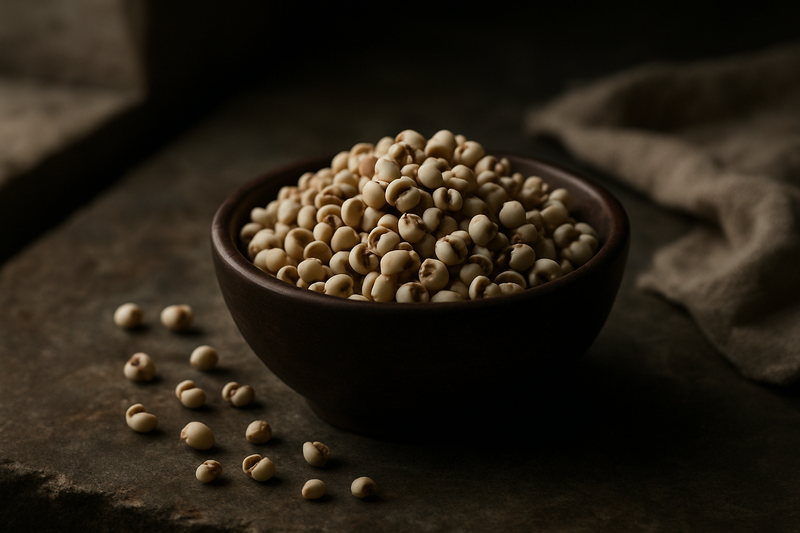
Job's Tears (Adlay Millet) · Photograph
Discover Job's tears (adlay millet) health benefits, nutrition facts, and simple ways to cook this gluten-free ancient grain like rice or in soups. Learn what the research actually says, who should use caution, and how it compares to other whole grains.
Key Nutrients
% Daily Value based on 2,000 cal diet
Key Active Compounds in Job's Tears
The grain's potential beyond basic nutrition comes from a collection of phytochemicals (beneficial plant compounds). Here is what researchers have identified and what each one may do:
- Coixol and benzoxazinoids — Nitrogen-containing ring compounds unique to this plant family. They show anti-inflammatory and mild neuroactive effects in preclinical models and may contribute to traditional uses for pain and swelling.
- Coixan polysaccharides — Water-soluble complex carbohydrates extracted from the seeds. In animal studies they stimulate immune cells (macrophages) and increase the weight of immune organs like the spleen and thymus, suggesting an immunomodulatory (immune-regulating) effect.
- Phenolic acids and flavonoids — A broad group of polyphenols (plant antioxidants) that neutralise free radicals and may dampen inflammatory signalling pathways. Most evidence here is from test-tube studies.
- Phytosterols — Plant compounds structurally similar to cholesterol that may reduce how much cholesterol the gut absorbs. They have also been linked to mild hormonal activity in animal research.
- Seed oil (lipid fraction) — The fat-rich extract of the seed, most famously used in Kanglaite, a pharmaceutical injectable approved in China as an adjunct cancer therapy. This is a concentrated medicinal product, not something you get from eating the grain.
Prep and Pairing Ideas
Job's tears is one of the more forgiving ancient grains in the kitchen. Here are practical ways to use it:
Basic stovetop method: Rinse 1 cup of hulled Job's tears, then simmer in 3 cups of water or broth for 45–60 minutes until the grains are tender but still pleasantly chewy. Drain any excess liquid.
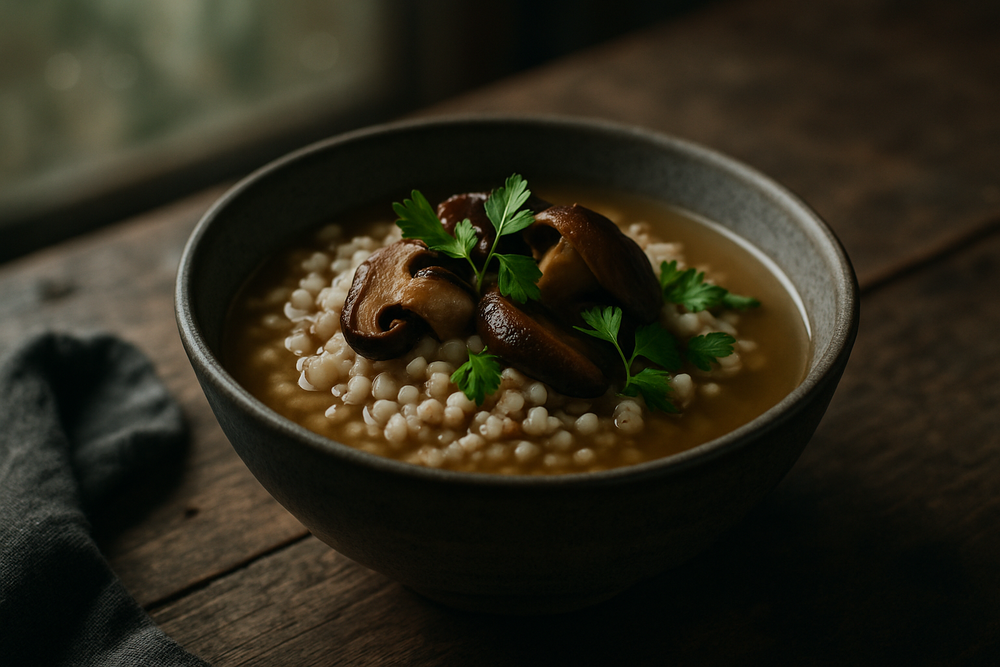
Soup and congee: Add pre-soaked grains (soak overnight to cut cooking time by about half) to vegetable soups, miso broth, or porridge during the last 30–40 minutes. They absorb flavours well without falling apart.
Grain bowl base: Treat cooked Job's tears exactly like farro or pearl barley — top with roasted vegetables, greens, a tahini drizzle, and some toasted sesame seeds.
Rice blend: Mix 25–30% Job's tears with short-grain rice before cooking for a nutritional upgrade that most family members won't notice.
Quick cooling tip: Cooked grains keep in the fridge for up to 5 days and freeze well in portion bags, so batch cooking makes weeknight meals effortless.
Buying Guide: Getting the Right Product
Whole hulled vs. pearled: Choose whole hulled (sometimes called "hulled coix seed" or "adlay") over pearled when possible. The label should show a tan or cream-coloured grain, not brilliant white.
Food-grade label: The packaging should indicate the product is intended for cooking or consumption. Craft or floral supply stores sell decorative Job's tears beads; these are not food products.
Traditional Chinese medicine stores and Asian grocery stores typically stock culinary-grade coix seeds at reasonable prices, often labelled as Yi Yi Ren. International online retailers also carry them.
Supplement forms: If you are considering a coix seed extract or bran granule product rather than the culinary grain, look for products with a Certificate of Analysis (COA) from a third-party lab confirming purity and absence of heavy metals. Standardised extract products vary widely in potency, so read labels carefully and consult a healthcare provider.
Storage: Store dried grains in an airtight container in a cool, dry place for up to 12 months. Check for any musty smell before cooking, which can indicate mould.
Bottom Line
Job's tears is a legitimate, underused ancient grain with genuine nutritional credentials: naturally gluten-free, higher in protein and fibre than many common cereals, and packed with a roster of plant compounds that are drawing serious research interest. As a whole food cooked into soups, porridges, and grain bowls, it is a safe, versatile, and nutritious swap for rice or barley for most healthy adults.
The excitement around anti-inflammatory, cholesterol-lowering, and blood-sugar-regulating effects is real, but it is important to keep the evidence in perspective. Most findings come from animal studies or small human trials using concentrated extracts — not from simply eating a bowl of cooked adlay millet. That does not mean the grain is without value; it means the most honest framing is that Job's tears can support a health-promoting diet as a fibre-rich whole grain, rather than acting as a standalone remedy for any condition.
If you are pregnant, taking diabetes or cholesterol medications, or managing a serious health condition, talk to your healthcare provider before moving beyond culinary use.
Explore Plantopedia's grain and whole-food ingredient guides to find other evidence-aligned grains that pair well with Job's tears in your meal plan.
How Job's Tears (Adlay Millet) Compares
| Compared with | What's different |
|---|---|
| Job's Tears (Adlay Millet) vs. Pearl Barley | Job's tears are larger, chewier, and gluten-free, whereas barley contains gluten. |
| Job's Tears (Adlay Millet) vs. Proso Millet | Job's tears have a higher protein content and a larger, bead-like shape compared to millet. |
Health Benefits
Things to Know
Pregnancy: Multiple herbal references and animal studies indicate that concentrated coix preparations may stimulate uterine contractions and have embryotoxic (harmful to embryo development) effects at higher doses. Avoid medicinal-dose extracts, supplements, or strong decoctions during pregnancy. Culinary portions in mixed meals are generally considered lower risk, but discuss with your midwife or OB.
Breastfeeding: Safety data for concentrated preparations during lactation are lacking. Err on the side of caution with anything beyond normal food-amount use.
Fertility and hormonal conditions: Animal data show phytosterols in coix seed can influence ovulation and follicle development. The implications for human fertility are unclear, but people undergoing fertility treatment should flag this to their care team.
Diabetes medications: Preclinical evidence suggests coix preparations can lower blood glucose. At culinary amounts this is unlikely to be clinically significant, but larger supplemental doses alongside insulin, metformin, or sulfonylureas could theoretically add to a hypoglycaemic (low blood sugar) effect.
Lipid-lowering medications: If you take statins, fibrates, or other cholesterol drugs and are considering coix supplements (not just the grain as food), discuss with your doctor, as additive effects on lipid metabolism are plausible.
Celiac disease and gluten sensitivity: Job's tears is inherently gluten-free, but cross-contact during processing is possible. Look for certified gluten-free labelling if you have celiac disease.
Food-grade sourcing: Always buy seeds explicitly sold for cooking. Ornamental Job's tears beads are not food-safe.
Cancer therapy: Pharmaceutical coix extracts (Kanglaite) are sometimes used alongside chemotherapy in China. These combinations must be managed by an oncology team — do not self-prescribe.
Shop This Ingredient
Stock your pantry with quality job's tears (adlay millet).
Buy on AmazonAs an Amazon Associate, Plantopedia earns from qualifying purchases. This costs you nothing extra and helps us keep the encyclopedia free.
Frequently Asked Questions
Most of the exciting findings come from laboratory and animal studies. Where human trials exist, they tend to be small, short, and focused on extracts rather than the whole cooked grain. Keep that in mind as you read — "research suggests" here genuinely means early-stage evidence, not settled science. Heart and Circulation One of the most studied areas is cholesterol. A small clinical trial in people with high blood lipids who were also smokers found that adlay seed intake reduced total cholesterol and LDL cholesterol (the type often called "bad" cholesterol) and appeared to slow LDL oxidation — meaning the LDL particles became more resistant to the kind of damage linked to arterial plaque. A review of available human studies noted that some coix preparations increased HDL cholesterol (the "good" kind) after about four weeks, though results from coix sprout supplements were more mixed. Overall, human data come from short studies with concentrated preparations, so it would be premature to call Job's tears a proven heart food. The whole-food evidence is largely inferred from these extract studies, combined with what we know about dietary fibre and phytosterols from other grains. Digestive Health and Microbiome No controlled human trials have directly measured how Job's tears affects gut bacteria, bowel habits, or digestive symptoms. What we do know is that it is a good source of dietary fibre, and fibre from whole grains consistently supports bowel regularity and feeds beneficial gut bacteria across many studies. Traditional Chinese medicine used coix seed specifically to "invigorate the spleen" and address bloating, loose stools, and what practitioners called "dampness" — a concept that loosely maps onto fluid imbalance and sluggish digestion. Animal studies using models of spleen deficiency suggest the grain's proteins and polysaccharides may support fluid regulation, lending some biological plausibility to those traditional uses. Blood Sugar and Metabolism Animal studies show that coix preparations can lower blood glucose and raise insulin levels in hyperglycaemic (high blood sugar) mouse models. Researchers attribute this partly to the fibre content slowing sugar absorption and partly to polysaccharides and phenolic compounds that may improve insulin sensitivity (how well cells respond to insulin's signal to take up glucose). However, human clinical trials that measure fasting glucose, HbA1c (a three-month blood sugar average), or post-meal blood sugar responses are limited and not yet definitive. If you manage diabetes with medication, read the cautions section below before experimenting with larger amounts. Inflammation and Recovery Traditional East Asian medicine used coix seed for inflammatory conditions including arthritis, warts, and nerve pain. In mice, coix seed extracts reduced experimentally induced ear and paw swelling — classic signs of acute inflammation. The benzoxazinoids and phenolic acids in the grain can inhibit inflammatory messengers in test-tube studies. As with most plant-based anti-inflammatory research, the leap from lab dish to human benefit is significant, and no well-controlled human trial has demonstrated anti-inflammatory effects from eating Job's tears as a food. That said, diets rich in whole grains and plant polyphenols are consistently associated with lower inflammatory markers in large epidemiological studies.
Whole Hulled Grain (Recommended for Most People) The whole hulled grain — simmered in water until tender — retains the most fibre, phytochemicals, and micronutrients. It is the form used as a staple food across East Asia and the most appropriate choice for a whole-food, plant-based approach. Look for food-grade seeds labelled for culinary use, not ornamental beads (which are processed differently and not meant to be eaten). Pearled or Polished Grain Some commercial products remove part of the bran layer to reduce cooking time and produce a softer texture. This likely reduces fibre and phytochemical content, similar to how polished white rice compares to brown rice. Still a reasonable option, but the whole hulled form is nutritionally superior. Sprouted Grain and Sprout Extracts Sprouting can increase bioavailability of some nutrients. Coix sprout extracts have been studied in capsule form for cholesterol and anticancer effects with mixed human results. Sprout supplements are not equivalent to eating the cooked grain. Seed Bran Extract, Seed Oil, and Decoctions These are concentrated herbal or pharmaceutical forms. The injectable seed oil (Kanglaite) is a licensed cancer adjunct therapy in China, not a dietary supplement. Seed bran extract capsules have been studied in oncology settings. Traditional decoctions (boiled herbal teas) made from the grain may be fine for healthy adults but carry pregnancy-related cautions. None of these are interchangeable with simply cooking and eating the grain.
There is no established recommended dose for Job's tears as a health food. As a whole grain used in cooking, a practical starting point is ½ to 1 cup cooked per meal, treating it the way you would barley, farro, or brown rice. This aligns with standard whole-grain serving guidance from MyPlate (which recommends at least 3 servings of whole grains daily for adults). If you are new to eating Job's tears regularly, start with smaller portions (around ¼ cup cooked) to let your digestive system adjust to the additional fibre, particularly if your current diet is low in whole grains. Gradually increase over 1–2 weeks. For herbal or extract preparations, dosing varies significantly between studies (from a few grams of dried seed in decoctions to several hundred milligrams of standardised extract in capsules daily). These forms should not be self-dosed; work with a qualified practitioner if you are pursuing therapeutic rather than culinary use.
Quick Answers
Common questions, answered in a line.
Job’s tears is naturally gluten-free, making it a safe alternative for those with gluten sensitivity or celiac disease. However, the article notes that you should look for a "certified gluten-free" label to avoid potential cross-contact during processing.
To cook Job’s tears on the stovetop, rinse one cup of grains and simmer them in three cups of water or broth for 45 to 60 minutes. The grains should be tender but chewy when finished; you can soak them overnight beforehand to reduce the cooking time by half.
Pregnant women should avoid medicinal-dose extracts or supplements of Job’s tears because animal studies suggest they may stimulate uterine contractions. While culinary portions in mixed meals are considered lower risk, it is best to consult a healthcare provider first.
Job's tears contains coixan polysaccharides that have been shown in animal studies to stimulate immune cells like macrophages. These water-soluble carbohydrates may also increase the weight of immune organs like the spleen, suggesting an immune-regulating effect.
Job’s tears contain phytosterols, which are plant compounds that may reduce the amount of cholesterol the gut absorbs. Because these compounds could have an additive effect on lipid metabolism, you should consult a doctor if you are already taking statins or other cholesterol medications.
When buying Job’s tears, choose whole hulled grains (often tan or cream-colored) rather than pearled versions, and ensure they are labeled for food use. Avoid decorative beads from craft stores, which are not food-grade, and look for a Certificate of Analysis if buying supplements.
Job's tears may lower blood glucose levels, which could theoretically enhance the effects of diabetes medications like insulin or metformin. If you are using these medications, you should monitor for potential low blood sugar and consult your doctor before using large supplemental doses.
For Readers in the USA
Local context — sourcing, seasonality, and regional notes.
You can find Job's tears (adlay millet) at major H Mart locations, 99 Ranch Market, and local Asian grocery stores, often labeled as "coix seed" or "Yi Yi Ren." While rarely stocked at chains like Kroger or Publix, it is increasingly available through US-based online retailers specializing in ancient grains.
Job's tears can be grown in USDA Hardiness Zones 9 through 11, thriving in the warm, humid summers of the American South and parts of California. In these regions, the plant is typically grown as an annual, with seeds harvested in the late fall before the first frost.
While the FDA does not approve Job's tears for treating specific diseases, culinary-grade grains sold in the US must comply with general food safety standards regarding contaminants and labeling. For dietary supplements, look for the "USDA Organic" seal or third-party certifications like USP to ensure the product meets American purity standards.
In the US, Job's tears is frequently labeled as "adlay millet," "coix seed," or "Chinese pearl barley," though it is botanically distinct from true barley. In American culinary circles, it is often grouped with "ancient grains" alongside teff and sorghum, valued for its gluten-free status and chewy texture.
AI Clinical Review
- Clear distinction between culinary use of the whole grain and concentrated extracts, which is essential because most research uses non-culinary forms.
- Balanced summary of early human findings on cholesterol along with preclinical data on anti-inflammatory and antioxidant compounds (polyphenols, phytosterols).
- Practical guidance on preparation, storage, and sourcing, including the reminder to choose food‑grade seeds and the note on pearled vs. hulled nutrition.
- Appropriately frames Job’s tears as a nutritious, naturally gluten‑free whole grain that can complement—rather than replace—established heart‑healthy and overall dietary patterns.
- Lipid effects: small, short-duration human studies (often with extracts) limit certainty; benefits from eating the cooked grain specifically remain to be confirmed in larger trials.
- Glycemic control: promising animal data exist, but high‑quality human trials measuring fasting glucose and HbA1c are scarce.
- Anti-inflammatory and “immunomodulatory” (immune-regulating) claims are largely based on cell and animal studies; clinical relevance and dosing for foods vs. extracts are unclear.
- Microbiome and digestive benefits are inferred from fiber content; direct human data with Job’s tears are minimal.
- Safety: Avoid concentrated extracts and strong decoctions during pregnancy; use caution when breastfeeding or trying to conceive due to theoretical hormonal/uterotonic effects. Culinary portions are generally well tolerated for most adults.
- Medications: Large supplemental doses could theoretically interact with glucose‑lowering or lipid‑lowering drugs; oncology‑grade products (e.g., Kanglaite) should only be used under medical supervision.
- Gluten‑free practice: The grain is inherently gluten‑free, but those with celiac disease should choose products with certified GF labeling to reduce cross‑contact risk.
- Practical use: A typical food portion is about ½–1 cup cooked; increase gradually if you’re not used to higher‑fiber grains. Whole hulled grains retain more fiber/phytonutrients than pearled versions, and always buy food‑grade—not ornamental—seeds.
Generally safe; check source for food-grade seeds.
References
- USDA FoodData Central — nutrient database for grains (fdc.nal.usda.gov)
- MyPlate whole grains guidance — USDA dietary recommendations (myplate.gov)
- Phytochemistry and health effects of Job's tears — critical review (PMC) (pmc.ncbi.nlm.nih.gov)
- Job's Tears herbal safety facts sheet — UTEP Herbal Safety Program (utep.edu)
- Human clinical trial: adlay seed effect on plasma lipids and LDL oxidation in hyperlipidaemic smokers (PubMed) (pubmed.ncbi.nlm.nih.gov)
- Review: anti-cancer activities of Job's tears extracts on HT-29 colon cancer cells (PubMed) (pubmed.ncbi.nlm.nih.gov)
- Patent and small trial: coix seed bran extract in breast cancer radiotherapy patients (patents.google.com)
- Yi Yi Ren TCM monograph and traditional uses overview (tcmly.com)
- Coix lacryma-jobi overview — ScienceDirect agricultural and biological sciences (sciencedirect.com)
- PMC review: health-promoting compounds and biological activities of coix seed (pmc.ncbi.nlm.nih.gov)
Know Your Numbers
Eating healthy is a start. Now get to know your biomarkers.
Food changes bloodwork — inflammation, lipids, blood sugar and nutrient status all respond to what you eat. 59 markers from $59.
- Results in 7–10 days at 2,000+ Quest sites
- Licensed provider reviews every result
- One flat price, no membership, HSA/FSA eligible
Educational information only, not medical advice. Panels are ordered and reviewed through our licensed partner; Plantopedia may earn a commission.