Kaniwa — health benefits and uses
An Andean subsistence seed traditionally valued for cold-climate hardiness and nourishment.
The Short Answer
Kaniwa is a nutrient-dense Andean pseudocereal that provides 7 grams of protein and 6 milligrams of iron per 1/4 cup dry serving. It is naturally gluten-free and, unlike quinoa, does not contain bitter saponins, meaning it requires no rinsing before cooking.

Kaniwa · Photograph
Discover kaniwa health benefits, nutrition facts, and how to use this saponin-free Andean pseudocereal. Learn how kaniwa compares to quinoa, why it needs no rinsing, and how it supports plant-based protein and iron intake.
Key Nutrients
% Daily Value based on 2,000 cal diet
Key active compounds
- Phenolic acids — including ferulic and p-coumaric acid derivatives found in the seed coat; these can slow starch digestion and act as antioxidants in laboratory models.
- Flavonoids — quercetin- and kaempferol-type glycosides (polyphenolic plant compounds) that may support cellular redox balance, though human bioavailability data from kaniwa specifically are not yet available.
- Dietary fiber — both insoluble (adds bulk, speeds transit) and soluble (feeds beneficial gut bacteria, may blunt post-meal glucose spikes) fractions.
- Complete-ish amino acid profile — kaniwa provides all essential amino acids, with relatively high lysine compared with most cereals, making its protein more useful for tissue repair and immune function.
- Non-heme iron — the plant form of iron; absorption is enhanced by pairing with vitamin C-rich foods.
- Manganese — a cofactor for antioxidant enzymes; kaniwa provides ~39% of the Daily Value per serving.
Prep and pairing ideas
Kaniwa cooks almost identically to quinoa. Combine 1 part dry kaniwa with 1.5–2 parts water or broth in a saucepan, bring to a boil, then reduce heat, cover, and simmer for 15–20 minutes until the liquid is absorbed. Unlike quinoa, no rinsing needed.
Three practical pairings:
- Kaniwa + roasted sweet potato + tahini dressing — The vitamin C in sweet potato boosts non-heme iron absorption from the kaniwa, while tahini adds healthy fats and calcium. This combination is particularly good for plant-based eaters focused on iron and energy.
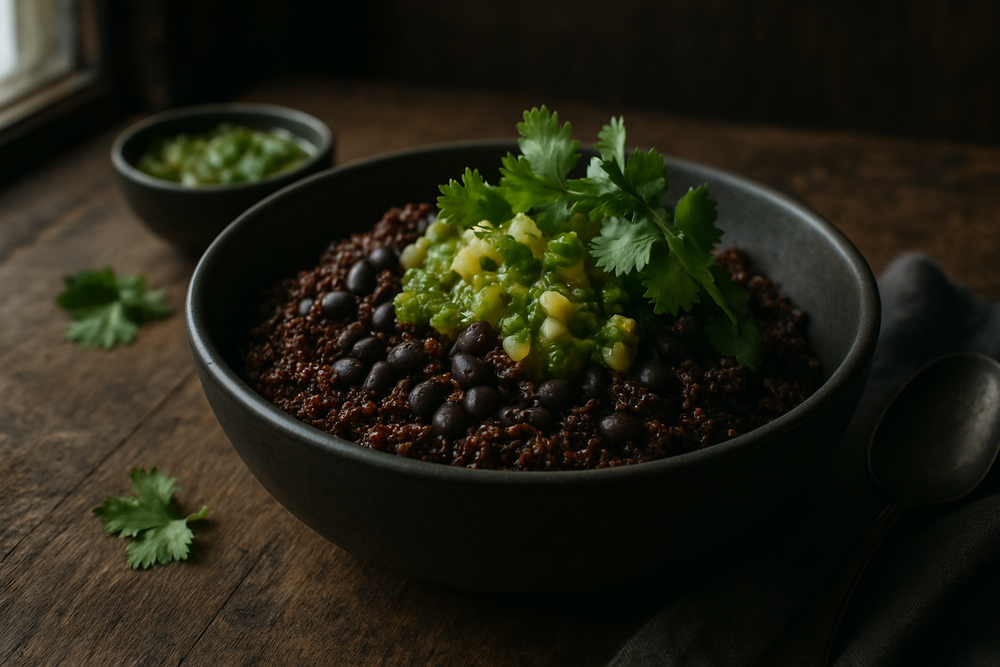
- Kaniwa + black beans + salsa verde — Beans and kaniwa together provide a complementary amino acid pattern (beans are rich in lysine, and both add fiber), making this an especially protein-complete meal without any animal products.
- Kaniwa + warm almond milk + cinnamon + blueberries — As a breakfast porridge, the soluble fiber in both kaniwa and blueberries, combined with cinnamon's evidence base for blood sugar modulation, creates a genuinely satiating, lower-glycemic morning meal.
You can also grind kaniwa into flour and use it at a 25–30% blend with oat or almond flour in muffins, pancakes, or energy balls.
Bottom line
Kaniwa is one of the most nutrient-dense, user-friendly pseudocereal seeds available. It delivers meaningful plant protein, standout iron, solid fiber, and a rich antioxidant profile in a naturally gluten-free, saponin-free package that requires zero rinsing and cooks in under 20 minutes. Human clinical trial data specific to kaniwa are still emerging, so health benefit claims rest mainly on its impressive nutrient composition and the broader evidence base for whole-grain and high-fiber diets. That said, the nutritional case for replacing refined grains with kaniwa is strong, and the practical barriers are low. If you are already a quinoa fan, kaniwa is a logical — and arguably simpler — next step.
How Kaniwa Compares
| Compared with | What's different |
|---|---|
| Kaniwa vs. Quinoa | Smaller grain size that does not require rinsing because it lacks bitter saponins. |
| Kaniwa vs. Millet | Higher protein and iron content with a crunchier texture when cooked. |
| Kaniwa vs. Brown Rice | A pseudocereal rather than a true grain, offering a complete amino acid profile. |
Health Benefits
Things to Know
Celiac disease or gluten sensitivity: Kaniwa is inherently gluten-free, but always verify the "certified gluten-free" label to rule out cross-contact during processing.
New to high-fiber eating: Start with a small serving (¼ cup cooked) and increase over two to three weeks to give your gut time to adjust. Gas and bloating are common when fiber intake rises quickly.
Kidney disease: Kaniwa contains moderate potassium (~360 mg/serving) and phosphorus (~180 mg/serving). If you are on a potassium- or phosphorus-restricted diet, discuss portion sizes with your renal dietitian.
Quinoa allergy or: *Chenopodium* sensitivity: Cross-reactivity is theoretically possible. Introduce kaniwa cautiously if you have a known reaction to quinoa or other Chenopodium species.
Iron overload conditions (e.g., hemochromatosis): Kaniwa's high iron content means regular large servings could contribute meaningfully to total iron intake; coordinate with your healthcare provider.
Oral medications: High-fiber foods can theoretically reduce absorption of some medications taken at the same time. A 1–2 hour gap between medication and a high-fiber meal is a practical precaution.
Young children or swallowing difficulties: Cook kaniwa thoroughly until soft to reduce any choking risk from the small seeds.
Pregnancy: Kaniwa is a whole food and generally considered safe; the iron and folate-adjacent B vitamins are beneficial, but confirm with your midwife or OB if you have any specific concerns.
Prep Ideas
- — Kaniwa + roasted sweet potato + tahini dressing — The vitamin C in sweet potato boosts non-heme iron absorption from the kaniwa, while tahini adds healthy fats and calcium. This combination is particularly good for plant-based eaters focused on iron and energy.
- — Kaniwa + black beans + salsa verde — Beans and kaniwa together provide a complementary amino acid pattern (beans are rich in lysine, and both add fiber), making this an especially protein-complete meal without any animal products.
- — Kaniwa + warm almond milk + cinnamon + blueberries — As a breakfast porridge, the soluble fiber in both kaniwa and blueberries, combined with cinnamon's evidence base for blood sugar modulation, creates a genuinely satiating, lower-glycemic morning meal.
Glossary
Shop This Ingredient
Stock your pantry with quality kaniwa.
Buy on AmazonAs an Amazon Associate, Plantopedia earns from qualifying purchases. This costs you nothing extra and helps us keep the encyclopedia free.
Frequently Asked Questions
Heart and circulation Kaniwa has not yet been tested in human cardiovascular trials as a standalone intervention. What we do know is that its nutrient portfolio — low saturated fat, zero cholesterol, meaningful fiber, plant protein, and potassium — maps closely onto the dietary pattern features associated with lower LDL cholesterol ("bad" cholesterol) and reduced cardiovascular risk in large observational studies of whole-grain and high-fiber diets. The phenolic compounds and flavonoids in kaniwa show lipid-protective activity in laboratory assays, but those findings have not been confirmed in people yet. Swapping refined carbohydrates for kaniwa is consistent with heart-healthy eating guidance, even if kaniwa-specific cardiovascular data remain to be established. Digestive health and microbiome Kaniwa provides roughly 4–5 g of dietary fiber per cooked serving, from both insoluble and soluble fractions. Insoluble fiber adds bulk to stool and supports regular bowel movements; soluble fiber is fermented by gut bacteria into short-chain fatty acids that help maintain a healthy gut lining. No human trials have directly measured kaniwa's effects on the microbiome, but its fiber profile is similar to other pseudocereals that consistently correlate with better digestive outcomes in population-level research. If you are increasing fiber intake generally, introduce kaniwa gradually and drink plenty of water to minimize transitional gas or bloating. Blood sugar and metabolism Kaniwa's combination of protein, fiber, and intact whole-grain structure are all features associated with a lower glycemic response (a gentler rise in blood sugar after eating) compared with refined starchy foods. In vitro (test-tube) work on related Andean grains shows slowly digestible starch and resistant starch fractions alongside phenolic compounds that may slow carbohydrate-digesting enzymes. The glycemic index of kaniwa itself has not been measured in a controlled human study, so describing it as definitively "low glycemic" would be premature — but its nutritional features are encouraging, and it is a reasonable substitute for refined grains within evidence-based approaches for blood sugar management. People with diabetes should not change their treatment based on a single food; talk to your care team first. Inflammation and recovery Kaniwa has unusually high total phenolic content and strong antioxidant capacity in chemical assays — sometimes exceeding quinoa and other Andean grains. Animal and cell-based models using Chenopodium-derived proteins and extracts suggest modulation of oxidative stress and inflammatory signaling pathways. These results are hypothesis-generating, not clinical proof. No human intervention studies have measured kaniwa's effects on inflammation markers like C-reactive protein. The broader dietary pattern evidence — that diets rich in whole grains, fiber, and polyphenols are linked to lower systemic inflammation — provides reasonable context for including kaniwa regularly, while acknowledging that direct human data are still needed.
Yes. Kaniwa is naturally gluten-free and belongs to the Chenopodium family, completely unrelated to wheat, barley, or rye. People with celiac disease can use kaniwa, but sourcing matters: look for bags labeled "certified gluten-free" or "processed in a dedicated gluten-free facility" to avoid cross-contact during milling or packaging. Whole seed (cooked) is the most nutrient-complete form and the easiest starting point. It preserves fiber, minerals, and the majority of phenolic compounds, and it cooks in about 15–20 minutes. Kaniwa flour or meal works well stirred into porridge, pancake batter, or blended with other gluten-free flours for baking. Milling alters fiber particle size slightly but retains the core nutrient profile when made from the whole seed. Puffed or extruded kaniwa (found in cereal and snack bars) is convenient but high-heat processing can reduce heat-sensitive phytochemicals. Still a better choice than most ultra-processed snack grains, just not quite as nutrient-dense as the whole cooked seed. Protein concentrates and isolates exist in research settings but are not widely sold to consumers. Stick to whole or minimally processed forms for everyday use.
Plant-based eaters watching iron and protein Iron deficiency is one of the most common micronutrient shortfalls on vegan and vegetarian diets. At 35% of the Daily Value per dry serving, kaniwa is one of the most iron-dense whole grains available. Its complete-ish amino acid profile makes it a useful protein anchor for grain bowls and salads. People with celiac disease or gluten sensitivity Naturally saponin-free and gluten-free — no rinsing, no bitterness, and no gluten exposure when sourced carefully. Adds variety beyond rice and corn, which dominate many celiac-safe diets. Provides fiber, B vitamins, and minerals often lacking in refined gluten-free grain products.
There is no established clinical dose for kaniwa — it is a food, not a supplement. Culinary use in the Andes and in modern health-conscious kitchens typically ranges from about ½ cup to 1 cup cooked per serving (roughly 45–90 g dry weight), consumed as part of one or two meals several times a week. Practical guidance: Start with: ¼ cup dry (≈ ½ cup cooked) once or twice a week if your current diet is low in fiber or you are new to pseudocereals. Build to: ½ cup dry (≈ 1 cup cooked) per serving, 3–5 times a week, as your digestive system adjusts. Daily use: Eating kaniwa daily is consistent with general whole-grain recommendations (aim for at least half your grains to be whole grains, per dietary guidelines). There is no known upper limit or toxicity concern from dietary amounts. Hydration: Increase water intake alongside fiber — fiber needs water to do its job effectively. If you are using kaniwa to support a specific health goal (iron intake, blood sugar management, etc.), it works best as part of an overall dietary pattern rather than in isolation.
Quick Answers
Common questions, answered in a line.
Kaniwa does not require rinsing before cooking because it is naturally saponin-free. Unlike its relative quinoa, which has a bitter protective coating, kaniwa can be added directly to the pot, saving preparation time.
Kaniwa provides a complete-ish amino acid profile, including high levels of lysine compared to most cereals. This makes it an excellent plant-based protein source for supporting tissue repair and immune function.
To cook kaniwa, combine 1 part dry grain with 1.5 to 2 parts liquid, bring to a boil, then simmer covered for 15–20 minutes. It is ready once the liquid is absorbed and can be used in salads, porridges, or as a side dish.
Kaniwa is rich in non-heme iron, providing a significant plant-based source of this mineral. To maximize absorption, the article recommends pairing kaniwa with vitamin C-rich foods like sweet potatoes or salsa.
Kaniwa contains both soluble and insoluble dietary fiber, which supports digestive health by adding bulk and feeding beneficial gut bacteria. The soluble fiber may also help blunt post-meal glucose spikes for better blood sugar management.
Kaniwa is a nutrient-dense Andean pseudocereal that is naturally gluten-free and saponin-free. It is characterized by its small seeds, rich antioxidant profile including phenolic acids and flavonoids, and a texture similar to quinoa.
Kaniwa can be ground into flour and used in a 25–30% blend with other flours like oat or almond. This mixture works well for increasing the nutritional density of muffins, pancakes, and energy balls.
For Readers in the USA
Local context — sourcing, seasonality, and regional notes.
In the United States, you can find kaniwa at natural food chains like Whole Foods Market and Sprouts Farmers Market, or through major online retailers like Amazon and Thrive Market. It is typically stocked in the bulk grain section or the packaged gluten-free aisle near quinoa and amaranth.
While kaniwa is native to the high-altitude Andes, experimental US cultivation has been trialed in high-elevation, cool-climate regions like the Colorado Rockies and parts of the Pacific Northwest. However, the vast majority of kaniwa sold in the US is currently imported from Peru and Bolivia.
To ensure your kaniwa is grown without synthetic pesticides, look for the USDA Organic seal, as many brands imported to the US carry this certification to meet consumer demand for clean labels. Because it is naturally gluten-free, US shoppers with Celiac disease should also look for 'Certified Gluten-Free' labels to avoid cross-contamination.
In the US, kaniwa is often marketed as 'Baby Quinoa' or 'Brown Seed Quinoa' due to its similar appearance and nutritional profile, though it is a distinct species (Chenopodium pallidicaule). These regional marketing names help American consumers identify it as a faster-cooking, smaller alternative to traditional quinoa.
AI Clinical Review
- Clearly explains that kaniwa is naturally gluten‑free and saponin‑free, which is a real practical advantage over quinoa for taste and prep.
- Accurately highlights its nutrient profile: meaningful protein for a grain/pseudocereal, relatively high non‑heme iron per dry serving, and useful fiber and manganese.
- Appropriately frames health benefits as consistent with whole‑grain/fiber‑rich dietary patterns rather than making disease claims.
- Offers realistic cooking guidance and pairings (e.g., vitamin C–rich foods) that can improve non‑heme iron absorption and overall meal quality.
- Human clinical trials specific to kaniwa are sparse; many benefits are inferred from composition, lab studies, or related grains like quinoa.
- The glycemic index of kaniwa hasn’t been established in controlled human studies; lower glycemic impact is a reasonable but unproven assumption.
- Microbiome and anti‑inflammatory effects are plausible (fiber and polyphenols) but currently supported mainly by in vitro/animal data; human bioavailability of specific flavonoids is unclear.
- Antioxidant capacity measured in test tubes does not automatically translate to clinical outcomes.
- Practical intake: starting around 1/2 cup cooked (≈1/4 cup dry) and building to ~1 cup cooked as tolerated is reasonable; add fluids to reduce GI discomfort from higher fiber.
- Celiac disease/gluten sensitivity: choose certified gluten‑free products to avoid cross‑contact; those with quinoa or Chenopodium allergies should introduce cautiously.
- Medical considerations: people with kidney disease (potassium/phosphorus limits) or iron overload (e.g., hemochromatosis) should discuss portions with a clinician; separating high‑fiber meals from certain medications by 1–2 hours is prudent.
- Form matters: whole cooked seed preserves the most fiber and phytochemicals; puffed/extruded versions are convenient but somewhat less nutrient‑dense; no rinsing is needed due to lack of saponins.
No notable cautions; a whole seed food.
References
- Kaniwa nutritional composition and health-promoting components — peer-reviewed review (pmc.ncbi.nlm.nih.gov)
- Kañiwa: an emerging Andean grain — nutritional profile, processing, and potential uses (pubmed.ncbi.nlm.nih.gov)
- Effect of protein isolated from Chenopodium pallidicaule on metabolic parameters — experimental preclinical study (pmc.ncbi.nlm.nih.gov)
- Huamani et al. 2020: Characterization of kañiwa ecotypes — compositional study (pharmacologyonline.silae.it)
- USDA FoodData Central — nutrient database for kaniwa and related pseudocereals (fdc.nal.usda.gov)
- USDA MyPlate — Protein Foods group guidance including plant proteins (myplate.gov)
- Blue Circle Foundation — kaniwa nutrition facts overview (bluecircle.foundation)
- Diet-Health.info — kañiwa raw organic nutrient profile (diet-health.info)
- Heal with Food — kaniwa nutrition facts and health benefits overview (healwithfood.org)
Know Your Numbers
Eating healthy is a start. Now get to know your biomarkers.
Food changes bloodwork — inflammation, lipids, blood sugar and nutrient status all respond to what you eat. 59 markers from $59.
- Results in 7–10 days at 2,000+ Quest sites
- Licensed provider reviews every result
- One flat price, no membership, HSA/FSA eligible
Educational information only, not medical advice. Panels are ordered and reviewed through our licensed partner; Plantopedia may earn a commission.