Aronia Berry — health benefits and uses
An Indigenous North American berry now popular for its very high antioxidant load.
The Short Answer
Aronia berries, also known as black chokeberries, are edible superfruits known for their exceptionally high antioxidant content, specifically anthocyanins. They provide 21 mg of vitamin C and 1.4 grams of polyphenols per 100g serving.
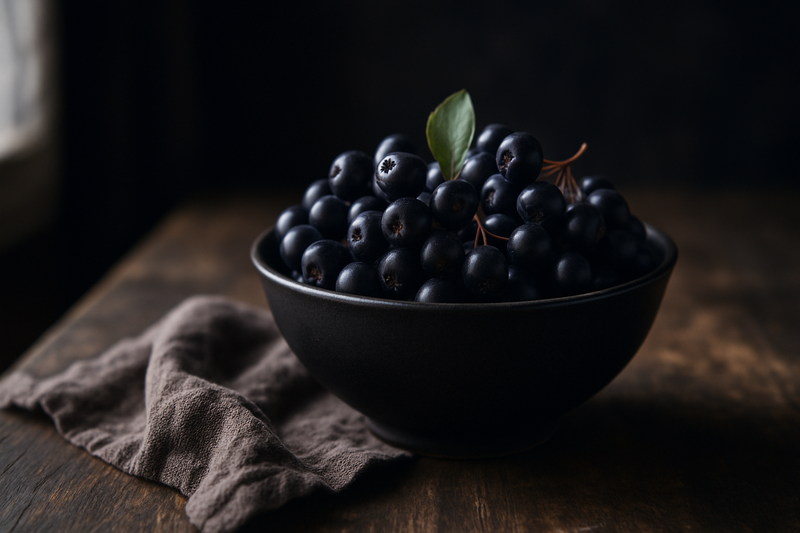
Aronia Berry · Photograph
Discover the aronia berry health benefits and side effects in one evidence-based guide. Learn how black chokeberry anthocyanins and polyphenols may support heart health, blood sugar, and inflammation — plus safe daily amounts, best forms, and who should use caution.
Key Nutrients
% Daily Value based on 2,000 cal diet
Key active compounds in aronia berry
- Anthocyanins — Water-soluble flavonoid pigments (a type of plant-based color compound) responsible for aronia's deep purple hue. Levels can exceed 1,400 mg per 100 g fresh fruit, among the highest of any commonly eaten fruit. Linked to antioxidant and cardiovascular support.
- Proanthocyanidins (condensed tannins) — Polymeric flavonoids that create aronia's signature mouth-puckering astringency. May support antioxidant, anti-inflammatory, and gut-health effects.
- Flavonols (e.g., quercetin, rutin) — A subgroup of flavonoids found alongside anthocyanins; studied for vascular and anti-inflammatory activity.
- Phenolic acids (e.g., chlorogenic acid) — Non-flavonoid polyphenols that contribute to aronia's antioxidant capacity and may support glucose metabolism and gut bacteria.
- Total polyphenols — A broad measure of all phenolic compounds combined; aronia ranks exceptionally high among fruits on this metric.
Prep and pairing ideas
Aronia's deep tartness is the challenge — and the opportunity. It plays well with sweeter or creamier flavors that soften its punch.
Common pairings:
- Aronia + banana + almond butter smoothie — Banana's natural sweetness counterbalances the astringency, while almond butter adds healthy fats that help absorb fat-soluble pigments. A tablespoon of aronia powder or a handful of frozen berries works well here.
- Aronia juice + apple juice (50/50 blend) — One of the most popular combinations in Europe. Apple's light sweetness tames aronia's bitterness and produces a deep, rich purple drink with an approachable flavor. Use unsweetened versions of both where possible.
- Dried aronia + oatmeal + cinnamon — Stir dried aronia berries into warm oats with a pinch of cinnamon. Cinnamon may independently support blood sugar regulation, making this a particularly complementary pairing if that's a health goal. The berries rehydrate in the warm oats and their tartness mellows noticeably.
Storage tip: Fresh aronia keeps in the fridge for up to two weeks. Frozen berries last 12 months without significant polyphenol loss. Powder should be stored in a cool, dark place in an airtight container.
Bottom line
Aronia berry is one of the most polyphenol-dense fruits available — particularly in anthocyanins and proanthocyanidins — and it delivers meaningful fiber, vitamin C, vitamin K, and manganese on top of that. Human research, including meta-analyses and randomized controlled trials, suggests it may modestly support blood pressure, arterial function, and blood glucose, especially in middle-aged and older adults. Evidence on cholesterol and inflammation is promising but still inconsistent.
It is not a treatment for any disease, and dramatic effects shouldn't be expected from any single food. What aronia does well is fit naturally into a fruit-rich, whole-food eating pattern — where variety across many colorful plant foods is the strategy that has the strongest long-term evidence behind it.
The main practical barrier is its intense astringency. Blend it, juice it, dry it, or powder it — the polyphenols survive most common processing methods well.
How Aronia Berry Compares
| Compared with | What's different |
|---|---|
| Aronia Berry vs. Blueberry | Aronia is significantly more tart and astringent with higher anthocyanin levels. |
| Aronia Berry vs. Cranberry | Aronia berries are smaller, darker, and much more bitter than the acidic cranberry. |
| Aronia Berry vs. Elderberry | Elderberries must be cooked to be safe, whereas aronia can be eaten raw (though very tart). |
Health Benefits
Things to Know
Blood pressure medications: Aronia may modestly lower systolic blood pressure. If you already take antihypertensive drugs, monitor your blood pressure and let your doctor know.
Blood sugar medications (insulin, metformin, etc.): Human data show small glucose-lowering effects. Discuss with your healthcare provider before adding significant amounts of aronia juice or extract.
Warfarin and anticoagulants: Aronia contains vitamin K, which can influence how well vitamin K–sensitive blood thinners like warfarin work. Keep your aronia intake consistent and inform your prescriber.
Antiplatelet medications: High-polyphenol foods may have mild antiplatelet (blood-thinning) activity; caution is warranted if you take multiple agents that affect clotting.
Sensitive digestion / IBS: The high tannin and fiber content can cause bloating, loose stools, or GI discomfort — especially in the first few days or at higher intakes. Start with small amounts.
Kidney disease / potassium restriction: Aronia contributes dietary potassium; those on potassium-restricted diets should account for this.
Pregnancy and breastfeeding: Food-level aronia as part of a normal varied fruit intake is generally considered acceptable. High-dose supplements have not been studied in these groups; avoid until more data exist.
Children: Appropriate supplemental doses for children have not been established. Stick to amounts consistent with normal fruit servings.
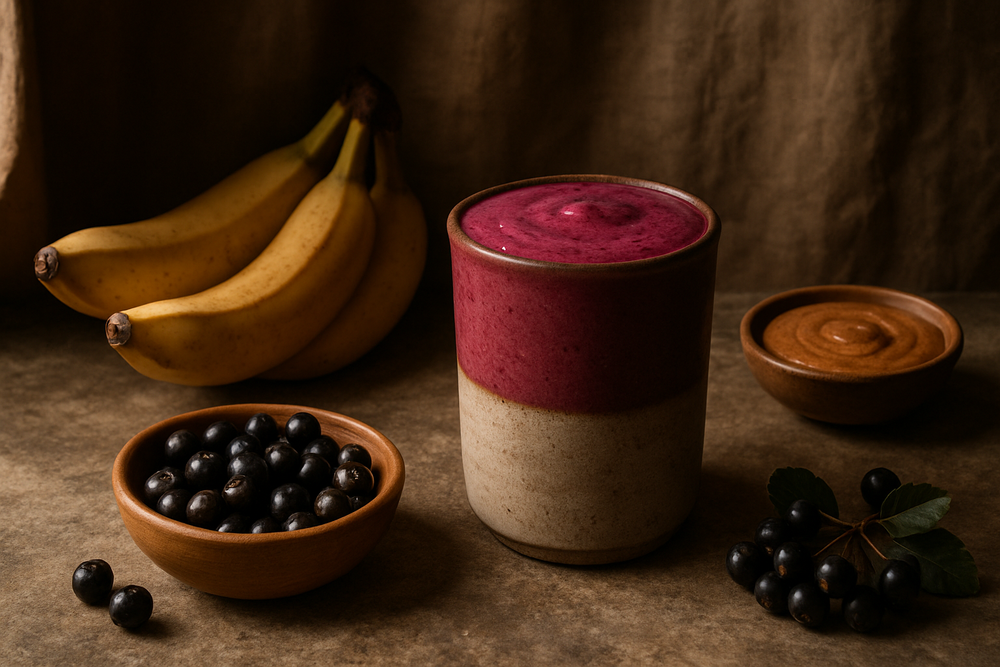
Prep Ideas
- — Aronia + banana + almond butter smoothie — Banana's natural sweetness counterbalances the astringency, while almond butter adds healthy fats that help absorb fat-soluble pigments. A tablespoon of aronia powder or a handful of frozen berries works well here.
- — Aronia juice + apple juice (50/50 blend) — One of the most popular combinations in Europe. Apple's light sweetness tames aronia's bitterness and produces a deep, rich purple drink with an approachable flavor. Use unsweetened versions of both where possible.
- — Dried aronia + oatmeal + cinnamon — Stir dried aronia berries into warm oats with a pinch of cinnamon. Cinnamon may independently support blood sugar regulation, making this a particularly complementary pairing if that's a health goal. The berries rehydrate in the warm oats and their tartness mellows noticeably.
Glossary
Shop This Ingredient
Stock your pantry with quality aronia berry.
Buy on AmazonAs an Amazon Associate, Plantopedia earns from qualifying purchases. This costs you nothing extra and helps us keep the encyclopedia free.
Frequently Asked Questions
Here's what current human research suggests — and where the evidence is still developing. Heart and circulation A 2020 meta-analysis of controlled clinical trials found that daily aronia supplementation for six to eight weeks significantly reduced systolic blood pressure (the top number) and total cholesterol, with the largest effects seen in adults over 50. A separate randomized controlled trial in prehypertensive middle-aged adults found that aronia polyphenols improved arterial function — the flexibility and responsiveness of blood vessel walls — and that these changes were associated with positive shifts in the gut microbiome. That said, a systematic review examining multiple trial types concluded that aronia did not consistently improve triglycerides, HDL cholesterol ("good" cholesterol), or body weight across all studies. Effects on LDL cholesterol ("bad" cholesterol) tended to emerge only with longer treatment durations of six weeks to three months. Bottom line on heart health: Promising, particularly for blood pressure and arterial function in older adults. Not a guaranteed fix for cholesterol. Digestive health and microbiome At 5–6 g of fiber per 100 g of fresh fruit, aronia contributes meaningfully to daily fiber intake, which supports bowel regularity and feeds beneficial gut bacteria. One randomized trial found that aronia polyphenol supplementation was associated with changes in gut microbiome richness and composition — a prebiotic-like effect (meaning it feeds beneficial bacteria rather than being a probiotic that introduces them). Aronia pomace — the dry pulp left after juicing — is especially rich in fiber and tannins and is being explored as a functional food ingredient for gut health. Blood sugar and metabolism A systematic review and analysis of human studies found that aronia supplementation produced a mean reduction in fasting blood glucose of about 0.44 mmol/L compared with control groups — a modest but statistically meaningful shift. Several of the included trials used aronia juice or extract over six to twelve weeks in adults with cardiometabolic risk factors. Lab studies suggest aronia polyphenols can inhibit carbohydrate-digesting enzymes, potentially slowing glucose absorption after meals. Important context: These are small average effects, not all trials were high quality, and aronia should be seen as a potential complement to — not a replacement for — established blood sugar management strategies. Inflammation and recovery A 2024 human study on black chokeberry reported reductions in C-reactive protein (CRP), TNF-α, and IL-6 — markers that researchers use to measure levels of inflammation in the body — alongside an increase in IL-10, an anti-inflammatory signaling molecule. The same study found elevated activity of key antioxidant enzymes, including superoxide dismutase (SOD) and glutathione peroxidase (GSH-Px), suggesting aronia helped the body's own defense systems work more effectively. Evidence here is labeled "emerging" — early human data are promising, but most trials are short, use varied preparations, and track biological markers rather than hard outcomes like fewer sick days or reduced joint pain.
Buying guide Fresh or frozen whole berries are the most complete form — you get fiber, micronutrients, and the full spectrum of phytochemicals. The downside is serious astringency when raw; blend them with banana, apple, or mango to balance the flavor. Frozen berries are widely available year-round and retain most of their polyphenol content. Juice and juice blends are the form most commonly used in clinical trials, typically at 100–300 ml per day. Look for unsweetened 100% aronia juice or juice labeled with a polyphenol or anthocyanin content. Be aware that juicing removes most of the fiber and some products add significant sugar — check the label. Dried berries and powders are convenient for smoothies, yogurt, oatmeal, and baked goods. Powder concentrates the polyphenols but check for added sweeteners, fillers, or excessive sodium. A small scoop (roughly 5–10 g) of pure aronia powder in a smoothie is a practical daily habit. Concentrates and syrups deliver high polyphenol content in small volumes — useful if palatability is the main barrier. Dilute in water or mix with other juices. Capsule or tablet extracts are used in some research trials testing arterial function and metabolic markers. They allow standardized dosing but bypass the whole-food fiber benefit. If you choose a supplement, look for products standardized to a defined anthocyanin or polyphenol content with third-party testing. Label tip: The most meaningful markers on a product label are "no added sugar," a declared anthocyanin or polyphenol content per serving, and single-ingredient sourcing (aronia, not a proprietary blend that buries the dose).
There is no established official daily recommended amount for aronia. Here's what human research has used: Aronia juice: 100–300 ml per day (roughly ½ to 1¼ cups), used for six to twelve weeks in most trials. This is the most studied dose range. Whole or frozen berries: 50–150 g per day (about ⅓ to 1 cup) as part of regular fruit intake is consistent with research-informed food patterns. Dried berries or powder: Typically 5–15 g of powder or a small handful of dried berries, adjusted for concentration. Capsule extracts: Doses vary widely by product formulation — follow the manufacturer's guidance and look for a standardized polyphenol content. Start low. If you're new to aronia, begin with 50–100 ml of juice or a small amount of powder and increase gradually over one to two weeks. This gives your digestive system time to adjust to the tannins and fiber. If you have any of the conditions listed in the cautions section above, get medical guidance before using amounts above what you'd eat as normal fruit.
Quick Answers
Common questions, answered in a line.
Aronia berries contain exceptionally high levels of anthocyanins, proanthocyanidins, flavonols like quercetin, and phenolic acids such as chlorogenic acid. These plant-based color compounds and tannins are responsible for the fruit's deep purple hue and signature mouth-puckering astringency.
Aronia berry may modestly lower blood pressure and improve arterial function, making it beneficial for cardiovascular health, particularly in middle-aged and older adults. While evidence on cholesterol and inflammation is still inconsistent, the fruit's high polyphenol content supports vascular activity.
Aronia berries may interact with blood pressure medications, blood sugar drugs like metformin or insulin, and blood thinners such as warfarin. Because the berries contain vitamin K and have mild antiplatelet effects, you should consult a doctor if you are on these medications.
The best way to eat aronia berries is to blend them into smoothies with banana and almond butter, or mix the juice with apple juice to tame its intense tartness. You can also stir dried aronia into warm oatmeal with cinnamon to help the berries rehydrate and mellow in flavor.
Aronia berry may cause bloating, loose stools, or general GI discomfort due to its high tannin and fiber content. These effects are most common in people with sensitive digestion or IBS, especially during the first few days of consumption or when taken in high amounts.
Fresh aronia berries stay good in the refrigerator for up to two weeks, while frozen berries can last for 12 months without losing significant polyphenol content. Aronia powder should be kept in an airtight container in a cool, dark place to maintain its quality.
For Readers in the USA
Local context — sourcing, seasonality, and regional notes.
Native to eastern North America, aronia berries thrive in USDA Hardiness Zones 3 through 8 and are commercially grown primarily in the Midwest, including Iowa and Wisconsin. These hardy shrubs are popular with American growers because they are naturally resistant to pests and can withstand harsh winter temperatures.
Aronia berries, also known as black chokeberries, reach peak ripeness in late summer to early fall, typically between August and September across most of the U.S. Because the fresh berries are highly astringent, many Americans prefer to harvest them after the first frost, which can slightly mellow their tartness.
You can find aronia products at health-focused retailers like Whole Foods Market or Sprouts, and fresh berries are increasingly common at Midwest farmers markets. While less common than blueberries in standard grocers, they are widely available nationwide as USDA Organic certified powders and juices through online retailers.
While both are native to the U.S., the aronia berry (black chokeberry) is a distinct species from the chokecherry, which contains a large pit and belongs to the stone fruit family. In American culinary contexts, aronia is favored for its record-breaking antioxidant levels, whereas chokecherries are more traditionally used in Great Plains regional jams and syrups.
AI Clinical Review
- Accurately frames aronia (black chokeberry) as a very polyphenol- and anthocyanin-rich berry and explains that color intensity and astringency come from these compounds.
- Summarizes human research appropriately: the most consistent signals are modest reductions in systolic blood pressure and small improvements in fasting glucose, mainly in middle‑aged/older adults over 6–12 weeks.
- Notes that evidence for cholesterol and triglycerides is mixed and that aronia is not a treatment for disease—sound, balanced guidance.
- Provides practical dosing ranges and compares forms (whole, juice, powder, extracts) with useful label tips and a realistic discussion of palatability.
- Many outcomes are based on surrogate markers (lab measures like CRP, cytokines, or endothelial function) rather than long‑term clinical endpoints such as fewer cardiovascular events or sustained A1C reduction.
- Study quality and preparations vary (juice vs. standardized extracts; different cultivars), which makes dose–response and “best product” conclusions uncertain.
- Reported anthocyanin totals are high but can differ widely by growing conditions, processing, and testing methods—and high content does not guarantee high bioavailability (how much your body absorbs/uses).
- Microbiome and anti‑inflammatory findings are promising but come from small, short trials; replication and longer follow‑up are needed.
- Typical studied amounts: 100–300 ml/day of unsweetened juice, 50–150 g/day whole or frozen berries, or about 5–15 g/day of powder; start low to reduce GI upset (bloating, loose stools).
- Form matters: whole berries/pomace retain fiber; juice concentrates polyphenols but removes most fiber and can add sugars—choose unsweetened products and check labels.
- Medication considerations: aronia may modestly lower blood pressure and glucose; it contains vitamin K—people on antihypertensives, diabetes meds, or warfarin should keep intake consistent and check with their clinician.
- Special populations: use added caution with high‑dose supplements in pregnancy/breastfeeding; those with potassium restrictions or sensitive digestion should individualize intake with a healthcare professional.
Very astringent (mouth-puckering) when raw; usually processed.
References
- USDA FoodData Central — aronia berry nutrient data (fdc.nal.usda.gov)
- USDA MyPlate — fruits guidance (myplate.gov)
- Meta-analysis of controlled clinical trials on aronia berry supplementation (blood pressure, cholesterol) (pubmed.ncbi.nlm.nih.gov)
- Systematic review: Aronia melanocarpa on cardiometabolic diseases (pubmed.ncbi.nlm.nih.gov)
- Randomized controlled trial: Aronia polyphenols, arterial function, and gut microbiome in middle-aged adults (pubmed.ncbi.nlm.nih.gov)
- Human study: Black chokeberry effects on inflammatory markers and antioxidant enzymes (pubmed.ncbi.nlm.nih.gov)
- Polyphenol-rich aronia melanocarpa: functional food review (PMC) (pmc.ncbi.nlm.nih.gov)
- Aronia melanocarpa products and by-products for health and nutrition (PMC) (pmc.ncbi.nlm.nih.gov)
- Healthline — Aronia berries: nutrition, benefits, and more (healthline.com)
- Medical News Today — Aronia: health benefits and nutrition (medicalnewstoday.com)
Know Your Numbers
Eating healthy is a start. Now get to know your biomarkers.
Food changes bloodwork — inflammation, lipids, blood sugar and nutrient status all respond to what you eat. 59 markers from $59.
- Results in 7–10 days at 2,000+ Quest sites
- Licensed provider reviews every result
- One flat price, no membership, HSA/FSA eligible
Educational information only, not medical advice. Panels are ordered and reviewed through our licensed partner; Plantopedia may earn a commission.