Carob Powder — health benefits and uses
Traditional Mediterranean digestive and gentle sweetener.
The Short Answer
Carob powder is a caffeine-free chocolate substitute made from dried, roasted pods of the carob tree. It is naturally sweet, high in fiber, and contains no theobromine, making it a digestive-friendly alternative for baking and drinks.

Carob Powder · Photograph
Explore the science-backed carob powder benefits, from heart health and digestion to blood sugar support. Get nutrition facts, safe daily amounts, and practical tips for using this caffeine-free chocolate substitute in baking and drinks.
Key Nutrients
% Daily Value based on 2,000 cal diet
Key active compounds
- Dietary fiber (insoluble and pectin-rich fractions): Non-digestible carbohydrates that resist digestion, add bulk to stool, and feed beneficial gut bacteria. Carob powder is exceptionally high in fiber — around 39 g per 100 g.
- Polyphenols and tannins (including gallic acid–rich compounds): Plant secondary metabolites (compounds plants make for their own defense) that give carob its mild astringency and act as antioxidants. They may also have anti-diarrheal and anti-inflammatory effects.
- D-pinitol: A naturally occurring cyclitol (a sugar-like molecule found in certain plants) structurally related to inositol. Early research suggests it may help improve insulin sensitivity — the body's ability to respond to the hormone insulin.
- Carob bean gum (locust bean gum): A galactomannan — a type of thick, gel-forming polysaccharide — extracted from the seed. It slows gastric emptying (how quickly food leaves the stomach) and is used clinically as a thickener in infant formulas.
- Minerals: Notable amounts of calcium, potassium, and iron compared with many other flours.
Buying guide
Fresh vs. processed: Carob doesn't come "fresh" in most markets — the pod is always dried first. What you're choosing between is the roast level and whether it's organic.
- Light vs. dark roast: Light roast retains more polyphenols; dark roast has a richer flavor. For health purposes, lighter roast is a reasonable preference. For baking, try both and see what you prefer.
- Organic certification: Carob trees are naturally low-pesticide crops, but organic certification ensures no synthetic additives during processing. Worth the small price premium if available.
- Label tips: The ingredient list should read "carob powder" or "roasted carob flour" — nothing else. Avoid products with added sugar, hydrogenated oils, or artificial flavors if you want the whole-food version.
- Packaging: Buy in sealed bags or airtight containers. Carob powder absorbs moisture and odors easily. Once opened, store in a cool, dry place and use within 12 months.
- Supplement forms (extracts): If considering a carob extract supplement for a specific purpose (e.g., cholesterol management), look for standardized products and discuss with a healthcare provider before starting.
Prep and pairing ideas
Hot carob latte: Whisk 1–2 tablespoons of light-roasted carob powder into warm oat milk with a pinch of cinnamon and a date for sweetness. A comforting caffeine-free evening drink.
Carob smoothie bowl: Blend frozen banana, 1 tablespoon carob powder, almond butter, and plant milk until thick. Top with sliced banana, granola, and a drizzle of tahini. The carob adds a chocolate note without overpowering.
Carob energy balls: Mix rolled oats, carob powder, almond butter, maple syrup, and a handful of chopped dates. Roll into balls and refrigerate. A portable snack that delivers fiber and natural sweetness.
In baking: Substitute carob powder 1:1 for cocoa powder in most recipes. Because carob is sweeter, you can reduce added sugar by about 25% without losing flavor. It pairs particularly well with vanilla, cinnamon, and orange zest.
Common pairings and why they work:
- Carob + banana: The fruit's natural sugars complement carob's caramel sweetness, and the potassium in both supports the heart-health angle.
- Carob + oats: A fiber-on-fiber pairing that makes a genuinely filling breakfast with solid beta-glucan and carob fiber benefits for cholesterol.
- Carob + almond butter: Fat from almonds slows digestion further, smoothing out any blood sugar impact from carob's natural sugars — a smart combination for metabolic health.
Bottom line
Carob powder is one of the most genuinely useful ingredient swaps in a whole-food, plant-based kitchen — not because it's a miracle food, but because it delivers real nutritional value (exceptional fiber, no caffeine, good mineral content) in a format that's pleasant to eat and easy to cook with. The research backing is modest but consistent: small human trials and well-conducted reviews support modest LDL-lowering, digestive benefits (especially around diarrhea and reflux), and emerging signals for blood sugar support.
It won't replace medication for any condition, but it can comfortably earn a regular spot in a health-conscious pantry — particularly for anyone who loves chocolate-flavored food but wants to skip the stimulants.
How Carob Powder Compares
| Compared with | What's different |
|---|---|
| Carob Powder vs. Cocoa Powder | caffeine-free and naturally sweet, whereas cocoa is bitter and contains stimulants |
| Carob Powder vs. Locust Bean Gum | a thickening agent extracted from the seed, while the powder is the ground pod pulp |
Health Benefits
Things to Know
GI adjustment: Because carob is very high in fiber, adding large amounts too quickly can cause gas, bloating, or loose stools. Start with 1 tablespoon per day and increase gradually over 1–2 weeks.
Drug absorption: Large amounts of fiber may theoretically slow the absorption of oral medications. As a precaution, separate carob-heavy meals or supplements from medication by at least 1–2 hours.
Diabetes medications: Carob extracts (not necessarily culinary powder) may have modest glucose-lowering effects. If you take insulin or oral diabetes medications, monitor your blood sugar when making significant dietary changes and discuss with your doctor.
Legume allergy: Carob is a legume. Documented carob allergies are rare, but if you have known legume allergies (peanut, soy, lentil), introduce carob cautiously and watch for any reaction.
Infants: Carob bean gum in infant formulas has a clinical track record, but it should be used only under pediatric guidance. Do not thicken a baby's formula with culinary carob powder without medical advice.
Pregnancy and breastfeeding: Culinary carob powder has a long history of safe food use and is not a concern. Concentrated extract supplements have limited safety data in pregnancy; avoid high-dose supplement forms unless advised by a clinician.
Hormone-sensitive conditions: No known hormonal activity has been identified in carob — it does not contain phytoestrogens in meaningful amounts, unlike some legumes.
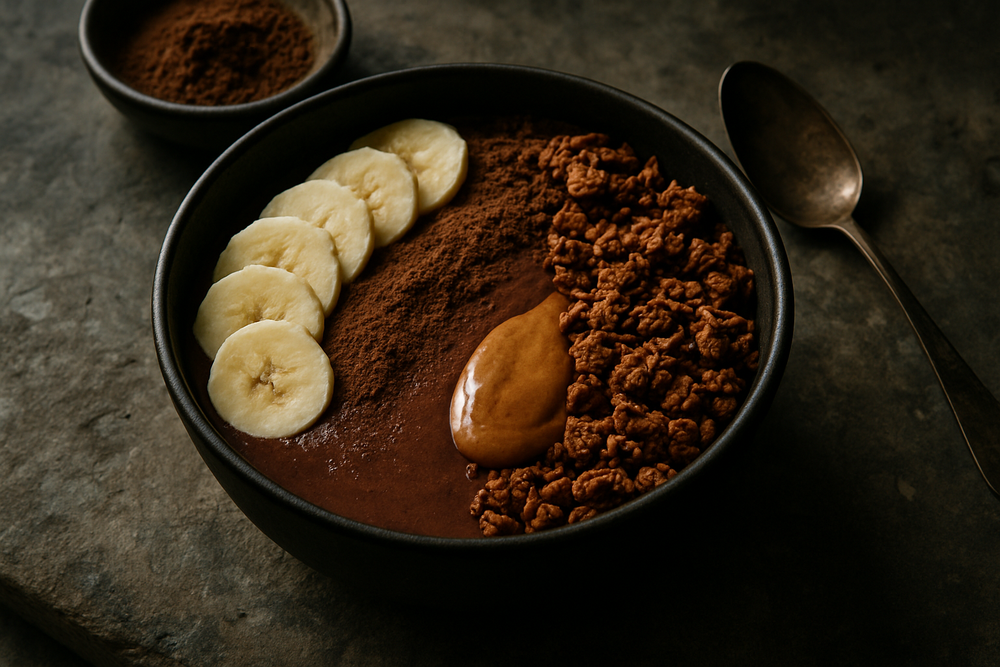
Prep Ideas
- — Carob + banana: The fruit's natural sugars complement carob's caramel sweetness, and the potassium in both supports the heart-health angle.
- — Carob + oats: A fiber-on-fiber pairing that makes a genuinely filling breakfast with solid beta-glucan and carob fiber benefits for cholesterol.
- — Carob + almond butter: Fat from almonds slows digestion further, smoothing out any blood sugar impact from carob's natural sugars — a smart combination for metabolic health.
Glossary
Shop This Ingredient
Stock your pantry with quality carob powder.
Buy on AmazonAs an Amazon Associate, Plantopedia earns from qualifying purchases. This costs you nothing extra and helps us keep the encyclopedia free.
Frequently Asked Questions
Heart and circulation Several clinical reviews and small human trials suggest that carob fiber and polyphenols can modestly reduce total and LDL cholesterol — the type often called "bad" cholesterol because high levels are linked to cardiovascular risk. The mechanism appears straightforward: insoluble fiber binds bile acids in the gut, forcing the liver to use cholesterol to make more bile, which lowers blood cholesterol levels. Polyphenols may add a secondary effect by influencing how the liver processes fats. One frequently cited 2005 study found that participants with high cholesterol who ate carob fiber daily for six weeks showed meaningful reductions in LDL. More recent pharmacology reviews (2022–2023) confirm this pattern across multiple small interventions. Importantly, no studies have yet shown that carob reduces actual cardiovascular events like heart attacks — all the data is on surrogate markers (measurable risk factors) like lipid profiles. Think of it as a dietary contributor to a heart-healthy eating pattern, not a standalone treatment. Digestive health and microbiome This is where carob has arguably the strongest human evidence. Carob bean gum has been used in pediatric medicine for decades to thicken infant formulas and reduce regurgitation and vomiting in formula-fed babies — a use supported by multiple clinical reports. The tannins and viscous fibers in carob appear to bind excess fluid in the gut and slow intestinal transit, which is why carob-based products have traditionally been used to manage diarrhea across Mediterranean cultures. For adults, evidence is more limited but consistent with benefit in functional diarrhea and possibly irritable bowel syndrome (IBS). The fiber also acts as a prebiotic — food for beneficial gut bacteria — which may support a healthier microbiome composition over time. Early microbiome research is promising, but large human trials are still needed. Blood sugar and metabolism Carob's potential blood sugar benefits are the least settled area of the research. The fiber slows glucose absorption (the process by which sugars enter your bloodstream), and D-pinitol may enhance insulin signaling in ways similar to the mechanism of some diabetes medications. Small human interventions have shown lower postprandial glucose — the blood sugar spike after a meal — when carob-derived fiber or extracts were added. However, most of this work uses concentrated carob extracts rather than culinary powder, and effect sizes in humans are modest. The evidence is "emerging" rather than established. People managing diabetes should not adjust medications based on adding carob powder, but including it as part of a high-fiber diet is consistent with standard dietary guidance for blood sugar management. Inflammation and recovery Carob's polyphenols and tannins are consistently shown to scavenge free radicals (unstable molecules that can damage cells) and reduce markers of inflammation in cell and animal studies. Limited human data suggest that carob-enriched foods can favorably shift some biochemical markers linked to chronic inflammation and metabolic syndrome (a cluster of conditions that raise the risk of heart disease and diabetes). These findings are preliminary. Anti-inflammatory effects in a lab dish don't automatically translate to meaningful outcomes in humans, and no large clinical trials have tested this directly. Still, adding an antioxidant-rich food like carob powder to a balanced diet is unlikely to hurt and may contribute modestly to an overall anti-inflammatory eating pattern.
For most culinary purposes, roasted carob powder is the most practical and widely available form, and it is the version most people mean when they talk about carob powder benefits. Here's how the main forms compare: Light-roasted carob powder: Milder, slightly sweeter flavor. Closest to milk chocolate in taste. Good for smoothies, lattes, and delicate baked goods. Dark-roasted carob powder: Deeper, more bitter flavor profile. Substitutes better for dark cocoa in brownies, energy balls, and sauces. Carob chips: Usually contain added fats and sugars — read the label. Less fiber per gram than plain powder. Carob bean gum (locust bean gum): A seed extract used mainly as a food thickener. Not the same as pod powder; used clinically in infant formulas rather than as a general dietary supplement. Carob polyphenol extracts: Concentrated supplements used in research. Higher doses of active compounds but less studied for long-term safety than culinary powder. For everyday use, plain roasted carob powder is the safest and most evidence-consistent choice. The research on lipid and digestive benefits mostly used carob-enriched foods or fiber concentrates, but culinary powder still delivers meaningful fiber and polyphenols per serving.
There is no official recommended daily intake for carob powder set by a major health authority. Research studies have typically used doses providing around 15–20 g of carob powder or carob fiber per day when investigating lipid or digestive effects. That translates roughly to 2–4 tablespoons of carob powder daily — an amount that is achievable through normal culinary use (e.g., adding it to a morning smoothie and using it in an afternoon bake). For general everyday use, 1–2 tablespoons (approximately 7–14 g) per day is a reasonable, practical starting range that will contribute meaningful fiber without overwhelming the digestive system. Most adults tolerate this without any issue. Start low: If you are new to high-fiber foods or have a sensitive gut, begin with 1 teaspoon daily and increase over 1–2 weeks. Drink extra water when increasing fiber intake — fiber works best when hydrated. There is no evidence of toxicity from normal food-level carob powder use. Very high intakes (several hundred grams) would be impractical in cooking and are not supported by any research. Looking for a broader plan? Browse Plantopedia's digestive health goal guide to see how carob fits within a full whole-food approach to gut and metabolic wellness.
Quick Answers
Common questions, answered in a line.
Carob powder is naturally caffeine-free, making it an ideal chocolate substitute for those who want to avoid stimulants. Unlike cocoa, carob does not contain caffeine or theobromine, so it can be enjoyed in the evening without affecting sleep.
You can substitute carob powder for cocoa powder using a 1:1 ratio in most baking recipes. Since carob is naturally sweeter than cocoa, the article suggests you can also reduce the added sugar in your recipe by about 25% without losing flavor.
Carob powder is exceptionally high in dietary fiber, containing approximately 39 grams of fiber per 100 grams of powder. This include both insoluble fiber and pectin-rich fractions that help add bulk to stool and support beneficial gut bacteria.
Carob powder contains D-pinitol, a sugar-like molecule that early research suggests may help improve insulin sensitivity. Additionally, pairing carob with fats like almond butter can help smooth out the blood sugar impact of its natural sugars.
For the highest nutritional value, choose a light roast carob powder, as it retains more antioxidant polyphenols than dark roasts. Ensure the label lists only carob powder or roasted carob flour, avoiding products with added sugars or hydrogenated oils.
Carob powder should be stored in a sealed, airtight container in a cool, dry place to prevent it from absorbing moisture and odors. When stored properly after opening, it should be used within 12 months.
While rare, individuals with known legume allergies to peanuts, soy, or lentils should introduce carob cautiously because carob is also a legume. It is best to watch for any adverse reactions when trying it for the first time.
For Readers in the USA
Local context — sourcing, seasonality, and regional notes.
In the United States, carob trees are primarily grown in California and Arizona, where the Mediterranean-like climate allows them to thrive. While most commercial carob powder is imported from Southern Europe, domestic production occurs in these arid regions with pods typically harvested in late summer or early fall.
You can typically find carob powder at major health food chains like Whole Foods Market and Sprouts, or in the natural foods aisle of large grocers like Kroger and Wegmans. It is also a staple in online marketplaces and local independent food cooperatives, often sold in both pre-packaged bags and bulk bins.
The USDA Organic seal on carob powder ensures the product was grown without synthetic pesticides and processed without irradiation or chemical additives. Because carob trees are naturally hardy and drought-resistant, they are frequent candidates for organic certification, which is widely available in the US market.
Domestic carob is often categorized by its roast level—ranging from "light" to "extra dark"—which dictates its flavor profile in American kitchens. While some US specialty growers offer "raw" carob powder, most retail versions are roasted to reduce the pods' natural astringency and mimic the flavor of cocoa.
AI Clinical Review
- Carob powder is naturally caffeine- and theobromine-free, making it a practical cocoa substitute for people sensitive to stimulants, during pregnancy, or for evening use.
- It is unusually high in fiber (about 5–6 g per 2 tablespoons) and very low in fat, which aligns with small human trials showing modest LDL cholesterol reductions via bile-acid binding and polyphenol effects.
- Digestive benefits are credible: carob seed gum (locust bean gum) has clinical use for infant regurgitation, and carob’s tannins/viscous fibers can help functional diarrhea in adults.
- The emphasis on using plain roasted carob powder for everyday cooking is appropriate; it delivers meaningful fiber and polyphenols without the additives found in chips or some blends.
- Cardiovascular findings are limited to surrogate markers (lipid changes); there are no trials showing fewer heart attacks or strokes, and most studies are small and short-term.
- Blood sugar benefits are mixed and often derived from extracts or enriched foods rather than typical culinary powder; D‑pinitol’s insulin-sensitizing role in humans remains preliminary.
- Anti-inflammatory and antioxidant claims rely largely on lab and animal data, with limited, short-duration human studies.
- Microbiome improvements are plausible given the fiber, but high-quality, longer human trials are still needed.
- Dosing: start with about 1 teaspoon and titrate to 1–2 tablespoons daily as tolerated; research often uses roughly 15–20 g/day. Increase fluids to minimize gas/bloating.
- Medication timing: high-fiber foods can reduce absorption of some oral drugs—separate carob-heavy meals or supplements by 1–2 hours. If you use insulin or oral diabetes meds, monitor glucose when adding concentrated carob products.
- Populations: introduce cautiously if you have legume allergies; use seed gum for infants only under pediatric guidance. Culinary amounts appear compatible with pregnancy/breastfeeding, but avoid high‑dose extracts without clinician input.
- Product choice: choose plain roasted powder (light roast = milder, potentially more polyphenols; dark roast = richer flavor). Carob chips often contain added sugar/fat; extracts are not interchangeable with powder for safety or evidence.
Generally very well tolerated.
References
- USDA FoodData Central — Carob flour nutritional data (fdc.nal.usda.gov)
- USDA Nutrient Database Release 27: Carob Flour Analysis Report (studocu.com)
- Frontiers in Pharmacology 2022 review — Carob lipid-lowering and clinical considerations (frontiersin.org)
- PMC review — Nutritional characterization of carobs and traditional carob products (2018) (pmc.ncbi.nlm.nih.gov)
- PMC review — Nutritional, biochemical, and clinical applications of carob (2023) (pmc.ncbi.nlm.nih.gov)
- PMC review — Functional components of carob fruit: linking chemical and biological space (2016) (pmc.ncbi.nlm.nih.gov)
- Semanticscholar — Carob: a sustainable opportunity for metabolic health (pdfs.semanticscholar.org)
- PubMed — Carob (Ceratonia siliqua L.) as a functional food: pharmacological and phytochemical review (2024) (pubmed.ncbi.nlm.nih.gov)
- Clinica Terapeutica — Effects of carob extract on the intestinal microbiome and glucose metabolism (2023) (clinicaterapeutica.it)
- Healthline — Carob powder: nutrition facts and health benefits (overview) (healthline.com)
Know Your Numbers
Eating healthy is a start. Now get to know your biomarkers.
Food changes bloodwork — inflammation, lipids, blood sugar and nutrient status all respond to what you eat. 59 markers from $59.
- Results in 7–10 days at 2,000+ Quest sites
- Licensed provider reviews every result
- One flat price, no membership, HSA/FSA eligible
Educational information only, not medical advice. Panels are ordered and reviewed through our licensed partner; Plantopedia may earn a commission.