Chipotle Pepper — health benefits and uses
A traditional Mexican preservation of ripe jalapenos prized for smoky heat.
The Short Answer
A chipotle pepper is a smoke-dried jalapeño containing capsaicin, which supports metabolism and heart health through its anti-inflammatory properties. These peppers provide antioxidants like capsanthin and phenolic acids, offering a complex smoky flavor with
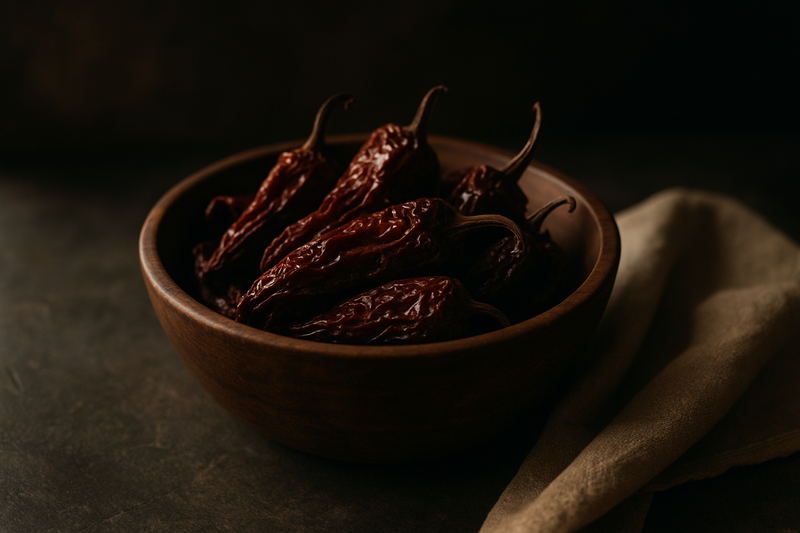
Chipotle Pepper · Photograph
Discover the science-backed chipotle pepper health benefits, from heart health and metabolism to antioxidant support. Explore chipotle pepper nutrition facts, safe daily amounts, forms, side effects, and easy ways to cook with this smoky dried jalapeño.
Key Nutrients
% Daily Value based on 2,000 cal diet
Key active compounds in chipotle pepper
- Capsaicin — The pungent alkaloid (a naturally occurring nitrogen-containing plant compound) that makes chili peppers hot. Capsaicin activates a receptor on nerve cells called TRPV1, which triggers a warming sensation, increases calorie burn (thermogenesis), and has been studied for anti-inflammatory and heart-protective effects.
- Capsanthin and other carotenoids — Red-orange pigment compounds including beta-carotene, lutein, and zeaxanthin. They act as antioxidants (molecules that neutralize cell-damaging free radicals) and some convert to vitamin A in the body.
- Phenolic acids and flavonoids — A broad group of plant polyphenols (antioxidant compounds found in plant cell walls) that provide additional anti-inflammatory activity and may support blood vessel health.
- Smoke-derived aromatic compounds — Formed during the smoke-drying of jalapeños; responsible for chipotle's signature flavor. At typical culinary amounts these primarily affect taste. Heavy long-term exposure to smoke-derived compounds in other contexts (such as smoked meats consumed daily in large portions) has raised separate health questions, but chipotle as a spice is used in much smaller quantities.
Prep and pairing ideas
Chipotle is one of those ingredients where a little goes a long way. Here are three practical pairings that bring out the best in it:
1. Chipotle + black beans + lime The earthiness of black beans and the brightness of fresh lime juice balance chipotle's smoky heat perfectly. Blend one rehydrated chipotle pepper into a simple bean soup or mash, add lime juice, and you have a complete plant protein meal that tastes like it took hours.
2. Chipotle + sweet potato + cumin The natural sweetness of roasted sweet potato softens chipotle's heat and highlights its smoky complexity. A quarter teaspoon of chipotle powder mixed with cumin and a touch of olive oil makes a simple sheet-pan roasting spice blend. Sweet potato also provides beta-carotene, complementing chipotle's own carotenoid content.
3. Chipotle + dark chocolate + coffee This might sound unusual, but chipotle in small amounts (1/8 teaspoon) pairs naturally with the bitter notes of dark chocolate and coffee. Think chili-chocolate energy balls or a mole-inspired sauce. The capsaicin and polyphenols from cocoa create a layered antioxidant profile that's as interesting chemically as it is in the bowl.
Practical prep tips:
- To rehydrate whole dried chipotles, cover with boiling water for 20–30 minutes until pliable, then remove stems and seeds before blending.
- Freeze leftover canned chipotles in adobo in an ice cube tray — each cube is one easy-to-use portion.
- For a smoky dry rub: mix chipotle powder with smoked paprika, garlic powder, and a pinch of salt. Avoid over-salting if using already-seasoned chipotle blends.
Bottom line
Chipotle pepper is a flavorful, antioxidant-rich spice that earns its place in a plant-forward kitchen. The evidence — mostly from studies on hot chili peppers broadly — suggests real potential for supporting heart health, metabolic function, and antioxidant defenses when eaten regularly as part of an overall healthy diet. It is not a cure for anything, and it won't replace medication or lifestyle change. But as a way to make vegetables, legumes, and whole grains taste remarkable while adding bioactive compounds for nearly zero calories, it's a genuinely useful ingredient.
Use the whole dried pepper rehydrated in sauces for the fullest flavor and nutrient profile, reach for the powder for everyday convenience, and read labels carefully on canned products. Start small if you're new to spicy food, and enjoy the smoke.
Looking for more ways to eat for specific health goals? Browse the Plantopedia goals library to find ingredient combinations matched to what matters most to you.
How Chipotle Pepper Compares
| Compared with | What's different |
|---|---|
| Chipotle Pepper vs. Jalapeño Pepper | Chipotles are smoke-dried jalapeños with a distinct earthy heat, while fresh jalapeños are bright and crisp. |
| Chipotle Pepper vs. Ancho Pepper | Chipotles have a smoky flavor and mild heat; Ancho peppers are sweeter with a raisin-like fruitiness. |
| Chipotle Pepper vs. Cayenne Pepper | Chipotles are dried jalapeños; Cayenne is significantly hotter and lacks the signature smoky aroma. |
Health Benefits
Things to Know
GI conditions: People with GERD, gastritis, peptic ulcer disease, IBS, hemorrhoids, or active inflammatory bowel disease flares should approach chipotle cautiously and may need to avoid it during flares.
Sodium watch: Canned chipotle in adobo and commercial chipotle sauces can be high in sodium. Prioritize whole or ground forms if you are managing hypertension, heart failure, or chronic kidney disease.
Medication interactions: Chipotle and other spicy foods can worsen stomach irritation caused by NSAIDs (non-steroidal anti-inflammatory drugs like ibuprofen), aspirin, and oral bisphosphonates (bone medications). If you take blood thinners such as warfarin, very high intakes of spicy foods could theoretically increase GI bleeding risk through mucosal irritation, though culinary amounts are generally not considered a direct drug interaction.
Pregnancy: Chipotle is generally safe in culinary amounts during pregnancy, but heartburn is common in the third trimester, and spicy foods can worsen it. Use to comfort.
Allergies: Rare but possible. Allergy to chili peppers or nightshade vegetables (the plant family that includes peppers, tomatoes, and eggplant) can cause itching, swelling, or difficulty breathing. Seek medical attention immediately for these symptoms.
Skin and eye handling: Capsaicin absorbs through skin. Wash hands thoroughly after handling dried or powdered chipotle, and avoid touching your eyes or contact lenses.
Children and older adults: More sensitive to capsaicin's burning effects; start with very small amounts.
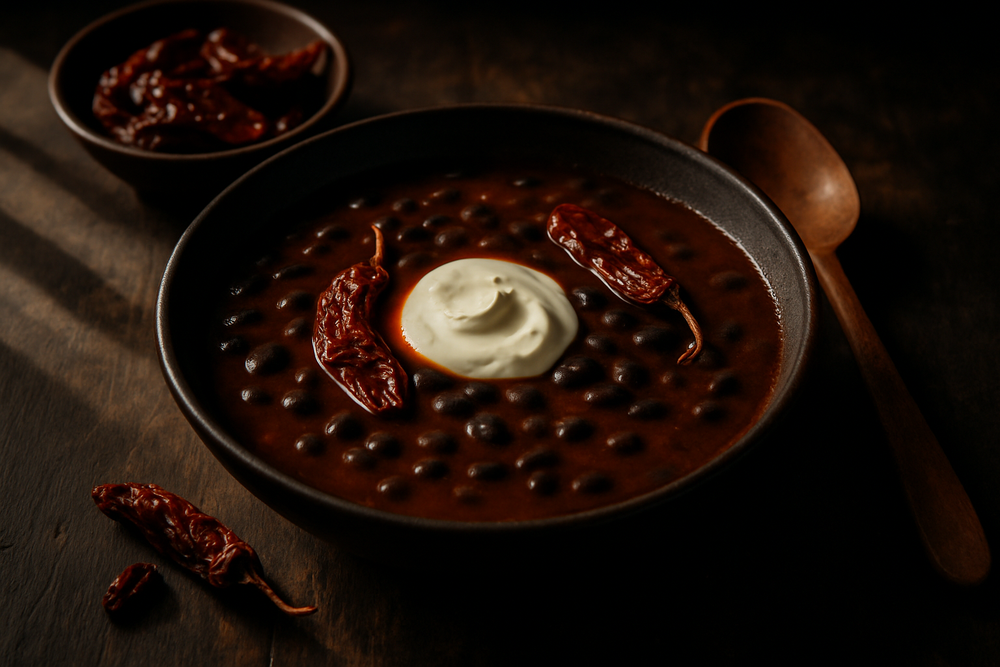
Prep Ideas
- — To rehydrate whole dried chipotles, cover with boiling water for 20–30 minutes until pliable, then remove stems and seeds before blending.
- — Freeze leftover canned chipotles in adobo in an ice cube tray — each cube is one easy-to-use portion.
- — For a smoky dry rub: mix chipotle powder with smoked paprika, garlic powder, and a pinch of salt. Avoid over-salting if using already-seasoned chipotle blends.
Shop This Ingredient
Stock your pantry with quality chipotle pepper.
Buy on AmazonAs an Amazon Associate, Plantopedia earns from qualifying purchases. This costs you nothing extra and helps us keep the encyclopedia free.
Frequently Asked Questions
The research base for chipotle specifically is thin — most studies use mixed hot red chili peppers or isolated capsaicin. Because chipotle shares the same key compounds, researchers consider the findings relevant, but keep that distinction in mind as you read. Heart and circulation Several large observational studies (studies that track populations over time without controlling what people eat) have found that people who eat chili peppers regularly tend to have lower rates of cardiovascular disease and death. An Italian cohort study found that adults who ate chili peppers more than four times per week had about a 23% lower risk of dying from any cause and roughly a 34% lower risk of cardiovascular death compared with people who rarely ate them. A pooled analysis highlighted by the American Heart Association estimated approximately a 26% relative reduction in cardiovascular mortality among habitual chili consumers. These are associations, not proof of cause and effect. Researchers hypothesize that capsaicin contributes through several pathways: reducing low-grade inflammation (a slow-burning background inflammation linked to plaque buildup in arteries), improving how the body handles fats in the blood, and supporting healthy blood vessel function. Benefits were seen with regular intake several times per week as part of an overall dietary pattern. Digestive health and microbiome Chipotle's relationship with digestion is genuinely two-sided. For people who tolerate spicy food well, the capsaicin in chipotle may stimulate saliva and gastric juices that help break down food, and some research suggests repeated exposure to capsaicin can desensitize pain-sensing nerve fibers in the gut, gradually reducing the burning sensation some people initially feel. For people with conditions like gastroesophageal reflux disease (GERD — where stomach acid flows back into the esophagus), gastritis (stomach lining inflammation), or irritable bowel syndrome (IBS), even small amounts of chipotle may trigger or worsen symptoms. Starting with a pinch and building slowly over weeks is the most practical approach for anyone with a sensitive gut. Blood sugar and metabolism Small human trials suggest that adding capsaicin-containing foods to a meal can modestly blunt the post-meal rise in blood sugar and insulin (the hormone that moves sugar from your blood into cells), possibly by influencing receptors in the gut wall and increasing the amount of energy burned. Some studies also report that spicy meals slightly increase fat oxidation (the body's use of stored fat as fuel), though effects are modest and results are not entirely consistent across studies. Population-level data linking regular chili intake to lower mortality also hypothesize better metabolic regulation and a possible reduced risk of type 2 diabetes, though diabetes outcomes are less consistently reported than cardiovascular outcomes. People with diabetes should not adjust medications based on chili intake alone, and anyone who monitors blood sugar closely should note how spicy meals affect their individual readings. Inflammation and antioxidant defense Chipotle pepper anti-inflammatory and antioxidant properties are among the most studied aspects of the capsicum family. In one human trial reviewed in a nutrition journal, consuming about one ounce (roughly 30 g) of chopped chili blend daily for four weeks significantly reduced the rate of free radical oxidation of fats in the blood — a marker of oxidative stress (cellular damage from unstable oxygen molecules). Capsaicin has also been shown to modulate inflammatory signaling pathways, including one called NF-κB, which acts like a master switch for the body's inflammatory response. These findings come from small trials using mixed chilies, not chipotle-specific randomized controlled trials (the gold standard of clinical research). Still, the mechanism is plausible and consistent with the broader observational data. Energy and metabolism support Small clinical trials indicate capsaicin-containing meals can modestly increase resting metabolic rate (the number of calories you burn at rest) and promote fat oxidation for a few hours after eating. These effects are real but modest — we're talking tens of extra calories, not hundreds — and tend to be smaller in people who already eat spicy food regularly, as they become partially desensitized to capsaicin's thermogenic (heat-generating, calorie-burning) signal. Chipotle is unlikely to drive meaningful weight loss on its own, but as a flavorful way to make plant-rich meals more satisfying, it can play a supporting role in a broader dietary pattern.
The honest answer is that the "best" form depends on how you cook and what you're watching out for nutritionally. Here's a quick comparison: Whole dried chipotle peppers retain the full fiber and phytochemical matrix of the original jalapeño. Rehydrating them in hot water and blending them preserves the most compound integrity and gives you control over sodium. They take a little more preparation but reward you with the most complex smoky flavor. Ground chipotle powder is the most practical everyday form. Easy to measure, no prep required, and it integrates smoothly into dry rubs, soups, and sauces. Some surface-area oxidation during grinding can slightly reduce antioxidant content over time, so store powder in an airtight container away from light and heat. Canned chipotle peppers in adobo sauce are convenient and deeply flavorful, but a single pepper plus a teaspoon of sauce can carry 100–200 mg of sodium or more, depending on the brand. If you're managing blood pressure or kidney disease, this is the form to read labels on most carefully. Rinsing the peppers before use can reduce (but not eliminate) the sodium load. Chipotle seasoning blends and hot sauces vary widely. Some are straightforward; others add significant salt, sugar, or oil. Check the ingredient list and nutrition panel before relying on these as a daily staple.
There is no established official recommended dose for chipotle pepper. The research context is helpful here: human studies on chili peppers tend to use the equivalent of roughly 1–10 g of dried chili (about ¼ teaspoon to 2 teaspoons of ground powder) per day as part of meals, and population studies link benefits to eating chili "several times per week" rather than daily or in large amounts. A practical starting range: If you're new to spicy food: Start with ⅛ teaspoon (less than 1 g) of ground chipotle in a whole dish serving 4 people. This is a mild, barely-there heat for most people. If you tolerate spice well: ¼ to 1 teaspoon (roughly 1.25–5 g) per day across all meals is a reasonable culinary range. For whole dried peppers: 1 small rehydrated pepper (about 5–10 g dry weight) blended into a recipe serving 4 is a common starting point. The key principle: start low, go slow, and let your gut (literally) guide you. More is not necessarily better — the observational benefits are linked to habitual moderate use, not maximal intake.
Quick Answers
Common questions, answered in a line.
Chipotle peppers are red-orange because of carotenoids like capsanthin, beta-carotene, lutein, and zeaxanthin. These plant pigments act as antioxidants that neutralize free radicals, and some can be converted into vitamin A by the body.
Chipotle peppers contain a pungent alkaloid called capsaicin, which triggers a warming sensation and increases calorie burn through thermogenesis. Research also suggests this compound may have anti-inflammatory and heart-protective properties.
People with GERD, IBS, gastritis, peptic ulcers, or active inflammatory bowel disease flares should be cautious or avoid chipotle peppers. The capsaicin can worsen symptoms or cause discomfort during active digestive system flares.
Chipotle can worsen stomach irritation caused by NSAIDs like ibuprofen, aspirin, and oral bisphosphonates used for bone health. Additionally, very high intakes could theoretically increase GI bleeding risks for those on blood thinners like warfarin due to mucosal irritation.
To prep whole dried chipotles, cover them with boiling water for 20 to 30 minutes until they become pliable. Once softened, you should remove the stems and seeds before blending them into sauces or soups.
It is safe to eat chipotle during pregnancy in culinary amounts, though it may worsen heartburn, which is common in the third trimester. If you suffer from pregnancy-related acid reflux, you should use the spice only to your comfort level.
Handling chipotles can lead to skin irritation because capsaicin absorbs through the skin. It is important to wash your hands thoroughly after touching dried or powdered peppers and to avoid touching your eyes or contact lenses.
For Readers in the USA
Local context — sourcing, seasonality, and regional notes.
Chipotle peppers are widely available in the U.S. at major grocery chains like Walmart, Kroger, and Publix, usually found in the Hispanic foods aisle as "Chipotles in Adobo." You can also find premium whole dried varieties at specialty spice shops or local Mexican carnicerias.
In the U.S., most jalapeños destined to become chipotles are grown in New Mexico and Texas, with the peak harvest occurring in late summer and early fall. While the fresh peppers are seasonal, the dried and canned forms are staple pantry items available year-round across all states.
The USDA Organic seal on chipotle products ensures the jalapeños were grown without synthetic fertilizers and the processing (smoking and canning) meets federal organic standards. This is particularly relevant for canned chipotles in adobo, which may otherwise contain preservatives or GMO oils.
American consumers typically encounter two main regional varieties: the deep red, smoky "Morita" found in most U.S. grocery stores, and the larger, tan-colored "Meco" often sold in specialty markets. Moritas are prized for their fruity heat, while Mecos offer a more intense, wood-smoked flavor.
AI Clinical Review
- Accurately explains that chipotle is a smoke‑dried jalapeño and highlights capsaicin and carotenoids as key bioactives that contribute flavor and potential health effects.
- Appropriately frames most health claims as coming from research on chili peppers broadly, not chipotle specifically, and distinguishes associations from cause‑and‑effect.
- Summarizes human evidence that regular chili intake is linked with lower cardiovascular mortality and that capsaicin can slightly increase thermogenesis and fat oxidation, with realistic expectations.
- Offers practical nutrition and culinary guidance, including sodium awareness for adobo products and sensible starting amounts for those sensitive to spice.
- Cardiovascular and longevity findings are observational; they may reflect overall dietary patterns and lifestyle, not chili intake alone.
- Metabolic effects (post‑meal glucose, energy expenditure, appetite) are modest and inconsistent across small trials, and benefits diminish with habitual spicy‑food use.
- Anti‑inflammatory and antioxidant outcomes largely come from short‑term, small studies using mixed chilies or isolated capsaicin; chipotle‑specific clinical trials are limited.
- “Immune support” is indirect—via antioxidant and anti‑inflammatory pathways—rather than proven reductions in infections or clinically meaningful immune outcomes.
- Typical culinary range is about 1/4–1 teaspoon chipotle powder per day (≈1.25–5 g); if sensitive, start around 1/8 teaspoon in a multi‑serving dish. One small rehydrated whole pepper for a 4‑serving recipe is a common starting point.
- People with GERD, gastritis/ulcer disease, IBS, hemorrhoids, or active IBD flares may experience symptom worsening; pause during flares and reintroduce cautiously.
- Canned chipotle in adobo can add meaningful sodium; those managing hypertension, heart failure, or chronic kidney disease should read labels or favor whole/powdered forms.
- Medications and special populations: spicy foods can aggravate NSAID/aspirin‑related GI irritation; those on anticoagulants with a history of GI bleeding should be cautious. Pregnancy heartburn may worsen with spicy foods. Rare nightshade/chili allergy is possible—seek care for symptoms like swelling or breathing difficulty.
Medium heat plus smoke; use to taste.
References
- USDA FoodData Central — dried hot red chili pepper nutrient composition (fdc.nal.usda.gov)
- MyPlate — vegetables as part of a healthy dietary pattern (myplate.gov)
- Italian cohort study: chili pepper intake and cardiovascular and all-cause mortality (JACC, 2019) (jacc.org)
- Pooled observational data: chili pepper consumption and mortality — American Heart Association news summary (2020) (newsroom.heart.org)
- Harvard Health Publishing: Chili peppers — the spice of a longer life? (2020) (health.harvard.edu)
- PMC open-access review: Association of hot red chili pepper consumption and mortality (2017) (pmc.ncbi.nlm.nih.gov)
- PMC open-access review: Spicy food, chili peppers, and multiple health outcomes — comprehensive human evidence review (2022) (pmc.ncbi.nlm.nih.gov)
- ScienceDirect: Capsaicin mechanisms, anti-inflammatory and chemopreventive properties — recent review (2025) (sciencedirect.com)
- PepperScale: Chipotle pepper nutrition overview (pepperscale.com)
- Commercial nutrition label: McCormick Culinary Ground Chipotle Chile Pepper (webstaurantstore.com)
Know Your Numbers
Eating healthy is a start. Now get to know your biomarkers.
Food changes bloodwork — inflammation, lipids, blood sugar and nutrient status all respond to what you eat. 59 markers from $59.
- Results in 7–10 days at 2,000+ Quest sites
- Licensed provider reviews every result
- One flat price, no membership, HSA/FSA eligible
Educational information only, not medical advice. Panels are ordered and reviewed through our licensed partner; Plantopedia may earn a commission.