Serrano Pepper — health benefits and uses
Capsaicin-bearing chili used traditionally to boost circulation and appetite.
The Short Answer
Serrano peppers are highly nutritious, providing 44.9 mg of vitamin C and 3.7 g of fiber per serving, while their capsaicin content may support heart health and metabolism.
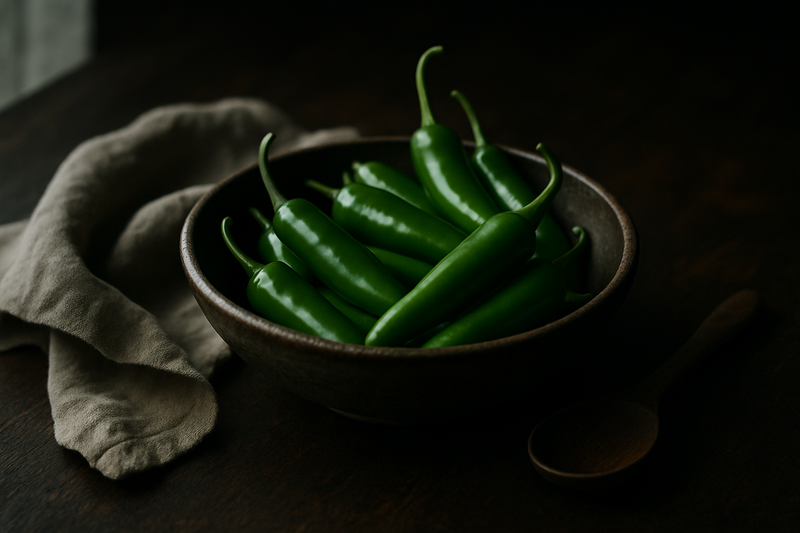
Serrano Pepper · Photograph
Discover the serrano pepper health benefits and side effects backed by research. Learn about capsaicin, vitamin C, heart support, digestion, safe daily amounts, and who should take caution with this fiery green chili.
Key Nutrients
% Daily Value based on 2,000 cal diet
Key active compounds
- Capsaicin — The pungent alkaloid (a naturally occurring nitrogen-containing plant chemical) that activates TRPV1 receptors (specialized sensory nerve receptors that detect heat and pain) on nerve endings, producing the burning sensation. At food-level doses it may increase thermogenesis (heat production by the body), modulate pain signaling, and contribute to the cardiovascular effects seen in population studies.
- Carotenoids (including beta-carotene) — Pigment compounds that act as antioxidants and serve as precursors to vitamin A. They support vision, immune defenses, and skin health.
- Phenolic compounds and flavonoids — A broad family of plant polyphenols (antioxidant and anti-inflammatory molecules found widely in plant foods) that help neutralize reactive oxygen species (unstable molecules that can damage cells) and may contribute to the lower cardiovascular and cancer mortality associations seen in chili-rich diets.
- Vitamin C (ascorbic acid) — Both an antioxidant and a direct cofactor (helper molecule) in collagen synthesis and immune cell function.
Prep and pairing ideas
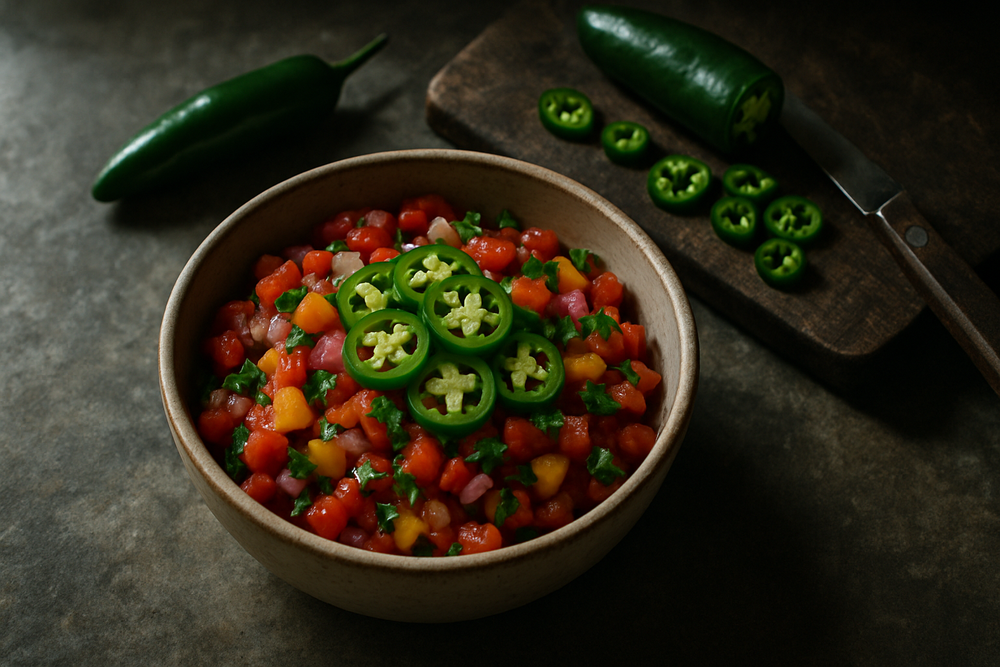
Classic pico de gallo. Finely mince 1–2 raw serranos (seeds in for more heat, seeds out for less) and combine with diced tomato, white onion, fresh cilantro, lime juice, and a pinch of salt. The vitamin C in both the pepper and the tomato helps preserve the mixture's bright color and supports iron absorption if served alongside beans.
Serrano + avocado. The capsaicin in serranos pairs naturally with the fat in avocado — dietary fat helps absorb the fat-soluble carotenoids in both ingredients. Mash together for a salsa-guacamole hybrid that delivers fiber, healthy fats, potassium, and folate in one serving.
Serrano + egg scramble. A single finely chopped serrano stirred into scrambled eggs or a tofu scramble adds heat and a meaningful vitamin C boost, which helps with absorption of plant-based (non-heme) iron from the dish. The heat mellows slightly in cooking, making this a gentler introduction for those new to raw serranos.
Bottom line
Serrano peppers are a genuinely nutritious whole plant food that earns its place in a health-conscious kitchen. The evidence supporting regular hot chili consumption for cardiovascular health is among the more consistent observational datasets in nutritional epidemiology (the study of diet and disease in populations), even if randomized trials are still lacking. The vitamin C, carotenoids, fiber, and capsaicin in serranos all contribute to a broader anti-inflammatory, plant-forward dietary pattern.
The main caveats are real: hot peppers can irritate sensitive stomachs, eyes, and skin; certain medications and health conditions warrant caution; and high-dose capsaicin supplements are a separate matter from culinary use. For most healthy adults, mincing a serrano into your salsa a few times a week is a low-risk, high-flavor move with plausible benefits.
Explore how serrano peppers fit into your broader food-as-medicine goals on the Plantopedia goals page.
How Serrano Pepper Compares
| Compared with | What's different |
|---|---|
| Serrano Pepper vs. Jalapeño Pepper | Serranos are significantly hotter, measuring 10,000–23,000 Scoville units vs. 2,500–8,000 for Jalapeños. |
| Serrano Pepper vs. Habanero Pepper | Habaneros are much spicier and have a fruity profile, while serranos are bright, grassy, and crisp. |
Health Benefits
Things to Know
Handle with care.: Capsaicin is a potent skin and mucous membrane irritant. Wear gloves when mincing multiple peppers and avoid touching your eyes or face until you've washed your hands thoroughly with soap.
GI conditions.: If you have GERD, gastritis, peptic ulcer, or IBS, introduce serranos in very small amounts and monitor symptoms. Eating them on an empty stomach increases the chance of discomfort.
Anticoagulants (blood thinners).: Capsicum may increase bleeding tendency, particularly at higher-than-culinary intakes. If you take warfarin, a DOAC (direct oral anticoagulant), heparin, or antiplatelet drugs like clopidogrel, talk to your prescriber before making hot chili peppers a major dietary staple.
Blood pressure medications.: Large amounts of chili peppers may transiently raise blood pressure in some people. Keep portions moderate if your blood pressure is labile or hard to control.
Asthma and airway sensitivity.: Aerosols produced while cutting or cooking serranos can trigger coughing or bronchoconstriction (airway narrowing) in people with asthma. Cook in a well-ventilated space.
Pregnancy and breastfeeding.: Culinary amounts appear generally acceptable, but avoid high-dose capsaicin supplements. Very spicy diets during breastfeeding have occasionally been associated with skin irritation in infants; stick to moderate food-level intake.
Young children (under 2).: Mucosal tissues are more sensitive at this age. Very spicy foods can cause significant discomfort and are best avoided or introduced cautiously.
Known allergy.: Anyone with a confirmed allergy or hypersensitivity to capsicum or chili peppers should avoid serranos entirely.
Shop This Ingredient
Stock your pantry with quality serrano pepper.
Buy on AmazonAs an Amazon Associate, Plantopedia earns from qualifying purchases. This costs you nothing extra and helps us keep the encyclopedia free.
Frequently Asked Questions
Heart and circulation Several large prospective cohort studies (studies that follow groups of people over time to track health outcomes) and meta-analyses (pooled analyses of multiple studies) report that regular chili pepper consumers have roughly 12–26% lower risks of dying from cardiovascular disease compared with people who rarely or never eat hot peppers. These findings held up after researchers adjusted for overall diet quality, physical activity, smoking, and other lifestyle factors. The likely mechanisms include capsaicin's effects on vascular function (how well blood vessels expand and contract), modest reductions in certain blood lipids (fats in the bloodstream), and a small increase in energy expenditure. These are mostly short-term observations from lab studies and animal models, not long-term randomized human trials. The population data is observational, so it shows association, not proven cause. Still, incorporating serranos into an already vegetable-forward diet is consistent with heart-healthy eating patterns such as the Mediterranean diet. Digestive health and microbiome One cup of raw serrano contributes 3.7 g of dietary fiber, supporting bowel regularity and providing fuel for beneficial gut bacteria (the community of microbes that live in your intestines and influence digestion, immunity, and more). The picture is more nuanced when it comes to capsaicin's direct effects on the gut. In healthy volunteers, moderate chili intake appears generally neutral to beneficial for gastric function. However, in people with non-erosive reflux disease (NERD — acid reflux that doesn't show obvious damage on scope but still causes symptoms), acute red chili ingestion increased abdominal burning in one controlled human study. A narrative review of dietary capsaicin concluded that food-level doses are typically safe or even beneficial for most gastrointestinal health contexts — but excess can flip that balance. Practical note: People with GERD (gastroesophageal reflux disease), gastritis, peptic ulcer disease, or IBS (irritable bowel syndrome) should start with very small amounts and monitor their response before making serranos a regular habit. Blood sugar and metabolism Capsaicin-rich meals can produce a small, measurable increase in postprandial thermogenesis (heat production after eating) and may briefly boost fat oxidation, according to short-term metabolic studies in humans. Some acute studies also suggest a modest reduction in appetite. The practical effect on calorie balance or long-term weight management is small, and there are no high-quality long-term human trials linking serrano pepper consumption specifically to improved fasting blood glucose or reduced risk of type 2 diabetes. Animal models show more dramatic capsaicin effects on insulin sensitivity, but those doses don't translate directly to how you'd eat serranos in a meal. Think of serrano peppers as a helpful flavoring tool within a whole-food, calorie-appropriate diet — not a stand-alone metabolic strategy. Inflammation and recovery Capsaicin's anti-inflammatory and analgesic (pain-reducing) credentials are best established in its topical form — capsaicin creams and patches are approved for neuropathic (nerve-related) and musculoskeletal pain relief. When eaten, capsaicin interacts with TRPV1 receptors in the gut lining and may modulate inflammatory signaling pathways, but direct evidence for meaningful systemic (whole-body) anti-inflammatory effects from eating chili peppers remains limited in humans. Cell and animal studies do show reductions in inflammatory mediators (chemical signals that promote inflammation) and oxidative stress (an imbalance between cell-damaging free radicals and the body's ability to neutralize them). Serrano peppers also contribute antioxidant vitamins C and A, which support overall redox balance (the body's management of oxidative stress). At very high doses far beyond normal food use, capsaicin has been associated with mucosal damage in experimental settings — another reason to keep portions culinary rather than supplemental.
Both forms offer meaningful benefits — the right choice depends on your goals and your gut tolerance. Raw serranos preserve the most vitamin C (heat degrades ascorbic acid) and deliver the sharpest capsaicin hit. Mincing raw serranos into fresh salsa or pico de gallo is the most traditional use and requires no cooking at all. Roasted or sautéed serranos lose a small fraction of vitamin C but remain excellent sources of capsaicin, carotenoids, and fiber. Cooking softens the pungency noticeably — a useful option if raw serranos feel too aggressive on your stomach. Pickled serranos retain capsaicin well but typically contain added sodium. If you're watching your salt intake for blood pressure or kidney reasons, check the label and treat pickled peppers as a condiment rather than a main vegetable serving. Dried or powdered forms concentrate capsaicin and flavor — even a half-teaspoon of dried serrano powder in a soup delivers meaningful pungency. Portion sizes are naturally small, which limits vitamin C contribution but still delivers capsaicin and phytochemicals. Capsaicin supplements are a different category altogether. They come in far higher doses than culinary use, carry their own safety profile, and should only be used with guidance from a healthcare provider.
The everyday home cook looking for flavor without extra calories One or two serrano peppers can flavor an entire batch of salsa or a stir-fry with near-zero calorie cost. The high vitamin C content helps with iron absorption from plant foods in the same meal (useful in plant-based diets). Swapping salt-heavy hot sauces for fresh minced serrano reduces sodium intake while maintaining heat. People building a heart-healthy, vegetable-forward diet Regular inclusion of hot chilies fits the pattern seen in chili-consumption cohort studies associated with lower cardiovascular mortality. Pairing serranos with tomatoes, onion, and cilantro (classic pico de gallo) stacks multiple antioxidant-rich vegetables into one dish. The potassium and fiber in serranos support blood pressure management as part of a broader dietary approach.
There is no official recommended daily intake for serrano peppers specifically. The large cohort studies that found cardiovascular benefits defined "regular" consumers as people eating hot chili peppers more than once per week or at least four times per week. That corresponds roughly to adding 1–2 fresh serranos to several meals each week — not eating handfuls daily. Practical starting guidance: Beginner / heat-sensitive: Start with ¼ of one small serrano, seeds removed, in a dish that is shared or cooked. Give your gut a few days to adjust before increasing. Moderate, established use: 1–2 whole serranos (roughly 15–30 g) several times per week in salsas, stir-fries, or soups is consistent with the intake levels associated with benefits in population research. Upper practical limit: There is no established safe upper limit for culinary use in healthy adults, but very large daily amounts (e.g., more than 4–5 whole peppers every single day) significantly increase the risk of GI irritation and are not supported by evidence of additional benefit. Always start low if you are new to spicy foods, have a sensitive stomach, or take any of the medications listed in the cautions section above.
Quick Answers
Common questions, answered in a line.
Serrano peppers are excellent sources of capsaicin, vitamin C, carotenoids like beta-carotene, and various phenolic compounds and flavonoids. These active compounds act as antioxidants and anti-inflammatory molecules that help neutralize reactive oxygen species. Vitamin C specifically serves as a helper molecule for collagen synthesis and immune cell function.
The capsaicin in serrano peppers may support heart health by increasing thermogenesis and contributing to lower cardiovascular mortality rates seen in population studies. Evidence from nutritional epidemiology suggests that regular hot chili consumption is associated with better heart health outcomes. These effects are attributed to the pepper's anti-inflammatory properties and its ability to modulate pain signaling.
If you have GERD, gastritis, peptic ulcers, or IBS, you should introduce serrano peppers in very small amounts and monitor your symptoms. Eating these spicy peppers on an empty stomach can increase the likelihood of gastrointestinal discomfort. Capsaicin is a known irritant to sensitive mucosal tissues and may exacerbate existing digestive conditions.
You should consult a doctor before eating large amounts of serrano peppers if you take anticoagulants (blood thinners) or blood pressure medications. Capsicum may increase bleeding tendencies, which can interact with drugs like warfarin, heparin, or clopidogrel. Additionally, large amounts of chili peppers may cause a transient rise in blood pressure.
Always wear gloves when mincing multiple serrano peppers to avoid skin irritation from capsaicin, a potent mucous membrane irritant. It is also important to cook them in a well-ventilated space, as aerosols produced during cooking can trigger coughing or airway narrowing in people with asthma. Avoid touching your eyes or face until you have washed your hands thoroughly with soap.
Pairing serrano peppers with avocado is beneficial because the healthy fats in avocado help the body absorb the fat-soluble carotenoids found in the peppers. Additionally, eating serranos with iron-rich foods like beans or eggs can improve the absorption of plant-based iron thanks to the pepper's high vitamin C content. These pairings maximize the nutritional delivery of fiber, potassium, and folate.
For Readers in the USA
Local context — sourcing, seasonality, and regional notes.
Serrano peppers are commercially grown primarily in California, Texas, and New Mexico, with peak harvest season typically running from late summer through early autumn. While they are available year-round due to imports from Mexico, home gardeners in the US find they thrive best in USDA Hardiness Zones 9–11.
You can find fresh serrano peppers at major US grocery chains like Kroger, Walmart, and Whole Foods, as well as at local farmers markets where they are often sold by the pound. Look for them in the produce section near jalapeños; they are typically smaller, thinner, and significantly hotter.
Serrano peppers are a staple of Mexican-American and Tex-Mex cuisine, most frequently used in raw salsas, pickling, and spicy relishes. In the US Southwest, they are often charred or roasted to add a smoky depth to dishes, serving as a more pungent alternative to the milder jalapeño.
When buying serrano peppers in the US, look for the USDA Organic seal to ensure they were grown without synthetic pesticides or fertilizers. The FDA regulates these peppers as raw produce, recommending that consumers wash them thoroughly under cold running water to reduce the risk of foodborne illness.
AI Clinical Review
- Serrano peppers are accurately described as very low in calories yet rich in vitamin C, provitamin A, B6, fiber, and potassium; the note that raw prep best preserves vitamin C is clinically consistent.
- The link between regular chili intake and lower cardiovascular/all-cause mortality is correctly framed as observational (association, not proof of causation).
- Short-term human studies showing modest thermogenesis and appetite effects from capsaicin are portrayed appropriately as small and not a stand-alone weight strategy.
- Practical guidance on GI tolerance, handling precautions, and choosing raw versus cooked or pickled forms aligns with real-world nutrition counseling.
- Whether capsaicin itself drives the mortality signal versus healthier overall dietary patterns and lifestyles remains uncertain; mechanisms are plausible but not confirmed in long-term trials.
- Durable effects on body weight, fasting glucose, or lipid profiles from food-level chili intake are not established; existing human RCTs are short and small.
- Systemic anti-inflammatory benefits from eating chilies are less well supported than the well-established topical capsaicin benefits for pain.
- Gut microbiome effects and any “optimal dose” for cardiometabolic benefit need larger, longer human studies.
- Practical intake: culinary use such as 1–2 peppers per serving several times per week is reasonable for most adults; very high daily amounts increase GI irritation risk.
- Caution for sensitive groups: GERD/reflux, gastritis/ulcer disease, IBS, and asthma (pepper fumes can provoke cough/bronchospasm). Introduce gradually and avoid on an empty stomach if you’re sensitive.
- Medication and life-stage considerations: use caution with anticoagulants/antiplatelets and if blood pressure is hard to control; stick to food-level amounts in pregnancy/breastfeeding and avoid high-dose capsaicin supplements unless advised by a clinician.
- Form matters: pickled peppers add sodium; dried/powdered forms concentrate heat but contribute less vitamin C; supplements deliver much higher doses and carry a different safety profile than food.
Hot; wear gloves and avoid touching eyes. Can irritate the gut in excess.
References
- USDA FoodData Central — Pepper, serrano, raw (fdc.nal.usda.gov)
- Capsaicin — StatPearls, NCBI Bookshelf (safety and pharmacology overview) (ncbi.nlm.nih.gov)
- Capsicum monograph — WebMD (safety, interactions, and caution groups) (webmd.com)
- Meta-analysis: chili pepper intake and all-cause / disease-specific mortality (PubMed 35038885) (pubmed.ncbi.nlm.nih.gov)
- Meta-analysis: spicy chilli consumption and cardiovascular/all-cause mortality (Angiology, Sage Journals) (journals.sagepub.com)
- Large cohort study: hot red chili pepper consumption and mortality (PLOS ONE) (journals.plos.org)
- Meta-analysis: chili pepper consumption and gastrointestinal cancer risk (PMC 9669750) (pmc.ncbi.nlm.nih.gov)
- Human trial: acute effects of red chili on gastric sensorimotor function in NERD and healthy volunteers (PMC 7761989) (pmc.ncbi.nlm.nih.gov)
- Review: beneficial effects of dietary capsaicin in GI health and disease (PubMed 35644413) (pubmed.ncbi.nlm.nih.gov)
- USDA MyPlate — Vegetable Group guidance (myplate.gov)
Know Your Numbers
Eating healthy is a start. Now get to know your biomarkers.
Food changes bloodwork — inflammation, lipids, blood sugar and nutrient status all respond to what you eat. 59 markers from $59.
- Results in 7–10 days at 2,000+ Quest sites
- Licensed provider reviews every result
- One flat price, no membership, HSA/FSA eligible
Educational information only, not medical advice. Panels are ordered and reviewed through our licensed partner; Plantopedia may earn a commission.