Fresno Pepper — health benefits and uses
Capsaicin-bearing chili valued as a versatile medium-heat pepper.
The Short Answer
Fresno peppers are versatile mid-heat chilies prized for their fruity flavor and high Vitamin C content. They are slightly milder than jalapeños when green but develop a complex, smoky heat as they ripen to red.
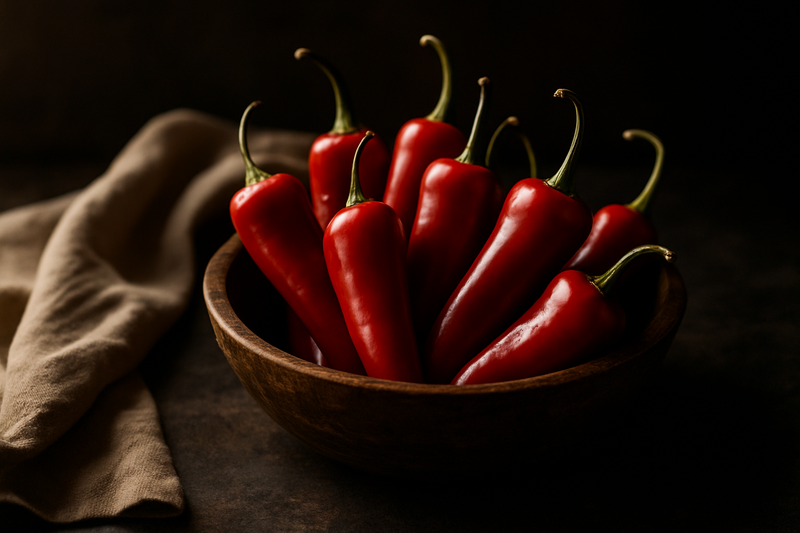
Fresno Pepper · Photograph
Discover Fresno pepper health benefits, nutrition facts, and practical ways to use this fruity red chili in your everyday cooking. Learn how capsaicin, vitamin C, and antioxidants in Fresno peppers may support heart health, immunity, and more — plus safety tips for sensitive stomachs.
Key Nutrients
% Daily Value based on 2,000 cal diet
Key active compounds
- Capsaicin — The pungent alkaloid (a naturally occurring plant chemical with nitrogen in its structure) that creates the sensation of heat by activating TRPV1 receptors (nerve receptors that sense heat and pain). Linked in research to thermogenic (heat-producing, calorie-burning) and potential anti-inflammatory effects.
- Capsanthin and other red carotenoids — The pigments that make ripe red Fresno peppers so vivid. Carotenoids (fat-soluble antioxidant pigments found in colorful plants) act as free-radical scavengers and may support eye and cardiovascular health.
- Beta-carotene — A carotenoid the body can convert into vitamin A, supporting vision, immune function, and skin integrity.
- Flavonoids (quercetin, luteolin) — Polyphenolic compounds (plant-based molecules with multiple ring structures) that show antioxidant and potential anti-inflammatory activity in lab and animal studies.
- Phenolic acids — A class of plant-derived antioxidant molecules that help neutralize reactive oxygen species (unstable molecules that can damage cells).
Prep and pairing ideas
Fresno peppers are one of the more versatile mid-heat chilies in the kitchen. Here are three practical pairings that work particularly well:
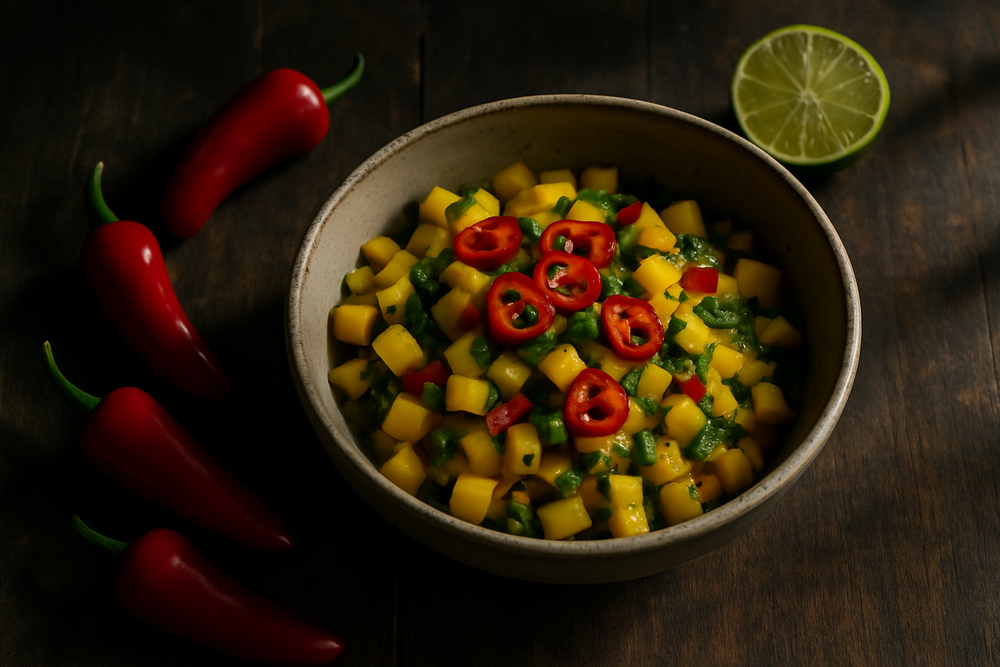
1. Fresno pepper + mango + lime (fresh salsa) The fruity sweetness of ripe mango echoes the Fresno's own bright fruitiness, while lime juice keeps everything fresh and adds extra vitamin C. This combination works over fish tacos, black bean bowls, or grilled tofu.
2. Fresno pepper + garlic + olive oil (roasted topping) Roasting Fresno peppers with garlic and a small amount of olive oil mellows the heat and deepens the flavor. Adding a fat source like olive oil also helps your body absorb fat-soluble carotenoids more efficiently — a practical nutrition win.
3. Fresno pepper + apple cider vinegar + a touch of honey (quick hot sauce) A simple, whole-food hot sauce that you can blend and refrigerate. Apple cider vinegar adds probiotic-adjacent acidity, and honey rounds out the heat. The minimal processing keeps sodium low and lets the pepper's flavor come through.
Bottom line
Fresno peppers are a genuinely useful whole-food ingredient: low in calories, rich in vitamin C, and loaded with antioxidant plant compounds that support a healthy dietary pattern. The capsaicin they contain has been studied for potential benefits relating to heart health, metabolism, and inflammation, but the current human evidence is modest and mixed — so think of Fresno peppers as a flavorful, nutritious addition to a varied diet rather than a targeted remedy.
They're fruitier and slightly milder than a jalapeño, which makes them accessible enough to use regularly. Eat them fresh for maximum vitamin C, roast them for depth of flavor, or blend them into a simple hot sauce to make vegetables more appealing across the board. Handle with care, introduce gradually if your digestion is sensitive, and enjoy them as part of the colorful, plant-rich eating pattern that a large body of evidence consistently supports.
How Fresno Pepper Compares
| Compared with | What's different |
|---|---|
| Fresno Pepper vs. Jalapeño | Fresno peppers have thinner walls and a fruitier, smokier flavor profile. |
| Fresno Pepper vs. Serrano Pepper | Fresnos are significantly milder, measuring 2,500–8,000 Scoville units vs. 30,000+. |
Health Benefits
Things to Know
Handle with care.: Fresno peppers rank in the 2,500–10,000 Scoville unit range (a scale measuring capsaicin concentration and heat level). Always wash hands thoroughly after cutting. Use gloves when processing large quantities. Keep hands away from eyes and face.
GI sensitivity.: People with GERD (gastroesophageal reflux disease), gastritis, peptic ulcers, or IBS may experience symptom flare-ups with spicy foods. Start with small amounts and monitor how you feel.
Nightshade allergy or sensitivity.: Fresno peppers belong to the nightshade family. If you have a known pepper or nightshade allergy, avoid them.
NSAIDs and stomach medications.: Capsaicin may increase gastric irritation. If you regularly take NSAIDs (non-steroidal anti-inflammatory drugs like ibuprofen or aspirin) or other stomach-irritating medications, use caution with high chili pepper intake and raise any persistent symptoms with your doctor.
Pregnancy and breastfeeding.: Moderate culinary use is generally considered safe if tolerated, but spicy foods can worsen heartburn and nausea, which are common in pregnancy. Listen to your body.
Children.: Kids are often more sensitive to capsaicin's burning effects. Introduce gradually and in small amounts.
Oral medications.: Very high consumption of chili peppers could theoretically affect GI motility (how quickly food moves through the gut) and thus alter absorption of some oral medications, though clinically significant interactions at typical culinary amounts are not well documented.
Glossary
Shop This Ingredient
Stock your pantry with quality fresno pepper.
Buy on AmazonAs an Amazon Associate, Plantopedia earns from qualifying purchases. This costs you nothing extra and helps us keep the encyclopedia free.
Frequently Asked Questions
Most studies look at red chili peppers or purified capsaicin rather than Fresno peppers as a specific variety. That means the benefits below are plausible but should be understood as extrapolated from broader red pepper research — not proven uniquely for Fresno peppers. Heart and circulation A 2024 meta-analysis (a study that pools results from multiple trials) of randomized controlled trials on red pepper and capsaicin found small reductions in total cholesterol and diastolic blood pressure (the lower number in a blood pressure reading). However, these results were unstable when researchers ran sensitivity analyses (tests that check how robust results are), and no significant improvements were seen in LDL ("bad") cholesterol, HDL ("good") cholesterol, triglycerides (blood fats), or systolic blood pressure (the upper number). Beyond capsaicin, Fresno peppers are naturally low in sodium and saturated fat and provide potassium and vitamin C — nutrients broadly associated with cardiovascular health in dietary research. This doesn't mean eating Fresno peppers will improve your heart health on its own, but including them as part of a vegetable-rich diet aligns with established heart-healthy eating patterns. Digestive health and microbiome There are no Fresno-specific human digestion trials. General research on chili peppers suggests capsaicin can stimulate gastric (stomach) secretions and has been used in traditional medicine to support appetite and digestion. However, human responses vary significantly. For people without sensitive digestion, including Fresno peppers in meals adds a small amount of fiber and contributes to overall vegetable variety — both of which matter for gut health over time. For those with irritable bowel syndrome (IBS), reflux, gastritis, or peptic ulcers, the same capsaicin that may aid digestion can also irritate the gastrointestinal (GI) mucosa (the lining of the digestive tract). Blood sugar and metabolism The same meta-analysis found no significant effect of red pepper or capsaicin on fasting glucose (blood sugar measured after not eating), insulin, or HbA1c (a three-month average of blood sugar control). So a direct blood-sugar-lowering effect from Fresno peppers is not supported by current human evidence. That said, Fresno peppers have a negligible glycemic load — meaning they add almost no sugar to your blood — and can be used to build flavorful, satisfying meals without contributing excess carbohydrates. Reviews of Capsicum species describe capsaicin-related increases in thermogenesis (heat production that burns calories) and fat oxidation (the body using fat for energy). Effects in humans are modest and variable, but the evidence is consistent enough to say Fresno peppers may play a small supportive role in weight management when they're part of a calorie-appropriate, plant-rich diet. Inflammation and recovery Capsaicin modulates TRPV1 receptors, which are involved in pain signaling and inflammatory pathways. The red carotenoids in Fresno peppers — particularly capsanthin — are potent antioxidants in lab models. Flavonoids like quercetin and luteolin also show anti-inflammatory activity in cell and animal studies. The honest caveat: high-quality human trials using dietary amounts of whole peppers for systemic inflammation are scarce. These mechanistic findings make the anti-inflammatory picture biologically plausible, but "promising in the lab" is not the same as "proven in people." Immune support Vitamin C is the standout immune-support nutrient in Fresno peppers. It supports the production and function of white blood cells, acts as a direct antioxidant, and is involved in collagen synthesis (building the protein that holds tissues together). One medium Fresno pepper delivers about 55% of the daily value for vitamin C — a meaningful contribution that is well-supported by nutrition science, even if it's the vitamin C doing the work rather than the pepper specifically.
Fresh and raw is the best way to preserve vitamin C, which degrades with heat. Slice raw Fresno peppers into salsas, top tacos or grain bowls, or use them as a garnish where the bright color and fruity crunch can shine. Roasting or grilling sacrifices some vitamin C but develops a sweeter, smokier flavor and makes the flesh softer and more versatile. Carotenoids — the red pigments — remain relatively stable with heat, so you retain much of the antioxidant value. Cooking in soups, stews, or stir-fries integrates the pepper's heat and flavor throughout the dish. Nutrient impact depends on cooking time and temperature; shorter cooking times generally mean better vitamin retention. Hot sauce (homemade or minimally processed) concentrates the capsaicin and flavor. The nutritional concern here is sodium and additives in commercial versions — homemade or low-sodium options fit better in a whole-food approach. Pickled is probably the most common commercial form. Pickling preserves many bioactive compounds but significantly increases sodium, so pickled Fresno peppers are best treated as a condiment rather than a main vegetable serving.
There's no established official upper limit for Fresno peppers specifically. Most culinary use falls in the range of 1–2 medium peppers per day (approximately 45–90 g fresh), which aligns with the amounts used in general red pepper research. If you're new to chili peppers or have a sensitive stomach, start with half a pepper in a meal and see how your digestive system responds before increasing. The goal is to find an amount that delivers flavor and nutrients without causing discomfort. Clinical studies on capsaicin often use the equivalent of several grams of dried red pepper or a few milligrams of purified capsaicin daily — amounts higher than typical home cooking. Effects observed in those studies may not translate directly to everyday culinary use. If you're eating Fresno peppers as part of a varied, vegetable-rich diet, daily inclusion is reasonable for most healthy adults. If symptoms like heartburn, stomach pain, or GI upset appear, reduce the amount or frequency and check in with a healthcare provider if symptoms persist.
The heat-curious home cook looking to eat more vegetables Struggles to make vegetables exciting enough to eat consistently Wants something with more character than a bell pepper but less intimidating than a habanero Benefits from the fruitier flavor profile that works in both raw and cooked applications Gets a meaningful vitamin C boost from a single pepper with almost no caloric cost The active person focused on anti-inflammatory eating Prioritizes colorful, antioxidant-rich foods after training or during recovery Interested in capsaicin's potential thermogenic and metabolic role, even if effects are modest Comfortable with the "emerging evidence" level and uses Fresno peppers as one tool among many in a plant-forward pattern Finds that roasted Fresno peppers pair easily with high-protein plant foods like lentils, tempeh, or eggs
Quick Answers
Common questions, answered in a line.
Fresno peppers contain capsaicin, vitamin C, and red carotenoids like capsanthin that support heart health, immunity, and skin integrity. These compounds act as antioxidants and free-radical scavengers to help neutralize reactive oxygen species that can damage cells.
Fresno peppers are moderate-heat chilies ranging from 2,500 to 10,000 Scoville Heat Units. While they are slightly milder and fruitier than a jalapeño, they still contain enough capsaicin to cause a burning sensation on the skin and eyes.
To maximize nutrient absorption, roast Fresno peppers with a fat source like olive oil, which helps the body absorb fat-soluble carotenoids more efficiently. You can also blend them with apple cider vinegar and honey for a low-sodium, whole-food hot sauce.
Individuals with GERD, gastritis, peptic ulcers, or IBS should use caution, as the capsaicin in Fresno peppers can trigger symptom flare-ups. Those with known nightshade allergies or those taking NSAIDs should also be careful, as spicy peppers may increase gastric irritation.
Fresno peppers contain several powerful antioxidants, including capsanthin, beta-carotene, and flavonoids like quercetin and luteolin. These polyphenolic compounds help scavenge free radicals and may support cardiovascular and eye health.
Yes, Fresno peppers contain capsaicin, a pungent alkaloid linked in research to thermogenic (heat-producing and calorie-burning) effects. This compound activates TRPV1 nerve receptors and is studied for its potential role in supporting metabolism.
For Readers in the USA
Local context — sourcing, seasonality, and regional notes.
Fresno peppers are primarily grown in California and New Mexico, with their peak harvest season running from late summer through early autumn. While they are available year-round in many regions due to greenhouse cultivation, you will find the most flavorful, vine-ripened red varieties in U.S. markets between August and October.
You can find Fresno peppers at major U.S. grocery chains like Whole Foods, Trader Joe's, and Safeway, as well as at local farmers markets in the Southwest. If they aren't available at your local supermarket, specialty Mexican grocers or "mercados" almost always stock them alongside jalapeños and serranos.
When buying Fresno peppers in the U.S., look for the USDA Organic seal if you want to ensure the peppers were grown without synthetic pesticides or fertilizers. The FDA monitors domestic and imported peppers for pesticide residue, so washing even conventional Fresno peppers under cold running water is a standard safety recommendation for American consumers.
While the Fresno pepper was originally developed in California, it is a staple in "Tex-Mex" and Southwestern cuisine for making fermented hot sauces and spicy slaw. In the U.S., they are often preferred over jalapeños for ceviche and pickling because their thinner walls allow them to absorb brines and marinades more quickly.
AI Clinical Review
- Clearly explains what sets Fresno peppers apart (approachable heat, fruitier flavor) and why that makes regular use practical.
- Accurately highlights key nutrients—especially vitamin C—with the reminder that red, ripe peppers generally carry more carotenoids and antioxidants than green.
- Describes capsaicin’s TRPV1 mechanism and fairly characterizes human benefits (metabolic/vascular/pain modulation) as modest rather than curative.
- Offers sound prep guidance: raw retains vitamin C; heat lowers vitamin C but leaves carotenoids relatively intact; adding a little oil can improve carotenoid absorption.
- Most data come from mixed red chili or purified capsaicin studies; Fresno-specific human trials are lacking, so benefits are inferred rather than proven for this variety.
- Cardiometabolic outcomes (cholesterol, blood pressure) show small and inconsistent changes across trials; real‑world significance at culinary doses is uncertain.
- Anti‑inflammatory and microbiome claims rely heavily on cell/animal work; high‑quality human studies using whole peppers in typical portions are limited.
- Current randomized trials do not show consistent improvements in fasting glucose or HbA1c; individual responses to spicy foods vary.
- Typical culinary use of about 1–2 medium peppers per day is reasonable for most adults; if you’re spice‑sensitive, start with less and increase as tolerated.
- People with GERD, gastritis, ulcers, or IBS may experience flares; cooked preparations are often better tolerated than raw.
- If you frequently use NSAIDs (e.g., ibuprofen, aspirin), be alert to stomach irritation—persistent symptoms warrant a conversation with your clinician.
- Pregnancy/breastfeeding and children: culinary amounts are generally safe if tolerated, but heartburn and heat sensitivity are common—use small amounts. If you’re managing blood pressure, note that pickled peppers and many hot sauces can be high in sodium.
Moderate heat; handle with care.
References
- USDA FoodData Central — nutrition data for peppers, raw (fdc.nal.usda.gov)
- MyPlate – USDA Vegetables Group guidance — vegetable intake recommendations and public health context (myplate.gov)
- Meta-analysis: red pepper/capsaicin and cardiovascular risk factors — pooled randomized trial data on cholesterol and blood pressure effects; PubMed 2024 (pubmed.ncbi.nlm.nih.gov)
- Review: Antioxidant, Anti-Obesity, Nutritional and Other Properties of Capsicum Fruits — comprehensive review of Capsicum health research; PMC 2022 (pmc.ncbi.nlm.nih.gov)
- Review: Bioactive Compounds and Antioxidant Activity in Capsicum annuum Cultivars — carotenoid and phytochemical analysis across pepper varieties; PMC 2015 (pmc.ncbi.nlm.nih.gov)
- Specialty Produce: Vine Red Fresno — culinary and variety background (specialtyproduce.com)
- Wikipedia: Fresno chile — variety history and general characteristics (en.wikipedia.org)
- SnapCalorie: Fresno pepper nutrition — per-serving nutrition reference (snapcalorie.com)
- Recipal: Peppers, Fresno, raw nutrition facts — additional per-serving macronutrient data (recipal.com)
Know Your Numbers
Eating healthy is a start. Now get to know your biomarkers.
Food changes bloodwork — inflammation, lipids, blood sugar and nutrient status all respond to what you eat. 59 markers from $59.
- Results in 7–10 days at 2,000+ Quest sites
- Licensed provider reviews every result
- One flat price, no membership, HSA/FSA eligible
Educational information only, not medical advice. Panels are ordered and reviewed through our licensed partner; Plantopedia may earn a commission.