Habanero Pepper — health benefits and uses
A very high-capsaicin chili traditionally used in small amounts as a warming stimulant.
The Short Answer
Habanero peppers are extremely high in Vitamin C, providing 224 mg per 100g, and contain capsaicin which is studied for its metabolism and pain-relief properties.
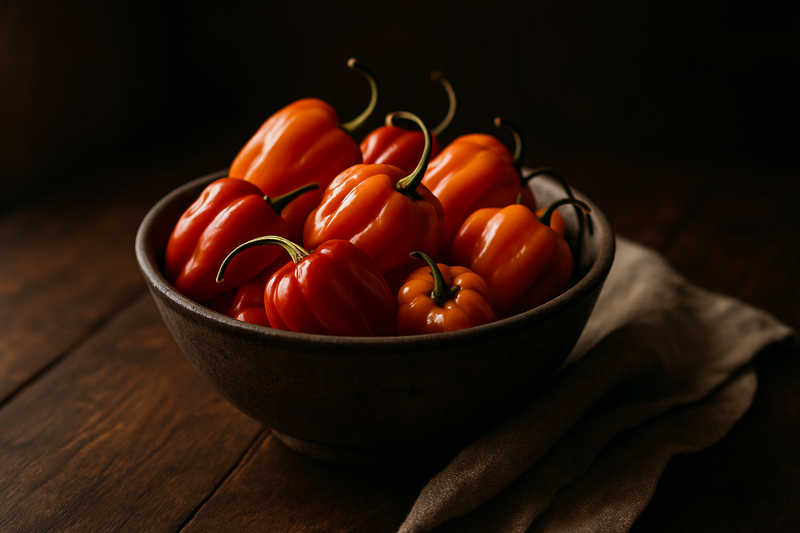
Habanero Pepper · Photograph
Discover the science-backed habanero pepper health benefits and side effects — from its exceptional vitamin C content and capsaicin research to safe handling tips, nutrition facts, and who should use caution. A practical, honest guide for curious eaters.
Key Nutrients
% Daily Value based on 2,000 cal diet
Key active compounds
- Capsaicin — The pungent alkaloid concentrated in the pepper's white inner membranes and seed casing (called the placenta). Capsaicin activates a receptor called TRPV1 (transient receptor potential vanilloid 1), which is how it creates the sensation of heat and pain. In research settings, capsaicin has been studied for pain relief, metabolism support, and cardiovascular effects.
- Carotenoids (beta-carotene, capsanthin, beta-cryptoxanthin) — Fat-soluble pigments that give the pepper its orange-red color. They act as antioxidants and convert to vitamin A (as provitamin A carotenoids) in the body.
- Flavonoids — A broad family of polyphenols (plant compounds with antioxidant and anti-inflammatory signaling properties) found throughout the pepper's flesh.
- Vitamin C (ascorbic acid) — Not a phytochemical in the strict sense, but habanero's vitamin C levels are unusually high and function as a potent water-soluble antioxidant alongside the above compounds.
Prep and pairing ideas
Habanero rewards restraint. Its fruity, floral heat works best when it plays a supporting role rather than dominating the dish.
Caribbean jerk marinade: Blend ¼ to ½ habanero (seeds and placenta removed for less heat) with allspice, thyme, garlic, ginger, lime juice, and a touch of molasses. Use as a marinade for roasted chickpeas, tofu, or jackfruit. The fat in the protein source helps your body absorb fat-soluble carotenoids from the pepper.
Mango-habanero salsa: Dice mango, red onion, cilantro, and a tiny amount of finely minced habanero. Serve over black bean tacos or rice bowls. Mango's sweetness balances habanero's heat; the vitamin C from both fruits amplifies iron absorption from the beans.
Habanero-laced bean soup: Add a whole habanero (pierced but intact) to a pot of simmering black bean or lentil soup, then remove before serving. This infuses gentle warmth into the broth without concentrated heat in any single bite — a useful technique for flavor without fire.
Bottom line
Habanero pepper is a genuinely impressive whole plant food — extraordinary in heat, surprising in nutrients, and backed by a growing body of research on chili peppers and capsaicin. Its vitamin C content is exceptional, its carotenoid profile is strong, and the broader evidence on chili pepper intake and heart health is encouraging. The key is proportionality: a fraction of a pepper used thoughtfully in a varied, plant-forward diet contributes real nutritional value without the risks that come from overuse.
If you have a sensitive stomach, active GI disease, or take NSAIDs regularly, habanero is one to approach carefully or skip. For everyone else, treating it as a potent culinary accent — used sparingly, handled safely, and paired with foods that balance its intensity — makes it a worthwhile addition to the plant-forward kitchen.
Looking for ways to build a diet that uses ingredients like habanero purposefully? Explore our anti-inflammatory and immune-support goals at Plantopedia for practical, evidence-aligned eating patterns.
How Habanero Pepper Compares
| Compared with | What's different |
|---|---|
| Habanero Pepper vs. Jalapeño | Significantly hotter (100k–350k SHU) with a fruity, floral aroma versus an earthy, sharp heat. |
| Habanero Pepper vs. Bird's Eye Chili | Slightly lower heat (100k–225k SHU) with a thinner skin, typically used for peri-peri sauces. |
| Habanero Pepper vs. Ghost Pepper | Genetically identical species but bred for extreme heat (over 1M SHU) and a bumpy texture. |
Health Benefits
Things to Know
Handle with gloves.: Capsaicin binds to skin and is nearly impossible to wash off quickly. Even a small amount transferred to your eyes can cause significant burning.
Start very small.: If you're new to habanero, begin with a sliver — roughly 1 g or less per meal — and increase only if you tolerate it without GI discomfort.
Avoid on an empty stomach.: Capsaicin is more likely to cause nausea and stomach pain when there's no food buffer.
GI conditions: If you have GERD, peptic ulcers, IBS, or IBD, speak with a healthcare provider before adding habanero. Very hot peppers are commonly listed as triggers for all these conditions.
NSAID combination caution: Taking NSAIDs (like ibuprofen, naproxen, or aspirin) regularly? Both NSAIDs and high-capsaicin foods can irritate the stomach lining. Using them together frequently without medical review isn't recommended.
Pregnancy: Small culinary amounts are not specifically contraindicated, but habanero can worsen reflux and nausea, which are already common in pregnancy. Use your judgment and check with your provider if unsure.
Children: Kids are generally more sensitive to capsaicin. Avoid giving habanero to young children and use caution with older children.
Topical capsaicin users: If you're using a prescription capsaicin patch or cream for pain management, don't simultaneously increase high-capsaicin food intake without discussing it with your clinician.
No significant pharmacokinetic drug interactions: are documented for typical culinary amounts of habanero, but if you take multiple medications affecting the GI tract or nervous system, it's worth mentioning your spicy pepper habit to your prescriber.
Shop This Ingredient
Stock your pantry with quality habanero pepper.
Buy on AmazonAs an Amazon Associate, Plantopedia earns from qualifying purchases. This costs you nothing extra and helps us keep the encyclopedia free.
Frequently Asked Questions
Heart and circulation Large observational studies — including cohorts in the United States, Italy, and China — have found that people who eat chili-containing foods several times per week have meaningfully lower rates of cardiovascular events and all-cause mortality compared with people who rarely eat chili. One widely cited analysis found this association held after adjusting for lifestyle factors like smoking, exercise, and overall diet quality. It's worth being precise: these studies examine general chili pepper intake, not habanero specifically. The proposed mechanisms — improved endothelial function (the lining of blood vessels working better), reduced oxidative stress, and modest metabolic support from capsaicin — are plausible and supported by lab and animal data, but haven't been directly confirmed in habanero-focused human trials. The takeaway is that regular, moderate chili pepper consumption as part of a vegetable-rich diet may support cardiovascular health, with habanero as one high-intensity option within that pattern. Digestive health and microbiome This is where habanero's story gets complicated. Some evidence suggests that modest chili intake can stimulate gastric secretions and appetite in healthy people. At the same time, habanero's very high capsaicin content makes it one of the riskier choices for anyone with GI sensitivity. Common complaints — even in healthy adults new to spicy foods — include a burning sensation in the mouth and throat, abdominal cramping, and loose stools. For people with GERD (gastroesophageal reflux disease, where stomach acid flows back into the esophagus), peptic ulcers, IBS (irritable bowel syndrome), or IBD (inflammatory bowel disease like Crohn's or ulcerative colitis), habanero is more likely to worsen symptoms than to help. Current evidence favors cautious use focused on individual tolerance rather than active digestive health benefits. Blood sugar and metabolism A 2023 meta-analysis of human trials found that capsaicin supplementation produced small but statistically significant reductions in body weight, BMI, and waist circumference in overweight and obese adults. Separate randomized studies of TRPV1 agonists (compounds that activate the same receptor as capsaicin) in healthy subjects showed modest increases in energy expenditure — essentially, the body burning slightly more calories at rest. The catch: virtually all these trials used purified capsaicin supplements or standardized extracts, not whole habanero peppers. The amount of capsaicin in a typical culinary serving of habanero is much lower than the 2–6 mg daily doses studied. Any metabolic effect from eating a sliver of habanero in your salsa is likely very modest. This doesn't make habanero useless for metabolism, but it does mean the "habanero pepper benefits for metabolism and weight loss" headline is supported more strongly by capsaicin chemistry than by studies of people eating the actual pepper. Inflammation and recovery Capsaicin has a well-documented effect on pain pathways. High-concentration (8%) capsaicin patches have passed Phase III clinical trials for reducing pain intensity in painful diabetic peripheral neuropathy (nerve pain caused by diabetes). The mechanism: repeated TRPV1 activation initially causes burning, then desensitizes the nerve fibers so they transmit less pain signal — an effect called nociceptive desensitization. For oral, dietary use of habanero, the anti-inflammatory story is less clear. Human dietary studies focus mainly on cardiovascular and metabolic outcomes, not on blood markers of systemic inflammation. The anti-inflammatory benefits you may read about in general chili pepper coverage are largely inferred from capsaicin biochemistry and animal models. Eating habanero is unlikely to deliver the same effect as a topical pharmaceutical capsaicin patch — and in people with gut inflammation, it may do the opposite. Immune support and antioxidant defense This is genuinely solid ground. Habanero's vitamin C and provitamin A carotenoids are well-established nutrients in immune function, skin integrity, and protection against oxidative stress. Even a small culinary portion (say, 5–10 g minced into a dish) delivers a few milligrams of vitamin C and a meaningful dose of carotenoids relative to what many people get from other sources. Used regularly as a flavor accent in a varied diet, habanero can contribute to your overall antioxidant and immune-support nutrient intake.
For whole-food use, fresh habanero is the gold standard — it retains the most vitamin C and the full spectrum of phytochemicals. Here's a quick comparison: Fresh whole pepper: Maximum vitamin C, full carotenoid profile, and the most complex flavor. Requires careful handling (gloves recommended). Best minced or blended into sauces. Dried flakes or powder: Slightly lower vitamin C due to heat during drying, but capsaicin and carotenoids are well preserved. Convenient for adding a pinch to soups or rubs. Highly concentrated — use even less than fresh. Habanero hot sauce: Heat level varies enormously by brand. Often contains added salt, vinegar, and sometimes sugar. A few drops per meal keeps the dose practical. Check labels for sodium if that's a concern. Capsaicin supplements (research context): These are not whole-food products and are outside the WFPB scope of this guide. They've been used in clinical trials for specific outcomes; they should not be self-prescribed as a substitute for medical care. Topical capsaicin products: Pharmaceutical creams and 8% patches for neuropathic pain — entirely separate from dietary use, used only under medical supervision.
The spice-curious home cook building a more plant-forward diet Already eating a variety of vegetables but looking to add more red and orange options Enjoys bold, fruity heat in Caribbean or Mexican-inspired dishes Comfortable starting with tiny amounts and adjusting to tolerance Benefits most from habanero's vitamin C and carotenoid contribution The cardiovascular-focused eater who already tolerates spice Motivated by the observational evidence linking regular chili intake with heart health Uses habanero as a low-calorie, fat-free way to add intensity to legume dishes, grain bowls, or soups Pairs habanero with healthy fats (like avocado or olive oil) to support carotenoid absorption Has no active GI conditions that would make high-capsaicin foods problematic
There's no established "daily dose" for habanero as a food — it depends heavily on individual tolerance, your overall diet, and whether you have any GI conditions. Practical starting guidance: If you're new to habanero: ≤1 g fresh (a very small slice or pinch) per meal, with food, and not every day until you know how your body responds. If you're accustomed to spicy food: 2–5 g fresh habanero per meal (roughly ¼ to ½ small pepper) a few times per week is within the range commonly described in dietary guidance for chili peppers. Dried powder or flakes: Use proportionally less — maybe a pinch (under 0.5 g) — because drying concentrates the capsaicin. Hot sauce: A few drops (roughly 2–5 ml) containing habanero is a practical serving for most people. Stop or reduce if you notice: persistent heartburn, abdominal cramping, diarrhea, or any worsening of pre-existing GI symptoms. More habanero is not better — this is one of those ingredients where a little goes a long way both culinarily and for health purposes. For capsaicin supplements specifically (2–6 mg/day studied in trials): these are not whole foods and should not be self-prescribed. Consult a healthcare provider if you're interested in capsaicin supplementation for a specific outcome.
Quick Answers
Common questions, answered in a line.
The heat in habanero peppers comes from capsaicin, a pungent alkaloid concentrated in the pepper's white inner membranes and seed casing, known as the placenta. Capsaicin creates a burning sensation by activating the TRPV1 receptor in the body.
Yes, habanero peppers are an exceptional source of Vitamin C (ascorbic acid), which functions as a potent water-soluble antioxidant. These peppers also contain carotenoids like beta-carotene and capsanthin that the body converts into vitamin A.
It is highly recommended to wear gloves when handling habaneros because capsaicin binds to the skin and is difficult to wash off. Wearing gloves prevents the chemical from causing significant burning if it is accidentally transferred to your eyes or sensitive areas.
Habaneros should be avoided or used with caution if you have GERD, peptic ulcers, IBS, or IBD, as very hot peppers are common triggers for these conditions. People who regularly take NSAIDs like ibuprofen should also be careful, as both can irritate the stomach lining.
To reduce the heat of a habanero, remove the seeds and the white inner membrane (placenta) where the capsaicin is most concentrated. You can also add a whole, pierced pepper to soups and remove it before serving to infuse flavor without intense heat.
Eating habaneros on an empty stomach is not recommended because capsaicin is more likely to cause nausea and stomach pain without a food buffer. It is best to use them as a culinary accent within a full meal.
Habanero peppers contain flavonoids and carotenoids, which are polyphenols and pigments that provide antioxidant and anti-inflammatory signaling properties. These compounds, along with vitamin C, help protect the body against oxidative stress.
For Readers in the USA
Local context — sourcing, seasonality, and regional notes.
In the United States, habanero peppers are primarily grown in warm climates like Florida, Texas, and California, with the peak domestic harvest occurring from late summer through early fall. While they are available year-round due to imports from Mexico, locally grown peppers are most abundant in American farmers markets between August and October.
You can find fresh habanero peppers at most major US grocery chains like Kroger, Publix, and Safeway, as well as specialty stores like Whole Foods Market and Trader Joe's. They are typically sold by the pound or in small plastic clamshells in the refrigerated produce section near other hot peppers like jalapeños.
Look for the USDA Organic seal to ensure your habaneros were grown without synthetic pesticides or fertilizers, as peppers are often included in discussions regarding pesticide residues. While the FDA does not have specific safety guidelines just for habaneros, they regulate them under general produce safety standards for domestic and imported chilies.
While the orange habanero is the most common variety in the US, you may also find the Red Savina, known for its intense heat, or the Scotch Bonnet, which is a closely related staple in Caribbean-American communities. Specialty growers in the Pacific Northwest and South also produce "habanadas," a heatless variety bred to provide the pepper's signature floral flavor without the capsaicin burn.
AI Clinical Review
- Clearly explains that habanero is extremely hot, so typical portions are tiny, and appropriately notes that this limits per‑meal nutrient delivery despite high vitamin C and provitamin A on a per‑100 g basis.
- Accurately distinguishes evidence for purified capsaicin (especially topical use for nerve pain) from whole‑pepper consumption, setting realistic expectations for metabolism and weight outcomes.
- Frames the heart and mortality data as observational associations for chili peppers in general—not habanero‑specific—and avoids implying causation.
- Offers practical guidance on handling (gloves), preparation, and pairing with dietary fat to support carotenoid absorption—useful, safety‑minded tips for home cooks.
- Most human data are extrapolated from broader chili pepper intake or capsaicin supplements; habanero‑specific trials and real‑world dosing studies are limited.
- Anti‑inflammatory and microbiome claims are based largely on mechanisms and animal work; consistent human dietary evidence remains insufficient.
- Cardiometabolic effects (energy expenditure, weight, glucose) seen with standardized capsaicin doses are small; how much translates from culinary amounts is uncertain.
- The antioxidant/immune contribution from typical servings is likely modest; benefits depend on overall dietary pattern rather than habanero alone.
- Dosing: if new to very spicy foods, start with ≤1 g fresh per meal and increase only as tolerated; experienced users may handle 2–5 g a few times per week. Use with food, not on an empty stomach.
- Higher‑risk groups: people with GERD, peptic ulcers, IBS/IBD, those using NSAIDs regularly, pregnant individuals prone to reflux, and children should be cautious and may wish to check with a clinician first.
- Form matters: fresh retains the most vitamin C; dried preserves heat and carotenoids but is more concentrated; hot sauces vary widely and can be high in sodium/sugar—check labels.
- Practical safety: capsaicin on skin or in eyes is painful—wear gloves and wash tools well. Culinary amounts have no well‑documented drug interactions, but mention frequent high‑capsaicin intake if you take multiple GI‑acting medications.
Extremely hot; handle with gloves and use tiny amounts. Avoid with GI sensitivity.
References
- USDA FoodData Central — hot chili peppers (orange/red): Nutrition data for vitamin C, vitamin A, potassium, and other nutrients used in the nutrition snapshot. (fdc.nal.usda.gov)
- Habanero pepper nutrition facts (USDA-derived summary): Macronutrient and micronutrient values consistent with USDA data. (strongrfastr.com)
- Chili pepper nutrition and safety overview: Practical guidance on chili pepper benefits, risks, and populations to monitor. (vitalibrary.com)
- Capsaicin therapeutic applications review (ScienceDirect, 2022): Comprehensive human review covering cardiovascular, metabolic, analgesic, and anti-inflammatory evidence for capsaicin. (sciencedirect.com)
- Meta-analysis: capsaicin and weight loss in overweight adults (PubMed, 2023): Pooled data from randomized trials showing small but significant reductions in BMI and body weight with capsaicin supplementation. (pubmed.ncbi.nlm.nih.gov)
- Randomized trial: TRP channel agonists, metabolism, and autonomic nervous system (Scientific Reports): Human study showing increased energy expenditure and autonomic effects from capsaicin ingestion. (nature.com)
- Phase III trial: capsaicin cream for neuropathic pain (PubMed): Clinical evidence for topical capsaicin's analgesic effects via nociceptive desensitization. (pubmed.ncbi.nlm.nih.gov)
- ClinicalTrials.gov: capsaicin 8% patch for painful diabetic peripheral neuropathy: Registered Phase III trial evaluating pharmaceutical capsaicin patch for nerve pain. (clinicaltrials.gov)
- Peppers: benefits, side effects, research and dosage (Longevity Technology): Summary of observational evidence linking regular chili pepper consumption to cardiovascular and all-cause mortality outcomes. (longevity.technology)
- USDA MyPlate — vegetables guidance: Recommendations for including red and orange vegetables in a healthy dietary pattern. (myplate.gov)
Know Your Numbers
Eating healthy is a start. Now get to know your biomarkers.
Food changes bloodwork — inflammation, lipids, blood sugar and nutrient status all respond to what you eat. 59 markers from $59.
- Results in 7–10 days at 2,000+ Quest sites
- Licensed provider reviews every result
- One flat price, no membership, HSA/FSA eligible
Educational information only, not medical advice. Panels are ordered and reviewed through our licensed partner; Plantopedia may earn a commission.