Cilantro — health benefits and uses
Flavor-first apothecary angle; use food amounts rather than supplement claims
The Short Answer
Cilantro is a fresh, citrusy herb that provides 22% of the Daily Value of Vitamin K per quarter-cup serving. While it is a staple in global cuisines, some people find it tastes like soap due to a specific genetic trait.

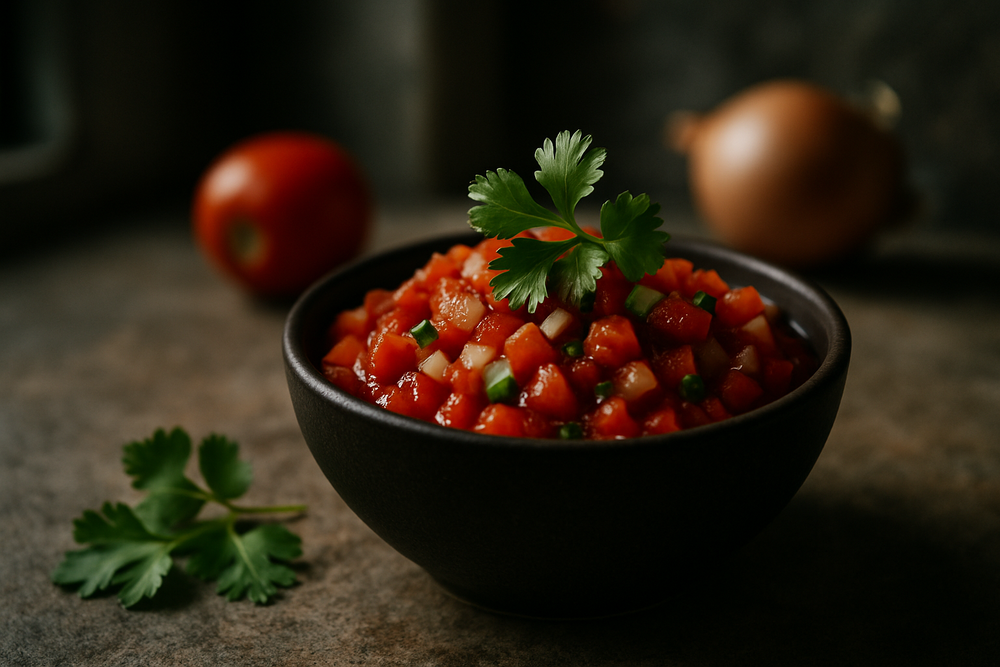
Cilantro · Photograph
Cilantro (Coriandrum sativum) is one of the world's most beloved and divisive herbs. This bright green, aromatic plant adds a fresh, citrusy note to everything from Mexican salsas to Thai curries to Middle Eastern grain salads. While some people adore its distinctive flavor, others experience an unpleasant soapy taste due to genetic differences in taste perception.
Key Nutrients
% Daily Value based on 2,000 cal diet
Key active compounds in cilantro
Cilantro's distinctive aroma and potential health effects come from several bioactive compounds:
- Linalool - The primary aromatic compound that gives cilantro its floral-citrus scent and shows antioxidant activity in lab studies
- Geraniol and other monoterpenes - Contribute to the herb's fragrance and may have antimicrobial properties
- Flavonoids (quercetin, apigenin) - Antioxidant compounds that may support cellular health and reduce oxidative stress
- Phenolic acids (caffeic acid, chlorogenic acid) - Plant compounds with antioxidant capacity
- Coumarins - Aromatic compounds found in many herbs that may have mild vascular effects
Common cilantro pairings that work
Cilantro + Lime + Legumes - The classic combination that makes beans and lentils more digestible and flavorful. The acidity from lime helps break down fiber while cilantro's aromatic oils may ease digestive comfort.
Cilantro + Chili + Avocado - This trio balances heat, richness, and freshness. The healthy fats in avocado help absorb fat-soluble vitamins while cilantro provides a cooling counterpoint to spicy foods.
Cilantro + Ginger + Garlic - A powerhouse combination for digestive support found in many Asian cuisines. Each ingredient traditionally supports digestion in complementary ways, making this trio ideal for stir-fries and curries.
Troubleshooting common cilantro issues
Soapy taste - If cilantro tastes like soap to you, this is genetic and won't change. Try using smaller amounts, pairing with strong acids like lime, or substituting with parsley mixed with a bit of mint.
Quick spoilage - Fresh cilantro wilts fast. Store stems in water like flowers, cover with a plastic bag, and refrigerate. Use within 3-5 days for best flavor and nutrition.
Overwhelming flavor - Start with just a few leaves and gradually increase. Mixing cilantro with milder herbs like parsley can help you build tolerance while still getting some flavor benefits.
Prep and pairing ideas for cilantro
- Raw applications - Add chopped cilantro to grain salads, salsas, guacamole, and as a finishing touch on soups and stews
- Quick cooking - Stir into stir-fries, curries, and sautéed vegetables in the last minute of cooking to preserve flavor
- Herb sauces - Blend with olive oil, lime juice, garlic, and jalapeños for a versatile green sauce
- Smoothie additions - A few sprigs add freshness to green smoothies with mango, lime, and leafy greens
- Pickling and fermenting - Include cilantro in quick pickles or fermented vegetables for added flavor complexity
Ready to transform your plant-based cooking with fresh herbs? Check out our meal planner for cilantro-rich recipes that make healthy eating delicious.
Bottom line on cilantro
Cilantro offers modest nutritional benefits and may support digestive comfort, though human research is still limited. Its greatest health contribution may be making nutritious, plant-based foods taste so good that you want to eat them regularly. Whether you're team cilantro or find it tastes like soap, there are plenty of ways to explore fresh herbs that enhance both flavor and nutrition in your kitchen.
For those who enjoy cilantro, using it generously in bean dishes, vegetable salads, and herb sauces can be a simple way to reduce salt dependence while boosting the antioxidant content and digestive appeal of healthy meals.
How Cilantro Compares
| Compared with | What's different |
|---|---|
| Cilantro vs. Flat-leaf Parsley | Flat-leaf parsley has a milder, grassy flavor and lacks the citrusy, floral aroma of cilantro. |
| Cilantro vs. Coriander Seeds | Coriander refers to the dried seeds of the same plant, offering a warm, nutty, and spicy flavor profile. |
| Cilantro vs. Culantro | Culantro has a much stronger, pungent flavor and tougher leaves that withstand high-heat cooking. |
Health Benefits
Things to Know
Start with small amounts: if you're new to cilantro, as some people find the flavor overwhelming at first
Genetic taste variation: affects about 10-15% of people, making cilantro taste soapy or unpleasant - this is normal and not dangerous
Allergy potential: exists, especially for people sensitive to other plants in the carrot family (celery, parsley, carrots)
Blood thinner interactions: - People taking warfarin should maintain consistent intake of vitamin K-rich foods like leafy herbs
Pregnancy and breastfeeding: - Fresh cilantro in food amounts is generally safe, but avoid concentrated supplements
Food safety: - Wash fresh herbs thoroughly and store properly to reduce risk of foodborne illness
Prep Ideas
- — Raw applications - Add chopped cilantro to grain salads, salsas, guacamole, and as a finishing touch on soups and stews
- — Quick cooking - Stir into stir-fries, curries, and sautéed vegetables in the last minute of cooking to preserve flavor
- — Herb sauces - Blend with olive oil, lime juice, garlic, and jalapeños for a versatile green sauce
- — Smoothie additions - A few sprigs add freshness to green smoothies with mango, lime, and leafy greens
- — Pickling and fermenting - Include cilantro in quick pickles or fermented vegetables for added flavor complexity
Shop This Ingredient
Stock your pantry with quality cilantro.
Buy on AmazonAs an Amazon Associate, Plantopedia earns from qualifying purchases. This costs you nothing extra and helps us keep the encyclopedia free.
Frequently Asked Questions
Research on cilantro's health effects is still developing, with most studies using concentrated extracts or coriander seeds rather than fresh leaves in typical food amounts. Here's what we know: Heart and circulation support Limited studies suggest that compounds in Coriandrum sativum may support healthy cholesterol levels and blood pressure, though most research uses coriander seed extracts rather than fresh cilantro leaves. From a practical standpoint, cilantro's biggest heart benefit may be helping you reduce salt and heavy sauces while still enjoying flavorful, plant-based meals that naturally support cardiovascular health. Digestive health and microbiome Traditional herbalism describes cilantro as a "carminative" herb that can ease gas, bloating, and digestive discomfort. Many cuisines pair cilantro with beans, lentils, and spicy foods - combinations that may help these fiber-rich, gut-healthy ingredients feel more comfortable to digest. While controlled studies are lacking, culinary wisdom suggests there may be something to this traditional pairing. Blood sugar and metabolism Early animal studies and small human trials using coriander seed preparations suggest potential blood sugar benefits, but there's essentially no research on whether typical amounts of fresh cilantro leaves affect glucose metabolism. Cilantro can certainly be part of a blood-sugar-friendly eating pattern, especially when used to make vegetables, legumes, and whole grains more appealing. Inflammation and recovery Laboratory studies show that cilantro contains antioxidant compounds that may help combat oxidative stress. However, these findings come from test tube experiments, and there are no robust human trials showing that adding cilantro to your meals produces measurable anti-inflammatory effects. Still, as part of a colorful, plant-rich diet, cilantro contributes to overall antioxidant intake.
Fresh cilantro leaves offer the brightest flavor and most intact nutrients: Fresh cilantro leaves - The gold standard for both flavor and nutrition. Add at the end of cooking or use raw to preserve delicate aromatic compounds. Store stems-down in water in the refrigerator, covered with a plastic bag. Dried cilantro - Available but with much flatter flavor than fresh. Better for spice blends where convenience matters more than vibrant taste. Cilantro in sauces and pestos - Blending large amounts of cilantro with healthy fats (like olive oil), acids (like lime), and other herbs creates concentrated, shelf-stable ways to add cilantro benefits to many dishes. Coriander seeds - These are the dried seeds of the same plant but have a completely different, warm and citrusy flavor. Most formal research on Coriandrum sativum uses these seeds or their extracts, not fresh leaves.
There's no official recommended amount for cilantro. In culinary practice, people typically use: 1-2 tablespoons chopped as a garnish for soups, salads, or grain bowls 1/4 cup or more when making salsas, chutneys, or herb-based sauces A few whole sprigs added to smoothies or juices for those who enjoy the flavor Most people can enjoy cilantro freely as part of varied, plant-based meals. Those on blood thinners should aim for consistent rather than dramatically varying amounts due to the vitamin K content.
Quick Answers
Common questions, answered in a line.
Cilantro tastes like soap to some people due to genetic differences in taste perception. If you experience this, try using smaller amounts, pairing the herb with strong acids like lime juice, or substituting it with a blend of parsley and mint.
To keep cilantro fresh longer, store the stems in a container of water like flowers, cover them with a plastic bag, and keep them in the refrigerator. Using this method, the herb should maintain its best flavor and nutrition for 3 to 5 days.
Cilantro contains bioactive compounds such as linalool, geraniol, monoterpenes, and flavonoids like quercetin and apigenin. These components contribute to the herb's citrusy aroma and provide antioxidant and antimicrobial properties.
Cilantro is commonly paired with legumes and lime to improve digestibility, or with chili and avocado to balance heat and richness. Another popular combination is cilantro, ginger, and garlic, which is frequently used in Asian cuisines for digestive support.
Add cilantro to cooked dishes like stir-fries, curries, and sautéed vegetables during the last minute of cooking. This quick-cooking technique helps preserve the herb's delicate flavor and nutritional profile.
Individuals taking the blood thinner warfarin should maintain a consistent intake of cilantro and other herbs rich in vitamin K. Additionally, those with allergies to the carrot family, including celery and parsley, may experience sensitivity to cilantro.
For Readers in the USA
Local context — sourcing, seasonality, and regional notes.
In the United States, cilantro is primarily grown in California and Arizona, ensuring a year-round supply in most American grocery stores. Although it is available throughout the year, it is technically a cool-season crop that peaks in quality during the spring and fall months.
You can find fresh cilantro at nearly every major US supermarket chain, such as Kroger, Publix, and Safeway, as well as at local farmers markets where it is often sold in large, affordable bunches. When buying, look for the USDA Organic seal if you wish to avoid synthetic pesticides, as cilantro is a leafy herb frequently tested by the FDA for residues.
Coriander usually refers to the dried seeds of the plant in US spice aisles, while "cilantro" refers to the fresh green leaves and stems. This naming convention is common in North America to distinguish between the citrusy fresh herb and the warm, nutty spice, whereas other regions may call the fresh plant "coriander" or "Chinese parsley."
AI Clinical Review
- Clearly distinguishes cilantro leaves from coriander seeds and notes that much of the research uses seed extracts rather than fresh leaves.
- Accurately frames cilantro as low‑calorie, vitamin K–rich, and valuable for making plant‑forward, lower‑sodium meals more appealing.
- Presents digestive support as a traditional/culinary use rather than a proven medical effect, which is appropriate.
- Offers practical tips (add near the end of cooking, proper storage) that help preserve flavor and delicate aromatics.
- Human trials testing fresh cilantro in typical food amounts for cholesterol, blood pressure, blood sugar, or inflammation are limited; most data come from laboratory, animal, or seed‑extract studies.
- Microbiome and digestive comfort benefits are plausible but not well established in controlled human studies; responses vary by individual and meal context.
- The antioxidant impact of garnish‑sized portions is likely modest; overall dietary pattern drives most measurable effects.
- If you are pregnant or breastfeeding, stick to culinary amounts and avoid concentrated supplements/extracts due to limited safety data.
- If you take warfarin or other medications affected by vitamin K, keep cilantro intake consistent and discuss any big changes with your clinician.
- Allergies are uncommon but possible, especially if you react to celery, parsley, or carrot (same plant family); stop and seek care if symptoms occur.
- Typical culinary use is about 1–4 tablespoons chopped leaves per day; larger amounts in salsas or pestos are generally fine if tolerated and handled with good food safety practices.
Use culinary framing; avoid treatment claims or supplement-dose guidance.
References
- USDA FoodData Central - Cilantro nutrition composition (fdc.nal.usda.gov)
- NIH National Center for Complementary and Integrative Health - Herbs at a glance (nccih.nih.gov)
- Penn State Extension - Cilantro cultivation and culinary uses (extension.psu.edu)
- McCormick Science Institute - Culinary herbs and spices research review (mccormickscienceinstitute.com)
- Journal of Food Science - Essential oil composition and antimicrobial activity of cilantro
- Food Chemistry - Antioxidant activity of Coriandrum sativum extracts
- Traditional Medicine Research - Ethnobotanical uses of cilantro in digestive health
- Food Safety Guidelines - Fresh herb safety and storage recommendations
Know Your Numbers
Eating healthy is a start. Now get to know your biomarkers.
Food changes bloodwork — inflammation, lipids, blood sugar and nutrient status all respond to what you eat. 59 markers from $59.
- Results in 7–10 days at 2,000+ Quest sites
- Licensed provider reviews every result
- One flat price, no membership, HSA/FSA eligible
Educational information only, not medical advice. Panels are ordered and reviewed through our licensed partner; Plantopedia may earn a commission.