Citron — health benefits and uses
An ancient Mediterranean citrus (etrog) used ceremonially and medicinally.
The Short Answer
Citron is a large, aromatic citrus fruit primarily used for its thick, nutrient-dense rind rather than its minimal juice. It is a rich source of pectin fiber and antioxidant flavonoids like limonene, often used in teas, baking, or traditional candied
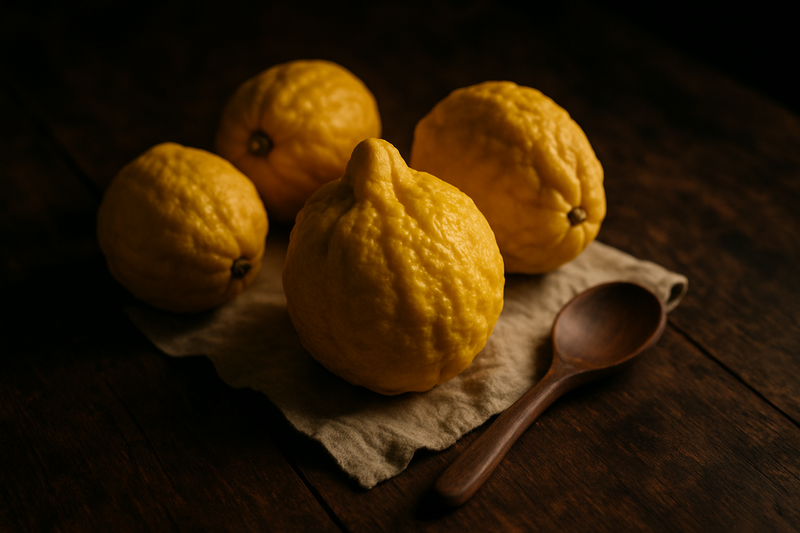
Citron · Photograph
Discover the citron fruit health benefits behind this ancient, aromatic citrus. Learn how its fiber-rich peel, fragrant zest, and powerful flavonoids may support digestion, heart health, and more — plus how to use it safely in your kitchen.
Key Nutrients
% Daily Value based on 2,000 cal diet
Key active compounds in citron peel and zest
- Limonene — A monoterpene (a small aromatic molecule) found abundantly in the outer peel. Provides citron's bright, citrusy fragrance and shows antioxidant activity in lab studies; citrus peel intake has been linked to lower skin cancer risk in at least one case-control study.
- Citral — A blend of two aldehyde compounds (geranial and neral) responsible for citron's distinctive lemon-like scent. Has demonstrated antimicrobial and anti-inflammatory effects in experimental models.
- Citronellal and related monoterpenes — Terpenoid compounds that give citron its intense aroma; shown to have insect-repellent, antimicrobial, and antioxidant properties in laboratory settings.
- Flavonoids (hesperidin, naringin, eriocitrin) — Polyphenolic plant compounds (a class of naturally occurring chemicals with antioxidant and anti-inflammatory activity) concentrated in the pith and peel. Research on citrus peel flavonoids broadly links them to modest improvements in blood lipids, glucose metabolism, and inflammatory markers.
- Pectin and soluble fiber — Complex carbohydrates in the cell walls of the thick white pith. Form a gel-like substance in the gut that slows digestion, helps manage cholesterol, and feeds beneficial gut bacteria.
Prep and pairing ideas
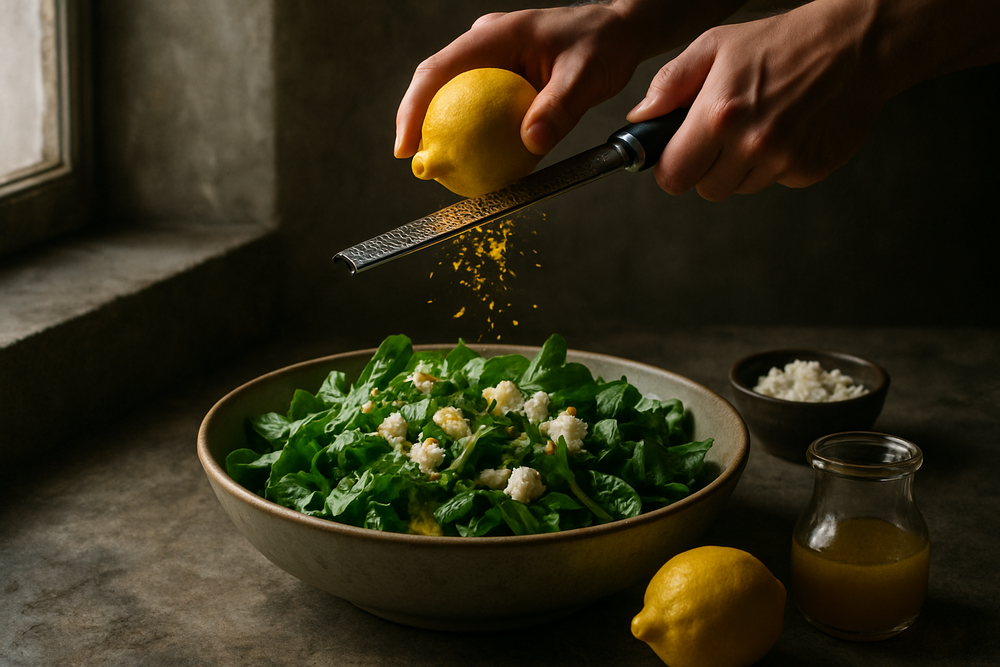
Fresh zest is the most versatile and nutritionally intact form. Use a microplane grater on the outer yellow skin (avoiding the white pith, which is bitter when grated alone). Add to:
- Salad dressings and vinaigrettes
- Baked goods — muffins, shortbread, pound cake
- Pasta sauces or risotto for a bright, aromatic lift
- Homemade granola or oat-based breakfast bowls
Dried peel tea: Cut strips of citron peel, dry them in a low oven (or dehydrator), and steep in hot water for 5–7 minutes. Add honey or ginger if desired. A simple, zero-sugar way to enjoy citron's essential oils and a small fiber contribution.
Candied peel: Save for traditional recipes — Italian panettone, Christmas fruitcake, Sicilian cassata. Use as a garnish rather than a bulk ingredient when sugar intake is a concern.
Common pairings
- Citron zest + dark chocolate — The intense floral-citrus aroma of citron cuts through the bitterness of 70%+ dark chocolate beautifully. Grate zest into ganache or brownie batter.
- Citron peel + ginger — Both are classically used for digestive comfort. Steep dried citron peel with fresh ginger slices in hot water for an aromatic, stomach-soothing tea.
- Candied citron + whole grain bread dough — Traditional Italian and German holiday breads (panettone, stollen) pair candied citron with whole grain flours, adding fiber from both sources and keeping the overall sugar density lower per slice.
Bottom line
Citron is not a superfood shortcut — it is an ancient, aromatic, whole-plant ingredient that earns its place in a varied diet through its combination of pectin fiber, flavonoids, and essential oils. The health research is genuinely interesting: citrus peel flavonoids show promise for heart health, blood sugar modulation, digestive support, and anti-inflammatory activity. A case-control study even found a statistically meaningful association between citrus peel consumption and reduced skin squamous cell carcinoma risk.
But most of that research uses other citrus peels (orange, lemon, mixed citrus) in concentrated supplement form, not culinary amounts of citron peel. Direct citron-specific human trials are scarce. Use citron the way it has been used for millennia — as a fragrant, fiber-rich culinary ingredient — and you get the benefits of a whole plant food without overreaching the evidence.
Grate the zest. Steep the peel. Candy it for special occasions. Let it make your food more delicious, and let the nutrition be a bonus.
Curious about the best citrus-forward ingredients for your health goals? Explore the Plantopedia goals guide to find evidence-aligned combinations that fit your lifestyle.
How Citron Compares
| Compared with | What's different |
|---|---|
| Citron vs. Lemon | Larger with a very thick, dry white pith and minimal juice compared to the juicy lemon. |
| Citron vs. Meyer Lemon | A hybrid fruit with a thinner skin and much higher juice content than the rind-heavy citron. |
| Citron vs. Lime | Smaller, rounder, and more acidic with a thin peel, whereas citron is prized for its bulky zest. |
Health Benefits
Things to Know
Citrus allergy: People with a known citrus sensitivity may react to citron peel or zest — both skin contact and ingestion can trigger oral or skin reactions.
Diabetes and blood sugar: Avoid large amounts of candied citron peel due to high added sugar. Fresh zest and dried peel are better options.
Medication interactions: High-dose citrus peel flavonoid supplements may affect drug-metabolizing enzymes (specifically the cytochrome P450 system — a group of liver enzymes that process many medications), potentially altering the blood levels of certain drugs. Culinary amounts are unlikely to cause this, but if you take multiple medications, ask your healthcare provider before using any citrus peel supplement.
Grapefruit warning crossover: If you have been told to avoid grapefruit due to a drug interaction, discuss high-dose citrus peel supplements with your doctor — overlapping compounds may pose similar, though not identical, risks.
GERD: Citron itself is low in juice and acid, so it is less likely to trigger reflux than lemon juice. However, if you add citron to acidic recipes, watch your own response.
Pregnancy and breastfeeding: Culinary amounts of zest are generally considered safe. Concentrated citron essential oils or strong peel extracts are not well studied in pregnancy — stick to food-level use.
Children: No specific safety concerns at culinary doses of zest or peel.
Prep Ideas
- — Salad dressings and vinaigrettes
- — Baked goods — muffins, shortbread, pound cake
- — Pasta sauces or risotto for a bright, aromatic lift
- — Homemade granola or oat-based breakfast bowls
- — **Citron zest + dark chocolate** — The intense floral-citrus aroma of citron cuts through the bitterness of 70%+ dark chocolate beautifully. Grate zest into ganache or brownie batter.
- — **Citron peel + ginger** — Both are classically used for digestive comfort. Steep dried citron peel with fresh ginger slices in hot water for an aromatic, stomach-soothing tea.
- — **Candied citron + whole grain bread dough** — Traditional Italian and German holiday breads (panettone, stollen) pair candied citron with whole grain flours, adding fiber from both sources and keeping the overall sugar density lower per slice.
Glossary
Shop This Ingredient
Stock your pantry with quality citron.
Buy on AmazonAs an Amazon Associate, Plantopedia earns from qualifying purchases. This costs you nothing extra and helps us keep the encyclopedia free.
Frequently Asked Questions
Heart and circulation Citrus peel flavonoids — the compounds citron shares with oranges, lemons, and other citrus — have been the subject of small human trials and several systematic reviews. Results suggest modest improvements in LDL cholesterol (often called "bad" cholesterol), blood pressure, and markers of metabolic syndrome (a cluster of conditions including high blood sugar, excess belly fat, and abnormal cholesterol or triglyceride levels) when people use concentrated citrus peel flavonoid supplements. Mechanistically, these compounds appear to reduce oxidative stress (cell damage from unstable molecules called free radicals), modulate inflammatory signaling, and support healthy blood vessel function. Most of this work uses orange or mixed-citrus extracts rather than citron specifically, and trial sizes are small. For now, the evidence is best described as emerging and directionally positive, not conclusive. Digestive health and microbiome Citron's most well-established nutritional contribution is its fiber, specifically pectin. Pectin is a soluble fiber (meaning it dissolves in water to form a thick gel) that slows the movement of food through your gut, helping you feel fuller longer and feeding the beneficial bacteria in your colon. Healthy gut bacteria, in turn, produce short-chain fatty acids — compounds that support the gut lining, reduce inflammation, and may improve metabolic health. Traditional culinary use of citron peel for digestive comfort — infused teas, aromatic bitters, candied pieces after meals — has a long history in Mediterranean and Asian cultures. Science is only beginning to catch up on the mechanisms, and direct human trials on citron peel for digestive outcomes do not yet exist. What we do know is that increasing dietary fiber from whole food sources (including citrus rind) is consistently linked to better bowel regularity and a more diverse gut microbiome. Blood sugar and metabolism Several small human studies using hesperidin-rich citrus extracts (hesperidin is a major flavonoid in citrus peels) report modest reductions in fasting blood glucose and improvements in insulin sensitivity in people with metabolic syndrome or type 2 diabetes. Results are mixed across studies, and none used citron peel specifically. In laboratory models, citrus flavonoids can inhibit alpha-glucosidase, an enzyme that breaks down carbohydrates in the small intestine, potentially blunting the spike in blood sugar after a meal. Citron peel contains the same flavonoid classes, but how well they are absorbed and how much reaches circulation from culinary doses is not yet fully characterized. One practical note: candied citron peel, the most common prepared form, contains substantial added sugar. For anyone managing blood sugar, the sugar content of candied peel outweighs any potential metabolic benefit from the flavonoids. Inflammation and recovery Citron peel extracts show antioxidant and antibacterial activity in laboratory models. The flavonoids in citrus peels can "scavenge" free radicals and downregulate pro-inflammatory signaling molecules called cytokines. Small trials using citrus flavonoid supplements have shown reductions in inflammatory markers in humans, though again these use non-citron citrus sources. The culinary takeaway is that regularly including aromatic citrus zest — citron, lemon, orange — in a varied, plant-rich diet contributes a broad mix of these anti-inflammatory compounds in modest, food-safe amounts.
The home baker or cook who wants more from their ingredients You're already reaching for lemon zest — citron zest is more intensely aromatic and goes further per teaspoon. Adding fresh-grated zest to baked goods, dressings, or marinades means you get fiber and phytochemicals that juicing discards. Keeps whole-food recipes feeling fresh and layered without adding significant calories. The fiber-focused gut health seeker If you're working to increase daily fiber from whole food sources, incorporating citrus peel (including citron) in cooking is a practical, low-calorie approach. The pectin in citrus pith is particularly effective at feeding beneficial gut bacteria. Dried citron peel tea is a zero-sugar way to get aromatic compounds and a small fiber boost between meals.
Candied citron peel — strips of blanched rind cooked in sugar syrup and dried — is the most traditional prepared form of this fruit. It has been used in holiday breads, fruitcakes, and confections for centuries, and it genuinely does deliver fiber and aromatic compounds from the peel. The trade-off is sugar. Candied peel is typically 60–70% sugar by weight. A small 30 g portion (about 1 oz) can contain 18–20 g of added sugar, which is a significant chunk of the recommended daily limit. The flavonoids and fiber are still present, but the metabolic burden of that sugar — especially for people with diabetes, insulin resistance, or weight-management goals — makes candied citron a treat rather than a health food. Bottom line on candied peel: Enjoy it in small amounts as part of traditional cooking. Don't count on it as a functional food or fiber supplement.
There is no established official daily intake recommendation for citron specifically. Here is how the evidence and culinary tradition translate into practical guidance: Fresh zest: 1–2 teaspoons (approximately 5–10 g) per recipe or per day is a typical culinary amount. This provides a meaningful hit of essential oils and a small amount of fiber and flavonoids without any known risk for healthy adults. Dried peel (tea or cooking): A few strips of dried peel (roughly 5–15 g) steeped in hot water or added to savory dishes is consistent with traditional use and appears safe at food-level doses. Candied peel: 10–20 g (a few small pieces) per occasion as part of a traditional recipe. Not a daily staple due to added sugar. Citrus peel flavonoid supplements: Human trials typically use several hundred milligrams of total flavonoids daily from standardized citrus peel extracts. These are not citron-specific, have not been studied long term in large populations, and should only be considered under healthcare provider guidance — especially if you take prescription medications. Start low if you are new to using citron peel in cooking. Some people are more sensitive to concentrated aromatic compounds in citrus rind. A teaspoon of fresh zest is a sensible starting point.
Quick Answers
Common questions, answered in a line.
Citron contains several active compounds, including the monoterpene limonene, the aromatic blend citral, and citronellal, alongside powerful flavonoids like hesperidin and naringin. These compounds, concentrated in the peel and pith, are recognized for their antioxidant, antimicrobial, and anti-inflammatory properties.
Citron zest is most versatile when used fresh in salad dressings, vinaigrettes, baked goods like shortbread, or stirred into pasta sauces and risotto. You can also dry the peel for tea or use candied versions in traditional holiday breads like panettone and stollen.
Citron may support heart health and blood sugar management through its pectin fiber and flavonoids, which help manage cholesterol and glucose metabolism. The soluble fiber in the thick white pith forms a gel that slows digestion and feeds beneficial gut bacteria.
Citron peel may help reduce the risk of skin cancer, as at least one case-control study linked citrus peel intake to a lower risk of skin squamous cell carcinoma. The peel's high concentration of limonene and flavonoids provides antioxidant activity that supports overall skin health.
If you are told to avoid grapefruit due to medication interactions, you should consult a doctor before using high-dose citron peel supplements. Both fruits contain overlapping compounds that may affect the cytochrome P450 system, the liver enzymes responsible for processing many drugs.
Citron peel tea is made by steeping dried strips of the outer peel in hot water for 5 to 7 minutes. This preparation is a zero-sugar way to consume the fruit's essential oils and small amounts of fiber, and it is often paired with ginger for digestive comfort.
Citron is considered less likely to trigger acid reflux than lemon because it is naturally low in juice and acid. However, those with GERD should still monitor their personal response when adding citron to other acidic recipes.
For Readers in the USA
Local context — sourcing, seasonality, and regional notes.
In the United States, fresh citron is primarily grown in the warm Mediterranean-style climates of California and Florida, where it typically reaches peak season between late fall and early winter. You are most likely to find specialty varieties like Buddha's Hand or Etrog from October through January.
Fresh citron is rarely sold at mainstream supermarkets like Kroger or Safeway; instead, look for it at specialty grocers like Whole Foods Market, Asian supermarkets (H Mart), or local farmers markets in citrus-growing regions. During the winter holidays, candied citron is widely available in the baking aisle of most major US grocery stores.
While the USDA does not have specific grading standards unique to citron, look for the 'USDA Organic' seal if you plan to consume the peel to ensure it was grown without synthetic pesticides. Because the peel is the most used part of the fruit, choosing organic can reduce your exposure to surface residues.
The two most common varieties in the US are the 'Buddha’s Hand,' known for its long finger-like segments and lack of pulp, and the 'Etrog,' which is primarily cultivated for use during the Jewish holiday of Sukkot. While Buddha's Hand is popular in California culinary circles, Etrog is often sourced through specialty Judaica suppliers.
AI Clinical Review
- Clearly explains that citron is a peel‑forward fruit and that the pith/peel supply most of the pectin fiber, flavonoids, and aromatic oils.
- Appropriately frames benefits as “emerging” from broader citrus‑peel research rather than making citron‑specific claims.
- Sensibly highlights added‑sugar concerns with candied peel and suggests culinary uses (fresh zest, dried peel tea) that preserve benefits.
- Provides practical intake ranges (about 1–2 tsp fresh zest or a few grams dried peel) that align with typical culinary use and safety.
- Most human studies use standardized orange or mixed‑citrus extracts; citron‑specific randomized trials are scarce and reported effects are modest.
- It’s unclear how supplement‑level findings translate to culinary doses; absorption of flavonoids/terpenes can vary by preparation and meal composition.
- The reported skin cancer finding comes from case‑control research; associations cannot prove cause and may be influenced by other lifestyle factors.
- Constituents of citron peel vary by cultivar, ripeness, and processing (fresh, dried, candied), so bioactive levels are not uniform.
- Typical safe culinary amounts: up to ~1–2 tsp fresh zest per day or a few strips (≈5–10 g) of dried peel in tea; increase gradually to assess tolerance.
- Medications: high‑dose citrus peel/flavonoid supplements can affect liver enzymes (CYP450). If you take prescription drugs—or avoid grapefruit—consult your clinician before using concentrated peel extracts.
- Conditions: people with citrus allergy or reflux/GERD should start with small amounts; essential oils and strong extracts are not well studied in pregnancy or lactation—stick to food‑level use.
- For blood sugar management, treat candied peel as a dessert (often ~60–70% sugar) and prioritize fresh zest or unsweetened dried peel forms.
Little juice or pulp; use the peel and zest rather than eating fresh.
References
- USDA FoodData Central — citrus fruit nutrition data (fdc.nal.usda.gov)
- MyPlate Fruit Group guidance — USDA dietary recommendations for fruit intake (myplate.gov)
- FAO — Nutritional and health benefits of citrus fruits (review) (fao.org)
- Frontiers in Nutrition — Citrus peel flavonoid extracts: health-beneficial bioactivities and related molecular mechanisms (review, 2022) (frontiersin.org)
- PubMed — Valorisation of citrus peels: implications for cardiovascular and metabolic health (review, 2025) (pubmed.ncbi.nlm.nih.gov)
- University of Arizona — Citrus peel use is associated with reduced risk of squamous cell carcinoma of the skin (case-control study) (experts.arizona.edu)
- Christ University archives — Exploring the bioactive properties of Citrus medica fruit peel (archives.christuniversity.in)
- Gardenia.net — Citrus medica (citron): overview, traditional uses, and growing information (gardenia.net)
- Aprifel — Citron: nutritional composition data (aprifel.com)
- SnapCalorie — Citron nutrition macronutrient profile (snapcalorie.com)
Know Your Numbers
Eating healthy is a start. Now get to know your biomarkers.
Food changes bloodwork — inflammation, lipids, blood sugar and nutrient status all respond to what you eat. 59 markers from $59.
- Results in 7–10 days at 2,000+ Quest sites
- Licensed provider reviews every result
- One flat price, no membership, HSA/FSA eligible
Educational information only, not medical advice. Panels are ordered and reviewed through our licensed partner; Plantopedia may earn a commission.