Coriander Seeds — health benefits and uses
Flavor-first apothecary angle; use food amounts rather than supplement claims
The Short Answer
Coriander seeds are the dried fruits of the Cilantro plant, offering a warm, citrusy, and floral flavor profile that differs significantly from the fresh leaves.

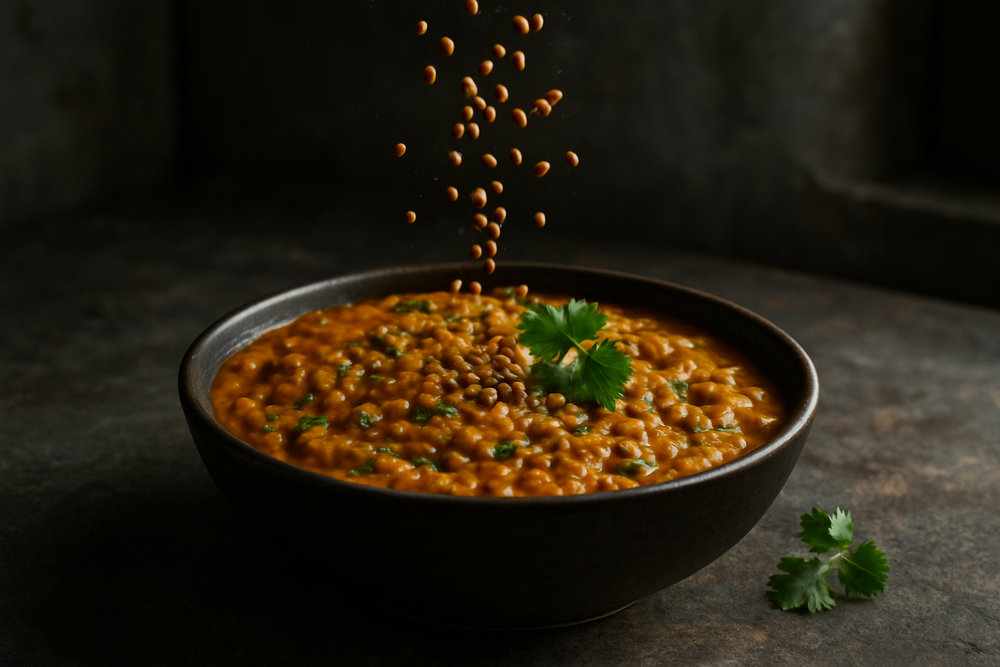
Coriander Seeds · Photograph
Coriander seeds are the dried fruits of Coriandrum sativum, a flowering herb in the Apiaceae family — the same botanical clan as parsley, fennel, and celery. They taste warm, citrusy, and gently floral: almost nothing like the bright, sometimes divisive leaves of the same plant. Across South Asia, the Middle East, Latin America, and North Africa, they have sat at the heart of spice cabinets for thousands of years, earning a place in both the cook's pantry and the traditional apothecary's shelf.
Key Nutrients
% Daily Value based on 2,000 cal diet
Key active compounds
Coriander seeds owe their flavour, aroma, and potential health associations to several families of plant compounds:
- Essential oils (linalool and related terpenes): Linalool is the dominant volatile compound in coriander seed oil and is responsible for the characteristic citrusy-floral scent. Volatile means it evaporates easily with heat, which is why toasting the seeds intensifies their aroma so quickly. In laboratory and early human research, linalool and related terpenes have shown antimicrobial, calming, and digestive-supporting activity — though most of this work uses concentrated extracts, not the pinch-in-a-pot amounts of everyday cooking.
- Flavonoids (quercetin, rutin): Flavonoids are a large class of antioxidant plant pigments. Quercetin and rutin appear in small quantities in coriander seed and contribute to the seed's overall antioxidant profile. At diet-level amounts they add to the polyphenol diversity you already get from fruits, vegetables, and other spices.
- Phenolic acids: A broader category of plant secondary metabolites with antioxidant and signalling properties. Their specific contribution from culinary amounts of coriander seed has not been quantified in human studies.
- Coumarins and related compounds: Low-level aromatic compounds also found in other Apiaceae plants. Studied mainly in the laboratory for potential vascular effects; their relevance at cooking-spice doses in humans is not established.
Common pairings — and why they work
Three pairings that make coriander seeds genuinely better, not just different:
1. Coriander seed + cumin + lentils This is one of the most ancient spice-legume partnerships in the world, appearing in South Asian dal, North African harira, and Middle Eastern mujaddara. Coriander adds its citrus warmth while cumin brings an earthy depth; together they make lentils taste complete rather than flat. From a nutrition angle, pairing two spices with complementary volatile oils also means a broader polyphenol profile in every bowl.
2. Coriander seed + lemon zest + roasted root vegetables Whole or coarsely cracked seeds pressed onto carrots, parsnips, or squash before roasting create a crust that intensifies at high heat while the lemon zest added at the end mirrors the seed's natural citrus notes. The fat in any drizzle of olive oil helps extract the fat-soluble aromatic compounds. Roasting at above 200°C (400°F) toasts the seeds on the vegetable surface — no separate toasting step needed.
3. Coriander seed + black pepper + chickpeas A simple spice base that unlocks chickpeas for everything from roasted snacks to curries to grain bowls. The piperine in black pepper (the compound responsible for pepper's pungency) has been studied for its ability to enhance the bioavailability of various plant compounds; combining it with coriander's polyphenols is consistent with traditional spice-blending intuition. This trio also forms the base of many Indian and Ethiopian spice preparations.
How Coriander Seeds Compares
| Compared with | What's different |
|---|---|
| Coriander Seeds vs. Cumin Seeds | Earthy and musky flavor compared to the bright, citrusy, and floral notes of coriander seeds. |
| Coriander Seeds vs. Fennel Seeds | Licorice-like anise flavor; coriander is citrus-forward and less sweet. |
Health Benefits
Things to Know
Apiaceae family allergy: If you have a known allergy to cilantro, parsley, celery, fennel, caraway, or dill, you are in the same plant family as coriander. Cross-reactivity is possible. Introduce coriander cautiously if this applies to you.
Pollen-food allergy syndrome: People with birch or mugwort pollen allergies sometimes experience mild oral itching (oral allergy syndrome) with celery and other Apiaceae foods, potentially including coriander seeds in concentrated form. Mild reactions to toasted seeds in blended spice mixes are much less common.
Diabetes medications: Small studies using high-dose coriander seed extracts suggest a possible blood-sugar-lowering effect. Typical cooking use is very unlikely to affect medication-managed blood sugar, but anyone using coriander seed supplements alongside antidiabetic medications (metformin, sulfonylureas, insulin) should discuss this with their prescribing doctor.
Blood pressure medications: Similar note as above — concentrated extracts at research doses have shown mild blood-pressure-lowering activity. Cooking amounts are not a concern for most people.
Anticoagulant medications (blood thinners like warfarin): Coriander, like many Apiaceae plants, contains small amounts of coumarin-like compounds. At seasoning amounts this is not clinically significant, but very high supplemental doses of any coumarin-containing plant are worth flagging to your prescriber if you are on anticoagulants.
Shop This Ingredient
Stock your pantry with quality coriander seeds.
Buy on AmazonAs an Amazon Associate, Plantopedia earns from qualifying purchases. This costs you nothing extra and helps us keep the encyclopedia free.
Frequently Asked Questions
The honest answer is: several areas of emerging promise, no definitive clinical proof at culinary doses, and a very long traditional track record. Here is what the research landscape looks like right now. Digestive health and microbiome Coriander seeds have been used as a carminative — a substance thought to reduce gas, bloating, and digestive cramps — in Ayurvedic, Unani, and Mediterranean traditional medicine for millennia. The modern science is catching up, slowly. Small human studies using concentrated seed extracts or decoctions (a decoction is a liquid made by simmering plant material in water) have reported improvements in bloating, abdominal pain, and general digestive discomfort, particularly in people with functional gut disorders such as irritable bowel syndrome (IBS). These trials are short-term, involve relatively few participants, and use doses well above what you would get from seasoning a dish. Findings are preliminary, not definitive. For the apothecary-style kitchen, coriander seeds are a time-honoured digestive spice used in lentil dishes, curries, and pickles — settings where many people report genuinely more comfortable digestion, even if the mechanism has not been fully proven. Heart and circulation Small clinical trials using several grams per day of coriander seed powder or extract have associated the seed with modest reductions in triglycerides (a type of blood fat) and LDL cholesterol (often called "bad" cholesterol), and modest increases in HDL cholesterol ("good" cholesterol). These are risk markers — measurements that correlate with cardiovascular health — not hard clinical outcomes like heart attacks. The trials are short, small, and not yet replicated at the scale needed for dietary guidelines. What is not contested: regularly cooking with coriander seeds in plant-forward meals built around legumes, whole grains, and vegetables supports the kind of dietary pattern consistently linked to heart health by major public health bodies. Blood sugar and metabolism Several small clinical trials in adults with type 2 diabetes or impaired glucose regulation have reported modest reductions in fasting blood glucose after taking coriander seed supplements — typically several grams daily, not a teaspoon in a curry. This is hypothesis-generating research, not a clinical recommendation. No major diabetes guidelines mention coriander seed as a management strategy. Culinary framing is still accurate and useful here: coriander seeds pair naturally with legumes and whole grains in meals that support steadier blood sugar by design, as a pattern rather than as a spice-specific effect. Inflammation and recovery Laboratory and animal studies suggest coriander seed extracts have antioxidant and anti-inflammatory properties, likely driven by their essential oils and polyphenols. A few small clinical studies measuring oxidative stress markers (molecules in the blood that indicate cellular damage from reactive oxygen species) have shown favourable changes. The evidence base is too thin to support a specific anti-inflammatory claim. In the context of a whole-food, plant-based diet, coriander seeds contribute to the diverse, layered polyphenol intake from herbs and spices that collectively help reduce the inflammatory burden of a pro-inflammatory diet — and that framing is honest and well supported. Hormones and cycle health Evidence for hormone-specific effects of coriander seed in humans is minimal. Most data come from animal or in vitro (laboratory cell) studies exploring potential effects on sex hormones, thyroid function, or stress pathways. These findings have not been reliably replicated in people. Coriander seeds are best described as a traditional culinary spice rather than a hormonal supplement.
Both forms have a place, and neither is universally superior. The right choice depends on what you are making. Whole dried seeds hold their flavour compounds longer because the aromatic essential oils are sealed inside the hull. They are the traditional choice for tempering in hot oil at the start of a dish — a technique common across Indian, Ethiopian, and Middle Eastern cuisines where seeds are fried briefly in fat to bloom their aroma before vegetables or legumes are added. Whole seeds also work well in pickling brines, slow braises, and infusions. Freshly ground coriander delivers a brighter, more immediate lemon-pepper flavour and is better for rubs, marinades, and baked goods. The single most useful upgrade most home cooks can make: buy a small dedicated spice grinder (or use a clean coffee grinder) and grind whole coriander seeds in batches of a few tablespoons. The aroma difference compared with a jar of pre-ground powder sitting in the cupboard for a year is startling. Ground coriander from the supermarket is convenient and perfectly good if used within a few months of opening and stored away from heat and light. Smell it before using — if it smells dusty rather than citrusy, it's time to replace it. Coriander seed tea (decoction): Lightly crush a teaspoon of whole seeds, steep in boiling water for 5–10 minutes, strain, and drink warm. This is a traditional digestive preparation used across cultures. It delivers a gentle, earthy-citrus infusion. At this scale it is food-like in nature; the concentrated extracts used in research studies are a separate category entirely. Supplements and concentrated extracts are out of scope for a culinary guide. Where clinical studies used them, this page notes it for context — but Plantopedia's kitchen-first approach focuses on cooking with whole seeds and freshly ground spice, not capsules.
Quick Answers
Common questions, answered in a line.
Coriander seeds belong to the Apiaceae family, making them botanical relatives of parsley, fennel, celery, caraway, and dill. Because they share this "botanical clan," individuals with known allergies to these specific plants should introduce coriander seeds cautiously due to the potential for cross-reactivity.
Coriander seeds contain essential oils like linalool, flavonoids such as quercetin and rutin, phenolic acids, and coumarins. These diverse plant compounds contribute to the seed's warm, citrusy aroma and provide a range of antioxidant and antimicrobial properties as part of a varied diet.
Yes, using coriander seeds alongside diabetes medications may lower blood sugar, as high-dose extracts have shown a glucose-lowering effect in small studies. While typical culinary amounts are unlikely to interfere with medicine, anyone taking insulin or oral antidiabetics like metformin should consult a doctor before using concentrated coriander supplements.
Coriander seed and cumin are frequently paired with lentils to create a balanced flavor profile often found in South Asian dal and North African harira. This ancient partnership works because coriander's citrus warmth balances cumin's earthy depth, while providing a broader variety of polyphenols in a single meal.
Toasting coriander seeds intensifies their aroma because it causes the volatile essential oils, specifically linalool, to evaporate and release. This process happens naturally when roasting the seeds at high temperatures (above 200°C/400°F) on the surface of vegetables or when briefly heating them in a pan.
Coriander seeds are often paired with black pepper because the piperine in the pepper may enhance the bioavailability of coriander's plant compounds. This combination is a staple in Indian and Ethiopian spice blends, used to unlock the flavor and nutritional potential of ingredients like chickpeas.
For Readers in the USA
Local context — sourcing, seasonality, and regional notes.
In the United States, you can find coriander seeds in the spice aisle of major grocery retailers like Walmart, Kroger, and Safeway, or in bulk at health food stores like Whole Foods Market. For higher quality and better pricing, many shoppers visit specialized Indian or Middle Eastern grocers where the seeds are a high-turnover staple.
While the plant is often grown in home gardens across USDA Zones 3–10, commercial production in the U.S. occurs primarily in California and Oregon during the cooler spring and fall months. Though available year-round in stores, domestic harvests typically peak in late summer before the seeds are dried for distribution.
The USDA Organic seal on coriander seeds ensures they were grown without synthetic pesticides or GMOs, while the FDA regulates them as a " Generally Recognized as Safe" (GRAS) food substance. US consumers should look for the organic label if they wish to avoid the common practice of ethylene oxide sterilization used on some conventional imported spices.
In US culinary circles, the term "coriander" almost exclusively refers to the dried seeds, whereas the fresh leaves of the same plant are nearly always labeled as "cilantro." This differs from British English, where the plant is frequently called "coriander" in both its fresh herb and dried spice forms.
AI Clinical Review
- Accurately distinguishes culinary use from supplement-level dosing, noting that most human studies use concentrated extracts while kitchen amounts are supportive, not curative.
- Summarizes the most studied areas (digestive comfort, blood lipids, and blood sugar) and appropriately frames findings as modest and preliminary.
- Places coriander seeds within a whole-food, plant-forward eating pattern, which is the evidence-based route to cardiometabolic benefits.
- Offers practical, food-first guidance (whole vs. freshly ground, tempering/toasting, simple decoction) that aligns with how aroma and volatile oils behave.
- Digestive symptom relief: small, short-duration trials with varying preparations; benefits are plausible but not definitive at typical culinary doses. “Carminative” (gas-reducing) effects in everyday cooking remain under-studied.
- Cardiovascular markers: reductions in triglycerides/LDL and rises in HDL have been reported with grams-per-day supplements, but clinical outcomes (e.g., fewer events) are untested and guidelines do not endorse use for this purpose.
- Glycemic control: fasting glucose improvements are mostly from short trials using higher-dose powders/extracts; applicability to teaspoon-level seasoning is uncertain.
- Anti-inflammatory/antimicrobial properties largely come from lab/animal work; translation to consistent human benefits at dietary intakes is unclear.
- Allergies: those with Apiaceae family allergies (cilantro, parsley, celery, fennel, dill) or pollen–food syndrome may react; introduce cautiously.
- Medications: supplements or high-dose extracts could modestly lower blood sugar or blood pressure and may interact with anticoagulants; discuss with your clinician if you use these. Culinary amounts are unlikely to matter clinically.
- Dose and form: typical cooking uses ~1–2 g per serving (about 1/2–1 tsp ground) and are generally safe; research often uses several grams per day of seed powder/extract. Essential oils are highly concentrated and not for internal use without professional guidance.
- Pregnancy/breastfeeding: stick to normal food amounts; avoid concentrated extracts due to limited safety data.
Use culinary framing; avoid treatment claims or supplement-dose guidance.
References
- PubMed — Coriander (Coriandrum sativum): A promising functional food toward the well-being (pubmed.ncbi.nlm.nih.gov)
- PMC, National Library of Medicine — Effects of Dietary Supplementation with Coriander Seed Powder on Serum Lipid Profile, Glycemic Indices, and Oxidative Stress Biomarkers in Patients with Type 2 Diabetes Mellitus: A Randomize (pmc.ncbi.nlm.nih.gov)
- PubMed — Coriander (Coriandrum sativum L.) and its bioactive constituents (pubmed.ncbi.nlm.nih.gov)
- PMC, National Library of Medicine — Effects of different levels of coriander (Coriandrum sativum) seed powder and extract on serum biochemical parameters, microbiota, and immunity in broiler chicks (pmc.ncbi.nlm.nih.gov)
- PubMed — Effect of cumin and coriander seeds consumption on dyslipidemia, abdominal fat, body weight, and lipid profile in rat models (pubmed.ncbi.nlm.nih.gov)
- PMC, National Library of Medicine — Coriandrum sativum L.: A Review on Ethnopharmacology, Phytochemistry, and Cardiovascular Benefits (pmc.ncbi.nlm.nih.gov)
- USDA FoodData Central — USDA FoodData Central (fdc.nal.usda.gov)
Know Your Numbers
Eating healthy is a start. Now get to know your biomarkers.
Food changes bloodwork — inflammation, lipids, blood sugar and nutrient status all respond to what you eat. 59 markers from $59.
- Results in 7–10 days at 2,000+ Quest sites
- Licensed provider reviews every result
- One flat price, no membership, HSA/FSA eligible
Educational information only, not medical advice. Panels are ordered and reviewed through our licensed partner; Plantopedia may earn a commission.