Corn Tortillas — health benefits and uses
The daily bread of Mesoamerica, made from nixtamalized masa for millennia.
The Short Answer
Corn tortillas are a whole-grain, gluten-free staple providing 3.2g of fiber and 3g of protein per 2-tortilla serving. They are nutritionally superior to flour tortillas due to nixtamalization, which increases calcium and niacin bioavailability while lowering
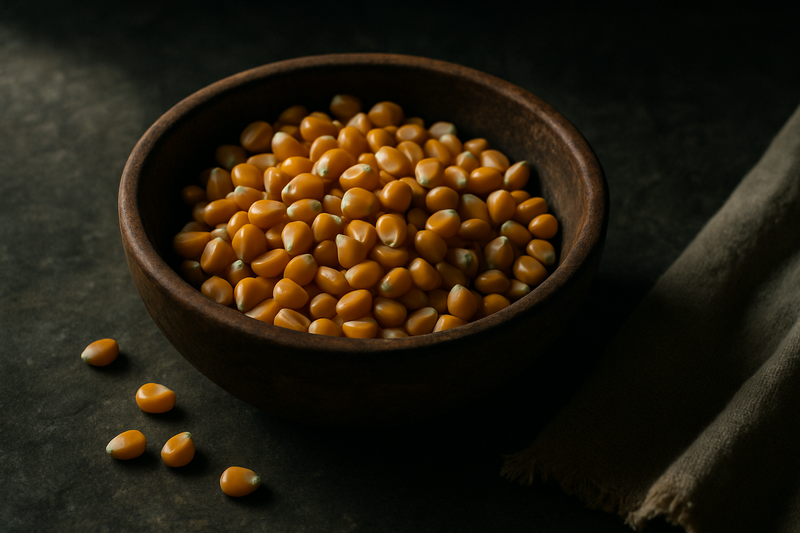
Corn Tortillas · Photograph
Discover the full picture of corn tortillas health benefits and nutrition — from nixtamalized whole-grain fiber and niacin to gluten-free safety tips, blood sugar impact, and how corn tortillas compare to flour tortillas for tacos, wraps, and everyday meals.
Key Nutrients
% Daily Value based on 2,000 cal diet
Key Active Compounds in Nixtamalized Corn Tortillas
- Resistant starch — A portion of the starch that resists digestion in the small intestine and instead travels to the colon, where gut bacteria ferment it into beneficial short-chain fatty acids (SCFAs). Cooling or toasting tortillas after cooking increases resistant starch through a process called retrogradation.
- Dietary fiber — Includes both soluble and insoluble fiber that supports stool bulk, regularity, and gut microbiome diversity.
- Niacin (vitamin B3) precursors — In untreated corn, niacin is chemically bound and largely unavailable. Nixtamalization breaks those bonds, releasing free niacin that the body can absorb and use for energy metabolism and (at pharmacologic doses) lipid regulation. At dietary intake levels, the effect is nutritional rather than therapeutic.
- Bioavailable calcium — Lime water contributes calcium directly into the corn kernel during nixtamalization, making corn tortillas an unexpectedly useful calcium source compared to untreated corn.
- Carotenoids and polyphenols — Present in small amounts, varying by corn variety; blue and purple corn tortillas contain more anthocyanins (plant pigments with antioxidant properties).
- Reduced mycotoxin load — Nixtamalization can reduce aflatoxins, toxic compounds produced by certain molds (Aspergillus species) that can contaminate maize. This is a food safety benefit supported by food chemistry data.
- Short-chain fatty acids (SCFAs) — Acetate, propionate, and butyrate produced when gut bacteria ferment the fiber and resistant starch in tortillas. SCFAs support gut barrier integrity and have demonstrated anti-inflammatory properties in laboratory and animal studies.
What Are the Health Benefits of Corn Tortillas? A Look at the Evidence
Heart and Circulation
Corn tortillas are lower in calories, total carbohydrates, and fat than most flour tortillas, and they provide more fiber per serving. Large observational studies consistently associate higher whole-grain intake with reduced cardiovascular risk — and corn tortillas fit within that pattern when made from whole nixtamalized masa. The fiber and resistant starch they provide may help support healthier LDL (low-density lipoprotein — a type of blood cholesterol linked to cardiovascular risk) levels over time, and the niacin released through nixtamalization supports normal lipid metabolism. It is worth being clear: no large randomized trials have directly measured heart outcomes from corn tortilla intake specifically. Most cardiovascular benefits are extrapolated from broader whole-grain and dietary fiber research rather than tortilla-specific studies.
Digestive Health and Gut Microbiome
Each two-tortilla serving delivers about 3.2 g of fiber — roughly 11% of the daily value — which contributes to healthy stool bulk and regularity. The resistant starch in corn tortillas acts as a prebiotic (food for beneficial gut bacteria), and as bacteria ferment it in the colon, they produce SCFAs such as butyrate, which has well-documented roles in maintaining the health of the colon lining. Research on resistant starch broadly supports these effects; tortilla-specific microbiome trials are limited, but the mechanism is well established. Cooling tortillas after cooking increases resistant starch content, so a room-temperature corn tortilla may offer a slightly different gut effect than one just off the griddle.
Blood Sugar and Metabolism
Studies measuring postprandial (after-meal) glycemic response — how quickly blood sugar rises after eating — show that nixtamalized corn tortillas produce a low-to-moderate glycemic response, noticeably lower than white bread. The combination of intact starch structure, fiber, and resistant starch appears to slow glucose absorption. Glycemic index (GI) — a scale from 0 to 100 comparing how quickly a food raises blood sugar relative to pure glucose — for corn tortillas is generally estimated in the 46–52 range, placing them in the low-to-moderate category. Important caveats: GI values shift depending on tortilla thickness, portion size, and what you pair them with. Beans and vegetables as fillings will blunt the blood sugar rise further; adding fried proteins or sauces high in saturated fat changes the meal's overall metabolic picture.
Inflammation and Recovery
Direct evidence that corn tortillas reduce systemic inflammation is limited. However, high-fiber and whole-grain dietary patterns — which can include corn tortillas as a staple — are consistently associated with lower markers of chronic inflammation in large epidemiological studies. The butyrate produced from fermenting the resistant starch in tortillas has demonstrated anti-inflammatory properties in gut research. This should be understood as an indirect and emerging association rather than a proven outcome tied specifically to eating corn tortillas.
Are Corn Tortillas Gluten-Free and Safe for Celiac Disease? What to Look For
Pure corn tortillas made from 100% corn masa contain no wheat, barley, or rye — the grains that contain gluten — so they are inherently gluten-free. For most people on a gluten-free diet, corn tortillas are one of the best practical bread substitutes available.
The catch for celiac disease: Corn is naturally gluten-free, but the milling equipment, processing facilities, or even the field where corn is grown can introduce cross-contamination with wheat. Celiac organizations including the Canadian Celiac Association recommend that people with celiac disease choose corn tortillas that carry a certified gluten-free label and check ingredient lists for any mention of wheat flour or modified wheat starch. Some low-cost packaged tortillas blend corn and wheat flours — always read the label. If you are making tortillas at home, using certified gluten-free masa harina (dried, powdered nixtamalized corn flour) provides the greatest control.
Buying Guide: How to Choose the Best Corn Tortillas
Fresh nixtamalized corn tortillas (found at Latin grocery stores or tortillerías) are the gold standard — made from whole corn, water, and lime with no additives. They have the best flavor, highest calcium from nixtamalization, and shortest ingredient list.
Packaged corn tortillas (mass-market) are made from masa harina (dried nixtamalized corn flour rehydrated with water). Nutrition is similar to fresh, but check for: added wheat flour, high sodium content, and preservatives. Look for "100% corn masa" or "stone-ground whole corn" on the label.
What to look for on the label:
- Ingredient list should read: ground corn (or corn masa), water, lime (or calcium hydroxide). Short is good.
- Certified gluten-free logo if you have celiac disease or gluten sensitivity.
- Avoid: "enriched bleached corn flour" mixed with wheat flour, or very long additive lists.
- Non-GMO or organic labels are personal preference choices and do not directly change the nutritional profile discussed here.
Fried corn tortillas (chips, tostadas): These start from the same ingredient but gain significant calories, fat, and often sodium through frying. They are not a substitute for the whole-grain, low-fat version for the purposes of the health benefits described on this page.
Prep and Pairing Ideas
Warm them the right way. A 30-second pass in a dry cast-iron skillet over medium heat — or directly over a gas flame — brings out the corn aroma and creates slight char spots that add flavor without any oil.
Classic taco base: Fill with seasoned black beans, sliced avocado, pickled red onion, and a squeeze of lime. The beans amplify fiber and protein; the fat in avocado slows digestion and supports fat-soluble vitamin absorption.
Grain bowl wrap: Use two tortillas as a scoop for farro, roasted sweet potato, and a tahini drizzle — a practical way to mix whole-grain types and hit a range of amino acids in one meal.
Chilaquiles (baked version): Tear day-old tortillas, bake until crisp, then simmer briefly in salsa verde with a fried egg or white beans on top. Baking rather than frying keeps fat content low.
Storage tip: Fresh corn tortillas dry out quickly. Wrap unused tortillas in a clean damp cloth and store in an airtight bag in the refrigerator for up to five days, or freeze with parchment between each one for up to three months.
Common Pairings (and Why They Work)
1. Corn tortillas + black beans The amino acid profiles of corn and legumes complement each other — corn is lower in lysine (an essential amino acid) while beans provide it in abundance. Together they form a more complete protein source. The combined fiber content also creates a substantial prebiotic effect.
2. Corn tortillas + avocado Avocado's monounsaturated fat slows gastric emptying (how quickly food leaves the stomach), which further moderates the blood sugar response of the tortilla's starch. It also aids absorption of fat-soluble carotenoids present in the corn.
3. Corn tortillas + fermented salsa or pickled vegetables Fermented toppings like pickled jalapeños or pico de gallo add probiotic-supporting acids and beneficial bacteria, working synergistically with the prebiotic fiber and resistant starch in the tortilla to support a diverse gut microbiome.
Bottom Line
Nixtamalized corn tortillas are a genuinely useful whole-food, whole-grain option — especially for people avoiding gluten, looking for a lower-fat alternative to flour tortillas, or wanting a practical everyday carbohydrate that brings fiber and micronutrients rather than just empty calories. The ancient nixtamalization process does real nutritional work: it releases niacin, adds absorbable calcium, and reduces mold toxins that untreated corn may carry.
The evidence is strongest for their gluten-free safety, whole-grain fiber contribution, and low-to-moderate glycemic impact. Benefits related to heart health and inflammation are real but extrapolated from broader dietary pattern research rather than corn-tortilla-specific trials. Fried versions lose most of these advantages. For best results, choose products with a short ingredient list — ideally just corn, water, and lime — and a certified gluten-free label if cross-contamination is a health concern for you.
As with any food, the context of your whole diet matters far more than any single ingredient.
How Corn Tortillas Compares
| Compared with | What's different |
|---|---|
| Corn Tortillas vs. Flour tortillas | Higher in fiber and lower in calories and fat, but smaller and less pliable. |
| Corn Tortillas vs. Cornbread | Higher calcium and niacin availability due to the nixtamalization process. |
Health Benefits
Things to Know
Celiac disease / gluten sensitivity: Corn is gluten-free but cross-contamination is possible. Choose certified gluten-free labeled products made in dedicated facilities.
Corn allergy: Uncommon but real. If you have a known corn allergy, corn tortillas are not safe regardless of gluten content.
Diabetes and insulin resistance: Corn tortillas are a lower-glycemic carbohydrate option, but they still provide concentrated starch. Portion size and meal composition (what you put inside the tortilla) matter significantly for blood sugar management.
Sodium restriction (hypertension, kidney disease): Some packaged tortillas contain added salt. Choose unsalted or low-sodium varieties and check the nutrition label.
Advanced kidney disease: If you are on a clinically managed phosphorus or potassium restriction, account for the modest mineral content of tortillas in your daily totals — discuss with your renal dietitian.
Medication timing: High-fiber meals can slightly slow the absorption of some oral medications (including thyroid hormone replacements, some antibiotics, and bisphosphonates). Separate these from high-fiber meals by a few hours as directed by your prescriber.
Pregnancy: Corn tortillas are generally safe during pregnancy. Niacin and calcium content are a nutritional bonus, not a concern. No specific cautions apply beyond standard food safety practices.
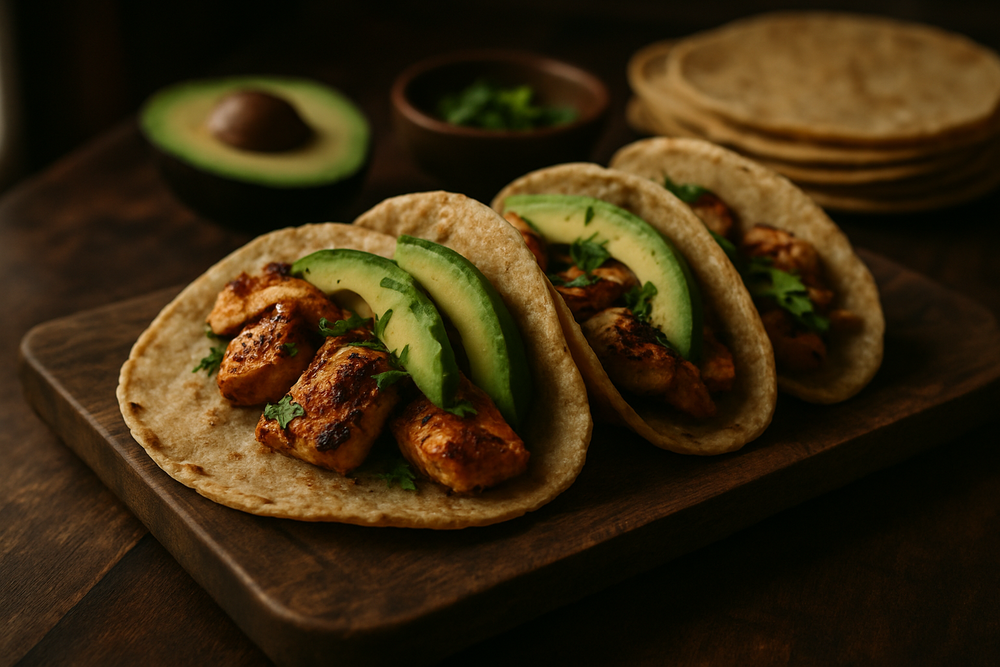
Shop This Ingredient
Stock your pantry with quality corn tortillas.
Buy on AmazonAs an Amazon Associate, Plantopedia earns from qualifying purchases. This costs you nothing extra and helps us keep the encyclopedia free.
Frequently Asked Questions
There is no single universal answer, but practical ranges from nutrition research and everyday use are useful guides: Typical meal portion: 2 small corn tortillas (about 52 g total) — this is a standard taco serving, delivering roughly 114 calories and 23 g of carbohydrates. Daily range for most adults: 4–6 small tortillas across meals is a reasonable intake as part of a varied diet, though individual carbohydrate needs vary based on activity level, body size, and metabolic health goals. Start here if you're new to higher-fiber eating: If your current diet is low in fiber, adding corn tortillas abruptly (especially several at once) can cause gas or bloating while your gut microbiome adjusts. Introduce them gradually over one to two weeks. Portion context: Two small corn tortillas count as roughly one ounce-equivalent serving of grains in the USDA MyPlate framework — the same as one slice of bread. For blood sugar management: Consider keeping a two-tortilla serving as one carbohydrate unit per meal and balancing it with protein, healthy fat, and vegetables to moderate the glycemic response. If you have specific calorie, carbohydrate, or macronutrient targets — for weight management, athletic performance, or a chronic condition — work with a registered dietitian to find the right portion for you. Looking for whole-food meals built around ingredients like corn tortillas? Browse the Plantopedia goals library for plant-forward eating patterns matched to specific health aims.
Quick Answers
Common questions, answered in a line.
Corn tortillas are generally considered a low-to-moderate glycemic index food, with values typically ranging between 46 and 52. This is noticeably lower than white bread because the combination of intact starch structure and fiber helps slow down glucose absorption.
Corn tortillas are naturally gluten-free as they are made from corn masa rather than wheat, barley, or rye. However, those with celiac disease should look for certified gluten-free labels to avoid potential cross-contamination from shared milling equipment or processing facilities.
Corn tortillas contain resistant starch and dietary fiber that act as prebiotics, feeding beneficial gut bacteria in the colon. As these bacteria ferment the fiber, they produce short-chain fatty acids like butyrate, which helps maintain the health of the colon lining.
Nixtamalization is a traditional process where corn is treated with lime water, which releases bound niacin (vitamin B3) and adds bioavailable calcium to the grain. This process also improves food safety by reducing the load of mycotoxins like aflatoxins.
The healthiest corn tortillas are typically fresh versions made simply from whole corn, water, and lime (calcium hydroxide). When buying packaged options, look for labels stating "100% corn masa" or "stone-ground whole corn" and avoid those with added wheat flour or long lists of preservatives.
Corn tortillas are generally lower in calories, carbohydrates, and fat than flour tortillas while providing more fiber per serving. Additionally, corn tortillas made through nixtamalization offer higher levels of bioavailable calcium and niacin compared to flour-based alternatives.
Cooling or toasting corn tortillas after they are cooked increases their resistant starch content through a process called retrogradation. This resistant starch travels to the colon undigested, where it is fermented into beneficial short-chain fatty acids by gut bacteria.
For Readers in the USA
Local context — sourcing, seasonality, and regional notes.
You can find authentic corn tortillas at major US retailers like Kroger, Walmart, and Whole Foods, as well as local Mexican carnicerias and farmers markets. Many stores now stock stone-ground or organic varieties to meet growing consumer demand for traditional nixtamalized products.
In the US, corn tortillas labeled 'organic' must meet USDA standards, meaning the corn was grown without synthetic fertilizers or GMOs. While the USDA does not have a specific 'nixtamalized' certification, look for 'limed corn' or 'masa harina' on the label to ensure traditional processing.
While corn is grown year-round in different regions, the US Midwest 'Corn Belt' harvests primarily in the fall, ensuring a steady supply of fresh masa harina throughout the year. Southern states like Texas and California also maintain high production levels to support local tortilla manufacturing.
Blue corn tortillas are particularly popular in the American Southwest and New Mexico, where they are prized for their higher antioxidant anthocyanin content and nuttier flavor. These regional varieties are often served in traditional dishes like stacked enchiladas.
AI Clinical Review
- Clearly explains nixtamalization (alkaline cooking with lime) and its validated effects: better niacin and calcium bioavailability, improved protein digestibility, and lower mycotoxin levels.
- Accurately positions 100% corn–masa tortillas as naturally gluten‑free and, when made from whole nixtamalized corn, a whole‑grain option with modest calories and meaningful fiber.
- Summarizes glycemic impact appropriately: corn tortillas generally produce a low‑to‑moderate blood‑sugar rise, which can be further softened by bean/vegetable fillings and portion control.
- Sensibly distinguishes baked/soft tortillas from fried forms (chips, tostadas), which add fat and sodium and don’t confer the same benefits.
- Most heart and metabolic claims are extrapolated from broader whole‑grain and fiber research; tortilla‑specific randomized trials linking intake to outcomes (lipids, events, insulin sensitivity) are limited.
- Reported glycemic index ranges can vary by brand, thickness, recipe, and whether tortillas are cooled/reheated; individual responses differ, especially in diabetes.
- Microbiome benefits are biologically plausible via resistant starch and fiber, but the magnitude with typical portions and everyday eating patterns is not firmly established.
- Calcium content depends on lime concentration and processing; tortillas contribute to intake but are not a high‑calcium replacement for dairy or fortified alternatives.
- Portions: two small tortillas (~52 g) provide about 114 kcal and ~23 g carbohydrate; many adults do well with 2 per meal, but people with diabetes should count these toward meal carb goals and pair with protein, healthy fat, and non‑starchy vegetables.
- Celiac disease/gluten sensitivity: choose products labeled certified gluten‑free and scan for wheat blends; cross‑contact during milling/production is the main risk.
- Sodium and kidney considerations: packaged tortillas may contain added salt; those with hypertension or kidney disease should compare labels and discuss routine portions with a clinician or renal dietitian.
- Allergies and medications: avoid if you have a confirmed corn allergy; high‑fiber meals can modestly slow absorption of some medicines (e.g., levothyroxine, certain antibiotics)—separate dosing per your prescriber.
Naturally gluten-free; look for 100 percent corn masa without added wheat.
References
- USDA FoodData Central — Corn tortillas nutrition data (FDC #175036 and branded entries) (fdc.nal.usda.gov)
- USDA MyPlate — Grains group guidance, including whole-grain criteria (myplate.gov)
- Healthline — Corn vs. flour tortillas: nutrition comparison (healthline.com)
- Mexicada — How nixtamalization improves the nutritional value of corn tortillas (mexicada.shop)
- Tortillería Nixtamal — Overview of nixtamal benefits (tortillerianixtamal.com)
- Mexican Ministry of Health (Gob.mx) — TORTILLA DE MAÍZ MEXICANO NIXTAMALIZADO: Beneficios para la Salud (PDF) (gob.mx)
- Science Insights — Is Mexican corn healthy? Benefits and downsides (covers glycemic data and nixtamalization research) (scienceinsights.org)
- Celiac Canada — Corn statement: guidance on corn and gluten cross-contamination (celiac.ca)
- GF Celiac Safe — Are corn tortillas gluten-free? What celiacs need to know (gf-celiacsafe.com)
- MyFoodData — Corn tortillas detailed nutrition analysis (tools.myfooddata.com)
Know Your Numbers
Eating healthy is a start. Now get to know your biomarkers.
Food changes bloodwork — inflammation, lipids, blood sugar and nutrient status all respond to what you eat. 59 markers from $59.
- Results in 7–10 days at 2,000+ Quest sites
- Licensed provider reviews every result
- One flat price, no membership, HSA/FSA eligible
Educational information only, not medical advice. Panels are ordered and reviewed through our licensed partner; Plantopedia may earn a commission.