Hominy — health benefits and uses
Nixtamalization, an ancient Mesoamerican technique, unlocks niacin and improves digestibility.
The Short Answer
Hominy is corn that has been treated with an alkali solution, a process called nixtamalization that increases its calcium content and makes its niacin (vitamin B3) easier for the body to absorb.
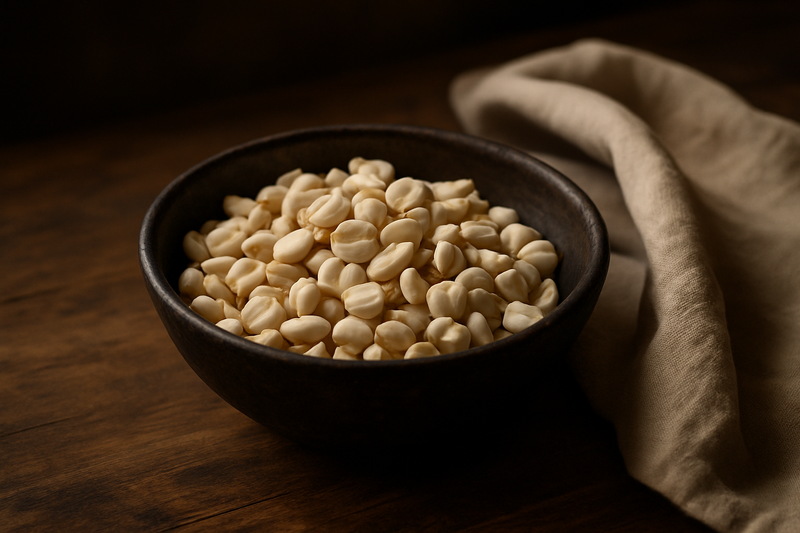
Hominy · Photograph
Discover hominy nutrition and health benefits, from nixtamalized corn's improved niacin and calcium to fiber, heart health, and blood sugar support. Includes canned hominy sodium tips, pozole prep ideas, and evidence-based guidance for everyday eating.
Key Nutrients
% Daily Value based on 2,000 cal diet
Key active compounds in hominy
- Dietary fiber — A mix of insoluble and soluble fiber supporting gut motility and short-chain fatty acid production in the colon.
- Resistant starch — A fraction of the starch in hominy that resists digestion in the small intestine, reaching the colon intact where it feeds beneficial gut bacteria and may help moderate blood glucose response.
- Niacin (vitamin B3) — Present in a bioavailable form after nixtamalization; essential for energy metabolism, DNA repair, and nervous system function.
- Calcium — Added during the lime-treatment process; research shows the calcium in nixtamalized products is highly bioavailable, with absorption estimates of around 83–90% compared to milk.
- Phenolic acids (e.g., ferulic acid) — Antioxidant plant compounds found in the bran and germ layers of corn; may contribute modest anti-inflammatory activity.
- Carotenoids (in yellow hominy) — Pigments including lutein and zeaxanthin that support eye health and provide antioxidant activity; present mainly if hominy is made from yellow corn rather than white.
Prep and pairing ideas
Hominy is one of those ingredients that rewards simple treatment. Here are three practical ways to fold it into everyday cooking:
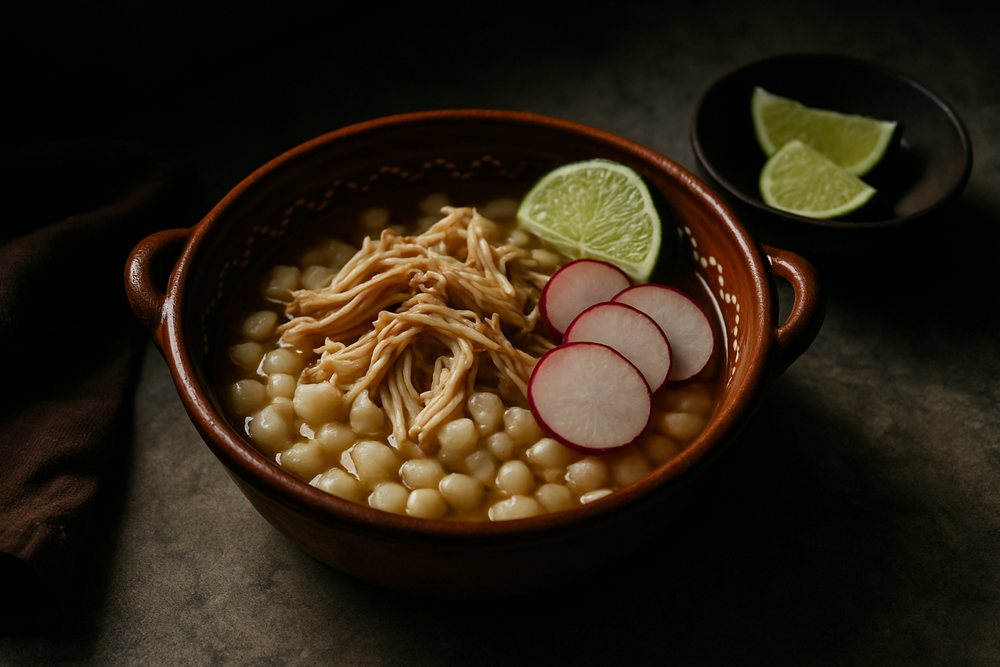
1. Classic pozole blanco or rojo Simmer canned or dried hominy with a lightly spiced broth, shredded chicken or black beans, and a chile-tomato base. Top with shredded cabbage, radishes, lime, and oregano. The hominy's chewy texture holds up beautifully and absorbs the broth's flavor. Why it works: the fat and fiber from toppings slow the meal's overall glycemic impact.
2. Hominy and black bean skillet Sauté rinsed canned hominy with black beans, diced tomatoes, cumin, and smoked paprika for a quick stovetop dish. Why it works: combining hominy with beans adds complementary amino acids and extra fiber, turning a starch-heavy base into a more complete, protein-forward meal.
3. Creamy hominy grits substitute Blend coarsely chopped hominy into a grain bowl base and top with sautéed greens and a poached egg. Why it works: hominy has a lower glycemic load than refined cornmeal grits and adds more fiber per serving, while the egg contributes protein and fat that further moderate the blood glucose response.
Bottom line
Hominy is a nutritionally interesting whole-grain corn product whose value lies as much in how it is made as in what it contains. Nixtamalization — an ancient process, not a modern food-science trick — genuinely improves the bioavailability of niacin and calcium compared to plain corn. One cup delivers modest but meaningful fiber (4 g), useful zinc (16% DV), and a satisfying, hearty texture that holds up in long-cooked dishes.
The evidence supporting whole-grain foods for heart health and blood sugar management is solid at the category level, and hominy can be part of that pattern when it replaces refined starches. The main practical cautions are sodium in canned versions (rinse before use) and carbohydrate portion awareness for people managing blood glucose. For most people eating a varied diet, hominy is a genuinely good-for-you choice — especially if you are already a fan of pozole.
How Hominy Compares
| Compared with | What's different |
|---|---|
| Hominy vs. Corn (Sweet) | Hominy is treated with alkali (nixtamalized), giving it a chewy texture and bioavailable niacin. |
| Hominy vs. Grits | Hominy uses the whole kernel; grits are typically ground and may have the bran or germ removed. |
| Hominy vs. Masa Harina | Hominy is the whole nixtamalized grain, while masa harina is that grain dried and ground into flour. |
Health Benefits
Things to Know
Sodium in canned versions: — Many canned hominy products are high in sodium. People with hypertension (high blood pressure), heart failure, or chronic kidney disease should choose low-sodium varieties and always rinse before cooking.
Blood glucose management: — Hominy is carbohydrate-rich. People with diabetes, prediabetes, or insulin resistance should watch portion size, count carbohydrates, and pair hominy with protein, fiber, and healthy fat to slow glucose absorption.
Celiac disease and gluten sensitivity: — Corn is naturally gluten-free, but cross-contact during processing is possible. Look for certified gluten-free labeling on the package if you have celiac disease.
Medication interactions: — High-sodium canned hominy may partially blunt the effectiveness of blood pressure medications if eaten frequently without rinsing. Large servings of any starchy food may affect blood glucose levels in people taking insulin or sulfonylureas (a class of diabetes medication), so carbohydrate counting and consistent meal planning apply.
Dietary diversity: — People whose diet centers heavily on corn products should ensure adequate intake of other protein sources, legumes, fruits, and varied whole grains to prevent micronutrient gaps.
Pregnancy and breastfeeding: — Hominy is generally safe; no specific contraindications exist, though standard sodium-moderation advice applies.
Glossary
Shop This Ingredient
Stock your pantry with quality hominy.
Buy on AmazonAs an Amazon Associate, Plantopedia earns from qualifying purchases. This costs you nothing extra and helps us keep the encyclopedia free.
Frequently Asked Questions
Most of the available human evidence covers whole grains as a category rather than hominy as a standalone food. That said, because hominy is a nixtamalized whole-grain corn product, it shares the nutritional characteristics that make whole grains worth including regularly. Heart and circulation Large systematic reviews and meta-analyses (studies that pool data from many studies) consistently show that people who eat around 2–3 servings of whole grains per day have approximately 20–21% lower risk of cardiovascular disease compared with those eating very little. Higher intakes up to around 80 g per day are also associated with lower risk. Dietary fiber, the modest glycemic (blood sugar) impact of intact grains, and a broader nutrient-dense eating pattern are the proposed mechanisms. Hominy can contribute here when it replaces more refined starches — white rice, white bread, or refined corn chips — in the diet. Digestive health and microbiome One cup of canned hominy supplies roughly 4 g of dietary fiber, about 11–16% of the 25–38 g recommended daily depending on age and sex. Regular fiber intake supports bowel regularity, adds stool bulk, and feeds beneficial bacteria in the large intestine (a process called fermentation). Hominy also contains resistant starch, which acts similarly to fiber, potentially reducing post-meal blood glucose spikes and supporting a diverse microbiome. Digestive benefits are well established for fiber in general; hominy-specific human trials do not yet exist. Blood sugar and metabolism Meta-analyses of large population studies report that people eating about 3–5 servings of whole grains daily have approximately 26–32% lower risk of developing type 2 diabetes compared with low-intake groups. The mechanism involves fiber and intact grain structure slowing carbohydrate absorption, improving insulin sensitivity (the body's responsiveness to insulin), and reducing overall glycemic load. Hominy fits this pattern when eaten in moderate portions and alongside protein, healthy fats, and vegetables. As a starch-rich food, large servings eaten alone can still raise blood glucose, so portion awareness matters — especially for people already managing diabetes or prediabetes. Hormones and cycle health Hominy's main relevant contribution here is niacin bioavailability. Niacin is a B vitamin involved in energy metabolism and the synthesis of steroid hormones (including sex hormones). Historical evidence from populations eating lime-treated corn shows that nixtamalization effectively prevents pellagra and supports the niacin adequacy that underpins those metabolic pathways. There are no human trials specifically linking hominy to sex hormone levels, thyroid function, or menstrual cycle outcomes, so this area remains a reasonable inference rather than confirmed evidence. Inflammation and recovery Whole-grain consumption is associated with markers of lower chronic inflammation in several observational studies, likely through fiber, polyphenols, and micronutrients. Ferulic acid and other phenolic acids in corn's outer bran layer may contribute antioxidant activity. However, no clinical trials have directly tested hominy's effect on inflammatory markers like C-reactive protein (a protein the liver makes in response to inflammation, often used as a blood biomarker). Any anti-inflammatory role is inferred from broader whole-grain and plant fiber research.
Buying guide: canned, dried, and fresh nixtamal Canned white or yellow hominy is the most convenient option and the one most commonly called for in pozole and stew recipes. The kernels are fully cooked, tender, and ready to use — but check the label carefully. Many canned hominy products contain around 340–569 mg of sodium per cup, which can add up quickly if you're managing blood pressure. Always drain and rinse canned hominy under cold running water before adding it to a dish; this simple step can reduce sodium by roughly 30–40%. Label tip: Look for "no salt added" or "low sodium" canned hominy if you are on a sodium-restricted diet. The ingredient list should read simply: hominy, water, salt (or just the first two). Dried hominy (nixtamalized whole kernel corn) has naturally low sodium, a firmer bite once cooked, and a longer pantry shelf life. The trade-off is prep time — dried hominy needs to soak for several hours and then simmer for 1.5–3 hours until tender. The flavor reward is often considered worth it. Masa harina (dried, ground nixtamalized corn flour) is a nutritional sibling of hominy kernels — sharing the same calcium and niacin bioavailability advantages — but it is a flour rather than a whole kernel, used to make tortillas, tamales, and sopes rather than stews. Fresh nixtamal (kernels that have been lime-soaked but not dried) is mostly found at specialty Latin grocery stores or made at home. It offers the closest texture to traditional pozole and is naturally sodium-free.
There is no established specific dose for hominy, but general whole-grain guidance provides a useful frame. The 2–3 daily servings of whole grains (roughly 60–90 g dry weight) associated with cardiovascular and diabetes risk reduction in large cohort studies can include hominy as one of those servings. In practical terms, a half-cup to one-and-a-half cups of cooked hominy per meal (about 80–250 g) is a reasonable range for most healthy adults. A single cup counts as roughly one whole-grain serving and supplies 4 g of fiber. Starting guidance: If you are new to higher-fiber eating, introduce hominy gradually — starting with half a cup per sitting — to give your digestive system time to adjust and minimize gas or bloating. Drink plenty of water alongside fiber-rich foods. People managing diabetes or using insulin should work with a registered dietitian to fit hominy into an individualized carbohydrate budget rather than relying on a one-size-fits-all serving size. Looking for more ways to fit grain foods like hominy into a health-supportive eating pattern? Explore goal-based eating guides on Plantopedia.
Quick Answers
Common questions, answered in a line.
Hominy provides bioavailable niacin (vitamin B3), calcium, and dietary fiber, which support energy metabolism and digestive health. The nixtamalization process used to make hominy significantly improves the body's ability to absorb these essential nutrients compared to plain corn.
Yes, hominy is a good source of fiber, containing a mix of insoluble and soluble fiber that supports gut motility and feeds beneficial bacteria. One cup of hominy delivers approximately 4 grams of fiber, which helps promote regular digestion and colon health.
Hominy is naturally gluten-free because it is made from corn, but individuals with celiac disease should check for cross-contact risks. To ensure safety, look for a certified gluten-free label on the packaging to avoid potential contamination during processing.
You should rinse canned hominy thoroughly before cooking to reduce its sodium content, which is often high in preserved versions. This is particularly important for individuals managing hypertension, heart failure, or chronic kidney disease.
Yellow hominy contains carotenoids like lutein and zeaxanthin, which are antioxidant pigments known to support eye health. These specific compounds are found mainly in hominy made from yellow corn rather than the white variety.
Hominy is a carbohydrate-rich food that should be paired with protein, healthy fats, and extra fiber to help slow glucose absorption. Managing portion sizes and counting carbohydrates is recommended for people with diabetes or insulin resistance to maintain stable blood sugar levels.
Hominy contains more fiber and has a lower glycemic load than refined cornmeal grits, making it a more nutritious base for meals. When blended or chopped as a grits substitute, it provides a heartier texture while helping to moderate the body's blood glucose response.
For Readers in the USA
Local context — sourcing, seasonality, and regional notes.
You can find canned hominy in the Hispanic foods aisle of major US retailers like Walmart, Kroger, and Safeway, or dried in specialty Mexican grocers. Brands like Goya, Juanita’s, and Bush’s are staples in the American market, while high-quality dried versions are often sourced from heirloom purveyors like Masienda.
In the United States, hominy is available year-round in canned and dried forms, though it peaks in popularity during the fall and winter months for traditional dishes like pozole. While fresh nixtamalized corn is less common, it can sometimes be found at farmers markets in the Southwest or at specialty tortillerias.
In the Southern United States, "hominy grits" refers to grits made from nixtamalized corn, providing a more distinct corn flavor and higher nutritional profile than standard corn grits. While the terms are sometimes used interchangeably in regional dialects, true hominy grits undergo the traditional lime-treatment process mentioned in the article.
Look for the USDA Organic seal on canned hominy to ensure the corn was grown without synthetic pesticides and is non-GMO. Because corn is a major crop in the US, choosing organic or Non-GMO Project Verified brands is a common way for consumers to avoid bioengineered ingredients.
AI Clinical Review
- Clearly explains nixtamalization and why it matters: it frees niacin (vitamin B3) and adds absorbable calcium, helping distinguish hominy from plain corn.
- Positions hominy as a whole-grain corn option and appropriately links its potential benefits to the strong body of evidence on whole‐grain intake and cardiometabolic health.
- Notes meaningful practical points: canned hominy’s sodium load and the benefit of draining/rinsing; naturally gluten‑free status with reasonable cross‑contact cautions for celiac disease.
- Provides realistic nutrition figures per cup (modest calories, ~4 g fiber, useful zinc), which matches how people use hominy in meals.
- Most benefits are extrapolated from “whole grains” broadly; there are few hominy‑specific human trials measuring outcomes like blood glucose, lipids, or inflammatory markers.
- Resistant starch and glycemic impact can vary with preparation (e.g., cooking time, cooling/reheating, canned vs. dried), so individual responses may differ.
- Estimates of calcium bioavailability in nixtamalized corn depend on the lime concentration, soaking/rinsing steps, and product type; not every brand or dish will provide the same calcium boost.
- Links to hormone or cycle health are biologically plausible via niacin adequacy but remain inferential rather than tested outcomes.
- Portion and carbs: about 24 g carbohydrate per 1 cup drained canned hominy. People with diabetes or on insulin/sulfonylureas should count carbs and pair with protein, fiber, and fat to blunt post‑meal spikes.
- Sodium: standard canned products can be high. Those with hypertension, heart failure, or chronic kidney disease should choose low‑sodium/no‑salt‑added options and rinse before use.
- Gluten and allergies: corn is gluten‑free, but verified gluten‑free labeling helps those with celiac disease avoid cross‑contact. Rarely, corn allergy can occur—seek individualized guidance if suspected.
- Form matters: dried or fresh nixtamal is naturally low in sodium and offers a firmer texture; masa harina shares nixtamalization’s nutrient advantages but functions as a flour rather than whole kernels.
Naturally gluten-free; canned versions can be high in sodium, so rinse well.
References
- USDA FoodData Central — Hominy, canned, white (nutritional data) (fdc.nal.usda.gov)
- USDA Food and Nutrition Service Commodity Fact Sheet: Canned Hominy — sodium content and general nutrition (fns-prod.azureedge.us)
- USAID/Batchbase — Nixtamalization, calcium bioavailability, and niacin release in lime-treated corn (pdf.usaid.gov)
- Aune et al. (2016, BMJ) — Whole grain consumption and risk of CVD, cancer, and all-cause mortality: systematic review and dose-response meta-analysis (pmc.ncbi.nlm.nih.gov)
- Ye et al. (2012, Journal of Nutrition) — Greater whole-grain intake associated with lower risk of T2 diabetes, CVD, and weight gain (pmc.ncbi.nlm.nih.gov)
- Wu et al. (2015, Circulation/AHA) — Whole grain intake and mortality from all causes, CVD, and cancer (ahajournals.org)
- Zong et al. (2016, Circulation) — Prospective studies on whole grains and cause-specific mortality (pmc.ncbi.nlm.nih.gov)
- Linus Pauling Institute, Oregon State — Whole grains overview: fiber, phytochemicals, and chronic disease (lpi.oregonstate.edu)
- Heart Foundation NZ — Evidence paper: whole grains and cardiovascular health (heartfoundation.org.nz)
- MyPlate (USDA) — Grains group: whole grains guidance (myplate.gov)
Know Your Numbers
Eating healthy is a start. Now get to know your biomarkers.
Food changes bloodwork — inflammation, lipids, blood sugar and nutrient status all respond to what you eat. 59 markers from $59.
- Results in 7–10 days at 2,000+ Quest sites
- Licensed provider reviews every result
- One flat price, no membership, HSA/FSA eligible
Educational information only, not medical advice. Panels are ordered and reviewed through our licensed partner; Plantopedia may earn a commission.