Water Chestnuts — health benefits and uses
A traditional Chinese cooling food used in tonic soups and desserts.
The Short Answer
Water chestnuts are crisp, starchy aquatic tubers that stay crunchy even after cooking. They provide 584 mg of potassium and 3 g of fiber per cup, making them excellent for heart health and digestion.
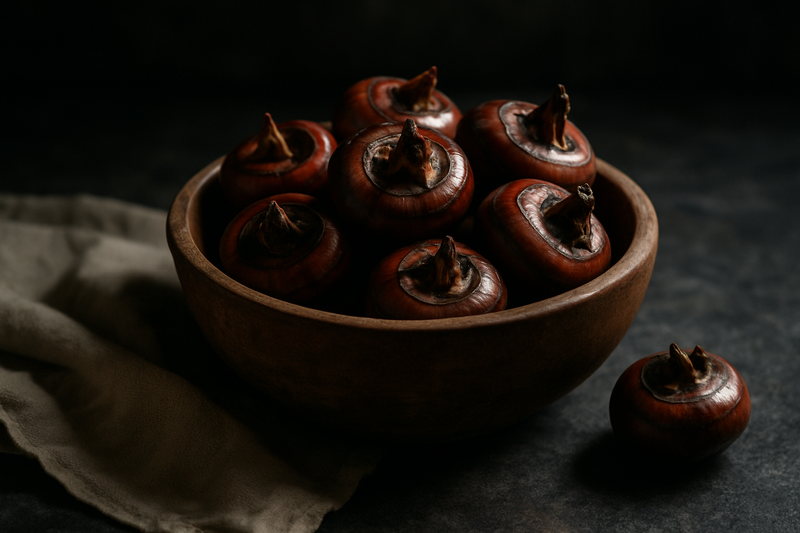
Water Chestnuts · Photograph
Discover the water chestnuts health benefits and safety facts you need to know—from heart-friendly potassium and digestion-supporting fiber to parasite risks with raw forms. Evidence-aligned, easy to follow, and built for real kitchens.
Key Nutrients
% Daily Value based on 2,000 cal diet
Key active compounds
- Potassium — a mineral that helps regulate blood pressure and fluid balance; water chestnuts are one of the higher-potassium vegetables per serving.
- Vitamin B6 (pyridoxine) — a B vitamin involved in protein metabolism (how your body processes amino acids), nerve function, and managing homocysteine (an amino acid linked to cardiovascular risk when elevated).
- Dietary fibre — indigestible plant carbohydrate that feeds beneficial gut bacteria, supports bowel regularity, and slows glucose (sugar) absorption.
- Phenolic compounds — plant-derived molecules with antioxidant properties found in the corm tissue; antioxidants neutralise free radicals, which are unstable molecules that can damage cells over time.
- Beta-carotene — an orange-yellow pigment that the body can convert into vitamin A; also acts as an antioxidant supporting vision and immune function.
- Vitamin C — a water-soluble antioxidant vitamin present in small amounts; supports immune function and collagen (the protein that holds skin and connective tissue together) production.
Prep and pairing ideas
Water chestnuts are one of the most forgiving vegetables to cook with—they hold texture through high heat, acidic sauces, and extended simmering.
Stir-fries: Slice raw (or drain canned) water chestnuts into coins and add in the last 2–3 minutes of stir-frying with bok choy, snap peas, tofu, and a light tamari-ginger sauce. The crunch contrasts beautifully with silky vegetables.
Spring rolls and dumplings: Finely chop water chestnuts and mix into the filling alongside shredded cabbage, grated carrot, and your choice of protein. They add bite without releasing moisture that would make the wrapper soggy.
Soups: Drop whole or halved small corms into clear broths or miso soup. They absorb surrounding flavours while keeping their structure—unlike potato, which breaks down.
Common pairings and why they work
- Water chestnuts + ginger + tamari — A classic East Asian trio. Ginger brings anti-inflammatory gingerols; tamari (wheat-free soy sauce) adds umami depth. Together they make plain water chestnuts taste complex and satisfying.
- Water chestnuts + edamame + sesame — Pairs two low-fat, plant-based proteins with healthy fats from sesame. Great as a salad base or a grain bowl topping. The contrasting textures keep eating interesting.
- Water chestnuts + leafy greens + citrus dressing — The crunch stands up to heartier greens like kale or watercress. A citrus dressing (lemon or lime juice) provides vitamin C that slightly enhances iron absorption from any plant-based iron in the greens—a nice functional bonus.
Bottom line
Water chestnuts are a genuinely useful whole-plant food: low in calories, fat-free, gluten-free, and a solid source of potassium and vitamin B6 in a diet where both are commonly under-consumed. Their crunch makes them one of the rare vegetables that adds texture rather than just volume, which can quietly improve dietary adherence by making plant-heavy meals more satisfying.
The main evidence gap is direct clinical trial data—most of what we know about their benefits comes from general research on their constituent nutrients. That is not a reason to avoid them; it is a reason not to view them as a supplement or treatment. Think of them as a smart, versatile, whole-food addition to meals rather than a health shortcut.
The single non-negotiable rule: cook them, or wash them very thoroughly if eating near-raw. The parasite risk from untreated freshwater sources is real, even if easily managed.
How Water Chestnuts Compares
| Compared with | What's different |
|---|---|
| Water Chestnuts vs. Bamboo Shoots | Canned water chestnuts are crunchier and milder, while bamboo shoots have a fibrous, earthy bite. |
| Water Chestnuts vs. Jicama | Water chestnuts are firm and crunchy even after cooking, unlike jicama which is often eaten raw and juicy. |
| Water Chestnuts vs. Lotus Root | Water chestnuts are starchy and crisp, whereas lotus root has a hole-filled structure and a chewier snap. |
Health Benefits
Things to Know
Cook or thoroughly wash first.: Raw water chestnuts grown in contaminated freshwater can carry Fasciolopsis buski, an intestinal parasite (a worm that can infect the gut). Cooking destroys it; thorough scrubbing under clean running water significantly reduces risk. This concern is most relevant in parts of South and Southeast Asia where the parasite is present, but applies to any wild-harvested or unverified source.
Kidney disease.: People with chronic kidney disease (CKD) are often advised to limit potassium intake. With 584 mg per 100 g, water chestnuts are a moderately high-potassium food and should be discussed with a dietitian or doctor in this group.
Potassium-affecting medications.: Potassium-sparing diuretics (e.g., spironolactone), ACE inhibitors (e.g., lisinopril), and angiotensin receptor blockers (ARBs, e.g., losartan) can all raise blood potassium levels. Combining these with high-potassium foods like water chestnuts may increase the risk of hyperkalaemia (abnormally high potassium in the blood). Check with your prescriber.
Diabetes and carb counting.: Each 100 g serving contains approximately 24 g of carbohydrates. People with diabetes or prediabetes should count this towards their meal carbohydrate total, especially if using water chestnut flour (singhara), which is more concentrated.
Sudden fibre increase.: Start with smaller portions and build up gradually to reduce bloating, especially if your current diet is low in fibre.
Allergy.: Rare, but if you notice itching, hives, or digestive distress after eating water chestnuts, stop consuming them and seek medical evaluation.
Pregnancy.: No specific concerns at normal food amounts; the parasite safety guidance above is particularly important during pregnancy when immunity is altered.
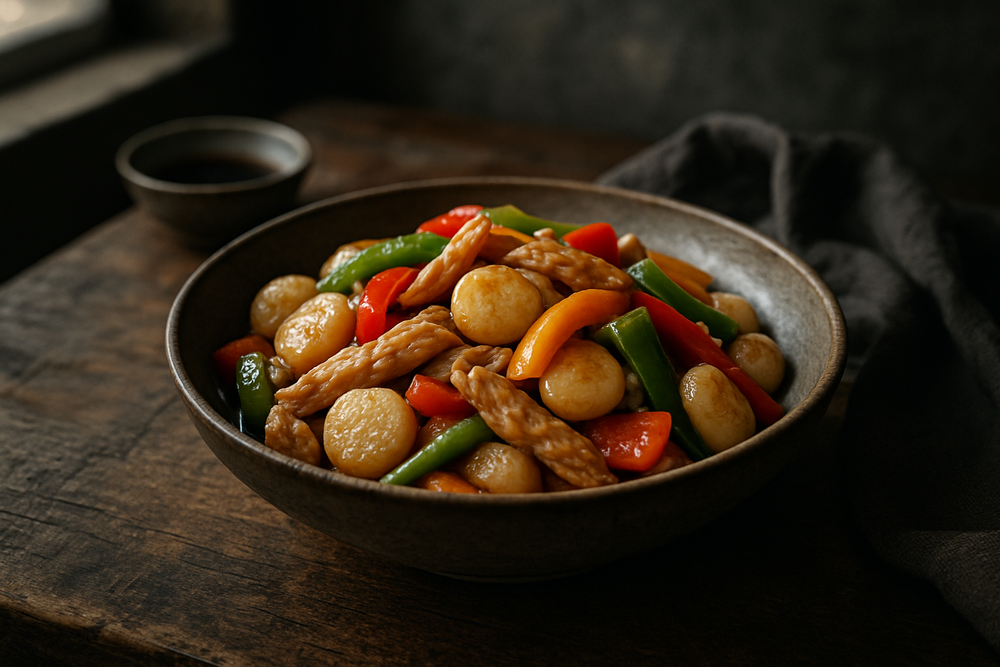
Prep Ideas
- — **Water chestnuts + ginger + tamari** — A classic East Asian trio. Ginger brings anti-inflammatory gingerols; tamari (wheat-free soy sauce) adds umami depth. Together they make plain water chestnuts taste complex and satisfying.
- — **Water chestnuts + edamame + sesame** — Pairs two low-fat, plant-based proteins with healthy fats from sesame. Great as a salad base or a grain bowl topping. The contrasting textures keep eating interesting.
- — **Water chestnuts + leafy greens + citrus dressing** — The crunch stands up to heartier greens like kale or watercress. A citrus dressing (lemon or lime juice) provides vitamin C that slightly enhances iron absorption from any plant-based iron in the greens—a nice functional bonus.
Shop This Ingredient
Stock your pantry with quality water chestnuts.
Buy on AmazonAs an Amazon Associate, Plantopedia earns from qualifying purchases. This costs you nothing extra and helps us keep the encyclopedia free.
Frequently Asked Questions
Most benefits below are supported by nutrient-level evidence—that is, research on potassium, fibre, or antioxidants generally, applied to water chestnuts because they contain those nutrients. Direct clinical trials on water chestnuts as a food are limited. Heart and circulation Potassium is the headline here. Meta-analyses (studies that pool results from many trials) of diet and blood pressure consistently find that higher potassium intake is associated with lower blood pressure and reduced stroke risk. One 100 g serving of raw water chestnuts provides around 584 mg of potassium—roughly 12% of the adult daily target—with virtually no sodium, making them a net positive swap in a heart-healthy meal plan. Vitamin B6 may also play a supporting role. Adequate B6 intake is associated with normal homocysteine levels; elevated homocysteine is considered a risk marker (a measure that tracks alongside risk, though may not directly cause it) for cardiovascular disease. No water-chestnut-specific heart trials exist, so these connections remain extrapolated rather than proven. Digestive health and microbiome Three grams of fibre per 100 g is a modest but meaningful contribution to the 25–38 g daily target most adults miss. Fibre adds bulk to stools, feeds beneficial gut bacteria (your microbiome—the ecosystem of microorganisms living in your digestive tract), and is consistently linked with reduced constipation in human fibre studies. Water chestnuts are also about 72–74% water by weight, which helps stools stay soft without the heaviness of higher-calorie foods. That said, if you suddenly increase fibre intake from any source, including water chestnuts, some gas or bloating is normal until your gut bacteria adjust. Blood sugar and metabolism A 100 g serving provides about 24 g of carbohydrates—meaningful for blood sugar management. However, the fibre present, plus the fact that water chestnuts are almost always eaten as part of a mixed meal (alongside vegetables, protein, or fat), tends to slow glucose absorption compared with eating refined carbohydrates alone. Evidence that water chestnuts specifically improve glycaemic control (how well blood sugar is managed) does not yet exist; this is emerging territory based on general fibre and low-energy-density research. Inflammation and recovery Laboratory analysis of water chestnut varieties has detected measurable phenolic compounds and beta-carotene (approximately 60–92 micrograms per 100 g), both of which have antioxidant activity in biochemical tests. Antioxidants can help reduce oxidative stress—a state where free radicals outpace the body's defences—which is a contributor to chronic inflammation. Whether eating water chestnuts regularly translates to meaningful reductions in inflammation-related conditions (such as arthritis or metabolic syndrome) has not been tested in controlled human studies.
Buying guide: fresh, canned, flour, or starch? Fresh corms are the gold standard for nutrition and texture. Look for firm, unblemished corms with dark, intact skins. Peel them just before use; peeled flesh browns quickly. Fresh are highest in potassium and vitamin C. Canned sliced water chestnuts are the most practical option for most kitchens. They are pre-peeled, consistently textured, and shelf-stable. Potassium and vitamin C drop somewhat during canning and rinsing, but fibre and crunch are preserved. Choose cans labelled "no added salt" where possible, and rinse before use to reduce any residual sodium. Water chestnut flour (singhara flour) is made by drying and grinding the corms. It is popular in South Asian cooking and as a gluten-free baking substitute. It is more concentrated in carbohydrates and lower in fibre per gram than whole corms, so portions matter more if you are watching blood sugar. Water chestnut starch/powder is a further processed form used as a thickening agent in sauces and desserts. It contributes carbohydrate but little fibre compared with whole corms. Label tip: For canned versions, the ingredient list should read "water chestnuts, water"—nothing else needed. For flour, confirm it is 100% water chestnut with no wheat or starch filler if you need it to be genuinely gluten-free.
No specific therapeutic dose has been established in human trials for water chestnuts. Culinary use is the main reference point. Typical serving size: 50–150 g cooked or canned per meal (roughly ½ to 1½ cups sliced), used several times per week as part of mixed dishes. Start low if you are new to them: Begin with about ½ cup (roughly 75 g) per meal and see how your digestion responds before eating larger amounts regularly. Flour and starch forms: Because these are more carbohydrate-concentrated, smaller quantities—often 2–4 tablespoons—are typical in recipes. Treat them as you would any starchy flour when calculating portions. Kidney patients: Portion size should be guided by your dietitian's personalised potassium target, not general guidance. There is no evidence that eating water chestnuts in typical food amounts causes harm in healthy adults, so "as much as you enjoy as part of a balanced diet" is a reasonable position—with the caution notes above in mind.
Quick Answers
Common questions, answered in a line.
Water chestnuts are generally safe, but raw forms grown in contaminated freshwater can carry Fasciolopsis buski, an intestinal parasite. Cooking them destroys the parasite, and thorough scrubbing under clean running water significantly reduces the risk.
Water chestnuts are a heart-friendly food because they are high in potassium and contain vitamin B6. Potassium helps regulate blood pressure and fluid balance, while vitamin B6 helps manage homocysteine, an amino acid linked to cardiovascular risk.
Water chestnuts are a solid source of dietary fiber, which supports bowel regularity and feeds beneficial gut bacteria. Their fiber content also helps slow down glucose absorption, which can prevent sharp spikes in blood sugar levels.
People with chronic kidney disease (CKD) or those taking potassium-sparing diuretics, ACE inhibitors, or ARBs should be cautious with water chestnuts. With 584 mg of potassium per 100 g, they are a high-potassium food that could increase the risk of hyperkalaemia.
Water chestnuts are a whole-plant food that is naturally gluten-free and fat-free. They are also relatively low in calories, making them a smart addition for those looking to manage their weight or follow a gluten-free diet.
Water chestnuts contain several antioxidants, including phenolic compounds, beta-carotene, and vitamin C. These molecules help neutralize free radicals, which are unstable molecules that can damage your cells over time.
Water chestnuts are very versatile because they hold their crunchy texture even through high heat and extended simmering. You can slice them into stir-fries, finely chop them for dumpling fillings, or drop them into soups where they absorb flavors without breaking down.
For Readers in the USA
Local context — sourcing, seasonality, and regional notes.
In the United States, you can find canned water chestnuts in the "International" or "Asian" aisle of major grocers like Walmart, Kroger, and Publix. Fresh corms are typically available at specialty H Mart locations or local Asian markets, often found in the refrigerated produce section near ginger and bok choy.
While native to Asia, water chestnuts are commercially grown in warmer US regions like Florida and California, with the peak harvest season occurring from late autumn through early winter. Because they require a long, frost-free growing season and flooded conditions, they are rarely found in northern home gardens but are widely imported year-round.
When shopping in the US, look for the USDA Organic seal to ensure the water chestnuts were grown without synthetic pesticides and processed according to strict federal standards. For canned varieties, the FDA regulates labeling, so check the nutrition facts panel to ensure no unnecessary sodium or preservatives were added during the canning process.
In US culinary culture, water chestnuts are most famous as a crunchy staple in "American Chinese" dishes like Mu Shu Pork and as a retro appetizer when wrapped in bacon and glazed. While they are a fixture of takeout culture, they are increasingly used in modern US kitchens as a gluten-free way to add texture to grain bowls and salads.
AI Clinical Review
- Water chestnuts are aquatic corms, not tree nuts; they’re naturally gluten-free, very low in fat, and low in calories.
- The nutrition snapshot (potassium, vitamin B6, modest fiber, small vitamin C) aligns with standard food composition data and supports inclusion in heart-healthy patterns like DASH.
- The parasite caution for raw, freshwater-harvested corms—and the advice that cooking mitigates this risk—is accurate and practical.
- The comparison of forms (fresh vs canned vs flour/starch) and the tip to choose no‑salt‑added canned options are useful for everyday cooking.
- Most proposed benefits are inferred from their nutrients (potassium, fiber, antioxidants); few controlled human studies test water chestnuts as a standalone food.
- Antioxidant/phenolic findings largely come from lab analyses; meaningful effects on inflammation or disease outcomes in people remain unproven.
- Effects on glycemic control or weight management are extrapolated from low–energy-density and fiber research rather than water‑chestnut–specific trials.
- Portions: ½–1½ cups sliced (about 50–150 g) per meal is a reasonable culinary range; each 100 g provides ~24 g carbohydrate—important for anyone counting carbs.
- Kidney and medication cautions: Because they’re potassium‑rich, people with chronic kidney disease or those on ACE inhibitors/ARBs or potassium‑sparing diuretics should confirm portions with their clinician.
- Safety: Prefer cooked or commercially canned products; if using fresh corms, wash well and cook to minimize parasite risk—especially important during pregnancy or when traveling in endemic regions.
- Form matters: Flour/starch versions are more carbohydrate‑dense and lower in fiber than whole corms; they may raise blood glucose more. Individuals with severe tree‑nut allergy are usually safe, but confirm with an allergist if unsure.
Eat cooked or well-washed—raw water chestnuts can carry fasciolopsis parasites.
References
- USDA FoodData Central – Water Chestnut nutritional data (fdc.nal.usda.gov)
- USDA MyPlate – Plant-Based Protein Foods guidance (myplate.gov)
- WebMD – Water Chestnuts: Nutrition and Health Benefits (webmd.com)
- Verywell Health – What Happens to Your Body When You Eat Water Chestnuts (verywellhealth.com)
- MedicineNet – What Exactly Are Water Chestnuts? (includes parasite safety information) (medicinenet.com)
- PubMed – Biochemical analysis of two varieties of water chestnuts (phenolics, beta-carotene, antioxidant capacity) (pubmed.ncbi.nlm.nih.gov)
- Wikipedia – Eleocharis dulcis (taxonomy, distribution, culinary use) (en.wikipedia.org)
- Nutrition and You – Water Chestnuts Nutrition Facts and Health Benefits (nutrition-and-you.com)
- Redcliffe Labs – Singhara (Water Chestnut) Benefits, Nutrition, Side Effects (redcliffelabs.com)
- American Sport and Fitness – Water Chestnuts Nutrition Facts: Pros and Cons (americansportandfitness.com)
Know Your Numbers
Eating healthy is a start. Now get to know your biomarkers.
Food changes bloodwork — inflammation, lipids, blood sugar and nutrient status all respond to what you eat. 59 markers from $59.
- Results in 7–10 days at 2,000+ Quest sites
- Licensed provider reviews every result
- One flat price, no membership, HSA/FSA eligible
Educational information only, not medical advice. Panels are ordered and reviewed through our licensed partner; Plantopedia may earn a commission.