Roasted Chestnuts — health benefits and uses
A historic bread of the mountains staple across southern Europe and East Asia.
The Short Answer
Roasted chestnuts are unique tree nuts that are low in fat and high in complex carbohydrates, providing 22mg of vitamin C and 4.3g of fiber per cup. They offer a sweet, starchy texture similar to a sweet potato rather than a typical oily nut.
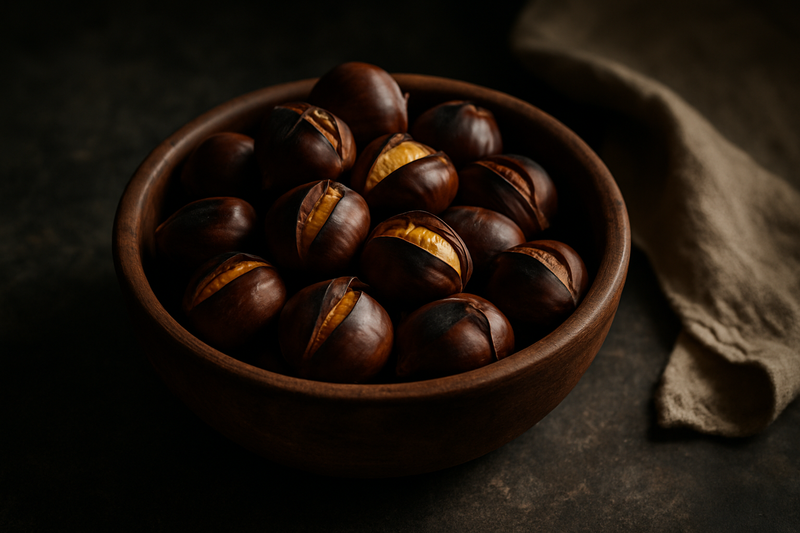
Roasted Chestnuts · Photograph
Discover the roasted chestnuts health benefits backed by nutrition science—from heart-supportive fiber and potassium to surprising levels of vitamin C. Learn how these low-fat, starchy tree nuts fit a whole-food, plant-based diet, who should use caution, and the best ways to score, roast, and serve them at home.
Key Nutrients
% Daily Value based on 2,000 cal diet
Key active compounds
- Phenolic acids (including gallic acid): Plant-derived antioxidant compounds that may neutralize free radicals (unstable molecules that can damage cells) and reduce inflammation in laboratory studies.
- Flavonoids (catechins and procyanidins): A family of polyphenols (beneficial plant chemicals) that may support vascular health and antioxidant defense, based mainly on preclinical data.
- Tannins: Astringent polyphenols found in the inner skin and shell; they may influence gut microbiota (the community of bacteria living in your digestive tract) and digestibility.
- Resistant starch: The starch fraction that bypasses digestion and is fermented by colon bacteria into short-chain fatty acids, which can support colonic health.
- Vitamin C (ascorbic acid): A water-soluble antioxidant that supports immune function and collagen production; unusually abundant for a tree nut.
- B vitamins (B6, thiamine, riboflavin, folate): A cluster of vitamins involved in energy metabolism, nerve signaling, and cell division.
Prep and pairing ideas
Scoring and roasting at home: Use a sharp paring knife to cut a deep X through the flat side of each chestnut shell. Soak in water for 15–30 minutes if desired (helps with peeling). Roast in a 200–220°C (400–425°F) oven for 20–25 minutes, or in a dry cast-iron pan over medium heat, shaking frequently, until the shell curls back and the flesh is tender. Peel while still warm—it becomes much harder once cooled.
Classic pairings that work nutritionally:
- Roasted chestnuts + dark leafy greens (kale, chard): Chestnuts supply copper and vitamin C; vitamin C enhances the absorption of non-heme iron from the greens. A warm chestnut-and-kale salad is both seasonal and nutrient-synergistic.
- Chestnut flour + legume protein (lentil soup): Chestnut flour is low in protein; pairing with lentils or beans rounds out the amino acid profile for a complete plant-based meal.
- Roasted chestnuts + fresh orange or clementine: Doubling up on vitamin C from two different whole-food sources while keeping the dessert-like sweetness of both foods. A natural cold-weather combination that also supports iron absorption from any accompanying plant-based meal.
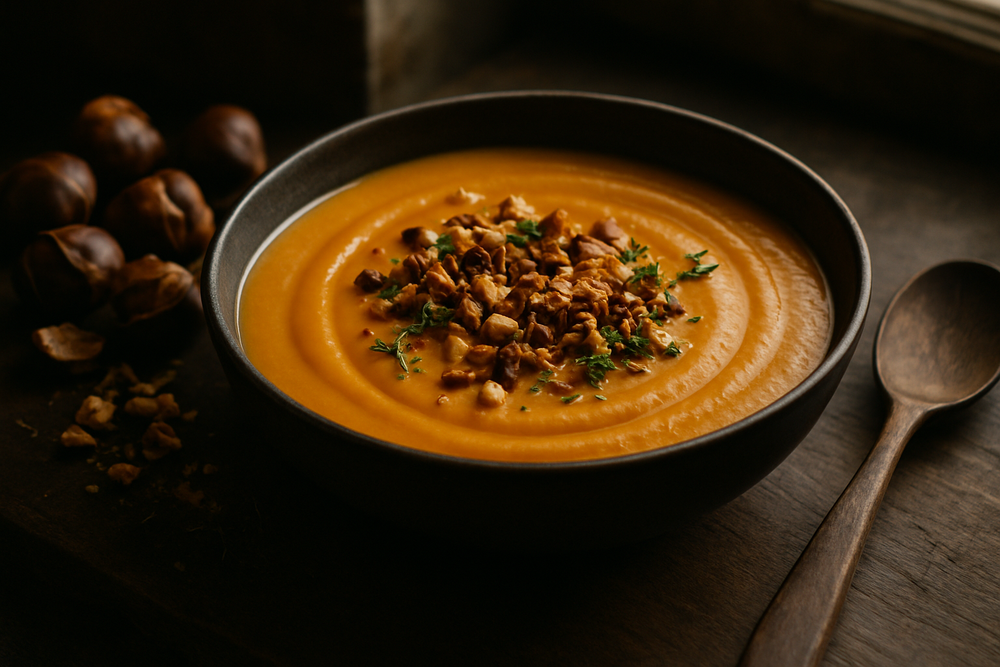
Savory uses: Add chopped roasted chestnuts to grain bowls, stuffings, soups, and stews. Their mild sweetness pairs well with mushrooms, Brussels sprouts, rosemary, and apple.
Storage: Fresh, uncooked chestnuts keep in the refrigerator for 2–4 weeks. Cooked chestnuts should be refrigerated and used within 3–4 days, or frozen for up to 3 months.
Bottom line
Roasted chestnuts are genuinely unusual in the nut world: low in fat, high in starchy complex carbohydrates, and surprisingly rich in vitamin C, copper, manganese, and fiber. The research supporting their specific health benefits is still developing—most evidence is inferred from their nutrient profile and broader data on fiber-rich, low-fat plant foods rather than from chestnut-specific clinical trials. That is an honest limitation, but it does not diminish their value as a whole, minimally processed food that fits naturally into heart-supportive, gut-friendly, and gluten-free eating patterns.
Score them, roast them, peel them warm. Eat them with seasonal produce, fold them into soups and stuffings, or explore chestnut flour as a baking alternative. The nutritional case is solid enough that adding them to a varied diet is a well-supported, low-risk choice for most healthy adults.
How Roasted Chestnuts Compares
| Compared with | What's different |
|---|---|
| Roasted Chestnuts vs. Walnuts | Significantly higher in fat and protein with a crunchier, oily texture. |
| Roasted Chestnuts vs. Hazelnuts | Higher in fat and calories, whereas chestnuts are starchy and low-fat. |
| Roasted Chestnuts vs. Tiger Nuts | Actually a tuber with a similar sweet, nutty flavor but much higher in fiber. |
Health Benefits
Things to Know
Always cook chestnuts before eating in quantity.: Raw chestnuts are high in tannins and harder to digest; cooking neutralizes these effects and significantly improves palatability and nutrient availability.
Tree nut allergy: Chestnuts can trigger allergic reactions—oral itching, hives, or more serious responses—in susceptible individuals, even though their fat content is lower than other nuts. If you have a known tree nut allergy, check with your allergist before trying chestnuts.
Diabetes and blood sugar: Chestnuts are carbohydrate-dense. People using insulin, sulfonylureas, or other blood-glucose-lowering medications should factor chestnuts into their carbohydrate budget and monitor responses, as the carbohydrate load can affect postprandial (after-meal) glucose.
Kidney disease: Roasted chestnuts provide about 500 mg of potassium per serving (~11% DV). People advised to limit dietary potassium (common in chronic kidney disease) should account for this in their daily intake.
Celiac disease: Chestnuts are inherently gluten-free, but chestnut flour and packaged products may be cross-contaminated with gluten-containing grains. Choose certified gluten-free products.
Digestive sensitivity: Resistant starch, fiber, and FODMAP-type sugars (fermentable carbohydrates that can cause gas and bloating in sensitive people) in chestnuts may cause GI discomfort in people with irritable bowel syndrome or fructose intolerance. Start with a small portion.
Potassium-sparing diuretics or antihypertensives: The potassium from chestnuts contributes to your total daily potassium load, which is relevant if your clinician is monitoring electrolyte balance on these medications.
Choking hazard: Whole chestnuts can pose a choking risk for young children and older adults with chewing or swallowing difficulties. Chop, purée, or serve as flour-based preparations for these groups.
Pregnancy: Chestnuts provide folate and B vitamins useful during pregnancy. They are generally considered safe food-level consumption; no specific contraindications are documented at culinary amounts.
Best Forms
The gold standard for nutrition and flavor. Scoring the shell before roasting (cutting an X through the flat side) prevents bursting, improves digestibility, and preserves most of the vitamin C. This is the form all nutrition data on this page refers to.
Softer texture; some water-soluble nutrients (including vitamin C) leach into the cooking water, but fiber and starch remain intact. A good choice if roasting is not practical.
Dried, milled chestnuts used in gluten-free baking and pasta. Retains starch, fiber, and most minerals, but vitamin C is reduced by drying and storage. A useful pantry ingredient for people with celiac disease.
Nutritional value varies significantly depending on added sugar, cream, or salt. Read labels carefully.
Chestnuts cooked in concentrated sugar syrup. Much higher in added sugar and calories—best treated as an occasional dessert rather than a health-focused snack.
Prep Ideas
- — **Roasted chestnuts + dark leafy greens (kale, chard):** Chestnuts supply copper and vitamin C; vitamin C enhances the absorption of non-heme iron from the greens. A warm chestnut-and-kale salad is both seasonal and nutrient-synergistic.
- — **Chestnut flour + legume protein (lentil soup):** Chestnut flour is low in protein; pairing with lentils or beans rounds out the amino acid profile for a complete plant-based meal.
- — **Roasted chestnuts + fresh orange or clementine:** Doubling up on vitamin C from two different whole-food sources while keeping the dessert-like sweetness of both foods. A natural cold-weather combination that also supports iron absorption from any accompanying plant-based meal.
Glossary
Shop This Ingredient
Stock your pantry with quality roasted chestnuts.
Buy on AmazonAs an Amazon Associate, Plantopedia earns from qualifying purchases. This costs you nothing extra and helps us keep the encyclopedia free.
Frequently Asked Questions
Heart and circulation Chestnuts are low in saturated fat (the type of fat most strongly associated with raised LDL cholesterol, sometimes called "bad" cholesterol), contain no cholesterol, and supply potassium and magnesium—minerals associated with healthier blood pressure in population-level research. Fiber, particularly soluble fiber, is consistently linked to modest reductions in LDL cholesterol across many studies. That said, it is important to be clear: there are essentially no large, controlled human trials that have specifically tested roasted chestnut intake and measured cardiovascular outcomes such as LDL levels or blood pressure. Animal studies suggest chestnuts may reduce total cholesterol and visceral fat (fat stored around internal organs), but these findings have not yet been robustly confirmed in humans. The case for roasted chestnuts supporting heart health is logical and nutritionally plausible—it is just not yet built on chestnut-specific clinical evidence. Digestive health and gut microbiome A 10-kernel serving delivers about 4.3 g of dietary fiber, covering roughly 15% of the daily value. Chestnuts provide both soluble fiber (which can form a gel in the gut and slow digestion) and insoluble fiber (which adds bulk and promotes regularity). Their resistant starch is fermented by gut bacteria into short-chain fatty acids—compounds that can nourish the cells lining the colon and support a healthy microbial community. Polyphenols and tannins in chestnuts may also exert prebiotic-like effects (feeding beneficial bacteria), though this has mostly been shown in cell and animal studies rather than human trials. Because chestnuts are relatively energy-dense from carbohydrates but low in fat, substituting them for more processed, fiber-poor snacks is a reasonable strategy for improving overall digestive diet quality. Blood sugar and metabolism Chestnuts have a lower glycemic index (a measure of how quickly a food raises blood sugar) than most refined grain snacks, partly because their starch is digested more slowly and partly because fiber slows gastric emptying. This makes them a more blood-sugar-friendly starchy food compared with crackers, chips, or candy. However, direct human trials measuring blood glucose or HbA1c (a three-month average of blood sugar control) after chestnut consumption are limited. Chestnuts are still a carbohydrate-dense food—a 10-kernel serving contains about 44 g of carbohydrates—so people with diabetes or prediabetes should count them as a starchy food in their meal plan rather than treating them as a "free" snack. Pairing chestnuts with a source of protein or fat may help further moderate the blood sugar response. Inflammation and recovery Roasted chestnuts supply vitamin C (about 24% of the daily value per serving), copper, manganese, and an array of phenolic compounds—all of which participate in antioxidant defense systems linked to reduced oxidative stress and lower inflammatory burden in broader nutrition science. Gallic acid and other phenolic acids found in sweet chestnut show antioxidant and anti-inflammatory activity in laboratory (in vitro) and animal studies. Translated to everyday eating, this means chestnuts can contribute to a diet that is generally protective against chronic low-grade inflammation. That said, studies used concentrated extracts rather than typical food portions, and controlled human trials measuring inflammatory markers specifically after chestnut consumption are scarce. The anti-inflammatory profile should be considered supportive and mechanistic rather than clinically proven. Hormones and cycle health Chestnuts are not typically studied as a hormone-modulating food, and direct human research on chestnuts and sex hormones, thyroid, or cortisol is minimal. Indirectly, their B-vitamin cluster (B6, thiamine, riboflavin, folate) participates in energy metabolism and neurotransmitter synthesis, which can support overall metabolic and neuroendocrine (the system where the nervous system and hormone-producing glands interact) function. This is best understood as general micronutrient support for dietary adequacy rather than a targeted hormonal effect.
Yes, dramatically so. Most common nuts contain 12–18 g of fat per 1-oz serving. Roasted chestnuts contain roughly 1.9 g of fat per 84 g (about 3 oz) serving. This makes chestnuts an outlier—closer to a starchy vegetable or whole grain in their macronutrient profile. Here is a quick overview of the main forms: Roasted whole chestnuts: The gold standard for nutrition and flavor. Scoring the shell before roasting (cutting an X through the flat side) prevents bursting, improves digestibility, and preserves most of the vitamin C. This is the form all nutrition data on this page refers to. Boiled chestnuts: Softer texture; some water-soluble nutrients (including vitamin C) leach into the cooking water, but fiber and starch remain intact. A good choice if roasting is not practical. Chestnut flour: Dried, milled chestnuts used in gluten-free baking and pasta. Retains starch, fiber, and most minerals, but vitamin C is reduced by drying and storage. A useful pantry ingredient for people with celiac disease. Chestnut purée: Nutritional value varies significantly depending on added sugar, cream, or salt. Read labels carefully. Candied chestnuts (marrons glacés): Chestnuts cooked in concentrated sugar syrup. Much higher in added sugar and calories—best treated as an occasional dessert rather than a health-focused snack.
The gluten-free eater who misses starchy snacks Looking for a naturally gluten-free whole-food starch that is not rice or potato Wants to explore chestnut flour as a baking alternative Needs to verify certified gluten-free labeling on packaged products to avoid cross-contamination The whole-food, plant-based snacker seeking variety Wants a lower-fat nut option that fits WFPB eating patterns without heavy calorie load Values the vitamin C and B-vitamin content as a complement to fruit and vegetable intake Enjoys seasonal, minimally processed foods with cultural depth
No clinical therapeutic dose has been established for chestnuts—they are a food, not a supplement. Common culinary practice is roughly 1–3 oz (about 3–12 kernels) per sitting, a few times per week as a snack or meal component. A useful starting point for most adults is about 6–10 kernels per occasion (roughly 50–84 g). This provides a meaningful contribution of fiber, vitamin C, and minerals without an excessive carbohydrate load. If you are new to chestnuts or have a sensitive digestive system, start with 3–5 kernels and increase gradually to assess your tolerance for the resistant starch and fiber. For people with diabetes: A 10-kernel serving contains roughly 44 g of carbohydrates. Treat this the same as you would a medium portion of rice, sweet potato, or bread, and pair with protein and fat to slow the glucose response. For general wellness: There is no upper daily limit documented in healthy adults at typical food portions. As with any single food, variety across your overall diet matters more than maximizing any one ingredient. If you are exploring food as part of a broader wellness approach, the Plantopedia goals guide can help you map ingredients to your specific health priorities.
Quick Answers
Common questions, answered in a line.
To roast chestnuts, score a deep "X" on the flat side, soak for 15–30 minutes, then roast at 200–220°C (400–425°F) for 20–25 minutes. You can also use a dry cast-iron pan over medium heat, shaking frequently until the shells curl. Always peel them while they are still warm.
Chestnuts are uniquely high in vitamin C (ascorbic acid), which supports immune function and collagen production. This makes them unusual among tree nuts, which typically do not contain significant amounts of this water-soluble antioxidant.
People with chronic kidney disease should use caution with chestnuts because they are high in potassium, providing about 500 mg per serving. This contribution to your daily potassium load should be accounted for if you have been advised to limit intake or are on certain medications.
Yes, chestnuts are naturally gluten-free and can be eaten as whole roasted nuts or ground into chestnut flour. However, those with Celiac disease should ensure packaged products are certified gluten-free to avoid potential cross-contamination with other grains.
It is best to cook chestnuts because raw chestnuts are high in tannins, which can make them harder to digest and give them an astringent taste. Cooking neutralizes these effects, improves palatability, and increases the availability of nutrients.
Pairing chestnuts with dark leafy greens like kale or chard is beneficial because the vitamin C in chestnuts helps you absorb the non-heme iron from the greens. You can also pair them with legumes like lentils to create a complete amino acid profile for a plant-based meal.
Store fresh, uncooked chestnuts in the refrigerator for two to four weeks. Once they are roasted or cooked, they should be kept in the refrigerator and consumed within three to four days, or frozen for up to three months.
For Readers in the USA
Local context — sourcing, seasonality, and regional notes.
In the United States, fresh chestnuts are primarily available during their peak harvest season from October through December. You can find them at major grocery chains like Whole Foods and Trader Joe’s, or at local farmers markets in the Northeast, Northwest, and Mid-Atlantic regions.
While many chestnuts in US grocery stores are imported from Italy or South Korea, the American Chestnut (Castanea dentata) is making a comeback through blight-resistant hybrids. You may also find Dunstan chestnuts, a popular blight-resistant variety widely planted across the Eastern and Southern United States.
Roasted chestnuts are a quintessential American holiday street food, traditionally sold by vendors in cities like New York during the winter months. They are also a staple ingredient in Thanksgiving stuffing and holiday poultry dishes across the United States.
The USDA regulates chestnut labeling, and you can find "USDA Organic" certified chestnuts from domestic growers in states like Michigan, Oregon, and Washington. For the best quality, look for chestnuts that are heavy for their size and have a shiny, firm shell without any signs of mold.
AI Clinical Review
- Clearly explains how chestnuts differ from most nuts: very low in fat, higher in complex carbs and fiber, and unusually rich in vitamin C, consistent with USDA data.
- Appropriately frames potential benefits (heart, gut, glycemic) as nutrient‑driven and is transparent that chestnut‑specific human trials are limited.
- Gives practical, accurate prep guidance (score and cook; roasting preserves more nutrients than boiling) and pairing ideas that support iron absorption and steadier blood sugars.
- Sensibly positions chestnuts for gluten‑free and whole‑food, plant‑based eating patterns without overstating claims.
- Cardiometabolic outcomes (LDL cholesterol, blood pressure, visceral fat) are supported mainly by mechanistic and animal data; well‑controlled human studies on roasted chestnuts are scarce.
- Glycemic effects are likely gentler than refined snacks, but high‑quality human data on glycemic index/load and post‑meal glucose with typical portions and meal contexts are limited.
- Microbiome and anti‑inflammatory benefits are plausible via resistant starch and polyphenols, yet human trials using whole chestnuts are minimal.
- Vitamin C is sensitive to heat, drying, and storage; actual retention varies by product and cooking time, so real‑world amounts may be lower than database values.
- Portion guidance: about 6–10 kernels (≈50–84 g) is a reasonable snack. For diabetes/prediabetes, count ~44 g carbohydrate per 10 kernels and pair with protein or fat.
- Allergies: chestnuts are tree nuts and can trigger reactions; people with known nut allergy should consult an allergist before trying them.
- Potassium: ~500 mg per 10 kernels—individuals with chronic kidney disease or on potassium‑sparing diuretics/ACE inhibitors should review intake with a clinician.
- Digestive sensitivity and form differences: resistant starch and FODMAPs can cause bloating—start small and always cook before eating in quantity. Chestnuts are gluten‑free, but choose certified gluten‑free flours/products to avoid cross‑contact; candied or sweetened purées are higher in added sugars.
Unusual among nuts for being low-fat and starchy; must be cooked, never eaten raw in quantity.
References
- USDA FoodData Central — Nuts, chestnuts, European, roasted (FDC ID 170190): Primary nutrition data source for all nutrient values on this page (fdc.nal.usda.gov)
- MyPlate.gov — Protein Foods: Nuts and Seeds: U.S. dietary guidance on nuts as part of a healthy eating pattern (myplate.gov)
- PMC9777662 — Sweet Chestnut (Castanea sativa Mill.) Nutritional and Functional Properties (2022 review): Comprehensive peer-reviewed review of chestnut nutrition, phytochemicals, and evidence for health benefits (pmc.ncbi.nlm.nih.gov)
- PMC7235886 — Dietary Supplementation with Chestnut Reduces Risk Factors in Experimental Models (2020): Animal and mechanistic study examining chestnuts' effects on cardiometabolic markers; human confirmation is still needed (pmc.ncbi.nlm.nih.gov)
- Healthline — 9 Evidence-Based Health Benefits of Chestnuts: Plain-language summary of chestnut nutrition research with citations (healthline.com)
- WebMD — Chestnuts: Health Benefits, Nutrition, and Uses: Overview of chestnut health properties and safety considerations (webmd.com)
- University Hospitals / USDA-derived nutrition facts — Chestnuts, European, roasted, 1 oz: Per-ounce micronutrient breakdown consistent with USDA data (uhhospitals.org)
- Center for Agroforestry, University of Missouri — Why Chestnuts? Nutrient composition PDF (USDA-based): Detailed nutrient analysis of chestnuts compared with other crops (centerforagroforestry.org)
- Precision Nutrition Encyclopedia — Chestnuts: Practical summary of chestnut nutrition, culinary uses, and dietary fit (precisionnutrition.com)
- Open Access Publishing — International Journal of Nutrition: Chestnuts review: Narrative review covering chestnut phytochemistry, potential therapeutic uses, and safety (oap-onlinejournals.org)
Know Your Numbers
Eating healthy is a start. Now get to know your biomarkers.
Food changes bloodwork — inflammation, lipids, blood sugar and nutrient status all respond to what you eat. 59 markers from $59.
- Results in 7–10 days at 2,000+ Quest sites
- Licensed provider reviews every result
- One flat price, no membership, HSA/FSA eligible
Educational information only, not medical advice. Panels are ordered and reviewed through our licensed partner; Plantopedia may earn a commission.