Water Caltrop — health benefits and uses
A traditional Chinese pond crop eaten during autumn festivals and used in tonic soups.
The Short Answer
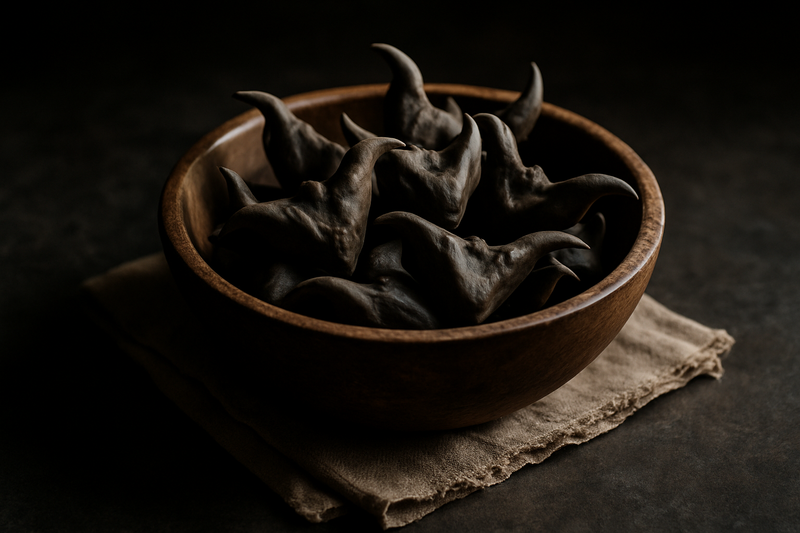
Water caltrop is a starchy aquatic nut that must be boiled or roasted before eating to neutralize toxins. It has a mild, potato-like flavor and provides 584 mg of potassium and 24 g of carbohydrates per 100g serving.
Water Caltrop · Photograph
Discover the water caltrop health benefits, full nutrition facts, and safe cooking tips for this gluten-free, potassium-rich aquatic nut. Learn why you must always cook it first, how it compares to Chinese water chestnut, and how to use ling nut (singhara) in everyday meals.
Key Nutrients
% Daily Value based on 2,000 cal diet
Key active compounds in water caltrop
- Polyphenols (phenolic acids): A broad family of plant compounds with antioxidant activity. Water caltrop pericarps (the hard outer shell) and pulp are rich in phenolic acids — lab studies report approximately 184–202 mg gallic acid equivalents per gram of extract, which is notably high. These may help protect cells from oxidative damage (the process by which unstable molecules called free radicals can damage DNA, proteins, and fats).
- Flavonoids: A subgroup of polyphenols with a characteristic chemical backbone. Caltrop extracts contain roughly 34–55 mg rutin equivalents per gram. Flavonoids are linked to anti-inflammatory and vascular-protective effects in experimental models, though human data are limited.
- Saponins: Plant glycosides (compounds formed from a sugar bonded to another molecule) that have a foamy quality. Water caltrop pericarps contain approximately 23–36 mg ginsenoside equivalents per gram in lab extracts. Saponins are associated with cholesterol-modulating and immune-influencing properties in preclinical research.
- Resistant starch and complex carbohydrates: The cooked kernel is largely starch — including some resistant starch (the portion that resists digestion in the small intestine and acts more like fiber in the gut). This supports steady energy release and feeds beneficial gut bacteria.
- B vitamins: Particularly vitamin B6 (pyridoxine), which is important for protein metabolism, neurotransmitter production, and keeping homocysteine (an amino acid associated with cardiovascular risk when elevated) in check.
Prep and pairing ideas
Classic boiled snack: Rinse water caltrops thoroughly under cold running water (this also removes any soil from the horns). Simmer in lightly salted water for 25 minutes, drain, and let cool until handleable. Crack the shell with a firm squeeze or a small knife at the seam. The white kernel pops out. Eat as-is or with a pinch of salt, chili flakes, or a squeeze of lime.
Curry addition: Add peeled boiled kernels to a lightly spiced coconut or tomato curry in the last 5 minutes of cooking. They hold their shape well and absorb flavor like potato but with slightly more sweetness.
Singhara halwa (sweet pudding): Mix singhara flour with ghee (or coconut oil for a fully plant-based version), toast lightly in a pan, then stir in warm water or plant milk and a little sweetener. A traditional fasting dish that works as a warming dessert.
Three practical pairings:
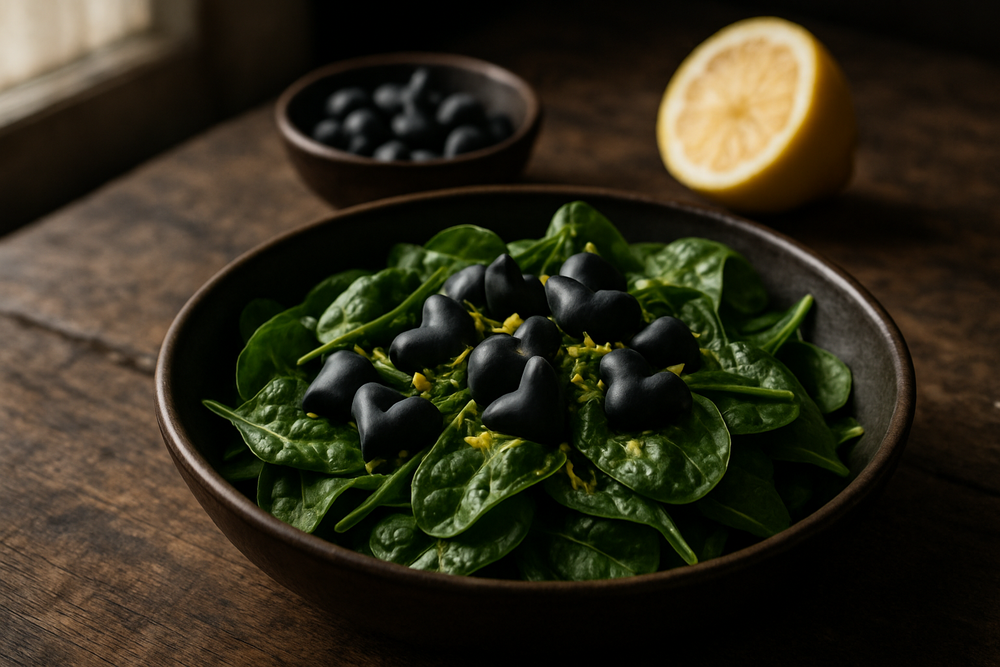
- Water caltrop + spinach + lemon: The iron in caltrop is non-heme iron (the type found in plants, which is less readily absorbed than animal-source iron). Pairing it with vitamin C–rich ingredients like lemon juice significantly improves non-heme iron absorption — a classic plant-based nutrition strategy.
- Water caltrop + ginger + black pepper: Ginger and pepper are traditional anti-inflammatory food pairings in South Asian cuisine. The piperine in black pepper also enhances absorption of certain phytochemicals, potentially making the polyphenols in caltrop more bioavailable (usable by the body).
- Singhara flour + banana + oat milk pancakes: A gluten-free pancake that pairs the slow-digesting starch of singhara flour with the natural sweetness and potassium of banana — a genuinely useful breakfast for people managing blood sugar without refined flour.
Bottom line
Water caltrop is a genuinely interesting whole-food ingredient that deserves more attention than it currently gets outside South and East Asia. Its combination of potassium, fiber, copper, B6, and plant antioxidants in a naturally gluten-free, near-fat-free package makes it nutritionally distinctive among starchy foods.
The caveat is proportionality: most of the exciting science on its phenolic and flavonoid compounds comes from lab extracts, not human trials. The whole nut is best treated as a nutrient-dense seasonal carbohydrate — a solid addition to a varied plant-rich diet — rather than a medicinal food with proven therapeutic effects.
The one hard rule is cooking: always boil or thoroughly roast water caltrop before eating. That single step makes a safe, satisfying, and genuinely nourishing food out of something that would otherwise be risky to eat raw.
If you're building a whole-food plant-based plate and looking for starchy variety beyond potato, rice, and sweet potato, water caltrop is worth trying.
Explore more: Looking for other whole-food ingredients that support similar health goals? Browse the Plantopedia goals guide to find ingredients organized by the outcomes you care about.
How Water Caltrop Compares
| Compared with | What's different |
|---|---|
| Water Caltrop vs. Chinese Water Chestnut | Water chestnuts are crispy and sweet when raw; water caltrops are starchy and must be boiled. |
| Water Caltrop vs. Lotus Seed | Caltrops are starchy aquatic seeds; lotus seeds are lighter, more floral, and often dried. |
Health Benefits
Things to Know
Always cook before eating.: Raw water caltrop can carry Fasciolopsis buski, an intestinal parasite. Boil for at least 20 minutes. This is non-negotiable.
Kidney disease: Water caltrop is relatively potassium-dense. If you have chronic kidney disease (CKD) or impaired kidney function, discuss higher-potassium foods with your nephrologist or dietitian before adding them regularly.
ACE inhibitors and ARBs: Blood pressure medications in these drug classes (e.g., lisinopril, losartan) already raise serum potassium. Eating large, frequent portions of water caltrop on top of these medications may increase hyperkalemia (high blood potassium) risk. Mention it to your prescriber.
Potassium-sparing diuretics: Medications like spironolactone or eplerenone also retain potassium. Same caution as above.
Diabetes and insulin medications: Water caltrop is a starchy food and contains carbohydrates that raise blood glucose. Count it in your meal carbohydrate plan. Lab evidence of hypoglycemic activity in Trapa extracts does not mean eating the whole nut will lower your blood sugar unpredictably, but monitoring your individual response is sensible.
Thyroid medications: Take levothyroxine on an empty stomach and separate from fiber-rich meals by at least 30–60 minutes — standard guidance that applies to any high-fiber food.
Fiber-sensitive individuals: Introduce water caltrop gradually. Large amounts at once can cause bloating or gas, especially if your usual fiber intake is low.
Pregnancy and breastfeeding: Normal culinary amounts of cooked water caltrop are likely fine, but there is very little research on concentrated extracts in these populations. Stick to food portions; avoid supplements or extracts.
Known plant or nut sensitivities: Documented water caltrop allergy is rare but possible, especially for people with broad reactivity to nuts, seeds, or aquatic plants.
Prep Ideas
- — Water caltrop + spinach + lemon: The iron in caltrop is non-heme iron (the type found in plants, which is less readily absorbed than animal-source iron). Pairing it with vitamin C–rich ingredients like lemon juice significantly improves non-heme iron absorption — a classic plant-based nutrition strategy.
- — Water caltrop + ginger + black pepper: Ginger and pepper are traditional anti-inflammatory food pairings in South Asian cuisine. The piperine in black pepper also enhances absorption of certain phytochemicals, potentially making the polyphenols in caltrop more bioavailable (usable by the body).
- — Singhara flour + banana + oat milk pancakes: A gluten-free pancake that pairs the slow-digesting starch of singhara flour with the natural sweetness and potassium of banana — a genuinely useful breakfast for people managing blood sugar without refined flour.
Glossary
Shop This Ingredient
Stock your pantry with quality water caltrop.
Buy on AmazonAs an Amazon Associate, Plantopedia earns from qualifying purchases. This costs you nothing extra and helps us keep the encyclopedia free.
Frequently Asked Questions
The evidence for water caltrop ranges from well-established nutritional science (potassium and fiber) to genuinely early-stage lab research (antioxidant extracts). Here's an honest breakdown by area. Heart health and circulation No human clinical trial has directly tested water caltrop for blood pressure or heart outcomes. However, its nutritional profile lines up well with heart-healthy eating patterns. A 100 g serving delivers roughly 584 mg of potassium — more than a medium banana — with very low sodium and negligible fat. Higher dietary potassium intake is one of the most consistently supported strategies in human nutrition research for maintaining healthy blood pressure. If you eat water caltrop as part of a varied, plant-rich diet, that potassium contribution is real and meaningful. At the laboratory level, phenolic and flavonoid compounds extracted from Trapa species show strong antioxidant capacity and some effects on markers associated with vascular risk (such as advanced glycation end products — the sticky proteins formed when excess sugar bonds to proteins and damages blood vessels). These findings are promising but come from cell and animal models, not people, so they cannot yet be translated into specific health claims. Digestive health and gut health Water caltrop provides around 3 g of dietary fiber per 100 g serving — a meaningful contribution toward the recommended 25–38 g daily target. Fiber from whole-food starches like this promotes stool bulk, supports regular bowel movements, and feeds beneficial bacteria in your large intestine (your gut microbiome). The resistant starch in cooked water caltrop adds another digestive benefit: it passes through your small intestine undigested and ferments in your colon, acting as a prebiotic (food for beneficial gut bacteria). No controlled human trials have tested water caltrop specifically for gut outcomes, but its fiber and resistant starch content places it in the same category as other whole-food starches with established gut benefits. One practical note: if you're not used to eating high-fiber or starchy foods regularly, eating a large amount at once can cause gas or bloating. Start with a smaller portion and build up gradually. Blood sugar and metabolism Water caltrop's complex carbohydrates and fiber mean it is likely digested more slowly than refined starches, which generally supports steadier post-meal blood glucose (blood sugar) levels. In Indian tradition, singhara flour is used as a fasting food — partly because it is seen as a lighter, slower-digesting grain alternative. Laboratory and pharmacological reviews describe hypoglycemic (blood-sugar-lowering) activity for Trapa plant extracts in experimental models, which is genuinely interesting. But no well-designed human trials have confirmed these effects using either whole water caltrop or its flour. Until that evidence exists, the sensible framing is: water caltrop is a whole-food starch that fits reasonably well into a balanced meal plan. If you have diabetes or insulin resistance, count it as you would any other starchy food, monitor your glucose response, and discuss it with your care team. Inflammation and recovery The polyphenols, flavonoids, and saponins in water caltrop show meaningful antioxidant and anti-inflammatory activity in cell and animal studies — including measurable reductions in oxidative stress markers and inflammatory signaling pathways. One animal model found that Trapa taiwanensis fruit skin extracts protected the liver from chemically induced injury, and several cell-culture studies document antioxidant capacity in line with other well-regarded plant foods. As with all such lab findings, we cannot yet say these effects translate to the same magnitude in humans eating the whole nut. However, the phenolic content of water caltrop is genuinely high compared with many common foods, and consuming it as part of a varied, plant-rich diet adds to your overall dietary antioxidant intake — which is itself linked to lower chronic disease risk in large population studies.
Boiled whole nuts — the most traditional and safest form Boiling is the original and most important preparation method. The whole unpeeled nuts are rinsed, then simmered in salted water for 20–30 minutes until tender. Once cooled slightly, the shell cracks open easily (you can use a knife or your hands) to reveal the white kernel inside. Why boiling matters for safety: Raw water caltrop harvested from contaminated water can carry Fasciolopsis buski, an intestinal fluke (a type of waterborne parasite). Full boiling for at least 20 minutes destroys this parasite and also neutralizes heat-sensitive tannins and any heat-labile (destroyed by heat) toxins in the raw seed. Never eat raw water caltrop. Roasted or baked In some parts of Asia, water caltrops are roasted in sand or baked until the shell chars slightly, then cracked open like chestnuts. The result is firmer and nuttier than boiling. Provided they are heated all the way through, roasting is also a safe preparation method. They make a satisfying street-food snack. Singhara flour (dried and ground kernels) Boiled kernels can be dried and milled into a fine, off-white flour widely used in North Indian fasting cuisine. It is naturally gluten-free and works in pancakes, flatbreads (called puri), halwa (a sweet pudding), and as a thickener for gravies. It retains starch and minerals but loses some vitamin C during drying. No clinical dosing studies have used this flour specifically. Canned or frozen peeled kernels Commercially pre-cooked peeled kernels are available in some Asian grocery stores, either in brine or frozen. These are convenient, consistent in texture, and generally safe to use directly in cooking — but heat them through before serving, especially if the original source waters are unknown.
The gluten-free eater looking for whole-food variety Singhara flour is one of the few naturally gluten-free flours that comes from a whole aquatic plant rather than a refined grain. It provides starch, fiber, B6, potassium, and copper — nutrients that can be harder to get from standard gluten-free blends. Works well in pancakes, flatbreads, and desserts with minimal adjustment to existing recipes. The plant-based eater building a potassium-rich diet One 100 g serving contributes 584 mg of potassium — a meaningful step toward the 3,500–4,700 mg daily target associated with heart and blood pressure health. Very low fat and moderately low in calories, making it easy to fit into a diverse plant-based plate alongside legumes, greens, and whole grains. Can be a satisfying seasonal snack alternative to nuts and seeds when you want starch over fat.
No standardized therapeutic dosage exists for water caltrop — it is a food, not a supplement, and no human clinical trials have established a target intake for specific health outcomes. In practical culinary terms, traditional use commonly involves 50–100 g of cooked, peeled kernels per serving (roughly 4–10 nuts), eaten as a snack or component of a meal. In seasonal eating cultures, up to approximately 200 g per day has been consumed as part of mixed meals during harvest periods. Starting guidance: If you are new to water caltrop or high-fiber foods in general, start with one small serving (50 g, about 4 nuts) and see how your digestive system responds. Drink plenty of water when eating high-fiber foods to support comfortable digestion. If you have any of the caution conditions listed above (kidney disease, potassium-sensitive medications, diabetes), get personalized portion guidance from your healthcare team before making water caltrop a daily staple. There is no evidence that eating water caltrop daily in culinary amounts causes harm in healthy adults — but "more is better" logic does not apply here. A moderate, regular portion as part of a varied diet is the evidence-aligned approach.
Quick Answers
Common questions, answered in a line.
You must always boil or thoroughly roast water caltrop for at least 20 minutes before eating to ensure it is safe. Consuming it raw is dangerous because the plant can carry Fasciolopsis buski, a harmful intestinal parasite.
Water caltrop is a nutrient-dense carbohydrate that is naturally gluten-free, nearly fat-free, and rich in potassium, fiber, and vitamin B6. It also contains significant plant antioxidants, such as polyphenols and flavonoids, which help protect cells from oxidative damage.
Water caltrop contains high levels of potassium, which can be risky for individuals with chronic kidney disease (CKD) or those taking blood pressure medications like ACE inhibitors. These conditions and medications can lead to hyperkalemia if potassium intake is not monitored.
To prepare water caltrop, rinse them thoroughly under cold water, simmer in lightly salted water for 25 minutes, and then crack the hard shell at the seam to remove the white kernel. The cooked kernels can be eaten as a snack or added to curries and puddings.
Yes, water caltrop is naturally gluten-free, making it an excellent starchy alternative for those with gluten sensitivities. Singhara flour, derived from water caltrop, is often used to make gluten-free pancakes or traditional fasting dishes like halwa.
Pairing water caltrop with vitamin C-rich foods like lemon juice helps your body better absorb its non-heme iron. Additionally, eating it with black pepper may enhance the bioavailability of its beneficial polyphenols.
For Readers in the USA
Local context — sourcing, seasonality, and regional notes.
You can buy fresh water caltrop at large H-Mart locations, 99 Ranch Markets, and independent South Asian grocers across the US during the fall. While rarely found in mainstream chains like Kroger or Safeway, you can often find the dried flour (Singhara) year-round in the international aisle or online.
In the United States, water caltrop is seasonally available from late September through November, coinciding with harvest cycles in California and Florida. You are most likely to find them at specialty farmers markets or Asian grocery stores during these peak autumn months.
The USDA does not currently have specific grading standards for water caltrop, but look for the 'USDA Organic' seal if you want to ensure the aquatic nuts were grown without synthetic pesticides. Because they are grown in water, it is important to purchase from reputable US-based retailers that adhere to FDA food safety guidelines regarding heavy metals.
While 'water caltrop' is the common name, you will frequently see it labeled as 'ling nut' in Chinese markets or 'singhara' in Indian grocery stores throughout the US. Some regional American foragers also refer to related wild species as 'water chestnuts,' though they are botanically different from the crunchy canned variety.
AI Clinical Review
- Clearly distinguishes water caltrop (Trapa spp.) from Chinese water chestnut, and explains traditional culinary uses and forms (boiled, roasted, singhara flour).
- Emphasizes essential food safety: raw nuts may carry the intestinal fluke Fasciolopsis buski; thorough cooking is required.
- Presents a realistic nutrition profile for a starchy, very low‑fat seed that contributes potassium, fiber, copper, and vitamin B6, aligning with heart‑healthy, plant‑forward patterns.
- Sensibly frames potential benefits (potassium for blood‑pressure–supportive eating; fiber/resistant starch for gut health) without overselling disease claims.
- Antioxidant, anti‑inflammatory, and other bioactive effects are drawn largely from lab and animal studies; we lack human trials confirming clinical outcomes or effective doses. “In vitro” findings (tests done in a dish) don’t predict real‑world effects.
- Blood pressure and glycemic benefits are inferred from general nutrition principles (potassium, fiber) rather than trials testing whole water caltrop in people.
- Reported high phenolic/flavonoid values come from extracts; their bioavailability (how much the body absorbs and uses) from typical servings of the whole cooked seed is uncertain.
- Prebiotic/resistant starch claims are plausible but not yet quantified in human feeding studies specific to water caltrop.
- Safety first: cook thoroughly (e.g., boil ≥20 minutes or roast through) and avoid eating raw; this inactivates parasites and heat‑labile compounds.
- Portions: there is no therapeutic “dose.” Culinary servings of about 50–100 g cooked kernels are reasonable; increase gradually if you’re sensitive to fiber.
- Potassium cautions: people with chronic kidney disease or on ACE inhibitors/ARBs or potassium‑sparing diuretics should discuss regular intake with a clinician to reduce hyperkalemia risk.
- Diabetes considerations: it’s a starchy food—count carbohydrates and monitor your individual glucose response; extracts showing hypoglycemic effects are not the same as the whole food.
- Pregnancy/lactation: typical food amounts of the cooked seed are likely fine; avoid concentrated supplements or extracts due to limited data, and prefer reputable sources (canned/frozen products should still be heated through).
Must be cooked—raw caltrop can carry waterborne parasites.
References
- USDA FoodData Central — aquatic starchy seeds reference data (fdc.nal.usda.gov)
- MyPlate protein foods guidance — whole plant protein foods context (myplate.gov)
- Water caltrop nutritional value per 100 g — food composition data (agrownet.com)
- Trapa bispinosa: nutrient composition and benefits — research journal review (researchjournal.co.in/117-11999999.pdf)
- Inhibitory effects of water caltrop pericarps on human gastric cancer cells in vitro — PubMed (pubmed.ncbi.nlm.nih.gov)
- Oral administration of Trapa taiwanensis fruit skin extracts — hepatoprotection animal study, PubMed (pubmed.ncbi.nlm.nih.gov)
- Antioxidant activity of phenolic compounds from fresh and dried water caltrop pulp — Journal of Food and Drug Analysis (jfda-online.com)
- Trapa natans: prospects of use in medical and pharmaceutical practice — RCSI pharmacological review (journals.rcsi.science)
- Science-backed health benefits of water caltrop (Trapa natans) — health reference overview (healthbenefitstimes.com)
- Water caltrop information and facts — specialty produce reference (specialtyproduce.com)
Know Your Numbers
Eating healthy is a start. Now get to know your biomarkers.
Food changes bloodwork — inflammation, lipids, blood sugar and nutrient status all respond to what you eat. 59 markers from $59.
- Results in 7–10 days at 2,000+ Quest sites
- Licensed provider reviews every result
- One flat price, no membership, HSA/FSA eligible
Educational information only, not medical advice. Panels are ordered and reviewed through our licensed partner; Plantopedia may earn a commission.