Cucumber — health benefits and uses
Color, fiber, and everyday plate-building angle
The Short Answer
Cucumbers are highly hydrating vegetables composed of 95% water that provide 16% of the Daily Value for Vitamin K per sliced cup. They contain unique antioxidants like cucurbitacins and lignans that support heart health and blood sugar management.
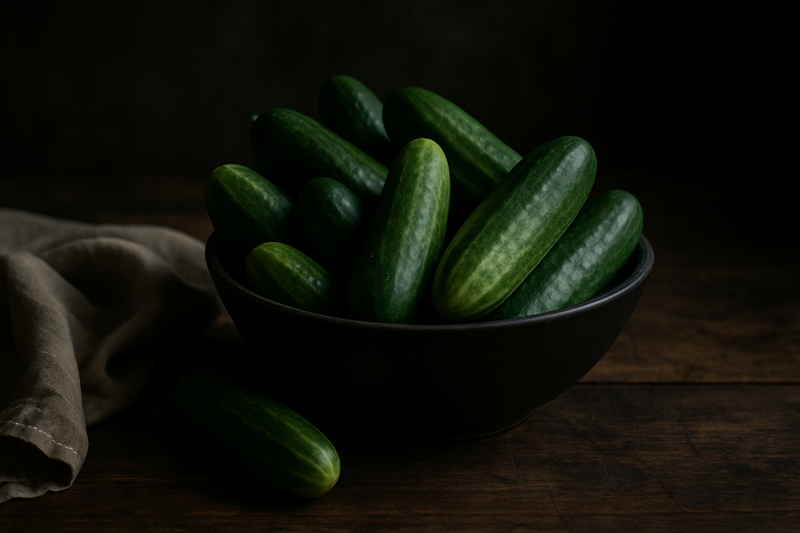
Cucumber · Photograph
Cucumbers (Cucumis sativus) are more than just a refreshing summer snack. These crisp, hydrating vegetables pack impressive nutrition and research-backed health benefits into a low-calorie package. Made up of 95% water, cucumbers deliver essential vitamins, minerals, and protective plant compounds that may support everything from heart health to blood sugar management.
Key Nutrients
% Daily Value based on 2,000 cal diet
Key active compounds in cucumbers
Cucumbers contain several bioactive compounds that contribute to their health benefits:
- Flavonoids (quercetin, kaempferol, apigenin) - antioxidant compounds that help neutralize harmful free radicals
- Tannins - polyphenolic compounds with anti-inflammatory and antimicrobial properties
- Cucurbitacins - bitter compounds unique to the cucumber family that may have anti-inflammatory and metabolic effects
- Lignans - plant compounds with weak estrogenic activity and protective properties
- Silica - a mineral that supports connective tissue health
Who benefits most from regular cucumber consumption
Heart-conscious individuals: People managing blood pressure or cardiovascular risk factors benefit from cucumber's potassium content and low sodium profile. The hydrating properties also support healthy circulation, and the low calorie content fits heart-healthy eating patterns.
Active people and athletes: Those with high fluid needs appreciate cucumber's 95% water content for natural hydration. The electrolyte balance from potassium and magnesium supports muscle function and recovery, while the low calorie density allows for frequent consumption without weight concerns.
Common pairings that enhance cucumber benefits
Cucumber + tomato + olive oil: This classic Mediterranean combination provides complementary antioxidants - lycopene from tomatoes enhances cucumber's flavonoids, while olive oil helps absorb fat-soluble vitamins.
Cucumber + yogurt + herbs: Greek yogurt adds protein and probiotics that work synergistically with cucumber's digestive benefits, while herbs like dill or mint provide additional anti-inflammatory compounds.
Cucumber + avocado + lime: The healthy fats in avocado help absorb cucumber's fat-soluble nutrients, while lime's vitamin C enhances the overall antioxidant profile and supports immune function.
Prep and pairing ideas
Store cucumbers in the refrigerator for up to a week. Wash thoroughly before eating and consume with skin for maximum nutrition. Slice into salads, add to sandwiches, or eat as a hydrating snack.
Cucumber water makes an excellent low-calorie beverage - simply add sliced cucumber to water and let infuse. For variety, try cucumber in gazpacho, add to grain bowls, or use in fresh salsas. The mild flavor pairs well with both savory and slightly sweet preparations.
Bottom line
Cucumbers offer legitimate health benefits backed by research, particularly for heart health, blood sugar management, and antioxidant support. Their impressive nutrient density relative to calories, combined with exceptional hydration properties, makes them valuable for daily consumption. While not a miracle cure, cucumbers provide an accessible, affordable way to support multiple aspects of health naturally.
How Cucumber Compares
| Compared with | What's different |
|---|---|
| Cucumber vs. Bell Pepper | Significantly higher vitamin C and A content with a sweeter, crunchier flesh. |
| Cucumber vs. Watermelon | Sweeter, denser texture used primarily in desserts, though both are 90%+ water. |
| Cucumber vs. Zucchini | Denser texture that requires cooking, whereas cucumbers are typically eaten raw. |
Health Benefits
Things to Know
Vitamin K considerations: Cucumbers are high in vitamin K (50-62% daily value per medium cucumber). People taking warfarin or other blood thinners should maintain consistent cucumber intake and inform their healthcare provider of dietary changes.
Kidney health: Those with kidney disease should monitor potassium intake, though cucumber's moderate potassium content (4% daily value) is generally well-tolerated.
Medication timing: No specific timing restrictions, though the high water content means eating cucumbers with meals may help with satiety and blood sugar management.
Pregnancy and breastfeeding: Cucumbers are safe during pregnancy and breastfeeding, providing beneficial hydration and nutrients.
Allergies: Rare but possible cross-reactivity with other cucurbitaceae family plants (melons, squash). Fresh cucumbers are low in histamine.
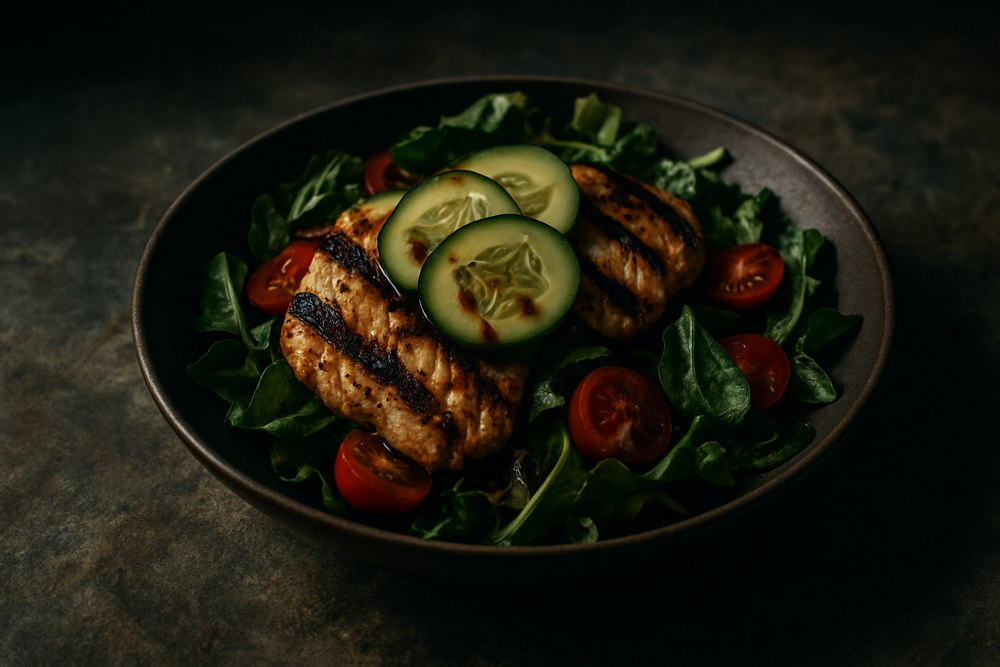
Shop This Ingredient
Stock your pantry with quality cucumber.
Buy on AmazonAs an Amazon Associate, Plantopedia earns from qualifying purchases. This costs you nothing extra and helps us keep the encyclopedia free.
Frequently Asked Questions
Heart and circulation Cucumbers support cardiovascular health primarily through their potassium content. Potassium helps regulate blood pressure by counteracting sodium's effects and promoting blood vessel relaxation. One medium cucumber provides about 4% of your daily potassium needs. The magnesium in cucumbers also supports heart rhythm and vascular function, while the low sodium content makes them heart-friendly for most people. Blood sugar and metabolism Cucumber benefits for blood sugar control stem from their low glycemic index, meaning they don't cause rapid blood sugar spikes. Research suggests that cucurbitacins, the bitter compounds in cucumbers, may help regulate insulin release and support healthy glucose metabolism. Their high water and fiber content also promotes satiety without adding significant calories, potentially supporting weight management goals. Inflammation and recovery A 2015 study found that older adults taking cucumber powder for 30 days showed significant increases in antioxidant activity markers. The flavonoids and tannins concentrated in cucumber skin demonstrate anti-inflammatory effects by neutralizing free radicals that contribute to chronic inflammation. These antioxidant compounds may help protect cells from oxidative stress and support the body's natural recovery processes. Digestive health and microbiome While cucumbers contain modest fiber amounts (1-1.5g per serving), their high water content supports healthy digestion and regular bowel movements. The combination of water and fiber helps maintain digestive tract health, while the gentle nature of cucumber makes it well-tolerated even for sensitive digestive systems. Fermented cucumber preparations may also introduce beneficial probiotics.
Fresh, raw cucumber with the skin intact provides the highest nutritional value. The skin contains the most concentrated antioxidants, particularly flavonoids and tannins. Sliced cucumber added to salads, eaten as a snack, or infused in water preserves all nutrients. Cucumber powder or concentrated forms, used in research studies, provide higher doses of active compounds but aren't necessary for most people. Pickled cucumbers offer probiotic benefits from fermentation but contain significantly more sodium. Cucumber juice removes beneficial fiber while concentrating some nutrients. For optimal benefits, choose organic when possible and wash thoroughly before eating with the skin on.
One medium cucumber (200g) or one cup of sliced cucumber daily provides beneficial nutrients without any documented safety concerns. There's no established upper limit for cucumber consumption, and many people safely eat multiple servings daily. Start with half a cucumber daily if you're new to regular consumption, then increase as desired. The high water content means you can eat cucumbers liberally as part of a balanced diet. Research studies used concentrated cucumber powder, but fresh cucumber consumption at typical dietary levels provides meaningful benefits.
Quick Answers
Common questions, answered in a line.
Cucumbers are composed of 95% water, making them an excellent natural source of hydration. This high water content supports healthy circulation and provides a refreshing option for athletes or active individuals with high fluid needs.
Cucumber skins contain the highest concentration of nutrients and should be eaten for maximum health benefits. To ensure safety and nutritional quality, the vegetable should be washed thoroughly before being consumed with the peel intact.
Cucumbers support heart health through their high potassium content, low sodium levels, and hydrating properties. These factors help manage blood pressure and cardiovascular risk, especially when included in low-calorie, heart-healthy eating patterns.
Cucumbers contain flavonoids like quercetin and kaempferol, along with tannins and cucurbitacins, which provide antioxidant and anti-inflammatory effects. These bioactive compounds help neutralize harmful free radicals and may support blood sugar management.
People taking blood thinners like warfarin should maintain a consistent intake of cucumbers due to their high vitamin K content. Additionally, individuals with kidney disease should monitor their intake of potassium, which is present in moderate amounts in cucumbers.
Cucumbers are highly beneficial for weight management because they are low in calories and have a high water content. Eating them with meals can increase satiety, helping you feel fuller while supporting healthy blood sugar levels.
Cucumbers pair effectively with healthy fats like olive oil or avocado, which help the body absorb their fat-soluble nutrients. They also work well with yogurt to provide probiotics or with vitamin C-rich lime to enhance their overall antioxidant profile.
For Readers in the USA
Local context — sourcing, seasonality, and regional notes.
In the U.S., cucumbers are grown year-round, with peak outdoor harvests occurring from May through August in states like Florida, Georgia, and Michigan. During winter months, most supply comes from greenhouse operations or imports from Mexico to ensure availability in American grocery stores.
Common U.S. cucumber varieties include thick-skinned "slicing" cucumbers, bumpy-skinned "pickling" types (like Kirby), and thin-skinned "seedless" or "English" cucumbers often sold in plastic wrap. You can find these at major retailers like Kroger, Walmart, and Whole Foods, as well as local farmers markets.
The USDA finds that cucumbers often have pesticide residues on their skin, so buying organic is a popular choice for those looking to minimize exposure. If you buy conventional cucumbers, the FDA recommends thorough washing or peeling to remove wax and potential contaminants.
AI Clinical Review
- Cucumbers are very low in calories and ~95% water, so they’re a hydrating, weight‑friendly choice. • They contribute vitamin K and small amounts of vitamin C, potassium, and magnesium; most antioxidants are in the peel, so eating the skin helps. • Their low glycemic impact makes them easy to fit into blood‑sugar‑friendly eating patterns. • Preparation trade‑offs are highlighted appropriately: pickled cucumbers can be high in sodium, and juicing removes fiber.
- Potential benefits from cucurbitacins (e.g., on insulin or inflammation) are based largely on lab and animal studies; human evidence is limited and dosing relevance is unclear. • The cited short‑term cucumber‑powder study reports changes in antioxidant biomarkers, not clinical outcomes; it’s uncertain how this translates to eating whole cucumbers. • Cardiovascular effects from cucumber alone are likely modest; meaningful blood pressure benefits typically come from overall dietary patterns (e.g., DASH/Mediterranean) rather than a single food.
- If you take warfarin or similar blood thinners, keep vitamin K intake consistent and discuss changes with your clinician. • For kidney disease, monitor potassium and especially sodium if choosing pickles; fresh cucumbers are lower in sodium. • For athletes or heavy sweaters, cucumbers aid hydration but won’t replace sodium/potassium losses—pair with an electrolyte source or other mineral‑rich foods. • Rare cross‑reactivity occurs in people sensitive to other Cucurbitaceae (melon, zucchini) or with oral‑allergy syndrome; seek care for significant reactions.
Frame as food education, not disease treatment.
References
- USDA FoodData Central cucumber nutrition facts (fdc.nal.usda.gov)
- Medical News Today: Cucumber health benefits and nutrition (medicalnewstoday.com)
- 2015 human study on cucumber powder antioxidant effects (actajournal.com)
- Healthline: Evidence-based cucumber health benefits (healthline.com)
- WebMD: Cucumber nutritional profile and safety (webmd.com)
- NIH National Center for Complementary and Integrative Health food safety guidelines
- American Heart Association potassium recommendations for cardiovascular health
- Harvard T.H. Chan School glycemic index database
- LiveScience: Cucumber nutrition facts and research (livescience.com)
Know Your Numbers
Eating healthy is a start. Now get to know your biomarkers.
Food changes bloodwork — inflammation, lipids, blood sugar and nutrient status all respond to what you eat. 59 markers from $59.
- Results in 7–10 days at 2,000+ Quest sites
- Licensed provider reviews every result
- One flat price, no membership, HSA/FSA eligible
Educational information only, not medical advice. Panels are ordered and reviewed through our licensed partner; Plantopedia may earn a commission.