Culantro (Recao) — health benefits and uses
Used in Caribbean and Latin American tradition as a digestive and carminative.
The Short Answer
Culantro is a potent herb providing 31 mcg of Vitamin K per serving, essential for blood clotting and bone health. Its primary active compound, eryngial, offers antimicrobial and anti-inflammatory properties that persist even during long cooking processes.
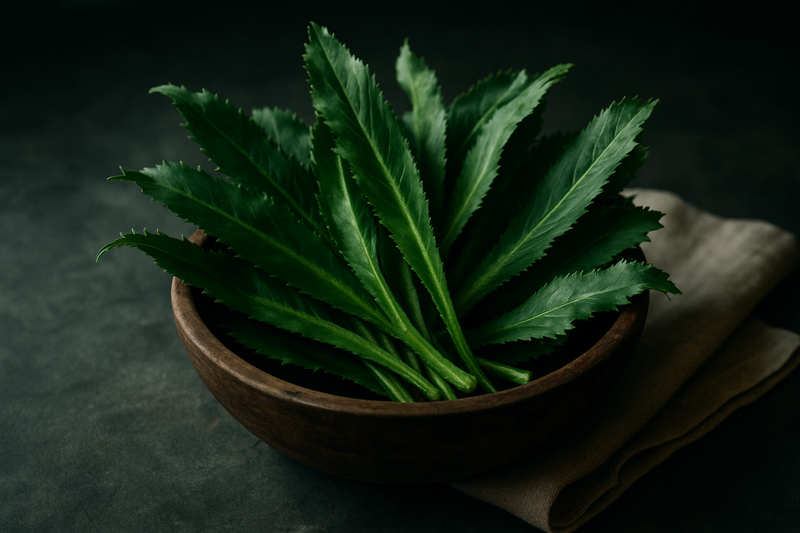
Culantro (Recao) · Photograph
Discover the culantro health benefits backed by research — from antioxidant compounds and digestive support to its role in Puerto Rican sofrito and Caribbean cooking. Learn nutrition facts, safe daily amounts, and who should use caution.
Key Nutrients
% Daily Value based on 2,000 cal diet
Key active compounds in culantro
Culantro's health-relevant properties trace back to several groups of plant chemicals:
- Eryngial (E-2-dodecenal): The dominant aldehyde (a type of organic compound) in culantro's essential oil. It gives the herb its pungent, distinctive aroma and shows antimicrobial and anti-inflammatory activity in lab studies.
- Phenolic acids (chlorogenic, ferulic, gallic, p-coumaric): A group of antioxidant plant compounds that may help neutralize cell-damaging free radicals and modulate inflammatory signals in cell studies.
- Flavonoids (quercetin, luteolin): Polyphenolic pigments (natural plant colorants with biological activity) found in many herbs. In preclinical models, quercetin and luteolin show antioxidant, anti-inflammatory, and vascular-protective effects.
- Carotenoids (beta-carotene, lutein, zeaxanthin): Fat-soluble pigments that act as antioxidants and serve as building blocks for vitamin A. They accumulate in the retina and support eye and immune health.
- Saponins: Amphipathic glycosides — compounds that are partly water-soluble and partly fat-soluble — found in culantro leaves. They show antimicrobial and possible cholesterol-modulating effects in experimental settings; levels in culantro are within safe limits at typical intakes.
- Plant sterols (e.g., stigmasterol): Structural relatives of cholesterol found in plant cell membranes. They may modestly influence cholesterol absorption and show anti-inflammatory activity in preclinical models.
Prep and pairing ideas
Culantro is versatile once you understand its intensity. Here are practical ways to get it into your kitchen:
Classic Puerto Rican sofrito (recao base): Blend 6–8 culantro leaves with half an onion, half a head of garlic, a few ají dulce peppers (or a mild bell pepper), a handful of cilantro, and a drizzle of olive oil. Freeze in ice cube trays — one cube is one serving of flavor for rice, beans, soups, or stews. This is the most efficient way to use culantro regularly.
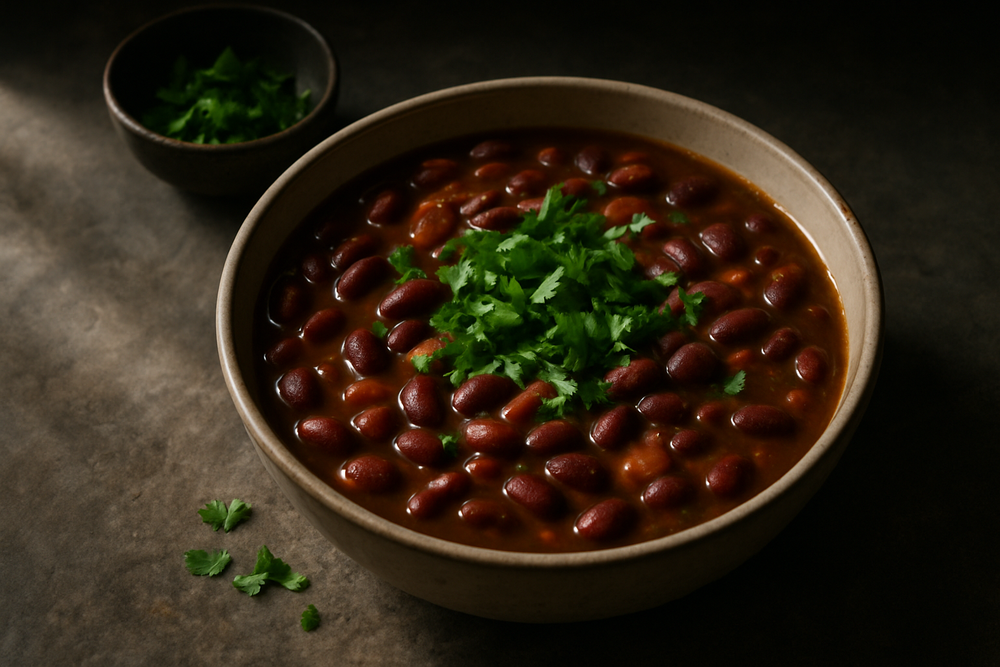
Caribbean bean stew or asopao: Add 3–4 whole culantro leaves to the pot when you add your liquid, remove before serving (like a bay leaf), or chop finely and stir in. The heat tolerance means it survives long simmering and keeps developing flavor.
Herby green marinade: Combine finely chopped culantro with lime juice, garlic, oregano, and olive oil for a marinade for tofu, jackfruit, or white beans. The phenolic compounds are fat-soluble and oil helps extract them.
Buying and storage tips (Buying guide):
- Fresh leaves are the gold standard. Look for dark green, firm, serrated leaves with no yellowing or slime. Caribbean, Latin, and Asian grocery stores are your best source; ask for "recao" in Puerto Rican or Dominican shops.
- Frozen culantro (already chopped) is an excellent backup — minimal nutrient loss, available year-round in many Latin grocery freezer sections. Check that the only ingredient is culantro (no salt added).
- Dried culantro loses significant aromatic potency; use it for background flavor in long-cooked dishes but expect a weaker result than fresh.
- Supplements and extracts: Not recommended outside of culinary use. The evidence base is too thin and concentrations too unstandardized to guide supplemental use.
- Label tip: The scientific name Eryngium foetidum on any product confirms you have true culantro rather than a related species.
Bottom line
Culantro (recao) is a nutritious, flavorful culinary herb with a genuine phytochemical profile — antioxidant flavonoids, anti-inflammatory phenolic acids, eryngial, and carotenoids — that supports its long traditional use in Caribbean and Latin American cooking and medicine. At typical food amounts, it is safe for most adults and contributes real micronutrients, especially vitamin K, with essentially no calories.
The honest caveat: clinical trials specifically testing culantro's health effects in humans have not been published. The anti-inflammatory, digestive, and cardiometabolic benefits suggested by preclinical research are plausible and worth continued investigation, but they are not yet proven outcomes you can count on. The best way to benefit from culantro right now is the simplest: use it as it has been used for centuries — as a cornerstone of a flavorful, herb-rich, plant-forward diet.
How Culantro (Recao) Compares
| Compared with | What's different |
|---|---|
| Culantro (Recao) vs. Cilantro | Stronger, more pungent flavor that survives heat and long cooking times. |
| Culantro (Recao) vs. Parsley | Flat, serrated leaves rather than lacy fronds; higher in Vitamin K per gram. |
Health Benefits
Things to Know
Vitamin K and blood thinners: Culantro contains meaningful vitamin K. If you take warfarin (Coumadin) or another vitamin K–sensitive anticoagulant, sudden large changes in leafy herb intake — in either direction — can affect INR (International Normalized Ratio, a measure of blood-clotting time). Consistent, moderate use is generally manageable; discuss with your doctor or pharmacist.
Kidney disease and kidney stones: Culantro contains oxalate and other anti-nutrients. Very high doses (roughly 35 times typical culinary intake) were associated with kidney stress in animal models. For most people this is irrelevant, but if you have chronic kidney disease (CKD) or a history of calcium oxalate kidney stones, keep intake moderate and consult your healthcare provider.
Apiaceae (carrot family) allergies: If you have a known allergy to plants in the carrot/parsley family — including celery, parsley, fennel, or cilantro — culantro may trigger a cross-reactive response. Introduce it cautiously.
Pregnancy and breastfeeding: Culinary use of culantro has a very long traditional history and is considered safe. However, concentrated extracts, essential oils, or supplement-form culantro lack safety data for pregnancy and breastfeeding; stick to normal food amounts.
Concentrated supplements vs food: Doses used in preclinical research are far higher than anything achievable through eating. Culantro supplements are not standardized, not well studied in humans, and are not recommended as a substitute for food.
No known drug interactions beyond vitamin K: No specific drug–culantro interactions are documented in major clinical references beyond the vitamin K/anticoagulant consideration noted above.
Prep Ideas
- — **Fresh leaves** are the gold standard. Look for dark green, firm, serrated leaves with no yellowing or slime. Caribbean, Latin, and Asian grocery stores are your best source; ask for "recao" in Puerto Rican or Dominican shops.
- — **Frozen culantro** (already chopped) is an excellent backup — minimal nutrient loss, available year-round in many Latin grocery freezer sections. Check that the only ingredient is culantro (no salt added).
- — **Dried culantro** loses significant aromatic potency; use it for background flavor in long-cooked dishes but expect a weaker result than fresh.
- — **Supplements and extracts:** Not recommended outside of culinary use. The evidence base is too thin and concentrations too unstandardized to guide supplemental use.
- — **Label tip:** The scientific name *Eryngium foetidum* on any product confirms you have true culantro rather than a related species.
Glossary
Shop This Ingredient
Stock your pantry with quality culantro (recao).
Buy on AmazonAs an Amazon Associate, Plantopedia earns from qualifying purchases. This costs you nothing extra and helps us keep the encyclopedia free.
Frequently Asked Questions
It is important to be upfront: culantro has essentially no controlled human clinical trials behind its specific health claims. The evidence below is promising but preliminary, and "promising in a lab" does not automatically translate to "proven in people." With that said, here is what the current science suggests. Heart and circulation Culantro contains antioxidant polyphenols and carotenoids that, in theory, could help reduce oxidative stress — a process where unstable molecules called free radicals damage cells and contribute to heart disease. In vitro (lab dish) and animal studies using Eryngium foetidum extracts have shown vascular-protective and antioxidant actions. The culantro benefits for heart and blood pressure currently rest on these preclinical findings and on the broader observation that populations eating herb-rich, plant-forward diets tend to have better cardiometabolic health. Culantro's specific contribution has not been isolated in human studies. Digestive health and microbiome Traditional use of culantro as a carminative (a substance that relieves gas and bloating) and digestive aid is well documented across Caribbean, Central American, and South Asian traditional medicine systems. It has been used ethnomedicinally for stomachache, intestinal worms, and general gastrointestinal discomfort for centuries. Modern pharmacognosy (the study of medicinal plants) surveys confirm these traditional uses and identify plausible mechanisms — antimicrobial activity against gut pathogens and antioxidant effects that might support a healthy gut lining — but human intervention trials on culantro benefits for digestion have not been published. Evidence for gas and bloating relief remains observational and traditional. Blood sugar and metabolism There are no clinical trials testing culantro for blood sugar control or culantro benefits for blood sugar and diabetes management. In vitro anti-inflammatory and antioxidant activity could theoretically support metabolic health by reducing oxidative and inflammatory stress — mechanisms implicated in insulin resistance — but this has not been validated in humans. Any blood-sugar benefit at culinary doses should be considered speculative and secondary to an overall healthy dietary pattern. Inflammation and recovery Culantro's anti-inflammatory properties are the most studied area in preclinical research. Eryngial, quercetin, luteolin, and various phenolic acids all show inhibition of inflammatory mediators in cell and animal models. Ethnobotanical records describe traditional use for fever, flu, pain, and inflammatory complaints. However, there are no controlled human trials directly testing culantro's effect on inflammatory markers (like CRP or interleukin-6) in people. Research into culantro anti-inflammatory properties is active but has not yet reached clinical-trial stage.
This is really two questions in one: the botanical difference and the practical kitchen choice. Culantro vs cilantro differences at a glance: Plant family: Both belong to Apiaceae (the carrot/parsley family), but culantro (Eryngium foetidum) and cilantro (Coriandrum sativum) are different genera. Flavor intensity: Culantro is significantly more pungent — roughly 10 times stronger in aroma — making it more economical and better suited for long-cooked dishes. Leaf structure: Culantro has long, stiff, serrated leaves; cilantro has delicate, lacy fronds. Culantro does not wilt and turn bitter when cooked; cilantro is best added at the end of cooking or raw. Availability: Cilantro is everywhere; culantro is found in Caribbean, Latin, and Asian grocery stores, and increasingly in larger mainstream supermarkets. Nutritional profile: Both offer similar micronutrient contributions (vitamins A, C, K, minerals). Neither is dramatically "healthier" — the better choice is whichever one you will actually use. For Puerto Rican sofrito and long-simmered Caribbean stews, culantro is the authentic, flavor-superior choice. For fresh salsas and garnish, cilantro works better.
Culinary doses (typical use): Most people consume roughly 2–10 g of fresh culantro leaves per day when cooking Caribbean or Latin American food regularly. This is entirely safe for the general population. Upper reasonable culinary range: A Thai food safety assessment estimated an acceptable daily intake of approximately 0.48 g per kilogram of body weight per day — about 29 g of fresh leaves for a 60 kg (132 lb) adult. In practice, very few people would use this much in a day through normal cooking. Supplement or extract doses: Because no well-designed human trials have established therapeutic doses, and because high doses in animal studies were associated with kidney stress, concentrated forms are not recommended. Practical guidance: Start with 1–3 large leaves per dish if you are new to culantro; it is significantly stronger than cilantro and a little goes a long way. If you use sofrito daily (a cube or spoonful per meal), you are in a perfectly reasonable range. People with kidney disease or on warfarin should aim for consistent, moderate use rather than large variable amounts.
Quick Answers
Common questions, answered in a line.
Culantro contains plant chemicals like eryngial, phenolic acids, flavonoids, and carotenoids that show antimicrobial and anti-inflammatory activity in lab studies. These compounds, including quercetin and luteolin, may help neutralize free radicals and support vascular health.
Yes, culantro is safe to eat during pregnancy and breastfeeding when consumed in normal culinary amounts. However, you should avoid concentrated extracts, supplements, or essential oils as these forms lack safety data for pregnant or nursing individuals.
You should use culantro cautiously if you take blood thinners like warfarin (Coumadin) because the herb contains meaningful amounts of vitamin K. Sudden changes in your intake of leafy herbs can affect your blood-clotting time and INR levels.
Culantro provides carotenoids like beta-carotene, lutein, and zeaxanthin, which are fat-soluble pigments that support eye and immune health. These antioxidants accumulate in the retina and serve as building blocks for vitamin A.
People with a history of calcium oxalate kidney stones or chronic kidney disease should keep their culantro intake moderate. This is because the herb contains oxalates, and animal models show very high doses may cause kidney stress.
Fresh leaves are the best choice for cooking, but you can also use frozen chopped culantro, which retains most nutrients. While dried culantro is available, it loses significant aromatic potency compared to fresh or frozen versions.
You may be allergic to culantro if you have a known allergy to other plants in the carrot or parsley family, such as celery, fennel, or cilantro. This cross-reactive response means you should introduce the herb cautiously if you have these sensitivities.
For Readers in the USA
Local context — sourcing, seasonality, and regional notes.
In the United States, you can find fresh culantro at Caribbean, Latin, and Southeast Asian specialty markets, as well as major retailers like Publix or H-E-B in regions with high Hispanic populations. Look for it labeled as "recao" in Caribbean shops or "ngò gai" in Vietnamese markets.
Culantro is a tropical perennial that thrives year-round in USDA hardiness zones 10–11, such as South Florida, Hawaii, and parts of Puerto Rico. In cooler US regions, it is grown as a summer annual or a container plant because it cannot survive temperatures below 50°F.
Culantro is an essential ingredient in the American "melting pot" of Caribbean-style cooking, particularly in the Puerto Rican diaspora communities of New York, Florida, and Chicago. It is most famously used as the backbone of homemade sofrito, the aromatic base for rice and beans.
While culantro is generally recognized as safe (GRAS) by the FDA for culinary use, look for the USDA Organic seal if you want to ensure the herb was grown without synthetic pesticides. Because it is often imported from Central America, organic certification provides additional oversight on agricultural practices.
AI Clinical Review
- Clearly distinguishes culantro (recao) from cilantro and explains why its stronger, heat-stable flavor suits sofrito and long-cooked dishes.
- Accurately characterizes the evidence base as mostly preclinical (cell/animal) with no controlled human trials to confirm specific health outcomes.
- Appropriately highlights plausible bioactives (eryngial, phenolic acids, flavonoids, carotenoids) and frames potential antioxidant/anti-inflammatory actions without overpromising.
- Sensibly positions culantro as a nutrient-dense, low-calorie herb that can make plant-forward meals more enjoyable, with vitamin K as the most notable micronutrient.
- Digestive, anti-inflammatory, and cardiometabolic benefits are supported mainly by traditional use and lab studies; clinical trials in humans are lacking, so effect sizes and real-world relevance remain unknown.
- The nutrition snapshot relies on cilantro data as a proxy; actual culantro vitamin and mineral values (especially vitamin K) may differ.
- Safety and dosing references come largely from animal work and non-standardized extracts; translating those doses to everyday culinary use is uncertain.
- Antimicrobial findings are in vitro; it’s unclear how much survives cooking and digestion to meaningfully affect the human gut microbiome.
- Reasonable culinary intake: about 2–10 g fresh leaves per day for most adults. Avoid concentrated supplements or essential oils due to limited human safety data and lack of standardization.
- If you take warfarin or other vitamin K–sensitive anticoagulants, keep herb intake consistent and coordinate with your care team, since vitamin K can influence INR.
- People with chronic kidney disease or a history of calcium oxalate stones should keep portions moderate and avoid large, variable intakes.
- Those with allergies to Apiaceae plants (celery, parsley, fennel, cilantro) should introduce culantro cautiously; in pregnancy and breastfeeding, stick to normal food amounts and avoid high-dose extracts.
Safe in culinary amounts.
References
- USDA FoodData Central — cilantro (coriander leaf) nutrient profile, used as proxy for culantro (fdc.nal.usda.gov)
- ECHOcommunity technical note on culantro (Eryngium foetidum) — agronomic and culinary profile (echocommunity.org)
- Pharmacognosy Journal — peer-reviewed review of Eryngium foetidum bioactivity, phytochemistry, and traditional uses (phcogj.com)
- Foodthesis — culantro safety, anti-nutrient levels, and acceptable daily intake data (foodthesis.com)
- The Living Look — culantro leaves wellness and evidence overview (thelivinglook.com)
- Medical News Today — cilantro and coriander health benefits overview (related Apiaceae herb context) (medicalnewstoday.com)
- Cleveland Clinic Health — cilantro benefits, vitamin K considerations, and safety (health.clevelandclinic.org)
- PubMed — peer-reviewed research on herb phytochemicals and antioxidant/anti-inflammatory properties (pubmed.ncbi.nlm.nih.gov)
- WebMD Vitamins & Supplements — cilantro/coriander monograph including safety and drug interactions (webmd.com)
Know Your Numbers
Eating healthy is a start. Now get to know your biomarkers.
Food changes bloodwork — inflammation, lipids, blood sugar and nutrient status all respond to what you eat. 59 markers from $59.
- Results in 7–10 days at 2,000+ Quest sites
- Licensed provider reviews every result
- One flat price, no membership, HSA/FSA eligible
Educational information only, not medical advice. Panels are ordered and reviewed through our licensed partner; Plantopedia may earn a commission.