Shiso (Perilla Leaves) — health benefits and uses
Used in East Asian medicine to aid digestion and counter food-borne toxins.
The Short Answer
Shiso leaves are nutrient-dense herbs providing 150 mcg of Vitamin A and 12 mg of Vitamin C per serving. They are prized for their high concentration of rosmarinic acid, a potent antioxidant that supports digestive health and may reduce inflammation.
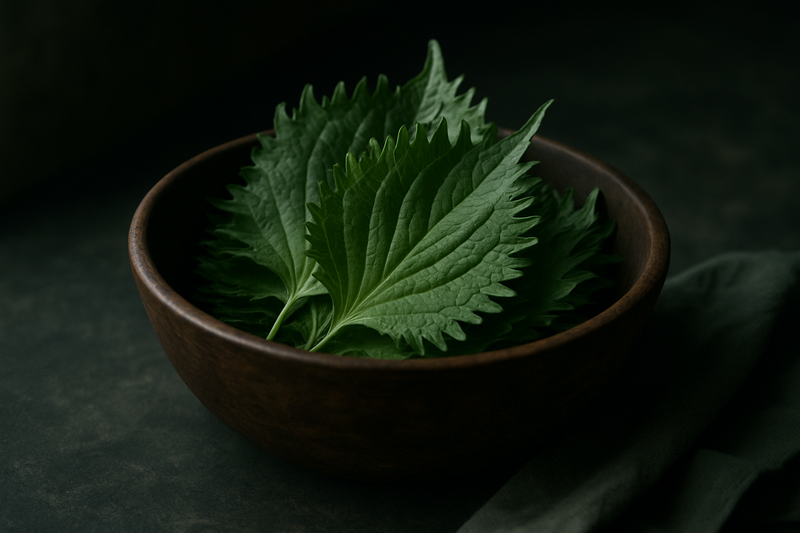
Shiso (Perilla Leaves) · Photograph
Discover the health benefits of shiso leaves, from digestive support and antioxidant compounds to anti-inflammatory properties. Learn how to use this fragrant Japanese and Korean herb-vegetable every day, plus nutrition facts, safety notes, and what the evidence actually shows.
Key Nutrients
% Daily Value based on 2,000 cal diet
Key active compounds in shiso leaves
- Rosmarinic acid — A polyphenolic ester (a compound formed from two plant acids joined together) found in many mint-family herbs. It is one of shiso's most studied compounds for antioxidant, anti-inflammatory, and anti-allergic activity.
- Luteolin — A flavone-type flavonoid (a subtype of plant polyphenol). Research shows it can inhibit pro-inflammatory signaling molecules including TNF-α, IL-1β, and IL-6, and may reduce mast cell activation involved in allergic responses.
- Apigenin — Another plant flavone with antioxidant and anti-inflammatory effects; also studied for neuroprotective (brain-protecting) properties in early research.
- Anthocyanins (including perilla anthocyanin) — The pigments that turn purple shiso its deep red-purple color. These flavonoids support antioxidant capacity and have been linked to vascular and anti-inflammatory benefits in broader nutrition research.
- Perillaldehyde and related monoterpenes — Aromatic compounds responsible for shiso's distinctive scent. They may have mild antimicrobial, antispasmodic (muscle-relaxing), and mood-supporting properties.
- Alpha-linolenic acid (ALA) — An omega-3 fatty acid present in small amounts in the leaves (and in larger amounts in perilla seeds). ALA supports cell membrane health and may contribute to anti-inflammatory effects.
Prep and pairing ideas
Shiso is one of the most versatile herb-vegetables in East Asian cooking, and it needs almost no preparation:
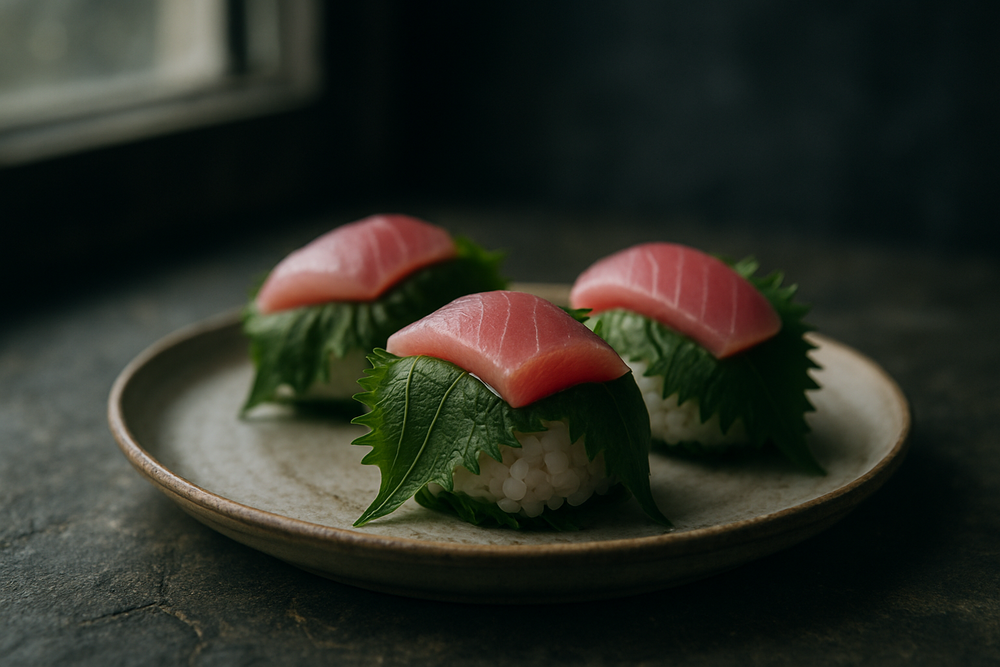
- As a wrap: Lay a whole leaf flat, add a small ball of sushi rice, a slice of sashimi or marinated tofu, and a dab of wasabi or miso. Fold and eat in one or two bites.
- Shredded into salads: Stack 5–6 leaves, roll them into a tight cylinder, and slice thinly (chiffonade). Scatter over cucumber salad, grain bowls, or cold noodles.
- Blended into a sauce or dressing: Blend fresh shiso with lemon juice, sesame oil, a clove of garlic, and a touch of soy sauce or miso for a vivid green dressing.
- Stirred into hot dishes at the end: Add shredded shiso to miso soup, ramen, or stir-fries in the final 30 seconds; heat dulls the color but preserves most polyphenols.
- As a seasoning: Dry leaves, crumble, and sprinkle over roasted vegetables or popcorn.
Common pairings and why they work
- Shiso + sesame — Sesame's rich, nutty fat helps absorb shiso's fat-soluble carotenoids (precursors to vitamin A), improving nutrient uptake. Classic in Korean kkaennip (sesame-marinated perilla leaf) banchan (side dish).
- Shiso + citrus (lemon, yuzu, or lime) — Acid brightens shiso's herbaceous flavor and also helps with iron absorption from the leaf's non-heme iron (plant-based iron, less readily absorbed than iron from meat). Squeeze citrus over any shiso salad.
- Shiso + ginger — Both are traditional digestive herbs in East Asian medicine. Combined in a tea or used together in a dressing, they make a soothing, gut-friendly pairing that also happens to taste excellent.
Bottom line
Shiso leaves are a nutrient-dense, extremely low-calorie herb-vegetable with one of the richer polyphenol profiles among common culinary greens. The compounds in these leaves — especially rosmarinic acid, luteolin, and anthocyanins — have real anti-inflammatory and antioxidant activity documented in the lab, and early human trials show meaningful benefits for digestive comfort, mild joint pain, and even cognition when concentrated extracts are used.
At a food level, shiso is safe to eat daily, delicious, and easy to incorporate into any plant-forward meal. It won't single-handedly prevent or treat disease, and the most convincing benefits in human trials use extracts well beyond culinary amounts. But as part of a consistent, varied, plant-rich diet, shiso earns its place for both its flavor and its phytochemical contribution.
If you want to explore shiso for a specific health concern beyond general diet quality, consider a standardized supplement as an addition — not a replacement — to food use, and loop in your healthcare provider.
How Shiso (Perilla Leaves) Compares
| Compared with | What's different |
|---|---|
| Shiso (Perilla Leaves) vs. Thai Basil | Shiso is brighter and citrusy, while basil is peppery and sweet with larger, smoother leaves. |
| Shiso (Perilla Leaves) vs. Spearmint | Shiso leaves have serrated edges and a complex mint-anise scent, while mint is simpler and cooler. |
Health Benefits
Things to Know
Culinary amounts are very safe: for most people, with decades of traditional use in East Asian cuisines supporting a strong safety record.
Mint-family allergy: If you react to basil, mint, lavender, or other Lamiaceae herbs, you may also react to shiso. Start with a small amount.
Pregnancy and breastfeeding: Culinary use is likely fine, but concentrated perilla supplements or extracts have limited safety data for these groups. Use food amounts only and check with your provider.
Anticoagulant medications (blood thinners like warfarin): High-dose perilla seed oil contains significant ALA and could theoretically affect bleeding risk. Culinary shiso leaf amounts are unlikely to matter, but tell your provider if you're considering supplements.
Antidiabetic medications: Some preclinical data suggest perilla compounds may influence blood sugar; if you take medication to control glucose, monitor as usual and inform your provider if adding supplements.
CNS-active medications: (antidepressants, cognitive enhancers): Perilla extracts have been studied for mood and cognition; no major interactions are documented, but concurrent use warrants awareness.
Pre-surgery: Avoid new or high-dose herbal supplements in the weeks before any procedure.
Chronic liver or kidney disease: Limited long-term safety data exist for concentrated extracts; food-level use is not a concern.
Prep Ideas
- — As a wrap: Lay a whole leaf flat, add a small ball of sushi rice, a slice of sashimi or marinated tofu, and a dab of wasabi or miso. Fold and eat in one or two bites.
- — Shredded into salads: Stack 5–6 leaves, roll them into a tight cylinder, and slice thinly (chiffonade). Scatter over cucumber salad, grain bowls, or cold noodles.
- — Blended into a sauce or dressing: Blend fresh shiso with lemon juice, sesame oil, a clove of garlic, and a touch of soy sauce or miso for a vivid green dressing.
- — Stirred into hot dishes at the end: Add shredded shiso to miso soup, ramen, or stir-fries in the final 30 seconds; heat dulls the color but preserves most polyphenols.
- — As a seasoning: Dry leaves, crumble, and sprinkle over roasted vegetables or popcorn.
- — Shiso + sesame — Sesame's rich, nutty fat helps absorb shiso's fat-soluble carotenoids (precursors to vitamin A), improving nutrient uptake. Classic in Korean kkaennip (sesame-marinated perilla leaf) banchan (side dish).
- — Shiso + citrus (lemon, yuzu, or lime) — Acid brightens shiso's herbaceous flavor and also helps with iron absorption from the leaf's non-heme iron (plant-based iron, less readily absorbed than iron from meat). Squeeze citrus over any shiso salad.
- — Shiso + ginger — Both are traditional digestive herbs in East Asian medicine. Combined in a tea or used together in a dressing, they make a soothing, gut-friendly pairing that also happens to taste excellent.
Glossary
Shop This Ingredient
Stock your pantry with quality shiso (perilla leaves).
Buy on AmazonAs an Amazon Associate, Plantopedia earns from qualifying purchases. This costs you nothing extra and helps us keep the encyclopedia free.
Frequently Asked Questions
Digestive health and gut comfort This is where the strongest human evidence sits. In a randomized, double-blind, placebo-controlled pilot trial (the gold standard for clinical research design) involving 50 adults aged 30–70 with functional gastrointestinal discomfort, participants taking a standardized perilla leaf extract for 4 weeks reported significantly less bloating, gas, rumbling, fullness, and abdominal discomfort compared to those taking a placebo. Stool frequency and consistency also improved, suggesting the extract positively influenced gut motility (how efficiently food moves through the digestive tract). A separate review of perilla's traditional use highlights its long history as a digestive herb in East Asia, with preparations traditionally used for nausea, stomach fullness, and gut spasm. Shiso leaves are not spicy or harsh, making them easy to add to meals even for people with sensitive stomachs. Important caveat: The trial used a concentrated extract, not fresh leaves. Benefits from everyday culinary amounts are plausible given the shared compounds, but have not been directly tested. Inflammation and recovery Shiso's anti-inflammatory reputation is backed by solid laboratory evidence. Studies show that perilla leaf extracts and isolated compounds — particularly rosmarinic acid and luteolin — reduce the activity of pro-inflammatory molecules including TNF-α, IL-1β, IL-6, IL-8, COX-2, and iNOS. These are key signaling proteins involved in the body's inflammatory response. In human terms: a randomized controlled trial in adults with mild knee pain found that 8 weeks of perilla leaf extract improved pain scores and physical function more than placebo. Interestingly, standard blood inflammation markers (like hs-CRP, a protein that rises during inflammation) didn't change significantly between groups, which suggests the benefit may come through pathways not captured by those markers. Overall, the anti-inflammatory evidence is best described as emerging in humans. The lab science is robust; human trials are fewer, shorter, and rely on extracts. As part of a regular diet, shiso contributes anti-inflammatory plant compounds alongside other foods — which is exactly how dietary patterns work. Antioxidant capacity and immune support Shiso's polyphenol profile, especially rosmarinic acid, luteolin, and anthocyanins, makes it one of the more antioxidant-dense culinary herbs available. Antioxidants help neutralize free radicals (unstable molecules that can damage cells) and support the immune system's ability to respond appropriately to threats. Research also suggests that luteolin from perilla leaves may inhibit the overactivation of mast cells — immune cells involved in allergic reactions and histamine release — which could be relevant for people dealing with seasonal allergies or skin sensitivity. These effects are well-characterized in cell studies; human trials for immune and allergy support specifically remain limited. Shiso leaves for perilla immune support align with broader evidence on polyphenol-rich diets and immune health, even where perilla-specific human trials are sparse. Heart and circulation Most cardiovascular research on perilla focuses on perilla seed oil (rich in ALA omega-3) rather than the leaves. Small human studies suggest potential effects on lipid profiles, but evidence is inconsistent. The leaves themselves provide a modest amount of ALA and a range of antioxidant compounds that, as part of a plant-rich diet, may support vascular health. In short: shiso leaves contribute positively to a heart-healthy diet, but should not be singled out as a heart remedy. The benefit here is dietary context, not a specific perilla effect. Blood sugar and metabolism Evidence is currently limited. Animal and cell studies suggest perilla compounds may influence glucose metabolism and insulin sensitivity (how efficiently cells respond to the blood sugar–regulating hormone insulin), but human trials have not shown meaningful effects on blood sugar or HbA1c (a 3-month average blood sugar marker). Culinary shiso contributes fiber and low-glycemic carbohydrates, which fit naturally within a blood-sugar-friendly eating pattern. Brain health and cognition This is an exciting and early area. A 12-week randomized, double-blind, placebo-controlled trial in 100 older adults with cognitive impairment found that 500 mg/day of a standardized purple perilla leaf extract significantly improved scores on validated cognitive tests (K-MMSE-2 and ADAS-Cog) compared to placebo. Tolerability was good, with no major safety concerns reported. This study is promising but preliminary. It used a highly concentrated extract, not dietary shiso. Larger, longer trials and independent replication are needed before any clinical recommendation can be made. For now, shiso as a brain-supportive herb is an intriguing area to watch.
Buying guide: fresh vs. dried vs. tea vs. extract Fresh shiso leaves are the most versatile form for everyday use and retain the full spectrum of vitamins (especially heat-sensitive vitamin C), fiber, and volatile aromatic compounds. Look for vibrant, unblemished leaves without yellowing or dark spots. Green shiso (also called ao-jiso) is milder; purple shiso (red shiso or aka-jiso) has a slightly more bitter, earthy flavor and higher anthocyanin content. Both are excellent. Label tip: At Asian grocery stores, shiso is often sold in small plastic-wrapped bunches of 10–20 leaves. Use within 3–5 days; store stems-down in a glass of water in the fridge, loosely covered. Dried shiso leaves and furikake (seasoning blends containing dried shiso) concentrate polyphenols and aroma compounds but lose some vitamin C and delicate volatiles. Great as a shelf-stable seasoning over rice, eggs, or avocado toast. Shiso or perilla herbal tea is a traditional preparation with limited human trial data. It may deliver some polyphenols in a gentler form — useful for digestive comfort. Standardized leaf extracts (capsules/tablets) are the forms used in clinical trials for digestion, joint pain, and cognition at doses around 300–500 mg/day. These deliver concentrated polyphenols beyond what culinary use provides. If you're considering a supplement, choose products from reputable brands with third-party testing and discuss with your healthcare provider. Perilla seed oil is nutritionally distinct from the leaves — it is rich in ALA omega-3 but contains very different amounts of the polyphenols found in shiso leaves. Do not treat them as interchangeable.
There is no established official daily intake for shiso leaves — they are a food, not a supplement, and are eaten to taste and appetite rather than dosed. Here's a practical framework: Culinary range: Most people in Japanese and Korean cooking use anywhere from 2–3 leaves as a garnish up to 10–20 g (roughly 10–20 medium leaves) as a vegetable component of a meal. Eating this amount daily is safe and consistent with longstanding dietary traditions. Start low if new: If you are new to shiso, begin with a few leaves to check for any sensitivity (especially if you react to other mint-family herbs). Increase gradually to your preferred amount. For supplement extracts: Clinical trials have used around 300–500 mg/day of standardized extract for 4–12 weeks. If you're considering an extract for a specific health goal (gut symptoms, joint pain), start with the lowest studied dose and discuss with your healthcare provider. A useful daily target: 6–15 fresh leaves per day (10–20 g) is a reasonable and pleasurable culinary goal. You can easily reach this by using shiso as a wrap at one meal, shredding leaves into a salad, or adding them to a noodle or rice bowl. There is no known upper limit for culinary shiso use. The concerns around high-dose perilla ketone toxicity seen in livestock relate to specific plant parts and concentrated preparations, not to everyday leaf consumption in humans.
Quick Answers
Common questions, answered in a line.
Shiso leaves are rich in rosmarinic acid, luteolin, apigenin, and anthocyanins, which provide potent antioxidant and anti-inflammatory effects. These plant compounds help inhibit pro-inflammatory signaling molecules and support vascular health. Additionally, the leaves contain alpha-linolenic acid (ALA), an omega-3 fatty acid that supports cell membrane health.
Shiso leaves can be eaten raw as wraps for sushi, shredded into salads (chiffonade), blended into dressings with sesame oil, or added to hot soups and stir-fries at the end of cooking. Drying and crumbling the leaves also creates a flavorful seasoning for roasted vegetables or popcorn. The herb is highly versatile and requires very little preparation.
Shiso leaves are often paired with sesame or citrus because these ingredients enhance the absorption of shiso's nutrients, such as fat-soluble carotenoids and non-heme iron. Combining shiso with ginger is another traditional pairing used to support digestive health. These combinations balance the herb's fragrance while maximizing its nutritional value.
Shiso is considered very safe for daily culinary consumption for most people, though those with allergies to the mint family (Lamiaceae) should exercise caution. If you are allergic to basil, mint, or lavender, you may also react to shiso. It is recommended to start with a small amount if you have known herb sensitivities.
Shiso leaves contain luteolin and rosmarinic acid, which have been studied for their ability to reduce mast cell activation and inhibit inflammatory responses. While culinary amounts are beneficial, human trials showing significant relief for allergies or joint pain typically utilize concentrated extracts. It is a nutrient-dense addition to an anti-inflammatory diet.
Shiso leaf extracts have been studied for their potential neuroprotective properties and mood-supporting effects, though they are not a replacement for medication. The aromatic compound perillaldehyde may offer mild mood support, and apigenin is being researched for its brain-protecting potential. Always consult a healthcare provider if you are taking CNS-active medications like antidepressants.
People taking blood thinners, antidiabetic medications, or CNS-active drugs should consult a doctor before using concentrated perilla supplements, though culinary amounts are generally fine. High-dose perilla seed oil contains ALA which could theoretically impact bleeding risk. It is also advised to avoid new herbal supplements before surgery.
For Readers in the USA
Local context — sourcing, seasonality, and regional notes.
You can find fresh shiso at H Mart, Mitsuwa Marketplace, and 99 Ranch Market, as well as at local farmers markets in states like California and New York. While rarely stocked at conventional grocers like Kroger or Safeway, it is increasingly available through specialty produce delivery services and upscale natural food co-ops.
In the U.S., shiso is typically in season from late spring through early autumn, particularly in USDA Hardiness Zones 6 through 10. While it thrives in the summer heat of the South and Midwest, greenhouse cultivation allows for a year-round supply in major metropolitan areas with high demand for East Asian produce.
While both are Perilla frutescens, American grocery stores often label the large, rounded Korean variety as "perilla leaves" and the smaller, jagged Japanese variety as "shiso." The Korean type is a staple for BBQ wraps and pickling, whereas the Japanese green or purple varieties are favored for sushi garnishes and tempura.
Look for the USDA Organic seal on shiso packaging to ensure the leaves were grown without synthetic pesticides or fertilizers. Because shiso is a specialty herb, you may also find "Certified Naturally Grown" labels at local farmers markets, which indicates the grower follows organic standards but may not have federal certification.
AI Clinical Review
- Clearly distinguishes food use from supplement dosing, noting that most clinical benefits were seen with standardized perilla leaf extracts rather than a few culinary leaves.
- Accurately highlights shiso’s notable polyphenols (rosmarinic acid, luteolin, apigenin, and anthocyanins) and places them in the context of mint-family herbs.
- Summarizes current human data well: best signals for digestive comfort, with smaller studies suggesting benefits for mild joint discomfort and early, promising cognition findings.
- Offers practical culinary guidance and pairings (e.g., sesame for carotenoid absorption; citrus to aid non‑heme iron uptake) that align with nutrition science.
- Human trials are few, small, and short in duration; most rely on concentrated, standardized extracts, so effects from everyday leaf portions remain uncertain.
- Cardio‑metabolic outcomes (lipids, blood sugar) are mixed and often pertain to perilla seed oil rather than the leaves; extrapolation to culinary shiso is limited.
- Immune and anti‑allergy mechanisms are well described in lab models, but robust clinical trials in humans are sparse.
- No established dietary “dose” for leaves exists; suggested daily leaf amounts are practical guidance, not evidence‑based thresholds.
- Culinary amounts are generally very safe, but individuals with mint‑family allergies (basil, mint, lavender) should introduce shiso cautiously.
- Pregnant or breastfeeding individuals should stick to food‑level intake; safety data for concentrated perilla extracts are limited.
- If you use medications such as anticoagulants (especially relevant to high‑dose perilla seed oil, not typical leaf use), antidiabetic agents, or CNS‑active drugs, discuss any supplement use with a clinician.
- Forms matter: perilla seed oil (rich in ALA omega‑3) is nutritionally different from leaf extracts (polyphenol‑rich). Clinical studies of digestion, joints, and cognition typically used standardized leaf extracts around 300–500 mg/day; such products should be chosen carefully and used with professional guidance.
Very safe in culinary amounts.
References
- USDA FoodData Central — Perilla leaves, raw (nutrition data) (fdc.nal.usda.gov)
- MyPlate.gov — Vegetables and plant-based eating guidance (myplate.gov)
- Randomized trial: Perilla leaf extract improves gastrointestinal discomfort (PMC4038823) (pmc.ncbi.nlm.nih.gov)
- Randomized controlled trial: Perilla frutescens extract for mild knee joint pain — Frontiers in Pharmacology 2023 (frontiersin.org)
- Randomized trial: Standardized purple perilla leaf extract in adults with cognitive impairment (PMC13029764) (pmc.ncbi.nlm.nih.gov)
- Anti-inflammatory effects of Perilla frutescens in human neutrophils — Nature Scientific Reports (PMC4677386) (pmc.ncbi.nlm.nih.gov)
- Anti-inflammatory and antipruritic effects of luteolin from perilla leaves (PMC6271665) (pmc.ncbi.nlm.nih.gov)
- Applications of Perilla frutescens extracts in clinical practice — Frontiers in Pharmacology review (PMC10045045) (pmc.ncbi.nlm.nih.gov)
- Comprehensive review: Perilla frutescens chemical composition and pharmacological activities (PMC11988686) (pmc.ncbi.nlm.nih.gov)
- Drugs.com monograph: Perilla — uses, safety, interactions, dosing (drugs.com)
Know Your Numbers
Eating healthy is a start. Now get to know your biomarkers.
Food changes bloodwork — inflammation, lipids, blood sugar and nutrient status all respond to what you eat. 59 markers from $59.
- Results in 7–10 days at 2,000+ Quest sites
- Licensed provider reviews every result
- One flat price, no membership, HSA/FSA eligible
Educational information only, not medical advice. Panels are ordered and reviewed through our licensed partner; Plantopedia may earn a commission.