Kalonji Seeds — health benefits and uses
A revered seed in Islamic and Unani tradition, historically praised as a near-universal remedy.
The Short Answer
Kalonji seeds, also known as black cumin or nigella, are aromatic spice seeds used to support blood sugar, heart health, and digestion. They contain the potent antioxidant thymoquinone and provide 2.3 mg of iron per teaspoon serving.
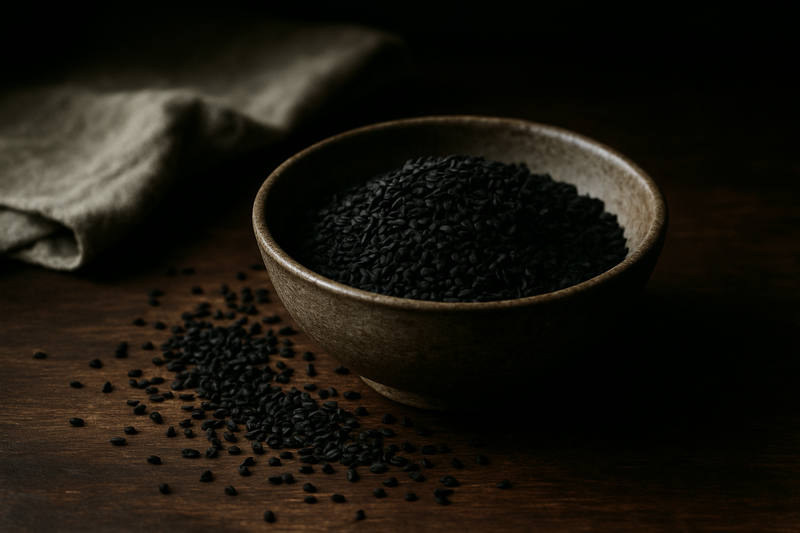
Kalonji Seeds · Photograph
Discover the science-backed kalonji seeds health benefits and side effects, from blood sugar and heart support to digestion. Learn how to use kalonji seeds in cooking, how much to take, and who should be cautious with kalonji oil.
Key Nutrients
% Daily Value based on 2,000 cal diet
Key active compounds in kalonji seeds
- Thymoquinone — The star compound, making up a large portion of kalonji's essential oil. Shown to act as an antioxidant and anti-inflammatory agent in cell studies and animal models; believed to drive most of kalonji's studied benefits.
- Thymohydroquinone — A related quinone with antioxidant and antimicrobial properties; may work alongside thymoquinone.
- Nigellidine and other alkaloids — Alkaloids (nitrogen-containing plant compounds) that may have neuromodulatory effects; research is mainly preclinical.
- Alpha-hederin and saponins — Saponins (soapy plant compounds) associated with immune-modulating effects in laboratory studies.
- Phenolic compounds and flavonoids — Broad class of plant antioxidants that contribute to kalonji's overall antioxidant capacity and complement a vegetable-rich diet.
Prep and pairing ideas
Tempering for naan and flatbreads: The most iconic use. Heat a little neutral oil or ghee in a small pan, add ½–1 tsp of whole kalonji seeds, and cook for 30–45 seconds until fragrant and popping. Brush over freshly baked naan or fold into the dough before baking. The heat releases aromatic volatile oils and softens the seeds' slightly sharp bite.
Vegetable pickles (achaar): Kalonji is a cornerstone of many Indian pickling spice blends. Add a teaspoon to the mustard-oil pickling base along with fenugreek, fennel, and chilli. The seeds' slightly bitter, peppery note balances the tartness of mango, lime, or cauliflower.
Samosa pastry and filling: Press a few seeds into the pastry crust before sealing, or mix into the spiced potato filling. Their mild crunch and flavour complement cumin and coriander well.
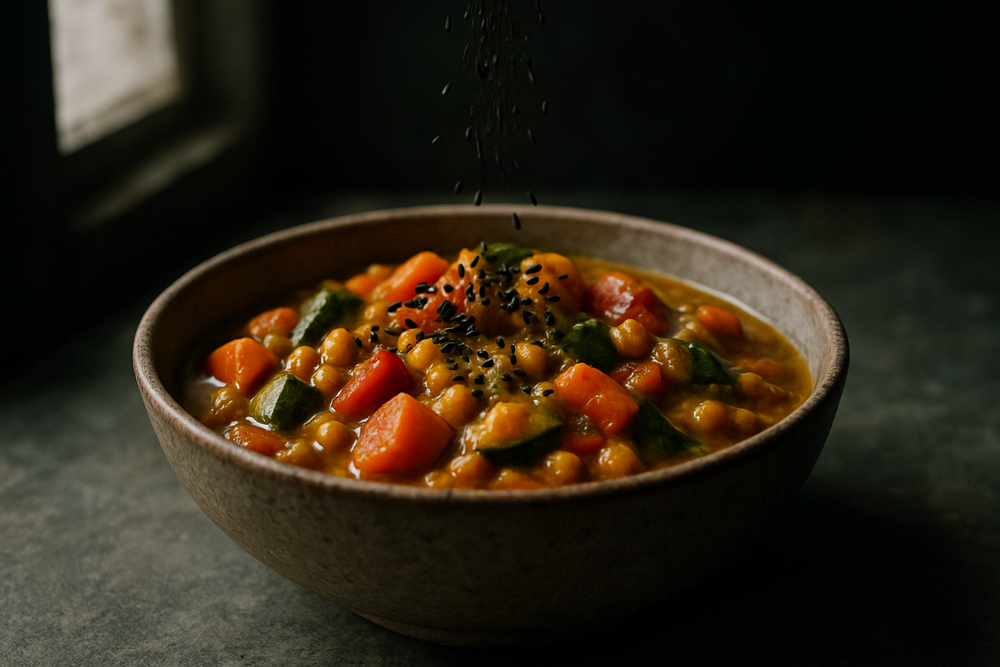
Dal and lentil soups: A classic tarka (tempering) for red lentil dal includes kalonji alongside mustard seeds and curry leaves fried in oil and poured over the finished dish.
Egg dishes and roasted vegetables: Scatter whole seeds over roasted root vegetables, or stir into a scrambled egg or tofu scramble. The earthy note works especially well with squash, carrots, and beetroot.
Bottom line
Kalonji seeds are one of those rare ingredients that genuinely straddle the line between kitchen staple and functional food. The cultural evidence for their value stretches back millennia; modern science is building a modest but meaningful case for their benefits on blood sugar, blood fats, and blood pressure — primarily at supplemental doses. At the culinary level — a teaspoon of seeds tempered in oil and pressed into warm naan or stirred into pickle — you are getting real minerals, antioxidants, and flavour with essentially no downside for most people.
The place to be thoughtful is with concentrated kalonji oil or high-dose powders, particularly if you are managing diabetes or blood pressure with medication. In those cases, the additive effect of kalonji on glucose and pressure can be genuinely useful but also requires medical coordination. Treat oil as a supplement; treat whole seeds as a spice you can cook with freely.
If you are simply looking for more ways to build a varied, plant-rich diet, kalonji seeds are an easy, flavourful yes.
How Kalonji Seeds Compares
| Compared with | What's different |
|---|---|
| Kalonji Seeds vs. Black Sesame Seeds | Kalonji is pungent and peppery, while black sesame is nutty, oily, and slightly sweet. |
| Kalonji Seeds vs. True Onion Seeds | Kalonji has an onion-like aroma and triangular shape; onion seeds are flatter and less medicinal. |
| Kalonji Seeds vs. Poppy Seeds | Kalonji provides a sharp, bitter bite, whereas poppy seeds are mild, nutty, and used for texture. |
Health Benefits
Things to Know
Pregnancy: Traditional sources explicitly caution against therapeutic doses of kalonji during pregnancy. Culinary amounts — a pinch on bread — have not been formally studied but are likely low-risk; concentrated oil or high-dose powder should be avoided.
Low blood pressure or antihypertensive medication: Kalonji oil and high-dose supplements can further lower blood pressure, creating an additive effect with drugs such as ACE inhibitors, beta-blockers, and diuretics.
Diabetes medication (insulin, metformin, sulfonylureas): Supplemental kalonji may enhance glucose-lowering. This is useful, but it also raises the risk of hypoglycaemia (low blood sugar) if medication doses are not adjusted.
Anticoagulants and blood thinners (warfarin, aspirin, clopidogrel): Limited data suggest possible effects on platelet function and clotting; caution is sensible until more is known.
Epilepsy medication: Nigella sativa has been explored experimentally in neurological conditions, so combining with antiepileptic drugs warrants medical supervision.
Seed or spice allergies: As with sesame or mustard seeds, allergic reactions are possible. If you have known seed allergies, introduce kalonji cautiously.
Whole culinary seeds are safe for most adults: at typical food amounts. Concentrated oil carries more risk and should be treated as a supplement.
Glossary
Shop This Ingredient
Stock your pantry with quality kalonji seeds.
Buy on AmazonAs an Amazon Associate, Plantopedia earns from qualifying purchases. This costs you nothing extra and helps us keep the encyclopedia free.
Frequently Asked Questions
Heart and circulation Several small human trials have tested kalonji seed powder or oil in people with metabolic syndrome (a cluster of risk factors including high blood pressure, elevated blood fats, and central obesity). Results show modest but statistically meaningful improvements in total cholesterol, LDL ("bad") cholesterol, triglycerides, and blood pressure — typically with 1–3 g/day of seed powder or 500–2,000 mg/day of kalonji oil over 8–12 weeks. To be clear about scale: these effects are real but small compared with prescribed medications, and most studies enrolled fewer than 100 participants. There are no large, long-term trials measuring hard outcomes like heart attacks or strokes. Culinary use — a teaspoon of whole seeds on bread — delivers far less thymoquinone than trial doses and is better thought of as a mineral and antioxidant contribution to an overall heart-healthy diet. Digestive health and gut comfort Traditional Ayurvedic and Unani medicine has used kalonji for bloating, gas, and mild indigestion for centuries — often combined with honey, ginger, or warm water. Modern clinical evidence specifically targeting digestion is thin: there are no well-designed randomised trials on kalonji for irritable bowel syndrome or functional dyspepsia. What kalonji does provide is dietary fibre and aromatic volatile oils, both of which may support gut comfort in the context of a varied plant-based diet. The act of tempering whole seeds in oil — briefly frying them until they pop and release their fragrance — enhances bioavailability of fat-soluble compounds and makes the seeds easier to digest. For most people, culinary use is very well tolerated. Blood sugar and metabolism This is one of the better-studied areas. Clinical monographs and aggregated trial data indicate that kalonji seed powder or oil can modestly lower fasting blood glucose and, in some studies, improve HbA1c (a 2–3 month average of blood sugar control) in people with type 2 diabetes when added to standard care. The key word is added to — kalonji is not a replacement for prescribed medication. A landmark 2009 trial published in the Journal of Endocrinology and Metabolism (Bamosa et al., PubMed 19500003) found that powdered Nigella sativa improved multiple metabolic markers in patients with type 2 diabetes over 12 weeks. Effect sizes were clinically meaningful but modest, and this is broadly representative of the field: encouraging, preliminary, and not yet confirmed by large independent replication. Inflammation and recovery Thymoquinone's anti-inflammatory credentials are well established in cell and animal research: it modulates inflammatory signalling molecules called cytokines and reduces markers of oxidative stress. Human data are more limited. Small studies in rheumatoid arthritis and metabolic syndrome have reported symptom improvements and reductions in inflammatory blood markers, but the evidence base is heterogeneous and cannot yet support firm recommendations. At culinary doses, kalonji's anti-inflammatory contribution is likely modest — meaningful as part of a broader dietary pattern rich in plants, but not a standalone intervention.
The answer depends entirely on what you are trying to achieve. Whole seeds (culinary use): This is the safest, most culturally authentic approach. Tempering a teaspoon of kalonji in a little hot oil before adding to naan dough, samosa filling, or pickle brine extracts the aromatic compounds and distributes them through the dish. You get flavour, fibre, minerals, and a background dose of antioxidants — all without meaningful risk for most people. Powdered seeds: Ground kalonji mixes into smoothies, honey, or capsules. Most human trials use 1–3 g/day of powder (roughly ½–1 tsp). This is the form to consider if you want something closer to a studied therapeutic dose, though it is still modest. Kalonji oil (cold-pressed seed oil): This is a concentrated source of thymoquinone. Clinical studies use 500–2,000 mg/day (approximately 1–2.5 mL). At these amounts, meaningful reductions in blood pressure and blood sugar are more likely — but so are interactions with medication. Start low, involve your doctor, and treat this as a supplement, not a cooking ingredient. Traditional herbal mixtures: Ayurvedic and Unani preparations often combine kalonji with honey, ginger, or other herbs. These are culturally significant and generally low-risk at traditional doses, but modern clinical evidence for complex formulations is limited.
The everyday cook adding dietary variety Wants flavour complexity without extra salt or processed flavourings Benefits from the mineral contribution (iron, calcium, potassium) on a plant-forward plate Can use kalonji freely as a spice with no medical oversight needed The person managing blood sugar or cholesterol through diet and lifestyle May want to try powdered seeds (1–2 g/day) as part of a broader whole-food approach Should discuss kalonji with their doctor if on medication, given modest but real glucose- and lipid-lowering potential Benefits most when kalonji is one tool among many: varied vegetables, legumes, whole grains, and movement
Culinary whole seeds: ½–2 teaspoons (roughly 1–5 g) per day is typical across Indian and Middle Eastern recipes. This is where to start — you get genuine food-level benefits with negligible risk. Powdered seeds: 1–3 g/day (about ½–1 teaspoon) is the range used in most clinical trials for metabolic outcomes. Ayurvedic tradition sets a maximum of approximately 6 g/day. Start at the lower end and assess tolerance over a few weeks. Kalonji oil: 500–2,000 mg/day (1–2.5 mL) is the range used in supplement studies. Because this is a concentrated preparation with meaningful effects on blood pressure and blood sugar, treat it as a supplement and involve a healthcare provider before starting. General principle: More is not always better. Many of kalonji's benefits are shown at modest doses, and the safety profile is best established at culinary to low-supplement levels. Higher doses of oil in particular carry interaction risks that are not fully characterised.
Quick Answers
Common questions, answered in a line.
Kalonji seeds contain thymoquinone, thymohydroquinone, nigellidine, and various saponins like alpha-hederin. These active compounds provide the seeds with their antioxidant, anti-inflammatory, and antimicrobial properties. Thymoquinone is considered the primary driver of most studied benefits.
You can add kalonji seeds to naan, vegetable pickles (achaar), samosa fillings, dal, egg dishes, and roasted root vegetables. To unlock their flavor, temper 1/2–1 teaspoon of seeds in hot oil or ghee for 30–45 seconds before adding them to your dish.
Kalonji may lower blood sugar and blood pressure, which can cause additive effects if you are already taking medications for diabetes or hypertension. It might also interact with blood thinners, anticoagulants, and epilepsy medications due to its impact on clotting and neurological pathways.
Kalonji seeds offer a slightly bitter, peppery, and earthy flavor profile that works well with aromatic spices like cumin and coriander. The seeds have a mild crunch and are often described as having a sharp bite that softens when tempered in heat.
It is recommended to avoid therapeutic doses, concentrated oil, or high-dose powders of kalonji during pregnancy. While culinary amounts found on bread are generally considered low-risk, traditional sources specifically caution against using medicinal quantities during this time.
Kalonji seeds provide minerals, antioxidants, and anti-inflammatory compounds that support blood sugar management and heart health. They are also used to aid digestion and provide immune-modulating effects through their natural saponins and phenolic compounds.
For Readers in the USA
Local context — sourcing, seasonality, and regional notes.
You can find kalonji seeds at major US grocery chains like Whole Foods and Sprouts, often labeled as "nigella seeds" or "black cumin," or at local Indian and Middle Eastern markets. Many American consumers also purchase high-quality organic versions through online retailers like Amazon or specialty spice purveyors.
In the U.S., kalonji seeds are most commonly known as "nigella seeds," but you may also see them marketed as "black onion seeds" or "black cumin" despite not being related to onions or cumin. These regional naming differences can make them tricky to find in standard American spice aisles without checking for multiple labels.
While the Nigella sativa plant prefers warmer climates like USDA zones 8-11, many American home gardeners successfully grow it as a hardy annual across most of the United States. Seeds are typically sown in early spring and harvested in mid-to-late summer once the decorative seed pods have dried and turned brown.
The FDA regulates kalonji oil as a dietary supplement, meaning it is not evaluated for safety or effectiveness before it hits the market, unlike pharmaceutical drugs. Look for products with third-party seals like USP or NSF to ensure the oil contains the ingredients listed on the label without contaminants.
AI Clinical Review
- Clearly distinguishes culinary use from supplemental dosing, noting that most benefits seen in studies occur with powders or oils rather than a sprinkle of seeds.
- Accurately summarizes human data showing modest improvements in blood sugar, cholesterol, and blood pressure over about 8–12 weeks with 1–3 g/day seed powder or ~500–2,000 mg/day oil.
- Identifies thymoquinone as a key bioactive and frames kalonji as an adjunct to (not a replacement for) standard medical care.
- Offers practical, culturally authentic ways to cook with whole seeds, which are generally safe for most adults at food-level amounts.
- Most clinical trials are small and short-term; there are no large studies showing reductions in heart attacks, strokes, or other hard outcomes.
- Product variability and a lack of standardization (e.g., thymoquinone content) make it hard to compare studies or translate findings to specific brands.
- Digestive benefits are largely traditional claims; rigorous randomized trials for IBS, dyspepsia, or microbiome outcomes are limited.
- Anti-inflammatory findings in humans are heterogeneous; biomarker changes don’t always translate into clear symptom or disease improvements, especially at culinary doses.
- Interactions: kalonji (especially oil) can lower blood glucose and blood pressure—check with a clinician if you use insulin, oral diabetes meds, or antihypertensives; monitor for hypoglycemia or lightheadedness.
- Pregnancy and lactation: avoid high-dose powders or oils during pregnancy; culinary amounts are likely low risk but data are limited—seek personalized advice.
- Dosing and form: culinary whole seeds (about ½–2 tsp/day) are a low-risk starting point; if supplementing, typical study ranges are 1–3 g/day powder or 500–2,000 mg/day oil. Treat oil as a supplement and look for third‑party testing due to potency variability.
- Allergies and bleeding: rare seed/spice allergies can occur; because of potential effects on platelets, use caution with anticoagulants or antiplatelet drugs until more is known.
Culinary amounts are safe; concentrated oil can lower blood pressure and sugar.
References
- USDA FoodData Central — Nigella sativa seed nutrient data (fdc.nal.usda.gov)
- Bamosa et al. (2010) — Human RCT: powdered Nigella sativa in type 2 diabetes, metabolic markers (pubmed.ncbi.nlm.nih.gov)
- Drugs.com Herbal Database — Kalonji: uses, evidence, safety, and interactions (drugs.com)
- Science.gov topic compilation — Nigella sativa kalonji: research overview (science.gov)
- NutritionValue.org — Kalonji / Black Cumin / Nigella sativa seeds, nutrition profile (nutritionvalue.org)
- AyurTimes — Kalonji: traditional use, dosage, and safety review (ayurtimes.com)
- Healthline — 9 Impressive Health Benefits of Kalonji (Nigella Seeds) (healthline.com)
- MyPlate (USDA) — Protein foods group guidance (myplate.gov)
- Redcliffe Labs — Kalonji seeds: benefits, side effects, and dosage overview (redcliffelabs.com)
- Organicsphere — Black cumin seeds: phytochemical and nutritional profile (organicsphere.com)
Know Your Numbers
Eating healthy is a start. Now get to know your biomarkers.
Food changes bloodwork — inflammation, lipids, blood sugar and nutrient status all respond to what you eat. 59 markers from $59.
- Results in 7–10 days at 2,000+ Quest sites
- Licensed provider reviews every result
- One flat price, no membership, HSA/FSA eligible
Educational information only, not medical advice. Panels are ordered and reviewed through our licensed partner; Plantopedia may earn a commission.