Dried Lime (Loomi / Black Lime) — health benefits and uses
Used in Middle Eastern tradition as a sour digestive.
The Short Answer
Dried lime, also known as loomi, is a staple Middle Eastern spice made by boiling and sun-drying limes until they turn dark and brittle. It adds a unique sour, earthy, and slightly smoky flavor to stews and soups that fresh citrus cannot replicate.

Dried Lime (Loomi / Black Lime) · Photograph
Discover dried lime (black lime / loomi) health benefits, antioxidant properties, nutrition facts, and how to use this tangy Middle Eastern spice in Persian and Gulf stews. Includes safety tips, evidence-based insights, and expert prep guidance.
Key Nutrients
% Daily Value based on 2,000 cal diet
Key active compounds in dried lime
Because loomi is made from the whole fruit — peel, albedo (the white pith), and flesh — it retains a wider range of plant compounds than juice alone.
- Citrus flavanones — especially hesperidin, naringin, and eriocitrin: A class of polyphenols (plant-based antioxidants) concentrated in citrus peel and albedo. Research links these compounds to improvements in endothelial function (the health of the inner lining of blood vessels) and modest reductions in blood pressure in clinical trials using supplements.
- Limonoids (e.g., limonin): Triterpenoid compounds — a type of naturally occurring plant chemical with a complex ring structure — found in citrus seeds and peel. They contribute to lime's characteristic bitterness. Preclinical (lab and animal) studies suggest anti-inflammatory and cholesterol-related effects, but human data are limited.
- Citric acid and other organic acids: Responsible for tartness. These acids lower the pH of cooking liquid, which can influence digestion and food preservation.
- Citrus essential oils (including D-limonene and related terpenes): Volatile aromatic compounds concentrated in the peel. They give loomi its distinctive fragrance and have shown mild antimicrobial and antioxidant effects in laboratory studies.
- Vitamin C (ascorbic acid): Present in fresh lime; partially degraded by the drying and cooking process, so loomi contributes less vitamin C than an equivalent amount of fresh lime.
- Folate (vitamin B9): Present in small amounts in fresh lime; similarly reduced by heat and drying.
Prep and pairing ideas
Buying guide
When shopping for dried lime, look for:
- Color and weight: Good loomi ranges from tan to dark brown or nearly black. The darker the color, the more intense and fermented the flavor. Lighter loomi tends to be milder and slightly more citrusy. Both are valid — it depends on the dish.
- Sound: Shake a lime near your ear. A good rattle means the interior has dried out properly. A muffled sound may mean residual moisture and potential mold.
- Packaging: Buy from Middle Eastern or South Asian grocery stores where turnover is high. Vacuum-sealed bags preserve flavor longer than open bins.
- Ground powder: Check that the only ingredient is dried lime (sometimes listed as "lemon omani" or "black lime powder"). Some blends add salt or other spices — fine if that's what you want, but worth knowing.
- Storage: Keep whole dried limes in an airtight container in a cool, dark place. They keep for 12 to 18 months. Ground powder loses its punch faster; use within 6 months of opening.
Common pairings
- Loomi + lamb + chickpeas — The classic Persian and Gulf pairing. The lamb's richness is cut by the tartness of loomi, while chickpeas absorb the flavored broth. Pierce 2 to 3 whole limes and add them with the meat in the first 30 minutes of cooking.
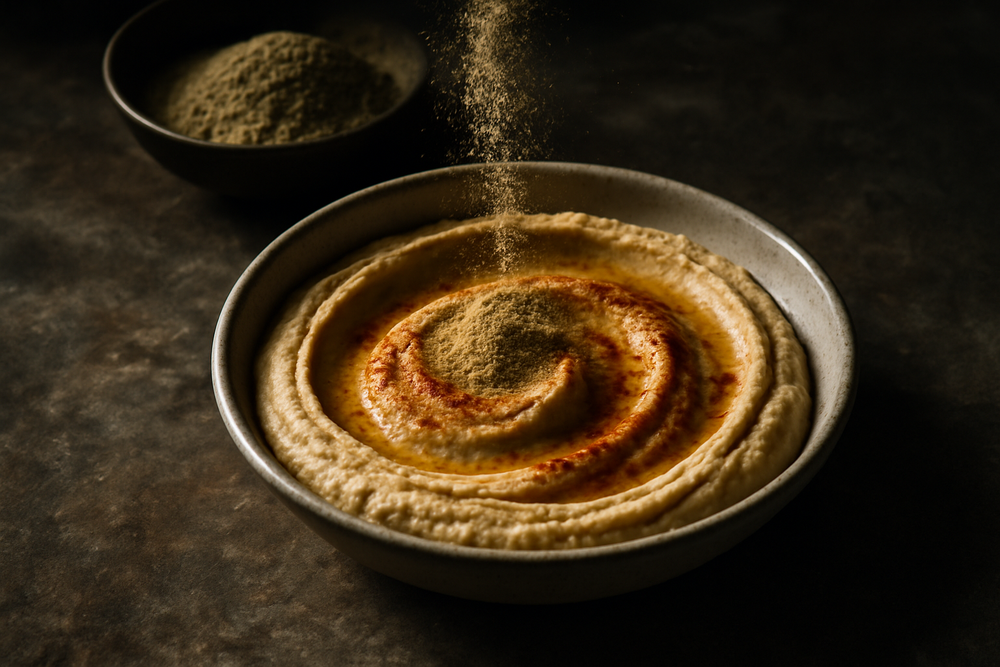
- Ground dried lime powder + hummus — Finish a bowl of hummus with a dusting of loomi powder, a drizzle of olive oil, and a pinch of smoked paprika. The tang brightens the earthy tahini and cuts through the richness of the oil.
- Loomi + fish + saffron rice — In Gulf-style machboos (a spiced rice dish), dried lime is a traditional companion to white fish and saffron. The lime's acidity balances the floral sweetness of saffron and the richness of the fish. Add a cracked lime to the rice cooking water along with the spices.
Bottom line
Dried lime (black lime / loomi) is a genuinely unique culinary spice that brings centuries of Middle Eastern cooking tradition and real flavor complexity to the table. Made from whole Citrus aurantifolia, it retains the peel's natural flavonoids, aromatic oils, and organic acids — compounds that research links to heart health and antioxidant activity when consumed at supplement doses.
As a kitchen ingredient, loomi is best understood as a flavor enhancer and part of a whole-food dietary pattern, not a standalone health intervention. The evidence base for direct therapeutic effects from culinary amounts is limited. What is clear is that it is safe to use regularly in food, it adds depth and brightness to dishes without added sugar, salt, or fat, and it fits beautifully into plant-forward cooking.
Pierce it, simmer it, and remove it before you eat — then dust a little ground powder on your hummus for good measure.
Explore more plant-based cooking by visiting /goals to find ingredients matched to your specific health goals.
How Dried Lime (Loomi / Black Lime) Compares
| Compared with | What's different |
|---|---|
| Dried Lime (Loomi / Black Lime) vs. Fresh Lime | Fresh lime is sour and bright, while dried lime is earthy, musky, and fermented. |
| Dried Lime (Loomi / Black Lime) vs. Sumac | Sumac has a mild, fruity tartness, whereas dried lime is much more bitter and intense. |
| Dried Lime (Loomi / Black Lime) vs. Lemon Omani | Lemon omani is usually tan and milder, while black lime is deeply fermented and smoky. |
Health Benefits
Things to Know
Remove whole limes before eating.: The whole fruit poses a choking risk and the peel and seeds are intensely bitter and fibrous when chewed. This is the single most important practical safety point for loomi.
Acid reflux (GERD) caution.: If you have gastroesophageal reflux disease or are prone to heartburn, highly acidic dishes or lime-based beverages may worsen symptoms. Simmered stews are generally milder than straight lime juice, but pay attention to your own tolerance.
Dental erosion risk from lime juice.: Multiple studies document that fresh lime juice — with its very low pH — can soften and erode tooth enamel with frequent or prolonged exposure. This applies primarily to sipping lime juice or lime water, not to eating a cooked stew. If you drink dried lime tea regularly, use a straw and rinse with plain water afterward.
Citrus allergy or oral allergy syndrome.: If you react to citrus in general, dried lime carries the same proteins and compounds.
Kidney stone history.: People with a history of calcium oxalate kidney stones should not take high-dose vitamin C supplements without medical advice. Culinary amounts from food are generally not a concern per the NIH's Office of Dietary Supplements.
Medication interactions.: Culinary dried lime at normal cooking amounts has no well-documented significant drug interactions. However, if you are considering high-dose citrus flavonoid supplements (rather than kitchen use of loomi), discuss with your clinician, particularly if you take medications affected by grapefruit or if you are in cancer treatment using high-dose vitamin C.
Pregnancy.: Dried lime as a culinary spice is generally considered safe in normal food amounts. High-dose citrus flavonoid supplements have not been adequately studied in pregnancy, so stick to culinary use.
Prep Ideas
- — Color and weight: Good loomi ranges from tan to dark brown or nearly black. The darker the color, the more intense and fermented the flavor. Lighter loomi tends to be milder and slightly more citrusy. Both are valid — it depends on the dish.
- — Sound: Shake a lime near your ear. A good rattle means the interior has dried out properly. A muffled sound may mean residual moisture and potential mold.
- — Packaging: Buy from Middle Eastern or South Asian grocery stores where turnover is high. Vacuum-sealed bags preserve flavor longer than open bins.
- — Ground powder: Check that the only ingredient is dried lime (sometimes listed as "lemon omani" or "black lime powder"). Some blends add salt or other spices — fine if that's what you want, but worth knowing.
- — Storage: Keep whole dried limes in an airtight container in a cool, dark place. They keep for 12 to 18 months. Ground powder loses its punch faster; use within 6 months of opening.
- — Loomi + lamb + chickpeas — The classic Persian and Gulf pairing. The lamb's richness is cut by the tartness of loomi, while chickpeas absorb the flavored broth. Pierce 2 to 3 whole limes and add them with the meat in the first 30 minutes of cooking.
- — Ground dried lime powder + hummus — Finish a bowl of hummus with a dusting of loomi powder, a drizzle of olive oil, and a pinch of smoked paprika. The tang brightens the earthy tahini and cuts through the richness of the oil.
- — Loomi + fish + saffron rice — In Gulf-style machboos (a spiced rice dish), dried lime is a traditional companion to white fish and saffron. The lime's acidity balances the floral sweetness of saffron and the richness of the fish. Add a cracked lime to the rice cooking water along with the spices.
Glossary
Shop This Ingredient
Stock your pantry with quality dried lime (loomi / black lime).
Buy on AmazonAs an Amazon Associate, Plantopedia earns from qualifying purchases. This costs you nothing extra and helps us keep the encyclopedia free.
Frequently Asked Questions
Research on dried lime specifically is sparse; most evidence comes from studies on fresh lime juice, citrus fruit broadly, and standardized citrus flavonoid supplements. The benefits below reflect what science says about the plant's active compounds, with honest notes on how well this translates to culinary loomi use. Heart and circulation Several randomized controlled trials (RCTs — studies where participants are randomly assigned to a treatment or placebo group) and meta-analyses (statistical pooling of multiple studies) show that citrus flavonoid supplements can support cardiovascular health markers. A 2024 dose-response meta-analysis of eight RCTs involving 596 participants found that citrus flavonoid supplementation improved flow-mediated dilation — a measure of how well arteries expand in response to blood flow, used as a marker of endothelial function — by about 2.75 percentage points versus placebo. Each 200 mg per day increment of flavonoids was associated with approximately a 1% further improvement in this marker. Smaller human studies using fresh lime juice in adults with high cholesterol (hypercholesterolemia) have reported reductions in total cholesterol, though these trials are short, often combine lime with other foods like tomato, and have limited methodology reporting. A systematic review of hesperidin — a key citrus flavanone — found improved endothelial function in trials but inconsistent effects on fasting blood lipids. The honest nuance: Loomi as a culinary spice delivers far less flavonoid exposure than the hundreds of milligrams per day used in supplement trials. Positioning dried lime as part of a heart-friendly, citrus-rich dietary pattern is reasonable; claiming it directly lowers cholesterol or blood pressure is not supported by current evidence. Digestive health and microbiome Traditional medicine across Iran, Oman, and the Gulf has long used dried lime infusions and stews as digestive aids — to settle the stomach, relieve gas, and ease indigestion. From a mechanistic standpoint (how something might work based on its chemistry), this makes some sense: the organic acids in loomi lower the pH of cooking liquid, which may gently stimulate gastric secretion (stomach acid production). The bitter compounds from the peel may also support bile flow, a mechanism seen with other citrus peel preparations in laboratory research. Fresh lime contains about 2.8 g of dietary fiber per 100 g, which supports bowel regularity and feeds beneficial gut bacteria (the microbiome). However, because loomi is typically simmered and removed, most of its fiber stays inside the fruit and does not meaningfully enter the dish. Ground dried lime powder, by contrast, delivers more direct fiber contact. The honest nuance: No controlled human trials specifically test dried lime for digestive outcomes such as irritable bowel syndrome (IBS), dyspepsia (indigestion), or constipation. Evidence for digestive support from loomi is largely traditional and mechanistic. Blood sugar and metabolism Observational studies (research tracking people's diets and health over time without intervening) link higher habitual citrus flavanone intake to lower rates of metabolic syndrome — a cluster of risk factors including high blood sugar, high blood pressure, excess waist fat, and abnormal blood lipids. A systematic review of hesperidin trials found improved endothelial function but no consistent effects on fasting glucose (blood sugar after overnight fasting) in humans. The honest nuance: No controlled human trials have tested dried lime or loomi specifically for blood glucose or diabetes management. Citrus flavonoid supplements used in RCTs generally provide several hundred milligrams per day — far more than what a few loomi in a pot of stew would deliver. Dried lime can fit naturally into a diet emphasizing whole plants and minimally processed foods, which as a pattern supports metabolic health. Inflammation and recovery Reviews of citrus flavonoids describe antioxidant effects and modulation of inflammatory pathways in preclinical models (cell cultures and animals) and link citrus intake to reduced markers of oxidative stress in some human studies. The 2024 meta-analysis on endothelial function, mentioned above, suggests real cardiovascular benefits from flavonoid-rich citrus at supplement doses. A small human crossover trial using a standardized Citrus aurantifolia fruit rind extract (combined with cocoa) in overweight adults over 14 days found no significant safety concerns, supporting the general short-term tolerability of lime rind preparations — though this was a specific extract, not culinary dried lime. The honest nuance: Direct human evidence that dried lime reduces systemic inflammatory conditions is absent. Anti-inflammatory messaging for loomi should stay in the lane of "supportive of an antioxidant-rich diet overall." Immune support Vitamin C is an essential nutrient well established to support immune function — including the integrity of skin and mucosal barriers, white blood cell activity, and antioxidant defense. Fresh lime provides about 29 mg of vitamin C per 100 g (roughly 32% of the daily value). The NIH's Office of Dietary Supplements confirms that intakes at or above the Recommended Dietary Allowance (RDA) support normal immune function. Drying and prolonged cooking substantially reduce vitamin C content, so dried lime contributes less of this nutrient to a dish than fresh lime does. As a culinary ingredient used in small amounts and removed before eating, loomi's direct immune-support role is limited. The honest nuance: For vitamin C and immune support, fresh lime and other fresh citrus fruits are far more effective sources. Dried lime supports overall dietary variety and flavor — which encourages eating more vegetables and whole foods — but it should not be positioned as an immune supplement.
Loomi comes in a few forms, and the right one depends on what you're cooking: Whole dried lime (loomi / black lime): The classic format. Pierce the dried lime 3 to 4 times with a skewer, or crack it with the flat of a knife, before dropping it into a simmering pot. This allows the cooking liquid to enter and extract flavor without the fruit breaking apart and making the dish gritty. Remove before serving. Cracked or quartered dried lime: Splitting the lime exposes more of the inner flesh, giving a stronger, more fermented-tangy flavor. Good for deeply flavored stews or when you want a more assertive sourness. Still remove before serving. Ground dried lime powder: The most versatile form for finishing dishes. Sprinkle it on hummus, roasted vegetables, grilled fish, or yogurt. This is the only form where you consume the peel and flesh directly, so it delivers the most direct (though still small) dose of flavonoids and fiber. Dried lime tea (infusion): Whole or cracked dried limes steeped in hot water for 10 to 15 minutes. This is a traditional remedy for digestive discomfort and mild colds across the Gulf region. No controlled human clinical data exist on this specific preparation, but it is a low-risk way to explore the flavor and mild soothing properties of loomi.
There is no established clinical dose for loomi as a health supplement — because it is a culinary spice, not a supplement. Here is what's practical: Culinary cooking: 1 to 3 whole dried limes per pot of stew or rice (serving 4 to 6 people). This is standard in Persian and Gulf recipes and considered safe for all adults in good health. Ground powder: About ½ to 1 teaspoon per serving, used as a finishing spice. This is where you get the most direct contact with the peel's flavonoids. Dried lime tea: 1 to 2 whole or cracked limes steeped in 2 cups of hot water for 10 to 15 minutes is a common traditional preparation. One to two cups per day is a reasonable starting point if you are using it for mild digestive comfort. Start low: If your stomach is sensitive to acidity, start with less and gauge your response. What clinical trials actually use: RCTs showing cardiovascular benefits from citrus flavonoids typically use several hundred milligrams per day of standardized extracts — equivalent to far more citrus than culinary loomi provides. The spice cannot be expected to replicate supplement-level effects. The bigger picture: More benefit comes from building a diet consistently rich in whole fruits, vegetables, legumes, and whole grains than from any single spice. Loomi is a delicious and culturally rich way to add citrus-forward flavor to dishes in that pattern. If you are considering citrus flavonoid supplements specifically for a health condition, consult a registered dietitian or physician.
Quick Answers
Common questions, answered in a line.
Dried lime contains citrus flavanones, limonoids, citric acid, and essential oils that support heart health and provide antioxidant effects. These compounds, particularly hesperidin and naringin, are concentrated in the peel and pith and are linked to improved blood vessel function.
Whole dried limes should be stored in an airtight container in a cool, dark place for 12 to 18 months. If you are using ground loomi powder, it is best to use it within 6 months of opening as it loses its flavor intensity faster than whole fruit.
When buying whole dried limes, look for a color ranging from tan to black and shake them to ensure they rattle, which indicates they have dried out properly. Avoid limes that make a muffled sound, as this may signal residual moisture or potential mold.
You should remove whole dried limes from a dish before serving because the whole fruit poses a choking risk and the seeds and peel are intensely bitter and fibrous. Most recipes suggest piercing or cracking the lime to release flavor during simmering rather than eating the fruit whole.
Dried lime is a staple in Middle Eastern cuisine, commonly used to add tartness to lamb and chickpea stews, fish dishes like machboos, and as a garnish for hummus. Its acidity helps balance rich meats and the sweetness of spices like saffron.
Individuals with acid reflux (GERD), citrus allergies, or a history of calcium oxalate kidney stones should exercise caution with dried lime. Additionally, frequent exposure to the acids in lime can cause dental erosion, so it is recommended to rinse with water after consuming lime-based teas.
For Readers in the USA
Local context — sourcing, seasonality, and regional notes.
You can find dried limes at major U.S. grocery chains like Whole Foods Market or specialty retailers like Kalustyan's, as well as local Middle Eastern and South Asian markets. Many American cooks also purchase high-quality whole or ground black lime through online spice purveyors like Burlap & Barrel or Penzeys Spices.
In the U.S., look for "Dried Lime," "Black Lime," or "Loomi," while Persian markets often label them as "Limoo Amani." Some brands may also market the ground version as "Noomi Basra," particularly in regions with large Iraqi-American populations.
While dried limes are imported year-round, you can make your own at home using fresh Persian limes, which are widely available in U.S. supermarkets during their peak domestic season from June through September. Florida and California are the primary U.S. producers, ensuring a steady supply of fresh fruit for DIY drying projects during the summer months.
The FDA regulates dried lime as a spice "generally recognized as safe" (GRAS), and consumers seeking high standards should look for the USDA Organic seal to ensure no synthetic pesticides were used during cultivation. Because these are often imported, checking for reputable U.S.-based distributors ensures the product meets domestic food safety and labeling requirements.
AI Clinical Review
- Clearly explains what loomi is, how it’s used (pierced/cracked and simmered, then removed), and why its nutritional impact differs from eating fresh citrus.
- Accurately frames citrus flavonoids (hesperidin, naringin, eriocitrin) as concentrated in the peel and links the strongest human data to standardized supplement trials, not culinary amounts.
- Provides balanced guidance on safety: remove whole limes before serving, note potential reflux triggers, and flag dental erosion risk from acidic beverages.
- Practical, consumer-friendly tips on forms (whole, cracked, powder, tea), typical culinary amounts, and storage are appropriate and useful.
- Direct clinical studies on dried lime itself are scarce; most conclusions extrapolate from broader citrus or supplement research.
- Digestive benefits (gas/indigestion relief) are primarily traditional and mechanistic; controlled human trials for IBS, dyspepsia, or microbiome outcomes are lacking.
- Cardiometabolic effects (cholesterol, blood pressure, endothelial function) shown with high-dose citrus flavonoid supplements may not translate to the much smaller exposures from loomi used in cooking.
- Immune support from vitamin C is limited here because drying and simmering substantially reduce vitamin C compared with fresh citrus.
- Reasonable culinary ranges: 1–3 whole dried limes per pot serving 4–6, or about ½–1 tsp ground powder per serving; powder provides the most direct peel intake. Start low if you’re acid‑sensitive.
- Reflux and dental health: acidic drinks (including dried lime tea) can aggravate GERD and contribute to enamel wear; sipping through a straw and rinsing with water can help.
- Allergies and special populations: anyone with citrus allergy should avoid; pregnancy is fine in normal food amounts but avoid high‑dose citrus bioflavonoid supplements unless cleared by a clinician.
- Medications: typical culinary use has no well‑documented interactions, but those considering citrus flavonoid supplements should check with a clinician, especially if taking drugs with grapefruit‑type interactions or undergoing cancer therapy.
Remove whole limes before eating; safe in culinary amounts.
References
- USDA FoodData Central — Limes, raw (Citrus aurantifolia): Nutrition data for fresh lime including calories, vitamin C, fiber, and folate. (fdc.nal.usda.gov)
- NIH Office of Dietary Supplements — Vitamin C Health Professional Fact Sheet: Evidence review of vitamin C's role in immune function, collagen synthesis, and safe intake levels. (ods.od.nih.gov)
- NIH ODS — Dietary Supplements for Immune Function: Summary of evidence for nutrients including vitamin C in supporting immunity. (ods.od.nih.gov)
- Dose-response meta-analysis of citrus flavonoid supplementation on endothelial function (2024, 8 RCTs, 596 participants): Found a ~2.75 percentage-point improvement in flow-mediated dilation with citrus flavonoid supplements vs placebo. (pubmed.ncbi.nlm.nih.gov)
- Beneficial effects of citrus flavonoids on cardiovascular and metabolic health — review: Broad review of flavanone mechanisms, RCT data, and observational links to hypertension and metabolic syndrome. (onlinelibrary.wiley.com)
- Nutraceutical value of citrus flavanones and cardiovascular disease — review (Nutrients, 2017): Covers hesperidin, naringin, and eriocitrin evidence including human trials. (mdpi.com)
- Hesperidin and cardiovascular risk factors — systematic review of clinical trials: Summarizes RCT evidence for hesperidin on endothelial function, blood pressure, and lipids. (pubmed.ncbi.nlm.nih.gov)
- Citrus aurantifolia fruit rind extract combined with cocoa in overweight adults (LN19183 trial): Small human crossover trial confirming short-term tolerability of lime rind preparations; no significant adverse events. (pmc.ncbi.nlm.nih.gov)
- Dental erosion from lime juice — multiple studies: In vitro and clinical research documenting enamel softening from lime juice's low pH and high titratable acidity. (pmc.ncbi.nlm.nih.gov) (https://pubmed.ncbi.nlm.nih.gov/20000018/)
- FDA GRAS listing for lime juice: Lime juice is recognized as generally safe as a pH control agent and flavoring in food. (hfpappexternal.fda.gov)
Know Your Numbers
Eating healthy is a start. Now get to know your biomarkers.
Food changes bloodwork — inflammation, lipids, blood sugar and nutrient status all respond to what you eat. 59 markers from $59.
- Results in 7–10 days at 2,000+ Quest sites
- Licensed provider reviews every result
- One flat price, no membership, HSA/FSA eligible
Educational information only, not medical advice. Panels are ordered and reviewed through our licensed partner; Plantopedia may earn a commission.