Dried Rose Petals — health benefits and uses
Used across Persian and Ayurvedic tradition as a cooling, calming botanical.
The Short Answer
Dried rose petals are edible, aromatic flowers rich in antioxidant flavonoids like quercetin and anthocyanins. They are most commonly used to make caffeine-free tea, flavor Persian spice blends, or garnish desserts.
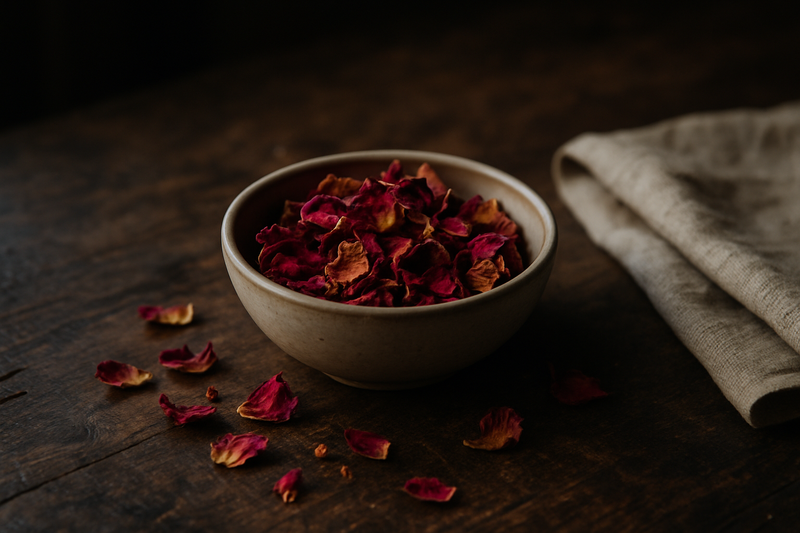
Dried Rose Petals · Photograph
Discover the dried rose petals health benefits, uses, and side effects — from antioxidant-rich rose petal tea to Persian spice blends and skin-supporting compounds. Learn which forms have the strongest evidence, how much is safe daily, and when to exercise caution.
Key Nutrients
% Daily Value based on 2,000 cal diet
Key active compounds
- Flavonoids (quercetin, kaempferol, rutin): Polyphenolic compounds with well-documented antioxidant and anti-inflammatory properties. Quercetin and kaempferol are among the most studied flavonoids for cardiovascular and immune support.
- Anthocyanins: The pigments responsible for red, pink, and deep-purple petals. These potent antioxidants may help protect fats and DNA from oxidative damage.
- Phenolic acids (gallic acid, ellagic acid): Plant phenolics linked to antioxidant and antimicrobial actions; also found in pomegranate and green tea.
- Tannins: Astringent compounds that contribute a slight dryness to rose tea and may have mild anti-diarrheal and gut-protective effects.
- Monoterpenes (geraniol, citronellol, nerol, linalool): Volatile aromatic compounds concentrated in rose essential oil but also present in dried petals; implicated in the calming effects seen in aromatherapy trials.
- Dietary fiber: Dried petals can contain roughly 30–35 g of fiber per 100 g by dry weight — relevant mainly when consuming multiple teaspoons or using petal powder in baking.
Who benefits most
Busy adults who want a caffeine-free wind-down ritual
- Rose petal tea provides a genuine aromatic experience that may support relaxation via both sensory and mild biochemical pathways.
- Multiple meta-analyses show statistically significant reductions in anxiety and stress scores with regular R. damascena preparations.
- A warm cup before bed has no known downsides for healthy adults and pairs beautifully with a small amount of cardamom or a splash of warm oat milk.
Home cooks exploring Persian or Indian cuisine
- Dried rose petals are an authentic, affordable ingredient in advieh spice blend, sholeh zard, and Indian shahi tukda or kulfi.
- Food-grade petals from culinary suppliers are very different from florist roses — sourcing matters enormously here.
- Pairing with cardamom amplifies both the floral and spiced notes and creates a flavor profile used across millennia of South and West Asian cooking.
Prep and pairing ideas
Dried rose petals are one of the most versatile culinary flowers once you know where to put them. Here are three pairings grounded in both flavor tradition and complementary plant compounds:
Rose + cardamom (the classic) The aromatic backbone of Persian sharbat, Indian kheer, and countless Middle Eastern pastries. Cardamom's cooling, eucalyptol-rich notes balance rose's warm floral sweetness. Together they flavor rose cardamom tea, rice puddings, and shortbread cookies. Both herbs have independent evidence for digestive and anxiolytic effects, making this pairing as functional as it is delicious.
Rose + saffron (the golden pairing) A Persian signature in sholeh zard (saffron rice pudding) and festive rice dishes. Saffron's crocin compounds add a golden hue and their own mood-supporting properties. A small pinch of saffron-steeped water combined with a teaspoon of dried rose petals creates a vivid, antioxidant-rich garnish or infusion.
Rose + pistachio (texture and contrast) Common in Iranian and Turkish sweets like bastani (rose ice cream) and baklava variations. Pistachios add healthy unsaturated fats and protein that slow the absorption of any sugars in the dessert, while rose petals contribute fragrance and a polyphenol boost. Sprinkle both over yogurt or a chia pudding for an everyday version.
Basic rose petal tea: Add 1–2 teaspoons of dried food-grade petals to a mug. Pour over water that has just stopped boiling (around 90–95°C / 195°F). Steep 5–10 minutes, strain, and enjoy plain or with a small drizzle of honey and a crack of cardamom.
In spice blends: Grind dried petals with cumin, coriander, cinnamon, and cardamom for a simple advieh-style blend. Use 1 tablespoon petals per batch. Store in a sealed jar away from direct light.
Buying guide
Food-grade vs ornamental: This is the single most important distinction. Florist roses are sold for visual appeal and are routinely treated with synthetic pesticides, fungicides, and coatings that are not safe to eat. Only buy petals explicitly labeled: culinary-grade, food-grade, edible flowers, or certified organic.
Fresh vs dried: Fresh rose petals are available from specialty food stores and farmers' markets during bloom season. They are lovely for garnishing salads and desserts immediately but have a very short shelf life (1–2 days refrigerated). Dried petals keep for 12–18 months in a sealed, airtight container away from direct light and moisture and are far more practical for tea and spice blends.
Whole petals vs petal powder: Whole petals give you visible texture and a longer shelf life (less surface area exposed to air). Ground petal powder blends more evenly into batters, spice mixes, and smoothies but oxidizes faster. Buy powder in small quantities and use within 2–3 months of opening.
Label tips:
- Look for single-ingredient products: "dried rose petals" with no added color, fragrance, or preservatives.
- Country of origin matters: Bulgaria, Morocco, Iran, and Turkey are major producers of culinary-grade R. damascena and generally have well-established supply chains for edible petals.
- Certifications to look for: USDA Organic, EU Organic, or equivalent food-safety certification.
- Avoid bulk-bin petals from non-food stores unless provenance is clear.
Bottom line
Dried rose petals are a beautifully fragrant, low-calorie culinary ingredient with a genuinely interesting emerging body of research behind them. The strongest human evidence points to rose petal tea supporting menstrual comfort and reducing anxiety and stress — with multiple randomized controlled trials behind both outcomes. More concentrated extracts show early promise for blood sugar management and body weight, though these effects require clinical-grade doses. As a culinary ingredient, dried petals bring authentic flavor to Persian and Indian cooking, pair naturally with cardamom and saffron, and add antioxidant diversity to an already plant-rich diet.
The non-negotiable: source only food-grade or certified organic petals. The practical takeaway: 1–2 cups of rose petal tea daily or a teaspoon in your cooking is a sensible, evidence-consistent starting point for most healthy adults. Anyone with diabetes, low blood pressure, or who is pregnant should check with a clinician before moving beyond culinary use into concentrated supplements.
Explore ingredient guides built around whole-food eating patterns on the Plantopedia goals page.
How Dried Rose Petals Compares
| Compared with | What's different |
|---|---|
| Dried Rose Petals vs. Rose Hips | Dried petals have a subtle floral sweetness, whereas hips are tart and high in Vitamin C. |
| Dried Rose Petals vs. Lavender | Both are aromatic, but rose petals are used for sweetness and floral notes rather than savory pungency. |
Health Benefits
Things to Know
Source quality is non-negotiable.: Florist roses and ornamental garden roses are routinely treated with pesticides, fungicides, and dyes not approved for food use. Always buy petals explicitly labeled food-grade, culinary-grade, or organic edible flowers.
Pregnancy: Small amounts of rose petal tea appear in traditional use and one study in high-risk pregnant women without reported adverse effects, but there is insufficient safety data to recommend concentrated extracts during pregnancy. Check with your midwife or obstetrician.
Breastfeeding: One clinical trial used R. damascena capsules in breastfeeding women without notable side effects, but broader safety data are limited. Culinary amounts in tea or food are generally considered low-risk.
Diabetes medications (metformin, insulin, sulfonylureas, acarbose): Rose petal extracts at clinical doses can lower both fasting and postprandial (after-meal) blood glucose. Combining them with glucose-lowering drugs may enhance the effect. Monitor blood sugar closely and inform your healthcare provider.
Antihypertensives (blood pressure medications): Rose tea and extracts have shown modest blood pressure–lowering effects. If you already take medication for high blood pressure, watch for signs of hypotension (dizziness, lightheadedness) when adding regular rose tea.
Sedative or anxiolytic medications (benzodiazepines, sleep aids): Rose aromatherapy and extracts can reduce anxiety and improve sleep quality. Theoretically, combining them with CNS depressant medications could enhance sedation, though serious interactions have not been reported in trials.
Rosaceae allergy: If you are allergic to other Rosaceae family members — apples, strawberries, peaches, almonds — you may have a higher risk of reacting to edible rose petals. Start with a small amount and observe for any response.
Children: A dysmenorrhea trial used rose tea in adolescents over six months with good tolerability, but high-dose extracts have not been well studied in younger populations.

Glossary
Shop This Ingredient
Stock your pantry with quality dried rose petals.
Buy on AmazonAs an Amazon Associate, Plantopedia earns from qualifying purchases. This costs you nothing extra and helps us keep the encyclopedia free.
Frequently Asked Questions
Heart and circulation The evidence here is early but interesting. Rose petal tea has been associated with modest reductions in blood pressure and perceived stress in preliminary clinical observations. In a study of high-risk pregnant women consuming R. damascena tea (250 mL per day), researchers found a greater reduction in malondialdehyde (MDA) — a marker of lipid peroxidation, meaning oxidation damage to fats — compared with a control group. Lower oxidative stress in the circulation is considered a favorable marker for long-term cardiovascular health, though no large trials have tracked heart attack or stroke outcomes with rose tea. The polyphenols in rose petals, particularly quercetin and kaempferol, have established antioxidant activity in laboratory studies. For now, dried rose petals are best viewed as a low-sodium, low-sugar way to flavor teas and dishes within a heart-healthy eating pattern — not as a replacement for established lifestyle strategies or prescribed medications. Digestive health and microbiome Traditional Persian, Indian, and East Asian herbalists have long used rose petal tea as a gentle digestive aid — historically for bloating, mild constipation, and stomach cramps. The fiber content of dried petals (significant by dry weight), combined with tannins that may help tone gut mucosa (the lining of your digestive tract), supports a plausible mechanism. However, at typical culinary servings of 1–2 teaspoons, the absolute fiber contribution is small. There are currently no high-quality randomized trials that isolate rose petals' effects on gut motility or the gut microbiome. The most practical guidance: rose petal tea can be a pleasant, caffeine-free way to support a digestive routine, especially when combined with other gut-friendly spices like cardamom or fennel. Introduce it gradually if your stomach is sensitive. Blood sugar and metabolism This is one of the more surprising areas of rose petal research. In a triple-blind randomized controlled trial, adults with newly diagnosed type 2 diabetes received either 200 mg/day of R. damascena methanolic extract (a concentrated liquid preparation made with methanol), 400 mg/day, acarbose (a standard glucose-lowering drug), or a placebo for 15 days. The 400 mg/day rose extract group showed reductions in fasting blood glucose comparable to acarbose, and no hypoglycemic (dangerously low blood sugar) episodes were reported. Separately, a 12-week randomized trial in overweight adults found that 300 mg of a polyphenol-rich Rosa multiflora petal extract taken twice daily significantly reduced body weight, BMI, body fat percentage, and levels of ghrelin — the hunger-signaling hormone. These are intriguing findings, but the key caveat applies: these were concentrated standardized extracts, not culinary dried petals. A teaspoon of rose petals in your afternoon tea is unlikely to replicate these effects. If you have diabetes or take glucose-lowering medication, speak with your clinician before adding rose petal supplements to your routine. Hormones and cycle health This is arguably the area with the most robust human evidence for rose specifically. A randomized controlled trial in 130 adolescents with primary dysmenorrhea (period pain without an underlying medical cause) found that drinking rose petal tea once or twice daily for six months significantly reduced pain severity, emotional distress, and anxiety compared with a control group. A separate double-blind crossover trial reported that R. damascena capsules reduced menstrual pain to a degree similar to mefenamic acid — a common over-the-counter pain reliever — without notable side effects. For menopausal women, multiple randomized trials suggest that oral R. damascena extract (around 500 mg twice daily for eight weeks) can improve scores for depression, anxiety, stress, and overall menopausal symptom burden versus placebo. One trial in breastfeeding women found that R. damascena capsules taken for four weeks improved anxiety and sexual function compared with placebo. These results are promising, but they involve standardized extracts at clinical doses — not everyday cooking quantities. Inflammation and recovery Dried rose petals contain a meaningful concentration of polyphenols with well-characterized anti-inflammatory properties in laboratory settings. In practical human terms, the most relevant data comes from the oxidative stress reduction seen in pregnant women drinking rose tea and from skin trials using multi-ingredient rose-containing supplements (see below). No large clinical trials have used dried culinary petals to treat an inflammatory disease. Think of rose petals' anti-inflammatory potential as one layer in a broader anti-inflammatory diet — valuable alongside other polyphenol-rich foods, not as a standalone treatment.
The form you choose shapes what you are likely to get: Whole or crushed dried petals (culinary use): The most accessible option. Scatter them over rice, stir into spice blends, press into cookies, or use as a fragrant garnish. You get flavor, aroma, modest fiber, and a small dose of polyphenols. Clinical benefit at these amounts is plausible but not proven. Rose petal tea (infusion): Steep 1–2 teaspoons (2–4 g) of dried petals in 200–250 mL of just-boiled water for 5–10 minutes. This is the form used in the dysmenorrhea and stress-relief tea trials. It delivers aromatic compounds and some polyphenols into the water, making them readily bioavailable (easily absorbed). This is the best-evidenced culinary-adjacent form. Standardized rose petal extract capsules: Used at 200–1000 mg/day in clinical trials for blood sugar, weight management, mood, and menopausal symptoms. These deliver concentrated, measured doses of active compounds far beyond what you get from cooking. Consider them a supplement, not a food, and treat them accordingly — meaning: read the label, check interactions, and consult a clinician if you have a health condition. Rose essential oil (aromatherapy): Not a food form. Inhaled via diffuser or diluted for massage in clinical trials studying anxiety, pain, and sleep. Do not ingest rose essential oil — it is highly concentrated and not safe to eat.
For culinary use — cooking, garnishing, occasional tea — 1 to 2 teaspoons (roughly 2–4 g) per serving is a standard culinary dose. Drinking 1–2 cups of rose petal tea daily is consistent with how the ingredient was used in the most-cited clinical tea trials, including the six-month dysmenorrhea study. For concentrated rose petal extracts in capsule or powder form, clinical trials have used: 200–400 mg/day for blood sugar effects (15-day trial) 300 mg twice daily (600 mg/day) for body weight and appetite (12-week trial) 500 mg twice daily (1000 mg/day) for menopausal mood symptoms (8-week trial) These are supplement-level doses, not culinary amounts. If you are considering a standardized extract for a specific health goal, start at the lower end of the studied range, monitor how you feel, and involve a healthcare provider if you have any underlying health conditions or take medications. Start low principle: If you have never drunk rose petal tea before, begin with half a teaspoon of petals steeped in one cup of water, once daily. Rose is generally well tolerated, but individual sensitivity to tannins (the astringent compounds) or monoterpenes can cause mild nausea or headache in a small number of people. Increase gradually over a week if it suits you.
Quick Answers
Common questions, answered in a line.
You should only use dried rose petals that are explicitly labeled as food-grade, culinary-grade, or certified organic. Florist and ornamental roses are not safe for consumption because they are frequently treated with synthetic pesticides, fungicides, and chemical coatings.
To make rose petal tea, steep 1–2 teaspoons of food-grade dried petals in hot water (90–95°C / 195°F) for 5 to 10 minutes. You can enjoy the infusion plain or enhance the flavor by adding a drizzle of honey and a crack of cardamom for a traditional aromatic profile.
Rose petal preparations are most frequently used to support relaxation, reduce stress, and improve menstrual comfort. Multiple randomized controlled trials and meta-analyses support their effectiveness in lowering anxiety scores and managing menstrual pain when used regularly.
Dried rose petals pair exceptionally well with cardamom, saffron, and pistachios, which are traditional combinations in Persian and Indian cuisine. These ingredients are often used together in dishes like saffron rice pudding (sholeh zard), rose ice cream (bastani), and various spiced shortbreads.
Dried rose petals contain high levels of flavonoids like quercetin and kaempferol, as well as anthocyanins, phenolic acids, and tannins. These polyphenolic compounds provide the petals with potent antioxidant, anti-inflammatory, and antimicrobial properties.
Dried rose petals can contain approximately 30–35 grams of dietary fiber per 100 grams of dry weight. While this is significant, the fiber benefit is most relevant when you consume the actual petals, such as using ground petal powder in baking or smoothies.
If you take diabetes or blood pressure medications, you should consult a doctor before using concentrated rose extracts, as they may lower blood sugar and blood pressure levels. Additionally, those with allergies to the Rosaceae family (like apples or almonds) should exercise caution.
For Readers in the USA
Local context — sourcing, seasonality, and regional notes.
You can buy culinary-grade dried rose petals at major US retailers like Whole Foods Market, specialty spice shops like Penzeys, or through large online vendors like Mountain Rose Herbs. While standard supermarkets may not stock them, they are increasingly common in the "International" or "Baking" aisles of upscale grocery chains.
The USDA Organic seal ensures that dried rose petals were grown without synthetic pesticides or fertilizers, which is particularly important since roses are not traditionally regulated as a food crop. Because florist roses are often treated with chemicals not approved for human consumption, looking for the USDA Organic label is a reliable way to verify safety.
In the US, culinary rose petals are typically harvested from late spring through early autumn, though dried versions are available year-round due to imports from Bulgaria and Turkey. If you are sourcing fresh petals from American growers, the peak season generally runs from May to September depending on your local USDA hardiness zone.
AI Clinical Review
- Clearly distinguishes culinary petals/tea from concentrated extracts and sets realistic expectations for effects at kitchen doses.
- Highlights the best-supported outcomes: reduced menstrual pain and modest anxiety/stress relief with rose petal tea, aligning with multiple randomized trials.
- Explains key bioactives (polyphenols—plant antioxidants such as flavonoids and anthocyanins) without overstating their impact from small culinary servings.
- Emphasizes sourcing safety (food‑grade/organic vs florist roses) and offers practical tea-prep guidance consistent with studied amounts.
- Metabolic findings (blood sugar and weight) come from short-term trials using standardized extracts—often different species or higher doses than culinary use—so benefits don’t automatically translate to tea or sprinkling petals in food.
- Cardiovascular claims rely mainly on surrogate markers of oxidative stress (e.g., MDA) rather than hard outcomes like blood pressure control over time or event reduction.
- Digestive and microbiome benefits are largely based on traditional use with limited high-quality human trials isolating rose petals’ effects.
- Skin “glow” data mostly involve multi-ingredient supplements, making it hard to attribute benefits specifically to rose.
- Dose and form matter: culinary use is typically 1–2 teaspoons of petals or 1–2 cups of tea daily; clinical studies of extracts use about 200–1000 mg/day. Rose essential oil is for aromatherapy only—do not ingest.
- Safety and interactions: people who are pregnant or breastfeeding, have diabetes, or take antihypertensives or sedative/anxiolytic meds should consult a clinician before using concentrated extracts or regular high intakes.
- Allergy risk: those with Rosaceae family allergies (e.g., apples, peaches, strawberries, almonds) should introduce rose cautiously.
- Sourcing and storage: choose certified food‑grade/organic petals (avoid florist roses); store dried petals airtight, away from light, and use powders promptly to minimize oxidation.
Use culinary/food-grade petals free of pesticides.
References
- USDA FoodData Central — nutritional composition data for dried rose petals (fdc.nal.usda.gov)
- Nutritional properties of four Rosa hybrida cultivars — compositional study of macronutrients and phenolics (scibasejournals.org)
- Recent advances in bioactive compounds, health functions, and safety of rose species — comprehensive review (pmc.ncbi.nlm.nih.gov)
- Rose tea for primary dysmenorrhea in adolescents — randomized controlled trial, n=130 (pubmed.ncbi.nlm.nih.gov)
- Rosa damascena extract vs mefenamic acid for menstrual pain — double-blind crossover RCT (pmc.ncbi.nlm.nih.gov)
- Rosa damascena extract for type 2 diabetes — triple-blind randomized acarbose-controlled trial (doaj.org)
- Rosa multiflora polyphenol extract reduces body fat in overweight adults — 12-week RCT (pubmed.ncbi.nlm.nih.gov)
- Rosa damascena for anxiety, depression, and stress — dose-response meta-analysis of RCTs (onlinelibrary.wiley.com)
- Skin health benefits of rose-containing supplement in women — randomized single-blind clinical trial (pubmed.ncbi.nlm.nih.gov)
- WebMD: Rose tea — general safety and usage overview (webmd.com)
Know Your Numbers
Eating healthy is a start. Now get to know your biomarkers.
Food changes bloodwork — inflammation, lipids, blood sugar and nutrient status all respond to what you eat. 59 markers from $59.
- Results in 7–10 days at 2,000+ Quest sites
- Licensed provider reviews every result
- One flat price, no membership, HSA/FSA eligible
Educational information only, not medical advice. Panels are ordered and reviewed through our licensed partner; Plantopedia may earn a commission.