Furikake — health benefits and uses
Combines mineral-rich seaweed with nourishing sesame in Japanese tradition.
The Short Answer
Furikake is a savory Japanese seasoning made from toasted sesame seeds, nori seaweed, salt, and sugar. It provides approximately 1 mg of iron and 20 mg of calcium per tablespoon, serving as a nutrient-dense topper for rice and vegetables.
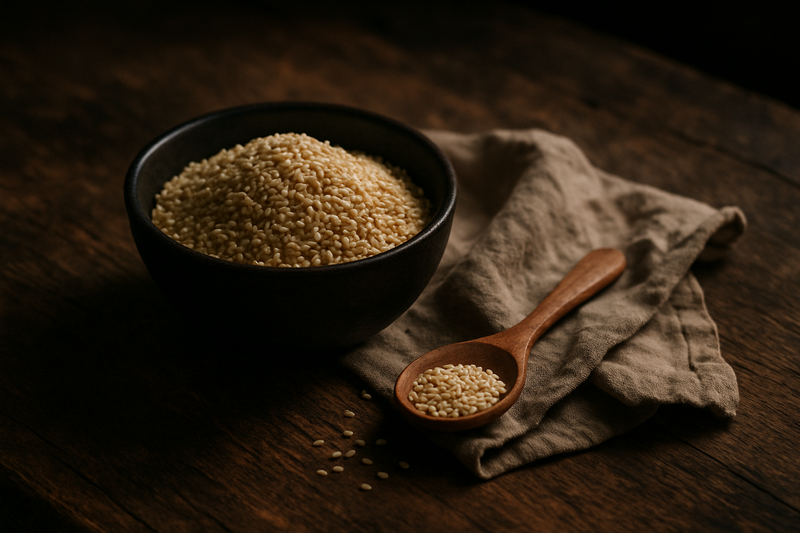
Furikake · Photograph
Discover the furikake seasoning health benefits backed by evidence, including what sesame and seaweed contribute to your diet, furikake nutrition facts per serving, iodine and thyroid considerations, and how to choose a vegan fish-free blend for rice bowls and popcorn.
Key Nutrients
% Daily Value based on 2,000 cal diet
Key active compounds in sesame and seaweed furikake
- Sesamin and sesamolin — Phenolic lignans (plant compounds with antioxidant activity) found in sesame seeds. Research suggests they may support healthy blood lipid levels and reduce oxidative stress (cellular damage from unstable molecules called free radicals), though studies typically use amounts larger than a seasoning sprinkle.
- Fucoxanthin — A carotenoid pigment (a natural color compound with antioxidant properties) found in brown seaweeds. Early lab and animal studies suggest metabolic effects; human evidence is limited.
- Phlorotannins — Polyphenols (antioxidant plant compounds) unique to seaweeds. They show anti-inflammatory effects in laboratory models.
- Sulfated polysaccharides (e.g., fucoidans) — Complex carbohydrates found in seaweeds that may influence immune function and inflammation in preclinical studies. Culinary amounts are small.
- Unsaturated fatty acids — Sesame seeds supply linoleic acid (an omega-6 fat) and oleic acid (a monounsaturated fat), both associated with cardiovascular health when they replace saturated fats in the diet.
Buying guide: how to choose a good vegan fish-free furikake
Fresh vs. packaged: Furikake is a dry seasoning and doesn't come in a "fresh" form. Shelf-stable packaged products and homemade blends are the two realistic options.
Homemade: Toast sesame seeds in a dry pan, crumble a sheet of nori, add a small pinch of salt and optional red pepper or hemp seeds. Takes five minutes and gives you complete ingredient control — no hidden MSG (monosodium glutamate, a flavor enhancer), no excess sodium, no fish.
Commercial packaged tips:
- Check for fish: Ingredient lists may include "katsuobushi," "bonito flakes," or "dried tuna" — all fish products. If you're vegan or avoiding fish, skip these.
- Sodium per serving: Aim for under 150–200 mg per teaspoon if possible. Some products exceed 400 mg per teaspoon.
- Ingredient count: Shorter is better. A clean label reads something like: toasted sesame seeds, nori, sea salt, sugar, chili.
- Sugar content: A touch of sugar (0.5 g or under per serving) is traditional and fine. More than that in a savory seasoning warrants a second look.
- Seaweed type: Nori-based furikake tends to be lower in iodine per gram than blends using kombu or hijiki. If iodine is a concern, nori is the gentler seaweed option.
Prep and pairing ideas
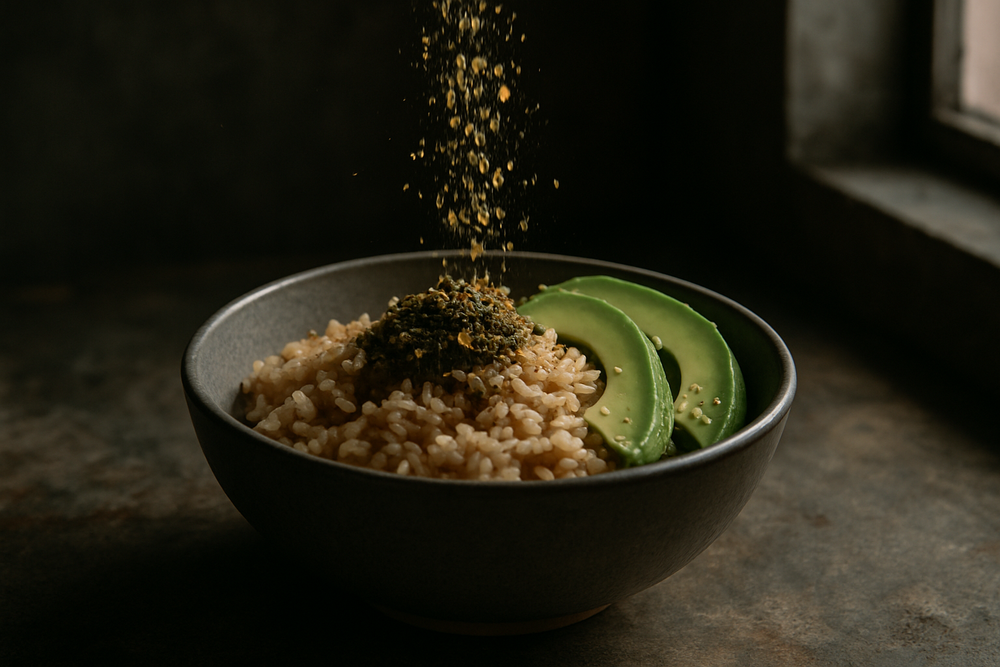
On grain bowls: Sprinkle 1–2 teaspoons over warm brown rice, quinoa, or farro immediately before serving. The heat releases the sesame aroma and softens the nori just enough to give it a pleasant, slightly chewy texture.
On popcorn: Air-popped popcorn lightly misted with water (or a tiny spray of soy sauce) before sprinkling furikake gives the seasoning something to stick to. It replaces butter, salt, and a packet of chemical flavorings in one move.
On roasted vegetables: Toss broccoli, edamame, or sweet potato cubes with furikake during the last five minutes of roasting. The sesame toasts further and the nori crisps up.
Common pairings and why:
- Avocado toast + furikake — Creamy fat from avocado is a perfect carrier for the crunchy, salty seasoning; together they hit all five taste notes including umami.
- Soft tofu or silken tofu + furikake — Bland protein meets bold seasoning; adds texture and minerals without cooking.
- Cucumber and rice vinegar salad + furikake — A Japanese-inspired combination where the acid from vinegar brightens the nutty sesame and briny seaweed.
Bottom line
Furikake seasoning earns its place in a whole-food kitchen not because of dramatic health claims, but because of what it quietly does: it makes simple, nutritious foods — rice, vegetables, whole grains — more enjoyable, and enjoyment is what makes healthy eating sustainable. The sesame seeds and nori at its core bring genuine nutritional value: healthy fats, trace minerals, antioxidant plant compounds, and a small iodine contribution that plant-based eaters often need.
The caveats are real and worth knowing: sodium adds up faster than it looks in commercial versions, iodine content demands attention if you have thyroid concerns, and sesame allergy is not rare. Choose a vegan, short-ingredient blend or make your own; use it in teaspoon-sized amounts; and treat it as what it is — a flavorful, low-calorie finishing touch that helps you eat well without missing anything.
Looking to explore more whole-food seasonings and how they fit your health goals? Browse ingredient guides by health goal →
How Furikake Compares
| Compared with | What's different |
|---|---|
| Furikake vs. Miso | A fermented paste made from soybeans rather than a dry sesame and seaweed sprinkle. |
| Furikake vs. Nori | A single-ingredient dried seaweed sheet whereas furikake is a multi-ingredient seasoning blend. |
| Furikake vs. Shichimi Togarashi | A specific seven-spice blend focused on chili heat rather than savory sesame and seaweed. |
Health Benefits
Things to Know
Sesame allergy: Sesame is a top-nine allergen in the US and an increasingly recognized allergen globally. Anyone with a seed allergy should check labels carefully and consult an allergist.
Thyroid conditions: Both hypothyroidism and hyperthyroidism can be affected by iodine intake. If you take levothyroxine or antithyroid medications, keep your seaweed intake consistent (rather than sporadic) and talk to your doctor about frequency.
Low-iodine diet: If you've been advised to follow a low-iodine diet before radioactive iodine thyroid therapy, avoid all seaweed-based seasonings during that period.
Blood pressure and sodium: One tablespoon of commercial furikake can contribute 200–400 mg of sodium. On a 1,500–2,000 mg daily sodium limit, that's a meaningful portion. Homemade versions or careful label reading help significantly.
Anticoagulants (e.g., warfarin): Seaweed provides small amounts of vitamin K (which affects blood clotting). Furikake is typically used in small amounts, but if you're on warfarin, keep your intake consistent rather than varying dramatically.
Children: Kids have lower iodine and sodium requirements than adults. Use smaller amounts and choose low-sodium versions.
Pregnancy and breastfeeding: Iodine needs increase during pregnancy, but excess iodine is also a concern. If you use seaweed products regularly alongside other iodine sources (dairy, iodized salt), discuss total intake with your midwife or OB.
Prep Ideas
- — **Avocado toast + furikake** — Creamy fat from avocado is a perfect carrier for the crunchy, salty seasoning; together they hit all five taste notes including umami.
- — **Soft tofu or silken tofu + furikake** — Bland protein meets bold seasoning; adds texture and minerals without cooking.
- — **Cucumber and rice vinegar salad + furikake** — A Japanese-inspired combination where the acid from vinegar brightens the nutty sesame and briny seaweed.
Glossary
Shop This Ingredient
Stock your pantry with quality furikake.
Buy on AmazonAs an Amazon Associate, Plantopedia earns from qualifying purchases. This costs you nothing extra and helps us keep the encyclopedia free.
Frequently Asked Questions
No human clinical trials have tested furikake as a product for specific health outcomes. All benefits discussed below are inferred from the research literature on sesame seeds and edible seaweeds — furikake's main whole-food ingredients. Treat these as supportive contributions from your seasoning, not as therapeutic effects. Heart and circulation Sesame seeds are among the better-studied seeds for cardiovascular markers. Multiple human trials and meta-analyses suggest that regular sesame consumption (typically 25–50 g per day, far more than a furikake sprinkle) may modestly lower LDL cholesterol (low-density lipoprotein, the "bad" cholesterol) and systolic blood pressure (the top number in a blood pressure reading). The mechanism likely involves sesame lignans, unsaturated fats, and phytosterols (plant compounds that compete with cholesterol absorption). Seaweeds, including nori, contain peptides and mineral compounds linked to blood pressure reduction in early human research. Potassium from seaweed also supports healthy blood pressure regulation. The catch: many commercial furikake products are high in sodium, which can work against these benefits. Choosing low-sodium furikake for heart health or making your own at home keeps sodium in check. Digestive health and microbiome Furikake contributes a small amount of fiber — roughly 0.5 g per tablespoon — from sesame seeds and seaweed cell walls. Seaweeds also contain sulfated polysaccharides that behave like prebiotic fiber (food for beneficial gut bacteria) in early lab studies. Human evidence on seaweed polysaccharides and gut microbiota is still emerging. At one to two teaspoons per meal, furikake's direct fiber contribution is minor, but it adds up when it encourages you to eat more whole grains and vegetables. Blood sugar and metabolism Sesame and some seaweeds have shown modest glucose-lowering effects in small human trials, but those studies used supplemental doses significantly higher than what furikake delivers. Practically, a low-carb, no-spike seasoning like furikake fits easily into a blood-sugar-friendly eating pattern — it won't push glucose up, but it also shouldn't be relied on as a glycemic management tool. Inflammation and recovery Sesame lignans and seaweed polyphenols both show antioxidant and anti-inflammatory properties in laboratory and some human research. The amounts delivered via a seasoning sprinkle are modest. As part of a consistently plant-rich diet, these small contributions add up over time rather than delivering a single measurable dose. Hormones and thyroid health This is where furikake deserves specific attention. Seaweed is one of the richest dietary sources of iodine — a mineral essential for the thyroid gland (the butterfly-shaped gland in your neck that produces hormones regulating metabolism and energy). A tablespoon of seaweed-based furikake provides an estimated 15 mcg of iodine, roughly 10% of the adult daily value, from nori alone. For most people, this is a useful contribution to iodine intake, particularly on plant-based diets where seafood and dairy are absent. However, for people with existing thyroid conditions — whether hypothyroidism (underactive thyroid) or hyperthyroidism (overactive thyroid) — large or highly variable iodine intake can affect thyroid hormone levels and medication needs. If you have a thyroid condition, discuss regular seaweed seasoning use with your clinician before making it a daily habit.
Who benefits most The everyday plant-based eater Wants to make rice bowls and grain salads interesting without reaching for heavy sauces Values ingredients they recognize: whole sesame seeds, visible nori flakes Benefits from the iodine contribution if they eat little or no seafood or dairy Best choice: homemade or a short-ingredient commercial version with less than 200 mg sodium per teaspoon The sodium-conscious snacker Loves the idea of seasoning popcorn, tofu, or roasted vegetables without salt-heavy condiments Watches blood pressure or is on a low-sodium eating plan Benefits from the flavor complexity of sesame and umami without a full gram of sodium per shake Best choice: homemade furikake made with toasted sesame, crumbled nori, a pinch of salt, and optional chili flakes — full control over every ingredient
There is no established clinical dosage for furikake — it is a culinary seasoning, not a supplement. Standard culinary guidance and the research on its component ingredients suggest: Typical use: 1–2 teaspoons (2–5 g) per meal, once or several times a day Sodium watch: Keep total daily furikake use within a sodium budget. One teaspoon of a commercial blend can deliver 150–300 mg sodium, so 2–3 teaspoons per day is a reasonable ceiling for most adults watching sodium intake. Iodine consideration: Two teaspoons of nori-based furikake per day likely provides 20–30 mcg of iodine — a modest, generally safe contribution for most healthy adults. The adult daily value for iodine is 150 mcg, with a tolerable upper limit of 1,100 mcg per day. Regular large amounts of seaweed-concentrated blends could approach or exceed this in sensitive individuals. Start low: If furikake is new to your diet, begin with half a teaspoon and increase gradually, especially if you have a sensitive digestive system or are monitoring iodine intake. For most healthy adults eating varied diets, daily use of 1–2 teaspoons of a whole-food, lower-sodium furikake is unlikely to raise concerns.
Quick Answers
Common questions, answered in a line.
A vegan fish-free furikake should have a short ingredient list like toasted sesame seeds, nori, sea salt, sugar, and chili. Look for labels that exclude fish products such as katsuobushi, bonito flakes, or dried tuna, and aim for a sodium count under 150–200 mg per teaspoon.
Furikake is traditionally used on grain bowls like brown rice or quinoa, as the heat releases the sesame aroma and softens the nori. It is also excellent on air-popped popcorn, roasted vegetables like broccoli or sweet potatoes, avocado toast, and silken tofu.
Furikake provides healthy unsaturated fats (linoleic and oleic acids), trace minerals, and antioxidant plant compounds like sesamin and phlorotannins. It also serves as a source of iodine, which is a nutrient that plant-based eaters often need for thyroid health.
Individuals with thyroid conditions, such as hypothyroidism or hyperthyroidism, should consult a doctor before consuming furikake due to its iodine content. It is also important for those with sesame allergies, people on low-sodium diets, or those taking anticoagulants like warfarin to use caution.
You can make healthy furikake at home by toasting sesame seeds in a dry pan and mixing them with crumbled nori and a small pinch of salt. This DIY method takes only five minutes and allows you to avoid MSG, excess sodium, or hidden fish ingredients.
Nori-based furikake is generally the best choice if you are monitoring iodine intake, as it tends to be lower in iodine per gram than blends using kombu or hijiki. However, if you are on a strict low-iodine diet for medical therapy, you should avoid all seaweed-based seasonings.
Furikake is a healthy alternative to butter and chemical flavorings on popcorn when the kernels are lightly misted with water or soy sauce to help the seasoning stick. This swap provides a crunchy, savory flavor while adding minerals and healthy fats from the sesame and seaweed.
For Readers in the USA
Local context — sourcing, seasonality, and regional notes.
You can find furikake at major U.S. retailers like Whole Foods Market, Trader Joe’s (under their own brand), and Target, as well as Asian-specialty chains like H-Mart and Mitsuwa Marketplace. Most standard grocery stores now stock it in the international or "Asian" aisle alongside soy sauce and nori.
While furikake itself isn't grown, the sesame seeds and seaweed used in U.S. blends are often imported, though some artisanal brands source Maine-grown kelp or California-grown sesame. Look for the USDA Organic seal if you want to ensure the ingredients were produced without synthetic fertilizers or pesticides.
In the U.S., the FDA recognizes sesame as a major food allergen, requiring it to be clearly labeled on all packaged foods, including furikake. Because sesame is the primary ingredient in this seasoning, individuals with a sesame allergy should strictly avoid all commercial furikake blends.
In U.S. culinary culture, furikake has moved beyond traditional rice bowls and is frequently used to season "everything" bagels, avocado toast, and even French fries in fusion restaurants. It is also a staple in Hawaiian cuisine, where it is famously used on Hurricane Popcorn and Musubi.
AI Clinical Review
- Frames furikake as a culinary seasoning, not a treatment, and ties potential benefits to its whole-food ingredients (sesame and seaweed).
- Highlights sodium as the main cardiometabolic concern in commercial blends and offers practical low-sodium strategies (label reading, homemade versions).
- Explains iodine’s role in thyroid health and why consistency and moderation matter, especially for people with thyroid conditions.
- Sets realistic expectations about serving sizes: teaspoon-level amounts add flavor and small nutrient contributions rather than supplement-level effects.
- Many cited benefits come from studies of sesame seeds or seaweeds at much higher doses than a sprinkle of seasoning; effect sizes at culinary amounts are uncertain.
- Human data for seaweed-specific compounds (e.g., fucoxanthin, phlorotannins, fucoidans) remain limited; much of the research is preclinical.
- Seaweed’s effects on blood pressure and the gut microbiome are promising but not yet well defined across different species and preparations.
- Iodine content in seaweed products can vary widely by species, harvest, and processing, and labels often don’t list iodine—making actual intake hard to predict.
- Dosing: 1–3 teaspoons per day is a sensible culinary range; the practical ceiling is usually sodium. Choose blends with lower sodium if heart health is a priority.
- Thyroid and iodine: People with hypothyroidism, hyperthyroidism, or those pregnant/breastfeeding should discuss regular seaweed use with a clinician and keep intake consistent; nori is typically lower in iodine than kombu/kelp.
- Safety: Sesame is a common allergen. Those on warfarin should keep vitamin K–containing foods (including seaweeds) consistent. Individuals on low-iodine protocols should avoid seaweed seasonings during that period.
- Species differences: Avoid hijiki due to inorganic arsenic concerns; stick with nori-based, short-ingredient blends when possible for routine use.
Contains sesame and seaweed (iodine); choose vegan versions.
References
- USDA FoodData Central — nutrient reference database (fdc.nal.usda.gov)
- University of Hawaii Hawaii Foods — Seaweed, Furikake nutrition facts (manoa.hawaii.edu)
- Hypothyroid Chef — Furikake Japanese Seaweed Shake and iodine content (hypothyroidchef.com)
- NIH Office of Dietary Supplements — Iodine fact sheet for health professionals (ods.od.nih.gov)
- NIH Office of Dietary Supplements — Sesame and cardiovascular health overview (ods.od.nih.gov)
- Just One Cookbook — Homemade Furikake Rice Seasoning (recipe and ingredient breakdown) (justonecookbook.com)
- Feasting at Home — Furikake recipe and nutrition section (feastingathome.com)
- Nutriscan — Furikake calories and nutrition per 100 g (nutriscan.app)
- Chili Pepper Madness — Homemade Furikake seasoning recipe (chilipeppermadness.com)
- Prospre — Furikake Japanese Seasoning ingredient entry (prospre.io)
Know Your Numbers
Eating healthy is a start. Now get to know your biomarkers.
Food changes bloodwork — inflammation, lipids, blood sugar and nutrient status all respond to what you eat. 59 markers from $59.
- Results in 7–10 days at 2,000+ Quest sites
- Licensed provider reviews every result
- One flat price, no membership, HSA/FSA eligible
Educational information only, not medical advice. Panels are ordered and reviewed through our licensed partner; Plantopedia may earn a commission.