Green Beans — health benefits and uses
Color, fiber, and everyday plate-building angle
The Short Answer
Green beans are low-calorie legumes providing 2.7g of fiber and 14% of your daily Vitamin C per cup. They are rich in Vitamin K for bone health and folate, making them an excellent choice for heart health and pregnancy wellness.
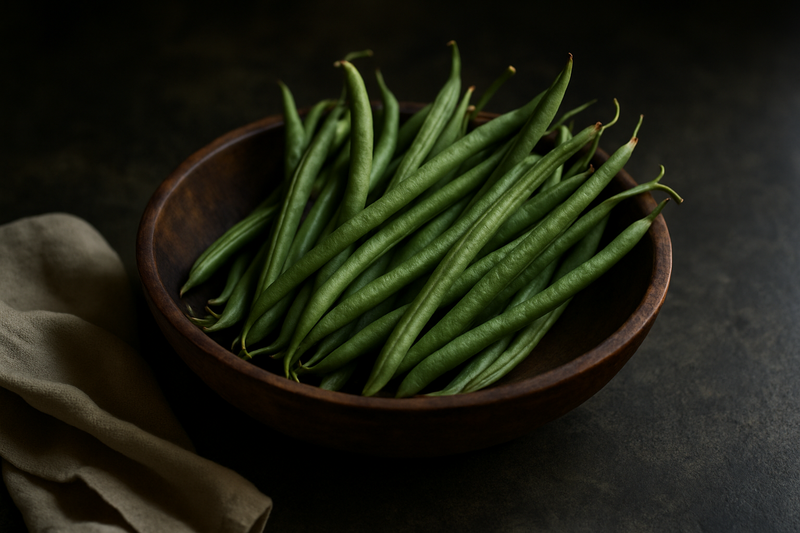
Green Beans · Photograph
Green beans (Phaseolus vulgaris) are nutrient-dense vegetables that pack impressive health benefits into every crisp bite. These versatile legumes provide essential vitamins, minerals, and antioxidants while remaining naturally low in calories.
Key Nutrients
% Daily Value based on 2,000 cal diet
Key active compounds
Green beans contain several important phytochemicals that contribute to their health benefits:
• Flavonoids (quercetin, kaempferol, myricetin) - antioxidant compounds that fight free radicals and support heart health • Anthocyanins - purple-blue pigments with anti-inflammatory and potentially anti-cancer properties • Condensed tannins (proanthocyanidins) - concentrated in the seed coat, these compounds offer antioxidant and anti-mutagenic effects • Phenolic acids - plant compounds that provide anti-inflammatory and antioxidant benefits • Saponins - bioactive compounds with potential biological effects currently being studied
Prep and pairing ideas
Green beans pair beautifully with both simple and complex preparations:
• Light steaming for 4-5 minutes preserves nutrients and maintains crisp texture • Quick sauté with garlic and olive oil enhances flavor while keeping cooking time minimal • Raw in salads provides maximum vitamin C and adds satisfying crunch • Roasted at high heat develops complex flavors while maintaining nutritional value • Added to soups and stews during the last few minutes of cooking to retain texture
For best flavor and nutrition, choose bright green beans that snap crisply when bent, and avoid any that are yellowing or feel limp.
Bottom line
Green beans offer an impressive array of health benefits in a low-calorie, accessible package. Their combination of fiber, folate, vitamin K, and antioxidants supports heart health, digestion, pregnancy wellness, and inflammation management.
The safety profile is excellent for most people, with only minor considerations around blood thinners and gradual fiber introduction. Fresh, frozen, and lightly cooked preparations all retain meaningful nutritional value.
Ready to make green beans a regular part of your wellness routine? Our meal planner can help you incorporate green beans and other nutrient-dense foods into balanced, delicious meals.
How Green Beans Compares
| Compared with | What's different |
|---|---|
| Green Beans vs. Green Peas | Higher in protein and calories, as green beans are harvested before the seeds mature. |
| Green Beans vs. Yardlong Beans | A different species with much longer pods, often reaching 12 to 30 inches in length. |
| Green Beans vs. Wax Beans | Wax beans are a yellow cultivar of the same species with a milder, slightly sweeter flavor. |
Health Benefits
Things to Know
Start gradually: if you're not used to high-fiber foods - sudden increases in fiber can cause bloating or digestive discomfort
Blood thinners - green beans contain vitamin K (43 mcg per cup), so maintain consistent intake if you take warfarin or similar medications
Pregnancy - green beans are safe and beneficial during pregnancy due to their folate content, but they shouldn't be your only folate source
Kidney stones - green beans are low in oxalates, making them generally safe for people prone to kidney stones
Food allergies - green bean allergies are rare but possible; discontinue use if you experience any allergic reactions
Digestive conditions - people with severe IBS may need to introduce green beans slowly due to fiber content

Prep Ideas
- — Light steaming for 4-5 minutes preserves nutrients and maintains crisp texture
- — Quick sauté with garlic and olive oil enhances flavor while keeping cooking time minimal
- — Raw in salads provides maximum vitamin C and adds satisfying crunch
- — Roasted at high heat develops complex flavors while maintaining nutritional value
- — Added to soups and stews during the last few minutes of cooking to retain texture
Shop This Ingredient
Stock your pantry with quality green beans.
Buy on AmazonAs an Amazon Associate, Plantopedia earns from qualifying purchases. This costs you nothing extra and helps us keep the encyclopedia free.
Frequently Asked Questions
Research suggests green beans may support several important areas of health through their unique combination of nutrients and bioactive compounds. Heart and circulation Green beans support cardiovascular health in multiple ways. Their fiber content helps lower LDL (bad) cholesterol levels, while antioxidants like quercetin and kaempferol fight free radicals that can damage blood vessels. The potassium in green beans (211 mg per cup) helps maintain healthy blood pressure, and clinical studies on bean polyphenols suggest beneficial effects on cardiovascular risk markers. Digestive health and microbiome The 2 grams of fiber per cup in green beans supports digestive regularity and feeds beneficial gut bacteria. This fiber acts as a prebiotic, helping maintain a healthy gut microbiome that's linked to overall immune function and wellbeing. Green beans are also easy to digest for most people, making them a gentle way to increase fiber intake without digestive upset. Blood sugar and metabolism Clinical studies suggest that bean consumption, including green beans, may help with blood sugar regulation. The polyphenol compounds in green beans have been shown to have protective effects against type 2 diabetes development. The fiber content also helps slow sugar absorption, preventing rapid spikes in blood glucose levels after meals. Hormones and cycle health Green beans contain folate, which is essential for proper hormone metabolism and DNA synthesis. For women of reproductive age, adequate folate intake supports healthy menstrual cycles and prepares the body for potential pregnancy. The antioxidants in green beans may also help reduce oxidative stress that can interfere with hormonal balance. Inflammation and recovery Green beans are rich in anti-inflammatory compounds including phenolic acids, flavonoids, and anthocyanins. These compounds help protect cells from free radical damage and may support the body's natural recovery processes after exercise or stress.
Fresh, raw green beans retain the highest levels of heat-sensitive nutrients like vitamin C. They're perfect for salads, light steaming, or quick sautéing. Fresh cooked green beans (steamed or lightly boiled) are the most common preparation. While some vitamin C is lost during cooking, mineral bioavailability may actually improve, and the vegetables become easier to digest. Frozen green beans are nutritionally comparable to fresh since they're frozen at peak ripeness. They're convenient and retain most nutrients, making them an excellent year-round option. Canned green beans provide similar nutritional benefits but typically contain added sodium. If choosing canned, look for no-salt-added varieties or rinse before eating to reduce sodium content. For maximum nutrient retention, aim for light cooking methods that preserve the bright green color and slight crispness.
Pregnant and breastfeeding women benefit significantly from green beans' folate content (33 mcg per cup). Folate prevents neural tube defects and supports healthy fetal development. The iron content also helps prevent pregnancy-related anemia. Heart-conscious individuals can take advantage of green beans' fiber, potassium, and antioxidants. The combination of LDL-lowering fiber and circulation-supporting potassium makes green beans particularly valuable for cardiovascular wellness.
Most nutrition experts suggest 1/2 to 1 cup of green beans can be enjoyed daily as part of a varied vegetable intake. This provides meaningful amounts of key nutrients without overdoing any single compound. Start with 1/2 cup servings if you're new to eating green beans regularly, then gradually increase to 1 cup or more based on your digestive comfort and overall diet. Since green beans are low in calories and high in nutrients, they can be eaten more liberally than some other vegetables. The main limitation is ensuring you're also eating a variety of other colorful vegetables for complete nutrition.
Quick Answers
Common questions, answered in a line.
Green beans are rich in antioxidants like flavonoids (quercetin, kaempferol), anthocyanins, condensed tannins, and phenolic acids. These phytochemicals help fight free radicals, support heart health, and provide anti-inflammatory and anti-mutagenic effects throughout the body.
Green beans are safe and beneficial during pregnancy as they provide folate, an essential nutrient for prenatal wellness. While they are a healthy addition to a pregnancy diet, the article notes they should not be your only source of folate.
Green beans are generally safe for people prone to kidney stones because they are low in oxalates. Their excellent safety profile makes them a suitable vegetable choice for those managing oxalate intake for renal health.
To preserve the most nutrients and maintain a crisp texture, green beans should be lightly steamed for 4 to 5 minutes. Other healthy preparation methods include quick sautéing with olive oil, roasting at high heat, or eating them raw in salads to maximize vitamin C intake.
People taking blood thinners like warfarin should maintain a consistent intake of green beans because they contain 43 mcg of vitamin K per cup. Sudden changes in vitamin K consumption can interfere with how these medications work.
To ensure freshness and peak nutrition, choose bright green beans that snap crisply when they are bent. You should avoid selecting beans that appear yellowing, feel limp, or have lost their firm texture.
If you are not used to high-fiber foods, you should introduce green beans into your diet gradually to avoid bloating or digestive discomfort. This slow approach is also recommended for individuals with severe IBS to allow the digestive system to adjust.
For Readers in the USA
Local context — sourcing, seasonality, and regional notes.
In the United States, fresh green beans are available year-round, but their peak harvest season typically runs from May through October. While southern states like Florida produce crops in the winter, the majority of U.S. production occurs during these warmer months.
Green beans, often called string beans or snap beans by American home cooks, are widely available at major U.S. retailers like Walmart, Kroger, and Safeway. You can also find high-quality organic varieties at Whole Foods or local summer farmers markets across the country.
Green bean casserole, made with cream of mushroom soup and topped with fried onions, is a staple American side dish traditionally served during Thanksgiving and Christmas. This cultural favorite has been a fixture of U.S. holiday tables since the mid-1950s.
The USDA Organic seal ensures that green beans are grown without synthetic fertilizers or prohibited pesticides, which is a popular choice for U.S. consumers concerned about chemical residues. Both conventional and organic beans are monitored by the FDA for safety.
AI Clinical Review
- Green beans are a low-calorie vegetable that contribute fiber, vitamin K, folate, potassium, and carotenoids—useful for heart, bone, and digestive health. • Fresh and frozen forms are nutritionally comparable; canned can be higher in sodium, so no‑salt‑added or rinsing is sensible. • Light cooking (steam/sauté) preserves most nutrients and improves digestibility. • As part of a varied diet, green beans can fit into heart‑healthy and pregnancy‑friendly eating patterns.
- Many touted benefits (cholesterol, blood sugar, anti‑inflammatory effects) are supported by broader legume research; trials isolating green beans specifically are limited, so effect sizes are likely modest on their own. • Antioxidant claims (e.g., anthocyanins, proanthocyanidins) vary by variety and maturity; purple varieties generally contain more anthocyanins than typical green pods. • The fiber content of a 1‑cup serving is relatively small, so LDL‑lowering or glycemic effects come primarily from overall diet quality rather than green beans alone. • Nutrition numbers can differ by database and preparation. For example, 1 cup raw provides roughly 30–40 mcg folate (~8–10% of the 400 mcg daily value for adults), not ~33%—useful context for pregnancy planning.
- Pregnancy: Food folate from green beans helps, but most pregnant individuals need 600 mcg DFE/day and typically a prenatal supplement—green beans alone won’t meet this need. • Blood thinners: Because green beans contain vitamin K, keep intake consistent and coordinate with your clinician if you take warfarin. • Sensitive digestion/IBS: Portion size matters. Green beans are generally well tolerated; around 1/2 cup cooked is often easier for those following a low‑FODMAP approach, with tolerance varying by person. • Sodium and preparation: Choose fresh/frozen or no‑salt‑added canned; rinse canned beans before eating. Brief cooking to a crisp‑tender texture can improve comfort and palatability.
Frame as food education, not disease treatment.
References
- USDA FoodData Central - Green beans nutrition facts (fdc.nal.usda.gov)
- WebMD - Health Benefits of Green Beans (webmd.com)
- Healthline - Green Beans Nutrition and Health Information (healthline.com)
- NCSU Cooperative Extension - Green Beans Nutrition Facts (franklin.ces.ncsu.edu)
- PMC - Bioactive Compounds from Mexican Varieties of the Common Bean (pmc.ncbi.nlm.nih.gov)
- Cape Cod Government - Green Beans Nutritional Guide (capecod.gov)
- UCSD Community Health - Exploring California Green Beans (ucsdcommunityhealth.org)
- Mayo Clinic - Folate and pregnancy health guidelines
- American Heart Association - Fiber and cardiovascular health recommendations
Know Your Numbers
Eating healthy is a start. Now get to know your biomarkers.
Food changes bloodwork — inflammation, lipids, blood sugar and nutrient status all respond to what you eat. 59 markers from $59.
- Results in 7–10 days at 2,000+ Quest sites
- Licensed provider reviews every result
- One flat price, no membership, HSA/FSA eligible
Educational information only, not medical advice. Panels are ordered and reviewed through our licensed partner; Plantopedia may earn a commission.