Zha Cai (Fermented Mustard Stem) — health benefits and uses
A classic Sichuan preserved vegetable served to whet the appetite.
The Short Answer
Zha cai is a crunchy, savory Sichuan pickle made from the salt-fermented stem of the mustard plant. It is primarily used as a functional seasoning for congee and noodles, providing a concentrated source of sodium, Vitamin K1, and gut-friendly lactic acid.
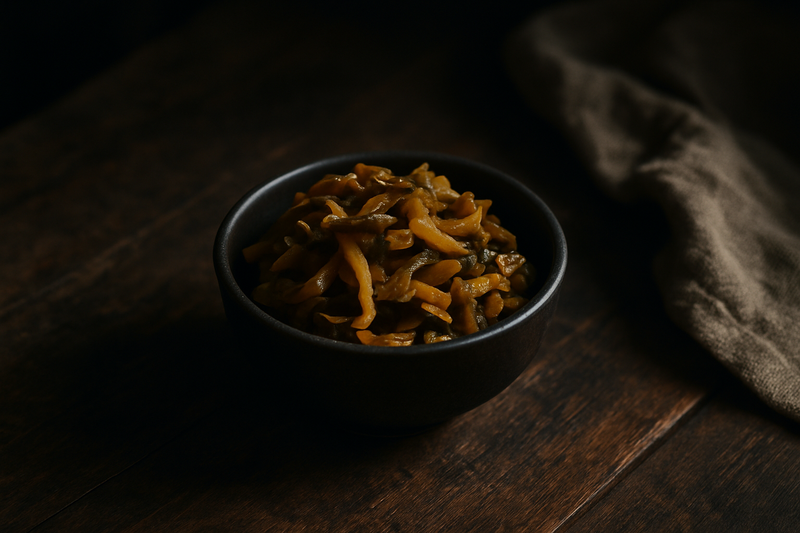
Zha Cai (Fermented Mustard Stem) · Photograph
Discover the real Zha cai health benefits and side effects. Learn how this Sichuan fermented mustard stem supports gut health, how much sodium it contains, and how to use it safely on noodles, congee, and more.
Key Nutrients
% Daily Value based on 2,000 cal diet
Key Active Compounds in Zha Cai
- Glucosinolates — Sulfur-containing compounds native to brassica plants. When mustard stem tissue is cut, crushed, or fermented, glucosinolates are converted into mustard oils and isothiocyanates (pungent molecules also found in broccoli and wasabi). Research on brassica vegetables broadly associates these compounds with antioxidant activity and the induction of detoxification enzymes in the liver, though no clinical studies have measured these effects from zha cai specifically.
- Isothiocyanates and volatile mustard oils — The breakdown products of glucosinolates. They create zha cai's characteristic sharp, spicy heat and are traditionally believed to stimulate appetite and digestive secretions. Mechanistic studies support biological activity; human outcome data for zha cai remain absent.
- Lactic acid — Produced by lactic acid bacteria (Lactobacillus and related species) during fermentation. Lactic acid lowers pH, preserves the vegetable, creates the sour taste, and may influence the gut environment. Evidence on lacto-fermented foods generally suggests a positive effect on gut microbial diversity, but zha cai has not been tested in its own right.
- Acetic acid — A secondary organic acid also produced during fermentation, contributing to flavor and preservation.
- Chlorogenic acids and flavonoids — Minor antioxidant compounds present in mustard greens that survive partially through fermentation; their concentrations in finished zha cai have not been well characterized.
Prep and Pairing Ideas
Zha cai's appeal is how much flavor it delivers for how little effort. Because it is already fully preserved and seasoned, there is nothing to cook — just rinse, mince or chop, and add.
How to use zha cai on noodles and congee:
- Rinse a small piece (20 g) under cold water for 30–60 seconds, then pat dry.
- Mince finely or cut into thin matchsticks.
- Scatter over plain congee or rice porridge instead of reaching for the salt shaker — the zha cai does both jobs.
- Toss into cold sesame noodles as a textural contrast to soft noodles and creamy sauce.
- Add to dan dan–style noodle bowls in the last 30 seconds of tossing so it stays crunchy.
Common pairings and why they work:
- Zha cai + soft tofu + sesame oil: The crunchy salt of zha cai cuts through the mild, silken tofu, and sesame oil bridges the flavor gap. Together they make a five-minute appetizer with protein, healthy fat, and fermentation in one bowl.
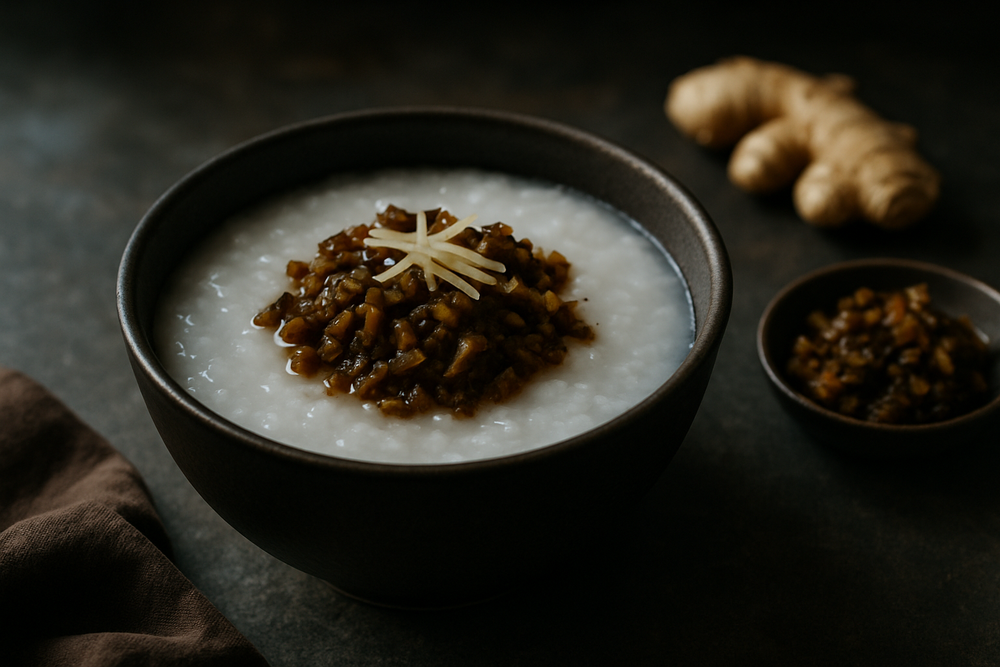
- Zha cai + plain congee + fresh ginger: Congee is intentionally bland — a healing, easily digestible rice porridge. Zha cai provides the savory punch that congee needs, while ginger adds warmth and may further support digestion. This is a classic pairing for a reason.
- Zha cai + stir-fried greens + garlic: Adding a tablespoon of rinsed, minced zha cai to a wok of wilted bok choy or spinach near the end of cooking means you may need no extra soy sauce at all. The umami from fermentation does the seasoning work.
Bottom Line
Zha cai is a genuinely interesting fermented whole vegetable: extremely low in calories, rich in brassica phytochemicals, produced by lactic acid bacteria, and capable of transforming plain plant-based food into something worth eating. It is not a cure or treatment for anything, and no human trials have studied it as a therapeutic food. Its main practical value is culinary — it adds crunch, umami, and complexity without adding fat or meaningful carbohydrates.
The main thing standing between zha cai and "eat freely" status is sodium. It is a salty condiment first, and it needs to be treated like one: small portions, rinsed before use, and factored into your daily sodium total. For healthy people who cook largely whole-food, plant-based meals and keep sodium in check across the rest of their diet, zha cai is a flavorful, historically rooted, and nutritionally respectable addition to the pantry.
If gut health is a specific goal and you want a live-culture version, seek unpasteurized, refrigerated zha cai from a specialty grocer, and pair it with a broader high-fiber diet for the microbiome support that research actually supports.
Looking to build a wider gut-health eating pattern? Explore our gut and digestive health guides at Plantopedia.
How Zha Cai (Fermented Mustard Stem) Compares
| Compared with | What's different |
|---|---|
| Zha Cai (Fermented Mustard Stem) vs. Sauerkraut | Zha cai is the pickled tuber of the mustard plant, whereas sauerkraut is fermented leafy cabbage. |
| Zha Cai (Fermented Mustard Stem) vs. Kimchi | Zha cai is a salty, crunchy fermented stem, while kimchi is fermented leaves with chili and garlic. |
| Zha Cai (Fermented Mustard Stem) vs. Suan Cai | Zha cai is fermented mustard stem; Suan Cai is usually fermented mustard leaves or Napa cabbage. |
Health Benefits
Things to Know
High blood pressure or heart disease: Zha cai is a high-sodium food. Even rinsed, it contributes meaningful sodium. If you are on a sodium-restricted diet, keep portions to 5–10 g and count it toward your daily allowance.
Chronic kidney disease: The kidneys regulate sodium and potassium excretion. High sodium intake is particularly problematic for people with reduced kidney function; consult your renal dietitian before including zha cai regularly.
Heart failure or edema: Excess sodium promotes fluid retention and can worsen symptoms. Use sparingly or avoid.
Gastritis, GERD, or peptic ulcers: Zha cai is salty and often spicy. Both salt and chili can irritate an already inflamed or sensitive stomach lining.
Liver disease with ascites: Sodium restriction is typically part of managing ascites (fluid buildup in the abdomen). Zha cai is not appropriate for unrestricted use in this context.
Pregnancy: Fermented vegetables are generally considered safe in pregnancy when consumed in culinary amounts. The concern with zha cai is sodium — excessive salt intake during pregnancy is associated with elevated blood pressure risk. Occasional small portions in an otherwise low-sodium diet are likely fine; daily large servings are not advised.
Anticoagulant medications (e.g., warfarin): Zha cai contains a notable amount of Vitamin K1 per 100 g. Vitamin K directly affects how warfarin works. If you take warfarin or a similar medication, keep your zha cai intake consistent week to week and discuss with your prescriber.
Antihypertensive medications: High sodium from foods like zha cai can blunt the blood pressure–lowering effect of ACE inhibitors, ARBs, diuretics, and beta-blockers.
NSAIDs and medications that irritate the GI tract: Combining these with a salty, spicy food may worsen stomach discomfort in susceptible people.
Multiple salty condiments in one meal: Soy sauce, miso, fish sauce, and zha cai together can easily push a single meal's sodium over 1,500 mg. Choose one high-sodium accent per meal.
Prep Ideas
- — Rinse a small piece (20 g) under cold water for 30–60 seconds, then pat dry.
- — Mince finely or cut into thin matchsticks.
- — Scatter over plain congee or rice porridge instead of reaching for the salt shaker — the zha cai does both jobs.
- — Toss into cold sesame noodles as a textural contrast to soft noodles and creamy sauce.
- — Add to dan dan–style noodle bowls in the last 30 seconds of tossing so it stays crunchy.
- — Zha cai + soft tofu + sesame oil: The crunchy salt of zha cai cuts through the mild, silken tofu, and sesame oil bridges the flavor gap. Together they make a five-minute appetizer with protein, healthy fat, and fermentation in one bowl.
- — Zha cai + plain congee + fresh ginger: Congee is intentionally bland — a healing, easily digestible rice porridge. Zha cai provides the savory punch that congee needs, while ginger adds warmth and may further support digestion. This is a classic pairing for a reason.
- — Zha cai + stir-fried greens + garlic: Adding a tablespoon of rinsed, minced zha cai to a wok of wilted bok choy or spinach near the end of cooking means you may need no extra soy sauce at all. The umami from fermentation does the seasoning work.
Glossary
Shop This Ingredient
Stock your pantry with quality zha cai (fermented mustard stem).
Buy on AmazonAs an Amazon Associate, Plantopedia earns from qualifying purchases. This costs you nothing extra and helps us keep the encyclopedia free.
Frequently Asked Questions
It is important to be upfront: no human clinical trials have tested zha cai as a standalone intervention for any health outcome. What follows is drawn from zha cai's nutritional profile, its classification as a lacto-fermented brassica vegetable, and research on closely related foods and compounds. Evidence is emerging or indirect throughout. Digestive Health and Microbiome Lacto-fermented vegetables introduce living lactic acid bacteria into your digestive system. In studies on fermented foods broadly — including kimchi and sauerkraut — regular consumption is associated with increased gut microbial diversity, a marker many researchers consider protective for digestive and immune health. Zha cai fits the same category: it is made by the same class of bacteria, produces the same organic acids, and delivers the same sour pH. Additionally, the glucosinolates in mustard stems are traditionally described as stimulating gastric secretions — essentially, helping to "wake up" the digestive process. This claim for zha cai rests on food chemistry and traditional use, not controlled trials, but it aligns with how brassica compounds behave in other experimental contexts. The fiber content (1.6 g per 100 g, before rinsing) also contributes to digestive regularity. Given that most people use zha cai in 10–30 g portions, the fiber contribution per meal is modest but not zero. Heart and Circulation This is where zha cai presents its clearest trade-off. There is reasonable evidence from population studies that eating more fermented vegetables overall is associated with lower cardiovascular risk — but there is equally strong and better-established evidence that high dietary sodium raises blood pressure. Zha cai is very high in sodium by any measure. For healthy adults with no sodium restriction who eat zha cai in small amounts (one to two tablespoons rinsed) as part of an otherwise low-sodium diet, the cardiovascular math may still work out favorably. For anyone managing hypertension, heart failure, or kidney disease, the sodium content makes frequent or large portions a meaningful concern. Rinsing zha cai under cold water for 30–60 seconds removes a portion of surface brine and is a practical harm-reduction step. Blood Sugar and Metabolism Zha cai's macronutrient profile is glycemically friendly: roughly 2.4 g total carbohydrates and 1.6 g fiber per 100 g, yielding very little net carbohydrate (the amount of carbohydrate that significantly affects blood sugar). As a low-calorie, low-carb condiment, it fits easily into blood sugar–conscious eating patterns, including ketogenic diets, provided sodium intake is managed. Some commercial zha cai products add sugar and oil, which can change this picture. Read labels if glycemic control matters to you. Inflammation and Recovery Glucosinolates and their breakdown products — particularly isothiocyanates — are among the more studied phytochemicals for anti-inflammatory and antioxidant effects in brassica vegetables. Laboratory and animal research suggests these compounds can activate cellular defense pathways and reduce markers of oxidative stress (damage caused by unstable molecules called free radicals). Whether these effects meaningfully translate to zha cai consumed in tablespoon-sized condiment portions is not established by human data. Hormones and Cycle Health Brassica vegetables in general are sometimes discussed in relation to estrogen metabolism because glucosinolates can influence liver detoxification pathways. However, no specific evidence exists for zha cai in this context, and it would be speculative to draw firm conclusions from the general brassica literature. If you have hormone-sensitive conditions, discuss dietary changes with your healthcare provider.
The short answer: it depends on the product. Zha cai made through traditional lacto-fermentation contains live lactic acid bacteria at the time it is freshly fermented. However, commercially canned or heat-pasteurized products may no longer contain viable (living) bacteria, because the heat treatment that extends shelf life also kills the microorganisms. Forms and what they offer: Commercially canned or pouched zha cai (pasteurized): Most widely available. Convenient, consistent, long shelf life. May not contain live bacteria but still delivers glucosinolates, organic acids, fiber, and flavor. Sodium varies significantly by brand — check labels. Refrigerated or unpasteurized zha cai: Less common outside Asian specialty grocers. More likely to retain live cultures. Look for "raw" or "unpasteurized" on the label, or buy from shops that store it chilled and sell it loose. Homemade lacto-fermented mustard stem: Requires salting and fermenting fresh mustard stems in an anaerobic (oxygen-free) brine for several weeks. Gives full control over salt concentration. The fermentation science is well documented; see the Preservemania source below. Rinsed and minced (any source): The single most practical prep tip. Rinsing under cold water for 30–60 seconds removes excess surface brine and significantly reduces sodium intensity without eliminating the crunch, flavor, or probiotic potential of unpasteurized versions. Buying guide tips: Scan the sodium line first — brands range from 500 mg to over 1,500 mg sodium per 100 g. Check the ingredient list: a short list (mustard stem, salt, chili, spices) is a better sign than one with multiple preservatives or high-fructose corn syrup. If gut health is a priority, seek refrigerated, unpasteurized products from Korean, Chinese, or Taiwanese grocery stores. Canned versions in brine generally have better texture than those packed in oil for use as a crunchy condiment.
There is no established therapeutic dose for zha cai because it is a food, not a supplement. The practical guidance is guided by sodium math. The American Heart Association recommends no more than 2,300 mg of sodium per day for most adults, and ideally 1,500 mg for those managing blood pressure. Using USDA-referenced figures: 1 tablespoon (15 g): approximately 75 mg sodium from a lean product, or up to 200–300 mg from a saltier commercial brand. 3 tablespoons (45 g): roughly 225–900 mg sodium, depending on product. Practical starting guidance: Start with 1 tablespoon (15 g) rinsed, and taste before adding more. Treat zha cai like a seasoning, not a vegetable serving — the flavor is intense and a little goes far. If you are eating other salty foods that day (miso soup, soy sauce, salted snacks), reduce your zha cai portion accordingly. People with no sodium restrictions who eat otherwise low-sodium whole food diets can likely enjoy 2–3 tablespoons rinsed daily without concern. Anyone on a sodium-restricted diet (typically under 1,500–2,000 mg/day on medical advice) should count zha cai into their daily total and keep portions at 1 tablespoon or less.
Quick Answers
Common questions, answered in a line.
Zha cai contains glucosinolates, isothiocyanates, and volatile mustard oils which are associated with antioxidant activity. These sulfur-containing compounds may help induce detoxification enzymes in the liver, although specific clinical studies on zha cai are currently absent.
You can use zha cai by rinsing a 20g piece, mincing it finely, and scattering it over plain congee or rice porridge. It serves as a savory, crunchy alternative to salt that complements the mild flavor of the porridge while providing a texture contrast.
People with high blood pressure, heart disease, or chronic kidney disease should limit zha cai due to its high sodium content. The salt can lead to fluid retention or interfere with blood pressure-lowering medications, so portions should be kept to 5–10g for those on restricted diets.
Zha cai contains Vitamin K1, which can directly affect how anticoagulant medications like warfarin work in the body. If you are taking these medications, you should maintain a consistent intake of zha cai and consult your doctor to ensure it does not interfere with your treatment.
Zha cai is a very low-calorie fermented vegetable that adds umami and crunch to meals without adding fat or significant carbohydrates. Its primary nutritional value comes from its brassica phytochemicals and its ability to season plant-based dishes without needing extra oil.
A classic way to serve zha cai is to pair it with soft tofu and sesame oil for a quick appetizer containing protein and healthy fats. You can also toss it into cold sesame noodles or stir-fried greens like bok choy to add umami and crunch without needing extra soy sauce.
For Readers in the USA
Local context — sourcing, seasonality, and regional notes.
You can find Zha Cai at major Asian grocery chains like H Mart, 99 Ranch Market, and Mitsuwa Marketplace, as well as via large online retailers like Amazon and Weee!. While typically found in the international aisle of conventional supermarkets, specialty Chinese grocers offer a wider variety of brands and packaging formats.
Look for Zha Cai labeled with the USDA Organic seal or brands that specify 'no added MSG' if you are monitoring additives, as many imported brands contain flavor enhancers and preservatives. Because most Zha Cai sold in the US is shelf-stable and pasteurized, it must meet FDA food safety standards for acidified and fermented foods to ensure shelf stability.
In the US, Zha Cai is most commonly available year-round in vacuum-sealed plastic pouches or glass jars, though some specialty markets in West Coast cities like San Francisco or Seattle may carry bulk versions. While the mustard stem itself is harvested seasonally in winter, the fermentation process ensures it is a pantry staple available in all seasons across the country.
AI Clinical Review
- Accurately frames zha cai as a fermented brassica condiment: very low in calories, big on flavor, and notably high in sodium.
- Appropriately explains that fermentation involves lactic acid–producing bacteria and that pasteurization (common in shelf‑stable products) can eliminate live cultures.
- Notes the presence of brassica phytochemicals (glucosinolates → isothiocyanates, the mustard‑family compounds) and fairly characterizes their evidence base as coming from related vegetables rather than zha cai itself.
- Offers practical, food‑first guidance: small, tablespoon‑level portions; rinsing to reduce surface salt; and using it to replace added salt in dishes.
- No human trials have tested zha cai specifically for gut, metabolic, or cardiovascular outcomes; benefits are inferred from studies on other fermented vegetables and brassicas.
- Actual counts of live microbes in commercial products vary widely and are rarely listed; rinsing and heat treatment can further reduce viable bacteria, so “probiotic” effects are uncertain product to product.
- The impact of fermentation, brand recipe, and processing on final levels of glucosinolates/isothiocyanates and vitamins (including vitamin K) isn’t well quantified for zha cai.
- Observational links between fermented food intake and health do not prove causation, and high sodium could counter potential benefits for some individuals.
- Sodium is the main constraint: typical culinary portions are 1–3 tablespoons (about 15–45 g). Depending on the brand, that can range from modest to substantial sodium; rinsing helps but doesn’t remove all salt. Fit it within a daily target (often 2,300 mg for healthy adults, or 1,500–2,000 mg if advised for blood pressure).
- Medication considerations: vitamin K content means those on warfarin should keep intake consistent and coordinate with their prescriber. High sodium can blunt the effect of blood‑pressure medicines (ACE inhibitors, ARBs, diuretics, beta‑blockers).
- Who should be cautious: people with hypertension, heart failure, chronic kidney disease, or liver disease with ascites; those with GERD/gastritis may find the salty/spicy profile irritating.
- Form matters: canned/pasteurized versions are convenient but unlikely to contain live cultures; refrigerated, unpasteurized products are more likely to, and should be kept cold. Check labels for added sugars/oils if you’re monitoring carbs or calories.
Very salty and often spicy; rinse and use in small amounts.
References
- USDA FoodData Central — pickled mustard stem nutrient data (fdc.nal.usda.gov)
- Preservemania — how to ferment zha cai at home (process and preparation overview) (preservemania.com)
- PMC / Food & Function — recent advances on fermentation of mustard plant vegetables (scientific review of lactic acid bacteria in mustard fermentation) (pmc.ncbi.nlm.nih.gov)
- PMC — gut microbiome diversity and fermented food intake (broader fermented vegetable and gut health evidence) (pmc.ncbi.nlm.nih.gov)
- NIH NCCIH — probiotics: what you need to know (safety and general evidence for fermented foods and live cultures) (nccih.nih.gov)
- American Heart Association — sodium and heart health guidance (heart.org)
- RSC Food & Function — Brassica fermentation and phytochemical changes (journal review relevant to glucosinolate behavior during vegetable fermentation) (pubs.rsc.org)
- PubMed — lactic acid bacteria diversity in traditional fermented mustard vegetables (pubmed.ncbi.nlm.nih.gov)
- Momoya zha cai product nutrition label (commercial sodium reference) (miaumall.com)
- CastIronKeto — zha cai plant profile (USDA-derived macronutrient summary) (castironketo.net)
Know Your Numbers
Eating healthy is a start. Now get to know your biomarkers.
Food changes bloodwork — inflammation, lipids, blood sugar and nutrient status all respond to what you eat. 59 markers from $59.
- Results in 7–10 days at 2,000+ Quest sites
- Licensed provider reviews every result
- One flat price, no membership, HSA/FSA eligible
Educational information only, not medical advice. Panels are ordered and reviewed through our licensed partner; Plantopedia may earn a commission.