Green Chickpeas — health benefits and uses
A seasonal fresh legume enjoyed at harvest across India and the Mediterranean.
The Short Answer
Green chickpeas are young, immature garbanzo beans that contain 7g of protein and 6g of fiber per half-cup. They are prized for their high folate content and prebiotic resistant starch, which supports gut health and blood sugar regulation.
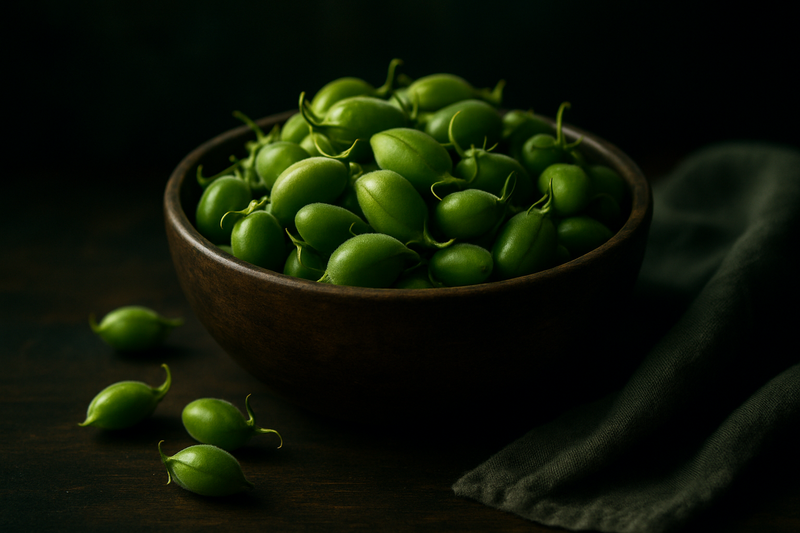
Green Chickpeas · Photograph
Discover green chickpeas health benefits backed by research — from heart health and blood sugar control to gut support and folate. Learn how to eat fresh hara chana like edamame, roast them in the pod, and use them as a plant-based protein snack every day.
Key Nutrients
% Daily Value based on 2,000 cal diet
Key active compounds in green chickpeas
- Resistant starch — a type of starch that bypasses digestion in the small intestine and ferments in the large intestine, feeding beneficial bacteria and producing short-chain fatty acids (compounds linked to gut barrier health and lower inflammation).
- Oligosaccharides (e.g., raffinose, stachyose) — short-chain carbohydrates that act as prebiotics (food for beneficial gut bacteria) but can also cause gas in sensitive individuals.
- Polyphenols (phenolic acids and flavonoids) — plant antioxidant compounds that may dampen inflammatory pathways and contribute to cardiovascular protection.
- Saponins — bioactive glycosides found in legumes; experimental studies link them to cholesterol-lowering effects, but human data specific to chickpeas remain limited.
- Phytates (phytic acid) — naturally occurring phosphorus-containing compounds that can bind minerals like iron and zinc, reducing their absorption slightly. Cooking and soaking lower phytate levels.
Prep and pairing ideas
Roasted pod snack + squeeze of lime and chaat masala. The traditional South Asian street preparation. The acid from lime and vitamin C-rich condiments also helps your body absorb the iron in the chickpeas — a practical nutrition bonus.
Shelled green chickpeas stirred into a turmeric-ginger rice. The spices bring anti-inflammatory compounds; the chickpeas add protein and fibre to turn a side dish into a balanced meal. The combination lowers the overall glycaemic index of the rice portion.
Green chickpea and roasted carrot salad with tahini dressing. Carrots provide beta-carotene and additional fibre; tahini (sesame paste) adds healthy unsaturated fats and calcium. The fat in tahini helps with the absorption of fat-soluble carotenoids from the carrots while the chickpeas anchor the protein.
Buying guide: fresh, frozen, or canned — what to look for
Fresh green chickpeas in the pod — the most seasonal and flavourful option. Look for bright, firm, deep green pods with no yellowing or soft spots. Available at South Asian grocery stores, farmers' markets, and some specialty stores from late winter through spring. Best used within 2–3 days of purchase or refrigerated in a breathable bag.
Frozen green chickpeas (shelled) — the next best option. Frozen shortly after harvest, they retain most nutrients including vitamin C. Check the label: the only ingredient should be green chickpeas, with no added salt or oil. Frozen is your best bet when fresh is out of season.
Mature canned chickpeas — a different texture and flavour from fresh green, but nutritionally strong and extremely convenient. Choose no-added-salt or low-sodium varieties. Drain and rinse before use to reduce sodium by roughly 40%. A BPA-free lined can is a minor bonus if you buy a lot.
Roasted chickpea snack bags — read labels carefully. Many contain substantial added oil and sodium; some are also coated in flavourings. Look for short ingredient lists. Home-oven-roasting dried or canned chickpeas gives you full control.
Bottom line
Green chickpeas (hara chana) are a genuinely useful whole food — not because they do anything magical, but because they pack protein, fibre, folate, and key minerals into an inexpensive, versatile, and actually enjoyable package. The human trial evidence for cooked chickpeas is solid enough that major health bodies recommend legumes multiple times a week. Roasted in the pod, boiled in salads, or stirred into a grain bowl, green chickpeas are one of the easier ways to move your diet in a direction that decades of research consistently links to better heart health, steadier blood sugar, and a healthier gut. Cook them well, introduce them gradually, and they earn a regular place on the plate.
How Green Chickpeas Compares
| Compared with | What's different |
|---|---|
| Green Chickpeas vs. Garbanzo Beans (Kabuli) | Milder, grassier flavor and higher folate content compared to the nutty, starchy mature bean. |
| Green Chickpeas vs. Edamame | Softer, buttery texture and distinct nuttiness compared to the firm, snap-like bite of edamame. |
Health Benefits
Things to Know
Cook before eating in quantity.: Raw or undercooked chickpeas contain lectins and enzyme inhibitors that can cause nausea, vomiting, and gut upset. Heat deactivates these compounds. Roasting in-pod counts as cooking; a few fresh raw peas as a taste-test is fine.
Wash pods well.: Fresh pods can carry soil and agricultural residue. Rinse under cold running water and scrub lightly before cooking.
Start low, go slow.: If you are not used to eating legumes, begin with a small handful (around ¼ cup shelled) a few times a week and increase gradually to avoid gas and bloating.
Kidney disease.: Green chickpeas are relatively high in potassium and phosphorus. People with advanced chronic kidney disease (CKD stages 3b–5) or those on dialysis should discuss portion sizes with their nephrologist or renal dietitian before increasing intake.
IBS and low-FODMAP diets.: FODMAPs (fermentable short-chain carbohydrates) in chickpeas — particularly oligosaccharides — can trigger symptoms in people with irritable bowel syndrome. During the elimination phase of a low-FODMAP protocol, chickpeas are typically restricted; reintroduction testing can clarify individual tolerance.
Legume allergy.: Chickpea allergy exists and cross-reactivity with other legumes (lentils, peas) is possible. If you have a known legume allergy, check with an allergist before trying green chickpeas.
Medication interactions to flag with your doctor:
Diabetes medications (insulin, sulfonylureas): Regular chickpea intake may improve glycaemic control enough that medication doses need adjusting. Monitor blood sugar closely when making large dietary changes.
Potassium-sparing diuretics or ACE inhibitors: The potassium load from chickpeas adds to total dietary potassium, which may matter if your medication already raises potassium levels.
Iron supplements: Phytates in chickpeas can reduce iron absorption. Separate supplements from high-chickpea meals by a couple of hours, or pair chickpeas with vitamin C-rich foods to counter the effect.
Pregnancy.: Chickpeas are one of the richest plant sources of folate — critical in early pregnancy for neural tube development. They are generally safe and encouraged in pregnancy, though thorough cooking remains important.
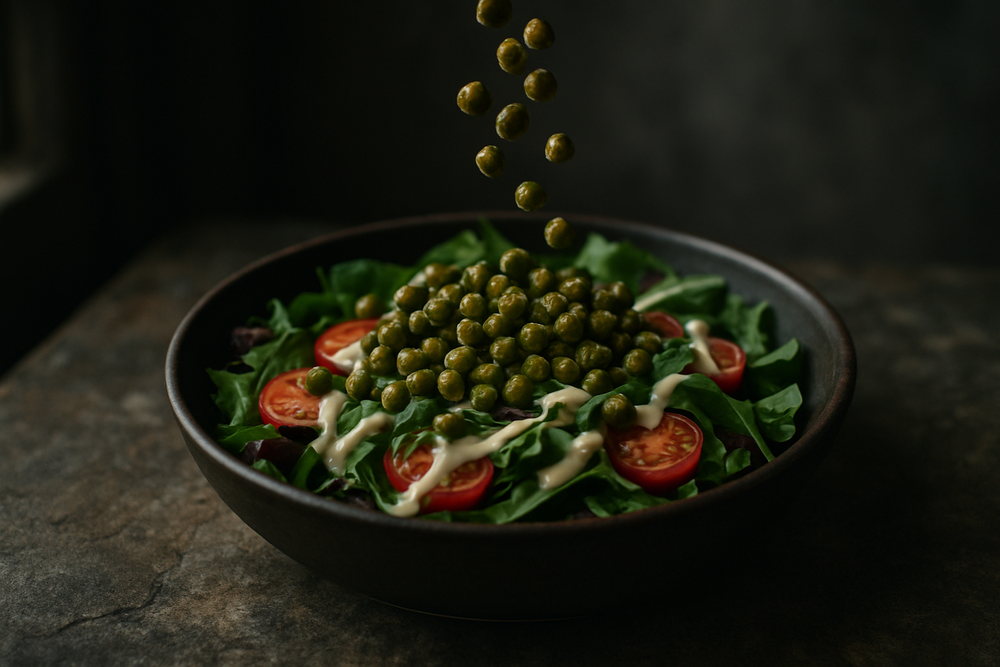
Shop This Ingredient
Stock your pantry with quality green chickpeas.
Buy on AmazonAs an Amazon Associate, Plantopedia earns from qualifying purchases. This costs you nothing extra and helps us keep the encyclopedia free.
Frequently Asked Questions
Green chickpeas are simply regular chickpeas (Cicer arietinum) harvested while still young and fresh, before the pods dry and the seeds turn beige. The seeds are plump, moist, and bright green, with a sweeter, grassier flavour than their dried counterpart. Nutritionally they are very similar — same protein, fibre, and mineral profile — but fresh green chickpeas contain more water, so calorie density per cup is slightly lower, and they provide a small amount of vitamin C that is mostly lost during the drying process.
Yes. A ½-cup cooked serving delivers around 7 g of protein alongside 6 g of fibre, making them a strong plant-protein option — especially compared with snack foods like crisps or crackers. Their protein is not "complete" on its own (it is lower in the amino acid methionine), but eating a variety of plant proteins across the day — grains, nuts, other legumes — easily covers the full amino acid range. Research on chickpeas and mixed pulses consistently shows they support lean body mass and satiety as part of balanced diets.
Research on mature chickpeas suggests yes — with realistic expectations. Several randomised controlled trials found that eating roughly ½–1 cup of cooked chickpeas daily for 5–20 weeks produced small but significant reductions in total and LDL cholesterol compared with wheat-based diets. The effect is modest (not equivalent to medication), likely driven by soluble fibre binding bile acids in the gut. The same mechanism is expected to apply to cooked green chickpeas, though direct trials on the fresh green form have not yet been published.
Chickpeas have a low glycaemic index, meaning they cause a much slower, lower rise in blood sugar compared with white bread, rice, or pasta — even though they contain carbohydrate. Multiple crossover trials confirm this, and a meta-analysis of controlled studies found that chickpea-based meals significantly lower the total glucose exposure after eating compared with carbohydrate-matched alternatives. For people with type 2 diabetes, a legume-rich diet including chickpeas has been shown to improve HbA1c over three months. Adding green chickpeas to a meal that contains white rice or bread can help blunt that meal's overall glycaemic response.
Gas from chickpeas is common and comes from oligosaccharides and resistant starch, which gut bacteria ferment in the large intestine — a sign the bacteria are active and well-fed, but not always comfortable. The practical fix is to start with small portions (¼ cup) and increase gradually over 2–3 weeks as your gut bacteria adapt. Thorough cooking softens and breaks down some of these compounds. Rinsing canned chickpeas removes some oligosaccharides that leach into the liquid. Drinking plenty of water with a higher-fibre diet also helps. For most people, the bloating decreases noticeably after a few weeks of regular consumption.
For most healthy adults, yes — eating a ½–1 cup serving of well-cooked green chickpeas daily is safe and falls well within the amounts used in clinical research. The main precautions are: always cook them (raw chickpeas contain gut-irritating lectins), wash pods thoroughly before cooking, introduce gradually to avoid digestive discomfort, and drink enough water to support the added fibre. People with chronic kidney disease, IBS, or legume allergies should consult a healthcare provider about appropriate portions.
Quick Answers
Common questions, answered in a line.
You should cook green chickpeas before eating them in quantity to deactivate lectins and enzyme inhibitors that can cause nausea or gut upset. While a few raw peas for tasting are fine, roasting or boiling ensures these compounds are neutralized for safe digestion.
Green chickpeas are an excellent plant source of folate, which is critical during early pregnancy for healthy neural tube development. They are generally considered safe and highly beneficial for pregnant women, provided they are thoroughly cooked and washed properly.
Green chickpeas support gut health by providing resistant starch and oligosaccharides that act as prebiotics to feed beneficial bacteria. These compounds ferment in the large intestine to produce short-chain fatty acids, which are linked to a stronger gut barrier and lower inflammation.
To get the most iron from green chickpeas, pair them with vitamin C-rich foods like lime juice or peppers to counter the effects of phytates. Phytates naturally occurring in legumes can slightly reduce mineral absorption, but cooking, soaking, and adding acid helps maximize nutrient uptake.
People with advanced chronic kidney disease (CKD) or those taking potassium-sparing diuretics should consult a doctor before increasing green chickpea intake due to their high potassium and phosphorus content. Additionally, those on insulin should monitor blood sugar as chickpeas may improve glycemic control.
When buying frozen green chickpeas, check the label to ensure the only ingredient is green chickpeas with no added salt or oil. Frozen varieties are the best alternative to fresh pods because they are typically frozen shortly after harvest, allowing them to retain most nutrients like vitamin C.
For fresh green chickpeas, look for pods that are bright, firm, and deep green without any yellowing or soft spots. These are highly seasonal, typically available from late winter through spring, and should be stored in a breathable bag in the refrigerator for two to three days.
For Readers in the USA
Local context — sourcing, seasonality, and regional notes.
You can find fresh green chickpeas primarily in Indian and Middle Eastern grocery stores (like Patel Brothers) or at local California farmers' markets during the spring. While major chains like Whole Foods or Trader Joe's occasionally carry frozen versions, specialty ethnic markets are the most reliable source for pods.
In the US, the peak season for fresh green chickpeas runs from late winter through early spring, typically between February and May. Most fresh pods are grown in California's Central Valley or imported from Mexico to meet the seasonal demand in specialty markets across the country.
Look for the USDA Organic seal to ensure green chickpeas were grown without synthetic pesticides, and check the FDA-required nutrition label for sodium levels if buying frozen or canned. Most pre-packaged roasted chickpea snacks in the US must also clearly list common allergens like soy or wheat if they are processed on shared equipment.
While not as common as dried chickpeas, green chickpeas are increasingly used in US-style grain bowls, blended into vibrant green hummus, or served as a high-protein "edamame" alternative in fusion restaurants. They are frequently marketed in American health food circles as a "superfood" snack due to their high folate and fiber content.
AI Clinical Review
- Clearly distinguishes green (fresh) chickpeas from mature dried ones and notes their overlapping nutrient profile, with fresh offering some vitamin C.
- Accurately reflects human research that regular pulse intake—about ½–1 cup cooked daily—can modestly lower LDL cholesterol and blunt after-meal (postprandial) blood sugar rises.
- Explains gut benefits plausibly via fibre, resistant starch, and prebiotic oligosaccharides, while giving practical tips to introduce them gradually to minimize gas.
- Emphasizes safe preparation (cook before eating in quantity) and offers realistic, food-first ways to include them.
- Most clinical trials used canned or dried mature chickpeas; applying those results to fresh green chickpeas is reasonable but not directly proven in head‑to‑head studies.
- Findings on inflammation markers (e.g., C‑reactive protein) and microbiome shifts come from small, short studies; the durability and clinical impact need confirmation.
- Evidence for appetite control and weight outcomes is largely short‑term; long‑term, real‑world effects on body weight are not well established.
- Precise nutrient values for green chickpeas—especially vitamin C—vary by variety and cooking method and are underrepresented in major databases.
- Typical “study range” is ~½–1 cup cooked chickpeas per day; if you’re new to legumes, consider starting around ¼ cup and increasing over 2–3 weeks with adequate fluids.
- Always cook thoroughly (boil, steam, or roast in the pod); raw or undercooked chickpeas can cause gastrointestinal upset due to lectins and enzyme inhibitors.
- Extra caution for people with chronic kidney disease (potassium/phosphorus load), IBS or on a low‑FODMAP plan (fermentable carbs), and anyone with legume allergies—check with a clinician.
- Medication considerations: blood sugars may improve enough to affect diabetes medication needs; potassium can add up with ACE inhibitors or potassium‑sparing diuretics; phytates can reduce iron supplement absorption—separate dosing or pair with vitamin C–rich foods.
Cook before eating in quantity; wash pods well.
References
- USDA FoodData Central — chickpeas, mature seeds, raw (nutrition data used for this page): (fdc.nal.usda.gov)
- Harvard T.H. Chan School of Public Health — Legumes and Pulses overview (guidelines and evidence summary): (nutritionsource.hsph.harvard.edu)
- Review: nutritional value and health benefits of chickpeas and hummus — covers protein, fibre, lipids, micronutrients, and clinical outcomes: (pmc.ncbi.nlm.nih.gov)
- Meta-analysis: chickpeas and postprandial blood glucose — pooled data from controlled trials showing reduced glucose iAUC: (pmc.ncbi.nlm.nih.gov)
- RCT: long-term chickpea consumption and glycaemic control — 20-week trial showing reduced LDL cholesterol, improved satiety, and bowel function: (pubmed.ncbi.nlm.nih.gov)
- RCT: chickpea supplementation and serum cholesterol — 5-week trial showing significant total and LDL cholesterol reductions: (pubmed.ncbi.nlm.nih.gov)
- RCT: legume-rich low-GI diet and type 2 diabetes — 3-month trial showing HbA1c reduction and lower cardiovascular risk score: (pubmed.ncbi.nlm.nih.gov)
- RCT: glycaemic response to chickpeas mixed with white rice — crossover study showing reduced glucose response when chickpeas replaced part of a rice meal: (pmc.ncbi.nlm.nih.gov)
- RCT: chickpeas suppress postprandial glucose and appetite — trial showing lower next-meal energy intake after chickpea-based meal: (link.springer.com)
- Review: advancing science to define optimal pulse intake — evidence review covering serving sizes, frequency, and health outcomes for pulses: (pmc.ncbi.nlm.nih.gov)
Know Your Numbers
Eating healthy is a start. Now get to know your biomarkers.
Food changes bloodwork — inflammation, lipids, blood sugar and nutrient status all respond to what you eat. 59 markers from $59.
- Results in 7–10 days at 2,000+ Quest sites
- Licensed provider reviews every result
- One flat price, no membership, HSA/FSA eligible
Educational information only, not medical advice. Panels are ordered and reviewed through our licensed partner; Plantopedia may earn a commission.