Soybean Sprouts — health benefits and uses
A Korean everyday food eaten for restorative, cleansing broths.
The Short Answer
Soybean sprouts are nutrient-dense legumes providing 8.5g of protein and 172mcg of folate per cup. They are rich in isoflavones and must be cooked thoroughly to neutralize trypsin inhibitors and ensure food safety.
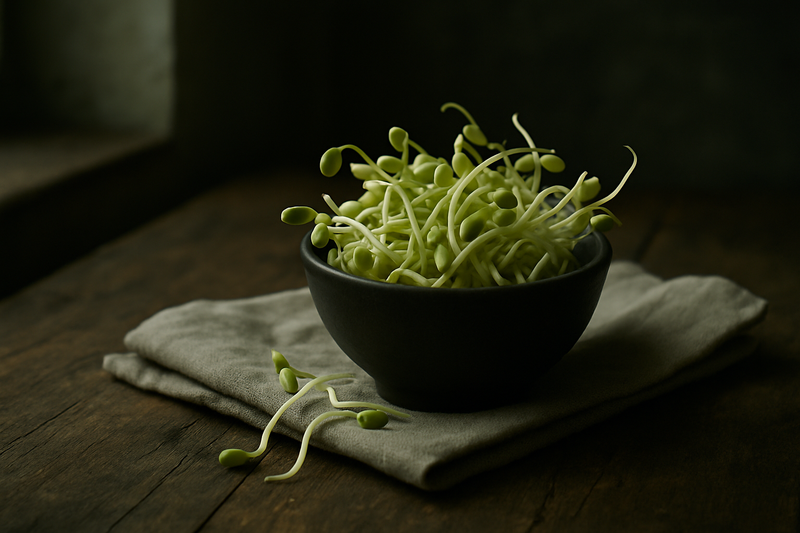
Soybean Sprouts · Photograph
Discover soybean sprouts health benefits and how to cook them safely. This evidence-aligned guide covers kongnamul nutrition facts, plant-based protein, folate, digestion, hormone balance, food safety, and practical Korean recipe ideas.
Key Nutrients
% Daily Value based on 2,000 cal diet
Key active compounds
- Isoflavones (genistein, daidzein) — Polyphenolic phytoestrogens (plant compounds that weakly mimic estrogen in the body). Levels are maintained or increase during sprouting. Linked in broader soy research to modest cardiovascular and menopausal-symptom benefits.
- Coumestrol — A potent phytoestrogen found in soybean sprouts that can interact with estrogen and other hormonal signaling pathways. One human trial found it raised testosterone levels in men with age-related androgen deficiency.
- Saponins — Glycosidic (sugar-bound) compounds associated with cholesterol-lowering and immune-modulating effects in experimental models.
- Bioactive peptides — Short amino acid chains released during sprouting and digestion; some show ACE-inhibitory (blood pressure–related) and anti-inflammatory activity in lab studies.
- Phenolic antioxidants — A broad class of polyphenols whose concentration rises with germination, helping protect cells from oxidative damage.
- Phytic acid (reduced) — Present but at lower levels than in dry soybeans; reducing phytic acid improves iron, zinc, calcium, and magnesium absorption.
- Trypsin inhibitors (partially reduced) — Largely inactivated by thorough cooking, eliminating the protein-digestion interference seen with raw soybeans.
- Choline and lecithin — Phospholipid-related compounds that support cell membrane structure, liver function, and lipid metabolism.
Prep and pairing ideas
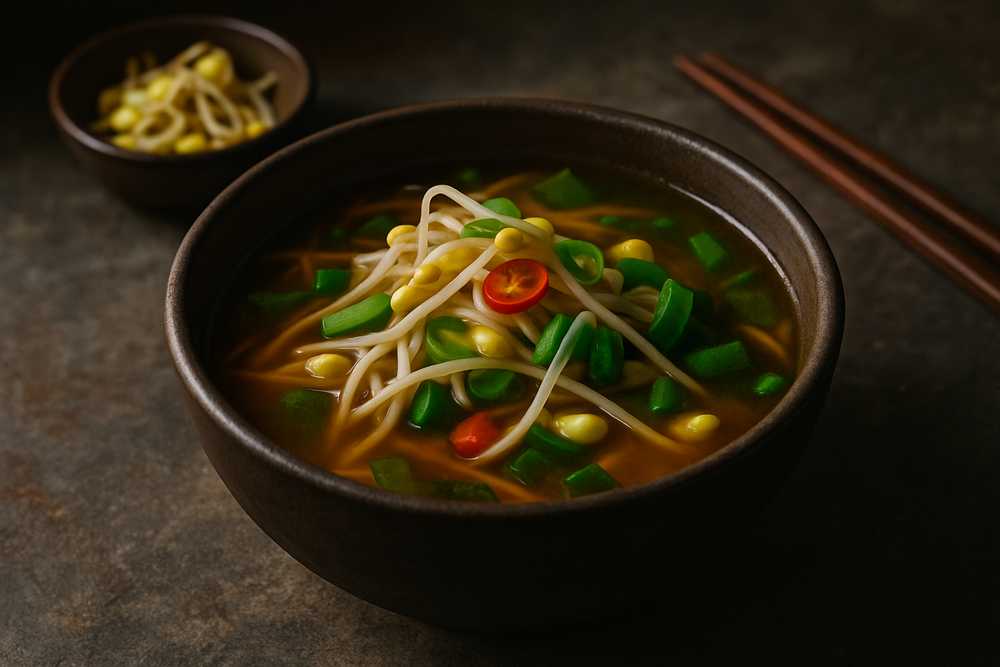
How to cook soybean sprouts for soup (kongnamul-guk):
- Rinse fresh soybean sprouts and pinch off any blackened tips.
- Add to cold water in a pot with a lid. Bring to a boil, then simmer 5–8 minutes with the lid on — lifting it too early can create a beany odor.
- Season with a small amount of fish sauce or soy sauce, minced garlic, and sesame oil. Top with sliced green onion.
Chilled side dish (kongnamul muchim):
- Blanch sprouts 3–5 minutes, drain, and cool under running water.
- Toss with sesame oil, garlic, soy sauce, a pinch of salt, and optional gochugaru (Korean chili flakes) for a vibrant banchan (side dish).
Optional module: Common pairings
| Pairing | Why it works |
|---|---|
| Sesame oil + garlic | Sesame oil carries fat-soluble isoflavones and amplifies the nutty flavor; garlic adds allicin-rich anti-inflammatory compounds — a nutritionally synergistic combination traditional to kongnamul muchim. |
| Doenjang (Korean fermented soybean paste) soup | Combining soybean sprouts with fermented soy paste doubles the isoflavone and probiotic content of a single bowl, and the umami depth reduces the need for added salt. |
| Short-grain brown rice | Pairing kongnamul with brown rice creates a complementary amino acid profile, adds soluble fiber, and together they form a complete, low-glycemic-load meal — a classic Korean bibimbap base. |
Bottom line
Soybean sprouts — kongnamul — are a nutritionally dense, versatile, and genuinely underappreciated legume sprout. Their folate content rivals many leafy greens, their protein-to-calorie ratio is excellent for a plant food, and the sprouting process makes their nutrients more accessible than those in unsprouted soybeans. Emerging research suggests they may support heart health, iron status, digestion, and hormone balance, though kongnamul-specific human trials are still limited and most benefit claims must be extrapolated from broader soy and sprout research.
The single most important practical point: always cook them thoroughly. Raw sprouts — any sprout — carry real foodborne illness risk. Simmer, stir-fry, or steam your kongnamul until completely tender, and you have one of the easiest whole-food upgrades you can make to a plant-based or Korean-inspired meal pattern.
If you are pregnant, immunocompromised, on thyroid medication, or managing a hormone-sensitive condition, speak with a clinician about frequency and preparation. For most healthy adults, a half-to-one cup of well-cooked soybean sprouts several times per week is a safe, evidence-consistent way to add variety, nutrients, and culinary pleasure to your plate.
Looking for ways to build a diet around folate-rich and legume-based foods? Browse our Goals guides to find evidence-aligned eating patterns that match your health priorities.
How Soybean Sprouts Compares
| Compared with | What's different |
|---|---|
| Soybean Sprouts vs. Mung Bean Sprouts | Soybean sprouts are larger and crunchier with a yellow bean head, while mung bean sprouts are smaller and softer. |
| Soybean Sprouts vs. Alfalfa Sprouts | Soybean sprouts provide about 8.5g of protein per cup, significantly higher than the 1-3g in alfalfa. |
Health Benefits
Things to Know
Always cook thoroughly.: Raw soybean sprouts carry significant foodborne illness risk. Simmer, stir-fry, or steam until fully tender.
Soy allergy.: Soybean sprouts contain the same allergenic proteins as other soy foods. People with soy allergy must avoid them.
Pregnancy.: Pregnant people are at higher risk from foodborne illness; eat only thoroughly cooked soybean sprouts and avoid raw sprouts entirely.
Immunocompromised individuals: (e.g., those on chemotherapy, HIV medications, or organ-transplant immunosuppressants) should avoid raw sprouts and ensure soybean sprouts are cooked to a safe internal temperature.
Young children and older adults: are more vulnerable to severe complications from sprout-related foodborne illness; the same thorough-cooking rule applies.
Hormone-sensitive conditions.: People with estrogen receptor–positive breast cancer, endometriosis, uterine fibroids, or related conditions may wish to discuss high soy or sprout intake with their oncology or gynecology team. Most guidelines consider moderate traditional soy food consumption acceptable, but individual assessment matters.
Hypothyroidism / levothyroxine.: Soy foods and high-fiber meals may reduce levothyroxine absorption if eaten simultaneously. Standard advice is to take levothyroxine on an empty stomach and space it several hours from large soy-containing meals.
Warfarin and anticoagulants.: Bean sprouts contribute dietary vitamin K, which affects how warfarin works. Keeping vitamin K intake consistent (rather than avoiding it) is usually recommended; discuss with your prescriber.
Sodium.: Traditional Korean preparations (kongnamul muchim) include soy sauce and salt. If you are watching sodium intake, reduce seasoning or rinse canned preparations.
Best Forms
A 5–8 minute simmer in lightly salted water tenderizes the sprouts, deactivates residual trypsin inhibitors, and eliminates the bacterial contamination risk. This is the base technique for kongnamul soup and chilled side dishes.
Briefly blanching then stir-frying with sesame oil, garlic, and soy sauce is the most common restaurant preparation. Oil and sodium content vary, so heart-health–focused versions use a light hand with both.
Sprouted soybeans can be blended into milk or pressed into tofu. One trial used 100 ml/day of sprouted soy milk to improve ferritin (iron-storage protein) levels in iron-deficient girls over six months — a practical format for those who dislike the texture of whole sprouts.
Some clinical trials use concentrated soybean germ or sprout extracts (e.g., 1,600 mg/day). These are not equivalent to food portions and should only be used with medical guidance.
Not recommended. Major food safety authorities — including the CDC, NSW Food Authority, and University food safety programs — link raw sprout consumption to repeated outbreaks of Salmonella, E. coli O157:H7, and Listeria. The warm, moist sprouting environment is ideal for bacterial growth, and rinsing does not reliably remove pathogens. Always cook soybean sprouts before eating.
Prep Ideas
- — Rinse fresh soybean sprouts and pinch off any blackened tips.
- — Add to cold water in a pot with a lid. Bring to a boil, then simmer 5–8 minutes with the lid on — lifting it too early can create a beany odor.
- — Season with a small amount of fish sauce or soy sauce, minced garlic, and sesame oil. Top with sliced green onion.
- — Blanch sprouts 3–5 minutes, drain, and cool under running water.
- — Toss with sesame oil, garlic, soy sauce, a pinch of salt, and optional gochugaru (Korean chili flakes) for a vibrant banchan (side dish).
Shop This Ingredient
Stock your pantry with quality soybean sprouts.
Buy on AmazonAs an Amazon Associate, Plantopedia earns from qualifying purchases. This costs you nothing extra and helps us keep the encyclopedia free.
Frequently Asked Questions
Heart and circulation Soybean sprouts are low in saturated fat and provide fiber, potassium, and unsaturated fatty acids — a nutritional profile consistent with reduced cardiovascular risk. In broader research on soy foods and legume-rich diets, these components are associated with modest reductions in LDL cholesterol (the "bad" kind) and blood pressure. The isoflavones and bioactive peptides in sprouted soybeans add further biological plausibility, as lab studies show they can inhibit ACE (an enzyme involved in raising blood pressure) and reduce LDL oxidation. That said, direct randomized trials using cooked kongnamul as the specific intervention are lacking. The strongest signal comes from studies on soy foods as a category and from narrative reviews on germinated soybeans. Treating soybean sprouts as a heart-supportive component of a legume-rich diet — rather than a stand-alone therapy — is the most evidence-aligned position. Digestive health and microbiome Sprouting lowers two main sources of digestive discomfort in soybeans: phytic acid (which can bind minerals and irritate the gut) and trypsin inhibitors (which can interfere with protein digestion and contribute to bloating). Germination-focused reviews consistently report improved protein digestibility and reduced gas-related symptoms compared with dry soybeans. People who find whole soybeans hard on their digestive system often tolerate well-cooked soybean sprouts much better. This is supported by measurable compositional changes rather than just anecdote — though controlled human trials specifically measuring digestive outcomes with kongnamul intake are still limited. Blood sugar and metabolism Soybean sprouts are low in starch and provide protein and small amounts of fiber, both of which slow glucose absorption. Sprout-focused reviews cite small trials showing that adding generic sprouts to meals may improve postprandial (after-meal) blood sugar and insulin responses in people with type 2 diabetes. Soybean-sprout–specific randomized trials in people with diabetes have not yet been published, so current guidance rests on extrapolation from mixed-sprout and broader soy research. As a low-calorie, protein-rich food, kongnamul likely contributes to a low glycemic-load meal — and it can usefully replace starchier side dishes. Hormones and cycle health Soybean sprouts are one of the richer food sources of phytoestrogens, particularly isoflavones and coumestrol. These compounds bind estrogen receptors at much lower potency than the body's own estrogen, and their net effect depends on hormonal context, gut microbiome, and dosage. Human data here are intriguing but preliminary. A trial of coumestrol-rich bean sprouts found that oral ingestion raised serum testosterone in men with late-onset hypogonadism (age-related low testosterone). A clinical trial using 1,600 mg/day of soybean germ extract for 12 weeks reported improvements in menopausal symptoms. Observational and interventional research on soy isoflavones more broadly suggests neutral to beneficial effects on bone density and vasomotor symptoms (hot flashes). However, these trials used concentrated extracts rather than everyday food portions of kongnamul, so direct translation is uncertain. Current evidence on traditional soy foods generally supports safety in moderate amounts even for people with hormone-sensitive conditions, but individuals should discuss this with their clinician. Inflammation and recovery In vitro (cell and lab) work shows that sprouting alters the peptide and metabolite profiles of digested soybean protein, producing compounds with measurable anti-inflammatory activity that exceeds that of unsprouted soybeans. Sprouted soybeans are also higher in antioxidant phenolics, which can neutralize free radicals and may dampen chronic low-grade inflammation. These findings are mechanistically compelling, but clinical outcomes — such as measured reductions in CRP or IL-6 (blood markers of inflammation) — have not been adequately tested in humans consuming typical serving sizes of cooked kongnamul. Consider this area "emerging" rather than established.
Cooked whole soybean sprouts are strongly preferred over raw. Here is why, and how the options compare: Simmered / boiled (most traditional): A 5–8 minute simmer in lightly salted water tenderizes the sprouts, deactivates residual trypsin inhibitors, and eliminates the bacterial contamination risk. This is the base technique for kongnamul soup and chilled side dishes. Stir-fried: Briefly blanching then stir-frying with sesame oil, garlic, and soy sauce is the most common restaurant preparation. Oil and sodium content vary, so heart-health–focused versions use a light hand with both. Sprouted soy milk and tofu: Sprouted soybeans can be blended into milk or pressed into tofu. One trial used 100 ml/day of sprouted soy milk to improve ferritin (iron-storage protein) levels in iron-deficient girls over six months — a practical format for those who dislike the texture of whole sprouts. Standardized extracts: Some clinical trials use concentrated soybean germ or sprout extracts (e.g., 1,600 mg/day). These are not equivalent to food portions and should only be used with medical guidance. Raw: Not recommended. Major food safety authorities — including the CDC, NSW Food Authority, and University food safety programs — link raw sprout consumption to repeated outbreaks of Salmonella, E. coli O157:H7, and Listeria. The warm, moist sprouting environment is ideal for bacterial growth, and rinsing does not reliably remove pathogens. Always cook soybean sprouts before eating.
There is no officially established therapeutic dose for kongnamul as a whole food. What we know from traditional use and available research: Typical Korean culinary portions: 50–100 g (roughly half to one cup cooked) as a seasoned side dish, or 50–150 g in a bowl of soup. Many Koreans eat kongnamul several times per week as one of several banchan. Clinical trial context: Sprouted soy milk trials used 100 ml/day over six months; extract trials used 1,600 mg/day of standardized germ extract — both significantly higher and more concentrated than everyday food servings. Practical starting point: A half cup (50 g) of cooked soybean sprouts 2–4 times per week as part of a varied legume intake is a reasonable, well-tolerated starting point for most adults. If you are new to legumes generally, start with smaller amounts to let your gut adjust. No upper food-dose limit for healthy adults eating typical servings has been established. Those with the cautions listed above (soy allergy, hypothyroidism medications, hormone-sensitive conditions) should discuss frequency and quantity with their clinician. Supplements and extracts are not equivalent to food portions and should not be self-prescribed without medical guidance.
Optional module: Who benefits most People working toward plant-based protein goals Soybean sprouts deliver 8.5 g of complete protein per cup — one of the highest among sprout vegetables. They require minimal prep compared with dry legumes (no overnight soaking needed). They pair well with whole grains to create complete amino acid profiles at one meal. People monitoring iron and folate intake (including those planning pregnancy) A single cup covers 43% of daily folate needs — critical for early fetal neural tube development. The co-presence of vitamin C in the same food enhances non-heme iron absorption without needing a separate supplement. A six-month sprouted soy milk trial showed significant improvement in ferritin levels in iron-deficient girls, supporting the usefulness of sprouted soy foods for iron status.
Quick Answers
Common questions, answered in a line.
You should always cook soybean sprouts thoroughly because raw sprouts carry a significant risk of foodborne illness from bacteria. Simmering, stir-frying, or steaming them until tender ensures they are safe to eat, especially for children, seniors, and pregnant individuals.
Soybean sprouts are rich in plant-based protein, folate, and phytoestrogens like isoflavones and coumestrol. The sprouting process also increases phenolic antioxidants and improves the absorption of minerals like iron and zinc by reducing phytic acid.
To prevent a beany odor when making kongnamul-guk (soup), keep the lid on the pot for the entire 5–8 minute simmering process. Lifting the lid too early during the boiling stage is known to create an unpleasant smell in the dish.
Soybean sprouts contain phytoestrogens like isoflavones and coumestrol, which are plant compounds that weakly mimic or interact with estrogen in the body. While research suggests potential benefits for menopausal symptoms, those with hormone-sensitive conditions should consult a doctor regarding intake.
If you take levothyroxine for hypothyroidism, you should space your medication several hours apart from large soy-containing meals. Soy foods and high-fiber sprouts can potentially reduce the absorption of thyroid medication if eaten at the same time.
Soybean sprouts are a high-protein, low-calorie plant food that provides more accessible nutrients than unsprouted soybeans. They are particularly high in folate, which rivals the levels found in many leafy greens, making them a dense source of essential vitamins.
For Readers in the USA
Local context — sourcing, seasonality, and regional notes.
You can find fresh soybean sprouts at major Asian grocery chains like H-Mart and 99 Ranch Market, or in the specialty produce section of large retailers like Whole Foods and Wegmans. Many local farmers markets also carry them, particularly in states with high agricultural output like California and New York.
While soybean sprouts are available year-round in US grocery stores due to indoor hydroponic farming, they are most abundant at farmers markets during the traditional spring and summer growing seasons. Their indoor cultivation makes them a reliable, nutrient-dense fresh produce option even during the winter months in colder USDA zones.
The FDA recommends that all consumers, especially children, the elderly, and pregnant women, avoid eating raw sprouts due to the risk of foodborne illnesses like Salmonella and E. coli. For safety, the USDA suggests cooking sprouts thoroughly until they are steaming hot to kill any potential bacteria.
In US grocery stores, soybean sprouts are often sold in bags labeled "Kongnamul" (their Korean name) and are noticeably larger with a bigger yellow bean head than the thinner, smaller mung bean sprouts. You may also see them labeled simply as "Soy Sprouts" in the refrigerated produce or tofu section.
AI Clinical Review
- Gives a clear, accurate picture of soybean sprouts (kongnamul) as a high-folate, protein-rich legume sprout and explains how sprouting improves nutrient availability and digestibility.
- Emphasizes the well-documented food safety issue with raw sprouts and the need to cook them thoroughly—aligned with public health guidance.
- Fairly frames most health claims as extrapolated from broader soy/sprout research and highlights mechanisms (reduced phytic acid/trypsin inhibitors, isoflavones, peptides) without overstating outcomes.
- Offers practical, culturally authentic cooking methods and portion contexts that fit within a plant-forward eating pattern.
- Cardiovascular benefits specific to cooked soybean sprouts have limited direct human trial data; most signals come from general soy or germinated-soy literature.
- Glycemic and metabolic effects are suggestive but rely on small, mixed-sprout studies; soybean-sprout–only trials in people with diabetes are scarce.
- Hormone-related outcomes (e.g., menopausal symptoms, testosterone) are based largely on extracts or small trials; real-world effects from typical food portions remain uncertain and may vary by individual and gut microbiome.
- Anti-inflammatory claims are mechanistically plausible from in vitro work, but consistent changes in clinical biomarkers (e.g., CRP, IL-6) with usual servings haven’t been established.
- Safety first: avoid raw sprouts. Cook thoroughly—especially if pregnant, older, very young, or immunocompromised.
- Soy allergy applies to sprouts as well; symptoms can occur even when cooked. Seek alternatives if you have a known soy allergy.
- Medication interactions: separate large soy-containing meals from levothyroxine dosing; keep vitamin K intake steady if you take warfarin (don’t avoid it entirely without clinician input).
- Practical intake: for most adults, about 1/2–1 cup cooked per serving, a few times per week, is a reasonable range; start smaller if legumes are new or cause GI discomfort. Individuals with hormone‑sensitive conditions should confirm an appropriate intake with their care team.
Cook soybean sprouts before eating; raw soybeans and their sprouts contain trypsin inhibitors.
References
- USDA FoodData Central — Soybeans, mature seeds, sprouted, cooked, steamed (NDB 168460): Comprehensive nutrient data used for the nutrition snapshot on this page. (fdc.nal.usda.gov)
- Harvard T.H. Chan School of Public Health Nutrition Source — Legumes and Pulses: Overview of legume health benefits, cardiovascular and metabolic evidence, and dietary pattern context. (nutritionsource.hsph.harvard.edu)
- Healthline — Raw Sprouts: Benefits and Potential Risks: Consumer-oriented summary of foodborne illness risk from raw sprouts and cooking guidance. (healthline.com)
- CDC — Advice to Consumers and Retailers on Sprout-Associated Salmonella Infections: Public health guidance on sprout-related outbreaks and safe preparation. (archive.cdc.gov)
- NSW Food Authority — Sprouts Consumer Guidance: Regulatory food safety guidance, including advice for vulnerable groups. (foodauthority.nsw.gov.au)
- Longdom Open Access — The Nutritional Advantages of Germinated Soybeans and Its Methods of Preparation: Narrative review of sprouting effects on nutrient content, antinutrients, and health-relevant compounds. (longdom.org)
- PMC 4008751 — Effect of Sprouting of Soybean on Chemical Composition and Quality of Soymilk: Human-relevant data on how sprouting alters soybean composition, phytic acid, and protein digestibility. (pmc.ncbi.nlm.nih.gov)
- Semanticscholar PDF — Sprouting alters metabolite and peptide contents in gastrointestinal digest of soybean and enhances in-vitro anti-inflammatory activity: Laboratory study showing germination increases anti-inflammatory peptide profiles. (pdfs.semanticscholar.org)
- PMC 12383465 — Oral ingestion of coumestrol-rich bean sprouts and serum testosterone: Small human trial examining phytoestrogen effects on androgen levels in men with late-onset hypogonadism. (pmc.ncbi.nlm.nih.gov)
- ClinicalTrials.gov NCT03826212 — Efficacy and Safety of Soybean Germ Extract on Menopausal Symptoms: Registered clinical trial using standardized soybean germ extract for 12 weeks in menopausal women. (clinicaltrials.gov)
Know Your Numbers
Eating healthy is a start. Now get to know your biomarkers.
Food changes bloodwork — inflammation, lipids, blood sugar and nutrient status all respond to what you eat. 59 markers from $59.
- Results in 7–10 days at 2,000+ Quest sites
- Licensed provider reviews every result
- One flat price, no membership, HSA/FSA eligible
Educational information only, not medical advice. Panels are ordered and reviewed through our licensed partner; Plantopedia may earn a commission.