Jujube — health benefits and uses
A calming, blood-nourishing tonic (red date) in Traditional Chinese Medicine.
The Short Answer
Jujube, or Chinese red date, is a fiber-rich fruit known for its exceptionally high Vitamin C content and digestive benefits. It is commonly simmered into teas for its calming effects or eaten fresh for a crisp, apple-like texture.
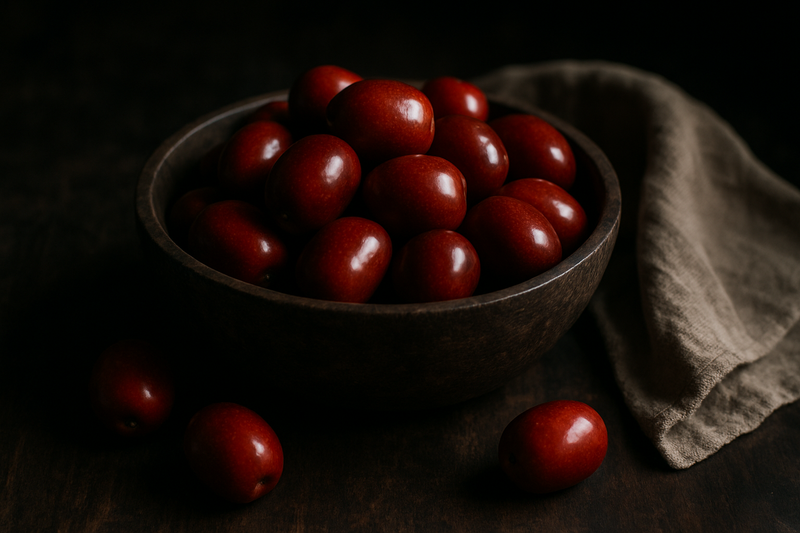
Jujube · Photograph
Discover jujube fruit health benefits and how to use Chinese red dates — from eating them crisp like a small apple to simmering them in tea and soup. Learn about jujube's vitamin C content, fiber, antioxidants, digestive support, and what the human research actually says about cholesterol, blood sugar, and calming effects.
Key Nutrients
% Daily Value based on 2,000 cal diet
Key active compounds in jujube
Jujube's benefits are not pinned to one magic molecule. Several distinct compound families work together:
- Vitamin C — an unusually high amount for a small fruit; a powerful water-soluble antioxidant (a molecule that neutralizes cell-damaging free radicals) and immune system supporter.
- Polyphenols and flavonoids — a broad family of plant pigments and antioxidants that show anti-inflammatory activity in lab studies and contribute to jujube's reddish hue.
- Polysaccharides — complex carbohydrates extracted from the fruit that show immunomodulatory (immune-regulating), blood sugar–lowering, and gut-protective effects in preclinical research.
- Triterpenic acids (including betulinic and ursolic acid) — plant-derived compounds linked to lipid metabolism support and liver protection in experimental models.
- Saponins (mainly in wild jujube seeds) — surface-active plant glycosides (sugar-linked molecules) associated with sedative and anxiety-reducing effects in animal studies; the basis for traditional use of jujube seed for sleep.
- Organic acids and amino acids — small molecules that contribute to flavor, buffering, and metabolic effects in whole-fruit consumption.
Prep and pairing ideas
Jujube is one of the more versatile fruits in a plant-based kitchen. Here are three practical starting points:
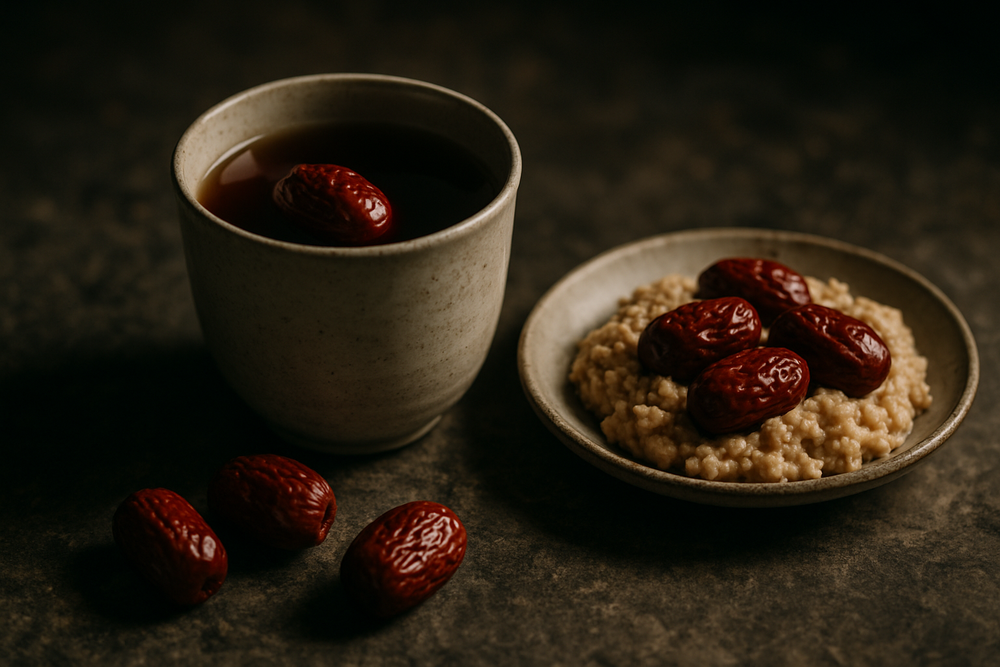
1. Simple jujube tea (most studied form) Score or roughly tear 6–8 dried red dates, place in a small pot with 2 cups of water, and simmer for 15 minutes. Add a few slices of fresh ginger and a small piece of cinnamon bark if you like. Strain and sip. This mirrors the infusion method used in clinical trials and is a warming, naturally sweet drink with zero added sugar.
2. Rice congee or porridge with jujubes Add 4–6 dried jujubes to a pot of congee or oatmeal while it cooks. The dates soften and lend a natural sweetness, reducing the need for added sweeteners. They pair especially well with goji berries, wolfberries, or a pinch of cardamom.
3. Fresh jujube snack board When fresh jujubes are in season (late summer to autumn in most growing regions), eat them simply — rinse and bite in. They pair well with soft cheeses, walnuts, or sliced pears on a snack board. The crisp texture and mild sweetness are closer to a Fuji apple than a Medjool date.
Bottom line
Jujube is one of the few whole fruits with a meaningful base of human clinical trial evidence behind it. Fresh, it is a low-calorie, vitamin C–rich, fiber-packed fruit that fits easily into any healthy eating pattern. Dried, as Chinese red dates, it is a concentrated ingredient best used mindfully — in teas, soups, and small culinary portions rather than by the bowlful. The strongest evidence points to digestive support, modest improvements in blood lipids and blood sugar (in people with diabetes, alongside medical care), and some stress-reducing properties. The calming and sleep benefits are biologically plausible and grounded in thousands of years of traditional use, but human trial evidence is still catching up. For most people, adding jujube to a balanced, plant-forward diet is a low-risk, potentially meaningful choice.
Curious how jujube fits your specific health goals? Explore the Plantopedia goals hub to find ingredient combinations matched to what you are working toward.
How Jujube Compares
| Compared with | What's different |
|---|---|
| Jujube vs. Medjool Date | Drier and crisp like an apple when fresh, whereas Medjools are sticky, soft, and much higher in sugar. |
| Jujube vs. Crab Apple | Contains significantly more Vitamin C (69mg per 100g) and has a milder, less tart flavor profile. |
Health Benefits
Things to Know
Contains a hard pit: — whole dried jujubes have a single elongated stone at the center; bite carefully or slice before adding to food, especially for young children or anyone with dental sensitivities.
Dried jujube is sugar-dense: — treat dried red dates like a concentrated fruit; a serving of 3–5 pieces (about 25–30 g) is a reasonable portion, not a full bowl.
Diabetes and blood sugar monitoring: — fresh jujube appears helpful in trials, but dried jujube adds significant sugar load. If you are managing diabetes, monitor your response and discuss portion sizes with your care team.
Medication interactions: — jujube may interact with antidepressants, particularly SNRIs (serotonin–norepinephrine reuptake inhibitors) such as venlafaxine; some guidance advises avoiding jujube while on these medications. Animal data also suggest potential interaction with anticonvulsants (phenytoin, phenobarbital, carbamazepine).
Sedatives and CNS medications: — high-dose jujube seed preparations may overlap with sedative or hypnotic drugs; use caution.
Pregnancy and breastfeeding: — small dietary amounts of fresh or dried fruit are generally considered acceptable, but medicinal doses of concentrated extracts or seed preparations are not well studied in pregnancy; consult a healthcare provider.
Fructose intolerance / sensitive digestion: — dried jujube is high in sugars and fiber; start with small amounts if you are prone to bloating or digestive discomfort.
Children: — pediatric jujube syrup trials used specific formulations and body-weight-based doses under clinical supervision; do not self-dose children with concentrated extracts.
Glossary
Shop This Ingredient
Stock your pantry with quality jujube.
Buy on AmazonAs an Amazon Associate, Plantopedia earns from qualifying purchases. This costs you nothing extra and helps us keep the encyclopedia free.
Frequently Asked Questions
Heart and circulation Several small RCTs suggest jujube may help improve blood lipids (fats in the blood, including cholesterol and triglycerides). In obese adolescents with dyslipidemia (abnormal blood fat levels), 15 g of jujube fruit powder daily for one month significantly reduced total cholesterol and LDL cholesterol ("bad" cholesterol) compared with placebo. In adults with type 2 diabetes, a jujube fruit infusion taken three times daily before meals for 12 weeks reduced total cholesterol, triglycerides, and LDL cholesterol more than diet alone. A separate trial using 30 g dried jujube daily for 12 weeks in people with type 2 diabetes found similar lipid improvements alongside lower fasting blood sugar. A more recent trial in metabolic syndrome found jujube syrup improved waist circumference and triglycerides after 8 weeks, though total cholesterol and LDL did not differ significantly from placebo in that group. The caveat: all of these trials are small, short-term, and conducted alongside diet changes or usual medications. Jujube is best understood as a supportive food, not a stand-alone treatment for heart disease. Digestive health and microbiome This is perhaps the strongest human evidence area for jujube. A randomized clinical trial in adults with chronic idiopathic constipation (constipation with no identified underlying cause) found that a liquid jujube extract taken for 12 weeks significantly improved colonic transit time (how long it takes food waste to move through the large intestine), reduced symptom severity, and improved quality of life compared with placebo. In a separate double-blind RCT, children aged 2–10 years with functional constipation who received jujube syrup showed greater improvement in bowel frequency, less pain, fewer episodes of encopresis (accidental stool leakage), and better treatment adherence than children given polyethylene glycol — a standard pharmaceutical laxative. Fresh jujube also provides substantial dietary fiber, which feeds beneficial gut bacteria and supports regular movement through the digestive tract. Blood sugar and metabolism Two RCTs in people with type 2 diabetes found meaningful reductions in HbA1c (a 3-month average blood sugar marker) and fasting blood glucose with daily jujube consumption over 12 weeks. One trial used a simple infusion: 10 g dried jujube steeped in 100 mL hot water, taken before each main meal. Jujube polysaccharides and phenolics are thought to slow carbohydrate digestion and improve insulin sensitivity (how well cells respond to the hormone insulin). However, dried jujube is itself sugar-dense, so the form and portion matter enormously. Fresh jujube's fiber content may also help blunt the blood sugar spike after a meal (the postprandial glycemic response). Inflammation and recovery In a 12-week RCT in people with type 2 diabetes, 30 g of dried jujube daily led to a significant decrease in hs-CRP (high-sensitivity C-reactive protein — a key blood marker of systemic inflammation) within the jujube group. Multiple lab and animal studies confirm strong antioxidant and anti-inflammatory activity from jujube phenolics and vitamin C, but the human data on inflammation specifically is still limited. More robust clinical trials with inflammation as the primary outcome are needed. Calming, stress, and sleep One RCT in people with metabolic syndrome found that jujube syrup taken for 8 weeks significantly improved perceived stress scores compared with placebo, though anxiety and depression scores did not differ. Traditional Chinese and Persian medicine have long used jujube fruit and seed for calming the mind and supporting sleep. Animal studies suggest jujube's saponins may modulate GABA (the brain's main calming neurotransmitter) and other nervous system pathways. These findings are promising but rest mostly on preclinical work and traditional use. If you are managing a clinical anxiety or sleep disorder, please speak with a healthcare professional before relying on jujube.
The honest answer is: they serve different purposes, and both fit a healthy diet in the right context. Fresh jujube (green to red, crisp): Lower in calories (79 per 100 g) and sugar Higher in vitamin C (some vitamin C is lost during drying) Great eaten out of hand like a small apple or added to fruit salads Seasonal availability limits access in many regions Dried jujube (Chinese red dates): Calorie- and sugar-dense (281 calories, 73 g carbs per 100 g) Long shelf life, widely available year-round Traditional form used in teas, soups, stews, and herbal porridges Most clinical trials have used dried fruit or preparations made from dried fruit Requires portion control, especially if you have diabetes or are monitoring sugar intake Jujube tea / infusion: The simplest way to access the fruit's benefits is to steep 6–10 dried jujubes (scored or halved to release more flavor) in hot water for 10–20 minutes. The infusion form was used in one major clinical trial at 10 g dried fruit in 100 mL water, three times daily before meals. At home, a cup or two of jujube tea per day is a reasonable starting point. Seed-based preparations (wild jujube, Ziziphus jujuba var. spinosa): these are more medicinal than food and have very different dosing. Do not treat them the same as eating the fruit.
The digestive health seeker Experiences sluggish digestion or occasional constipation Wants a food-first, gentle approach before reaching for pharmaceutical laxatives Enjoys warm, nourishing drinks as part of a daily routine Can start with 1–2 cups of jujube tea or 4–6 dried dates in a congee The cardiometabolic health planner Managing cholesterol, blood sugar, or metabolic syndrome under medical supervision Looking for additional whole-food strategies to complement their current diet and treatment plan Comfortable tracking portions of dried fruit to stay within calorie and sugar targets May find dried jujube a practical alternative to more heavily processed supplements
There is no single universally recommended dose, but the human trials give us useful anchors: Fresh fruit: 100 g (about 3 small fruits) fits comfortably into standard daily fruit recommendations from MyPlate and similar guidelines. Enjoy freely as part of your daily fruit intake. Dried fruit as food: 3–6 dried jujubes (approximately 25–30 g) per day is a common culinary serving. Stick to this range if you are monitoring blood sugar or calories. Trials used: 15–30 g dried jujube daily (as powder, whole fruit, or infusion) for 8–12 weeks. The infusion equivalent is roughly 10 g dried fruit per cup of tea, up to three cups daily — but this was a clinical protocol, not a general recommendation. Start low: if you are new to jujube and have a sensitive digestive system, start with 2–3 dried dates or one cup of tea and increase gradually over 1–2 weeks. Seed preparations: these are a separate category with medicinal dosing and limited human safety data — do not self-prescribe. Always check with your doctor before using jujube in supplement doses if you take medications or manage a chronic condition.
Quick Answers
Common questions, answered in a line.
Jujube is a significant source of Vitamin C, a powerful water-soluble antioxidant that neutralizes cell-damaging free radicals and supports the immune system. The fruit also contains polyphenols and flavonoids, which contribute to its reddish hue and provide anti-inflammatory activity.
Research suggests that jujube provides digestive support, modest improvements in blood lipids, and can help manage blood sugar in people with diabetes when used alongside medical care. Preclinical studies also show gut-protective effects and potential liver protection.
To make jujube tea, score or tear 6–8 dried red dates and simmer them in 2 cups of water for 15 minutes. This infusion method mirrors the techniques used in clinical trials and creates a naturally sweet drink that can be enhanced with ginger or cinnamon.
Jujube may interact with antidepressants, specifically SNRIs like venlafaxine, and animal data suggests potential interactions with anticonvulsants such as phenytoin. Additionally, high-dose seed preparations may overlap with the effects of sedative or hypnotic drugs.
Fresh jujubes have a crisp texture and mild sweetness that is more similar to a small Fuji apple than a Medjool date. When they are in season during late summer and autumn, they can be eaten raw or added to snack boards with cheese and nuts.
Jujube seeds contain saponins, which are sugar-linked molecules associated with sedative and anxiety-reducing effects in animal studies. While these compounds form the basis for traditional use as a sleep aid, human clinical trial evidence for these specific benefits is still catching up.
While fresh jujubes are high in fiber and vitamin C, dried jujubes are very sugar-dense and should be eaten in moderation. A reasonable serving is 3–5 pieces (about 25–30 grams) rather than a full bowl, especially for those monitoring their blood sugar.
For Readers in the USA
Local context — sourcing, seasonality, and regional notes.
In the United States, jujube trees thrive in USDA Plant Hardiness Zones 6 through 11, with the largest commercial harvests coming from California, Texas, and the Southwest. These regions provide the hot, dry summers required for the fruit to ripen and sweeten properly before the autumn harvest.
You can find dried jujubes year-round at H Mart, 99 Ranch Market, and local Asian grocers, while fresh jujubes typically appear in late summer at California farmers markets or specialty retailers like Whole Foods. Many American consumers also purchase premium organic dried red dates through online health food marketplaces.
While often called "Chinese dates" in American specialty shops, the fruit is not a true date; look for domestic varieties like 'Li' or 'Lang' which are the most common cultivars grown in the U.S. for their large size and sweet, apple-like flavor. These varieties are favored by home gardeners from Florida to the high deserts for their drought tolerance.
AI Clinical Review
- Clear distinction between fresh jujube and dried “red dates,” including calories, sugar, vitamin C, and how each fits into everyday eating.
- Accurately summarizes human data: small randomized trials (studies that compare a treatment to a control) suggest benefits for constipation and modest improvements in cholesterol, triglycerides, and blood sugar as an adjunct to usual care.
- Highlights meaningful nutrition (fiber and vitamin C) and plausible bioactives (polyphenols, polysaccharides, triterpenes) without overclaiming a single “magic” compound.
- Provides practical, food-first intake ideas and reasonable serving anchors that align with what’s been tested (e.g., infusions and ~15–30 g/day dried fruit in trials).
- Most trials are small and short (often 8–12 weeks) and use different forms/doses, so effect sizes and consistency are uncertain; longer, well-controlled studies are needed.
- Cardiometabolic outcomes are mainly shown in people with type 2 diabetes or metabolic syndrome alongside medication/diet changes; benefits for generally healthy adults are less clear.
- Stress, calming, and sleep effects are supported largely by traditional use and preclinical work; limited human data exist, and seed preparations are not the same as eating the fruit.
- Inflammation findings (e.g., hs-CRP) are preliminary and not consistently primary endpoints, so clinical relevance remains to be confirmed.
- Form matters: dried jujube is sugar-dense; a food serving of about 3–6 pieces (~25–30 g) is reasonable, while fresh fruit is lower in sugar and higher in vitamin C. People with diabetes should monitor their response.
- Typical study exposures range around 15–30 g/day of dried fruit or an infusion prepared from ~10 g per serving; these are study protocols, not universal prescriptions.
- Potential drug interactions: caution with certain antidepressants (SNRIs), anticonvulsants, and sedatives—particularly with concentrated seed-based products. Check with your clinician if you use these or are pregnant/breastfeeding.
- GI sensitivity: the combination of fiber and natural sugars can cause bloating in some; start low and go slow. Watch the hard pit—slice for children or anyone with dental concerns.
Contains a single hard pit; dried forms are sugar-dense.
References
- USDA FoodData Central — jujube raw nutritional data (fdc.nal.usda.gov)
- MyPlate fruit guidance — general daily fruit recommendations (myplate.gov)
- PMC review: edible jujube bioactive components and health functions (pmc.ncbi.nlm.nih.gov)
- PMC review: dietary Ziziphus jujuba fruit (pmc.ncbi.nlm.nih.gov)
- PMC review: comprehensive review of edible jujube (Ziziphus jujuba) (pmc.ncbi.nlm.nih.gov)
- RCT: jujube fruit infusion on lipid profiles, glycaemic index, and antioxidant status in type 2 diabetes (pubmed.ncbi.nlm.nih.gov)
- RCT: Zizyphus jujuba fruits on dyslipidemia in obese adolescents (pubmed.ncbi.nlm.nih.gov)
- RCT: jujube extract for chronic idiopathic constipation (pubmed.ncbi.nlm.nih.gov)
- RCT: jujube syrup vs polyethylene glycol in children with functional constipation (pubmed.ncbi.nlm.nih.gov)
- RCT: jujube for metabolic and mental health outcomes in metabolic syndrome (pubmed.ncbi.nlm.nih.gov)
Know Your Numbers
Eating healthy is a start. Now get to know your biomarkers.
Food changes bloodwork — inflammation, lipids, blood sugar and nutrient status all respond to what you eat. 59 markers from $59.
- Results in 7–10 days at 2,000+ Quest sites
- Licensed provider reviews every result
- One flat price, no membership, HSA/FSA eligible
Educational information only, not medical advice. Panels are ordered and reviewed through our licensed partner; Plantopedia may earn a commission.