Jun (Green Tea Kombucha) — health benefits and uses
Sometimes called the champagne of kombuchas, prized in wellness circles as a gentle gut tonic.
The Short Answer
Jun is a fermented sparkling tea made with green tea and honey, offering a lighter, floral flavor profile compared to traditional kombucha. It contains live probiotics, green tea antioxidants, and roughly 30 calories per cup.
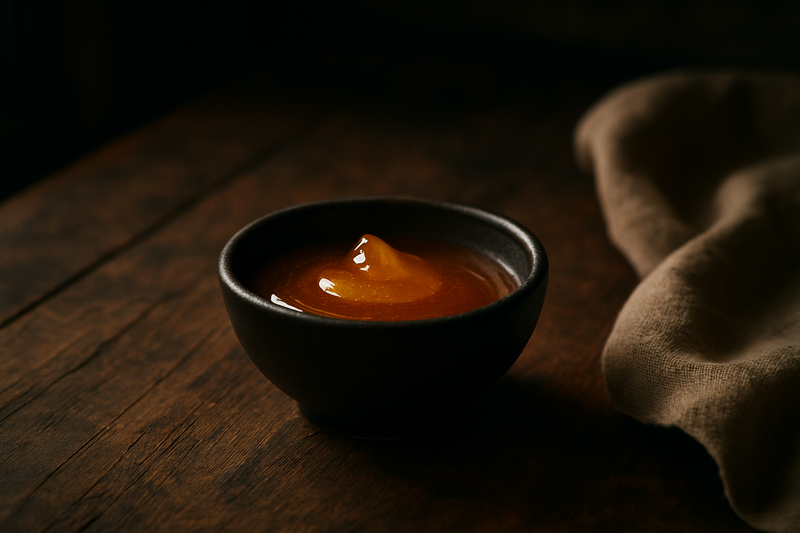
Jun (Green Tea Kombucha) · Photograph
Discover Jun tea benefits and side effects in plain English. Learn how this green tea and honey kombucha supports gut health, what the research really shows, who should be cautious, and how much to drink per day.
Key Nutrients
% Daily Value based on 2,000 cal diet
Key active compounds in Jun tea
- Green tea catechins (EGCG, epicatechin, epigallocatechin): Potent antioxidants that may support vascular function, lipid metabolism, and glucose handling. Some survive fermentation and remain active in the finished drink.
- Honey flavonoids (quercetin, chrysin): Polyphenols from floral nectars that exhibit antioxidant and antimicrobial properties. Raw honey provides these even after its sugars are fermented away.
- Organic acids (acetic acid, gluconic acid, glucuronic acid): Short-chain acids produced by bacteria during fermentation. They lower the pH, create the tangy taste, contribute mild antimicrobial effects, and may influence gut microbiota composition.
- L-theanine: An amino acid unique to tea that can promote calm focus and may soften the stimulating edge of caffeine. Present in green tea-based Jun; how much survives fermentation is not well studied.
- Live bacteria and yeast (probiotics): Unpasteurised Jun contains a community of acetic acid bacteria, lactic acid bacteria, and yeast strains. Species composition varies by SCOBY and brew, but may include strains of Acetobacter, Gluconobacter, Lactobacillus, and Saccharomyces.
- B vitamins (trace): Fermentation of sweetened tea can generate small amounts of B1, B2, B3, and B6, though levels in Jun are not standardised and are likely modest.
Prep and pairing ideas
Jun is versatile beyond drinking it straight from a glass. Here are three practical pairings that complement its flavour and potential function:
1. Jun + fresh ginger (digestion pairing) Add 1–2 teaspoons of freshly grated or juiced ginger during secondary bottling. Ginger contains gingerols, which may independently support gut motility and reduce nausea. The combination creates a warming, gently spicy tonic — a natural sparkling alternative to ginger beer.
2. Jun + pomegranate juice (antioxidant pairing) A splash of pomegranate juice (about 30 mL per 240 mL of Jun) contributes ellagitannins — a class of polyphenols associated with gut microbiome modulation. The deep ruby colour, tart-sweet contrast, and added phytochemical load make this a crowd-pleasing bottling choice.
3. Jun + a light meal (timing pairing) Drinking Jun with a meal rather than on an empty stomach can moderate the acid impact on your stomach lining and teeth. A small 120 mL pour with lunch or dinner mirrors the way fermented beverages like kefir and lacto-fermented vegetables are traditionally consumed — as part of a meal, not as a replacement for one.
Bottom line
Jun is a genuinely interesting fermented beverage that sits at a sweet spot between green tea's well-studied antioxidant profile and the live-culture world of kombucha. Its lighter flavour, honey-derived polyphenols, and green tea catechins give it a distinct and appealing nutritional identity. The most credible human evidence — from green tea kombucha trials — suggests modest support for digestive comfort, bowel regularity, and gut microbial diversity. Evidence for anti-inflammatory, cardiovascular, hormonal, or blood-sugar benefits is preliminary at best.
Jun is not a treatment for any condition. It is a flavourful, low-sugar fermented food that, as part of a varied whole-food diet, may contribute to digestive wellbeing. Start small, go slow, and avoid giving it to infants. Beyond that, enjoy it for what it is: one of the most elegant fermented tonics in the functional beverage world.
How Jun (Green Tea Kombucha) Compares
| Compared with | What's different |
|---|---|
| Jun (Green Tea Kombucha) vs. Kombucha | Uses black tea and cane sugar, resulting in a bolder, more vinegary profile. |
| Jun (Green Tea Kombucha) vs. Kefir | A dairy-based ferment with much higher protein and different probiotic strains. |
| Jun (Green Tea Kombucha) vs. Iced Green Tea | Non-fermented and lacks the organic acids and live cultures found in Jun. |
Health Benefits
Things to Know
Infants under 12 months: Never. Honey — even in fermented form — can carry Clostridium botulinum spores, which cause infant botulism. This is a hard limit, not a grey area.
Pregnancy and breastfeeding: Caution is warranted. Jun contains trace alcohol, caffeine, and live microbes. No safety trials exist in pregnancy. Discuss with your midwife or obstetrician before regular use.
Immunocompromised individuals: Unpasteurised Jun contains live bacteria and yeast. If your immune system is compromised by medication, illness, or treatment, consult your healthcare provider before consuming any live fermented beverage.
Diabetes and insulin resistance: Monitor blood glucose when introducing Jun. It contains residual sugars and current evidence does not support a blood-sugar-lowering effect. Count it toward your daily carbohydrate intake.
GERD, peptic ulcers, or acid reflux: Jun is acidic. It may aggravate reflux symptoms, gastric discomfort, or dental enamel erosion — especially at high intake or when drunk undiluted on an empty stomach.
History of alcohol misuse: Even trace alcohol in fermented beverages can be meaningful for some individuals. Home-brew or secondary-fermented Jun may contain more alcohol than commercial versions.
Medication interactions:
Stimulant medications (e.g., some ADHD treatments): Jun's caffeine can add to stimulant load. Time intake accordingly.
NSAIDs and corticosteroids: The acidity may irritate an already-sensitised gut lining. Avoid drinking Jun close in time to these medications.
Insulin and oral glucose-lowering drugs: Monitor blood glucose and inform your prescriber you are adding a fermented beverage containing honey sugars.
Warfarin and anticoagulants: Green tea contains vitamin K and flavonoids that could theoretically influence coagulation. Maintain consistent intake and tell your clinician.
Immunosuppressive drugs: Live microbes in unpasteurised Jun may alter infection risk. Seek individualised medical advice.

Best Forms
commercial kombucha is typically below 0.5% ABV (alcohol by volume); home-brew may be higher, especially after secondary fermentation.
Glossary
Shop This Ingredient
Stock your pantry with quality jun (green tea kombucha).
Buy on AmazonAs an Amazon Associate, Plantopedia earns from qualifying purchases. This costs you nothing extra and helps us keep the encyclopedia free.
Frequently Asked Questions
Digestive health and the microbiome This is where the strongest human evidence sits — and it still applies to kombucha and green tea kombucha rather than Jun directly. A controlled trial in individuals with excess body weight found that green tea kombucha improved gastrointestinal symptoms, particularly the sensation of complete bowel emptying and a reduction in hard stools, suggesting better motility and comfort. A systematic review of clinical trials on kombucha and gut microbiota reported modest but consistent improvements in constipation-related complaints, alongside shifts in microbial composition — including increases in beneficial bacterial families such as Bacteroidota and Akkermansiaceae and reductions in some less-favourable genera. Because Jun shares a similar fermentation process and organic acid profile with kombucha, and because green tea catechins and organic acids are known to influence gut microbial balance, it is reasonable to expect comparable digestive support. But "reasonable to expect" is not the same as "proven." The benefits described in trials involve symptom relief — softer stools, less bloating — rather than treatment of diagnosed gastrointestinal diseases. Practical note: Jun tea benefits for gut health are most plausible when you drink it regularly and consistently, not as a one-off remedy. Inflammation and immunity Green tea's EGCG and honey's quercetin are well-established anti-inflammatory compounds in laboratory and animal studies. In human trials, however, kombucha consumption has not yet translated those mechanistic signals into measurable reductions in standard inflammatory markers like CRP (C-reactive protein, a blood marker of systemic inflammation). One controlled study found that kombucha enriched the gut with short-chain fatty-acid-producing microbes — and short-chain fatty acids (molecules produced by gut bacteria that feed the colon lining) are themselves anti-inflammatory — but those microbiome changes did not move the needle on blood-based inflammation markers over the study period. So for now: Jun tea benefits for inflammation and immunity are biologically plausible, supported by ingredient-level science, but not confirmed in humans drinking the drink itself. Blood sugar and metabolism This area requires particular care. In one human intervention, kombucha consumption was associated with increases in fasting insulin and HOMA-IR (a calculated index of insulin resistance). That is the opposite of what you might hope for, though the study was short and in healthy adults whose glucose metabolism was already well regulated. For Jun specifically, the honey base means residual sugars are present even after fermentation. How much depends entirely on fermentation time and honey quantity. People with diabetes or insulin resistance should not assume Jun is a blood-sugar-lowering drink based on current evidence. Jun tea and blood sugar is genuinely uncertain territory, and monitoring your own response is prudent. Heart health and circulation Short-term controlled kombucha trials in healthy adults have not shown consistent improvements in total cholesterol, LDL (low-density lipoprotein — the "bad" cholesterol), HDL (high-density lipoprotein — the "good" cholesterol), triglycerides, or blood pressure. Green tea itself has a more robust evidence base for modest LDL reductions, but those studies involve non-fermented tea infusions, not Jun-type ferments. Jun should not be positioned as a proven heart-health drink. Potential benefits remain theoretical, based on its ingredients rather than direct cardiovascular trials. Hormones and cycle health No human clinical trials have evaluated Jun or kombucha for effects on sex hormones, thyroid hormones, or stress-related hormones. Any claims connecting Jun to PMS relief, menopause symptom management, or cortisol balance are speculative. Until targeted trials exist, Jun should not be used as a primary intervention for hormonal conditions.
Buying guide: home-brew, commercial, flavoured, and pasteurised Home-brew Jun is the most traditional form — green tea steeped, sweetened with raw honey, cooled to room temperature, then fermented with a Jun-adapted SCOBY and starter tea for 4–7 days at 70–80 °F (21–27 °C). The result can be bottled for a second carbonation phase with fruit juice, ginger, or herbs. Home-brew gives you control over ingredients but introduces variability: alcohol level, acidity, sugar content, and microbial composition all shift with every batch. Commercial kombucha brewed on green tea is a more consistent option. Clinical trials that do exist use standardised commercial products, not home brews, because reproducible dosing matters for research. If you want something closer to what was studied, a commercial green tea kombucha is your best proxy for Jun. Flavoured Jun adds fruit, spices, or herbal infusions during bottling (secondary fermentation). This can increase carbonation, add phytochemicals from the added ingredients, and subtly change sugar and alcohol levels. Read labels if you are tracking carbohydrate intake. Pasteurised vs. unpasteurised: Traditional Jun is unpasteurised to preserve live cultures. Pasteurised versions are more shelf-stable and have a lower microbial risk profile, but may lack probiotic activity — the very property thought to drive digestive benefits. If gut microbiome support is your goal, look for unpasteurised, refrigerated options with live cultures. Label tips: Check the sugar content per 240 mL serving. Under 5 g is relatively low; over 10 g starts to add up quickly. "Raw" or "live cultures" on the label suggests unpasteurised and probiotic-active. Honey listed as an ingredient (not just "natural flavours") is a good sign for genuine Jun-style fermentation. Alcohol content: commercial kombucha is typically below 0.5% ABV (alcohol by volume); home-brew may be higher, especially after secondary fermentation.
No Jun-specific therapeutic dose has been established. The human trials on kombucha that do exist typically used roughly 240–480 mL per day (one to two standard servings of about 240 mL each), consumed over several weeks. A practical framework: Start low: If you are new to fermented beverages, begin with 60–120 mL (a quarter to half a cup) per day and observe how your digestive system responds. Build gradually: Over one to two weeks, increase to 240 mL (one cup) if well tolerated. Cap at 480 mL (two cups) per day as a conservative upper range for regular consumption. More is not clearly better, and more alcohol, acid, and sugar come along for the ride. Listen to your gut: Bloating, loose stools, or reflux are signals to reduce intake or pause. Consistency matters more than volume: A small daily amount is more likely to influence gut microbiota than a large occasional dose. Is Jun kombucha safe to drink every day? For healthy adults in moderate amounts, the current evidence suggests yes — but "safe" and "therapeutic" are different thresholds. Daily moderate consumption is unlikely to cause harm in most people; whether it produces measurable health benefits on a daily schedule is still an open question.
Quick Answers
Common questions, answered in a line.
Jun tea is primarily made from green tea and raw honey, which are fermented using a SCOBY (Symbiotic Culture of Bacteria and Yeast). Unlike traditional kombucha which uses black tea and cane sugar, Jun relies on honey's floral nectars to provide fermentable sugars and flavonoids like quercetin.
No, infants under 12 months should never consume Jun tea because it is made with honey. Honey can carry Clostridium botulinum spores, which pose a severe risk of infant botulism; this is a strict safety limit regardless of the fermentation process.
Jun tea contains green tea catechins, honey flavonoids, organic acids, and live probiotic bacteria. These active compounds include EGCG for antioxidant support, acetic acid for antimicrobial effects, and various strains of Acetobacter and Lactobacillus that may influence gut microbiota.
Drinking Jun tea with a light meal is recommended to moderate the impact of its acidity on your stomach lining and tooth enamel. This timing mirrors traditional consumption of fermented foods and can be especially helpful for those with sensitive digestion or acid reflux.
You should use caution when drinking Jun tea if you are pregnant, breastfeeding, or immunocompromised due to its live microbes, caffeine, and trace alcohol content. People with GERD or stomach ulcers should also be careful, as the drink's high acidity may aggravate symptoms.
Jun tea may support digestive comfort, bowel regularity, and gut microbial diversity. While it contains antioxidants like L-theanine and green tea catechins, current evidence for more significant benefits like heart health or weight management remains preliminary.
Jun tea may interact with stimulant medications due to its caffeine content, and its acidity might irritate the gut lining if taken near NSAIDs or corticosteroids. Additionally, those on insulin or blood thinners like Warfarin should monitor their reactions and consult a doctor.
For Readers in the USA
Local context — sourcing, seasonality, and regional notes.
In the United States, you can find Jun at national retailers like Whole Foods Market, Sprouts Farmers Market, and Erewhon, as well as local health food cooperatives. Many boutique kombucha brands now offer Jun specifically labeled as "Champagne of Kombuchas" or "Honey Green Tea Kombucha" in the refrigerated functional beverage aisle.
Look for the USDA Organic seal on Jun labels to ensure the green tea and honey used were produced without synthetic pesticides or fertilizers. While many craft brewers use high-quality raw honey from local apiaries, only products carrying the official USDA seal are verified to meet federal organic standards.
Because Jun is fermented with raw honey, the CDC and American Academy of Pediatrics advise against giving it to infants under 12 months due to the risk of botulism. For adults, the FDA classifies fermented teas like Jun as "generally recognized as safe" (GRAS) when prepared under sanitary conditions with a controlled pH.
American homebrewers often prefer using local wildflower or clover honey, which are widely available and provide the floral notes essential for a traditional Jun SCOBY. While Manuka honey is popular for its health reputation, it is less common for brewing in the US due to its high cost and potent antimicrobial properties that can sometimes stall fermentation.
AI Clinical Review
- Clearly distinguishes Jun from standard kombucha (green tea + honey base) and explains how this changes flavor, acids, and polyphenols.
- Accurately notes that most human data come from kombucha and green tea studies, not Jun itself, with the most credible benefits in digestive comfort and modest microbiome shifts.
- Sensibly frames Jun as a food, not a treatment, and emphasizes variability in sugar, alcohol, caffeine, and live cultures across batches and brands.
- Provides practical intake guidance (about 240–480 mL/day in studies) and realistic label-reading tips that matter for everyday use.
- No Jun-specific clinical trials yet; current claims are extrapolated from kombucha and green tea research and should be viewed as provisional.
- Microbiome changes seen with kombucha haven’t consistently translated into improvements in blood inflammation markers (like CRP), so whole-body effects remain uncertain.
- Metabolic effects are mixed: at least one trial linked kombucha to higher fasting insulin/HOMA-IR in healthy adults, and Jun’s residual honey sugars vary with fermentation time.
- Cardiovascular, hormonal, and immune outcomes lack consistent human data; benefits remain theoretical based on ingredients.
- Safety first: do not give any honey-based product to infants under 12 months (risk of infant botulism). Use caution in pregnancy/breastfeeding and if immunocompromised due to live cultures and trace alcohol.
- Dose and tolerance: start with 60–120 mL/day and increase to about 240 mL/day if comfortable; a conservative upper limit is 480 mL/day. Taking it with food can lessen reflux or enamel sensitivity from acidity.
- Product form matters: unpasteurised Jun may offer more live cultures but carries higher microbial risk; home-brews can exceed 0.5% alcohol after secondary fermentation and vary widely in sugar.
- Medication and condition check-ins: people with diabetes or on insulin/oral agents should monitor glucose; those on stimulants may feel additive caffeine effects; discuss consistent intake if on anticoagulants (e.g., warfarin) or immunosuppressants.
Contains trace alcohol and caffeine; honey-based versions are not for infants.
References
- USDA FoodData Central — kombucha beverage nutrition data (fdc.nal.usda.gov)
- Controlled clinical trial: green tea kombucha and intestinal health in individuals with excess body weight (pmc.ncbi.nlm.nih.gov)
- Controlled clinical trial: kombucha consumption, gut microbiome, and health markers (Nature Scientific Reports) (nature.com)
- PMC version of the kombucha microbiome trial (pmc.ncbi.nlm.nih.gov)
- Systematic review: clinical trials on kombucha, gut microbiota, metabolites, and GI outcomes (AGRIS/FAO) (agris.fao.org)
- ClinicalTrials.gov: Effect of Kombucha Consumption on the Microbiome in Healthy Participants (NCT06484504) (clinicaltrials.gov)
- Preprint: kombucha consumption, microbiome modulation, and health markers (medrxiv.org)
- Nourished Kitchen: how to make Jun tea (recipe and ingredient overview) (nourishedkitchen.com)
- Cultures for Health: brewing Jun tea with a kombucha SCOBY (culturesforhealth.com)
- KombuchaKamp: Jun tea — the champagne of kombucha (kombuchakamp.com)
Know Your Numbers
Eating healthy is a start. Now get to know your biomarkers.
Food changes bloodwork — inflammation, lipids, blood sugar and nutrient status all respond to what you eat. 59 markers from $59.
- Results in 7–10 days at 2,000+ Quest sites
- Licensed provider reviews every result
- One flat price, no membership, HSA/FSA eligible
Educational information only, not medical advice. Panels are ordered and reviewed through our licensed partner; Plantopedia may earn a commission.
Filed Under
Health Goals This Supports
Related Ingredients
- Shrub (Drinking Vinegar)
Also supports Weight Management
- Smreka (Fermented Juniper Berry Drink)
Also supports Weight Management
- Fermented Apple Kraut
Also supports Weight Management
- Fermented Blueberries
Also supports Weight Management
- Fermented Cranberry Relish
Also supports Weight Management
- Fermented Ginger-Carrot Kraut
Also supports Weight Management