Lavender — health benefits and uses
Apothecary-style botanical angle; culinary use and evidence-aware claims
The Short Answer
Lavender is a floral culinary herb containing 74 mg of linalool per teaspoon, a compound studied for its calming effects. It is most commonly used in tea or baking to provide a sweet, slightly bitter aromatic profile.

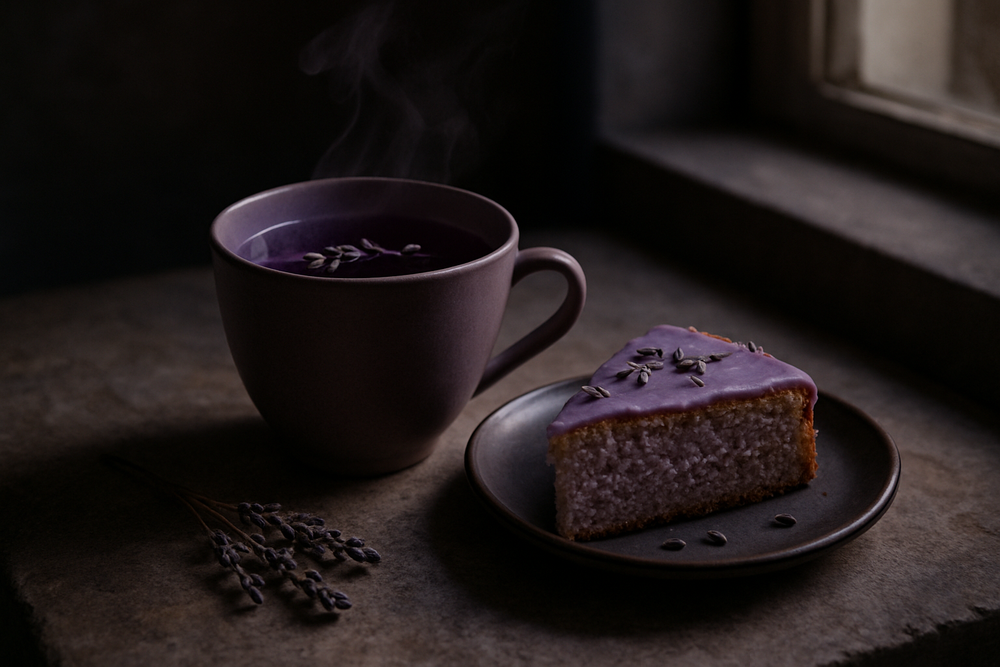
Lavender · Photograph
Lavender (Lavandula angustifolia, also known as true or English lavender) is one of the most recognized aromatics in the world — a purple-flowered perennial that straddles the line between kitchen herb, garden plant, and home apothecary staple. In Mediterranean cooking traditions, its dried buds add a delicate floral-bitter edge to everything from shortbread to herbes de Provence seasoning blends. In the apothecary-style kitchen, a warm cup of lavender tea is as much a self-care ritual as it is a flavor experience.
Key Nutrients
% Daily Value based on 2,000 cal diet
Key active compounds in lavender
Lavender's character comes primarily from its volatile essential oil — the aromatic fraction concentrated inside the tiny glands on its flowers. In culinary use, you're getting a dilute version of these compounds through food and tea.
- Linalool — A monoterpenol (an aromatic alcohol) that is the dominant constituent of lavender essential oil. It contributes the characteristic fresh-floral scent and is the compound most studied for calming effects in animal and human aromatherapy research.
- Linalyl acetate — An ester (a compound formed from an alcohol and an acid) of linalool; the second major oil constituent. It deepens lavender's sweet, slightly fruity aroma and may work with linalool to support relaxation responses in aromatherapy settings.
- Flavonoids — Polyphenolic plant compounds (plant-made chemicals with antioxidant activity) found in the flowers. They contribute modest antioxidant capacity to lavender teas and infusions.
- Tannins — Astringent polyphenols responsible for some bitterness and the slight drying sensation in a strongly brewed lavender tea. Traditionally associated with lavender's use as a digestive bitter.
- Coumarins (including herniarin, coumarin, and umbelliferone) — A class of aromatic plant compounds also present in many spices and herbs. Their impact from culinary amounts is not well characterized.
- Camphor and other minor terpenoids — More prominent in hybrid lavandin varieties than in Lavandula angustifolia; responsible for the sharper, more medicinal note that makes some lavenders less pleasant in food.
Prep and pairing ideas
In baked goods: Use 1 teaspoon of finely ground dried buds per standard loaf or batch of cookies. Grind the buds in a spice grinder or mortar and pestle — whole buds can feel like small twigs in a tender crumb. Lavender pairs beautifully with lemon zest, vanilla, and honey flavors.
In herbal tea blends: Combine 1 teaspoon dried lavender with 1 teaspoon dried chamomile and a small strip of lemon peel for a classic calming evening blend. Steep covered for 7–10 minutes to capture the volatile aromatics.
How Lavender Compares
| Compared with | What's different |
|---|---|
| Lavender vs. Lavandin (Hybrid Lavender) | Stronger medicinal scent with higher camphor; better for fragrance than delicate cooking. |
| Lavender vs. Lemon Balm | Shares the floral aroma but adds citrus notes and higher vitamin C content. |
| Lavender vs. Peppermint | Similar floral notes but with a cooling menthol finish and no bitter tannins. |
Health Benefits
Things to Know
Pregnancy and breastfeeding: Traditional classification as an emmenagogue and limited first-trimester safety data for concentrated preparations warrant caution. Occasional culinary use is generally considered low-risk, but check with your provider if you use lavender regularly.
Very low blood pressure: Lavender has a traditional hypotensive reputation. If you already have low blood pressure or take antihypertensive (blood-pressure-lowering) medications, frequent concentrated lavender aromatherapy alongside medication is worth discussing with your prescriber.
Sedative medications: Herbal sources recommend caution combining lavender essential oil with benzodiazepines, prescription sleep aids, or other sedatives because of possible additive drowsiness. Culinary tea amounts are lower exposure, but it's worth noting if you are on these medications.
Children: Avoid routine, heavy topical application of lavender essential oil on young children. Culinary food amounts are a different (lower) exposure category.
Allergies and sensitive skin: Some people react to lavender topically, especially to undiluted essential oil. If you are testing lavender in skincare or aromatherapy for the first time, a patch test (applying a small amount of diluted oil to your inner arm and waiting 24 hours) is standard practice.
Lavandin vs. true lavender: If a product doesn't specify the species, it may be lavandin (Lavandula × intermedia), which has a much sharper, more camphor-forward smell and is not ideal for food.
"Food grade" labeling: In many markets, this is not a legally enforced standard, so buy from a reputable culinary herb supplier and verify the species is Lavandula angustifolia.
Shop This Ingredient
Stock your pantry with quality lavender.
Buy on AmazonAs an Amazon Associate, Plantopedia earns from qualifying purchases. This costs you nothing extra and helps us keep the encyclopedia free.
Frequently Asked Questions
Here is where the culinary framing matters most: almost all human clinical research on lavender uses concentrated essential oil capsules or aromatherapy setups, not culinary dried flowers. That means the evidence base is real but applies most directly to doses and forms you wouldn't encounter in cooking. We've translated it below with that context clearly in view. Heart and circulation Lavender is described in traditional herbal medicine as a mild hypotensive herb — meaning it was thought to gently lower blood pressure. Small human studies have measured short-term reductions in heart rate and blood pressure during lavender aromatherapy in stressful situations (dental procedures, preoperative care). The results are inconsistent across studies, and major health authorities do not recognize lavender as a heart or blood pressure treatment. At a culinary level, any cardiovascular relevance is most plausibly indirect: a calming aromatic environment, a slow cup of herbal tea, and a moment of stillness may all contribute to a lower-stress state — and chronic stress is itself a recognized risk factor for cardiovascular health. That's a reasonable framing, even if it isn't a pharmacological claim. Digestive health and how lavender is used as a carminative herb Lavender has a long history in European herbalism as a carminative — an herb thought to ease bloating and gas — and as a mild digestive bitter (a flavor compound that stimulates digestive secretions). Herbal texts describe it as useful after heavy meals. Modern human data are limited and often combine lavender with other herbs, making lavender's independent contribution hard to isolate. In an apothecary-style kitchen, this tradition translates naturally: a small cup of lavender-mint tea after dinner, or a lavender-infused after-dinner bitter, is a pleasant, low-risk way to support the digestive wind-down ritual. Think of it as tradition plus sensory experience rather than proven therapy. Blood sugar and metabolism Robust human evidence connecting culinary lavender to blood sugar control is essentially absent. Most discussions of lavender and metabolism come from animal or cell-based studies that are too early-stage to apply to everyday eating decisions. Lavender should not be framed as a blood sugar tool. Where it does appear in blood-sugar-friendly recipes, it's the rest of the dish doing the glycemic work — the whole grains, the unsweetened base, the high-fiber ingredients. Hormones and cycle health Traditional herbalism classifies lavender as an emmenagogue — a plant that was historically used to stimulate or regulate menstrual flow. Modern evidence is very limited. There are published case reports of prepubertal gynecomastia (unexpected breast tissue development in young boys) associated with repeated, heavy topical use of products containing lavender and tea tree oils, which prompted interest in possible weak endocrine-disrupting activity (interference with the body's hormone signaling). Major health organizations, including NCCIH, note these reports while acknowledging the evidence is not definitive. The practical takeaway: culinary food and tea amounts represent much lower exposure than repeated topical essential oil use. A conservative approach is simply to avoid making concentrated lavender essential oil a daily topical routine for young children, and to check with a healthcare provider if you are pregnant or managing a hormone-sensitive condition. Inflammation and recovery Herbal traditions describe lavender as anti-inflammatory and mildly analgesic (pain-relieving), particularly when used topically. Small human studies — mostly using diluted lavender essential oil in massage or aromatherapy, sometimes after surgery or for musculoskeletal discomfort — report modest benefits, but the evidence base is limited and focuses on concentrated oil, not culinary lavender. In the home kitchen, lavender is best positioned here as a comfort and self-care ingredient: a warm lavender bath, a lavender-scented steam, a floral herbal tea before bed. These are low-risk, high-reward self-care practices, even if they are not replacements for medical care.
Dried lavender flowers (buds) The gold standard for culinary use. Look for Lavandula angustifolia (English or true lavender) — it has the mildest, sweetest flavor and the lowest camphor content, which means it tastes floral and clean rather than medicinal or soapy in food. Dried buds keep well in an airtight jar away from light and heat for up to a year. Fresh flowering tops Less common in cooking but lovely scattered over fruit salads, stirred into lemonade, or used as an aromatic garnish. They are milder than dried buds because the volatile oils haven't concentrated during drying. Lavender-infused preparations Dried buds steeped in vinegars, oils, honey, or simple syrups — the classic apothecary kitchen move. The flavor infuses gently over 24 to 48 hours and the resulting syrup or vinegar is easier to dose accurately in recipes than loose dried flowers. Lavender essential oil Not a food ingredient. Essential oil is a highly concentrated extract — it takes roughly 100 kilograms of fresh lavender to produce one kilogram of oil. It is used in aromatherapy and cosmetics and, under medical supervision, in standardized oral capsule preparations studied in clinical trials. It is not appropriate for direct culinary use and can cause irritation or toxicity if consumed in quantity.
Quick Answers
Common questions, answered in a line.
Lavender tea has traditionally been used as a digestive bitter. The tannins present in the plant provide an astringent quality and contribute to the slight drying sensation or bitterness felt when drinking a strongly brewed lavender infusion.
The primary active compound in lavender is linalool, a monoterpenol concentrated in the flower's volatile essential oil glands. Linalool is responsible for the fresh-floral scent and is the most studied compound in lavender for its calming effects.
Common pairings for lavender include lemon zest, honey, and vanilla. In baking, it is recommended to use one teaspoon of finely ground dried buds per batch, as whole buds can create an unpleasant "twig-like" texture in tender foods.
While occasional culinary use is generally low-risk, pregnant individuals should exercise caution because lavender is traditionally classified as an emmenagogue. There is also limited safety data regarding concentrated lavender preparations during the first trimester.
Lavender may have additive sedative effects when combined with benzodiazepines, prescription sleep aids, or other sedative medications. While culinary tea contains lower amounts of active compounds than essential oil, those on these medications should remain cautious.
True lavender (Lavandula angustifolia) is preferred for cooking, while lavandin (Lavandula x intermedia) often has a sharper, medicinal smell. This harsher profile in lavandin is due to higher levels of camphor and other minor terpenoids.
To make a calming evening blend, steep one teaspoon of dried lavender with one teaspoon of chamomile and a strip of lemon peel. Use a covered vessel and steep for 7–10 minutes to ensure you capture the plant's volatile aromatics.
Individuals with very low blood pressure or those taking antihypertensive medications should be cautious, as lavender has a traditional reputation for lowering blood pressure. Frequent use of concentrated lavender aromatherapy should be discussed with a healthcare provider.
For Readers in the USA
Local context — sourcing, seasonality, and regional notes.
Culinary lavender is widely available at specialty spice shops, high-end grocers like Whole Foods Market, and through online retailers like Mountain Rose Herbs. You can also find fresh or dried bundles at local farmers markets across the United States, particularly during the peak summer bloom months of June and July.
The Pacific Northwest (especially Sequim, Washington) and the Texas Hill Country are the premier lavender-growing regions in the United States. These areas host numerous annual lavender festivals and provide the ideal well-drained soil and climate for both English and French varieties to thrive commercially.
In the United States, look for lavender labeled 'culinary grade' or 'USDA Organic' to ensure it has not been treated with synthetic pesticides or floral preservatives. Traditional decorative lavender from craft stores or florists is often treated with chemicals that make it unsafe for consumption in teas or baked goods.
AI Clinical Review
- Helpfully separates culinary lavender (dried flowers) from essential oil and notes that most human studies use concentrated oil or aromatherapy, not food amounts.
- Accurately identifies Lavandula angustifolia as the preferred culinary species with lower camphor and a cleaner flavor profile.
- Frames digestive and calming effects as tradition- and ritual-based rather than proven pharmacologic actions at culinary doses.
- Offers practical, modest-use kitchen tips that align with how lavender is typically used safely.
- Human trials showing benefits for anxiety, sleep, pain, or blood pressure largely involve standardized oral essential-oil capsules or aromatherapy; translating those results to tea or baked goods is uncertain.
- Cardiovascular and anti-inflammatory findings are inconsistent and short term; they should not be used to manage medical conditions.
- Hormone-related concerns stem from case reports with repeated topical exposure; causality isn’t settled, and data on long‑term effects from culinary use are limited.
- Forms and amounts: For tea, 1/2–1 teaspoon dried buds per 8 oz hot water (steep 5–10 minutes, covered) is typical; in baking, about 1 teaspoon finely ground buds per standard batch—start low to avoid bitterness.
- Essential oil is not a food ingredient; avoid ingesting it. Use diluted if topical, and avoid routine heavy topical use in young children.
- Check with a clinician if you’re pregnant or breastfeeding, have very low blood pressure, or use sedatives or antihypertensives, as additive drowsiness or small BP effects are possible.
- Allergies and skin sensitivity can occur. Choose clearly labeled culinary-grade L. angustifolia and store airtight, away from heat and light.
Use culinary framing; avoid treatment claims or supplement-dose guidance.
References
- NIH National Center for Complementary and Integrative Health — Lavender (nccih.nih.gov)
- PMC, National Library of Medicine — Safety and efficacy of a feed additive consisting of an essential oil derived from the flowering tops of Lavandula angustifolia Mill. (lavender oil) for use in all animal species (FEFANA asb (pmc.ncbi.nlm.nih.gov)
- PMC, National Library of Medicine — Effect of a Novel Lavender Extract on Plasma Lipid and Lipoprotein Metabolism, Glucose Tolerance and Adipose Tissue Metabolic Activation: A Preclinical Safety and Efficacy Study (pmc.ncbi.nlm.nih.gov)
- PMC, National Library of Medicine — Lavender and the nervous system (pmc.ncbi.nlm.nih.gov)
- NIH National Center for Complementary and Integrative Health — Approach dietary supplements with caution (nccih.nih.gov)
- NIH National Center for Complementary and Integrative Health — How safe is this product or practice (nccih.nih.gov)
- Wikipedia — Lavandula (en.wikipedia.org)
- USDA FoodData Central — USDA FoodData Central (fdc.nal.usda.gov)
Know Your Numbers
Eating healthy is a start. Now get to know your biomarkers.
Food changes bloodwork — inflammation, lipids, blood sugar and nutrient status all respond to what you eat. 59 markers from $59.
- Results in 7–10 days at 2,000+ Quest sites
- Licensed provider reviews every result
- One flat price, no membership, HSA/FSA eligible
Educational information only, not medical advice. Panels are ordered and reviewed through our licensed partner; Plantopedia may earn a commission.