Beyond basic hydration, discover how Vitamin C, hesperidin, and d-limonene create a bioactive matrix that supports vascular integrity, optim
Fiber + phytonutrients; use as a whole-food sweet, snack, or smoothie base
The Short Answer
Lemons are nutritional powerhouses providing 31 mg of vitamin C (34% DV) and potent antioxidants like hesperidin and d-limonene. They support immune health, aid iron absorption, and contain citric acid which may help prevent certain types of kidney stones.

Lemon · Photograph
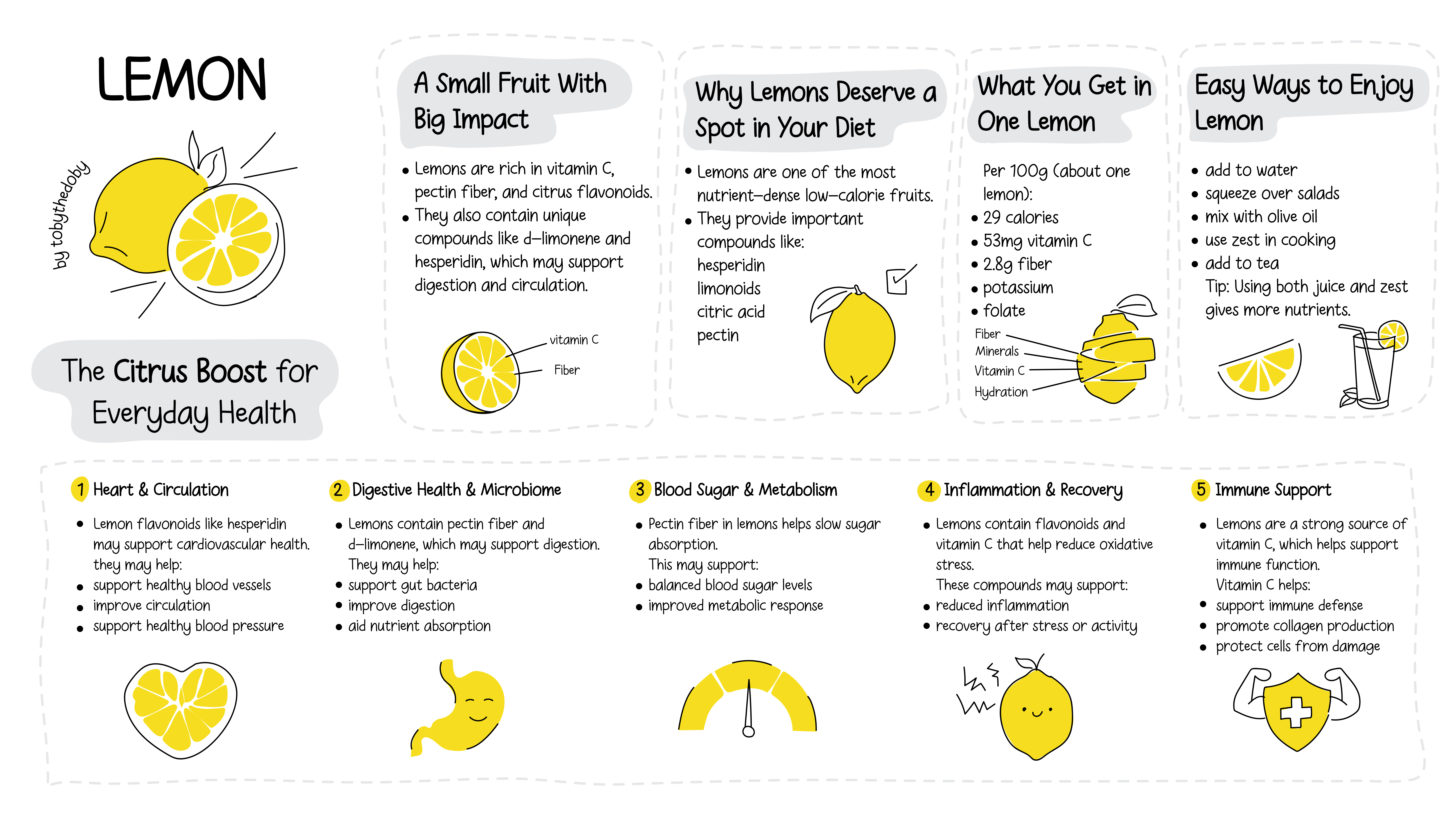
In our modern, high-stress, and often nutrient-depleted landscape, the lemon offers a concentrated solution for daily metabolic maintenance. Lemons stand out among citrus fruits for their concentrated vitamin C content and diverse phytochemicals. A single medium lemon provides about 88% of your daily vitamin C needs while delivering only 20 calories. Beyond basic nutrition, lemons contain a bioactive matrix of hesperidin, limonoids, and d-limonene that research suggests may offer protective health effects.
Key Nutrients
% Daily Value based on 2,000 cal diet
Why Lemon Health Benefits Matter for Your Daily Nutrition
In our modern, high-stress, and often nutrient-depleted landscape, the lemon offers a concentrated solution for daily metabolic maintenance. Lemons stand out among citrus fruits for their concentrated vitamin C content and diverse phytochemicals. A single medium lemon provides about 88% of your daily vitamin C needs while delivering only 20 calories. Beyond basic nutrition, lemons contain a bioactive matrix of hesperidin, limonoids, and d-limonene that research suggests may offer protective health effects.
Unlike many "superfruits" that require special sourcing, lemons are widely available and affordable. Incorporating them into your daily routine—especially the peel—optimizes your intake of flavonoids that support vascular integrity and antioxidant status. The fruit's versatility allows it to serve as both a culinary enhancer and a therapeutic agent.
Key Active Compounds: The Bioactive Matrix
Specialized plant chemicals found in the juice, pulp, and zest drive the “citrus powerhouse” status of lemons. Understanding these compounds is key to unlocking the full health benefits of lemon.
1. Vitamin C (Ascorbic Acid)
A primary antioxidant essential for immune function and collagen synthesis. Vitamin C is a water-soluble vitamin that the human body cannot produce on its own, making dietary intake vital. It serves as a scavenger of free radicals, protecting cells from the oxidative damage that leads to chronic aging.
2. Hesperidin
A flavonoid found predominantly in the white pith (albedo) of the fruit. Hesperidin helps strengthen blood vessels and may reduce systemic inflammation. It has been studied for its ability to improve endothelial function, which is critical for long-term cardiovascular health.
3. D-limonene
Found mainly in the peel, it provides the aroma and shows promise for digestive comfort. In clinical studies, d-limonene has demonstrated the ability to neutralize gastric acid and support healthy esophageal motility, offering a natural pathway for those dealing with occasional heartburn.
4. Eriocitrin
A potent antioxidant flavonoid specific to citrus that may help prevent oxidative stress. Unlike some other antioxidants, eriocitrin is highly stable and effective in the aqueous environment of the body.
5. Citric Acid
Comprising 5-6% of the juice, it aids in mineral absorption and may prevent specific kidney stones. Increasing urinary citrate helps prevent calcium crystallization, which is the primary cause of many kidney stone types.
6. Pectin
A soluble fiber in the pulp that supports the microbiome and modulates the glycemic response. Pectin is a prebiotic, meaning it provides the nutrients beneficial gut bacteria need to thrive.
Practical Application: Forms and Buying Guide
Whole Fruit vs. Juice vs. Peel
Whole lemons provide the most comprehensive nutrition profile, including fiber and the full spectrum of bioactive compounds. The peel contains the highest concentrations of flavonoids and essential oils, such as d-limonene, but should be thoroughly washed and, preferably, organic if consumed. Fresh juice retains Vitamin C but loses fiber.
The Organic Consideration
Because the highest concentration of beneficial flavonoids is found in the zest and pith, using the peel is highly recommended. However, this is where pesticide residues often linger. Whenever possible, choose organic lemons for zesting to avoid ingesting harmful synthetic chemicals.
Conclusion
Lemons are a nutritional cornerstone that offer more than just a dose of vitamin C. Their unique combination of citrus flavonoids, organic acids, and fiber makes them a functional tool for supporting heart health, enhancing digestion, and protecting against oxidative damage. While the juice is the most popular form, utilizing the zest and pulp ensures you access the full bioactive matrix.
Integrating lemons into your daily diet is a simple, science-backed strategy to improve nutrient absorption and overall metabolic resilience. Ready to incorporate more nutrient-dense foods like lemon into your routine? Our meal planner can help you balance citrus fruits with other beneficial ingredients for optimal nutrition.
How Lemon Compares
| Compared with | What's different |
|---|---|
| Lemon vs. Orange | Significantly more acidic with higher citric acid and less sugar than oranges. |
| Lemon vs. Lime | Higher vitamin C content and a more sour, less bitter flavor profile. |
| Lemon vs. Meyer Lemon | Smaller, sweeter, and with a thinner, edible skin compared to standard Eureka lemons. |
Health Benefits
Things to Know
Dental Health: The citric acid in citrus can erode tooth enamel. It is best to dilute lemon juice in water and rinse your mouth afterward.
Iron Absorption: Pairing lemon with leafy greens significantly increases the absorption of iron—a major benefit for those on plant-based diets.
High Sensitivity: Individuals with severe GERD (Gastroesophageal Reflux Disease) may find the high acidity of lemons irritating, despite the benefits of d-limonene.

Common Uses
- —Adding fresh lemon juice and zest to water to support hydration and consistent Vitamin C intake.
- —Squeezing lemon over leafy greens or grain bowls to maximize mineral absorption from plant-based meals.
- —Using lemon zest (rich in d-limonene) in tea or smoothies to alleviate occasional heartburn or digestive heaviness.
- —Utilizing the acidity of lemons to prevent the oxidation (browning) of other fruits like apples or avocados.
- —Incorporating the organic lemon peel into recipes to access the highest concentration of heart-healthy flavonoids.
- —Consuming 2–4 tablespoons of fresh lemon juice daily to help prevent the formation of calcium-based kidney stones.
Glossary
Shop This Ingredient
Stock your pantry with quality lemon.
Buy on AmazonAs an Amazon Associate, Plantopedia earns from qualifying purchases. This costs you nothing extra and helps us keep the encyclopedia free.
Frequently Asked Questions
Yes, for most people, daily lemon water is a safe way to boost vitamin C and hydration. However, because of the acidity, it is recommended to drink it through a straw or rinse your mouth with plain water afterward to prevent enamel erosion. Consistency is key to achieving the long-term health benefits of lemon.
Some research indicates that d-limonene in lemon peel may alleviate heartburn, while pectin fiber supports a healthy gut microbiome. However, because lemon juice is highly acidic, it can trigger symptoms in individuals with severe GERD. Start with small amounts to assess how your digestion responds to the increased acidity.
The citric acid in lemons can help prevent certain types of kidney stones by increasing urine volume and pH, which creates a less favorable environment for stone formation. Clinical protocols often suggest 2–4 tablespoons of lemon juice daily to maximize this effect, but you should consult a doctor if you have a history of stones.
Yes, lemon peel is safe and actually contains the highest concentration of antioxidant flavonoids like hesperidin. To gain the most health benefits of lemon, use a zester to add the peel to salads or smoothies. Ensure you choose organic lemons and wash them thoroughly to minimize exposure to surface pesticides.
A medium lemon provides roughly 53mg of vitamin C, fulfilling about 88% of the daily value for most adults. This concentrated amount makes it one of the most efficient citrus sources for supporting immune function and collagen production, especially when consumed fresh rather than from pasteurized, bottled juices.
Quick Answers
Common questions, answered in a line.
Hesperidin is a flavonoid found in the white pith (albedo) of lemons that helps strengthen blood vessels and may reduce systemic inflammation. It is studied for its ability to improve endothelial function, which is a critical factor for long-term cardiovascular health.
Lemons can help your body absorb more iron when you squeeze the juice over plant-based foods like leafy greens or grain bowls. This pairing significantly increases the absorption of iron, making it a major benefit for people on plant-based diets.
D-limonene, a compound found mainly in the lemon peel, has demonstrated the ability to neutralize gastric acid and support healthy esophageal motility. This provides a natural pathway for relief for those dealing with occasional heartburn or digestive heaviness.
The citric acid in lemons can erode tooth enamel, so it is best to dilute the juice in water and rinse your mouth with plain water afterward. This practice helps protect your dental health while still allowing you to enjoy the fruit's nutritional benefits.
Eriocitrin is a potent antioxidant flavonoid specific to citrus fruits that may help prevent oxidative stress. It is considered highly stable and effective because it works well within the aqueous (water-based) environment of the human body.
Pectin is a soluble fiber found in lemon pulp that acts as a prebiotic to support the gut microbiome and modulate the glycemic response. It provides the essential nutrients that beneficial gut bacteria need to thrive and remain healthy.
A single medium lemon provides about 88% of your daily vitamin C needs while delivering only 20 calories. This makes lemons a concentrated solution for daily metabolic maintenance and immune support without adding significant calories to your diet.
For Readers in the USA
Local context — sourcing, seasonality, and regional notes.
California and Arizona produce over 95% of the U.S. lemon crop, ensuring a year-round supply for American consumers. While California harvests different regions throughout the year, peak season generally runs from winter through early summer.
In the U.S., the Eureka and Lisbon varieties are the most common "true" lemons found in grocery stores like Kroger, Safeway, and Publix. The Meyer lemon, a sweeter hybrid from California, is also widely available during the winter months at specialty markets and Whole Foods.
The USDA organic seal ensures that lemons were grown without synthetic pesticides, which is especially important if you plan to use the zest or peel for its bioactive compounds. Many U.S. supermarkets also offer "non-waxed" options, as conventional citrus is often coated with food-grade wax to preserve freshness during interstate shipping.
AI Clinical Review
- Hesperidin and Pith: Correctly identifies that the white pith (albedo) of the lemon is the primary source of hesperidin, a flavonoid essential for vascular integrity.
- Iron Bioavailability: Accurately highlights the synergistic relationship between lemon Vitamin C and non-heme iron absorption.
- Citrate Mechanism: Properly explains how the citric acid in lemons raises urinary pH and volume to discourage kidney stone crystallization.
- Glycemic Damping: Rightly notes that lemon juice can lower the overall glycemic impact of high-carbohydrate meals by inhibiting certain digestive enzymes.
- D-Limonene Utility: Correctly cites the role of lemon peel compounds in supporting gastric motility and neutralizing excess stomach acid.
- "Acid-to-Alkaline" Transition: While a cornerstone of traditional medicine, the exact mechanism of how acidic lemon juice produces an alkaline ash effect on systemic blood pH is often misunderstood and requires more nuanced clinical explanation.
- Eriocitrin and Lipid Profiles: The ability of lemon-specific eriocitrin to significantly alter human lipid profiles is promising in animal models but requires more large-scale human trials.
- Weight Loss Claims: While lemons are low-calorie and provide pectin, the popular idea that "lemon water" directly burns fat lacks rigorous clinical evidence; its benefits are likely secondary to improved hydration and satiety.
- Phytochemical Synergy: Research into how the different compounds in the lemon "matrix" (Vitamin C, eriocitrin, and hesperidin) work together compared to isolated supplements is ongoing.
- Dental Health Risks: The high acidity of lemons can cause significant enamel erosion. Advise patients to dilute the juice and rinse with plain water afterward.
- GERD Sensitivity: Although d-limonene may help some, the high citric acid content in lemons can be a direct trigger for many patients with severe acid reflux.
- Pesticide Residue: Since the highest concentration of flavonoids is in the zest, clinicians should emphasize choosing organic lemons to avoid ingesting concentrated synthetic chemicals.
- Drug Interactions: Like other citrus, lemon juice may interfere with the absorption of certain medications (e.g., fexofenadine); patients should be advised to take medications with plain water.
- Vitamin C Sensitivity: While rare, high doses of Vitamin C from lemons can cause GI upset in sensitive individuals.
Frame as food education, not disease treatment.
References
- USDA FoodData Central - Lemon (Raw) Nutritional Profile: The foundational source for macronutrients, micronutrients, and Vitamin C concentrations in Citrus limon.
- PMC - Bioactive Compounds of Citrus Fruits: Health Properties Review: A comprehensive clinical review detailing the molecular mechanisms of hesperidin, eriocitrin, and naringin in vascular health.
- Biological Attributes of Lemon: A Review: Academic analysis of the antioxidant, anti-inflammatory, and antimicrobial properties of lemon-derived phytochemicals.
- Mayo Clinic - Vitamin C and Health: Clinical perspective on the role of ascorbic acid in immune resilience, skin integrity, and chronic disease prevention.
- The Journal of Clinical Endocrinology & Metabolism - Hesperidin and Endothelial Function: Research demonstrating that citrus flavonoids can improve flow-mediated dilation and reduce inflammatory markers in the blood.
- Clinical Biochemistry - Citric Acid and Calcium Oxalate Prevention: Quantitative study on how dietary citrate levels in lemon juice inhibit the crystallization of kidney stones.
- Journal of Clinical Biochemistry and Nutrition - Eriocitrin and Lipid Metabolism: Clinical data showing the effect of lemon-specific flavonoids on suppressing exercise-induced oxidative stress and improving lipid profiles.
- World Journal of Diabetes - Citrus Pectin and Glycemic Response: Evidence regarding how soluble fibers like pectin slow gastric emptying and reduce postprandial glucose spikes.
- International Journal of Molecular Sciences - D-Limonene and Gastric Protection: Research into the "gastroprotective" effects of lemon peel oils in neutralizing acid and supporting the mucosal lining of the stomach.
Know Your Numbers
Eating healthy is a start. Now get to know your biomarkers.
Food changes bloodwork — inflammation, lipids, blood sugar and nutrient status all respond to what you eat. 59 markers from $59.
- Results in 7–10 days at 2,000+ Quest sites
- Licensed provider reviews every result
- One flat price, no membership, HSA/FSA eligible
Educational information only, not medical advice. Panels are ordered and reviewed through our licensed partner; Plantopedia may earn a commission.