Transition from seeing mango as "sugar" to seeing it as functional medicine. This guide dives into the unique "mangiferin" compound that tar
Fiber + phytonutrients; use as a whole-food sweet, snack, or smoothie base
The Short Answer
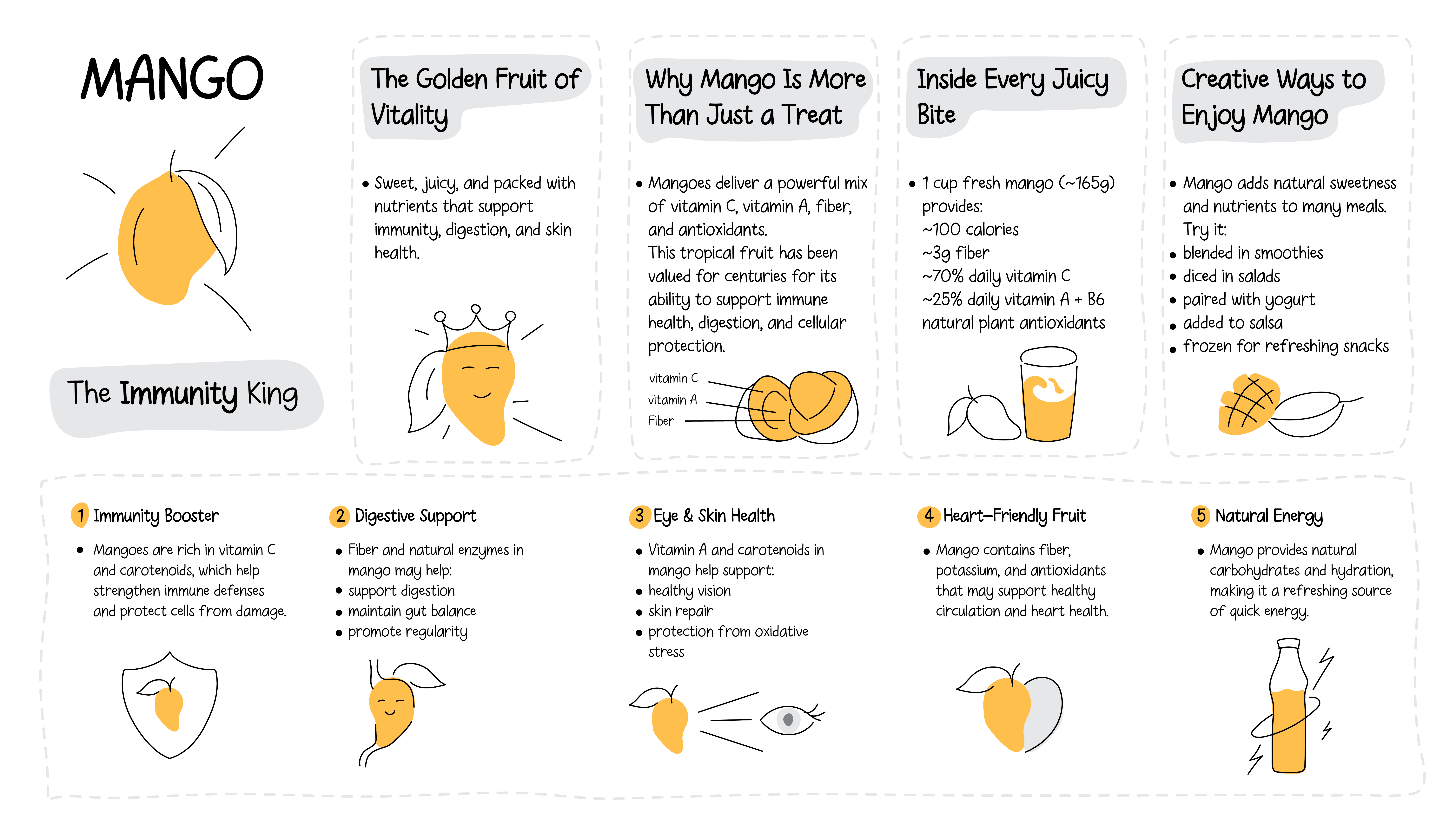
Mangoes are highly nutritious fruits providing 67% of the Daily Value for Vitamin C and a unique polyphenol called mangiferin, which is studied for its ability to regulate blood sugar and reduce inflammation.

Mango · Photograph
Mangoes matter for wellness because they contain a high concentration of mangiferin. This xanthonoid is being extensively studied for its ability to regulate glucose metabolism and protect against oxidative stress. While many tropical fruits are valued primarily for their hydration or Vitamin C, the mango stands out due to its density of polyphenols and organic acids.
Key Nutrients
% Daily Value based on 2,000 cal diet
Why Mango Health Benefits Matter for Modern Wellness
Mangoes matter for wellness because they contain a high concentration of mangiferin. This xanthonoid is being extensively studied for its ability to regulate glucose metabolism and protect against oxidative stress. While many tropical fruits are valued primarily for their hydration or Vitamin C, the mango stands out due to its density of polyphenols and organic acids.
Modern research is increasingly focused on how these compounds work together to address the "metabolic-inflammation" axis. Because chronic inflammation and poor blood sugar regulation are often interconnected, the mango’s unique chemical profile provides a natural, whole-food strategy to support both systems simultaneously. It represents a transition from seeing fruit as merely "sugar" to seeing it as a source of functional medicine.
Key Active Compounds
A specialized group of xanthonoids and flavonoids, uniquely effective at neutralizing pro-inflammatory cytokines, drives the health-promoting properties of mango.
- Mangiferin: The "star" compound found almost exclusively in mangoes. It is a xanthonoid polyphenol studied for its ability to enhance insulin sensitivity and protect the liver.
- Quercetin: A powerful flavonoid (approx. 22.1 mg/kg) that inhibits histamine release and reduces oxidative damage to blood vessels.
- Catechins: Similar to the antioxidants found in green tea, these support cardiovascular integrity.
- Anthocyanins: Pigments that provide antioxidant protection, specifically in red-tinted mango varieties.
- Kaempferol: A flavonoid linked to a reduced risk of chronic diseases, ranging from 6.7–77.3 mg per 100g depending on the cultivar.
- Organic Acids: Including citric and malic acids, which are essential for cellular energy production (ATP) and aid in mineral absorption.
Prep and Pairing Ideas
Pairing mango with protein and healthy fats is the most effective way to blunt the glycemic response and increase the absorption of its fat-soluble vitamins (A and E).
- For Blood Sugar Control: Mix mango into plain Greek yogurt or pair with a handful of walnuts.
- For Inflammation: Combine with turmeric or ginger in a smoothie to create a synergistic anti-inflammatory effect.
- For Iron Absorption: Eat mango alongside plant-based iron sources (like spinach or beans); the Vitamin C and organic acids in the mango significantly increase iron uptake.
Conclusion
The mango is a potent functional food that bridges the gap between high-energy fruit and anti-inflammatory medicine. Its unique "mangiferin-fiber" combination supports blood sugar stability and cardiovascular health in ways few other tropical fruits can match.
Ultimately, the key to unlocking mango health benefits lies in portion control and strategic pairing. By treating mango as a nutrient-dense supplement to a balanced diet—rather than just a sugary dessert—you can leverage its bioactive compounds to lower systemic inflammation and optimize your metabolic health. Check out our meal planner and learn how to get the maximum health benefits of mangoes today.
How Mango Compares
| Compared with | What's different |
|---|---|
| Mango vs. Papaya | Mangoes have significantly higher Vitamin C (67% DV) and contain unique mangiferin. |
| Mango vs. Peach | Mangoes are creamier and higher in Vitamin A, while peaches provide more potassium. |
Health Benefits
Things to Know
Blood Sugar Impact: Monitor portions carefully if you have diabetes; start with a 1/2 cup serving.
Allergies: Mangoes belong to the Anacardiaceae (cashew) family. Cross-reactions are rare but possible for those with cashew or pistachio allergies.
Oxalate Content: Those prone to kidney stones should be aware that mangoes contain oxalic acid.
Urushiol Sensitivity: The skin and sap contain the same compound as poison ivy. If you are highly sensitive, have someone else peel the fruit for you.
Common Uses
- —Consumed in half-cup portions paired with Greek yogurt or walnuts to blunt the glycemic response.
- —Used by athletes to rapidly replenish glycogen stores and reduce exercise-induced markers of muscle damage.
- —Blended with turmeric or ginger to create a synergistic effect that targets systemic inflammation.
- —Eaten alongside plant-based iron sources like spinach to enhance iron uptake via Vitamin C and organic acids.
- —Used in whole fruit form to provide pectin for regular bowel movements and microbiome support.
- —Functions as a high-fiber, nutrient-dense alternative to processed sweets to satisfy sugar cravings without the crash.
Active Compounds
The "star" compound found almost exclusively in mangoes. It is a xanthonoid polyphenol studied for its ability to enhance insulin sensitivity and protect the liver.
A powerful flavonoid (approx. 22.1 mg/kg) that inhibits histamine release and reduces oxidative damage to blood vessels.
Similar to the antioxidants found in green tea, these support cardiovascular integrity.
Pigments that provide antioxidant protection, specifically in red-tinted mango varieties.
A flavonoid linked to a reduced risk of chronic diseases, ranging from 6.7–77.3 mg per 100g depending on the cultivar.
Including citric and malic acids, which are essential for cellular energy production (ATP) and aid in mineral absorption.
Best Forms
The gold standard. It contains the full spectrum of vitamins, fiber, and moisture required for optimal absorption.
Contains the highest concentration of mangiferin, though it is rarely consumed due to texture and urushiol (the same compound found in poison ivy), which can cause allergic reactions.
A high-quality alternative that retains most nutrients and is often picked at peak ripeness.
Discouraged. It lacks fiber, leading to much faster blood sugar spikes.
Prep Ideas
- — For Blood Sugar Control: Mix mango into plain Greek yogurt or pair with a handful of walnuts.
- — For Inflammation: Combine with turmeric or ginger in a smoothie to create a synergistic anti-inflammatory effect.
- — For Iron Absorption: Eat mango alongside plant-based iron sources (like spinach or beans); the Vitamin C and organic acids in the mango significantly increase iron uptake.
Glossary
Shop This Ingredient
Stock your pantry with quality mango.
Buy on AmazonAs an Amazon Associate, Plantopedia earns from qualifying purchases. This costs you nothing extra and helps us keep the encyclopedia free.
Frequently Asked Questions
Yes, but they must prioritize portion control and strategic pairing. A 1/2 cup serving of mango contains roughly 12-14g of sugar, which can fit into a diabetic meal plan if paired with a protein (like cottage cheese) or a healthy fat (like avocado) to slow down the absorption of glucose.
While the peel is technically edible and contains higher concentrations of mangiferin and antioxidants than the flesh, it is often avoided. It contains urushiol, the same allergen found in poison ivy, which can cause severe skin rashes or oral irritation in sensitive individuals. Always choose organic if you plan to consume it.
Mango offers a unique anti-inflammatory profile because of mangiferin, a xanthone not found in common fruits like berries or apples. While berries are excellent for anthocyanins, mango provides a different set of chemical "keys" to unlock cellular health, making it a perfect complement to other anti-inflammatory fruits in your diet.
High heat will significantly reduce the Vitamin C content, which is heat-sensitive. However, many of the heavy-hitting polyphenols and xanthonoids in mango are relatively stable during moderate cooking. While fresh mango is the gold standard for vitamin density, cooked mango still provides valuable fiber and anti-inflammatory plant compounds for health.
Mango can assist in weight management when used as a high-fiber, high-volume substitute for processed sweets. It's 3 grams of fiber per cup, which promotes satiety and helps you feel full longer. However, because it is more calorie-dense than berries, it must be consumed mindfully within your daily caloric limits to be effective.
Quick Answers
Common questions, answered in a line.
Mangiferin is a unique xanthonoid polyphenol found almost exclusively in mangoes that is studied for its ability to regulate glucose metabolism and protect against oxidative stress. It is considered a "star" compound that can enhance insulin sensitivity and protect the liver.
Mangoes contain a high density of polyphenols and organic acids that target the "metabolic-inflammation" axis to reduce systemic inflammation. Specialized compounds like mangiferin and quercetin work by neutralizing pro-inflammatory cytokines in the body.
You should pair mango with protein or healthy fats, such as plain Greek yogurt or walnuts, to blunt the glycemic response and increase the absorption of fat-soluble vitamins. This strategic pairing helps stabilize blood sugar and ensures you get the most from its nutrients.
Yes, eating mango alongside plant-based iron sources like spinach or beans significantly increases iron uptake. This is due to the combination of Vitamin C and organic acids, such as citric and malic acids, found within the fruit.
Mango contains organic acids like citric and malic acid, which are essential for cellular energy production (ATP) and aid in mineral absorption. These organic acids work alongside xanthonoids to provide metabolic support.
People with sensitivity to poison ivy should be cautious because mango skin and sap contain urushiol, the same compound responsible for the allergic reaction. If you are highly sensitive, it is recommended to have someone else peel the fruit for you.
Mangoes contain a variety of antioxidants including mangiferin for liver protection, quercetin for blood vessel health, and catechins for cardiovascular integrity. They also contain anthocyanins in red-tinted varieties and kaempferol to help reduce the risk of chronic diseases.
For Readers in the USA
Local context — sourcing, seasonality, and regional notes.
Most mangoes sold in the U.S. are imported from Mexico, Peru, and Brazil, with peak availability occurring from March through July. While Florida, California, and Hawaii produce high-quality domestic varieties, the majority of grocery store supply follows a seasonal rotation of Tommy Atkins, Kent, and Haden cultivars.
The Tommy Atkins is the most common variety in U.S. grocery chains like Kroger and Walmart, while the yellow Honey (Ataulfo) mango is prized for its creamy, non-fibrous texture. You can also find Keitt and Kent varieties, which are often preferred by enthusiasts for their higher sweetness and lower fiber content.
The USDA Organic seal ensures that mangoes were grown without synthetic fertilizers or prohibited pesticides, which may be a priority for those consuming the peel for extra mangiferin. Additionally, the FDA classifies mangoes as a "Clean Fifteen" fruit, meaning even non-organic versions typically have low pesticide residues due to their thick skins.
In the U.S., mangoes are increasingly used in savory contexts like fruit salsas for grilled fish or as a topping for "chamoyada" street snacks common in the Southwest. Their culinary role has expanded beyond smoothies and desserts to become a staple ingredient in fusion salads and spicy American BBQ glazes.
AI Clinical Review
- Mangiferin Recognition: Correctly identifies mangiferin as the "star" compound. This xanthonoid is clinically significant for its unique ability to modulate glucose and lipid metabolism.
- Glycemic Context: Properly labels mango as having a moderate glycemic index (51-56), debunking the myth that it is "pure sugar" by highlighting how fiber and polyphenols regulate its absorption.
- Enzymatic Inhibition: Accurately notes that mango bioactives can inhibit alpha-glucosidase, a mechanism similar to some pharmaceutical interventions for managing blood sugar.
- Vitamin C Density: Correctly highlights the high Vitamin C content and its role in both immune function and collagen production.
- Ataulfo Cultivar Advantage: Rightly points out that specific varieties, like the Ataulfo, often possess a higher concentration of bioactive phenols.
- Mangiferin Bioavailability: While mangiferin is potent, its absorption rate in the human gut is relatively low; more research is needed to determine the exact dosage required for systemic therapeutic effects.
- TNF-α and IL-6 Suppression: The inhibition of these specific pro-inflammatory markers by mango is well-documented in in vitro and animal models, but more human clinical trials are needed to confirm the scale of this effect.
- Liver Protection: The hepatoprotective qualities of mangiferin are a promising area of research, particularly for fatty liver disease, but it is not yet an established clinical treatment.
- Peel Utility: Although the peel is more nutrient-dense, the clinical risk of urushiol reactions currently outweighs the benefits for general consumption.
- Urushiol Sensitivity: Mango belongs to the same family as poison ivy. Individuals with extreme sensitivities may develop "mango mouth" (contact dermatitis) from the skin or sap.
- Portion Control for Diabetics: While functional, a full cup contains 25g of sugar. A half-cup (approx. 80g) serving is the safer clinical starting point for glucose monitoring.
- Oxalate Concerns: Mango contains oxalates. Patients with a history of calcium-oxalate kidney stones should consume it in moderation and maintain high fluid intake.
- Nut Cross-Reactivity: Be aware of rare but possible cross-reactions in patients with known allergies to cashews or pistachios.
- Frozen vs. Dried: Advise patients to choose frozen over dried; dried mango is highly calorie-dense and often contains added sulfites and sugars, which negate anti-inflammatory goals.
Frame as food education, not disease treatment.
References
- Nutrients Journal - Chemical composition and nutritional profile of mango fruit
- USDA FoodData Central - Mango Nutritional Data
- Mayo Clinic - Diabetes and Fruit Consumption Guidelines
- International Journal of Environmental Research and Public Health - Bioactive compounds in three mango cultivars
- National Institutes of Health (NIH) - Vitamin C Fact Sheet
- HerbalGram - Food as Medicine: Mango (Anacardiaceae)
- National Mango Board - Comprehensive Health Research Review
Know Your Numbers
Eating healthy is a start. Now get to know your biomarkers.
Food changes bloodwork — inflammation, lipids, blood sugar and nutrient status all respond to what you eat. 59 markers from $59.
- Results in 7–10 days at 2,000+ Quest sites
- Licensed provider reviews every result
- One flat price, no membership, HSA/FSA eligible
Educational information only, not medical advice. Panels are ordered and reviewed through our licensed partner; Plantopedia may earn a commission.