Mangosteen — health benefits and uses
Southeast Asian folk medicine used the rind (xanthones) for inflammation.
The Short Answer
Mangosteen is a tropical fruit containing 1.8g of fiber and 31mcg of folate per cup. It is prized for its white, tangy-sweet segments and xanthone antioxidants found primarily in the purple rind.
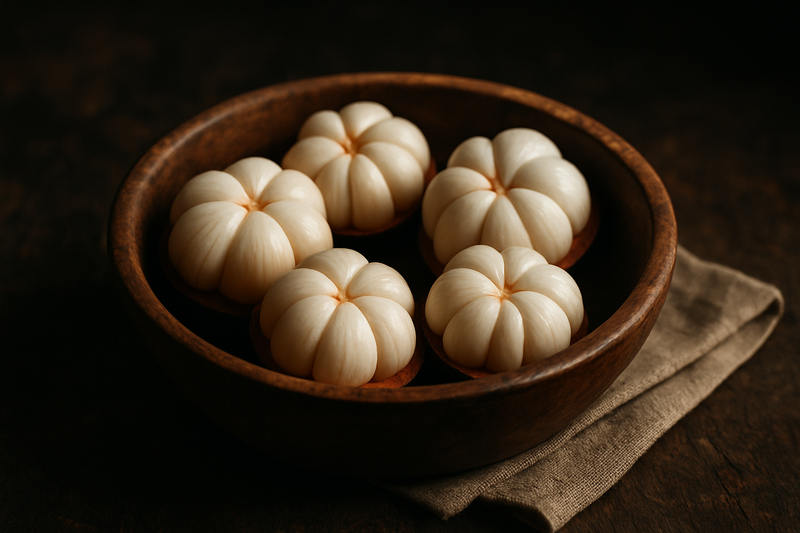
Mangosteen · Photograph
Discover mangosteen benefits and side effects in one clear guide. Learn what the science says about this tropical fruit's antioxidants, fiber, vitamins, how to eat it, and who should use caution — especially around blood thinners.
Key Nutrients
% Daily Value based on 2,000 cal diet
Key Active Compounds in Mangosteen
- Xanthones (alpha-mangostin, gamma-mangostin, and 50+ others): Polyphenolic compounds concentrated in the rind. In laboratory and animal studies they show antioxidant, anti-inflammatory, blood-sugar-lowering, and anticancer activity. These are the compounds driving most of the health interest in mangosteen research.
- Anthocyanins and other flavonoids: The purple-red pigments in the rind belong to the flavonoid family — the same group behind blueberries' deep color. They contribute to the fruit's overall antioxidant capacity and may support vascular (blood vessel) health.
- Carotenoids (alpha-carotene, beta-carotene, beta-cryptoxanthin): Fat-soluble antioxidant pigments present in small amounts. They support eye health, immune function, and skin integrity when part of a carotenoid-rich diet.
- Dietary fiber: The arils provide roughly 1.8 g of fiber per 100 g of fresh fruit — contributing to bowel regularity and supporting a healthy gut microbiome (the community of bacteria living in your digestive tract).
- B vitamins (folate, thiamine, riboflavin): Small but meaningful contributors to energy metabolism and cell function.
Prep and Pairing Ideas
How to eat a fresh mangosteen: Hold the fruit in both hands and gently twist the top and bottom halves in opposite directions until the shell cracks — or score around the equator with a knife without cutting through to the flesh. Lift off the top half of the rind like a lid. You'll find 5–8 white segments sitting inside. Eat these directly, removing any seeds. The rind is not typically eaten as food.
Common pairings:
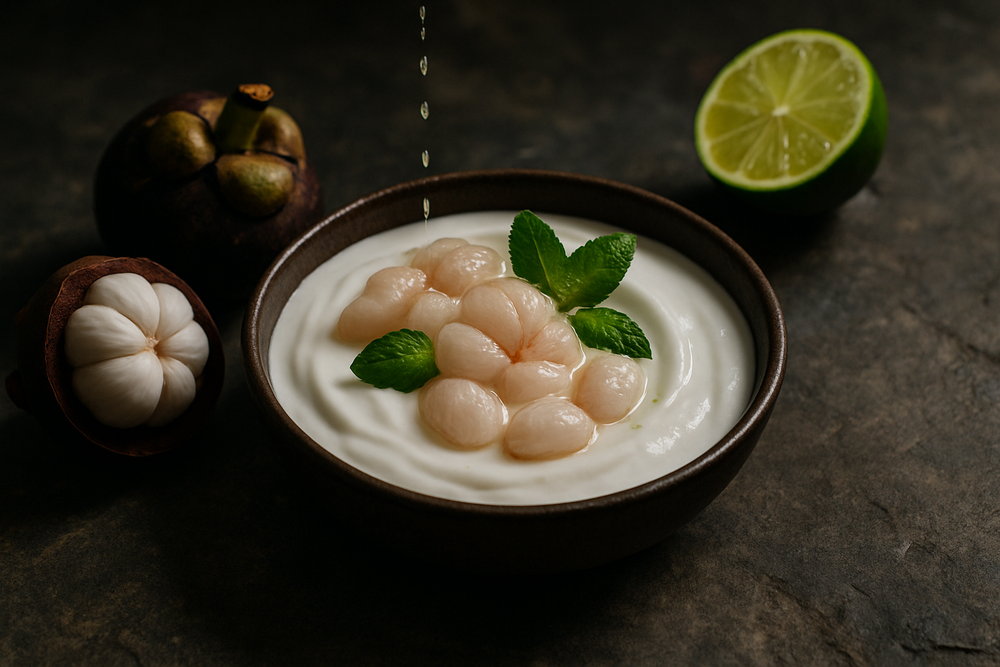
- Mangosteen + coconut yogurt: The floral sweetness of mangosteen arils pairs naturally with the mild tang of coconut-based yogurt. Together they make a protein-and-fiber-balanced snack that also delivers probiotic benefit for gut health. A natural combination from Southeast Asian cuisine.
- Mangosteen + fresh mint and lime: A simple fruit salad with thin mint leaves and a squeeze of lime amplifies mangosteen's brightness and adds polyphenols from both herbs. No cooking required; works well as a palate cleanser or light dessert.
- Mangosteen + frozen smoothie base (banana, mango): If fresh mangosteen isn't available, frozen mangosteen or a splash of 100% mangosteen juice blended with banana and mango creates a tropical smoothie that adds xanthone antioxidants without concentrated supplement risk. Keep juice portions small to manage sugar intake.
Bottom Line
Mangosteen is a genuinely fascinating fruit, and the science behind its xanthones is worth taking seriously — even if the clinical evidence for humans is still catching up to the lab results. Eaten as a fresh fruit, it's a safe, enjoyable, low-calorie addition to a varied diet that contributes fiber, B vitamins, copper, and a modest dose of antioxidant compounds. The rind-derived xanthones represent the most pharmacologically active part of the plant, and concentrated supplements based on them carry real interaction risks, particularly for anyone on blood thinners or antidiabetic medications.
If you can find fresh mangosteen, enjoy the ritual of twisting it open and eating the white segments as part of a fruit-forward, whole-food diet. If you're drawn to supplements, treat them like any other supplement — get medical clearance first, choose products that are third-party tested for purity, and don't expect them to replace medical treatment.
How Mangosteen Compares
| Compared with | What's different |
|---|---|
| Mangosteen vs. Rambutan | Mangosteen has a thick purple rind and white segments; Rambutan has a hairy red skin and translucent flesh. |
| Mangosteen vs. Lychee | Mangosteen has a floral, tangy-sweet flavor profile compared to Lychee’s more floral, grape-like sweetness. |
Health Benefits
Things to Know
Blood thinner interaction (important): Mangosteen xanthones may affect platelet aggregation (blood clotting) and could alter the effects of anticoagulants like warfarin, dabigatran, and antiplatelet drugs like aspirin or clopidogrel. If you take any blood-thinning medication, speak to your doctor before consuming concentrated mangosteen products or supplements.
Antidiabetic medication interaction: Preclinical data suggest mangosteen extracts can lower blood glucose. If you take insulin or oral hypoglycemic agents, concentrated supplements could potentially enhance their effects and increase hypoglycemia (dangerously low blood sugar) risk.
Immunosuppressant interaction: Mangosteen supplements have shown immune-modulating effects. If you take medications to suppress the immune system (e.g., post-transplant or for autoimmune disease), use caution.
Pregnancy and breastfeeding: Eating fresh mangosteen in normal food amounts is generally considered fine, but there is insufficient safety data on concentrated rind extracts or supplements during pregnancy or lactation. Avoid high-dose supplements if pregnant or breastfeeding.
Gastrointestinal effects: Concentrated supplements from the rind may cause nausea, diarrhea, or constipation in some people, particularly at higher doses. Start with small amounts.
Rind stains permanently: The dark purple pigment in the rind will stain fabric, countertops, and light-colored surfaces instantly and irreversibly. Handle over a dark cutting board and wear an apron.
Kidney disease and polypharmacy: If you have kidney disease or already take multiple supplements, the cumulative effect of polyphenols and botanical interactions is poorly studied. Check with your doctor.
Prep Ideas
- — **Mangosteen + coconut yogurt:** The floral sweetness of mangosteen arils pairs naturally with the mild tang of coconut-based yogurt. Together they make a protein-and-fiber-balanced snack that also delivers probiotic benefit for gut health. A natural combination from Southeast Asian cuisine.
- — **Mangosteen + fresh mint and lime:** A simple fruit salad with thin mint leaves and a squeeze of lime amplifies mangosteen's brightness and adds polyphenols from both herbs. No cooking required; works well as a palate cleanser or light dessert.
- — **Mangosteen + frozen smoothie base (banana, mango):** If fresh mangosteen isn't available, frozen mangosteen or a splash of 100% mangosteen juice blended with banana and mango creates a tropical smoothie that adds xanthone antioxidants without concentrated supplement risk. Keep juice portions small to manage sugar intake.
Glossary
Shop This Ingredient
Stock your pantry with quality mangosteen.
Buy on AmazonAs an Amazon Associate, Plantopedia earns from qualifying purchases. This costs you nothing extra and helps us keep the encyclopedia free.
Frequently Asked Questions
Heart and circulation There are no large clinical trials of mangosteen fruit alone showing it reduces heart attacks, stroke, or blood pressure. What does exist: laboratory studies and animal models showing that xanthones can reduce oxidative stress (cellular damage caused by unstable molecules called free radicals), improve lipid profiles (blood fat levels including cholesterol), and counter processes linked to atherosclerosis (plaque build-up in arteries). One small human trial using a multi-ingredient supplement containing mangosteen showed improved immune and antioxidant markers — potentially relevant to cardiovascular health — but because the product included multiple botanicals, we can't credit mangosteen alone. The evidence here is promising but still early. Digestive health and microbiome This is where the case for the whole fruit is most straightforward. The fiber in mangosteen arils supports normal bowel movements and feeds the beneficial bacteria in your gut microbiome. Eating 1–2 fresh mangosteens contributes to your daily fiber intake in the same way any whole fruit does. Preliminary laboratory research suggests mangosteen polyphenols may also have anti-inflammatory effects in gut tissue, but this hasn't been confirmed in human digestive health trials. If you're new to high-fiber tropical fruits, introduce mangosteen gradually to avoid bloating. Blood sugar and metabolism Research here is intriguing but far from settled for humans. In cell and animal studies, alpha-mangostin improves glucose uptake, modulates insulin signaling, and shows antidiabetic potential. A 2023 mechanistic review in a peer-reviewed journal concluded that mangosteen xanthones have clear antihyperglycemic (blood-sugar-lowering) activity in experimental models. However, well-designed human trials specifically targeting blood sugar in people with prediabetes or type 2 diabetes are scarce. Mangosteen fruit eaten as part of a balanced diet is unlikely to cause blood sugar spikes for most people, but concentrated xanthone supplements could theoretically interact with diabetes medication — a reason to flag this with your doctor. Inflammation and recovery Gamma-mangostin in particular has been shown to inhibit certain inflammatory pathways (specifically COX enzymes and pro-inflammatory cytokines — chemical messengers that promote inflammation) in laboratory settings. A randomized, double-blind, placebo-controlled trial (the gold standard of research design) of a mangosteen-containing antioxidant supplement found enhanced immune responses and better self-rated health versus placebo. However, the product contained multiple ingredients, so the mangosteen-specific contribution to anti-inflammatory effects in humans remains unclear. For people dealing with chronic inflammation, eating the whole fruit is a reasonable dietary addition — but it's not a substitute for medical management of inflammatory conditions.
The short answer: it depends on what you're looking for. Fresh fruit (arils only): What you eat when you buy a whole mangosteen. Naturally sweet, fiber-rich, and nutritious. Provides B vitamins, copper, modest vitamin C, and some antioxidants. No interaction risk beyond normal fruit intake. Best choice for most people. Juices and functional beverages: Typically blend rind extract with the juice of the arils, plus often other fruits. Richer in xanthones than the fresh flesh alone. Watch the sugar content — some commercial products are high in added sugars, which can offset antioxidant benefits, especially for blood sugar management. Capsules and tablets (xanthone extracts): Deliver concentrated xanthones, often 100–560 mg per day in supplement form. This is where most of the research dosing has been. These carry more interaction risk and are not recommended without medical guidance, especially if you take any medications. Clinical evidence for specific outcomes is still limited. Powders: Variable quality and composition. Check whether the rind is included (higher xanthones) or just the fruit flesh (milder profile). Useful for smoothies if you want more than fresh fruit offers without taking capsules. Teas and tinctures: Traditional preparations made from the rind. Less standardized; dosing is unpredictable. Use cautiously and in moderation. Practical rule of thumb: For everyday health and enjoyment, fresh fruit is the most evidence-aligned choice. For therapeutic intent (supporting specific health goals), speak to a healthcare provider before using concentrated supplements.
For most people eating the fresh fruit, 1–2 whole mangosteens (roughly 100–200 g of arils) per day fits comfortably within general fruit recommendations from guidelines like MyPlate, which suggests 1.5–2 cups of fruit daily for most adults. This amount is unlikely to cause any problems for healthy individuals. For concentrated supplements (rind or xanthone extracts), the doses studied in human research typically range from a few hundred milligrams up to about 560 mg per day, used for up to 12 weeks at a time. Long-term safety beyond 12 weeks has not been well established. Start-low guidance: If you're new to mangosteen in any form — particularly juice or supplements — begin with a smaller serving and monitor for digestive discomfort. Increase gradually over a week or two. Anyone managing a chronic health condition or taking prescription medications should confirm an appropriate amount with their healthcare provider before using anything beyond the fresh fruit.
The adventurous fruit lover looking for antioxidant variety You already eat a wide range of fruit and want to explore lesser-known tropical options. You're looking for a low-calorie, naturally sweet snack that delivers fiber and B vitamins. You prefer whole-food sources of antioxidants over supplements and want something genuinely delicious. The wellness-focused adult managing mild inflammation You're interested in plant polyphenols for general anti-inflammatory dietary support. You prefer adding mangosteen to smoothies, fruit bowls, or fresh as a snack alongside other anti-inflammatory foods like berries and leafy greens. You understand that food isn't a cure, but you're building a diet where every ingredient earns its place.
Quick Answers
Common questions, answered in a line.
Mangosteen xanthones may affect blood clotting and interact with anticoagulants like warfarin, dabigatran, aspirin, or clopidogrel. If you take blood-thinning medication, you should consult a doctor before consuming concentrated mangosteen products.
To open a fresh mangosteen, hold the fruit and gently twist the top and bottom halves in opposite directions until the shell cracks. You can also score the equator with a knife and lift the top half off like a lid to reveal the white fruit segments inside.
Mangosteen contains over 50 types of xanthones, which are polyphenolic compounds concentrated in the rind that show antioxidant and anti-inflammatory activity. These compounds are the primary focus of health research regarding the fruit's medicinal potential.
Mangosteen provides dietary fiber for gut health, B vitamins (folate, thiamine, riboflavin) for energy metabolism, and antioxidant pigments like anthocyanins and carotenoids. The fruit segments also contain small amounts of copper.
Mangosteen extracts may lower blood glucose, which could increase the risk of hypoglycemia if combined with insulin or oral hypoglycemic agents. Those taking antidiabetic medications should use caution with concentrated supplements.
Mangosteen pairs well with coconut yogurt, fresh mint, lime, or in smoothies with banana and mango. The floral sweetness of the fruit segments complements creamy or citrusy flavors in Southeast Asian-inspired snacks and desserts.
The dark purple pigment in the mangosteen rind will stain fabrics and surfaces instantly and irreversibly. It is recommended to handle the fruit over a dark cutting board and wear an apron to avoid permanent marks.
For Readers in the USA
Local context — sourcing, seasonality, and regional notes.
Fresh mangosteen is primarily imported to the U.S. from Thailand and Mexico, typically appearing in specialty markets between June and August. While the USDA previously banned fresh imports due to fruit fly concerns, they are now allowed provided they undergo specific irradiation treatments.
You can typically find fresh mangosteen at H Mart, 99 Ranch Market, and independent Asian grocers, while high-end retailers like Whole Foods may carry bottled mangosteen juice. Because of its short shelf life and import requirements, it is rarely found in standard regional supermarkets like Kroger or Publix.
Domestic mangosteen production is extremely limited to tropical U.S. territories like Puerto Rico and small experimental groves in Hawaii and South Florida. Because the tree requires a strictly ultra-tropical climate (USDA Zone 11+), it cannot be grown outdoors in the continental United States.
The FDA regulates mangosteen supplements as food, not drugs, meaning their health claims regarding disease treatment are not pre-approved. Consumers should look for third-party certifications like USP or NSF on labels to ensure the product is not contaminated with heavy metals or unlisted fillers.
AI Clinical Review
- Clearly distinguishes the edible white arils from the xanthone‑rich rind and explains why supplements/juices often include rind extract.
- Accurately frames the evidence: most promising data on xanthones (antioxidant/anti‑inflammatory) come from lab and animal studies, with limited human trials.
- Provides realistic nutrition takeaways—fiber, modest vitamin C, B vitamins, and copper—from the fresh fruit.
- Sensibly emphasizes whole fruit for everyday use and flags that concentrated extracts carry higher interaction risk.
- Cardiometabolic benefits (blood pressure, cholesterol, clinical events) lack large, well‑controlled human trials; current signals are preliminary.
- Human data for blood‑sugar control are sparse and heterogeneous; dosing and extract standardization vary, so results are hard to generalize.
- Anti‑inflammatory and immune findings often come from multi‑ingredient products, making mangosteen’s specific contribution uncertain.
- Long‑term safety of high‑dose xanthone extracts beyond about 12 weeks has not been established.
- Form matters: fresh arils are low‑risk; juices can add significant sugar; capsules/powders deliver concentrated xanthones (commonly ~100–560 mg/day studied for up to 12 weeks).
- Potential drug interactions: anticoagulants/antiplatelets (clotting), diabetes medicines (blood sugar), and immunosuppressants—check with your clinician before using extracts.
- Use extra caution or avoid high‑dose supplements if pregnant or breastfeeding, with kidney disease, or if you take multiple medications/supplements.
- Start small to gauge GI tolerance; if choosing a supplement, prefer third‑party–tested products and do not substitute for prescribed care.
May interact with blood thinners; the purple rind stains permanently.
References
- USDA FoodData Central — Mangosteen nutrition data (fdc.nal.usda.gov)
- MyPlate fruit group guidelines — USDA (myplate.gov)
- Human immune function trial: randomized, double-blind, placebo-controlled study of mangosteen-containing supplement (pubmed.ncbi.nlm.nih.gov)
- Mechanistic review: xanthones in mangosteen and diabetes/metabolic applications — Wiley/Hindawi, 2023 (onlinelibrary.wiley.com)
- WebMD Vitamins — Mangosteen: overview, interactions, dosing, and side effects (webmd.com)
- Healthline — Mangosteen nutrition and health benefits (healthline.com)
- Humanitas Medical Network — Mangosteen ingredient overview (humanitas.net)
- Nutrition-and-You — Mangosteen nutrition facts (nutrition-and-you.com)
- Verywell Health — What happens to your body when you eat mangosteen (verywellhealth.com)
- Fruitspedia — Mangosteen: xanthones, vitamin C, antioxidants (fruitspedia.com)
Know Your Numbers
Eating healthy is a start. Now get to know your biomarkers.
Food changes bloodwork — inflammation, lipids, blood sugar and nutrient status all respond to what you eat. 59 markers from $59.
- Results in 7–10 days at 2,000+ Quest sites
- Licensed provider reviews every result
- One flat price, no membership, HSA/FSA eligible
Educational information only, not medical advice. Panels are ordered and reviewed through our licensed partner; Plantopedia may earn a commission.