Marcona Almonds — health benefits and uses
A prized Mediterranean table almond associated with heart-healthy eating patterns.
The Short Answer
Marcona almonds are a nutrient-dense snack providing 6g of protein and 16g of heart-healthy fats per ounce. Known as the 'Queen of Almonds,' they are prized for their soft, buttery texture and high vitamin E content.

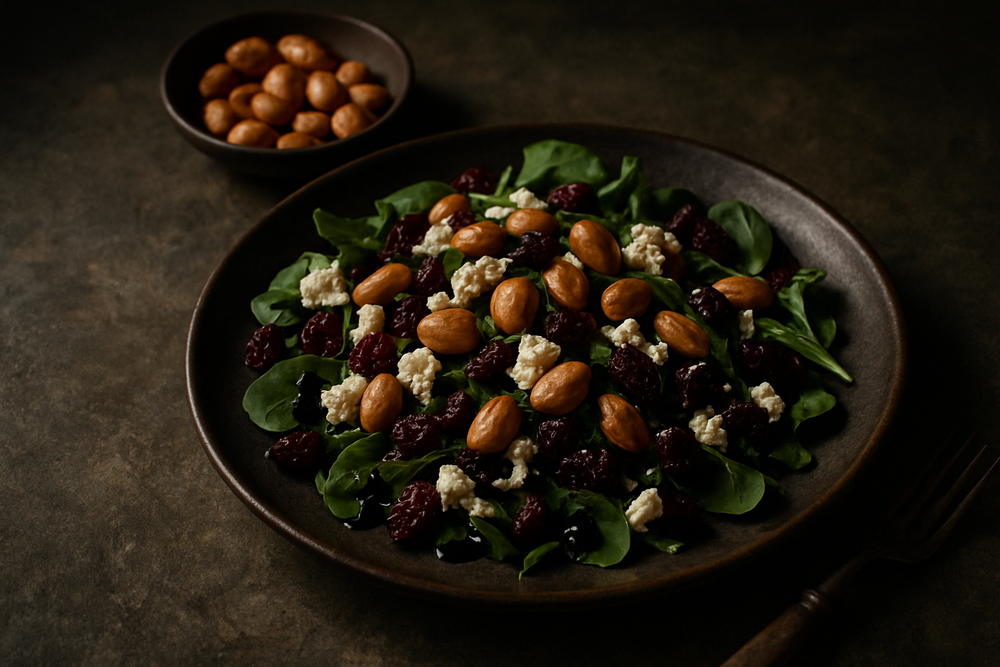
Marcona Almonds · Photograph
Discover the full story on Marcona almonds health benefits and nutrition — from heart health and vitamin E to blood sugar support. Plus: how fried and salted versions compare to dry-roasted, safe daily portions, and who should be cautious.
Key Nutrients
% Daily Value based on 2,000 cal diet
Key active compounds
- Monounsaturated fatty acids (MUFAs) — primarily oleic acid, the same predominant fat in olive oil; associated with improved LDL-to-HDL cholesterol ratios and reduced cardiovascular risk.
- Alpha-tocopherol (vitamin E) — the most bioavailable form of vitamin E; a fat-soluble antioxidant (a compound that neutralises cell-damaging molecules called free radicals) that protects cell membranes and LDL particles from oxidative damage.
- Almond skin polyphenols — phenolic acids and flavonoids concentrated in the brown skin of the nut; provide antioxidant and anti-inflammatory activity and may support healthy blood vessel function.
- Phytosterols — plant sterols (compounds structurally similar to cholesterol) found in almond oils; compete with dietary cholesterol in the gut and can modestly reduce LDL cholesterol absorption.
- Dietary fibre — a mix of soluble and insoluble fibre that supports bowel regularity and acts as a prebiotic (food for beneficial gut bacteria).
- Magnesium — a mineral cofactor in hundreds of enzymatic reactions, including those involved in blood sugar metabolism, muscle function, and blood pressure regulation.
Prep and pairing ideas
Marcona almonds are versatile enough to move between savoury and sweet applications. Here are three practical pairings that highlight different health angles:
1. Marcona almonds + dark leafy greens (spinach or rocket) Toss a small handful of chopped Marconas over a salad dressed with lemon juice and a drizzle of extra-virgin olive oil. The fat in the almonds helps absorb fat-soluble vitamins (like vitamin K and beta-carotene) from the greens — a genuine nutrient-synergy pairing backed by absorption research.
2. Marcona almonds + cheese and fresh fruit (tapas board) The traditional pairing of Marcona almonds with Manchego cheese and sliced pear or fresh figs creates a Mediterranean-style snack that balances protein, fat, and natural sugars. Use a small measured portion of almonds (about 1 oz) to anchor the board and prevent mindless snacking on the saltier elements.
3. Marcona almonds + whole grains (porridge or farro) Stir slivered Marconas into overnight oats or scatter over a warm farro bowl with roasted vegetables. The combination of almond protein and fat with the complex carbohydrates in whole grains creates a slower-digesting, lower-glycaemic meal — practically applying the blood sugar research mentioned above.
Bottom line
Marcona almonds are a genuinely nutritious whole-plant food with strong credentials in the heart health and metabolic space, backed by a solid body of almond research and a nutrient profile rich in monounsaturated fats, vitamin E, plant protein, and fibre. Their sweet, buttery character makes them one of the more enjoyable ways to incorporate regular nut intake into an everyday diet.
The one honest caveat is preparation. The traditional fried-and-salted tapas version is delicious but carries added sodium that matters for people managing blood pressure or cardiovascular risk. Choosing dry-roasted or lightly salted Marcona almonds and measuring a 1 oz portion gets you the full benefit of the evidence without that trade-off. As part of a varied, plant-forward diet, a daily small handful of Marcona almonds is a simple, evidence-aligned habit worth building.
Looking to explore how almonds and other nuts fit into your broader health goals? Browse the Plantopedia Goals hub for ingredient-to-goal matching guides.
How Marcona Almonds Compares
| Compared with | What's different |
|---|---|
| Marcona Almonds vs. California Almonds | Softer, buttery texture and rounder shape compared to the woody crunch of standard almonds. |
| Marcona Almonds vs. Macadamia Nuts | Higher in protein and vitamin E, whereas macadamias are much higher in fat and calories. |
Health Benefits
Things to Know
Tree nut allergy.: Marcona almonds are tree nuts and can cause severe allergic reactions, including anaphylaxis (a sudden, life-threatening allergic response), in people with tree nut allergies. If you have any tree nut allergy, avoid Marcona almonds entirely unless cleared by an allergist.
Cross-contact risk.: Many Marcona almond products are processed in facilities that also handle peanuts, other tree nuts, and sesame seeds. Check labels carefully if you have any of these allergies.
Sodium and blood pressure.: If you manage hypertension (high blood pressure), heart failure, or kidney disease, salted Marcona almonds may work against sodium targets. Seek unsalted versions or limit portion size.
High energy density.: At roughly 180 calories per 1 oz, almonds are calorie-dense. For weight management, measure portions rather than eating from the bag.
Anticoagulants and vitamin E.: At food doses, the vitamin E in almonds is unlikely to create a clinically significant interaction with blood thinners such as warfarin. However, if you are also taking high-dose vitamin E supplements, discuss total vitamin E intake with your prescriber.
Glucose-lowering medications.: Replacing refined carbohydrate snacks with almonds may improve glycaemic control, potentially affecting the dosing of medications like metformin or insulin. This is a positive dietary effect, but any change in blood sugar patterns should be reviewed with your healthcare team.
Pregnancy.: Almonds are generally safe in pregnancy and provide useful folate, calcium, and magnesium. Salted versions should fit within overall daily sodium limits.
Young children.: Whole almonds are a choking hazard for children under four. Use finely chopped almonds or nut butters appropriate to the child's age, following your paediatrician's guidance.
Gallbladder or fat-malabsorption disorders.: High-fat foods may need to be moderated; consult your doctor.
Glossary
Shop This Ingredient
Stock your pantry with quality marcona almonds.
Buy on AmazonAs an Amazon Associate, Plantopedia earns from qualifying purchases. This costs you nothing extra and helps us keep the encyclopedia free.
Frequently Asked Questions
Heart health and cholesterol This is where the evidence for almonds is strongest. Multiple randomised controlled trials (RCTs — the gold-standard type of human study where participants are randomly assigned to different diets) and meta-analyses (studies that pool data from multiple trials) in adults consuming 1–2 oz of almonds per day consistently show reductions in LDL cholesterol (often called "bad" cholesterol), improvements in total cholesterol, and sometimes modest increases in HDL ("good") cholesterol. Some trials also report small reductions in blood pressure. The mechanisms most supported by evidence are the MUFA-rich fat profile, fibre (which binds bile acids in the gut and forces the liver to draw on cholesterol), phytosterols, and vitamin E protecting LDL from oxidation. Because Marcona almonds share essentially the same lipid profile, comparable effects are expected — provided you are eating the unsalted or lightly salted versions. Highly salted, fried Marconas in large portions could partially offset cardiovascular benefits through added sodium. Digestive health and microbiome Each 1 oz serving of Marcona almonds contributes around 3 g of dietary fibre, which counts meaningfully towards the recommended 25–38 g/day that most adults fall short of. Beyond bulk fibre effects on bowel regularity, human studies with standard almonds have found prebiotic benefits: regular almond intake increases populations of beneficial gut bacteria and boosts production of short-chain fatty acids (SCFAs) — compounds produced when gut bacteria ferment fibre that support colon cell health and may reduce systemic inflammation. If you have a sensitive digestive system, introduce almonds gradually. A sudden increase in high-fibre foods can cause gas or bloating, particularly in people with irritable bowel syndrome (IBS). Blood sugar and metabolism Human studies show that including almonds with carbohydrate-containing meals can blunt postprandial glucose spikes (the sharp rise in blood sugar after eating) and improve insulin response over time, with the most consistent data in people with type 2 diabetes or prediabetes. The combination of fat, fibre, and protein in almonds slows gastric emptying (the rate at which food leaves the stomach), which smooths out glucose absorption. Marcona almonds have very few net carbohydrates per serving and a low glycaemic impact, so they are a reasonable replacement for refined carbohydrate snacks. The main caution is sodium: people with diabetes often have coexisting high blood pressure, making highly salted versions a less ideal choice. Inflammation and recovery Vitamin E is the headline here: at 7.3 mg per 28 g serving, Marcona almonds provide roughly 35% of the daily value in a single small handful. Clinical trials with almonds report reductions in markers of oxidative stress and some inflammatory biomarkers including C-reactive protein (CRP) — a blood protein that rises with systemic inflammation. Skin-on almonds also contribute polyphenols that may support endothelial function (the health of the inner lining of blood vessels). One note on the fried-in-olive-oil preparation: prolonged frying at very high temperatures can generate small amounts of acrylamide (a compound formed when starchy or protein-rich foods are cooked at high heat). Available data suggest levels in commercial fried Marcona almonds fall below European safety thresholds, but opting for gently roasted products is a simple precaution.
Marcona almonds are almost never eaten truly raw (unlike California almonds), because their soft, high-moisture flesh benefits from some form of heat treatment to develop flavour and shelf stability. Here is how the main forms compare: Dry-roasted, unsalted — The best choice for most health goals. Retains all the core nutrients without added oil or sodium. Harder to find than the salted version but available from specialty grocers and online. Fried in olive oil, lightly salted (traditional tapas) — Adds roughly 2–3 g of extra fat and 120–180 mg of sodium per 1 oz serving. Still a nutritious snack in moderate portions; the olive oil itself contributes MUFAs. The concern is mostly sodium quantity and portion creep. Heavily salted or smoked commercial versions — Some branded snack products reach 250–280 mg sodium per 1 oz serving and have a fat content of 53–54 g per 100 g. Better treated as an occasional indulgence than a daily staple. Chopped or slivered, used as a garnish — An excellent way to control portion size while still gaining flavour, texture, and nutrients; works well scattered over salads, roasted vegetables, grain bowls, or yoghurt.
The plant-forward eater looking for more satisfying snacks Wants nutrient-dense snacks that fit a whole-food, Mediterranean-style eating pattern. Appreciates the flavour profile and versatility — Marconas work from breakfast bowls to evening cheese boards. Should choose dry-roasted or lightly salted versions and measure a 1 oz serving to keep calories intentional. The person managing cholesterol or cardiovascular risk Has been advised to increase healthy fats and reduce saturated fat. Looking for practical, evidence-backed swaps for less nutritious snack foods. Benefits most from unsalted or lightly salted Marcona almonds eaten in place of refined carbohydrate or high-saturated-fat snacks, within a broader heart-supportive diet.
The human trial data on almonds clusters around 1–2 oz (approximately 28–57 g) per day as the range where cardiovascular and metabolic benefits have been observed. In practical terms: Start with 1 oz (about 23–25 almonds) if you are new to regular nut intake — this is a single small handful and avoids digestive adjustment issues. Up to 1.5–2 oz may be appropriate for people with higher calorie needs (active individuals, those underweight, or those eating a calorie-dense whole-food diet) but adds 180–360 calories that need to fit within your overall energy balance. Sodium watch: if you are eating the salted variety, 1 oz is the sensible ceiling for most people managing blood pressure — beyond that, sodium from almonds begins to compete meaningfully with other dietary sources. There is no evidence that eating almonds more than 2 oz/day provides additional benefits, and it does add substantial calories. A practical habit is to pre-portion almonds into a small dish rather than eating from the bag — a simple nudge that most dietitians recommend for energy-dense foods.
Quick Answers
Common questions, answered in a line.
Marcona almonds contain monounsaturated fatty acids (like oleic acid), alpha-tocopherol (vitamin E), phytosterols, and almond skin polyphenols. These compounds work together to support heart health by improving cholesterol ratios and protecting cell membranes from oxidative damage.
Yes, Marcona almonds are a high-fiber food containing a mix of soluble and insoluble fiber that supports bowel regularity. Additionally, the fiber acts as a prebiotic, which provides food for beneficial gut bacteria to support digestive health.
Marcona almonds contain monounsaturated fats and protein that, when paired with complex carbohydrates, create a slower-digesting, lower-glycemic meal. This combination helps manage blood sugar levels and can improve overall glycemic control.
Marcona almonds are tree nuts and can cause severe allergic reactions, including life-threatening anaphylaxis, in sensitive individuals. People with tree nut allergies should avoid them entirely, and those with hypertension should be cautious of the sodium in salted versions.
Marcona almonds contain magnesium, a mineral cofactor involved in muscle function and blood pressure regulation. They also provide almond skin polyphenols and phytosterols, which may support healthy blood vessel function and reduce cholesterol absorption.
Marcona almonds are calorie-dense, providing roughly 180 calories per 1 oz portion. To avoid excessive energy intake while still gaining nutritional benefits, it is recommended to measure portions rather than eating directly from the bag.
No, whole almonds are a choking hazard for children under the age of four. For young children, it is safer to use finely chopped almonds or age-appropriate nut butters as recommended by a pediatrician.
For Readers in the USA
Local context — sourcing, seasonality, and regional notes.
In the United States, you can find Marcona almonds at major retailers like Trader Joe's, Whole Foods Market, and Costco, as well as at specialty Mediterranean markets. These stores typically stock them in the nut aisle or the specialty cheese section, often imported directly from Spain.
While California produces 80% of the world's standard almonds, true Marcona almonds are a specific cultivar native to Spain and are rarely grown commercially in the United States. US shoppers will almost exclusively find imported Spanish Marconas, as the California climate and industry are optimized for varieties like Nonpareil.
When buying Marcona almonds in the US, look for the USDA Organic seal to ensure they meet federal organic standards, or check for Non-GMO Project Verified labels if you prioritize GE-free snacks. Because Marconas are often processed in Spain, you may also see the EU Organic leaf logo alongside US-specific certifications.
In the US, Marcona almonds are most famously served as a premium cocktail snack or as a staple component of a charcuterie board alongside Manchego cheese and quince paste. They have gained popularity in American culinary culture as a 'gourmet' upgrade to standard California almonds due to their softer texture and rounder shape.
AI Clinical Review
- Solid summary that almonds (including Marcona) are rich in monounsaturated fat, vitamin E, plant protein, and fiber, with human trials linking 1–2 oz/day to improvements in LDL cholesterol and other cardiometabolic markers.
- Useful, practical distinction between unsalted/dry‑roasted versus fried-and-salted Marcona almonds, noting the meaningful sodium range per serving.
- Accurate framing that most evidence comes from conventional almonds but is largely transferable because core macronutrients and micronutrients are similar.
- Clear, consumer‑friendly guidance on portions (about 1 oz as a starting point) and energy density to avoid unintended calorie surplus.
- Marcona‑specific clinical trials are scarce; most outcomes are inferred from studies on other sweet almond varieties. This is reasonable but not definitive.
- Blood pressure effects from almonds are generally small and variable; high sodium in salted Marcona products could offset any benefit for some people.
- Microbiome benefits are promising but based on short, small studies; they show shifts in gut bacteria and short‑chain fatty acids, not hard clinical endpoints yet.
- Acrylamide formation with high‑heat cooking of nuts appears low in commercial products, but brand‑to‑brand data are limited and not routinely disclosed.
- Allergies: Marcona almonds are tree nuts—avoid if you have a tree‑nut allergy; many products share facilities with peanuts/other nuts and sesame (check labels). Whole nuts are a choking risk for children under 4.
- Dose and substitutions: Most benefit is seen around 1–2 oz (28–57 g) daily when almonds replace less nutritious snacks. If using salted Marconas, note the added 120–280 mg sodium per ounce and fit this within blood‑pressure or kidney‑friendly targets.
- Form matters: Many Marconas are blanched (skin removed), which may lower polyphenol intake compared with skin‑on almonds. Dry‑roasted, unsalted versions minimize added sodium and oil.
- Medications and conditions: If you use anticoagulants and also take high‑dose vitamin E supplements, review total vitamin E with your clinician. People on glucose‑lowering drugs should monitor for improved glycemic control after swapping in almonds. Those with fat‑malabsorption, gallbladder issues, heart failure, or chronic kidney disease may need individualized guidance on fat and sodium intake.
Tree nut allergen; commercial versions are often salted and oil-fried.
References
- USDA FoodData Central — almond nutrition reference data (fdc.nal.usda.gov)
- USDA MyPlate — nuts and seeds in the protein foods group (myplate.gov)
- Meta-analysis: almonds and cardiovascular risk markers in RCTs — Berryman et al., Journal of Nutrition (academic.oup.com)
- RCT: almond consumption and glycaemic control in type 2 diabetes — Viguiliouk et al., Metabolism review covering nut trials (sciencedirect.com)
- Human study: almonds as a prebiotic and gut microbiome effects — Barreca et al. overview (ncbi.nlm.nih.gov)
- NIH Office of Dietary Supplements — Vitamin E fact sheet for health professionals (ods.od.nih.gov)
- NIH NCCIH — tree nut allergies and general nut safety overview (nccih.nih.gov)
- Nuts.com — Marcona almonds roasted with sea salt nutrition panel (nuts.com)
- HealthNick — Marcona almonds health benefits and nutrition overview (healthnick.com)
- The Living Look — Marcona almonds preparation, uses, and health considerations (thelivinglook.com)
Know Your Numbers
Eating healthy is a start. Now get to know your biomarkers.
Food changes bloodwork — inflammation, lipids, blood sugar and nutrient status all respond to what you eat. 59 markers from $59.
- Results in 7–10 days at 2,000+ Quest sites
- Licensed provider reviews every result
- One flat price, no membership, HSA/FSA eligible
Educational information only, not medical advice. Panels are ordered and reviewed through our licensed partner; Plantopedia may earn a commission.