Morel Mushrooms — health benefits and uses
A coveted spring forage in temperate forests worldwide.
The Short Answer
Morel mushrooms are highly nutritious fungi that must be cooked before eating to neutralize naturally occurring toxins. They are excellent sources of iron and vitamin D, providing 12.2 mg of iron and 136 IU of vitamin D2 per 66g serving.
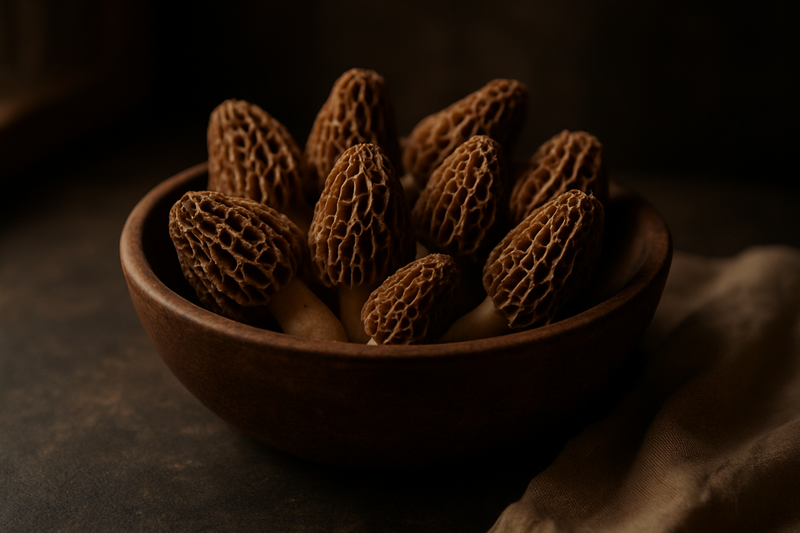
Morel Mushrooms · Photograph
Discover the health benefits and risks of morel mushrooms, including their impressive iron, vitamin D, and antioxidant content. Learn why these prized spring fungi must always be cooked, how to tell them apart from toxic false morels, and how to use them safely in a plant-forward diet.
Key Nutrients
% Daily Value based on 2,000 cal diet
Key active compounds in morel mushrooms
- Polysaccharides including β-glucans — Complex, non-starch carbohydrate chains in morel cell walls. In preclinical models, they demonstrate immunomodulatory (immune-regulating), antidiabetic, and antioxidant activity.
- Phenolic acids (p-coumaric, p-hydroxybenzoic, protocatechuic acid) — Plant-derived aromatic compounds. They scavenge free radicals (unstable molecules that can damage cells) and may reduce oxidative stress on lipids and DNA.
- Carotenoids — Pigmented fat-soluble antioxidant compounds. Present at low levels in morels; may support eye health and immune function.
- Tocopherols (vitamin E compounds) — Fat-soluble antioxidants that protect cell membranes. May work synergistically with other antioxidants in morels.
- Sterols including ergosterol — Structural lipids that serve as precursors to vitamin D2 when exposed to UV light; some show bioactivity in preclinical models.
- Aromatic volatile compounds (aldehydes, ketones, terpenes) — Primarily responsible for morels' distinctive aroma and flavor; some terpenes show mild antimicrobial activity in experimental systems.
Prep and pairing ideas
Morels pair beautifully with simple preparations that let their earthy depth shine. Here are three practical combinations:
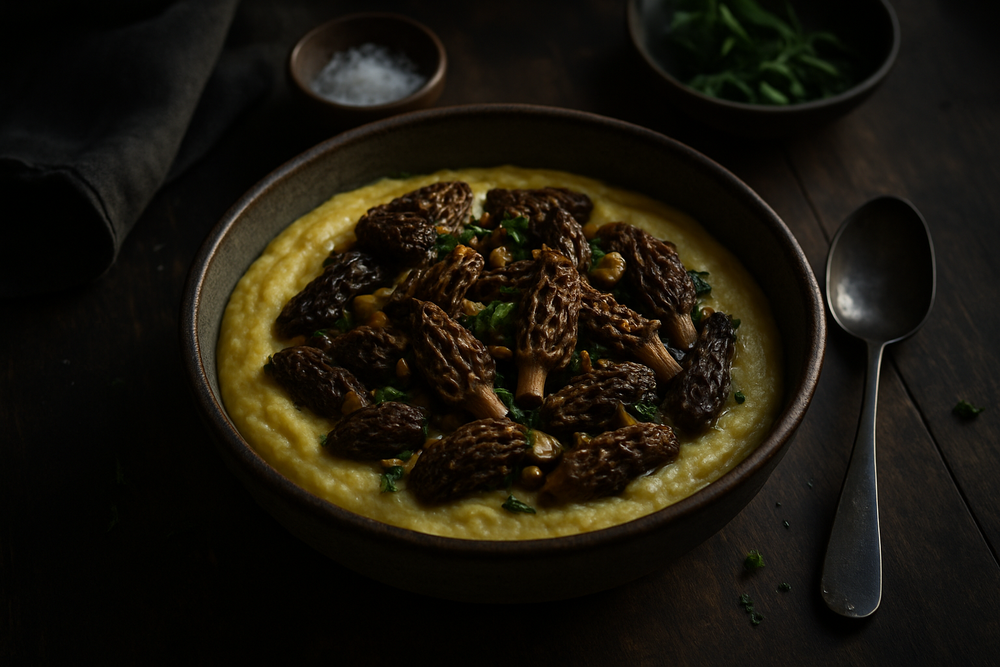
1. Morels + butter or olive oil + fresh thyme The classic sauté. High heat draws out moisture and concentrates flavor. A pinch of sea salt and a few thyme sprigs are all you need. Serve over polenta, whole grain toast, or stirred into pasta.
2. Morels + eggs A spring frittata or scrambled egg dish with morels provides complementary proteins and B vitamins. The richness of egg yolk also helps absorb fat-soluble nutrients like vitamin D and carotenoids from the mushrooms.
3. Morels + asparagus + lemon A seasonal spring pairing that combines morel iron and copper with the folate and vitamin K in asparagus. A squeeze of lemon adds vitamin C, which can enhance non-heme iron absorption — relevant for plant-based eaters relying on morels as an iron source.
Bottom line
Morel mushrooms are one of the most nutritionally impressive fungi available, delivering substantial iron, copper, vitamin D, and antioxidant compounds in very few calories. For plant-based eaters especially, that combination is rare and genuinely useful. The science on their anti-inflammatory, immune-supporting, and metabolic effects is promising but still largely preclinical — human trials are limited, so strong therapeutic claims are not yet warranted.
The single most important rule with morels: cook them thoroughly, every time. Raw morels cause GI illness, and toxic false morels can be confused with the real thing by inexperienced foragers. Buy from reputable sources, cook completely, and introduce them gradually. Within those guardrails, morels are an exceptional seasonal ingredient well worth adding to a food-as-medicine kitchen.
Explore how morel mushrooms fit into your broader health goals at Plantopedia's goals hub.
How Morel Mushrooms Compares
| Compared with | What's different |
|---|---|
| Morel Mushrooms vs. False Morel | False morels are solid inside, whereas true morels are hollow from the cap through the stem. |
| Morel Mushrooms vs. Shiitake Mushroom | Morels have a honeycomb cap and earthy flavor; shiitakes have smooth caps and a buttery texture. |
| Morel Mushrooms vs. Button Mushroom | Morels contain significantly more iron (12.2mg per cup) and require thorough cooking to be safe. |
Health Benefits
Things to Know
Always cook morels thoroughly.: Raw or undercooked morels reliably cause gastrointestinal symptoms including nausea, vomiting, diarrhea, and stomach cramps. Internal temperature should reach at least 165 °F (74 °C) throughout.
Never eat false morels.: Toxic look-alikes, particularly Gyromitra species ("brain mushrooms"), can cause neurological damage and liver injury. If you are not an experienced forager, buy morels from a reputable retailer or farmers' market vendor.
Introduce gradually.: Some individuals have idiosyncratic sensitivities or allergies to wild mushrooms. Start with a small portion to check tolerance.
Medication interactions (preclinical signals only): Morchella polysaccharide extracts have shown glucose-lowering effects in animals, so high-dose extracts could theoretically enhance the effect of antidiabetic medications. Similarly, immunomodulatory effects in preclinical models suggest theoretical caution with immunosuppressive therapies. No human interaction data currently exist for culinary morel consumption.
Pregnancy and breastfeeding: Limited safety data exist for concentrated morel extracts. Culinary use in moderation is likely fine, but wild foraging carries misidentification risk. Consult your midwife or physician.
Children: may be more vulnerable to GI upset from improperly cooked or misidentified mushrooms.
Liver or kidney disease: Greater susceptibility to complications from any accidental exposure to toxic look-alike species; only use commercially verified morels.
Autoimmune conditions: If you are taking immunosuppressive drugs, speak to your specialist before using morel supplements, given theoretical immunomodulatory effects.
Glossary
Shop This Ingredient
Stock your pantry with quality morel mushrooms.
Buy on AmazonAs an Amazon Associate, Plantopedia earns from qualifying purchases. This costs you nothing extra and helps us keep the encyclopedia free.
Frequently Asked Questions
Heart and circulation Morels are naturally very low in calories and saturated fat while providing iron, copper, manganese, and fiber — nutrients that support vascular function, red blood cell formation, and healthy blood pressure as part of a balanced diet. Research suggests their polysaccharides and phenolic compounds may improve lipid profiles and reduce oxidative stress in cell and animal studies, but no controlled human trials have directly tested morel intake on cardiovascular outcomes. What is reasonable to say is that using morels as a flavorful, nutrient-dense swap for higher-calorie or higher-saturated-fat foods fits well within evidence-based heart-healthy dietary patterns. Digestive health and microbiome Each 100 g serving provides about 2.8 g of dietary fiber, including non-starch polysaccharides that may act as prebiotics — food for beneficial gut bacteria. Broader research on mushroom β-glucans suggests prebiotic and gut-modulating effects, and some preclinical morel studies point in the same direction, but no human studies have specifically tracked gut microbiome changes after eating morels. Their digestive benefits are currently inferred from fiber content and general mushroom science rather than morel-specific trials. Blood sugar and metabolism Preclinical reviews report that Morchella polysaccharide extracts can improve insulin sensitivity and lower blood glucose in animal models. These are promising early signals, but the effect has not been tested in human clinical trials. Importantly, culinary amounts of cooked morels are quite different from the concentrated extracts used in lab studies, so these findings cannot be applied directly to what a serving of sautéed morels will do to your blood sugar. Inflammation and recovery Animal studies on morels from the Kashmir Himalaya show that Morchella extracts inhibit edema (swelling) and inflammatory markers in rodent models of arthritis. Phenolic compounds and carotenoids in morels also show free radical scavenging activity — the ability to neutralize unstable molecules linked to cellular damage and chronic inflammation — in laboratory experiments. No randomized human trials have tested morels against inflammatory conditions, so this remains an area to watch rather than a proven claim. Immune support Morchella polysaccharides and β-glucans are among the most studied compounds in morel research. In preclinical models, they appear to modulate immune cell activity — potentially supporting immune surveillance without overstimulating immune response. This is consistent with research on β-glucans from other mushroom species, including shiitake and maitake. Human data for morels specifically are still lacking, but their β-glucan content is a legitimate reason for their classification as an immune-supporting food in plant-based nutrition contexts.
Fresh morels (thoroughly cooked) Fresh morels sautéed in a little olive oil or butter deliver the full nutrient package with the best flavor. Cooking must be thorough — see the safety section below. Dried morels (rehydrated, then cooked) Drying concentrates flavor and extends shelf life through most of the year. Rehydrate in warm water or broth for 20–30 minutes, then cook the rehydrated mushrooms fully. The soaking liquid is flavorful and can go into sauces or soups. Note: drying does not remove the need to cook morels thoroughly once rehydrated. Powdered or minced morels in cooking Morel powder can deepen the flavor of sauces, gravies, and soups. Always add it to a dish that will reach safe cooking temperatures — do not sprinkle raw morel powder onto finished plates. Extracts and supplements Polysaccharide-rich or ethanol/water extracts appear in the research literature but are not standardized for consumer use. No established human dosing guidelines exist. If you are considering a morel supplement, speak to a healthcare provider first.
Fresh morels (spring season, typically March–May) Look for intact caps with a firm, spongy honeycomb texture and hollow interior when cut in half — both cap and stem should be completely hollow. Avoid specimens that smell sour, feel slimy, or have visible mold. Store loosely wrapped in a paper bag in the refrigerator and use within 3–5 days. Dried morels (year-round) Choose packages from verified commercial suppliers, not anonymous bulk bins. The color should be tan to dark brown, not black or discolored. Rehydrate fully before cooking; the soaking liquid is edible when strained. Foraged morels Only forage with an expert guide or after substantial verified study. Cross-check every specimen against a trusted field guide: true morels have a completely hollow cap and stem; false morels are often solid, saddle-shaped, or wrinkled rather than pitted. When in doubt, throw it out. Supplements No standardized morel supplement currently has strong human clinical evidence. If you choose to use one, look for products with third-party testing (e.g., NSF, USP, or Informed Sport seals).
There is no established therapeutic dose for morels, and no upper intake limit has been set for culinary consumption. A practical serving in recipes is typically 50–100 g cooked, which maps to roughly 6–10 medium morels. At that amount, you get a meaningful contribution toward daily iron, vitamin D, and copper needs without excess. A few practical guidelines: Start low (around 30–50 g cooked) if you have not eaten morels before, to check for individual tolerance. Morels are a seasonal specialty rather than an everyday staple for most people. Enjoying them several times during their short spring season is a reasonable approach. If using dried morels, a standard rehydrated portion is around 20–30 g dried (which expands to roughly 60–90 g once soaked), providing similar nutrition. High-dose morel extracts or supplements have no established safe human dose — consult a healthcare provider before using them. Because morels are so rich in iron, people with hemochromatosis (a condition involving iron overload) should discuss morel consumption with their doctor.
Quick Answers
Common questions, answered in a line.
You must always cook morel mushrooms thoroughly to avoid gastrointestinal illness. Raw or undercooked morels reliably cause symptoms such as nausea, vomiting, diarrhea, and stomach cramps, so internal temperatures should reach at least 165 °F (74 °C).
Morel mushrooms are nutritionally impressive because they provide substantial amounts of iron, copper, vitamin D, and antioxidant compounds. These fungi are particularly useful for plant-based eaters as they deliver these essential nutrients with very few calories.
To identify a true morel, you must distinguish it from toxic false morels like the Gyromitra species, which have a brain-like appearance. Because misidentification can lead to neurological or liver damage, it is safest to buy from reputable retailers or farmers' markets.
Morels contain several types of antioxidants including phenolic acids, carotenoids, tocopherols (vitamin E), and polysaccharides. These compounds help scavenge free radicals, reduce oxidative stress on DNA and lipids, and protect cell membranes from damage.
Morel mushrooms may help support immune health through complex carbohydrates called polysaccharides, specifically beta-glucans, found in their cell walls. In preclinical models, these compounds have demonstrated immunomodulatory activity, which means they may help regulate the immune system.
Morel mushrooms are a plant-based source of iron and copper, and pairing them with vitamin C-rich foods like lemon can enhance non-heme iron absorption. They also contain ergosterol, which serves as a precursor to vitamin D2 when the mushrooms are exposed to UV light.
For Readers in the USA
Local context — sourcing, seasonality, and regional notes.
Morel mushrooms are primarily found across the Pacific Northwest, the Midwest, and the Appalachian regions of the United States. In the US, the peak foraging season typically begins in late March in the South and progresses through June in northern states and higher elevations.
Fresh morels are rarely found in standard supermarkets; instead, look for them at local farmers markets or specialty grocers like Whole Foods and Wegmans during the spring. Because of their short shelf life, many US consumers rely on dried morels, which are available year-round at upscale retailers and online through domestic fungi suppliers.
The USDA Organic seal ensures that commercially grown or handled morels meet federal standards, but most morels in the US are wild-harvested and therefore do not carry an official organic certification. If purchasing foraged mushrooms, look for reputable US distributors who follow state-specific food safety guidelines for wild mushroom identification.
The "Great Lakes" region, particularly Michigan, is culturally famous for morel hunting, even hosting the National Morel Mushroom Festival every May. Other regional varieties include the "burn site" morels common in the Western US after forest fires and the "yellow morels" favored in the Ohio River Valley.
AI Clinical Review
- Clear, practical safety guidance: true morels must be thoroughly cooked and never confused with toxic false morels (e.g., Gyromitra).
- Balanced on benefits: it highlights promising antioxidant and immune‑modulating compounds (β‑glucans/polysaccharides) while noting most data are preclinical.
- Nutrition call‑outs are useful for plant‑forward eaters: morels can contribute meaningful iron, copper, and vitamin D2 with few calories.
- Helpful buying, storage, and preparation tips for fresh and dried forms, including rehydration and using soaking liquid safely after cooking.
- Human trials are limited: effects on heart health, inflammation, immunity, and glucose control come mainly from cell/animal studies or concentrated extracts, not typical culinary portions.
- Vitamin D content in mushrooms is highly variable (species, UV exposure, handling), and the D2 form may raise blood levels but can be less potent or shorter‑lived than D3.
- Iron is non‑heme (plant‑based) and absorbed less efficiently; real‑world uptake depends on the meal (vitamin C helps).
- Reported nutrient values are for specific databases/samples; actual amounts can vary by growing region, maturity, and cooking yield.
- Portion guidance is reasonable: 50–100 g cooked per serving is typical; start smaller (30–50 g) if you’re new to wild mushrooms to check tolerance. Always cook thoroughly.
- Who should be cautious: people with mushroom allergy, those on immunosuppressants or diabetes medications (theoretical interactions with high‑dose extracts), individuals with liver/kidney disease, children, pregnant/breastfeeding people, and anyone with hemochromatosis (due to iron).
- Supplements/extracts are not standardized and lack established dosing; choose third‑party–tested products if you use them and discuss with a clinician.
- Sourcing matters: buy from reputable sellers or forage only with expert guidance; wild mushrooms can concentrate contaminants—avoid harvesting near polluted sites.
Must be thoroughly cooked; raw or undercooked morels cause GI illness. Avoid false morels entirely.
References
- USDA FoodData Central — Morel mushroom nutrient data (fdc.nal.usda.gov)
- WebMD: Health Benefits of Morel Mushrooms — consumer health overview with safety notes (webmd.com)
- PMC/NCBI: Cultivation, nutritional value, and bioactive compounds of morels — peer-reviewed review (pmc.ncbi.nlm.nih.gov)
- ScienceDirect: State-of-the-art review of morel — From chemistry to nutrition — comprehensive mycochemical and health review (sciencedirect.com)
- PubMed: Mycochemical profile and health-promoting effects of morel — phenolics, antioxidants, and bioactivity review (pubmed.ncbi.nlm.nih.gov)
- Tandfonline: Morel mushroom from Kashmir Himalaya — anti-inflammatory and arthritic edema-inhibiting activities — animal model study (tandfonline.com)
- JRASB: Potential therapeutics from Morchella spp. — A Systematic Review — systematic review of preclinical evidence (jrasb.com)
- **CREAM Journal: Ethnomedicinal aspects of morels with special reference to **Morchella esculenta — traditional use and ethnobotanical review (creamjournal.org)
- Nutrition-and-you: Morel mushroom nutrition facts and health benefits — accessible nutrient breakdown (nutrition-and-you.com)
- Alibaba Wellness: How to Cook Morels at Home Safely — practical cooking safety guidance (wellness.alibaba.com)
Know Your Numbers
Eating healthy is a start. Now get to know your biomarkers.
Food changes bloodwork — inflammation, lipids, blood sugar and nutrient status all respond to what you eat. 59 markers from $59.
- Results in 7–10 days at 2,000+ Quest sites
- Licensed provider reviews every result
- One flat price, no membership, HSA/FSA eligible
Educational information only, not medical advice. Panels are ordered and reviewed through our licensed partner; Plantopedia may earn a commission.