Oat Yogurt — health benefits and uses
Oat beta-glucan plus live cultures makes a gut-and-heart-friendly cultured food.
The Short Answer
Oat yogurt is a dairy-free fermented food providing 1.5g of protein and 110 calories per serving. It is prized for its beta-glucan fiber, which helps manage cholesterol, and its live probiotic cultures that support gut health.
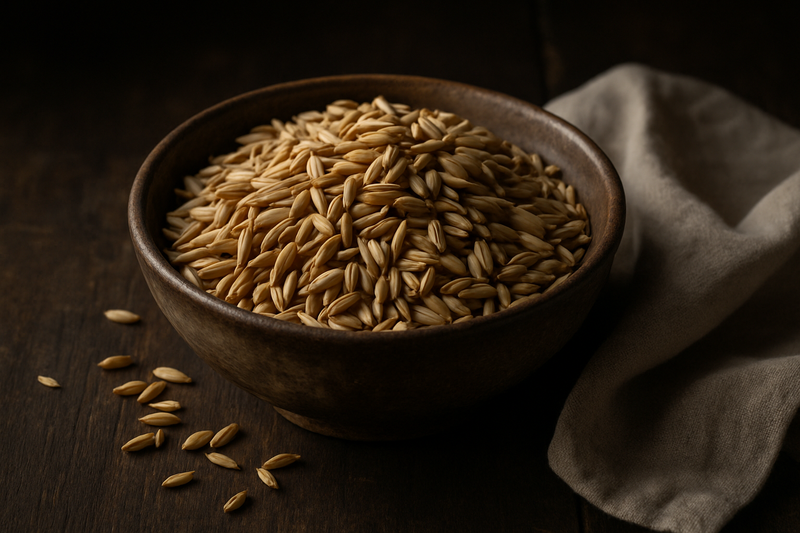
Oat Yogurt · Photograph
Discover the oat yogurt health benefits backed by research — from gut-friendly probiotics and beta-glucan fiber to low-GI blood sugar support. Learn oat yogurt nutrition facts, who should choose gluten-free versions, and how to use it in breakfast bowls and smoothies.
Key Nutrients
% Daily Value based on 2,000 cal diet
Key active compounds in oat yogurt
- Beta-glucan — A soluble, gel-forming polysaccharide found only in oats and barley. It slows digestion, forms a thick layer in the small intestine, and is the compound most directly linked to oat foods' effects on cholesterol and blood sugar. One 140 g serving of some commercial oat yogurts provides around 0.6 g of beta-glucan.
- Avenanthramides — Unique phenolic compounds (plant antioxidants with a nitrogen-containing ring structure) found almost exclusively in oats. Research in other oat foods suggests they may help protect the lining of blood vessels and reduce oxidative stress. Their levels in oat yogurt are not yet well characterized.
- Ferulic acid and other phenolic acids — Antioxidant plant compounds bound to oat fiber. Fermentation may change how well the body absorbs them (their bioavailability), though direct data on oat yogurt are sparse.
- Live probiotic cultures — Bacteria such as Bifidobacterium lactis added during fermentation. "Probiotic" means live microorganisms that, in adequate amounts, may confer a health benefit to the host. Their survival depends on manufacturing, storage, and the product's acidity.
- Oat-derived starches and fermentation byproducts — Fermentation partially breaks down carbohydrates and produces short-chain fatty acids (SCFAs), which are compounds that gut bacteria make from fiber and that feed the cells lining your colon.
Prep and pairing ideas
Oat yogurt is one of the more versatile dairy-free bases in the kitchen. Here are practical ways to use it:
Three standout pairings:
- Oat yogurt + mixed berries + ground flaxseed — Berries add polyphenols and vitamin C; flaxseed adds omega-3 ALA and extra fiber. Together with oat yogurt's beta-glucan, this bowl hits multiple evidence-backed food groups in one meal.
- Oat yogurt + banana + a handful of spinach in a smoothie — The oat yogurt's natural creaminess and mild tang work well here. Banana provides potassium and quick-digesting carbohydrates for post-exercise recovery, and spinach adds folate and iron without affecting flavor much.
- Oat yogurt as a dip base for raw vegetables or wholegrain crackers — Blended with lemon juice, garlic, and fresh herbs (dill or chives), plain oat yogurt becomes a low-saturated-fat dip with gut-supportive probiotics. This works in place of sour cream or tzatziki-style sauces.
Other ideas:
- Use as a replacement for buttermilk in pancake or waffle batters (1:1 ratio, thinned slightly with water).
- Stir a spoonful into soups just before serving to add body without cream.
- Layer with stewed fruit and rolled oats for an overnight parfait.
- Use as a base for a creamy salad dressing with apple cider vinegar and mustard.
Bottom line
Oat yogurt is a genuinely useful food for people eating dairy-free or plant-forward diets — not because of a single magic compound, but because it layers several evidence-backed dietary advantages into one convenient product. The oat base brings beta-glucan, low glycemic impact, and whole-grain fiber. The fermentation process adds live cultures that support gut microbial diversity. Commercial fortification fills in calcium, vitamin D, and B12 gaps that matter on vegan diets.
The science specific to oat yogurt as a product is still catching up with the research on oats and fermented foods separately — so the claims you'll see on packaging extrapolate from those broader bodies of evidence. That's worth keeping in mind. But from a practical whole-food standpoint, swapping plain oat yogurt for higher-sugar or higher-saturated-fat alternatives is a reasonable, low-risk dietary move for most people.
The two things that actually determine whether your oat yogurt is healthy: how much added sugar is in it and, if you have celiac disease, whether the oats are certified gluten-free. Read the label on those two points and most of the other decisions take care of themselves.
How Oat Yogurt Compares
| Compared with | What's different |
|---|---|
| Oat Yogurt vs. Greek Yogurt | Contains higher protein (8–10g) but lacks the beta-glucan fiber found in oats. |
| Oat Yogurt vs. Coconut Yogurt | Thicker and higher in saturated fat, while oat yogurt is higher in carbohydrates and fiber. |
| Oat Yogurt vs. Soy Yogurt | Typically higher in protein and has a thinner consistency compared to oat yogurt. |
Health Benefits
Things to Know
Celiac disease or gluten sensitivity: Only choose oat yogurts labeled certified gluten-free. Introduce gradually and monitor symptoms. A small subset of people with celiac disease remains intolerant even to uncontaminated oats.
Added sugars: Flavored and dessert-style oat yogurts can contain 10–20 g added sugar per serving. Plain varieties are significantly lower.
Oat allergy: Rare but possible, particularly in people with multiple grain allergies. Distinct from gluten intolerance.
IBS and FODMAP sensitivity: Some people with irritable bowel syndrome (IBS) react to fermentable carbohydrates or certain gums and thickeners used in commercial oat yogurts. Check ingredient lists if you follow a low-FODMAP approach.
Medication timing: High-fiber foods can modestly slow the absorption of some medications (including thyroid hormones like levothyroxine and certain antibiotics). Calcium-fortified oat yogurts may also interact with some osteoporosis medications and fluoroquinolone antibiotics. As a general rule, take medications that require an empty stomach 30–60 minutes before eating or as directed by your pharmacist.
Diabetes management: Plain oat yogurt is low-GI, but flavored varieties may require carbohydrate counting. Discuss with your diabetes care team.
Pregnancy: Oat yogurt itself is not a special concern during pregnancy; confirm that the specific product is pasteurized (virtually all commercial yogurts are) and check with your provider about probiotic supplement use, which is different from fermented foods.
Low-potassium or low-phosphorus diets (kidney disease): Some fortified oat yogurts provide moderate amounts of these minerals. Review total intake with your renal dietitian.

Prep Ideas
- — Oat yogurt + mixed berries + ground flaxseed — Berries add polyphenols and vitamin C; flaxseed adds omega-3 ALA and extra fiber. Together with oat yogurt's beta-glucan, this bowl hits multiple evidence-backed food groups in one meal.
- — Oat yogurt + banana + a handful of spinach in a smoothie — The oat yogurt's natural creaminess and mild tang work well here. Banana provides potassium and quick-digesting carbohydrates for post-exercise recovery, and spinach adds folate and iron without affecting flavor much.
- — Oat yogurt as a dip base for raw vegetables or wholegrain crackers — Blended with lemon juice, garlic, and fresh herbs (dill or chives), plain oat yogurt becomes a low-saturated-fat dip with gut-supportive probiotics. This works in place of sour cream or tzatziki-style sauces.
- — Use as a replacement for buttermilk in pancake or waffle batters (1:1 ratio, thinned slightly with water).
- — Stir a spoonful into soups just before serving to add body without cream.
- — Layer with stewed fruit and rolled oats for an overnight parfait.
- — Use as a base for a creamy salad dressing with apple cider vinegar and mustard.
Glossary
Shop This Ingredient
Stock your pantry with quality oat yogurt.
Buy on AmazonAs an Amazon Associate, Plantopedia earns from qualifying purchases. This costs you nothing extra and helps us keep the encyclopedia free.
Frequently Asked Questions
Heart health and cholesterol No clinical trials have tested oat yogurt specifically for cardiovascular outcomes — the research base for oat yogurt as a standalone product is still early. However, the evidence for oat beta-glucan in other forms (oatmeal, oat bran, oat drinks) is among the most consistent in nutrition science. Multiple human studies show that consuming around 3 g of beta-glucan per day from oat foods can meaningfully lower LDL cholesterol — the type most associated with heart disease risk. The mechanism: beta-glucan forms a thick gel in the digestive tract that traps bile acids (made from cholesterol), forcing the body to draw more cholesterol from the blood to make new bile. One 140 g serving of certain oat yogurts provides approximately 0.6 g of beta-glucan. That is a contribution toward, not a replacement for, the 3 g daily threshold. Oat yogurt fits best as one piece of a heart-supportive eating pattern that also includes whole oats, beans, fruits, nuts, and vegetables. Fortified varieties also deliver calcium without the cholesterol found in full-fat dairy products. Oat yogurt benefits for gut health and digestion Oat yogurt's gut-health story comes from two directions at once. The live cultures act as probiotics; the oat fiber acts as a prebiotic — food for beneficial bacteria already living in your colon. A randomized crossover study in healthy adults that combined dairy yogurt with rolled oats found modest changes in microbiome composition and short-chain fatty acid (SCFA) profiles. The effects were modest in a healthy population, but they support the broader concept that pairing fermented foods with oat fiber can nudge gut microbial diversity in a favorable direction. Experimental research on synbiotic oat yogurts — products engineered to maximize probiotic survival using microencapsulation (wrapping bacteria in a protective coating) — shows promising results for bacterial viability and product quality. These studies are largely lab-based rather than long-term human outcome trials, so the clinical translation is still being established. What can be said: eating plain oat yogurt regularly as part of a high-fiber, plant-diverse diet is a practical way to support a healthy gut environment. Blood sugar and metabolism Plain oat yogurt has a reported glycemic index (GI) of around 40, which falls in the low-GI range (below 55). Glycemic index measures how quickly a food raises blood glucose compared to pure glucose (score of 100). The glycemic load — which also accounts for how much carbohydrate is in a realistic serving — is estimated at about 4 per 100 g, also low. This combination means oat yogurt is unlikely to cause a sharp blood sugar spike when eaten as part of a balanced meal. Human trials on oat beta-glucan consistently show reduced postprandial (after-meal) glucose and insulin responses compared to lower-fiber alternatives. These studies use oatmeal and oat bran rather than cultured oat yogurt, so the magnitude of effect in fermented form is not precisely known — but the direction of the evidence is favorable. The important caveat: flavored and fruit-on-the-bottom oat yogurts can contain 10–20 g of added sugar per serving, which erases most of the glycemic benefit. Reading the "added sugars" line on the nutrition label is essential. Inflammation and recovery In the yogurt-plus-rolled-oats human trial mentioned above, researchers also measured inflammatory markers. Effects were modest and short-lived in a healthy population. Emerging work on synbiotic oat yogurt formulations suggests potential for anti-inflammatory effects through combined probiotic and prebiotic action, but this evidence is currently mechanistic (observed in lab settings) rather than from long-term clinical endpoints. Oat yogurt's strongest contribution to reducing inflammation is likely indirect: replacing ultra-processed, high-sugar foods or high-saturated-fat dairy with a fiber-rich, minimally processed whole-grain fermented food. When it sits within a broader anti-inflammatory dietary pattern — one rich in legumes, leafy greens, colorful vegetables, berries, and whole grains — the cumulative benefit can be meaningful.
The dairy-free breakfast seeker Needs a creamy, protein- and fiber-containing base for breakfast bowls, smoothies, or overnight oats without dairy. Benefits from calcium and vitamin D fortification that helps fill gaps common in plant-based diets. Gets a satisfying, tangy texture without the high saturated fat of coconut yogurt alternatives. The person managing blood sugar or cholesterol Wants a low-GI, fiber-rich snack or meal component that won't spike glucose. Benefits from beta-glucan contributing toward the daily 3 g threshold linked to LDL reduction. Should prioritize plain or very lightly sweetened varieties and pair with whole fruit, nuts, or seeds rather than sugary granola.
This is one of the most frequently asked questions about oat yogurt, and it deserves a precise answer. Oats are naturally gluten-free at the molecular level, but they are almost always grown, harvested, and processed alongside wheat, barley, or rye — grains that contain gluten. Cross-contamination is the main risk. A systematic review and meta-analysis of clinical studies found that adding uncontaminated (pure) oats to a gluten-free diet did not worsen symptoms, intestinal damage, immune markers, or blood tests in people with celiac disease. National health bodies including Health Canada and organizations like Coeliac UK and the Celiac Disease Foundation support this conclusion, while stressing that a small minority of people with celiac disease remain sensitive even to uncontaminated oats. For practical safety: Look for "certified gluten-free" on the label. This signals third-party testing and manufacturing in a gluten-free facility, not just a marketing claim. Start with small portions (e.g., 50–75 g) and increase gradually, monitoring for any GI symptoms. Check with your gastroenterologist or dietitian if you have newly diagnosed celiac disease or ongoing symptoms. People with non-celiac gluten sensitivity (NCGS) — a real but less well-defined condition — may also prefer certified gluten-free oat yogurt as a precaution, though the evidence base is less clear for this group.
There is no established official serving guideline specifically for oat yogurt. Based on the available evidence and practical nutrition planning, 100–200 g per day (roughly one small to one standard container) is a sensible range for most healthy adults. This amount: Provides a meaningful contribution of fiber and beta-glucan (approximately 1–2 g beta-glucan at the higher end, from products with declared beta-glucan content). Delivers a useful portion of your daily calcium target from fortified varieties. Keeps carbohydrate and calorie contribution modest enough to fit most eating patterns. For context, guidance on oats in celiac disease considers around 50 g of dry oats per day (the equivalent oat content) to be well within a safe range for most individuals. Commercial oat yogurt uses a diluted oat base, so the actual oat content per serving is typically lower than eating a bowl of porridge. Start low if you are new to fermented foods or higher-fiber diets. Some people experience temporary bloating or gas when adding probiotics and extra fiber simultaneously. Starting with 75–100 g daily for the first one to two weeks, then increasing, usually allows the gut to adjust comfortably. There is no strong evidence that eating more than 200 g per day causes harm in healthy adults — but at higher amounts, added sugar content (in flavored varieties) and total calorie context become more important to consider.
Quick Answers
Common questions, answered in a line.
Oat yogurt contains beta-glucan, a soluble fiber that slows digestion and forms a thick layer in the small intestine to help manage blood sugar. This gel-forming polysaccharide is the primary compound linked to the food's ability to support healthy glucose levels.
Oat yogurt provides unique antioxidants called avenanthramides, as well as ferulic acid and other phenolic acids bound to oat fiber. These plant compounds may help protect blood vessel linings and reduce oxidative stress, though fermentation may alter how the body absorbs them.
You can use oat yogurt as a dairy-free base for smoothies, a dip for raw vegetables when blended with herbs and garlic, or a topping for breakfast bowls with berries. It also works as a 1:1 replacement for buttermilk in pancake batters or as a thickener for soups.
Oat yogurt supports digestive health through live probiotic cultures like Bifidobacterium lactis and the production of short-chain fatty acids (SCFAs). These fermentation byproducts provide energy for the cells lining the colon and help maintain gut microbial diversity.
People with celiac disease should only consume oat yogurt labeled as certified gluten-free to avoid cross-contamination. Additionally, a small subset of individuals with celiac disease may remain intolerant even to pure, uncontaminated oats.
The healthiness of oat yogurt is primarily determined by its added sugar content and whether it is certified gluten-free for those with sensitivities. While plain versions are low-GI, flavored varieties can contain 10–20 grams of added sugar per serving.
High-fiber foods like oat yogurt can modestly slow the absorption of certain medications, including thyroid hormones and some antibiotics. Additionally, calcium-fortified versions may interact with osteoporosis medications and fluoroquinolone antibiotics.
For Readers in the USA
Local context — sourcing, seasonality, and regional notes.
You can find oat yogurt at major US retailers like Whole Foods, Trader Joe's, Target, and Kroger, often under brands like Oatly, Forager Project, or Silk. Most stores stock these in the refrigerated dairy-alternative aisle alongside almond and soy-based products.
Oat yogurt is available year-round across the US because it relies on processed oats rather than seasonal fresh harvests. While oats are typically harvested in the late summer in states like North Dakota and South Dakota, the yogurt production cycle remains consistent every month.
Look for the USDA Organic seal to ensure the oats were grown without synthetic pesticides like glyphosate and the "Certified Gluten-Free" stamp if you have celiac disease. The FDA requires all ingredients, including specific probiotic strains and added sugars, to be clearly listed on the Nutrition Facts label.
AI Clinical Review
- Clearly explains oat yogurt as a “synbiotic” food (probiotics + prebiotic oat fiber), which reflects how fermentation and beta‑glucan can work together for gut support.
- Accurately notes the strongest evidence base is for oat beta‑glucan (about 3 g/day linked with LDL cholesterol reduction) and that a single serving of oat yogurt typically contributes a fraction of that.
- Highlights practical advantages of fortified products (calcium, often vitamin D and B12) for people avoiding dairy.
- Sensibly emphasizes the impact of added sugars on glycemic response and encourages choosing plain/unsweetened options.
- Provides balanced guidance on oats and celiac disease, stressing certified gluten‑free labeling and individual tolerance.
- Few human trials examine oat yogurt itself; most cardiometabolic benefits are inferred from studies on oats or dairy yogurt separately.
- Reported low glycemic index (~40) can vary by brand, thickeners, and sugar content, so numbers may not generalize to all products.
- Probiotic benefits are strain‑ and dose‑dependent; survival (CFU count) through processing and storage differs across brands and isn’t always disclosed.
- Antioxidant components (e.g., avenanthramides, phenolic acids) in oat yogurt are plausible but not well quantified for bioavailability after fermentation.
- A practical intake for most adults is about 100–200 g/day; this supports fiber and calcium goals but won’t by itself meet the 3 g/day beta‑glucan target—include other oat foods if aiming for lipid effects.
- If you have celiac disease or non‑celiac gluten sensitivity, choose certified gluten‑free products and introduce gradually; a small subset remains sensitive even to uncontaminated oats.
- People with IBS may react to certain gums/thickeners or FODMAP content; trial small portions and check ingredient lists.
- Fiber and calcium can interact with some medications (e.g., levothyroxine, certain antibiotics); take these as directed, often apart from high‑fiber or calcium‑fortified foods.
- Oat yogurt is lower in protein than dairy Greek yogurt; pair with nuts, seeds, or legumes if higher protein is desired. Those with kidney disease should review total potassium/phosphorus from fortified products with a clinician.
Choose certified gluten-free oats if celiac; watch for added sugars.
References
- USDA FoodData Central — oat-based yogurt nutritional data (fdc.nal.usda.gov)
- Human trial: yogurt and rolled oats on gut microbiome and inflammatory markers in healthy adults (pubmed.ncbi.nlm.nih.gov)
- Clinical trial registration: comparative effects of yogurt and rolled oats on microbiome and metabolites (DRKS00023146) (drks.de)
- Synbiotic oat yogurts enriched with probiotic microcapsules — product development and in vitro analysis (pmc.ncbi.nlm.nih.gov)
- Systematic review and meta-analysis: safety of adding oats to a gluten-free diet in celiac disease (pubmed.ncbi.nlm.nih.gov)
- PubMed review: oats and the gluten-free diet (pubmed.ncbi.nlm.nih.gov)
- Coeliac UK guidance on oats and gluten-free diets (coeliac.org.uk)
- Celiac Disease Foundation: A Practitioner's Guide to Oats (celiac.org)
- Health Canada consultation on celiac disease, gluten-free claims, and uncontaminated oats (canada.ca)
- LogiFoodCoach: oat yogurt glycemic index and macronutrient analysis (logifoodcoach.com)
Know Your Numbers
Eating healthy is a start. Now get to know your biomarkers.
Food changes bloodwork — inflammation, lipids, blood sugar and nutrient status all respond to what you eat. 59 markers from $59.
- Results in 7–10 days at 2,000+ Quest sites
- Licensed provider reviews every result
- One flat price, no membership, HSA/FSA eligible
Educational information only, not medical advice. Panels are ordered and reviewed through our licensed partner; Plantopedia may earn a commission.