Peanut Flour — health benefits and uses
A modern reworking of the peanut, a staple protein across the American South and West Africa.
The Short Answer
Peanut flour is a high-protein, low-fat alternative to peanut butter made from crushed, defatted roasted peanuts. It contains roughly 15 grams of protein and only 110 calories per quarter-cup serving, making it an ideal thickener for smoothies and sauces.
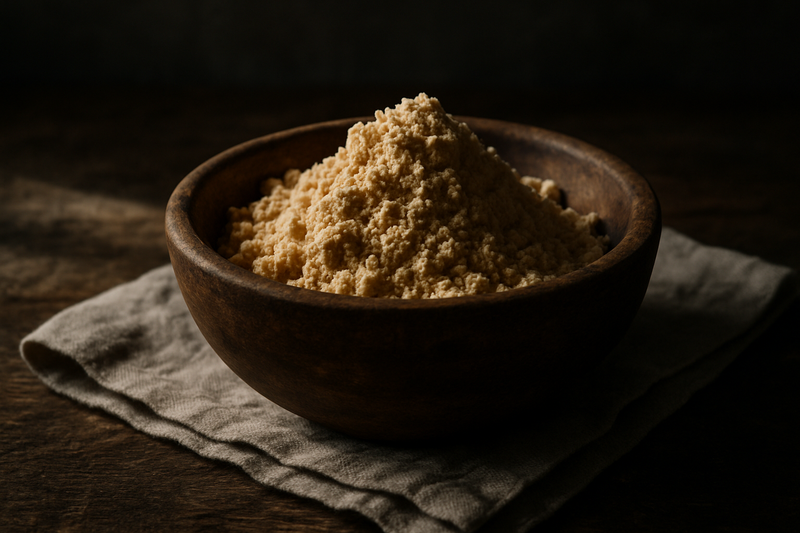
Peanut Flour · Photograph
Discover peanut flour benefits and nutrition facts, from its impressive protein content to its versatility in smoothies and sauces. Learn how defatted peanut flour compares to peanut butter, how much to use daily, and who should avoid it entirely.
Key Nutrients
% Daily Value based on 2,000 cal diet
Key active compounds
- Protein (including arginine): Peanut flour is one of the richest plant-protein powders available. Arginine, a semi-essential amino acid abundant in peanuts, is a precursor to nitric oxide — a molecule that helps blood vessels relax and widen.
- Phenolic antioxidants (flavonoids and related compounds): These are plant-derived molecules that can neutralize free radicals (unstable molecules that can damage cells). Peanut flour retains meaningful levels even after oil extraction.
- Resveratrol (low levels): A polyphenolic compound (a type of plant chemical with multiple phenol rings) found in peanut skins and flesh, associated with antioxidant and anti-inflammatory properties in research. Levels in defatted flour are modest but present.
- Niacin (Vitamin B3): Peanuts are one of the best food sources of niacin, and this concentration is preserved well in peanut flour. Niacin supports energy metabolism and DNA repair.
- Magnesium and potassium: Both minerals play roles in blood pressure regulation, muscle function, and nerve signaling. Per ounce, defatted peanut flour delivers notably high amounts relative to its calorie count.
- Folate: A B-vitamin essential for DNA synthesis and cell division — particularly important during pregnancy.
Buying guide
Fresh / dry powder (shelf-stable): This is the standard form. Look for defatted peanut flour from brands that state fat content on the label — true defatted flour will show 0–1 g fat per serving. Products marketed as "peanut powder" or "powdered peanut butter" may have added sugar and salt; check the label before buying.
Label tips:
- Protein per serving should be 12–16 g for a true defatted product.
- Fat per serving should be under 1 g for defatted, or 3–5 g for partially defatted.
- Ingredients list should ideally be just "roasted peanuts" or "peanuts."
- Look for a "Best By" date and store in an airtight container away from heat and moisture; opened bags keep well for 6–12 months stored properly.
- If you have celiac disease or non-celiac gluten sensitivity, look for a certified gluten-free label — peanut flour is naturally gluten-free, but cross-contamination in shared facilities is common.
Prep and pairing ideas
Peanut flour is remarkably versatile once you think of it as a flavor-and-protein concentrate rather than a baking flour:
- Smoothies: Blend 2 tablespoons into a banana-oat smoothie for ~8 g of extra protein and a rich peanut note without the fat load of peanut butter. Pairs especially well with banana, cacao powder, and oat milk.
- Savory sauces: Whisk 3–4 tablespoons into warm water or vegetable broth, add a splash of soy sauce, lime juice, and a pinch of chili flake for a quick satay-style sauce. Lower fat than traditional peanut-butter-based versions.
- Baked goods: Replace 15–25% of wheat flour in muffin, pancake, or cookie recipes with defatted peanut flour. This boosts protein and fiber while adding a toasty peanut flavor. Start small — peanut flour absorbs more liquid than wheat flour, so you may need to add a splash more liquid.
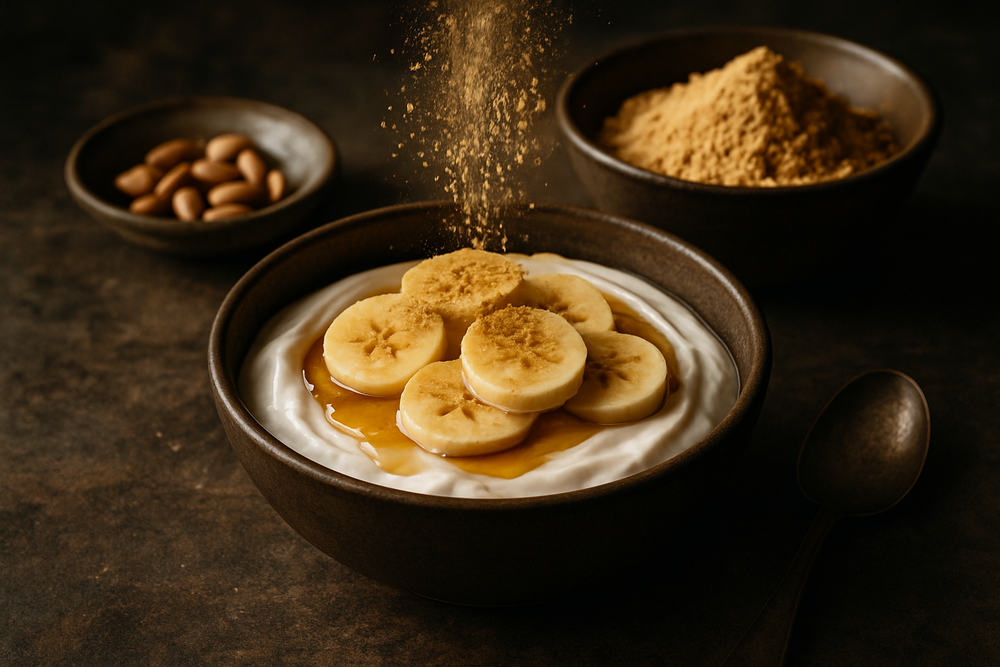
- Yogurt and oatmeal: Stir a tablespoon into plain Greek-style yogurt or overnight oats. Adds protein and flavor with minimal prep.
- Breading: Mix peanut flour with herbs and spices as a coating for baked tofu or vegetables — it crisps up nicely in the oven.
Common pairings
1. Banana + peanut flour + oat milk (smoothie base) Banana's natural sweetness and creamy texture offset peanut flour's slight dryness. Oat milk adds B-vitamins that complement peanut flour's own B-vitamin profile. This trio makes one of the easiest high-protein, whole-food breakfasts you can blend in 60 seconds.
2. Soy sauce + lime + peanut flour (sauce base) The umami depth of soy sauce and the brightness of lime balance peanut flour's earthy richness. This combination mirrors traditional Southeast Asian peanut sauces but with substantially less fat. A tablespoon of rice vinegar and a small piece of grated ginger round it out further.
3. Cacao powder + peanut flour + oats (baking / energy balls) Cacao's bitterness and peanut flour's nuttiness complement each other — a classic flavor pairing that happens to deliver plant protein, magnesium, fiber, and antioxidants in one bite. Roll into no-bake energy balls or fold into muffin batter.
Bottom line
Defatted peanut flour is a practical, evidence-informed way to add concentrated plant protein, fiber, and key micronutrients — especially magnesium, potassium, folate, and niacin — to everyday meals with minimal added fat. Its most robust role in current research is as a protein-fortification ingredient and as a standardized allergen in clinical settings; human trials on peanut flour as a standalone health intervention are limited, so benefit claims are reasonably extrapolated from its nutrient profile and the broader literature on peanuts and plant-rich diets.
For most people without peanut allergy, peanut flour is a safe, versatile, and affordable ingredient that fits well within a whole-food, plant-based eating pattern. Start with small amounts, choose products with clean labels, store carefully, and use it as a complement to a varied diet rather than a cure-all.
One absolute rule applies: if you have a peanut allergy, peanut flour is off the table — in every form, at every dose.
Explore how plant proteins fit your health goals at Plantopedia's goals hub.
How Peanut Flour Compares
| Compared with | What's different |
|---|---|
| Peanut Flour vs. Peanut Butter | Contains 85-90% less fat per gram and is a dry powder rather than a paste. |
| Peanut Flour vs. Almond Flour | Significantly higher in protein per gram and has a distinct roasted nut flavor. |
| Peanut Flour vs. Soy Flour | Lower in calories and higher in protein, but lacks the neutral taste of soy. |
Health Benefits
Things to Know
Peanut allergy — strict avoidance required.: Peanut flour is a concentrated source of the same proteins that trigger peanut allergies, including major allergens Ara h 1, Ara h 2, and Ara h 6. Even small amounts can provoke severe reactions, including anaphylaxis (a rapid, life-threatening whole-body allergic reaction). If you have a diagnosed or suspected peanut allergy, do not use peanut flour in any form.
Cross-contamination risk.: Peanut residues have been found in non-peanut flours, triggering allergen recalls. Always read labels carefully if you're avoiding peanuts for any reason.
Introduce gradually.: Even for people without peanut allergy, starting with a small amount (1 teaspoon) and increasing over a week or two can help you identify any personal digestive sensitivities.
Aflatoxin awareness.: Peanuts can harbor aflatoxins — mold-produced compounds that can be harmful in high amounts. Buy from reputable suppliers, store properly (cool, dry, sealed), and discard any product that smells musty or off.
Pregnancy.: Peanut flour is a good source of folate and plant protein, both valuable during pregnancy. Unless you have a peanut allergy, there is no evidence that consuming peanut products during pregnancy is harmful — current evidence actually suggests early introduction of peanut foods to infants (per pediatric guidelines) may reduce allergy risk. Consult your midwife or doctor with specific questions.
Infants and young children at high allergy risk.: Infants with severe eczema or egg allergy have higher risk for peanut allergy. Peanut flour introduction in these children should follow current pediatric allergy guidelines and occur with appropriate supervision — the concentrated allergen load in peanut flour makes it a higher-risk first exposure than some other peanut formats.
Medication interactions.: There are no well-documented drug–nutrient interactions specific to defatted peanut flour. The primary safety concern is allergenicity, not medication interference. If you carry an epinephrine auto-injector for peanut allergy, treat peanut flour as identical to any other peanut exposure.
Liver disease.: People with liver conditions requiring strict aflatoxin limitation should ensure their peanut flour comes from suppliers with verified quality control.
Prep Ideas
- — Smoothies: Blend 2 tablespoons into a banana-oat smoothie for ~8 g of extra protein and a rich peanut note without the fat load of peanut butter. Pairs especially well with banana, cacao powder, and oat milk.
- — Savory sauces: Whisk 3–4 tablespoons into warm water or vegetable broth, add a splash of soy sauce, lime juice, and a pinch of chili flake for a quick satay-style sauce. Lower fat than traditional peanut-butter-based versions.
- — Baked goods: Replace 15–25% of wheat flour in muffin, pancake, or cookie recipes with defatted peanut flour. This boosts protein and fiber while adding a toasty peanut flavor. Start small — peanut flour absorbs more liquid than wheat flour, so you may need to add a splash more liquid.
- — Yogurt and oatmeal: Stir a tablespoon into plain Greek-style yogurt or overnight oats. Adds protein and flavor with minimal prep.
- — Breading: Mix peanut flour with herbs and spices as a coating for baked tofu or vegetables — it crisps up nicely in the oven.
Glossary
Shop This Ingredient
Stock your pantry with quality peanut flour.
Buy on AmazonAs an Amazon Associate, Plantopedia earns from qualifying purchases. This costs you nothing extra and helps us keep the encyclopedia free.
Frequently Asked Questions
The evidence for peanut flour specifically is still emerging. Most of what we know comes from studies on whole peanuts and nuts broadly, plus a smaller body of food-science research on peanut flour as a fortification ingredient. No large randomized controlled trials (studies where participants are randomly assigned to a treatment or control group) have tested peanut flour alone for disease outcomes. That said, its nutrient profile gives researchers and dietitians good reasons to expect meaningful benefits. Heart and circulation Defatted peanut flour is rich in magnesium, potassium, and folate — three nutrients consistently associated with lower blood pressure and healthier lipid profiles (the balance of fats in the blood, including cholesterol) in observational studies. Its arginine content may support nitric oxide production, which helps arteries stay flexible. Research reviews highlight defatted peanut flour as a way to improve overall dietary quality and boost plant protein intake, both of which are linked to reduced cardiovascular risk in large population studies. However, no randomized trial has yet tested peanut flour directly for heart outcomes, so these connections remain evidence-informed rather than proven. Digestive health and microbiome One ounce of defatted peanut flour delivers about 4.5 g of dietary fiber — roughly 16% of the daily target in a single serving. That fiber includes both soluble fiber (which can slow digestion and feed beneficial gut bacteria) and insoluble fiber (which adds bulk and supports regular bowel movements). Research on peanut flour as a food ingredient notes its fiber content as a meaningful contribution to digestive health, though peanut-flour-specific trials measuring gut microbiome (the community of microorganisms living in the digestive tract) changes have not been published. The practical benefit is clearer: adding a tablespoon or two to a smoothie or sauce is a low-effort way to increase daily fiber intake. Blood sugar and metabolism Peanut flour is low in sugar, moderate in fiber, and high in protein — a macronutrient combination that research generally associates with slower glucose (blood sugar) absorption and lower post-meal spikes. Food formulation studies have used partially defatted peanut flour to enrich composite flours for nutritionally vulnerable groups, reporting improved protein and nutrient density, though these studies did not directly measure blood glucose or insulin. People managing blood sugar may find peanut flour a useful partial replacement for refined flours in baking, but individual responses vary and no clinical data specific to peanut flour and glycemic (blood-sugar-related) outcomes exist yet. Inflammation and recovery Peanut flour's phenolic antioxidants and anti-inflammatory phytochemicals have been analyzed in laboratory and animal studies, suggesting potential to reduce oxidative stress (cellular damage from free radicals). Human data are lacking for peanut flour specifically. What the broader nut literature suggests is that regular nut and peanut consumption as part of a varied diet is associated with lower inflammatory markers over time. Peanut flour's concentrated antioxidant profile may contribute similarly when used consistently, but this remains theoretical at the peanut-flour level.
The differences between peanut flour types come down to how much oil was removed during processing: Defatted peanut flour has had most of the oil pressed out (fat drops to under 1%). This is the highest-protein, lowest-calorie version — ideal for smoothies, protein shakes, sauces, and recipes where you want peanut flavor without added fat. Micronutrients like magnesium and niacin are highly concentrated here. Partially defatted peanut flour retains more residual fat, giving it a slightly richer flavor and texture. It's commonly used in food product development and research formulations. A good middle-ground option for baking. Full-fat peanut flour is essentially finely ground roasted peanuts with minimal oil removal. Higher in fat and closer to natural peanut meal in composition. Useful when you want maximum peanut richness in a dry form. Pharmaceutical-grade peanut flour is a separate category — highly standardized for allergen potency and aflatoxin levels (naturally occurring mold-produced toxins), used only in clinical oral immunotherapy programs. This is not a food product. For most everyday uses, defatted peanut flour gives you the most nutritional value per calorie. Look for products with simple ingredient lists (peanuts only, or peanuts + salt) and avoid brands with added sugars or vegetable oils, which narrow the gap with regular peanut butter.
No standardized clinical dose exists for peanut flour as a dietary supplement. Culinary use typically falls between 1 and 4 tablespoons (roughly 8–32 g) per day, incorporated into meals rather than taken on its own. Practical starting guidance: Start with 1 teaspoon mixed into a smoothie or sauce to assess tolerance. Work up to 1–2 tablespoons per use (about 8–16 g) over one to two weeks if no digestive issues arise. Up to 3–4 tablespoons per day (roughly 24–32 g, delivering 40–55 g protein from peanut flour alone) is used in some sports nutrition and high-protein diet contexts, though at that volume it's worth accounting for total protein intake from all sources. Don't rely on it as your only protein source. Peanut flour is high in protein but lower in certain essential amino acids (the protein building blocks your body can't make itself) like methionine compared to animal proteins. Varying your plant-protein sources across the day ensures a complete amino acid profile. Peanut flour adds sodium (about 51 mg per ounce) if it contains added salt. If you're managing blood pressure or sodium intake, opt for unsalted varieties.
Quick Answers
Common questions, answered in a line.
You can use peanut flour as a high-protein smoothie booster, a base for savory satay-style sauces, or a partial flour replacement in baked goods. For baking, replace 15–25% of wheat flour with peanut flour, but note that you may need extra liquid as it is highly absorbent.
Peanut flour is a rich source of plant protein, arginine, niacin (Vitamin B3), magnesium, and folate. It also contains phenolic antioxidants and low levels of resveratrol, which are plant compounds that help neutralize free radicals and support heart health.
No, anyone with a peanut allergy must strictly avoid peanut flour in all forms and doses. Because it is a concentrated source of major allergens like Ara h 1, it can trigger severe reactions, including life-threatening anaphylaxis, even in small amounts.
True defatted peanut flour should contain 12–16 grams of protein and 0–1 gram of fat per serving. Check the ingredient list to ensure it contains only "roasted peanuts" or "peanuts," as products labeled as "powdered peanut butter" often contain added sugar and salt.
Peanut flour is naturally gluten-free, but people with celiac disease should look for a "certified gluten-free" label. This is important because cross-contamination is common in facilities that process other grains, which can introduce gluten residues.
Peanut flour provides folate and plant protein, which are essential for DNA synthesis and cell division during pregnancy. Unless an allergy is present, current evidence suggests consuming peanut products during pregnancy is not harmful and may even help reduce allergy risks for the infant.
Store peanut flour in an airtight container in a cool, dry place away from heat and moisture to prevent spoilage. When stored properly, an opened bag can remain fresh for 6 to 12 months, though you should discard any powder that smells musty.
For Readers in the USA
Local context — sourcing, seasonality, and regional notes.
Peanuts are primarily grown in the Southeast (Georgia, Alabama, Florida) and the Southwest (Texas, Oklahoma), with the harvest occurring between September and October. Because the peanuts are dried and processed into shelf-stable flour, you can find fresh supplies year-round in every state.
You can find peanut flour and powdered peanut butter at major US retailers like Walmart, Target, Kroger, and Whole Foods, usually in the baking aisle or near the peanut butter. Specialty health food stores and online retailers often carry the "defatted" version, which is popular in the American fitness community.
The USDA Organic seal on peanut flour ensures the peanuts were grown without synthetic pesticides, which is a common concern for US consumers due to conventional peanut farming practices. Additionally, the FDA requires clear "Peanut" labeling under the Food Allergen Labeling and Consumer Protection Act to protect those with allergies.
In the US, "peanut powder" often refers to products with added sugar and salt marketed as a mix-in, while "peanut flour" is typically the pure, single-ingredient baking or protein component. American brands frequently use the term "PB powder" for the flavored varieties found in the supplement aisle.
AI Clinical Review
- Clearly explains what peanut flour is and why defatting shifts it to a high‑protein, very low‑fat option (~15 g protein per 1 oz/28 g) with meaningful magnesium, folate, and potassium.
- Emphasizes allergy safety appropriately: peanut flour contains the major peanut allergens and is also used in oral immunotherapy, underscoring its potency.
- Gives practical guidance on forms (defatted vs. partially defatted vs. pharmaceutical grade) and sensible kitchen uses and label-reading tips.
- Accurately notes that most health claims are extrapolated from peanut/nut data and nutrient profile; large human trials on peanut flour itself are limited.
- Cardiovascular benefits (blood pressure, lipids) are biologically plausible via minerals and arginine–nitric oxide pathways, but randomized trials with peanut flour specifically are lacking.
- Glycemic control: higher protein/fiber and lower sugar may blunt post‑meal glucose, yet direct human data with peanut‑flour–enriched meals are minimal.
- Digestive and microbiome effects are inferred from fiber content; controlled studies showing changes in gut bacteria or short‑chain fatty acids with peanut flour haven’t been published.
- Anti‑inflammatory/antioxidant claims rely largely on lab findings; resveratrol and other phenolics are present in modest amounts, and clinical relevance remains uncertain.
- Absolute avoidance for anyone with peanut allergy; cross‑contact can occur in shared facilities. Infants at high allergy risk should follow pediatric/allergy guidance for introduction of peanut foods.
- Aflatoxins: choose reputable brands with testing; store cool, dry, and sealed. People with liver disease should be especially cautious about sourcing.
- Dose and protein math: common culinary use is 1–4 tablespoons per day. One ounce (~28 g) provides about 15 g protein; 3–4 tablespoons (~24–32 g) provide roughly 13–17 g protein—not 40–55 g—so check labels to align with your protein goals.
- If you have celiac disease, look for certified gluten‑free products. Select unsalted versions if you’re managing blood pressure, and increase amounts gradually if you have a sensitive gut (fiber can cause GI symptoms when added quickly).
Major peanut allergen; strict avoidance for allergic individuals.
References
- USDA FoodData Central — nutrition data for peanut flour, defatted (fdc.nal.usda.gov)
- MyPlate — Protein Foods Group overview, including nuts and peanuts (myplate.gov)
- Nutrition facts for peanut flour, defatted, 1 oz — URMC/USDA reference (urmc.rochester.edu)
- Peanut flour: composition, types, and uses — Wikipedia overview (en.wikipedia.org)
- Review: Peanut flour and oilcake flour — nutritional and functional properties (PMC, 2024) (pmc.ncbi.nlm.nih.gov)
- Review: Physicochemical, nutritional, and functional properties of defatted peanut flour — European Journal of Nutrition and Food Safety (download.sdiarticle5.com)
- Food formulation study: Defatted peanut–orange peel composite flour — European Journal of Nutrition and Food Safety (download.sdiarticle5.com)
- Review: Manufacturing processes of peanut allergen products using peanut flour (PMC, 2022) (pmc.ncbi.nlm.nih.gov)
- Clinical trial results: Peanut oral immunotherapy in children using peanut flour-based dosing (ClinicalTrials.gov NCT01867671) (clinicaltrials.gov)
- Allergen safety alert: Peanut residues found in non-peanut flour products — National Law Review (natlawreview.com)
Know Your Numbers
Eating healthy is a start. Now get to know your biomarkers.
Food changes bloodwork — inflammation, lipids, blood sugar and nutrient status all respond to what you eat. 59 markers from $59.
- Results in 7–10 days at 2,000+ Quest sites
- Licensed provider reviews every result
- One flat price, no membership, HSA/FSA eligible
Educational information only, not medical advice. Panels are ordered and reviewed through our licensed partner; Plantopedia may earn a commission.