Peanut — health benefits and uses
Long valued in West African and Southern US folk diets as an affordable protein and energy food.
The Short Answer
Peanuts are a nutrient-dense legume providing 7 grams of plant protein and 161 calories per 1-ounce serving. They are rich in heart-healthy monounsaturated fats, resveratrol, and arginine, which help support healthy blood pressure and cholesterol levels.
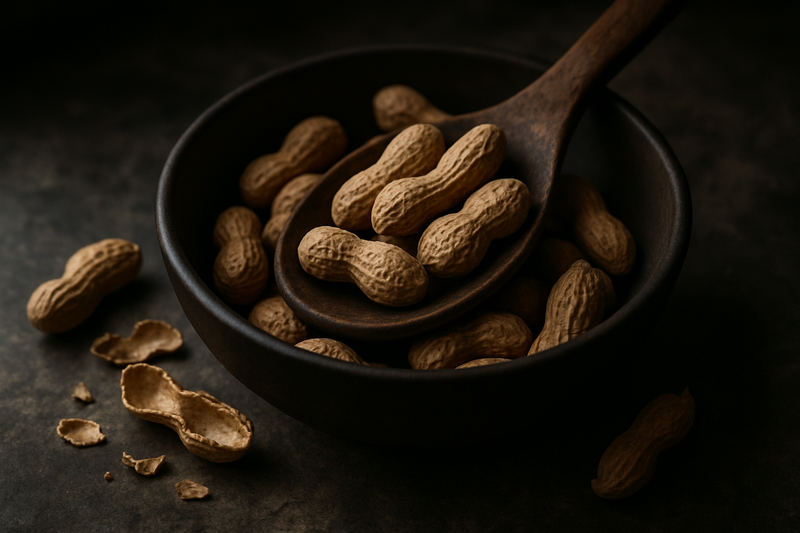
Peanut · Photograph
Discover the evidence-backed health benefits of peanuts, from heart health and plant protein to cholesterol support and blood sugar balance. Learn peanuts nutrition facts per serving, how many to eat daily, who should avoid them, and the healthiest ways to enjoy roasted peanuts or natural peanut butter.
Key Nutrients
% Daily Value based on 2,000 cal diet
Key active compounds
Peanuts contain several bioactive (biologically active) compounds that researchers believe underpin their health effects:
- Resveratrol — A polyphenol (plant chemical with antioxidant properties) also found in red grape skins. Peanuts are one of the few non-grape food sources. Studied in lab and early human research for potential cardioprotective and anti-inflammatory effects.
- Phenolic antioxidants — A broad class of plant chemicals (including flavonoids and phenolic acids) that help neutralize free radicals (unstable molecules that can damage cells) and may support vascular health.
- Arginine — An amino acid (a building block of protein) that the body uses to make nitric oxide, a molecule that helps blood vessels relax and widen. Higher nitric oxide production is linked to better blood pressure and circulation.
- Phytosterols — Plant compounds structurally similar to cholesterol that compete with cholesterol for absorption in the gut, helping to nudge LDL levels downward.
- Monounsaturated and polyunsaturated fats — The predominant fats in peanuts (oleic acid and linoleic acid). These replace saturated fats in the diet and support a healthier lipid (blood fat) profile.
Prep and pairing ideas
Peanuts are one of the most versatile ingredients in a whole-food kitchen. Here are three practical pairings and the reason each one works:
- Peanuts + apple slices. The fat and protein in peanuts slow the digestion of the apple's natural sugars, giving you a more gradual energy release and longer-lasting fullness. A classic snack that genuinely delivers on its low-glycemic reputation.
- Natural peanut butter + whole-grain oats (overnight oats or hot porridge). Oats supply soluble fiber (beta-glucan), which is clinically linked to LDL reduction. Peanut butter adds protein and unsaturated fat. Together they hit three cholesterol-friendly mechanisms in one bowl.
- Peanuts + leafy greens in a stir-fry or salad. Fat-soluble vitamins (A, K, and E) in greens are better absorbed when eaten with dietary fat. The unsaturated fats in peanuts make them an ideal salad topper or stir-fry finish — scatter a tablespoon of crushed dry-roasted peanuts over a kale or bok choy dish for crunch and nutrient synergy.
Simple prep ideas:
- Keep a 28 g pre-portioned bag of unsalted dry-roasted peanuts in your bag for a portable protein-and-fat snack.
- Blend natural peanut butter, a banana, unsweetened plant milk, and a date for a quick high-protein smoothie.
- Make homemade peanut butter: blend dry-roasted peanuts in a food processor for 3–5 minutes until smooth. Nothing else needed.
- Use peanuts as a garnish in Southeast Asian-inspired noodle dishes, grain bowls, or soups for texture and plant protein.
Bottom line
Peanuts are a genuinely useful whole food — affordable, shelf-stable, protein-rich, and backed by some of the most consistent long-term evidence in nutritional epidemiology. Eating around a small handful of unsalted dry-roasted peanuts most days, or swapping a smear of natural peanut butter into your routine, can meaningfully support your lipid profile and cardiovascular health over time.
The caveats are real: peanuts are a major allergen, they are calorie-dense enough to disrupt a weight-management goal if portions drift, and salty or sweetened varieties dilute the benefit. Choose unsalted, keep portions to roughly one handful, and pair them with fiber-rich whole foods for the biggest return.
For most adults without a peanut allergy, peanuts are one of the simplest, most evidence-supported additions to a whole-food plant-based eating pattern.
Looking for other ingredients that pair well with peanuts in a heart-health or plant-protein eating plan? Explore the Plantopedia goals guides to see how individual ingredients fit into broader health goals.
How Peanut Compares
| Compared with | What's different |
|---|---|
| Peanut vs. Walnuts | Peanuts have significantly more protein (7g per ounce) and contain resveratrol. |
| Peanut vs. Almonds | Peanuts are legumes that grow underground, whereas almonds are tree nuts. |
| Peanut vs. Cashews | Peanuts provide more niacin (Vitamin B3) and folate per serving than cashews. |
Health Benefits
Things to Know
Peanut allergy is serious.: Peanuts are one of the most common causes of anaphylaxis (a sudden, life-threatening allergic reaction) in the world. Anyone with a confirmed peanut allergy must avoid peanuts and peanut-containing products entirely, read all labels, and carry prescribed emergency medication (epinephrine auto-injector). Cross-contact from shared manufacturing lines is common.
Cross-reactivity.: People with allergies to other legumes or tree nuts should discuss peanut safety with an allergist, as cross-reactivity (immune reactions to related proteins) can occur.
Infant introduction.: Current pediatric guidelines support early peanut introduction in most infants to reduce allergy risk, but high-risk infants (those with severe eczema or egg allergy) should be assessed by a doctor first. Always follow your pediatrician's guidance.
Calorie density.: A 100 g bag of peanuts contains around 580–600 kcal. It is easy to overeat them straight from a bag. Pre-portioning into ~28 g servings helps.
Sodium.: Regular salted peanuts can add 150–200 mg sodium per serving; heavily seasoned varieties more. If you are managing hypertension (high blood pressure) or taking antihypertensive medication, unsalted varieties are the better default.
Weight management medications or glucose-lowering drugs.: Peanuts are calorie-dense. If you are on medications where total energy intake matters (GLP-1 receptor agonists, insulin, metformin), factor peanut portions into your meal planning.
Chewing and swallowing difficulties.: Whole peanuts are a choking risk for young children and people with dysphagia (difficulty swallowing). Smooth peanut butter thinned with liquid, or peanut powder mixed into soft foods, is safer.
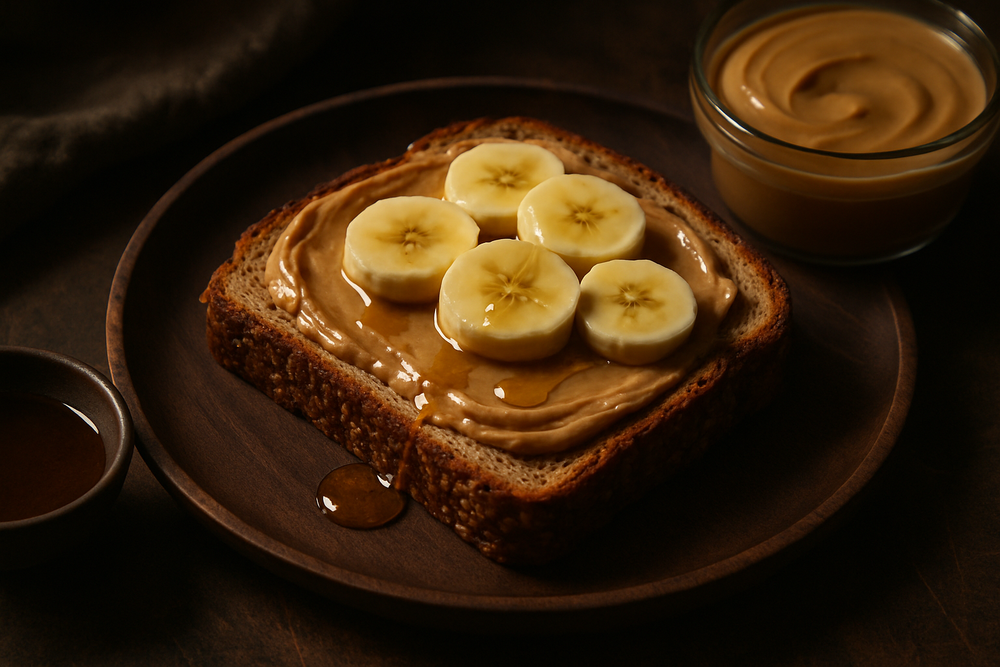
Prep Ideas
- — **Peanuts + apple slices.** The fat and protein in peanuts slow the digestion of the apple's natural sugars, giving you a more gradual energy release and longer-lasting fullness. A classic snack that genuinely delivers on its low-glycemic reputation.
- — **Natural peanut butter + whole-grain oats (overnight oats or hot porridge).** Oats supply soluble fiber (beta-glucan), which is clinically linked to LDL reduction. Peanut butter adds protein and unsaturated fat. Together they hit three cholesterol-friendly mechanisms in one bowl.
- — **Peanuts + leafy greens in a stir-fry or salad.** Fat-soluble vitamins (A, K, and E) in greens are better absorbed when eaten with dietary fat. The unsaturated fats in peanuts make them an ideal salad topper or stir-fry finish — scatter a tablespoon of crushed dry-roasted peanuts over a kale or bok choy dish for crunch and nutrient synergy.
- — Keep a 28 g pre-portioned bag of unsalted dry-roasted peanuts in your bag for a portable protein-and-fat snack.
- — Blend natural peanut butter, a banana, unsweetened plant milk, and a date for a quick high-protein smoothie.
- — Make homemade peanut butter: blend dry-roasted peanuts in a food processor for 3–5 minutes until smooth. Nothing else needed.
- — Use peanuts as a garnish in Southeast Asian-inspired noodle dishes, grain bowls, or soups for texture and plant protein.
Shop This Ingredient
Stock your pantry with quality peanut.
Buy on AmazonAs an Amazon Associate, Plantopedia earns from qualifying purchases. This costs you nothing extra and helps us keep the encyclopedia free.
Frequently Asked Questions
Heart and circulation The evidence here is among the strongest for any whole food. Multiple large prospective cohorts (long-term studies that follow people forward in time without intervening) and meta-analyses (pooled analyses of many studies) consistently show that people who eat peanuts or mixed nuts regularly have lower rates of coronary heart disease, total cardiovascular disease, and sudden cardiac death. The mechanisms are plausible and measurable. The 2023 meta-analysis found that nut and peanut consumption significantly reduced LDL cholesterol, total cholesterol, and triglycerides, and modestly raised HDL ("good") cholesterol. Unsaturated fats replace artery-clogging saturated fats; phytosterols block cholesterol absorption; arginine supports blood vessel flexibility through nitric oxide. Japanese cohort data even link regular peanut intake specifically to lower stroke risk. One practical note: these benefits were seen most clearly with unsalted or lightly salted peanuts. High-sodium salted varieties may blunt the blood pressure benefits. Digestive health and microbiome Dry-roasted peanuts provide around 8.4 g of fiber per 100 g — roughly 2.5 g in a standard 28 g serving. Fiber supports regular bowel movements, slows gastric emptying (the speed at which food leaves your stomach), and feeds beneficial gut bacteria. The combination of fiber, protein, and fat in peanuts also contributes to satiety (the feeling of fullness), which may help reduce snacking on lower-quality foods between meals. People with functional gut conditions like irritable bowel syndrome occasionally find whole peanuts harder to tolerate. In those cases, smooth natural peanut butter — where the cell walls are already broken down — is often better tolerated in small amounts. Blood sugar and metabolism Peanuts have a low glycemic impact, meaning they cause only a gentle rise in blood sugar after eating. This is largely because the fat, protein, and fiber in peanuts slow the digestion and absorption of carbohydrates. Swapping peanuts for rapidly absorbed snack foods (crackers, chips, cookies) can blunt post-meal glucose excursions (spikes) in mixed meals. Evidence is still emerging for peanuts specifically rather than nuts in general, and most glycemic control data come from broader nut studies. That said, modest peanut portions generally fit well within diabetes-friendly eating patterns. People managing insulin resistance or weight should track portions carefully, since peanuts are calorie-dense. Inflammation and recovery The evidence here is largely indirect but biologically logical. Peanuts supply monounsaturated fats, phenolic antioxidants, and arginine — each of which has been linked to reduced oxidative stress (cellular damage from free radicals) and better endothelial function (the health of the lining of blood vessels). The meta-analyses showing improved atherogenic (artery-hardening) lipid profiles also typically reflect lower-grade inflammatory burden in the vascular system. Peanut-specific anti-inflammatory trials in humans are limited. Resveratrol's anti-inflammatory potential, much hyped for grapes and red wine, remains preliminary in peanut-specific research. The takeaway: peanuts are unlikely to be inflammatory at normal serving sizes in healthy people, and the overall dietary pattern they belong to matters as much as the peanut itself.
Buying guide Not all peanut products are created equal. Here is a quick overview: Whole dry-roasted peanuts (unsalted or lightly salted) — The closest match to the forms studied in epidemiologic research. They retain intact fiber, protein, and fat. Look for products with one ingredient: peanuts (and optionally salt). Best default choice. Natural peanut butter (no added sugar, no hydrogenated oils) — The label should read: peanuts, and maybe salt. Stir the separated oil back in. Comparable macronutrient profile to whole peanuts and a convenient spread for toast, oatmeal, or smoothies. Avoid "peanut spread" or products listing sugar or palm oil high on the label. Peanut powder / powdered peanut butter — Partially defatted; lower calorie and lower fat, higher protein by weight. Works well blended into smoothies or stirred into yogurt. Check labels — some add sugar or salt. Boiled peanuts — Popular in the American South and parts of Asia. Retain most protein and minerals; softer texture suits people who have difficulty chewing whole nuts. Honey-roasted or heavily seasoned peanuts — Added sugars, sodium, or oils can erode the health benefits. Treat as an occasional snack, not a daily staple. Peanut oil — Provides heart-healthy unsaturated fats for cooking but loses the fiber and most micronutrients of whole peanuts. Better than butter or lard, but not a substitute for eating whole peanuts. Label tip: Aflatoxins — toxins produced by mold — can contaminate peanuts stored in warm, humid conditions. Buy from reputable brands with high turnover, store in a cool, dry place or refrigerate after opening, and discard any shriveled or discolored peanuts.
Dietary guidelines and the studies behind them most commonly point to about 28–30 g per day (roughly one small handful or 1.5 tablespoons of natural peanut butter) as a practical daily target. Here is the breakdown: Starting out: If you do not usually eat peanuts, start with 15 g (about half a handful) a few times per week. This helps you gauge tolerance and keeps calorie intake predictable. Evidence range: Meta-analyses find meaningful LDL and cardiovascular benefits even at ≤30 g/day. Some trials show stronger lipid effects at 60 g/day, but this also adds a significant calorie load (350 kcal). Practical sweet spot: 28–30 g daily (one small palmful of whole peanuts or approximately 2 level tablespoons of natural peanut butter) fits within most calorie budgets and aligns with the quantities studied in the largest cohort trials. Do not go overboard: Peanuts are 580 kcal per 100 g. Eating several large handfuls daily without adjusting other food intake will likely add unwanted calories. Frequency matters too. Studies suggest eating peanuts or nuts most days of the week is associated with better outcomes than eating a large amount once or twice a week.
Quick Answers
Common questions, answered in a line.
Peanuts contain resveratrol, phenolic antioxidants, arginine, phytosterols, and healthy monounsaturated and polyunsaturated fats. These bioactive compounds work together to neutralize free radicals, support vascular health, and help lower LDL cholesterol levels.
Peanuts provide a low-glycemic energy source that helps stabilize blood sugar, especially when paired with fiber-rich foods like apples or whole grains. The combination of healthy fats and protein slows the digestion of sugars, leading to a more gradual energy release.
Peanuts help lower cholesterol through phytosterols, which compete with cholesterol for absorption in the gut, and unsaturated fats that improve your lipid profile. Pairing natural peanut butter with fiber-rich oats can further enhance these heart-health benefits.
Eating peanuts with leafy greens helps your body better absorb fat-soluble vitamins like A, K, and E found in the vegetables. The unsaturated fats in peanuts act as a delivery mechanism to ensure you get the maximum nutrient synergy from your meal.
Peanuts are highly calorie-dense, containing approximately 580–600 kcal per 100 grams, which can lead to weight gain if portions are not managed. To avoid overeating, it is recommended to pre-portion them into roughly 28-gram servings rather than eating directly from a large bag.
For a healthy snack, pair peanuts with apple slices to slow sugar digestion, or add crushed unsalted peanuts to a leafy green stir-fry to improve vitamin absorption. You can also blend natural peanut butter with a banana and plant milk for a quick, high-protein smoothie.
People with a confirmed peanut allergy, those at risk of cross-reactivity with other legumes, and individuals with swallowing difficulties should exercise caution or avoid peanuts. Additionally, those managing high blood pressure should choose unsalted versions to avoid excess sodium.
For Readers in the USA
Local context — sourcing, seasonality, and regional notes.
Most peanuts in the United States are grown in the Southeast, primarily Georgia, followed by Alabama, Florida, and the Carolinas. These states provide the warm climate and sandy soil necessary for peanut plants to thrive throughout the summer months.
In the U.S., you will typically find four main varieties: Runner, Virginia, Spanish, and Valencia peanuts. Runners are most common for peanut butter, Virginias are the large "ballpark" snacking nuts, and Valencias are favored for boiling, especially in the South.
Raw peanuts are generally harvested in the fall, typically from September through October, and appear in farmers markets shortly after. While processed peanuts are available year-round, "green peanuts" for boiling are a seasonal delicacy found mostly in late summer.
The USDA Organic seal ensures that peanuts were grown without synthetic fertilizers or prohibited pesticides and are non-GMO. Buying organic can be a preference for those looking to minimize exposure to conventional agricultural chemicals used in large-scale peanut farming.
AI Clinical Review
- Clearly explains that peanuts are botanically legumes but nutritionally behave like nuts, emphasizing their unsaturated fats, plant protein, fiber, and key minerals.
- Accurately reflects the epidemiology: regular peanut/nut intake is consistently associated with lower cardiovascular events and all‑cause mortality in large cohorts, with practical portions around 28–30 g/day.
- Summarizes lipid effects in line with recent meta-analyses (lower LDL, total cholesterol, and triglycerides) and offers plausible mechanisms (phytosterols, unsaturated fats, arginine→nitric oxide).
- Offers useful, consumer-friendly guidance on healthier forms (unsalted dry‑roasted, natural peanut butter), sodium considerations, and storage/aflatoxin awareness.
- Most outcome data are observational (associations, not proof of cause). Peanut-specific randomized trials are fewer and shorter, so the exact size of risk reduction remains uncertain.
- Anti-inflammatory and resveratrol-related benefits are biologically plausible, but peanut-specific human evidence is limited and typical servings contain modest resveratrol.
- Glycemic control: peanuts blunt post-meal glucose in mixed meals, but consistent improvements in HbA1c or insulin sensitivity attributable to peanuts alone are not firmly established, especially in diabetes.
- Microbiome and satiety claims are promising but need more well-controlled trials distinguishing peanuts from other nuts/legumes.
- Allergy safety: anyone with a confirmed peanut allergy requires strict avoidance and prescribed emergency medication; cross-contact is common. People with other nut/legume allergies should consult an allergist.
- Portion and calories: a practical range is about 28–30 g most days; larger routine portions can add excess calories. Consider total energy needs and medications that affect appetite/weight (e.g., GLP‑1s, insulin).
- Form and sodium: choose unsalted or lightly salted; flavored/honey‑roasted options add sugar/salt. Peanut oil lacks fiber/micronutrients compared with whole peanuts; smooth peanut butter or peanut powder may be gentler for sensitive GI tracts.
- Special populations: infants—introduce per pediatric guidance, especially if high‑risk (severe eczema/egg allergy). Whole peanuts are a choking hazard for young children and for anyone with dysphagia. People managing hypertension should monitor sodium; store peanuts properly to minimize aflatoxin exposure.
Among the most common severe food allergens; strict avoidance for those with peanut allergy.
References
- USDA FoodData Central — dry-roasted peanuts nutrient data (fdc.nal.usda.gov)
- USDA FoodData Central SR Legacy — dry-roasted peanuts with salt, detailed nutrition (nutritionref.com)
- MyPlate — protein foods guidance, USDA (myplate.gov)
- Systematic review and meta-analysis: nut consumption and CVD / all-cause mortality — British Journal of Nutrition (cambridge.org)
- Nut/peanut consumption and mortality in U.S. and Chinese cohorts — JAMA Internal Medicine (jamanetwork.com)
- Prospective evaluation of nut/peanut consumption and cardiovascular mortality — PubMed (pubmed.ncbi.nlm.nih.gov)
- Tree nut and peanut consumption and cardiovascular disease risk: systematic review and meta-analysis (2023) — PMC / Nutrients (pmc.ncbi.nlm.nih.gov)
- Nut consumption and risk of cardiovascular disease — large three-cohort study — Journal of the American College of Cardiology (jacc.org)
- Peanut consumption and risk of stroke and ischemic heart disease — JPHC Study, Japan — Stroke / AHA Journals (ahajournals.org)
Know Your Numbers
Eating healthy is a start. Now get to know your biomarkers.
Food changes bloodwork — inflammation, lipids, blood sugar and nutrient status all respond to what you eat. 59 markers from $59.
- Results in 7–10 days at 2,000+ Quest sites
- Licensed provider reviews every result
- One flat price, no membership, HSA/FSA eligible
Educational information only, not medical advice. Panels are ordered and reviewed through our licensed partner; Plantopedia may earn a commission.