Pearl Barley — health benefits and uses
Barley water has been a traditional soothing tonic in European and Middle Eastern folk medicine.
The Short Answer
Pearl barley is a versatile grain known for its high beta-glucan fiber content, which helps lower cholesterol and regulate blood sugar. One cooked cup provides 6 grams of fiber and 193 calories, making it a heart-healthy alternative to white rice.
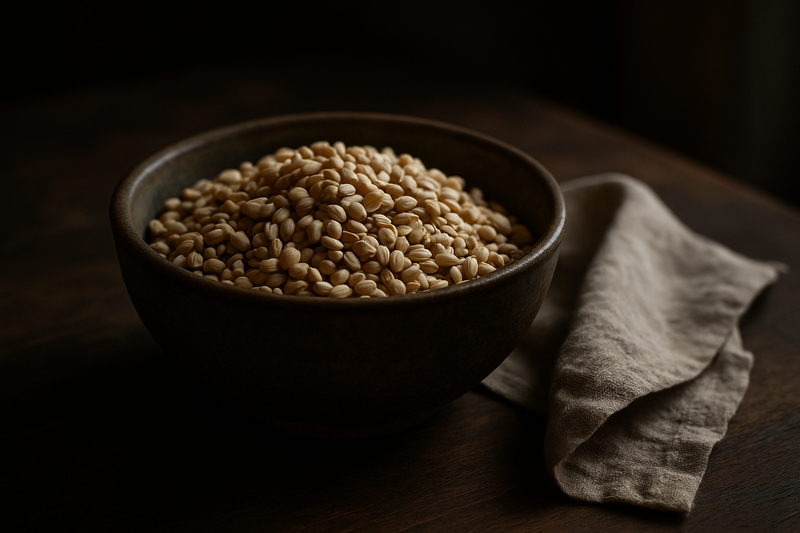
Pearl Barley · Photograph
Discover pearl barley health benefits and nutrition facts, including how its beta-glucan fiber may support heart health, digestion, blood sugar, and weight management — plus who should avoid it and how to cook it.
Key Nutrients
% Daily Value based on 2,000 cal diet
Key active compounds
- Beta-glucans — Soluble, viscous polysaccharides (long chains of sugar molecules) concentrated in the cell walls of barley. They slow the movement of food through the gut, reduce cholesterol absorption, and may blunt blood sugar spikes after meals. Pearl barley retains a useful fraction even after polishing.
- Tocols (tocopherols and tocotrienols) — Members of the vitamin E family found mainly in the germ and bran. Pearling lowers their levels, but some remain. These fat-soluble antioxidants help protect cell membranes from oxidative damage (harm caused by unstable molecules called free radicals).
- Phenolic compounds — Plant-based antioxidants (including phenolic acids and polyphenols) concentrated in barley's outer layers. Pearling reduces them compared with hulled barley, but residual amounts still contribute to the grain's antioxidant capacity.
- Complex carbohydrates — Starchy carbohydrates that digest more slowly than simple sugars, supporting steadier energy release.
- Resistant starch — A portion of barley's starch resists digestion in the small intestine and acts more like fiber, feeding beneficial gut bacteria.
Who benefits most
People trying to support their cholesterol levels through diet
- Looking for an evidence-backed way to increase soluble fiber without supplements
- Want a filling, versatile grain they can use in meals they already make (soups, stews, grain bowls)
- Comfortable eating gluten and want a practical swap from white rice or pasta
People who want to build more fiber into a busy cooking routine
- Find hulled barley or whole wheat berries too time-consuming or chewy
- Prefer a grain that disappears easily into familiar recipes without a strong flavor
- Want to improve digestive regularity or feel fuller for longer between meals
Prep and pairing ideas
Pearl barley's neutral, slightly nutty flavor and creamy-yet-chewy texture make it one of the most versatile grains in the kitchen.
Basic cooking method: Rinse dry pearl barley, then simmer 1 cup of dry grain in 3 cups of water or low-sodium vegetable broth for 25–30 minutes, until tender. It roughly triples in volume. Drain any excess liquid, or let it cook down fully for a creamier texture (similar to risotto).
3 practical pairings and why they work:
- Pearl barley + mushrooms + miso broth. The umami (savory depth) from both mushrooms and miso amplifies barley's mild earthiness, and the combination makes a deeply satisfying, low-calorie soup. Mushrooms also add a second source of beta-glucan fiber.
- Pearl barley + roasted root vegetables + lemon-herb dressing. Cooked and cooled pearl barley holds its shape well in grain salads. The acidity of lemon dressing brightens the grain's starchy base, while roasted carrots, parsnips, or beets add color, sweetness, and additional fiber.
- Pearl barley + white beans + leafy greens. Adding legumes turns barley into a complete protein source (meaning all essential amino acids are covered across the meal), while greens like kale or spinach contribute folate and iron that the grain lacks. A classic Italian-style minestrone combination.
Myths vs facts
Myth: Pearl barley is just as nutritious as hulled barley. Fact: Pearl barley loses some fiber, B vitamins, and antioxidants during polishing. Hulled barley is nutritionally superior, but pearl barley's faster cooking time and retained beta-glucan still make it a strong everyday choice.
Myth: Pearl barley is gluten-free. Fact: Barley contains gluten-like proteins (specifically hordein, a type of prolamin). It is not safe for anyone with celiac disease or a gluten-related disorder, regardless of how it is prepared.
Myth: You need to eat a huge amount of pearl barley to get any cholesterol benefit. Fact: Research suggests that around 3 g of beta-glucan per day — achievable from roughly 1–2 cups of cooked pearl barley — may meaningfully support LDL cholesterol levels when combined with a balanced diet. Consistent daily inclusion matters more than occasional large servings.
Bottom line
Pearl barley is a practical, budget-friendly grain that earns its place in a health-conscious kitchen. It won't match the fiber density of its less-processed cousin, hulled barley, but it cooks in half the time and still delivers a genuine beta-glucan punch — one with solid human evidence behind its cholesterol-lowering effects. One to two cups of cooked pearl barley per day, used in place of white rice, pasta, or other refined grains, can meaningfully increase your soluble fiber intake, support a healthier cholesterol profile, and improve digestive regularity.
The caveats are important: if you have celiac disease or gluten sensitivity, pearl barley is off the table entirely. If you manage diabetes, count it carefully within your carbohydrate targets. And if you're starting from a low-fiber diet, add it gradually.
For everyone else, pearl barley is one of the most underrated grains in the pantry. A pot of mushroom-barley soup or a warm grain salad with roasted vegetables is not just satisfying — it's doing meaningful work for your heart and gut at the same time.
Looking to build a diet around grains and whole foods that support specific health goals? Explore the Plantopedia Health Goals hub for ingredient-led guides organized around what you're working toward.
How Pearl Barley Compares
| Compared with | What's different |
|---|---|
| Pearl Barley vs. Hulled Barley | Whole grain with the fibrous bran intact, requiring a 45-60 minute cook time. |
| Pearl Barley vs. Quinoa | Gluten-free seed with a lighter, fluffier texture and much higher protein content per cup. |
| Pearl Barley vs. Arborio Rice | A rice variety that releases starch for creaminess but lacks barley's high fiber and chew. |
Health Benefits
Things to Know
Contains gluten.: Pearl barley is not safe for people with celiac disease (an autoimmune condition triggered by gluten), dermatitis herpetiformis (a gluten-related skin condition), or confirmed non-celiac gluten sensitivity. Even small amounts can cause harm in celiac disease.
Not suitable for gluten-free diets: of any kind, including those followed by people with wheat or barley allergies.
May cause bloating or gas: when you first increase your intake, because the fermentable fiber feeds gut bacteria rapidly. Start with half a cup per serving and increase gradually over 1–2 weeks. Drinking plenty of water helps.
Portion awareness for diabetes.: Pearl barley is starchy; a cup of cooked grain contains about 44 g of carbohydrates. People counting carbohydrates or using insulin should account for this within their meal plan.
Drug timing note.: Large high-fiber meals can slow the absorption of some medications — including levothyroxine (a thyroid hormone) and certain antibiotics. A general principle is to take narrow-window medications separately from very high-fiber meals; ask your pharmacist or doctor for individualized guidance.
Glucose-lowering medications.: Adding significant amounts of soluble fiber to your diet can modestly improve insulin sensitivity; if you take insulin or oral diabetes medications, watch for blood sugar changes and consult your care team.
Lower fiber than hulled barley.: If your primary goal is maximum fiber intake, hulled barley or other minimally processed grains may serve you better.
Pregnancy.: Pearl barley is considered safe in food amounts during pregnancy and provides useful iron and B vitamins, but there is no specific clinical guidance on therapeutic doses; eat it as a normal part of a varied diet.
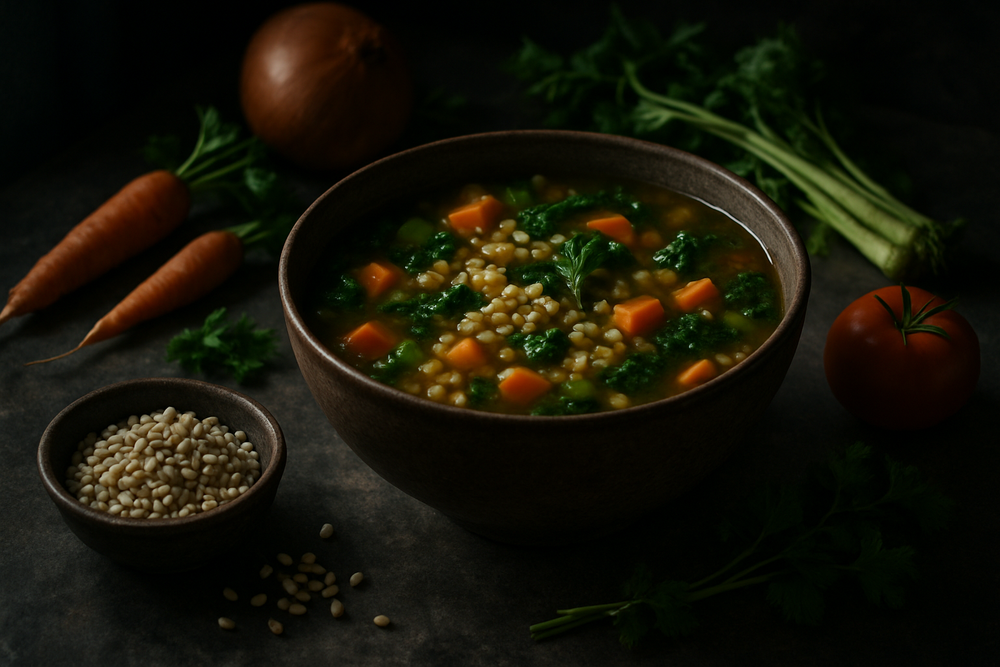
Prep Ideas
- — Pearl barley + mushrooms + miso broth. The umami (savory depth) from both mushrooms and miso amplifies barley's mild earthiness, and the combination makes a deeply satisfying, low-calorie soup. Mushrooms also add a second source of beta-glucan fiber.
- — Pearl barley + roasted root vegetables + lemon-herb dressing. Cooked and cooled pearl barley holds its shape well in grain salads. The acidity of lemon dressing brightens the grain's starchy base, while roasted carrots, parsnips, or beets add color, sweetness, and additional fiber.
- — Pearl barley + white beans + leafy greens. Adding legumes turns barley into a complete protein source (meaning all essential amino acids are covered across the meal), while greens like kale or spinach contribute folate and iron that the grain lacks. A classic Italian-style minestrone combination.
Glossary
Shop This Ingredient
Stock your pantry with quality pearl barley.
Buy on AmazonAs an Amazon Associate, Plantopedia earns from qualifying purchases. This costs you nothing extra and helps us keep the encyclopedia free.
Frequently Asked Questions
Heart and circulation This is where the evidence is strongest. Beta-glucan works in the gut by forming a thick, gel-like layer that slows the absorption of dietary cholesterol and causes the body to use more circulating cholesterol to make bile acids (digestive compounds). The net effect is a reduction in LDL (low-density lipoprotein) cholesterol — the type most closely linked to cardiovascular risk. A randomized controlled trial (a study design where participants are randomly assigned to treatment or placebo groups) published in the European Journal of Nutrition found that people consuming high-beta-glucan pearl barley daily saw significant reductions in LDL cholesterol, total cholesterol, visceral fat area (fat stored around internal organs), BMI, and waist circumference compared with a placebo group. These are meaningful outcomes, not just marker improvements. Wider evidence on beta-glucan from barley and oats is consistent enough that the U.S. FDA permits a health claim linking soluble fiber from barley to reduced risk of coronary heart disease. Regular inclusion of pearl barley as part of a balanced diet may support a healthier cholesterol profile — though it's not a replacement for medical treatment if your levels are already high. Digestive health and microbiome One cup of cooked pearl barley provides about 6 g of dietary fiber — roughly 21% of the daily target. This fiber comes from both insoluble forms (which add bulk and support bowel regularity) and soluble forms (including beta-glucan), which are fermented by bacteria in the colon. That fermentation process produces short-chain fatty acids (SCFAs) — small molecules like butyrate that nourish the cells lining the colon, support a healthier gut microbial community (microbiome), and may reduce local intestinal inflammation. Most of the direct evidence here uses isolated barley fiber or hulled barley rather than culinary pearl barley, so the digestive benefits are largely inferred from its fiber content — but the mechanism is well-established. People who increase fiber gradually from pearl barley typically report improved stool consistency and reduced bloating over time, provided they also stay well hydrated. Blood sugar and metabolism Pearl barley has a lower glycemic index (GI) — a measure of how quickly a food raises blood glucose — than white rice or white bread. Beta-glucan appears to slow gastric emptying (how fast food leaves the stomach) and carbohydrate absorption, which can blunt the spike in blood sugar that usually follows a starchy meal. Small human studies using barley-based products or high-beta-glucan barley show improved postprandial (after-meal) blood glucose and insulin responses. However, most of these trials use specially processed barley flours or beta-glucan extracts rather than standard culinary pearl barley, so the blood sugar evidence for everyday pearl barley specifically is promising but not definitive. People managing diabetes should monitor their response to pearl barley portions and work with their care team to fit it into their carbohydrate targets. Inflammation and recovery Direct human trials linking pearl barley to reductions in inflammatory markers like CRP (C-reactive protein, a blood marker of inflammation) are limited. Some broader whole-grain dietary pattern studies report modest improvements in inflammation, but these can't be attributed to pearl barley alone. The grain's beta-glucans have demonstrated immunomodulatory (immune-system-influencing) effects in laboratory and animal models, and indirect benefits through improved metabolic health, reduced visceral fat, and a healthier gut microbiome are plausible pathways. This remains an area to watch rather than a firmly established benefit. Weight management and belly fat The same trial that demonstrated cholesterol-lowering effects also found significant reductions in visceral fat and waist circumference in participants eating high-beta-glucan pearl barley. Fiber-rich foods take longer to digest, stretch the stomach, and slow the return of hunger — which can reduce total calorie intake without deliberate restriction. While large, long-term weight-loss trials specifically using pearl barley are lacking, the available data and mechanism are reasonably consistent. Replacing refined grains like white rice with pearl barley is a practical, low-effort dietary swap that may support weight management over time.
Pearl barley occupies a middle ground. It is refined because the bran layer is removed through pearling, which also reduces fiber, B vitamins, and phenolic compounds compared with hulled barley. However, it is not refined in the same way white rice or white flour is, because the polishing process is less complete and the grain's inner layers — which contain much of the beta-glucan — remain largely intact. Pearl barley vs hulled barley nutrition: Hulled barley keeps its bran and germ, so it's higher in fiber (about 8–9 g per cup cooked versus 6 g for pearl), magnesium, and antioxidants. It also takes significantly longer to cook (45–60 minutes vs. 25–30 minutes for pearl). For practical everyday cooking, pearl barley is the more accessible choice and still delivers far more fiber and micronutrients than white rice — especially when it comes to beta-glucan. Pearl barley vs brown rice: Pearl barley contains roughly three times the fiber of brown rice per cooked cup and has a lower glycemic index, making it a nutritionally stronger option for heart health and blood sugar support, though brown rice is gluten-free and suits a wider range of dietary needs.
There is no established universal "dose" of pearl barley, but a few reference points are useful: Clinical trials targeting cholesterol reduction typically deliver 3–4 g of beta-glucan per day, which corresponds roughly to 1 to 2 cups of cooked pearl barley depending on the grain's beta-glucan concentration. General dietary guidance from bodies like MyPlate recommends that at least half of all grain servings come from whole or high-fiber grains. Including ½ to 1 cup of cooked pearl barley in one or more meals per day is a reasonable, evidence-consistent target. Start low if you're new to high-fiber grains. Begin with ½ cup per meal and increase over one to two weeks to allow your digestive system to adapt. There is no strong evidence that eating more than 1–2 cups per day adds proportional benefit, and very large portions simply contribute more carbohydrates to the meal. A practical approach: treat pearl barley as your default grain for soups and stews, and rotate it with other high-fiber grains (oats, hulled barley, farro) across the week for dietary variety.
Quick Answers
Common questions, answered in a line.
No, pearl barley is not gluten-free and is unsafe for individuals with celiac disease or gluten-related disorders. It contains hordein, a type of prolamin protein similar to gluten found in wheat. Even with the outer layers polished away, these proteins remain present in the grain.
Pearl barley contains beta-glucans, tocols (vitamin E family), phenolic compounds, and resistant starch. These active compounds work together to support heart health, provide antioxidant protection, and feed beneficial gut bacteria. Despite polishing, the grain retains a useful fraction of these nutrients.
To cook pearl barley, simmer 1 cup of dry grain in 3 cups of water or broth for 25–30 minutes until tender. Rinsing the grain before cooking is recommended. For a creamier, risotto-like texture, allow the liquid to cook down fully rather than draining the excess.
Pearl barley may cause temporary bloating or gas because its fermentable fiber rapidly feeds gut bacteria. To minimize discomfort, start with a small half-cup serving and increase your intake gradually over one to two weeks. Drinking plenty of water also helps the fiber move through your system.
Pearl barley contains soluble beta-glucan fiber which helps reduce cholesterol absorption and may blunt blood sugar spikes after meals. Research suggests that consuming about 3 grams of beta-glucan daily—roughly 1 to 2 cups of cooked barley—can meaningfully support LDL cholesterol levels.
Hulled barley is nutritionally superior because it retains more fiber, B vitamins, and antioxidants than the polished pearl variety. however, pearl barley is a practical alternative because it cooks in about half the time while still providing significant amounts of heart-healthy beta-glucans.
High-fiber meals like pearl barley can slow the absorption of certain medications, such as levothyroxine and some antibiotics. It is generally advised to take narrow-window medications separately from very high-fiber dishes. You should consult a doctor or pharmacist for specific timing guidance.
For Readers in the USA
Local context — sourcing, seasonality, and regional notes.
You can find pearl barley in the dry goods aisle of most major U.S. grocery chains like Kroger, Publix, and Safeway, typically near the rice or dried beans. It is also a staple in the bulk bins of health-focused retailers like Whole Foods Market and Sprouts Farmers Market.
In the United States, barley is primarily grown in the Northern Plains and Pacific Northwest, with Idaho, Montana, and North Dakota leading production. While harvested in late summer, pearl barley is available year-round in stores due to its excellent shelf stability as a dried grain.
Beef Barley Soup is the most iconic American dish featuring this grain, often served as a hearty comfort food in the Midwest and Northeast during winter months. It has also gained popularity in modern U.S. "grain bowls" as a chewy, domestic alternative to farro or quinoa.
The USDA allows pearl barley to be labeled as "Organic" if it is grown without synthetic fertilizers or pesticides, but it cannot carry the "100% Whole Grain" stamp. Because the bran is removed during the pearling process, it does not meet the strict FDA definition of a whole grain despite its high fiber content.
AI Clinical Review
- Clearly explains what pearling removes and why pearl barley still provides meaningful fiber and beta‑glucan despite being a refined grain.
- Accurately links barley beta‑glucan with LDL cholesterol reduction; the cited intake range (about 3–4 g/day, roughly 1–2 cups cooked) reflects human trial targets and FDA‑recognized evidence.
- Notes realistic nutrition stats (about 6 g fiber per cooked cup) and practical cooking advantages that can help people swap it in for lower‑fiber refined grains.
- Appropriately distinguishes gluten content and flags that barley is unsafe for celiac disease or medically necessary gluten‑free diets.
- Glycemic control: most studies showing improved post‑meal glucose use high‑beta‑glucan barley products or isolates; effects from standard culinary pearl barley portions are plausible but less certain.
- Weight and visceral fat findings come from relatively small, short‑duration trials; long‑term weight maintenance and cardiometabolic outcomes need stronger data.
- Microbiome and anti‑inflammatory benefits are inferred from fiber fermentation and whole‑grain patterns; direct pearl‑barley–specific trials are limited.
- Dose and portions: trials typically use ~3–4 g beta‑glucan/day, approximated by 1–2 cups cooked pearl barley; if you’re new to high‑fiber foods, start with ½ cup to reduce gas and bloating.
- Diabetes and carb counting: one cooked cup has roughly 44 g carbohydrate—monitor glucose and fit portions into your meal plan.
- Medications: very high‑fiber meals can reduce absorption of certain drugs (for example, levothyroxine and some antibiotics); take these at a different time—confirm specifics with your clinician or pharmacist.
- Gluten: barley contains hordein (a gluten protein). Avoid if you have celiac disease, dermatitis herpetiformis, confirmed non‑celiac gluten sensitivity, or barley/wheat allergy.
Contains gluten; the bran is removed, so it is less fibrous than hulled barley.
References
- USDA FoodData Central — pearled barley entries (fdc.nal.usda.gov)
- University Hospitals / USDA-derived nutrition facts for 1 cup cooked pearled barley (uhhospitals.org)
- Randomized controlled trial: Effect of high-beta-glucan barley on serum cholesterol and visceral fat — European Journal of Nutrition (pubmed.ncbi.nlm.nih.gov)
- Tocol and beta-glucan levels in barley varieties and products — Food Chemistry review (sciencedirect.com)
- MyPlate Grains Group — barley as a grain choice (myplate.gov)
- Does barley contain gluten? A complete guide — safety and celiac context (int.livhospital.com)
- Healthline: Is barley good for you? Nutrition, benefits, and how to cook it — lay-friendly overview with evidence summary (healthline.com)
- Precision Nutrition — Barley encyclopedia entry (precisionnutrition.com)
- Advanced Health — Health benefits of barley patient handout (advancedhealth.com)
Know Your Numbers
Eating healthy is a start. Now get to know your biomarkers.
Food changes bloodwork — inflammation, lipids, blood sugar and nutrient status all respond to what you eat. 59 markers from $59.
- Results in 7–10 days at 2,000+ Quest sites
- Licensed provider reviews every result
- One flat price, no membership, HSA/FSA eligible
Educational information only, not medical advice. Panels are ordered and reviewed through our licensed partner; Plantopedia may earn a commission.