Oat Bran — health benefits and uses
Concentrated bran fractions became popular in the modern era as a targeted heart-health food.
The Short Answer
Oat bran is the nutrient-dense outer layer of the oat groat, containing significantly more protein and soluble fiber than standard oatmeal. It is primarily used to lower LDL cholesterol and improve digestion due to its high concentration of beta-glucan.
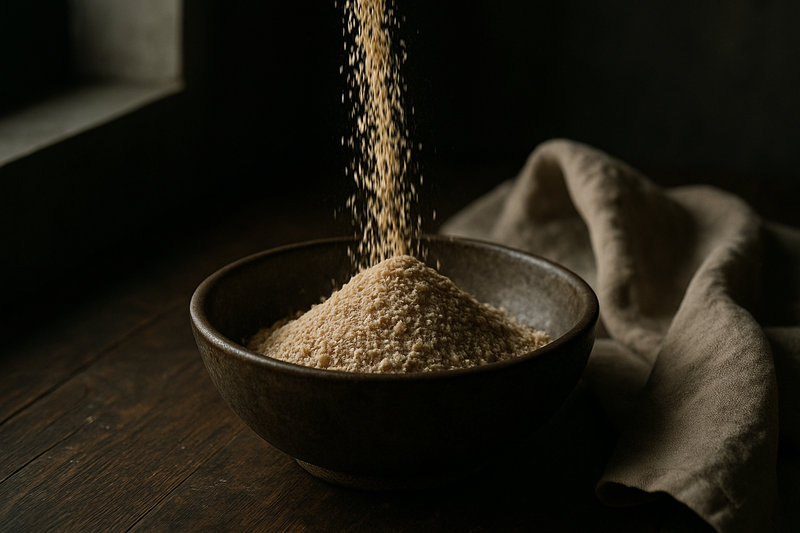
Oat Bran · Photograph
Discover the science-backed oat bran benefits for cholesterol and heart health, including how beta-glucan fiber lowers LDL, supports digestion, and fits into an everyday diet. Includes nutrition facts, dosage guidance, and safety tips.
Key Nutrients
% Daily Value based on 2,000 cal diet
Key active compounds
- Oat beta-glucan — A water-soluble, mixed-linkage polysaccharide (a type of long-chain carbohydrate molecule) concentrated in the bran and endosperm of the oat kernel. When it dissolves in water, it forms a thick, gel-like solution in the gut that is central to oat bran's cholesterol and blood sugar effects.
- Avenanthramides — Polyphenols (plant-based antioxidant compounds) unique to oats, found in highest concentration in the outer bran layer. Early research suggests anti-inflammatory and antioxidant activity, though human evidence is still emerging.
- Other phenolic compounds — A broader family of plant antioxidants that may contribute to reduced oxidative stress (cellular damage caused by unstable molecules called free radicals), though their specific effects from oat bran alone are not yet well established.
Myths vs. facts
Myth 1: "Oat bran and oatmeal are basically the same thing." Fact: Oat bran is the outer layer of the oat kernel; oatmeal is made from the whole groat (kernel) or the inner portion. Oat bran contains roughly two to three times more beta-glucan per gram than rolled oats, which is why clinical trials show stronger cholesterol-lowering effects from oat bran specifically.
Myth 2: "All oats are gluten-free, so celiac disease isn't an issue." Fact: Pure oats are naturally gluten-free, but most commercially processed oat bran is grown, transported, and milled alongside wheat, rye, and barley, creating real cross-contamination risk. People with celiac disease need to choose oat bran that is specifically certified gluten-free.
Myth 3: "More oat bran is always better." Fact: Cholesterol-lowering benefits plateau at higher doses, and very large, rapid increases in fiber intake reliably cause gas, bloating, and loose stools. Start with 2–3 tablespoons per day and increase gradually. Adequate water intake matters too.
Prep and pairing ideas
Classic oat bran porridge. Simmer 1/3 cup dry oat bran in 1 cup water or unsweetened plant milk for 3–5 minutes, stirring frequently. Top with sliced banana, a handful of walnuts, and a drizzle of honey. The banana adds potassium; the walnuts bring additional heart-healthy fats.
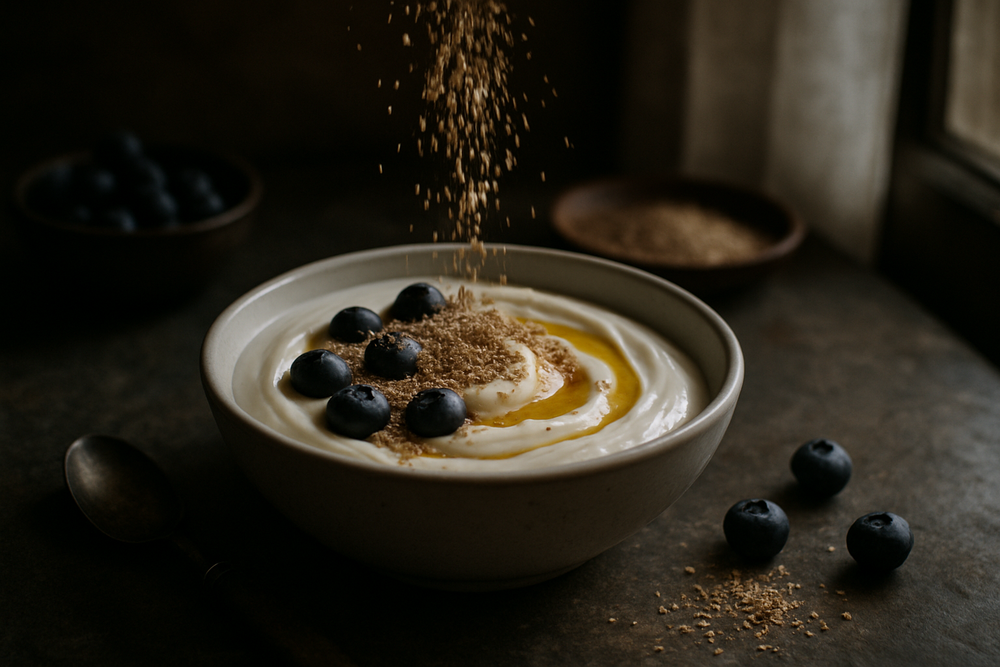
Yogurt parfait boost. Stir 2 tablespoons of dry oat bran into a bowl of plain low-fat yogurt, add berries, and let sit for 5 minutes. The fiber partially hydrates and adds subtle texture without altering flavor significantly.
Savory soup thickener. Whisk 2 tablespoons of oat bran into a vegetable or lentil soup in the last 10 minutes of cooking. It thickens the broth naturally and adds fiber and protein without changing the savory profile.
Muffins and quick breads. Replace up to one-third of the flour in a muffin recipe with oat bran. Pair with blueberries (antioxidants) and cinnamon (may support blood sugar balance) for a genuinely functional breakfast bake.
Bottom line
Oat bran is one of a small number of whole foods where the evidence for a specific health benefit — lowering LDL cholesterol — is strong enough for regulatory agencies to approve a formal health claim. Its star compound, beta-glucan, forms a viscous gel in the gut that reduces cholesterol absorption and supports bowel regularity. Secondary benefits for blood sugar management, gut health, and satiety are real but less robustly established.
It is not a magic bullet. It works best eaten consistently, in sufficient amounts (at least 3 g of beta-glucan daily), within a diet already low in saturated fat and ultra-processed foods. Introduced too fast or without enough water, it causes digestive discomfort. For most healthy adults, though, it is one of the simplest and most cost-effective fiber upgrades available.
How Oat Bran Compares
| Compared with | What's different |
|---|---|
| Oat Bran vs. Rolled Oats | Contains about twice the soluble beta-glucan fiber and more protein per gram than rolled oats. |
| Oat Bran vs. Wheat Bran | Higher in soluble fiber for heart health, while wheat bran is mostly insoluble fiber for digestion. |
Health Benefits
Things to Know
Introduce gradually.: Start with 2–3 tablespoons (about 20–30 g dry) per day and increase over 2–4 weeks. Sudden large increases in fiber reliably cause gas and bloating.
Drink water.: Soluble fiber needs fluid to form its gel and move through the gut safely. Aim for at least a full glass of water with each serving.
Celiac disease and gluten sensitivity.: Choose certified gluten-free oat bran. Standard oat bran almost always carries cross-contamination risk from wheat.
IBS and sensitive digestion.: Both soluble and insoluble fiber in oat bran can worsen bloating or cramping in irritable bowel syndrome (IBS). Start very low and monitor symptoms.
Medication timing.: Large amounts of fiber taken at the same time as certain oral medications — including thyroid hormone (levothyroxine), some diabetes drugs, and some antibiotics — may modestly reduce or delay their absorption. A general rule: take medications 1–2 hours before or after a high-fiber meal.
Antidiabetic medications.: Oat bran's blood-sugar-lowering effect may add to the glucose-lowering action of insulin or sulfonylureas (a class of diabetes drug). If you are on these, monitor blood sugar and discuss any dietary changes with your clinician.
Lipid-lowering medications.: Oat bran's LDL-lowering effect is generally complementary to statins, but have your lipid levels monitored regularly so your doctor can adjust therapy as needed.
Fluid restrictions.: If you are on strict fluid limits (for example, advanced heart failure or certain kidney conditions), speak to your care team before increasing high-fiber foods, which require adequate hydration to work safely.
Gut strictures or severe gastroparesis.: High-fiber foods may require tailored medical guidance in these conditions.
Pregnancy and breastfeeding.: Oat bran is generally considered a safe whole food in pregnancy; however, if you are on any medications or have specific nutritional needs, confirm with your midwife or doctor.
Glossary
Shop This Ingredient
Stock your pantry with quality oat bran.
Buy on AmazonAs an Amazon Associate, Plantopedia earns from qualifying purchases. This costs you nothing extra and helps us keep the encyclopedia free.
Frequently Asked Questions
Heart and circulation This is where the evidence is strongest. Beta-glucan's gel-like texture in the digestive tract traps bile acids — compounds made from cholesterol that your liver uses for digestion. When those bile acids are carried out of the body in stool rather than reabsorbed, your liver pulls more cholesterol from the blood to make new ones, lowering circulating LDL (low-density lipoprotein, often called "bad" cholesterol). A pooled analysis of clinical trials found that consuming at least 3 g of oat beta-glucan per day — roughly the amount in 30–60 g of dry oat bran — can reduce total and LDL cholesterol by approximately 5–10%, with larger effects at higher consistent doses. A controlled trial published in the American Journal of Clinical Nutrition showed that 56 g per day of oat bran produced significantly greater LDL reductions than an equivalent amount of oatmeal, pointing directly to the higher beta-glucan load. These effects are real but dose-dependent and work best alongside a diet already low in saturated fat. Digestive health and microbiome Oat bran provides both soluble and some insoluble fiber. Together, they add bulk to stool and help keep transit time through the intestines regular, which can ease mild constipation. The beta-glucan portion also acts as a prebiotic — food for beneficial gut bacteria. Those bacteria ferment beta-glucan into short-chain fatty acids (SCFAs), small molecules that feed the colon lining, support immune function, and may reduce inflammation. Most of the digestive evidence comes from general fiber research rather than oat-bran-specific randomized controlled trials (RCTs — studies where participants are randomly assigned to a treatment or comparison group, considered the gold standard of evidence). Still, the fiber content alone is meaningful: 6 g per cooked cup puts oat bran well ahead of most breakfast options. Blood sugar and metabolism Beta-glucan's viscosity (thickness) slows how quickly food leaves the stomach and how fast carbohydrates are absorbed into the bloodstream. The practical effect is a gentler rise in blood glucose (blood sugar) and insulin after meals — a benefit called a "blunted postprandial (after-eating) glycemic response." Human dietary studies generally confirm this, particularly in people with insulin resistance or type 2 diabetes. The effect is real but modest compared with medication, and evidence for long-term HbA1c (a marker of average blood sugar over several months) improvement is less robust. Think of oat bran as a supportive dietary tool alongside standard management, not a replacement. Inflammation and recovery Some studies using whole oat products report small reductions in inflammatory markers when oats replace refined carbohydrates. The SCFA production from beta-glucan fermentation may also dampen gut-related inflammation over time. However, data specific to oat bran in isolation are limited, and most inflammation findings are secondary outcomes from broader dietary studies. This area is genuinely emerging and worth watching, but it should not be the primary reason to add oat bran to your diet.
Hot cooked cereal (porridge) Cooking oat bran in water activates beta-glucan's gel-forming ability most fully. This is the most studied form and is likely the most effective for heart health. Avoid over-boiling, which can break down some viscosity. Stirred into yogurt, smoothies, or soup Adding 2–3 tablespoons of dry oat bran to cold or warm foods is a practical way to boost daily intake without cooking a separate meal. Beta-glucan is partially activated by moisture even without heat. Baked goods (muffins, breads, bars) Baking reduces some of beta-glucan's viscosity, but meaningful activity remains, especially in recipes that don't load the bran with large amounts of sugar and refined fat. It's a useful tool, though not as potent per gram as the cooked version. Ready-to-eat cereals and functional foods Some commercial products are formulated to meet the 3 g/day beta-glucan threshold for cholesterol-lowering claims. Check the label for actual beta-glucan content rather than just "made with oat bran." Supplemental beta-glucan powders Used in research settings for precise dosing, but whole oat bran foods are generally preferred for everyday use because they bring protein, minerals, and other fiber types along with the beta-glucan.
Clinical research and regulatory guidance converge on a minimum of 3 g of oat beta-glucan per day to achieve meaningful LDL cholesterol reductions. In practical terms, that translates to approximately: 30–40 g of dry oat bran (roughly ⅓ to ½ cup), or 1 full cup of cooked oat bran porridge Most cholesterol-lowering studies used 30–60 g of dry oat bran per day, with effects ranging from 5–10% reductions in LDL. Larger reductions occurred at the higher end of that range, suggesting a dose-response relationship — more is modestly better, up to a point. Starting guidance: Week 1–2: 2 tablespoons (20 g dry) per day Week 3–4: increase to 3–4 tablespoons (30 g dry) Week 5 onward: work up to ⅓–½ cup dry (30–60 g) if tolerated The key is consistency. Sporadic use is unlikely to move your cholesterol numbers meaningfully. And remember: oat bran works best as part of a broader heart-healthy diet, not as a standalone fix. Looking to build a full heart-health eating plan? Explore Plantopedia's curated heart health food guides for ingredients that pair well with oat bran as part of a whole-food, plant-based approach.
Quick Answers
Common questions, answered in a line.
Oat bran is the outer layer of the oat kernel, while oatmeal is made from the whole groat or its inner portion. Oat bran contains two to three times more beta-glucan fiber per gram than rolled oats, making it more potent for lowering cholesterol.
Pure oats are naturally gluten-free, but most commercial oat bran is contaminated with wheat, rye, or barley during processing. People with celiac disease must select oat bran specifically labeled as certified gluten-free to avoid health risks.
Oat bran contains beta-glucan, a fiber that forms a thick gel in the gut to reduce cholesterol absorption and support bowel regularity. It also contains avenanthramides, which are unique antioxidants that may provide anti-inflammatory benefits.
You can cook oat bran as a porridge by simmering it in water or milk for 3–5 minutes, or stir it dry into yogurt and let it sit for 5 minutes. It can also be used to thicken savory soups or replace up to one-third of the flour in muffin recipes.
Eating too much oat bran too quickly can cause gas, bloating, and loose stools because of the rapid increase in fiber. To avoid digestive discomfort, start with 2–3 tablespoons daily and increase the amount gradually over several weeks.
High amounts of fiber can delay or reduce the absorption of medications like thyroid hormones, certain diabetes drugs, and some antibiotics. It is recommended to take these medications at least 1–2 hours before or after eating a high-fiber meal.
You should drink at least one full glass of water with each serving of oat bran to help the fiber function properly. Soluble fiber requires adequate fluid to form a gel and move safely through the digestive system.
For Readers in the USA
Local context — sourcing, seasonality, and regional notes.
You can find oat bran in the baking or hot cereal aisle of major US grocers like Kroger, Safeway, and Whole Foods, often sold by brands like Bob's Red Mill or Quaker. It is also a staple in the bulk bins of health food stores and co-ops, where it is typically more affordable per pound.
While oats are grown across the northern U.S., including the Dakotas and Minnesota, processed oat bran is available year-round in every state due to its long shelf life. Because it is a shelf-stable dry good, there is no specific "peak season" for consumers, though it should be stored in a cool, dry place to prevent the natural oils from going rancid.
In the U.S., the FDA allows food labels to claim that soluble fiber from oat bran may reduce the risk of heart disease when part of a diet low in saturated fat and cholesterol. To qualify for this claim, a serving of the product must provide at least 0.75 grams of soluble fiber.
When shopping in the U.S., look for the USDA Organic seal to ensure the oat bran was grown without synthetic pesticides or fertilizers and is non-GMO. Many American consumers prefer organic oat bran to avoid residues of glyphosate, a common drying agent used by some conventional oat farmers before harvest.
AI Clinical Review
- Clear, evidence‑based explanation that oat bran’s beta‑glucan (about 3 g/day) can lower LDL cholesterol by roughly 5–10%, consistent with regulatory health claims and clinical trials.
- Practical dosing guidance (≈30–60 g dry oat bran or ~1 cup cooked) and emphasis on consistency alongside a diet low in saturated fat.
- Accurate distinction between oat bran and oatmeal, including higher beta‑glucan density in bran and why cooked porridge maximizes viscosity (the gel‑forming property linked to benefits).
- Balanced coverage of secondary benefits—modest post‑meal blood sugar blunting and support for regularity—without overstating effects.
- Antioxidant and anti‑inflammatory effects (e.g., avenanthramides) are biologically plausible but rely on early human data; robust outcomes are not yet established.
- Microbiome benefits are inferred from general fiber research; bran‑specific randomized trials remain limited.
- Long‑term outcomes such as improvements in HbA1c or reductions in cardiovascular events (beyond LDL changes) are less certain.
- Start low and increase gradually (2–3 Tbsp/day to begin) with adequate fluids to reduce gas, bloating, or loose stools.
- For celiac disease or gluten sensitivity, choose certified gluten‑free oat bran; a small subset may react to oat avenin—consult your clinician if symptoms occur.
- Separate high‑fiber meals from certain medications (e.g., levothyroxine, some diabetes drugs, some antibiotics) by 1–2 hours; if using insulin or sulfonylureas, monitor for lower post‑meal glucose.
- IBS or sensitive digestion: introduce slowly and assess tolerance; those with fluid restrictions, significant gastroparesis, or intestinal strictures should seek individualized guidance.
Introduce gradually with plenty of water to avoid bloating; choose gluten-free if celiac.
References
- USDA FoodData Central — Nutrient data for raw and cooked oat bran (fdc.nal.usda.gov)
- University Hospitals — Oat bran, cooked, 1 cup: nutrition facts (uhhospitals.org)
- Healthline — 9 health and nutrition benefits of oat bran (healthline.com)
- Wikipedia / Oat beta-glucan — Health effects and qualified regulatory claims overview (en.wikipedia.org)
- PubMed — Meta-analysis: cholesterol-lowering effects of oat beta-glucan (Tiwari & Cummins, 2011) (pubmed.ncbi.nlm.nih.gov)
- PubMed — Controlled trial: hypocholesterolemic effects of oat bran vs. oatmeal (Ripsin et al., 1992) (pubmed.ncbi.nlm.nih.gov)
- MyPlate / USDA — Grains food group guidance (myplate.gov)
- Vitalibrary — Oat bran fiber benefits, beta-glucan properties, and daily intake guidance (vitalibrary.com)
- MyFoodData — Nutrition comparison: raw oat bran vs. other oat products (tools.myfooddata.com)
Know Your Numbers
Eating healthy is a start. Now get to know your biomarkers.
Food changes bloodwork — inflammation, lipids, blood sugar and nutrient status all respond to what you eat. 59 markers from $59.
- Results in 7–10 days at 2,000+ Quest sites
- Licensed provider reviews every result
- One flat price, no membership, HSA/FSA eligible
Educational information only, not medical advice. Panels are ordered and reviewed through our licensed partner; Plantopedia may earn a commission.