Steel-Cut Oats — health benefits and uses
Traditional Scottish and Irish breakfast fare, long valued as sustaining, warming winter food.
The Short Answer
Steel-cut oats are whole oat groats chopped into small pieces, providing 5g of protein and 4g of fiber per 1/4 cup dry serving. They are rich in beta-glucan, a soluble fiber that helps lower cholesterol and stabilize blood sugar.
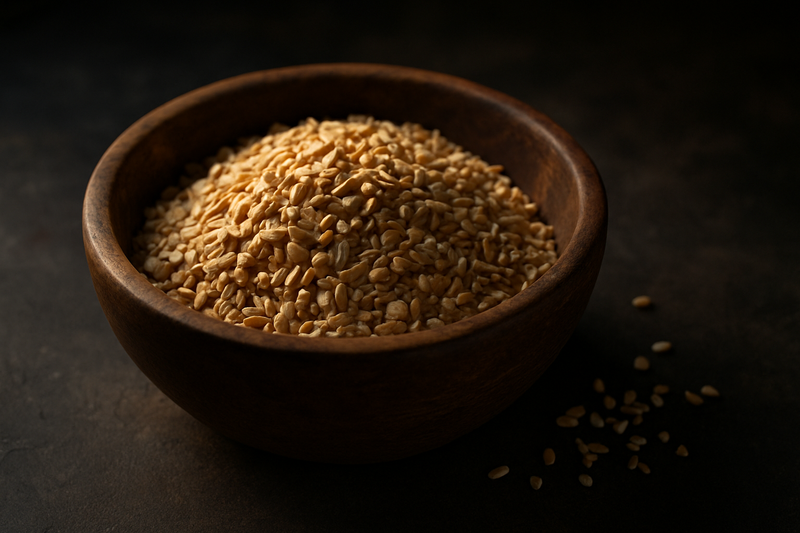
Steel-Cut Oats · Photograph
Discover the science-backed steel cut oats health benefits — from heart-healthy beta-glucan and blood sugar support to digestion and satiety. Includes nutrition facts, cooking tips, and safety notes for celiac disease and medication interactions.
Key Nutrients
% Daily Value based on 2,000 cal diet
Key active compounds in steel-cut oats
- Beta-glucan — A viscous (thick and gel-forming) soluble fiber found in the inner layer of the oat grain called the endosperm. When it dissolves in water in your digestive tract, it creates a gel that slows absorption of sugars and binds bile acids (digestive fluids made partly from cholesterol), helping remove them from the body. This is the compound behind oats' well-known cholesterol-lowering reputation.
- Avenanthramides — Unique polyphenols (plant-based antioxidant compounds) found almost exclusively in oats. Early and experimental research suggests they have anti-inflammatory and antioxidant activity, potentially contributing to heart and metabolic health over time.
- Resistant starch — A portion of the starch in steel-cut oats that resists digestion in the small intestine and travels to the large intestine, where gut bacteria ferment it. This process produces short-chain fatty acids, including butyrate, which support the gut lining and microbiome diversity. Resistant starch content is slightly higher when oats are cooled after cooking.
- Polyphenols (broader class) — Additional plant compounds that act as antioxidants, helping neutralize free radicals that can damage cells.
Prep and pairing ideas
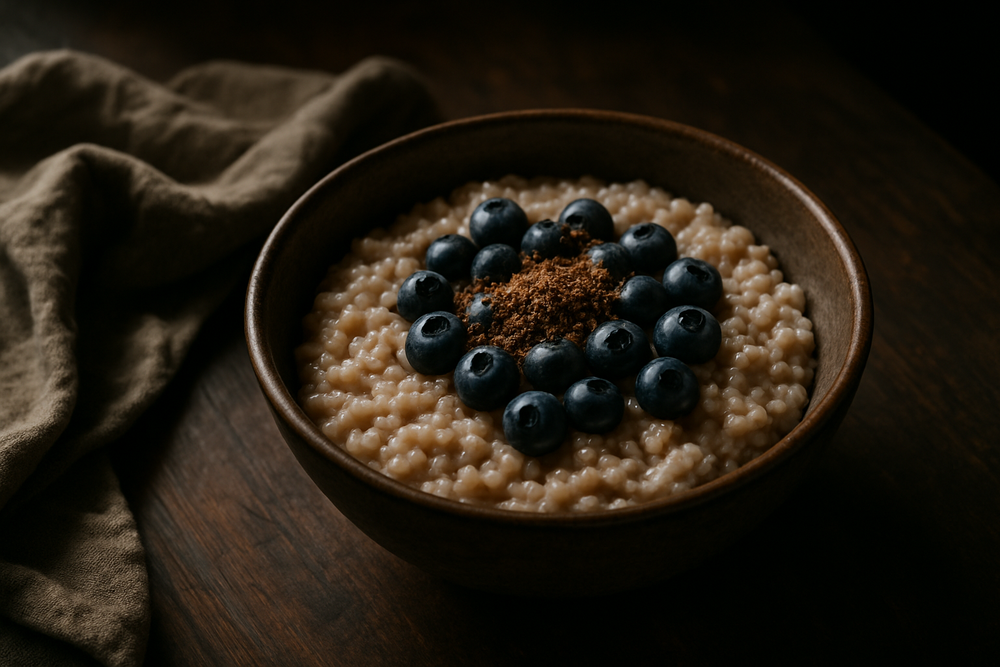
Basic stovetop method (serves 2): Bring 2 cups of water or unsweetened plant milk to a low boil. Stir in ½ cup dry steel-cut oats and a small pinch of salt. Reduce heat and simmer, stirring occasionally, for 20–25 minutes until thick and creamy. Add toppings after cooking to preserve nutrients.
Overnight soak method: Combine ½ cup oats with 1 cup cold water and a splash of plant milk. Cover and refrigerate overnight. In the morning, warm on the stovetop for 5 minutes, adding a little extra liquid if needed. This reduces cooking time significantly and slightly increases resistant starch content.
Savory steel-cut oats: Cook in vegetable broth instead of water. Top with sautéed greens, a soft-boiled egg, avocado, or roasted cherry tomatoes. A surprisingly satisfying alternative to refined grain side dishes.
Common pairings that work particularly well:
- Steel-cut oats + ground flaxseed — Flaxseed adds omega-3 fatty acids and extra soluble fiber (lignans), amplifying the heart-health and blood sugar benefits. Stir in 1 tablespoon after cooking to preserve the beneficial fats.
- Steel-cut oats + blueberries or raspberries — Berries contribute vitamin C, which enhances non-heme (plant-based) iron absorption from the oats, plus their own set of antioxidant polyphenols. The combination is more nutritionally complete than either alone.
- Steel-cut oats + cinnamon and a small handful of walnuts — Cinnamon may have modest blood sugar-supporting effects of its own, and walnuts add plant-based omega-3s and protein. Together, they make a satisfying, genuinely low-glycemic breakfast bowl.
Buying guide: what to look for at the store
Steel-cut oats are sold in a few different forms, and label literacy helps you get what you're paying for.
- "Steel-cut," "Irish," or "pinhead" oats all refer to the same product — chopped whole oat groats. These terms are interchangeable.
- Certified gluten-free label: Mandatory if you have celiac disease or non-celiac gluten sensitivity. Look for the Gluten-Free Certification Organization (GFCO) logo or equivalent. Regular steel-cut oats are not reliably gluten-free.
- "Quick-cook" or "instant" steel-cut oats: These have been pre-steamed or partially cooked to reduce stovetop time to 5–10 minutes. They are still more minimally processed than rolled oats but may have a marginally higher glycemic impact than traditional steel-cut. A reasonable convenience trade-off for most people.
- Organic vs. conventional: Research does not show a clear nutritional advantage for organic oats. Choose based on personal preference and budget.
- Bulk bins: Often the most economical option. Check that the store's bulk supply turns over frequently to ensure freshness. Store at home in an airtight container for up to 12 months.
- Added sugar: Plain steel-cut oats contain zero added sugar. Flavored packets or cups do, sometimes substantially. Read the label — anything over 5 g added sugar per serving is worth questioning for a "health" breakfast food.
Bottom line
Steel-cut oats are among the most nutritionally solid breakfast choices in the whole-grain category. Their combination of beta-glucan, plant protein, iron, magnesium, and unique antioxidants like avenanthramides makes them genuinely useful — not just filling. The evidence for their role in supporting healthy cholesterol levels is among the strongest in food-based nutrition research, and their lower glycemic profile makes them a smart pick for anyone paying attention to blood sugar.
They take longer to cook than instant options, but that's a feature as much as an inconvenience: the intact grain structure that makes them chewy is exactly what makes them digest slowly and keep you fuller longer.
One serving a day, built into a varied, mostly plant-based diet, is a straightforward, evidence-backed habit. If you have celiac disease, seek out certified gluten-free oats. If you take medications with precise timing requirements, ask your pharmacist about spacing them from high-fiber meals.
Explore how steel-cut oats fit your personal health goals → [/goals]
How Steel-Cut Oats Compares
| Compared with | What's different |
|---|---|
| Steel-Cut Oats vs. Rolled Oats | Diced whole groats that take 20–30 minutes to cook and have a chewy, nutty texture. |
| Steel-Cut Oats vs. Instant Oats | Steamed and flattened flakes that cook in 1 minute but have a higher glycemic index. |
Health Benefits
Things to Know
Celiac disease and gluten sensitivity: Oats are naturally gluten-free, but are almost universally processed in facilities that also handle wheat, barley, or rye. Cross-contamination is common enough that most celiac organizations recommend only certified gluten-free oats for anyone with celiac disease or non-celiac gluten sensitivity.
Oat allergy: Rare, but it exists independently of gluten sensitivity. If you notice hives, digestive upset, or other allergy symptoms specifically after eating oats, speak with an allergist.
Digestive adjustment: Jumping from a low-fiber diet to a daily bowl of steel-cut oats can cause temporary gas, bloating, or loose stools. Start with a smaller portion (2 tablespoons dry) and increase gradually over one to two weeks. Drink enough water throughout the day.
IBS and sensitive digestion: People with irritable bowel syndrome may find that soluble fiber from oats helps regulate bowel habits, but others may find it aggravates symptoms. Work with a registered dietitian if you're unsure.
Gastroparesis and motility disorders: High-fiber bulky foods can be difficult to tolerate if you have a condition affecting how quickly your stomach empties. Consult your healthcare team.
Kidney disease: Oats contain phosphorus and potassium. If you are on a phosphorus- or potassium-restricted diet due to chronic kidney disease, account for oats within your daily limits.
Medication timing: High-fiber meals can slow the absorption of some oral medications, including certain thyroid drugs, antibiotics, and narrow-therapeutic-index medications (drugs where precise blood levels matter). A general guideline is to take these medications at least one hour before or two hours after a high-fiber meal. Ask your pharmacist if you're unsure.
Blood sugar medications: Oats may improve glycemic control, which could amplify the effect of insulin or sulfonylurea diabetes medications. If you start eating oats regularly and use glucose-lowering drugs, monitor your blood sugar and speak with your prescribing clinician about any adjustments.
Pregnancy: Steel-cut oats are a nutritious, safe food during pregnancy. Their iron, folate, and fiber content make them a particularly useful addition to a prenatal diet. No specific cautions apply beyond standard dietary advice.
Prep Ideas
- — **Steel-cut oats + ground flaxseed** — Flaxseed adds omega-3 fatty acids and extra soluble fiber (lignans), amplifying the heart-health and blood sugar benefits. Stir in 1 tablespoon after cooking to preserve the beneficial fats.
- — **Steel-cut oats + blueberries or raspberries** — Berries contribute vitamin C, which enhances non-heme (plant-based) iron absorption from the oats, plus their own set of antioxidant polyphenols. The combination is more nutritionally complete than either alone.
- — **Steel-cut oats + cinnamon and a small handful of walnuts** — Cinnamon may have modest blood sugar-supporting effects of its own, and walnuts add plant-based omega-3s and protein. Together, they make a satisfying, genuinely low-glycemic breakfast bowl.
Glossary
Shop This Ingredient
Stock your pantry with quality steel-cut oats.
Buy on AmazonAs an Amazon Associate, Plantopedia earns from qualifying purchases. This costs you nothing extra and helps us keep the encyclopedia free.
Frequently Asked Questions
Most clinical research on oats uses various oat forms — rolled, oat bran, or whole oats — rather than steel-cut specifically. However, because steel-cut oats have comparable beta-glucan content and an even more intact fiber structure, researchers and nutrition experts generally expect the benefits to apply equally, or even more so. Here is what the evidence shows. Heart health and circulation This is where oat research is strongest. Multiple human trials and meta-analyses (studies that pool results from many trials) consistently show that consuming at least 3 grams per day of oat beta-glucan — achievable with one to one-and-a-half servings of steel-cut oats — is associated with meaningful reductions in LDL (low-density lipoprotein) cholesterol, the type linked to artery disease. The mechanism is well understood: beta-glucan's gel traps bile acids in the intestine, which the body then excretes. To make more bile acids, the liver draws on circulating cholesterol, pulling LDL levels down. Whole-grain oats are also a recognized part of heart-healthy dietary patterns endorsed by the American Heart Association and similar bodies, with observational data supporting lower cardiovascular risk in regular whole-grain consumers. Digestive health and microbiome Steel-cut oats provide both soluble fiber (primarily beta-glucan) and insoluble fiber (which adds bulk to stool). Human studies on oat consumption show improvements in bowel regularity and relief from constipation, particularly when oats are consumed with adequate fluid intake. Beta-glucan also acts as a prebiotic — it feeds beneficial bacteria such as Bifidobacterium species in the large intestine, which is linked to a healthier, more diverse gut microbiome. The resistant starch in steel-cut oats contributes to this further, especially in oats that have been cooled after cooking. Blood sugar and metabolism Steel-cut oats have a lower glycemic index (GI) — a measure of how quickly a food raises blood sugar — than instant oats and most refined cereals. Human studies comparing minimally processed oat breakfasts to refined carbohydrate options consistently show lower blood glucose and insulin spikes after meals. The intact particle size of steel-cut oats slows digestion more than rolled or ground oats, making them particularly useful as a low glycemic breakfast for people monitoring blood sugar. Research suggests regular oat consumption may also improve insulin sensitivity over time, though most studies looked at oats in general rather than steel-cut specifically. Inflammation and recovery Oats' avenanthramides and other polyphenols show anti-inflammatory activity in laboratory and animal studies, and there is limited human data suggesting that a diet rich in whole grains including oats may reduce markers of low-grade inflammation. However, clinical trials specifically testing steel-cut oats and directly measuring inflammatory biomarkers in humans are sparse. This area is promising but should be considered emerging evidence rather than established fact. Satiety and weight management Beta-glucan-rich breakfasts have been shown in human studies to increase feelings of fullness and reduce calorie intake later in the day compared with low-fiber or instant cereal options. Steel-cut oats' chewiness and slower digestion likely amplify this effect compared with more processed oat products. While no single food drives weight loss, replacing a refined breakfast cereal with steel-cut oats is a practical, evidence-informed swap if satiety is a goal.
For most everyday nutritional purposes, steel-cut and rolled oats are very similar. Both come from the same whole oat groat and contain comparable levels of beta-glucan, protein, and micronutrients. The main practical differences are: Glycemic index: Steel-cut oats have a lower GI (estimated 42–55) than rolled oats (57–69) and far lower than instant oats (83+), primarily because their larger particle size slows digestion. This difference matters most for people actively managing blood sugar. Processing: Steel-cut oats skip the steaming and rolling steps, making them arguably the most minimally processed mainstream oat option. This fits better with a whole-food, plant-based philosophy. Texture and cooking time: Steel-cut oats take 20–30 minutes to cook on the stovetop (or overnight soaking reduces this). Rolled oats cook in 5 minutes; instant oats in under 2 minutes. Resistant starch: Steel-cut oats may contain slightly more resistant starch, particularly when cooled after cooking, which supports gut health. Bottom line on form: If lower glycemic impact and minimal processing are priorities, steel-cut oats have a slight edge. If convenience is what keeps you eating oats at all, rolled oats are an excellent choice and share most of the same benefits.
The heart-health-focused eater Trying to nudge LDL cholesterol in the right direction through diet Already eating a mostly plant-based or Mediterranean-style diet and wants a proven whole-grain anchor Looking for a satisfying, filling breakfast that doesn't involve animal products The blood sugar manager Has prediabetes, type 2 diabetes, or insulin resistance and is looking for low glycemic breakfast options Wants slow-releasing energy to avoid mid-morning energy crashes Is working with a healthcare provider to reduce refined carbohydrate intake and add more fiber
Research on oat beta-glucan and cholesterol reduction consistently points to at least 3 grams of beta-glucan per day as the threshold for clinically meaningful LDL reduction. A ¼ cup (40 g) dry serving of steel-cut oats provides roughly 2 grams of beta-glucan, so one to one-and-a-half servings per day (40–60 g dry) gets you into the effective range. For general whole-grain intake, the USDA Dietary Guidelines recommend that at least half of your daily grains be whole grains. A single daily serving of steel-cut oats contributes meaningfully toward that goal. Practical guidance: Start: 2–3 tablespoons dry if you are new to high-fiber eating Maintenance range: ¼ to ½ cup (40–80 g) dry per day is the most commonly used range in research and dietary recommendations No upper limit has been established for healthy adults, but very large quantities may cause digestive discomfort; practical portions top out around ½ cup dry for most people Drink at least a glass of water alongside your serving to help fiber work effectively If you are using oats to actively manage cholesterol or blood sugar under medical supervision, discuss specific targets with your healthcare provider or registered dietitian.
Quick Answers
Common questions, answered in a line.
Steel-cut oats contain a viscous soluble fiber called beta-glucan that binds to bile acids made from cholesterol and helps remove them from the body. This specific process is responsible for the well-known cholesterol-lowering reputation of oats.
Steel-cut oats contain unique polyphenols called avenanthramides, which have anti-inflammatory and antioxidant activity. These plant-based compounds are found almost exclusively in oats and may contribute to long-term heart and metabolic health.
Steel-cut oats are naturally gluten-free, but they are often processed in facilities that handle wheat, barley, or rye, making cross-contamination common. If you have celiac disease, you must look for the Certified Gluten-Free label to ensure safety.
High-fiber meals like steel-cut oats can slow the absorption of certain oral medications, including thyroid drugs and antibiotics. It is generally recommended to take these medications at least one hour before or two hours after eating high-fiber foods.
You can increase the resistant starch in steel-cut oats by using an overnight soak method or by cooling them after cooking. Resistant starch survives digestion in the small intestine to feed beneficial gut bacteria in the large intestine.
Eating steel-cut oats with vitamin C-rich berries, such as blueberries or raspberries, helps enhance the absorption of non-heme (plant-based) iron from the oats. This combination makes for a more nutritionally complete breakfast bowl.
Steel-cut oats are a highly nutritious and safe food during pregnancy due to their iron, folate, and fiber content. They are particularly useful for a prenatal diet and have no specific contraindications for expectant mothers.
To avoid digestive upset like gas or bloating when starting a high-fiber diet, begin with a small portion of two tablespoons of dry oats and increase gradually over two weeks. It is also important to drink plenty of water throughout the day to aid digestion.
For Readers in the USA
Local context — sourcing, seasonality, and regional notes.
You can find steel-cut oats at nearly every major US grocery chain, including Kroger, Walmart, Publix, and Whole Foods Market. They are typically located in the hot cereal aisle, though many shoppers prefer buying them from the bulk bins at stores like WinCo or local cooperatives to save money.
While oats are grown throughout the US, the "Oat Belt" spanning North Dakota, South Dakota, Minnesota, and Iowa produces the majority of the nation's supply. These regions provide the cool, moist climate necessary for high-quality oat groats, which are harvested in mid-to-late summer before being processed into steel-cut varieties.
In the United States, "Irish oats" and "pinhead oats" are regional or brand-specific names for the exact same product as steel-cut oats. Brands like McCann’s popularized the "Irish" label in the US market, but all these terms describe whole oat groats that have been chopped into two or three pieces by steel blades.
The USDA Organic seal on steel-cut oats ensures the crop was grown without synthetic fertilizers or prohibited pesticides like glyphosate. While the nutritional content is similar to conventional oats, many US consumers choose organic to minimize potential exposure to agricultural chemical residues often used during the harvesting process.
AI Clinical Review
- Clearly explains what steel-cut oats are and why less processing preserves fiber and intact grain structure, which slows digestion and can blunt post‑meal glucose spikes.
- Accurately highlights beta‑glucan as the best‑studied component for lowering LDL (“bad”) cholesterol, with an evidence‑based target of about 3 g/day from oats and related sources.
- Appropriately frames oats as a heart‑healthy whole grain within patterns like Mediterranean or plant‑forward diets rather than a standalone “cure.”
- Notes realistic benefits for digestive regularity and satiety, and provides practical preparation tips that can support adherence.
- Most trials use oats or oat bran generally; head‑to‑head data isolating steel‑cut oats is limited. Benefits are expected to be similar, but form‑specific evidence is sparse.
- Avenanthramides and broader anti‑inflammatory effects are promising but rest largely on mechanistic and early human data; clinically meaningful outcome data remain limited.
- Claims about improved insulin sensitivity over time are mixed; acute glycemic responses favor less‑processed oats, but long‑term metabolic impacts vary by individual and overall diet.
- Resistant starch increases after cooling are modest and preparation‑dependent; the microbiome effects, while encouraging, are not yet standardized in dose–response terms.
- Dose: about 3 g/day of beta‑glucan is the threshold often linked to LDL reduction. A 1/4 cup (≈40 g) dry steel‑cut serving provides roughly 2 g; many people will need ~60 g/day (or combine with oat bran/barley) to consistently reach 3 g.
- Medical considerations: those with diabetes on insulin or sulfonylureas should monitor for lower glucose needs as intake increases; take time‑sensitive meds (e.g., levothyroxine, some antibiotics) at least 1 hour before or 2 hours after high‑fiber meals.
- Who should be cautious: people with celiac disease or non‑celiac gluten sensitivity should choose certified gluten‑free oats; a small subset with celiac may still react to oat proteins. CKD patients may need to account for phosphorus/potassium. IBS or gastroparesis warrants individualized guidance and gradual introduction.
- Practical tolerance: increase portions gradually (e.g., start with 2–3 Tbsp dry), drink water with meals, and remember that GI can vary by cooking method, particle size (quick‑cook vs traditional), and sweeteners/toppings added.
Choose certified gluten-free oats if you have celiac disease, as cross-contamination is common.
References
- USDA FoodData Central — oat nutrition data (fdc.nal.usda.gov)
- USDA MyPlate — whole grain guidance (myplate.gov)
- Healthline — steel-cut oats benefits and nutrition overview (healthline.com)
- WebMD — steel-cut oats health benefits (webmd.com)
- Medical News Today — rolled vs. steel-cut oats comparison (medicalnewstoday.com)
- UMass Medical School — why steel-cut oats (IBD nutrition resource) (umassmed.edu)
- Consensus.app — evidence summary: are steel-cut oats healthy? (consensus.app)
- Greatist — steel-cut oats nutrition and health benefits review (greatist.com)
- Harvard (Colorado State mirror) — steel-cut oats nutritional information (webmonitor.ucm.colostate.edu)
- Times of India — rolled vs. steel-cut oats comparison (timesofindia.indiatimes.com)
Know Your Numbers
Eating healthy is a start. Now get to know your biomarkers.
Food changes bloodwork — inflammation, lipids, blood sugar and nutrient status all respond to what you eat. 59 markers from $59.
- Results in 7–10 days at 2,000+ Quest sites
- Licensed provider reviews every result
- One flat price, no membership, HSA/FSA eligible
Educational information only, not medical advice. Panels are ordered and reviewed through our licensed partner; Plantopedia may earn a commission.