Rolled Oats — health benefits and uses
Oats have a folk reputation as a gentle nervine and restorative tonic in Western herbalism.
The Short Answer
Rolled oats are steamed and flattened oat groats that provide 6.8g of protein and 4.2g of fiber per dry cup. They contain beta-glucan, a unique soluble fiber that helps lower cholesterol and stabilize blood sugar levels.
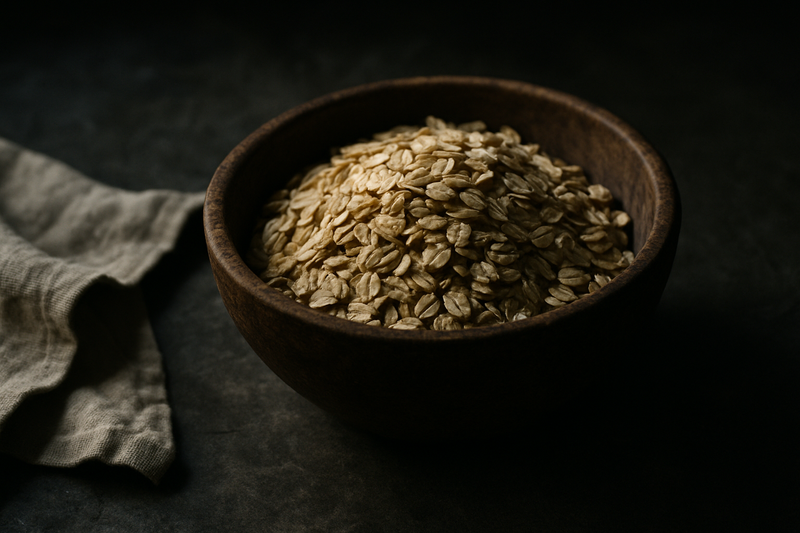
Rolled Oats · Photograph
Discover the science-backed health benefits of rolled oats, from cholesterol-lowering beta-glucan to blood sugar support and gut health. Learn how much to eat, which form is best, and who should choose certified gluten-free oats.
Key Nutrients
% Daily Value based on 2,000 cal diet
Key active compounds in rolled oats
- Oat beta-glucan — A soluble, viscous polysaccharide (a long-chain carbohydrate) unique to oats. It forms a thick gel in the gut that slows digestion, reduces cholesterol reabsorption, and smooths out blood sugar responses. Present at roughly 4 g per 100 g of dry rolled oats.
- Avenanthramides — Phenolic compounds (plant chemicals with antioxidant properties) found almost exclusively in oats. They show anti-inflammatory and antioxidant effects in lab and animal studies; human evidence is still emerging but promising.
- Phytosterols — Natural plant sterols in whole oat grain that compete with dietary cholesterol for absorption in the intestine, contributing modestly to overall cholesterol reduction.
- Resistant starch and insoluble fiber — Alongside beta-glucan, rolled oats contain insoluble fiber that adds bulk to stool and supports bowel regularity.
Prep and pairing ideas
Rolled oats are forgiving to cook and endlessly adaptable. Here are three practical pairings chosen for nutritional synergy:
1. Rolled oats + ground flaxseed + blueberries Flaxseed adds omega-3 fatty acids and additional soluble fiber (mucilage), complementing beta-glucan's cholesterol-lowering action. Blueberries bring anthocyanins — antioxidant pigments — and natural sweetness with minimal added sugar. This combination is evidence-aligned for cardiovascular support.
2. Rolled oats + plain Greek yogurt (overnight oats) Combining oats with Greek yogurt for overnight oats creates a no-cook, protein-dense meal (roughly 20+ g protein per jar). The yogurt's live cultures add a probiotic dimension alongside oats' prebiotic fiber, making this a gut-health-friendly pairing. The cool, slightly acidic environment of yogurt also slows oat starch digestion, which may help moderate blood sugar response.
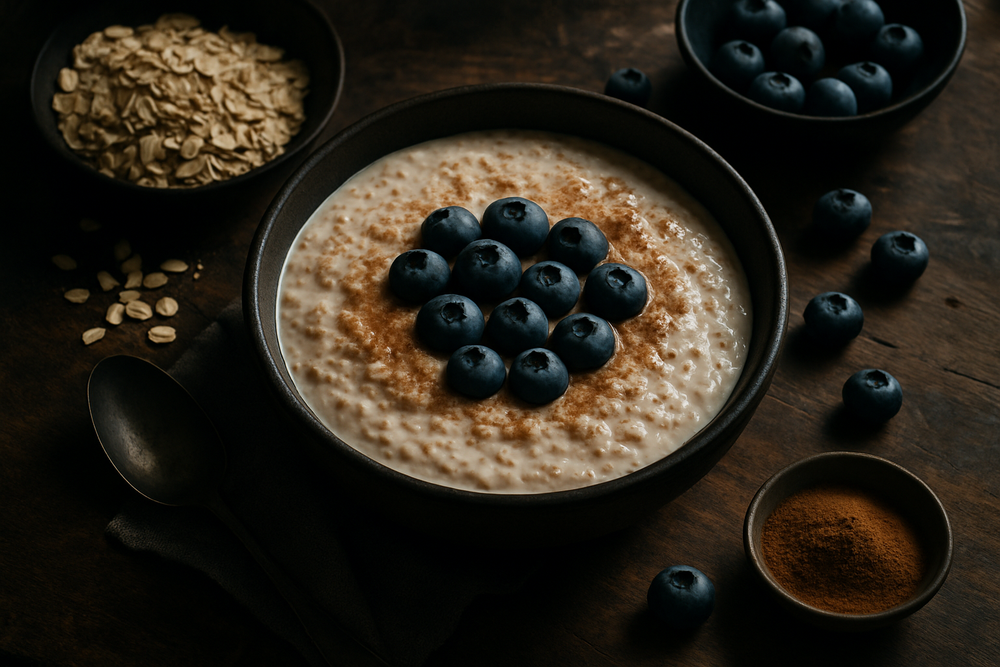
3. Rolled oats + walnuts + cinnamon (warm oatmeal) Walnuts contribute plant-based omega-3s and additional phytosterols. Cinnamon has preliminary evidence for modest blood-sugar-moderating effects and adds warmth without sugar. This trio makes a genuinely satisfying, heart-health-oriented breakfast without added sweeteners.
Basic overnight oats: Combine ½ cup rolled oats with ½ cup plant milk (or dairy), a spoonful of nut butter, and fruit. Seal and refrigerate overnight. Ready in the morning — no cooking needed.
For baking: Rolled oats replace up to one-third of the flour in muffins or cookies, adding fiber and a chewy texture. They're the standard base for homemade granola: toss with a small amount of oil and maple syrup, spread thin, and bake at 325°F until golden.
Buying guide: how to choose the right rolled oats
Rolled (old-fashioned) vs. quick vs. instant: Old-fashioned rolled oats are the best all-around choice — they balance convenience with maximum nutritional benefit. Quick oats are fine for baking. Instant oat packets often come with added sugar and sodium; check the ingredient label and choose single-ingredient varieties when possible.
Certified gluten-free label: If you have celiac disease or non-celiac gluten sensitivity, this label is non-negotiable. Look for third-party certification marks (e.g., GFCO, NSF Certified Gluten-Free) rather than just a manufacturer claim. The certification means the product was tested to contain fewer than 10–20 ppm (parts per million) of gluten — below the threshold considered safe for most people with celiac.
Organic vs. conventional: A personal preference. Both provide the same beta-glucan and fiber content. If pesticide residue is a concern, organic is an option; it doesn't change the nutritional profile.
Bulk bins vs. sealed packaging: Bulk bins carry a higher risk of cross-contamination with other grains. For anyone avoiding gluten, sealed, certified packaging is safer.
Storage: Keep in an airtight container in a cool, dry place. Rolled oats last 1–2 years unopened; once opened, use within 3–6 months for best quality. The natural oils in oats can go rancid in warm, humid conditions.
Bottom line
Rolled oats earn their reputation as a heart-healthy, versatile whole grain. The evidence for cholesterol lowering via beta-glucan is among the strongest of any single food component — backed by multiple well-designed meta-analyses and recognized by regulatory food health claims. The blood sugar and digestive benefits are meaningful, especially for people with type 2 diabetes or those managing bowel regularity. Anti-inflammatory effects are plausible but not yet proven at the same level.
For most people, a daily bowl of oatmeal or overnight oats made with old-fashioned rolled oats is a practical, low-cost, low-risk way to increase whole-grain intake, add meaningful fiber, and support cardiovascular health over time. Keep toppings simple — fruit, nuts, seeds — and limit added sugars to preserve those benefits.
If you have celiac disease, choose certified gluten-free. If you take medications affected by dietary fiber or blood sugar, loop in your healthcare provider. For everyone else, rolled oats are one of the least complicated additions you can make to a health-supportive diet.
Looking for ways to build a whole-diet approach around ingredients like rolled oats? Browse goal-based ingredient guides at /goals.
How Rolled Oats Compares
| Compared with | What's different |
|---|---|
| Rolled Oats vs. Quick oats | Processed similarly but steamed and flattened thinner for a 1-minute cook time and softer texture. |
| Rolled Oats vs. Steel-cut oats | Whole groats chopped into pieces rather than rolled, resulting in a toothsome, chewy texture. |
| Rolled Oats vs. Rolled wheat flakes | Whole wheat kernels pressed flat, containing more protein (roughly 10g per cup) but less beta-glucan. |
Health Benefits
Things to Know
Celiac disease: Oats do not naturally contain gluten, but standard commercial oats are almost always contaminated with wheat, barley, or rye during growing or processing. Always choose certified gluten-free rolled oats if you have celiac disease. Adults with celiac can typically tolerate up to ~50–70 g/day of certified pure oats; children should only introduce oats under medical supervision.
Oat allergy or avenin sensitivity: Avenin is the protein in oats analogous to gluten in wheat. A small number of people are genuinely allergic or sensitive to avenin specifically, distinct from a gluten reaction. Symptoms can include GI distress or skin reactions.
Irritable bowel syndrome (IBS): Some people with IBS find that the fermentable fibers in oats aggravate symptoms. A low-FODMAP dietitian can help you determine your personal threshold.
Diabetes medications: Oats may modestly improve blood sugar control, which could enhance the effect of glucose-lowering drugs. If you take insulin or oral diabetes medications, discuss any significant increase in oat intake with your prescriber.
Cholesterol medications: Oat beta-glucan and statins appear to have additive cholesterol-lowering benefits with no reported harmful interactions — but tell your doctor if you're adding oats as a regular dietary intervention alongside medication.
Medication absorption: High-fiber meals can slightly delay absorption of some oral medications. A common precaution is to take medications 1–2 hours before or after a high-fiber meal if timing-sensitive absorption is a concern.
Kidney disease: People on strict low-phosphorus or low-fiber diets prescribed for kidney conditions should check with their dietitian, as oats are moderately high in phosphorus.
Pregnancy: Rolled oats are considered a safe, nutritious whole grain during pregnancy. No specific concerns apply beyond the general points above.
Shop This Ingredient
Stock your pantry with quality rolled oats.
Buy on AmazonAs an Amazon Associate, Plantopedia earns from qualifying purchases. This costs you nothing extra and helps us keep the encyclopedia free.
Frequently Asked Questions
Heart health and cholesterol This is where the evidence is strongest. Multiple randomized controlled trials (studies where participants are randomly assigned to treatment or control groups) and meta-analyses (pooled statistical analyses of many trials) show that consuming ≥3 g of oat beta-glucan per day produces meaningful reductions in LDL cholesterol — the fraction most associated with cardiovascular risk. A meta-analysis of 28 trials found that ≥3 g/day of oat beta-glucan reduced LDL cholesterol by approximately 0.25 mmol/L and total cholesterol by 0.30 mmol/L, without negatively affecting HDL ("good") cholesterol or triglycerides. A separate systematic review of oat beta-glucan–enriched diets (median dose 3.5 g/day) confirmed significant reductions in LDL, non-HDL cholesterol, and apoB — a protein marker closely linked to cardiovascular risk. How does it work? When beta-glucan dissolves in your digestive tract, it forms a viscous gel that traps cholesterol-rich bile acids, preventing them from being reabsorbed. Your liver then pulls more cholesterol from your blood to make new bile acids, which lowers circulating LDL. This mechanism is well understood and is one reason why both the US FDA and European regulatory bodies have approved qualified health claims for oat beta-glucan and heart disease. Practical note: ½ cup of dry rolled oats provides roughly 1.6 g of beta-glucan. To reach 3 g/day, you'd need close to 1 cup dry (about 80 g) — roughly a generous bowl of oatmeal or a bowl plus a small oat-based snack. Digestive health and gut microbiome Systematic reviews of human studies consistently show that eating oats or oat bran increases stool weight by 15–80%, improves stool consistency, and reduces constipation symptoms. In one trial of older adults with constipation, adding oat-bran biscuits daily moved the proportion of participants with normal stool consistency from 16% to 84%. The mechanism is dual: soluble beta-glucan absorbs water and softens stool, while insoluble fiber adds bulk and speeds transit time. Beyond simple bulking, beta-glucan is fermented by gut bacteria into short-chain fatty acids (SCFAs) — particularly propionate and butyrate — which lower colon pH and appear to support beneficial bacteria like Bifidobacterium and Lactobacillus. The long-term clinical significance of these microbiome shifts is still being studied, but the bowel regularity data in humans is already solid. Start gradually: Jumping straight to a full cup of oat bran daily can cause gas and loose stools in sensitive people. Begin with a smaller portion and drink plenty of water. Blood sugar and metabolism The evidence here is moderate and meaningful, especially for people with type 2 diabetes. A meta-analysis of randomized controlled trials in people with type 2 diabetes (median beta-glucan dose 3.25 g/day, over 4.5 weeks) found small but clinically relevant improvements: HbA1c fell by about 0.47 percentage points, and fasting blood glucose dropped by roughly 0.75 mmol/L. HbA1c is a three-month average of blood sugar levels — even a half-point reduction matters clinically. In non-diabetic adults, oats with intact structure — including thick rolled flakes — significantly reduce the spike in blood sugar and insulin after a meal compared with refined grains. The viscous beta-glucan gel slows gastric emptying (how fast food leaves your stomach) and glucose absorption, smoothing the blood sugar curve. Important caveat: Heavily processed or instant oats lose much of this postprandial (after-meal) benefit. Less processing = greater glycemic benefit. Inflammation and recovery The anti-inflammatory evidence for rolled oats is emerging rather than established. Some human trials in people with type 2 diabetes or metabolic syndrome show modest improvements in inflammatory markers alongside oat-rich diets, but the results are not consistent enough to claim a strong effect. Observational data on whole-grain diets link higher intake to lower cardiovascular risk, and reduced chronic inflammation is a plausible part of that story — but it's indirect evidence. What is better established in lab and preclinical models: avenanthramides (those oat-exclusive phenolics) and the SCFAs produced when beta-glucan ferments in the gut both have measurable anti-inflammatory effects. Whether these translate reliably into clinically meaningful outcomes in humans is an active area of research, not a settled answer.
The short answer: less processing = more benefit, particularly for blood sugar control. Here's how the main forms compare: Rolled oats (old-fashioned flakes) — Steamed and flattened whole groats. Cook in 5 minutes; soak overnight for overnight oats. Preserve most of the beta-glucan's molecular weight and viscosity, making them a solid choice for both heart and blood sugar benefits. This is the workhorse form for everyday use. Steel-cut oats — Groats cut into rough pieces without flattening. They take 20–30 minutes to cook but deliver the most intact grain structure. Acute studies show the most pronounced reduction in post-meal blood sugar spikes with this and thicker rolled forms. Nutritional profile is essentially identical to rolled oats. Quick oats / instant oats — Thinner, more finely processed flakes. They still provide fiber and beta-glucan, but systematic review data show significantly smaller blood sugar benefits after meals compared with thicker forms. Fine for occasional use; not the optimal daily choice if glycemic impact is a priority. Oat bran — The bran fraction, concentrated in fiber. Used in studies at 40–100 g/day for digestive and cholesterol benefits. More potent per gram but also more likely to cause gas and loose stools at higher doses. Certified gluten-free rolled oats — Oats grown and processed to avoid cross-contamination with wheat, barley, or rye. Nutritionally identical to standard rolled oats; essential for people with celiac disease or non-celiac gluten sensitivity. Homemade granola — Retains most fiber and beta-glucan. Health impact depends heavily on added sugars and fats. Lightly sweetened versions with nuts and seeds can be a genuinely nutritious option.
The most meaningful target is ≥3 g of oat beta-glucan per day — the dose used in the majority of trials showing significant LDL reductions, and the threshold recognized by FDA and European regulatory guidance. Here's what that looks like in food: | Amount of dry rolled oats | Approximate beta-glucan | | --- | --- | | ¼ cup (20 g) | 0.8 g | | ½ cup (40 g) | 1.6 g | | 1 cup (80 g) | 3.2 g | Starting guidance: If you're new to high-fiber foods, begin with ¼–½ cup dry and increase gradually over 1–2 weeks to give your gut time to adjust. For a meaningful cholesterol benefit, aim for a full cup of dry rolled oats per day (as oatmeal or overnight oats), or combine a smaller serving of oats with other oat-containing foods (e.g., oat-based granola, oat crackers). For digestive regularity benefits, even ½ cup daily can make a noticeable difference when combined with adequate water intake. Evidence does not point to significant added benefit beyond 3.5 g/day of beta-glucan for cholesterol purposes; bigger portions primarily add more total calories and carbohydrates. There is no established upper limit for healthy adults. The practical ceiling is your own digestive comfort.
Quick Answers
Common questions, answered in a line.
Oat beta-glucan is a unique soluble fiber that forms a thick gel in the gut to slow digestion and reduce cholesterol reabsorption. At approximately 4g per 100g of dry oats, it is the primary compound responsible for the grain's heart-healthy and blood-sugar-smoothing effects.
If you have celiac disease, you must choose oats labeled "Certified Gluten-Free" to ensure they contain fewer than 10–20 ppm of gluten. While oats are naturally gluten-free, they are frequently contaminated by wheat, barley, or rye during growing and processing.
Rolled oats contain avenanthramides, which are phenolic plant chemicals found almost exclusively in oats that show antioxidant and anti-inflammatory properties. While lab studies are promising, human evidence regarding these specific compounds is still emerging.
For the best quality and to prevent natural oils from going rancid, use opened rolled oats within 3 to 6 months. Unopened oats can last 1–2 years when kept in an airtight container in a cool, dry place.
High-fiber foods like rolled oats can slightly delay the absorption of some oral medications. To avoid potential interference, it is often recommended to take medications 1–2 hours before or after eating a high-fiber meal.
Pairing rolled oats with plain Greek yogurt provides a protein-dense meal while combining prebiotic fiber with live probiotic cultures for gut health. This combination also creates an acidic environment that may help moderate your blood sugar response.
Rolled oats are a safe and nutritious whole grain option during pregnancy. They provide essential fiber and energy, though individuals should follow general precautions regarding gluten certification if they have sensitivities.
For Readers in the USA
Local context — sourcing, seasonality, and regional notes.
Most rolled oats in the U.S. are grown in the Northern Plains states, particularly North Dakota, South Dakota, and Minnesota, due to their cool, moist climate. While the domestic harvest typically occurs in late summer, rolled oats are a shelf-stable pantry staple available year-round in every state.
To carry the USDA Organic seal, oats must be grown without synthetic fertilizers or prohibited pesticides like glyphosate. This certification provides a verifiable standard for American consumers concerned about chemical residues, though the nutritional fiber content remains identical to conventional oats.
Rolled oats are a staple available at all major U.S. grocery chains (like Walmart, Kroger, and Publix), often found in both the cereal aisle and bulk food sections. For specialized needs, health food stores like Whole Foods Market typically offer a wider selection of certified gluten-free and sprouted varieties.
AI Clinical Review
- Clearly identifies oat beta‑glucan as the primary active fiber and translates research doses into practical servings (about 3 g/day ≈ ~1 cup dry rolled oats).
- Accurately summarizes cholesterol benefits (modest LDL reductions) and explains the well‑supported bile‑acid mechanism that underpins FDA/EU heart‑health claims.
- Distinguishes forms of oats: less processing (steel‑cut or thick rolled) generally yields better post‑meal blood sugar effects than instant oats.
- Describes digestive benefits (stool bulk/regularity) and the common, reversible GI symptoms when fiber intake is increased too quickly.
- Provides useful guidance on gluten‑free labeling and storage without overstating differences between organic and conventional oats.
- Avenanthramides show anti‑inflammatory and vascular effects in lab/animal work; human trials remain small and inconsistent, so clinical impact isn’t settled.
- Oat‑related improvements in inflammatory biomarkers are mixed, and long‑term “hard outcome” data (e.g., fewer heart attacks from oats alone) are limited.
- Microbiome changes and short‑chain fatty acid production are plausible benefits, but the magnitude and clinical relevance vary by individual and diet context.
- Glycemic control improvements in type 2 diabetes are generally modest and depend on processing level, portion size, and the overall meal pattern.
- Dose and form: aiming for ≥3 g/day of beta‑glucan (about 80 g or ~1 cup dry rolled oats) is the heart‑health target; thicker/steel‑cut oats beat instant for glucose control. Oat bran is more concentrated but may cause gas/loose stools at higher doses.
- Gluten and sensitivities: people with celiac disease should choose certified gluten‑free oats; a small subset may react to avenin (oat protein). Those with IBS may need to test tolerance and increase portions gradually with adequate fluids.
- Medications and conditions: oats can modestly lower blood glucose—if you use insulin or secretagogues, monitor and discuss changes with your clinician. Statins and oats are typically additive for LDL lowering. Take timing‑sensitive medicines 1–2 hours apart from a high‑fiber meal; review phosphorus intake if you have advanced kidney disease.
- Added sugars: instant packets and some granolas can deliver extra sugars/sodium; toppings like fruit, nuts, and seeds preserve the cardiometabolic benefits.
Buy certified gluten-free if celiac; plain rolled oats are otherwise widely tolerated.
References
- USDA FoodData Central — Rolled oats nutrition data (fdc.nal.usda.gov)
- US MyPlate: Whole grains food group guidance (myplate.gov)
- Meta-analysis: Oat beta-glucan and LDL/total cholesterol in 28 RCTs (pubmed.ncbi.nlm.nih.gov)
- Systematic review and meta-analysis: Oat beta-glucan, LDL, non-HDL, and apoB (cambridge.org)
- Meta-analysis: Oat beta-glucan and glycemic control in type 2 diabetes (BMJ Diabetes Research & Care 2022) (drc.bmj.com)
- Meta-analysis: Oat beta-glucan intake and glycaemic control and insulin sensitivity in diabetic patients (pubmed.ncbi.nlm.nih.gov)
- Systematic review: Oat intake and CVD risk markers (pubmed.ncbi.nlm.nih.gov)
- Systematic review: Processing of oats and impact on cholesterol-lowering effect (pmc.ncbi.nlm.nih.gov)
- Harvard T.H. Chan School of Public Health — Whole Grains (nutritionsource.hsph.harvard.edu)
- Mayo Clinic — Cholesterol: Top foods to improve your numbers (oatmeal section) (mayoclinic.org)
- American Heart Association — Take a fresh look at oatmeal (heart.org)
Know Your Numbers
Eating healthy is a start. Now get to know your biomarkers.
Food changes bloodwork — inflammation, lipids, blood sugar and nutrient status all respond to what you eat. 59 markers from $59.
- Results in 7–10 days at 2,000+ Quest sites
- Licensed provider reviews every result
- One flat price, no membership, HSA/FSA eligible
Educational information only, not medical advice. Panels are ordered and reviewed through our licensed partner; Plantopedia may earn a commission.