Perilla Seed Butter — health benefits and uses
Perilla seeds are a Korean staple valued for their rich, warming oil.
The Short Answer
Perilla seed butter is a nutrient-dense paste made from ground perilla seeds, prized for its exceptionally high concentration of Alpha-linolenic acid (ALA). It provides 5g of protein and 6g of fiber per tablespoon, offering a nutty, herbal depth to Korean
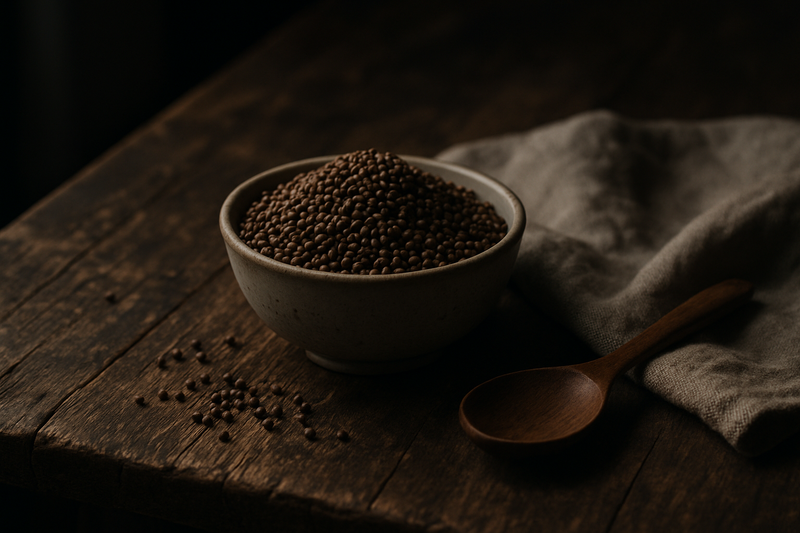
Perilla Seed Butter · Photograph
Discover perilla seed butter health benefits and how to use it in Korean namul, soups, and everyday meals. Learn about its omega-3 ALA content, heart and gut support, storage tips, and how it compares to perilla oil — all in plain English, backed by evidence.
Key Nutrients
% Daily Value based on 2,000 cal diet
Key active compounds in perilla seed butter
- Alpha-linolenic acid (ALA) — an essential omega-3 fatty acid that the body cannot make; must come from food. Perilla seed fat is 51–67% ALA.
- Linoleic acid (LA) — an essential omega-6 fatty acid; present in smaller amounts, giving perilla a relatively favorable omega-6 to omega-3 ratio compared with most nuts and seeds.
- Rosmarinic acid — a polyphenol (plant-based antioxidant compound) with anti-inflammatory activity in experimental models; found throughout the Lamiaceae herb family, which includes perilla, mint, and basil.
- Luteolin and apigenin — flavonoids (a class of plant pigments with antioxidant properties) that show anti-inflammatory activity in cell and animal studies.
- Phytosterols (campesterol, β-sitosterol) — plant equivalents of cholesterol; can modestly reduce how much cholesterol the gut absorbs.
- Gamma-tocopherol (vitamin E) — a fat-soluble antioxidant that helps protect ALA from oxidizing inside and outside the body.
- Polysaccharides — complex plant carbohydrates that may act as prebiotics (food for beneficial gut bacteria) in preclinical research.
Prep and pairing ideas
Deulkkae namul (Korean sesame-perilla greens): Blanch spinach, bean sprouts, or fernbrake. Squeeze dry, then toss with one tablespoon perilla seed butter, a small splash of soy sauce, minced garlic, and a few drops of sesame oil. The butter coats each strand and adds a grassy, nutty depth that sesame alone cannot.
Doenjang (fermented soybean paste) soup: Stir a rounded teaspoon of perilla seed butter into your finished doenjang jjigae just before serving. It thickens the broth slightly and adds omega-3 fats without altering the core flavor.
No-cook salad dressing: Whisk one tablespoon perilla seed butter with rice vinegar, a little grated ginger, tamari, and warm water to thin. Pour immediately over shredded cabbage or cold soba noodles. Because there is no heat, the ALA stays intact.
Optional module: Buying guide — what to look for
Fresh vs. packaged: The freshest perilla seed butter is made from seeds ground to order at Korean markets or at home in a high-speed blender. Pre-packaged versions are convenient but check the date carefully — the shelf life is short once opened.
Label tips:
- Ingredients should read: perilla seeds (and nothing else, or minimal additions like salt). Avoid versions with added refined oils or unnecessary preservatives.
- Look for "stone-ground" or "cold-ground" on the label — high-speed processing generates heat that can begin oxidizing the ALA before the jar is even sealed.
- "Lightly toasted" is traditional and acceptable; heavily roasted or "dark roasted" means more heat exposure and some ALA loss.
- Choose opaque or dark-glass packaging over clear plastic to reduce light exposure.
Where to find it: Specialty Korean grocery stores, larger Asian supermarkets, and some online whole-food retailers carry deulkkae paste. It may also be labeled 들깨가루 (deulkkae-garu, ground perilla seed powder) — this can be mixed with a little water or oil to form a butter-like paste.
Bottom line
Perilla seed butter is a nutritionally rich, culturally grounded ingredient that earns its place in a whole-food plant-based diet. Its standout feature is a very high ALA (omega-3) content, backed by human trials showing modest improvements in lipid ratios, gut microbiota composition, and bone density markers — mostly from oil studies, but plausibly transferable to the whole-seed butter. As a whole-seed product, it adds fiber, minerals, and polyphenols that the oil cannot offer.
The caveats are real: ALA is heat- and light-sensitive, so storage and cooking technique matter; the butter is calorie-dense; and direct human studies on the butter form specifically are still lacking. It also cannot replace marine-sourced EPA and DHA for people who need those longer-chain omega-3s for clinical reasons.
Use it the way Koreans have for generations — stirred into vegetable dishes and soups — and it becomes a delicious, sustainable way to lift your plant-based omega-3 intake without relying on capsules.
Looking for more ways to support heart health and inflammation through food? Browse the Plantopedia Heart Health collection for ingredient guides, meal ideas, and goal-focused resources.
How Perilla Seed Butter Compares
| Compared with | What's different |
|---|---|
| Perilla Seed Butter vs. Tahini (Sesame Butter) | Higher in omega-3 ALA and fiber, with a grassier, herbal flavor profile. |
| Perilla Seed Butter vs. Perilla Oil | Contains the whole seed fiber and protein, whereas the oil is pure fat without solids. |
Health Benefits
Things to Know
Heat sensitivity: ALA is a polyunsaturated fat that oxidizes (breaks down) when exposed to heat, light, or air. Stir perilla seed butter into warm (not boiling) soups at the end of cooking, or use it in no-cook applications to preserve more omega-3 intact.
Storage: Refrigerate after opening. Perilla seed butter can go rancid within weeks at room temperature due to its very high polyunsaturated fat content. A rancid product smells noticeably off (like old paint or crayons) and should be discarded.
Allergy risk: Perilla belongs to the Lamiaceae (mint) family. People with known allergies to mint-family herbs or to seeds in general should introduce perilla cautiously or avoid it.
Anticoagulant medications: (e.g., warfarin, clopidogrel, aspirin): high omega-3 intakes are sometimes monitored due to theoretical effects on platelet aggregation. Perilla oil trials at typical food-level doses did not show significant coagulation changes, but very high supplemental intakes should be discussed with your prescriber.
Lipid-lowering medications: (statins, ezetimibe): perilla seed butter may modestly support the same lipid goals, but it should not replace prescribed therapy. Mention it to your doctor if you are actively managing cholesterol.
Calorie density: At roughly 170 calories per two tablespoons, perilla seed butter is energy-dense. Portion awareness matters if you are managing body weight.
Pregnancy and breastfeeding: Moderate dietary use of ALA-rich foods is generally considered safe. Concentrated perilla seed supplements have not been studied in pregnancy; discuss with your healthcare provider.
GI adjustment: The high fiber and fat content can cause bloating or loose stools if you introduce large amounts quickly. Start with one teaspoon and build up over a week or two.
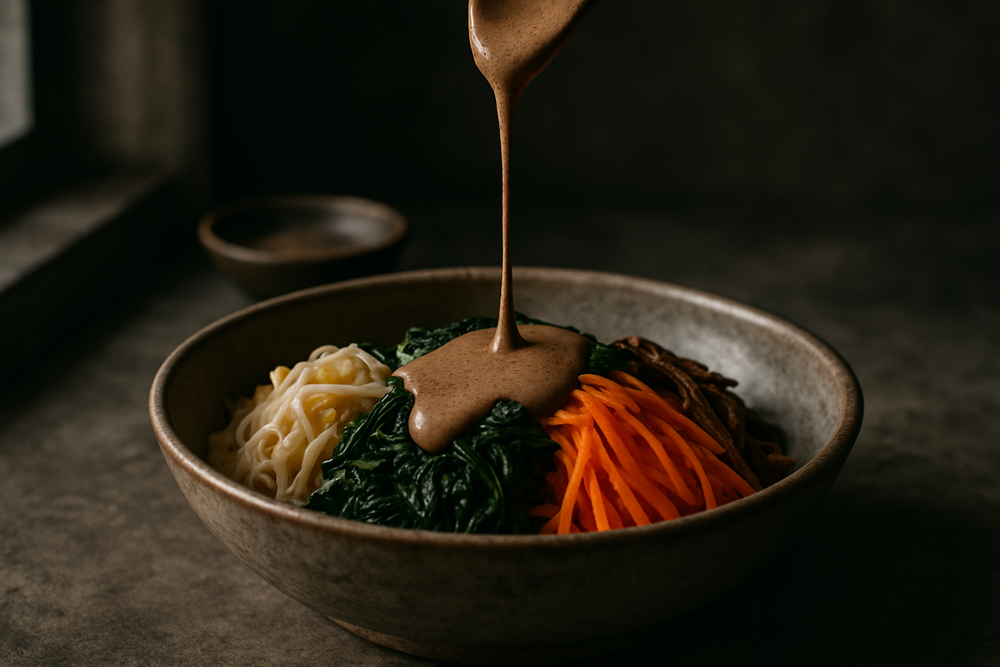
Prep Ideas
- — Ingredients should read: perilla seeds (and nothing else, or minimal additions like salt). Avoid versions with added refined oils or unnecessary preservatives.
- — Look for "stone-ground" or "cold-ground" on the label — high-speed processing generates heat that can begin oxidizing the ALA before the jar is even sealed.
- — "Lightly toasted" is traditional and acceptable; heavily roasted or "dark roasted" means more heat exposure and some ALA loss.
- — Choose opaque or dark-glass packaging over clear plastic to reduce light exposure.
Shop This Ingredient
Stock your pantry with quality perilla seed butter.
Buy on AmazonAs an Amazon Associate, Plantopedia earns from qualifying purchases. This costs you nothing extra and helps us keep the encyclopedia free.
Frequently Asked Questions
Most human studies have used perilla seed oil rather than the whole-seed butter, so the evidence below comes from oil trials and is extrapolated to the butter. The butter provides the same fatty acids plus fiber, protein, and polyphenols — which may mean equal or slightly greater benefit — but this has not been tested head-to-head. Heart and circulation Several randomized and controlled trials show that ALA-rich perilla seed oil can modestly improve blood lipid markers. In a crossover study, one tablespoon per day of perilla oil for one week significantly reduced the LDL-to-HDL cholesterol ratio (LDL is often called "bad" cholesterol; HDL is "good" cholesterol) and raised serum ALA compared with olive oil, with no adverse events. In patients with mild to moderate dementia, six months of adjunct perilla oil supplementation significantly lowered total and LDL cholesterol without affecting kidney function, liver enzymes, blood counts, or glucose. Larger observational studies and meta-analyses of dietary ALA (from flax, walnuts, perilla oil, and similar foods) report roughly 8–20% relative reductions in coronary heart disease risk with higher intake — modest but consistent. Phytosterols in the whole-seed butter may add a small cholesterol-lowering effect on top of the ALA benefit. Research suggests perilla seed butter can be one useful component of a heart-supportive diet, but it should not replace prescribed medications or professional dietary guidance. Digestive health and microbiome Whole-seed butter is notably high in fiber — about 6 g per two tablespoons, roughly the same as a medium apple. Adequate fiber intake is consistently associated with improved bowel regularity and a healthier gut microbiome (the community of bacteria living in the digestive tract). A randomized trial in female athletes found that 8 weeks of perilla seed oil at 9 g per day increased the abundance of butyrate-producing gut bacteria (specifically Lachnospiraceae) and decreased a marker of gut-derived toxins (urinary indoxyl sulfate), compared with lower doses or placebo. Butyrate is a short-chain fatty acid that helps nourish the cells lining the colon. Because the butter form adds fiber and plant polysaccharides on top of the oil's fatty acids, its impact on the gut microbiome may be at least as strong — though this has not been directly tested. Blood sugar and metabolism Clinical trials of perilla seed oil in elderly adults generally show no significant changes in fasting glucose or HbA1c (a three-month blood sugar average). A meta-analysis of ALA supplementation from various plant oils found small reductions in fasting plasma glucose but no consistent effect on most other cardiometabolic risk markers. Perilla seed butter's contribution to blood sugar management is likely indirect: replacing refined fats with a fiber- and polyphenol-rich whole food, and modestly improving lipid profiles. The evidence for a direct blood sugar benefit from perilla specifically remains limited. Inflammation and recovery Most anti-inflammatory data for perilla come from cell and animal models, where perilla oil or isolated compounds like rosmarinic acid reduced inflammatory signaling molecules. Human trials using perilla oil show increased circulating levels of EPA (a longer-chain omega-3 that the body can partially convert from ALA), but standard inflammatory markers such as C-reactive protein have not changed consistently. A systematic review of ALA supplementation found small decreases in fibrinogen (a blood clotting protein) but no reliable effect on most other inflammation-related cardiovascular risk factors. In short: the mechanistic case for anti-inflammatory perilla seed butter benefits is plausible, but the human evidence for meaningful inflammation reduction remains early-stage. Bone health One area where the human evidence is more specific: a 12-month, randomized, double-blind, placebo-controlled trial in healthy Japanese adults found that 7 mL per day of perilla seed oil increased bone mineral density (measured as percentage of young adult mean) and decreased TRACP-5b, a marker of bone breakdown, compared with an olive oil placebo. This suggests that regular ALA intake from perilla may help slow age-related bone loss. Whether the whole-seed butter produces equivalent effects is plausible but unconfirmed.
| Form | What it contains | Best use | | --- | --- | --- | | Whole-seed butter (deulkkae paste) | ALA + fiber + protein + minerals + polyphenols | Namul, soups, dressings, spreads | | Perilla seed oil (cold-pressed) | ALA + tocopherols, no fiber | Finishing oil, drizzle over dishes, salad dressing | | Whole or ground seeds (dry/roasted) | Full matrix, similar to butter | Topping, grinding fresh | | Perilla seed supplement capsules | Concentrated oil in gelatin/vegan capsule | Supplemental ALA when food use is impractical | For a whole-food plant-based diet, the butter form wins on nutritional density: you get the omega-3 fats alongside fiber, minerals, and plant compounds that the oil cannot provide. The oil form is better for high-volume ALA research doses or when you want a neutral-flavor finishing fat. If you are already eating perilla seed butter regularly in food-sized amounts, you do not need the oil as well.
There is no official dose recommendation for perilla seed butter as a food. The guidance below is extrapolated from human trials using perilla seed oil and from general ALA adequate intake levels. Adequate intake (AI) for ALA (U.S. National Academies): Women: 1.1 g/day Men: 1.6 g/day What perilla seed butter provides: 1 teaspoon (5 g): 1 g ALA — meets the women's AI on its own 1 tablespoon (15 g): 2.5–3 g ALA — covers both AIs and approaches the 2–3 g/day range associated with modest cardiovascular benefit in observational studies 2 tablespoons (28 g): 4–5 g ALA — the upper range used in some clinical trials; safe in the studies reviewed but adds roughly 170 calories Practical starting point: One tablespoon per day stirred into food is a reasonable, evidence-aligned amount for most adults. If you are using perilla seed butter as your main omega-3 source (no fish, no algae oil), one to two tablespoons daily provides meaningful ALA. If you already eat walnuts, flaxseed, or algae-based DHA/EPA supplements, one teaspoon in a dish for flavor and fiber is plenty. Start low and go slow: Begin with one teaspoon for the first week, especially if you are sensitive to high-fiber or high-fat foods, then increase as your digestion adapts.
Quick Answers
Common questions, answered in a line.
Perilla seed butter is a plant-based spread made from ground perilla seeds that is exceptionally high in alpha-linolenic acid (ALA), an essential omega-3 fatty acid. It is frequently used in Korean cuisine to add a nutty, grassy depth to soups and vegetable dishes.
Perilla seed butter contains high levels of omega-3 ALA, rosmarinic acid, and phytosterols, which may support heart health, reduce inflammation, and improve gut microbiota. Because it is a whole-seed product, it also provides fiber and minerals not found in perilla oil.
The best way to use perilla seed butter is to stir it into Korean namul (seasoned greens), whisk it into cold salad dressings, or add it to soups like doenjang jjigae just before serving. To preserve its heat-sensitive omega-3 fats, it is best added at the end of cooking.
You should store perilla seed butter in the refrigerator after opening to prevent it from going rancid. Because of its high polyunsaturated fat content, it can spoil within weeks if left at room temperature or exposed to light and air.
When buying perilla seed butter, look for "stone-ground" or "cold-ground" labels in opaque or dark glass packaging to ensure the omega-3 fats haven't oxidized. Check that the ingredients list only perilla seeds and avoid jars with added refined oils or preservatives.
Perilla seed butter is very high in ALA, an essential omega-3 fatty acid that the body cannot produce on its own. In fact, the fat content of perilla seeds consists of approximately 51–67% alpha-linolenic acid.
You can make perilla seed butter at home by grinding perilla seeds in a high-speed blender until they reach a smooth, paste-like consistency. Freshly ground seeds are often preferred because the oil's shelf life is short once the seeds are processed.
For Readers in the USA
Local context — sourcing, seasonality, and regional notes.
You can find perilla seed butter and deulkkae-garu at major Korean grocery chains like H Mart and Zion Market, or through online retailers specializing in Asian pantry staples. While rarely stocked at conventional US supermarkets like Kroger or Safeway, some high-end health food stores may carry it in the specialty oil and nut butter section.
In the US, perilla is most commonly grown in USDA Hardiness Zones 5–9, with the seeds harvested in late summer or early autumn. While it is often considered an invasive weed in Eastern US pastures (known as "beefsteak plant"), culinary varieties are cultivated in home gardens and specialty farms across the South and Midwest.
When buying perilla products in the US, look for the USDA Organic seal to ensure the seeds were grown without synthetic pesticides, as the FDA does not have specific grading standards for perilla. Ensure the label clearly distinguishes the edible Korean variety (Perilla frutescens) from ornamental types, which are not intended for consumption.
In the US, you may find this product labeled as "wild sesame butter," "shiso seed paste," or "deulkkae-garu" (ground perilla powder). While "shiso" is the more common term in Japanese-American cuisine for the fresh leaf, the term "perilla seed" is the standard used by US health food retailers for the butter and oil forms.
AI Clinical Review
- Clearly explains that perilla seed butter keeps the whole‑seed nutrients (fiber, protein, minerals, polyphenols) that are removed in the oil—useful for a whole‑food approach.
- Accurately highlights perilla’s very high alpha‑linolenic acid (ALA) content and puts it in context with U.S. adequate intake targets; the suggested 1 tablespoon daily is a practical, food‑level way to meet or exceed needs.
- Summarizes human research appropriately: modest improvements in lipid markers with perilla oil, early signals for gut microbiota and bone density, and frames perilla as an adjunct—not a treatment.
- Offers sound culinary and storage guidance for a highly polyunsaturated, oxidation‑prone fat (use low heat; refrigerate and protect from light/air).
- Most trials use perilla oil, not the whole‑seed butter; benefits are inferred rather than demonstrated head‑to‑head for the butter form.
- Cardiometabolic findings rely mainly on surrogate markers (cholesterol ratios, fatty acid levels). Hard outcomes like heart attacks or strokes have not been tested with perilla specifically.
- Microbiome and bone data come from small or specific populations; the generalizability, minimum effective dose, and long‑term durability of effects remain uncertain.
- Anti‑inflammatory mechanisms are plausible, but standard human inflammation markers (e.g., C‑reactive protein) show inconsistent changes.
- Practical intake: 1 teaspoon to 1 tablespoon daily fits most diets; 2 tablespoons (~170 kcal) is still reasonable but calorie‑dense.
- Form and handling matter: keep heat low, add to dishes at the end of cooking, and store refrigerated in an opaque, airtight container; discard if rancid (paint‑like smell).
- Who should check with a clinician: people on anticoagulants/antiplatelets, those actively treating high cholesterol, and anyone with seed or mint‑family allergies; discuss high supplemental intakes during pregnancy/breastfeeding.
- ALA is not the same as EPA/DHA; conversion is limited. Individuals with clinical indications for long‑chain omega‑3s may still need an algae‑based EPA/DHA supplement.
Heat-sensitive; store cold. Niche product distinct from perilla oil.
References
- USDA FoodData Central — perilla and seed nutrition database (fdc.nal.usda.gov)
- NIH Office of Dietary Supplements — Omega-3 Fatty Acids Health Professional Fact Sheet (ods.od.nih.gov)
- Perilla frutescens: A dynamic food crop — comprehensive review of nutrition and phytochemicals (pmc.ncbi.nlm.nih.gov)
- Comprehensive review of Perilla frutescens chemical composition and biological activities (pmc.ncbi.nlm.nih.gov)
- Randomized trial: 8-week perilla oil intake, gut microbiota, and fuel use in female athletes (cambridge.org)
- RCT: Perilla seed oil improves bone density and reduces bone resorption markers over 12 months (pubmed.ncbi.nlm.nih.gov)
- RCT: Perilla oil as adjunct therapy in mild to moderate dementia — lipid and safety outcomes (pubmed.ncbi.nlm.nih.gov)
- RCT: Long-term perilla oil vs. soybean oil in elderly Japanese adults — serum fatty acids and CHD markers (pubmed.ncbi.nlm.nih.gov)
- Meta-analysis: Dietary ALA intake and risk of cardiovascular and all-cause mortality (pmc.ncbi.nlm.nih.gov)
- Systematic review: Alpha-linolenic acid and cardiovascular risk markers (ncbi.nlm.nih.gov)
Know Your Numbers
Eating healthy is a start. Now get to know your biomarkers.
Food changes bloodwork — inflammation, lipids, blood sugar and nutrient status all respond to what you eat. 59 markers from $59.
- Results in 7–10 days at 2,000+ Quest sites
- Licensed provider reviews every result
- One flat price, no membership, HSA/FSA eligible
Educational information only, not medical advice. Panels are ordered and reviewed through our licensed partner; Plantopedia may earn a commission.