Perilla Seeds — health benefits and uses
Used in Korean and Chinese medicine to support respiratory and digestive comfort.
The Short Answer
Perilla seeds are a potent plant source of ALA omega-3 fatty acids, providing over 2g of healthy fats and 2.3g of protein per 2-tablespoon serving. These Korean oilseeds are prized for their nutty, earthy flavor and ability to thicken soups into a rich, creamy
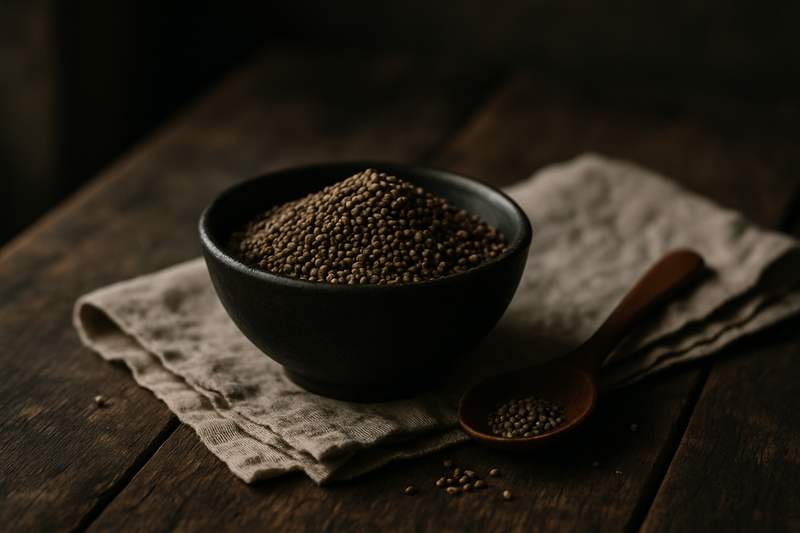
Perilla Seeds · Photograph
Discover perilla seeds health benefits and how to use these Korean oilseeds (deulkkae) in namul, soups, and porridge. Learn about their omega-3 content, nutrition facts, safe daily amounts, and what to know before adding perilla seed oil to your diet.
Key Nutrients
% Daily Value based on 2,000 cal diet
Key active compounds
- Alpha-linolenic acid (ALA): An essential omega-3 polyunsaturated fatty acid (a type of healthy fat your body cannot make). ALA makes up roughly 55–67% of total fatty acids in perilla seed oil — an unusually high proportion. It acts as a building block for longer-chain omega-3s and supports anti-inflammatory signaling.
- Linoleic acid: An essential omega-6 fatty acid that works alongside ALA to support cell membrane structure and immune signaling.
- Perilla seed peptides: Bioactive protein fragments released when the seed's protein is digested or processed. Lab and animal studies show they have antioxidant, anti-inflammatory, and blood-pressure-lowering properties.
- Phenolic compounds (including rosmarinic acid derivatives): Plant antioxidants more concentrated in perilla leaves but also present in seeds. Rosmarinic acid, specifically, has shown anti-allergic effects in small human studies.
- Flavonoids: A broad family of plant polyphenols that support antioxidant defenses and may calm overactive inflammatory pathways, primarily demonstrated in lab research.
Prep and pairing ideas
Perilla seeds shine most when toasted, which takes under three minutes in a dry skillet over medium heat. Watch them closely — they can scorch quickly. Let them cool before grinding.
Three practical pairings:
- Perilla + spinach or chrysanthemum greens (namul): Ground toasted seeds stirred into blanched leafy greens with a little sesame oil and garlic is a classic Korean side dish. The seeds provide creaminess and omega-3s; the greens add folate and iron.
- Perilla + miso or doenjang soup: Stir one tablespoon of ground perilla seeds into a bowl of miso soup or Korean doenjang-jjigae. The powder dissolves into a milky, nutty broth that thickens and enriches the soup without added cream.
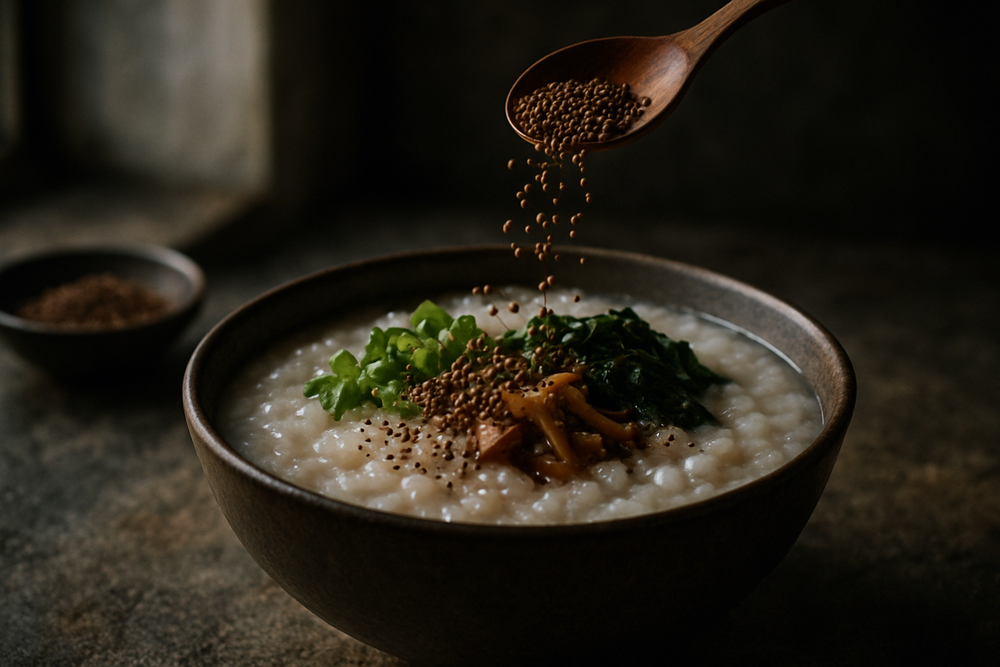
- Perilla + oat or rice porridge: Ground seeds stirred into a warm grain porridge add plant protein and healthy fats that help slow the absorption of the porridge's carbohydrates, supporting steadier energy after the meal.
Buying guide
Whole seeds (raw): Found in Korean grocery stores and online. Look for seeds that smell fresh and nutty, not musty. Store in an airtight container in a cool, dark cupboard for up to six months, or in the freezer for longer.
Pre-toasted seeds: Convenient but check the roast date if possible. Avoid bags with a stale or oily smell.
Perilla seed oil: Buy cold-pressed, unrefined oil in dark glass bottles. Smaller bottles (100–250 mL) are better than large ones because you will use the oil before it goes rancid. Refrigerate immediately after opening and aim to use within four to six weeks. Avoid any oil sold in clear plastic bottles or stored at room temperature in a warm shop.
Supplements and extracts: Standardized perilla extracts (often rosmarinic-acid-based) are sold for allergy support. Clinical evidence remains limited. If you choose a supplement, look for third-party tested products and tell your healthcare provider.
Bottom line
Perilla seeds are a nutritionally dense, genuinely distinctive oilseed worth adding to your rotation if you enjoy Korean cooking or want to diversify your plant omega-3 sources. Their ALA content is impressive, their fiber is meaningful at just one tablespoon, and their flavor — nutty, aromatic, slightly herbal — holds up beautifully in warm dishes where flaxseed might not. The research on their specific health benefits is promising but still maturing, especially for heart health, blood sugar, and inflammation. As a whole food used in traditional amounts, they are broadly safe for most people. Perilla seed oil deserves respect as a high-value but highly perishable ingredient — buy small, store cold, and use it fresh.
If you are on blood thinners, diabetes medications, or antihypertensives, check with your provider before adding concentrated perilla oil or extracts to your routine.
Explore how perilla seeds fit into a broader food-as-medicine approach at Plantopedia's goals pages.
How Perilla Seeds Compares
| Compared with | What's different |
|---|---|
| Perilla Seeds vs. Sesame Seeds | Perilla seeds are significantly higher in ALA omega-3 and have a distinct anise-mint aroma. |
| Perilla Seeds vs. Chia Seeds | Perilla is often ground into a thick, milky powder for soups; chia is typically used whole or as a gel. |
Health Benefits
Things to Know
Blood thinners and antiplatelet drugs (e.g., warfarin, aspirin, clopidogrel): High intakes of ALA-rich oil may theoretically increase bleeding risk. Whole seeds used as a food seasoning are unlikely to pose this risk at normal amounts, but concentrated perilla oil or supplements warrant a conversation with your doctor.
Antidiabetic medications: Lab data suggest perilla peptides may lower blood sugar by inhibiting carbohydrate-digesting enzymes. If you take medication for diabetes, be aware of a theoretical additive effect, especially with oil or extract forms.
Antihypertensive medications: The ACE-inhibitory effects seen in animal studies raise a theoretical risk of additive blood pressure lowering. No confirmed human interaction studies exist.
Pregnancy and breastfeeding: Traditional food amounts of toasted seeds appear reasonable, but therapeutic doses of perilla oil or extracts are generally not recommended without medical supervision due to a lack of robust safety data.
Mint family allergy: Perilla belongs to the Lamiaceae family, which includes basil, shiso, and mint. If you are allergic to these plants, introduce perilla seeds cautiously and watch for reactions.
Liver or kidney disease: Concentrated perilla products may add metabolic burden. Stick to food amounts and check with your provider.
Oil rancidity: Oxidized (rancid) perilla oil is not just unpleasant — it generates harmful free radicals. If the oil smells like paint or stale fish, discard it.
Prep Ideas
- — Perilla + spinach or chrysanthemum greens (namul): Ground toasted seeds stirred into blanched leafy greens with a little sesame oil and garlic is a classic Korean side dish. The seeds provide creaminess and omega-3s; the greens add folate and iron.
- — Perilla + miso or doenjang soup: Stir one tablespoon of ground perilla seeds into a bowl of miso soup or Korean doenjang-jjigae. The powder dissolves into a milky, nutty broth that thickens and enriches the soup without added cream.
- — Perilla + oat or rice porridge: Ground seeds stirred into a warm grain porridge add plant protein and healthy fats that help slow the absorption of the porridge's carbohydrates, supporting steadier energy after the meal.
Glossary
Shop This Ingredient
Stock your pantry with quality perilla seeds.
Buy on AmazonAs an Amazon Associate, Plantopedia earns from qualifying purchases. This costs you nothing extra and helps us keep the encyclopedia free.
Frequently Asked Questions
Heart and circulation The star story here is ALA. Because more than half of perilla seed oil is ALA, perilla seeds rank alongside flaxseed and chia as exceptional plant sources of omega-3 fat. Broader nutritional research consistently links higher ALA intake to more favorable blood lipid (fat) profiles and a lower risk of cardiovascular events. Preclinical studies (animal and lab work) on perilla specifically show that perilla seed oil can improve serum lipid profiles, reduce oxidative stress in blood vessels, and that perilla seed peptides can inhibit angiotensin-converting enzyme (ACE) — the same enzyme targeted by a common class of blood pressure medications. These findings are promising but have not yet been replicated in large human trials. Think of the evidence as "theoretically grounded and worth watching" rather than proven. Digestive health and microbiome At about 22 g of fiber per 100 g of seeds, perilla is a genuinely high-fiber food. Fiber intake is one of the most consistently supported drivers of bowel regularity, healthy stool bulk, and a diverse gut microbiome (the community of bacteria living in your digestive tract) across decades of human research, even if that research is not perilla-specific. Preclinical work on perilla seed meal proteins also suggests they may reinforce the intestinal barrier — the gut lining that keeps bacteria and toxins from leaking into the bloodstream — and beneficially shift the composition of gut bacteria. These findings have not yet been confirmed in human trials but are consistent with what fiber-rich, plant-based foods tend to do in well-established nutrition research. Blood sugar and metabolism No robust human clinical trials have evaluated perilla seeds for blood sugar control. What the lab data show is intriguing: perilla seed peptides can inhibit alpha-amylase and alpha-glucosidase — two enzymes your small intestine uses to break carbohydrates into sugar — which in theory could blunt post-meal glucose spikes. The fiber content adds another theoretical layer, since high-fiber foods generally slow carbohydrate digestion. Consider this an emerging area, not a proven benefit. Inflammation and recovery The ALA in perilla seeds feeds into anti-inflammatory signaling pathways, while the phenolic compounds and flavonoids contribute additional antioxidant activity. Small human studies using rosmarinic-acid-enriched perilla extracts — mostly from leaves — have shown improvements in seasonal allergy symptoms, suggesting the plant's anti-inflammatory and anti-allergic compounds do have detectable effects in humans. Seed-specific trials remain sparse. The overall picture is that perilla seeds are a food with a genuinely anti-inflammatory nutrient profile, even if the seed-specific clinical evidence is still building.
Whole toasted seeds Lightly toasting whole seeds in a dry pan for two to three minutes is the traditional Korean approach. Heat releases aromatic oils and deepens flavor. Whole seeds work well as a garnish and add crunch. Ground or powdered seeds Toasting first, then grinding in a mortar or spice grinder, produces a coarse powder that thickens soups and porridges while distributing flavor evenly. Grinding also improves digestibility because it breaks the seed coat, making fats and proteins more accessible during digestion. This is the workhorse form for Korean cooking. Perilla seed oil Pressed cold from the seeds, perilla oil is one of the richest ALA sources available. However, it is extremely perishable. The same high ALA content that makes it nutritionally valuable also makes it prone to oxidation (going rancid) when exposed to heat, light, or air. Buy in small bottles, store in the refrigerator, use within a few weeks of opening, and never heat it to high temperatures. It works best as a finishing oil or salad drressing, not for stir-frying.
No evidence-based therapeutic dose has been established for perilla seeds because large human clinical trials are lacking. Traditional Korean culinary use falls roughly in the range of 1 to 3 tablespoons (10–30 g) of toasted or ground seeds per day, used as a seasoning or garnish across multiple dishes — not eaten in one sitting. For perilla seed oil, small amounts used as a finishing oil — around 1 to 2 teaspoons (5–10 mL) per day — align with how it is used in traditional settings. This is comparable to how flaxseed oil is used in plant-based diets. If your goal is omega-3 intake, context matters. ALA from plant sources must be converted by the body into the longer-chain omega-3s EPA and DHA, and that conversion is limited and variable. Perilla seeds count toward your overall ALA intake, but they do not replace marine omega-3s entirely for people who need higher EPA or DHA. A practical starting point: add one tablespoon of toasted ground perilla seeds to one or two meals per day and see how your digestion responds before increasing. Start low if you are new to high-fiber seeds.
Quick Answers
Common questions, answered in a line.
You can cook perilla seeds by toasting them in a dry skillet over medium heat for less than three minutes. They scorch quickly, so watch them closely, then allow them to cool before grinding for use in recipes like namul or porridge.
Perilla seeds are high in alpha-linolenic acid (ALA), an essential omega-3 fatty acid that makes up 55–67% of the total fatty acids in the oil. These healthy fats act as building blocks for longer-chain omega-3s and support anti-inflammatory signaling in the body.
Whole raw perilla seeds should be stored in an airtight container in a cool, dark cupboard for up to six months, or in the freezer for longer shelf life. Perilla seed oil is highly perishable and must be refrigerated immediately after opening and used within four to six weeks.
Perilla seeds have a distinct flavor profile that is nutty, aromatic, and slightly herbal. This unique taste allows them to hold up well in warm dishes like miso soup or grain porridge where other seeds, such as flaxseed, might not fit as well.
People taking blood thinners, diabetes medications, or antihypertensive drugs should consult a healthcare provider before using concentrated perilla oil or extracts. High intakes of the ALA-rich oil may theoretically increase bleeding risk or cause additive blood sugar and pressure effects.
You can tell perilla seed oil has gone bad if it develops a stale, fishy, or paint-like smell. Because oxidized oil generates harmful free radicals, you should discard any oil that smells rancid and always look for fresh oil in dark glass bottles.
For Readers in the USA
Local context — sourcing, seasonality, and regional notes.
You can find perilla seeds (deulkkae) at major Korean grocery chains like H-Mart and Zion Market, or at specialty health food stores across the U.S. While less common in standard supermarkets like Kroger or Safeway, they are widely available through online retailers like Amazon and Yamibuy.
In the U.S., perilla is primarily grown in the Southeast and Midwest, though it is often considered an invasive weed known as "beefsteak plant" or "wild basil" in states like Virginia and Kentucky. Commercial cultivation for culinary seeds is limited, so most edible seeds found in the U.S. are imported from South Korea or China.
While the FDA does not have specific regulations for perilla seeds beyond general food safety, you should look for the USDA Organic seal to ensure the seeds were grown without synthetic pesticides. Because perilla seed oil is highly unsaturated, the FDA requires it to be labeled accurately if used as a dietary supplement.
In U.S. farmers markets and gardening circles, perilla is often called "Shiso" (the Japanese name) or "Beefsteak Plant," though the Korean variety (deulkkae) used for seeds is slightly different. If you are searching for the seeds specifically for cooking, look for labels marked "Korean Perilla" to distinguish them from the ornamental or Japanese varieties.
AI Clinical Review
- Accurately highlights perilla seeds as one of the richest plant sources of ALA (alpha‑linolenic acid), the plant omega‑3, with proportions comparable to flaxseed.
- Places benefits in context: most supportive data for heart and anti‑inflammatory effects come from overall ALA and fiber literature, not exaggerated seed‑specific claims.
- Explains traditional preparation (light toasting, then grinding) and why it helps—improving flavor and making fats/proteins more accessible.
- Clearly flags perilla oil’s high perishability and recommends finishing‑oil use and cold storage, which aligns with its highly unsaturated fat profile.
- Cardiovascular benefits from perilla seeds/oil are promising but largely based on animal or mechanistic studies; robust human trials demonstrating clinical outcomes are limited.
- ACE‑inhibitory peptides and enzyme (amylase/glucosidase) inhibition are preclinical findings; blood‑pressure or post‑meal glucose reductions from typical food amounts in humans aren’t confirmed.
- Microbiome and gut‑barrier effects are mostly from lab/animal models; the real‑world impact of 1–3 tablespoons/day remains uncertain.
- Anti‑allergy data come primarily from rosmarinic‑acid–rich leaf extracts; it’s reasonable but not definitive to extrapolate to seeds.
- Typical culinary intake: about 1–3 tablespoons (10–30 g) toasted/ground seeds per day; perilla oil 1–2 teaspoons (5–10 mL) as a finishing oil. Increase gradually if you’re new to high‑fiber seeds.
- Medication cautions: if you use anticoagulants/antiplatelets, antihypertensives, or diabetes medications, discuss concentrated oil or extracts with your clinician due to theoretical additive effects.
- Life stages/conditions: in pregnancy or breastfeeding, and with liver or kidney disease, stick to food amounts and avoid concentrated products unless clinically supervised.
- Allergy and quality: perilla is in the mint family—introduce cautiously if you react to basil/shiso/mint. Discard oil that smells “paint‑like” or fishy (rancid), and buy small dark bottles kept refrigerated.
Generally safe as food; the concentrated oil is very perishable.
References
- USDA FoodData Central — perilla seed nutritional composition (fdc.nal.usda.gov)
- MyPlate Protein Foods Group guidance — nuts and seeds as plant protein (myplate.gov)
- Comprehensive review of perilla seeds as an orphan oilseed crop (PubMed, 2024) (pubmed.ncbi.nlm.nih.gov)
- Perilla seed oil and protein: composition, health benefits and applications (PMC, 2024) (pmc.ncbi.nlm.nih.gov)
- Biological functions and therapeutic potential of perilla seed meal proteins and peptides (PubMed, 2025) (pubmed.ncbi.nlm.nih.gov)
- Nutritional, functional, and pharmacological review of Perilla frutescens — Biomedicine & Pharmacology Journal (biomedpharmajournal.org)
- Ethnomedicinal, phytochemical, and pharmacological investigations of Perilla frutescens — Molecules (MDPI, 2019) (mdpi.com)
- Perilla frutescens as a food crop — Frontiers in Nutrition (2023) (frontiersin.org)
- Perilla uses, benefits and dosage — Drugs.com monograph (safety and interactions) (drugs.com)
- Nutrient-rich genotype study of perilla germplasm (mineral variability) — PubMed, 2024 (pubmed.ncbi.nlm.nih.gov)
Know Your Numbers
Eating healthy is a start. Now get to know your biomarkers.
Food changes bloodwork — inflammation, lipids, blood sugar and nutrient status all respond to what you eat. 59 markers from $59.
- Results in 7–10 days at 2,000+ Quest sites
- Licensed provider reviews every result
- One flat price, no membership, HSA/FSA eligible
Educational information only, not medical advice. Panels are ordered and reviewed through our licensed partner; Plantopedia may earn a commission.