Pumpernickel — health benefits and uses
A traditional Westphalian German bread baked low and slow for up to a full day.
The Short Answer
Pumpernickel is a dense rye bread with a low glycemic index, providing 2.7g of protein and 1.9g of fiber per 80-calorie slice. It is unique for its slow-baking process and high content of resistant starch and lignans.
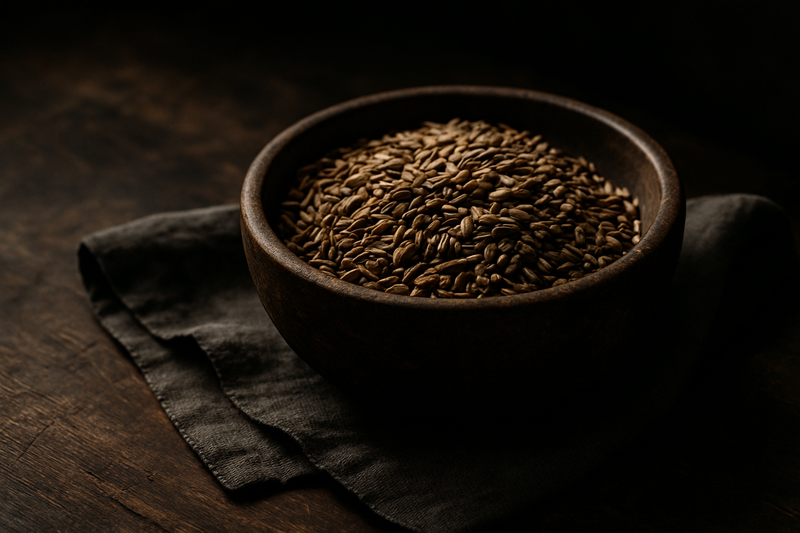
Pumpernickel · Photograph
Discover the real pumpernickel bread health benefits — from lower blood sugar responses to digestive support — plus authentic whole grain pumpernickel nutrition facts, glycemic index data, and what to look for on the label before you buy.
Key Nutrients
% Daily Value based on 2,000 cal diet
Key active compounds in whole-grain pumpernickel
- Dietary fiber — arabinoxylans and other non-starch polysaccharides: Complex carbohydrates that the small intestine cannot digest. They slow starch breakdown, blunt blood sugar spikes, feed beneficial gut bacteria, and increase stool bulk. Rye is unusually rich in these compared with wheat.
- Lignans (e.g., secoisolariciresinol-type compounds): Plant polyphenols (natural plant chemicals) concentrated in whole-grain rye. Gut bacteria convert them into phytoestrogenic metabolites — compounds that weakly mimic estrogen. Research suggests small, transient effects on LDL cholesterol; direct hormonal effects in humans are not firmly established.
- Phenolic acids (e.g., ferulic acid): Antioxidant compounds found in rye bran. They contribute to the overall antioxidant capacity of the bread and may support vascular health as part of a whole-grain dietary pattern, though pumpernickel-specific human data are limited.
- Resistant starch: A portion of the starch in dense, slow-baked rye bread resists rapid digestion, acting more like fiber than a simple carbohydrate and further supporting a lower glycemic response.
- B vitamins (thiamin, niacin, folate): Naturally present in rye and often partially retained even after baking; important for energy metabolism, DNA synthesis, and nervous system function.
Prep and pairing ideas
Authentic pumpernickel is dense and moist, sliced paper-thin in its traditional German form. Its deep, slightly sweet, earthy flavor makes it versatile beyond what most people expect.
Avocado and radish: The bread's malty depth pairs naturally with creamy avocado and the peppery crunch of radishes. A squeeze of lemon and a pinch of flaky salt is all you need. The combination adds heart-healthy monounsaturated fats and additional fiber to the meal.
Smoked salmon and cucumber: A classic Scandinavian pairing. The omega-3 fatty acids in salmon complement pumpernickel's lignan content, and the cool cucumber cuts through the bread's richness. Works well as a quick, protein-balanced lunch.
Nut butter and sliced apple: A plant-based snack that covers sweetness, healthy fat, and extra fiber in one. The apple's natural sugars are buffered by the bread's lower GI and the fat and protein from nut butter — a genuinely slower-release energy combination. Almond or walnut butter amplify the mineral content.
Because authentic pumpernickel is already moist and flavorful, it rarely needs butter or heavy spreads. Store sealed at room temperature (it lasts remarkably well — often 2–3 weeks), or freeze individual slices.
Bottom line
Authentic whole-grain pumpernickel is genuinely one of the more nutritionally interesting breads you can eat. Its lower glycemic index compared with white and wholemeal wheat bread is one of the more reproducible findings in bread research, and its fiber content supports digestive health and satiety. The heart health evidence is more mixed — benefits appear modest and mostly part of a broader whole-grain dietary pattern rather than anything magic about this specific loaf.
The biggest practical issue is authenticity: a lot of what's sold as pumpernickel is dyed wheat bread. If you're buying it for health reasons, read the ingredient label and look for whole rye flour or rye meal as the primary ingredient.
Is pumpernickel bread healthy compared to white bread? Yes, in most meaningful ways — more fiber, more micronutrients, lower glycemic impact. Is it a superfood or a treatment for any condition? No. Is it a genuinely good, deeply flavored whole-grain bread worth a place in a balanced diet? Absolutely.
Looking to build a broader low-glycemic eating pattern around whole grains? Explore Plantopedia's [/goals] section for food-as-medicine goal guides.
How Pumpernickel Compares
| Compared with | What's different |
|---|---|
| Pumpernickel vs. Dark Rye Bread | Denser and darker, made with coarsely ground rye berries rather than fine flour. |
| Pumpernickel vs. Whole Wheat Bread | Significantly lower glycemic index due to slow baking and whole rye kernels. |
Health Benefits
Things to Know
Celiac disease and gluten sensitivity: Rye contains secalin, a gluten protein that is just as problematic as wheat gluten for people with celiac disease, non-celiac gluten sensitivity, or dermatitis herpetiformis. Pumpernickel is not gluten-free.
Rye and wheat allergy: Distinct from celiac disease; can cause respiratory, skin, or GI reactions. Avoid all rye-containing products.
IBS and FODMAP sensitivity: Rye's fermentable carbohydrates can trigger gas and bloating. A low-FODMAP diet typically restricts rye. Consider starting very small and monitoring symptoms.
Hypertension and heart failure: Some commercial slices contain 200+ mg of sodium — a meaningful amount if you're on a sodium-restricted diet. Choose lower-sodium brands or look for "no added salt" versions.
Diabetes and insulin resistance: Pumpernickel's lower GI is a genuine advantage, but it still contributes carbohydrates (~15.5 g per slice). Count it in your carbohydrate budget and adjust glucose-lowering medications accordingly — do not change medication doses without consulting your provider.
Glucose-lowering medications (insulin, sulfonylureas, GLP-1 agonists, SGLT2 inhibitors, metformin): Switching from white to pumpernickel bread may modestly reduce post-meal glucose spikes, which could affect medication requirements. Monitor blood sugar and discuss any changes with your doctor.
Antihypertensive medications: High-sodium bread can counteract blood pressure control. Pair lower-sodium pumpernickel with your medication plan.
Oral medications with narrow absorption windows: As a precaution with any high-fiber food, consider spacing critical medications 1–2 hours away from large servings.
Pregnancy: Folate content is a genuine plus; one slice contributes ~12% DV. Ensure you're still meeting folate needs through a full diet or prenatal supplement. No specific concerns with moderate pumpernickel consumption during pregnancy.
Advanced kidney disease: Whole-grain bread contributes phosphorus and potassium; those on mineral-restricted diets should count these.
Shop This Ingredient
Stock your pantry with quality pumpernickel.
Buy on AmazonAs an Amazon Associate, Plantopedia earns from qualifying purchases. This costs you nothing extra and helps us keep the encyclopedia free.
Frequently Asked Questions
Heart and circulation Whole-grain rye diets show modest and sometimes inconsistent benefits for cardiovascular risk markers. In a crossover trial, participants eating a whole-grain rye diet experienced small, transient reductions in total and LDL cholesterol (the "bad" cholesterol) compared with a whole-grain wheat diet — but those differences faded by week eight. A broader 16-week whole-grain intervention found no significant changes in blood lipids or blood pressure versus a refined-grain control. A Cochrane systematic review — the gold standard of evidence synthesis — concluded that existing randomized trials don't provide sufficient proof that whole-grain diets reliably reduce cardiovascular events or consistently improve major risk markers like cholesterol. The honest summary: pumpernickel as part of a whole-grain dietary pattern may support heart health, but it's unlikely to be a standalone fix, and the evidence is more promising for overall diet quality than for this one bread alone. Digestive health and microbiome This is where pumpernickel's evidence base is strongest. Dietary fiber from whole-grain rye increases stool bulk, speeds intestinal transit, and feeds beneficial gut bacteria. Pumpernickel delivers roughly 6.5 g of fiber per 100 g — more than most refined white breads. For digestive regularity, the fiber story is well supported by decades of human research on cereal fiber broadly, with pumpernickel functioning as a practical dietary source. One important caveat: rye contains fermentable carbohydrates (part of the FODMAP family — Fermentable Oligosaccharides, Disaccharides, Monosaccharides, and Polyols). For people with irritable bowel syndrome (IBS) or FODMAP sensitivity, pumpernickel can cause gas, bloating, and discomfort even though it's technically "healthy." Tolerability varies — start with half a slice if your gut tends to react. Blood sugar and metabolism This is pumpernickel's most consistently demonstrated benefit in human research. Multiple controlled trials show that traditionally processed rye breads, including pumpernickel-type loaves, produce a lower postprandial (after-meal) blood glucose response than white bread. One classic GI study found rye bread's glycemic index was approximately 72 (white bread = 100), and pumpernickel specifically came in around 78 — versus 96 for wholemeal wheat bread, which surprised many researchers. Several trials also show lower post-meal insulin responses and improved satiety after rye-based test meals compared with white wheat bread. What the research doesn't yet confirm is whether eating pumpernickel long-term prevents type 2 diabetes — that evidence is mostly extrapolated from broader whole-grain dietary pattern research rather than pumpernickel-specific trials. Inflammation and recovery The data here are less encouraging than the headlines suggest. A prospective biomarker study found no consistent associations between higher whole-grain rye and wheat consumption and common inflammatory markers, despite prior observational links. Whole-grain intervention trials show variable effects on systemic inflammation, and none specifically target pumpernickel. If pumpernickel has anti-inflammatory effects, they likely reflect overall dietary pattern improvement rather than something unique to the bread itself. Hormones and cycle health Whole-grain rye is one of the richer food sources of plant lignans in the human diet. These compounds can be converted by gut bacteria into phytoestrogenic metabolites, which weakly interact with estrogen receptors. One controlled trial found small, transient LDL cholesterol reductions from a whole-grain rye diet (with or without added lignan supplements) versus whole-grain wheat, but no significant changes in hormone-related outcomes. Current evidence does not support treating pumpernickel as a therapeutic hormone-modulating food. People with hormone-sensitive conditions (such as estrogen-receptor-positive breast cancer) should discuss lignan-rich food intake with their oncologist, but a slice or two of bread daily is not a clinical dose.
This matters more for pumpernickel than almost any other bread. The name is not legally protected in most markets, which means a light-colored wheat loaf tinted dark with caramel coloring or molasses can be — and often is — sold as "pumpernickel." Traditional whole-grain pumpernickel loaf: Made from whole or coarsely ground rye (often with visible rye berries), sourdough-leavened, slow-baked for many hours. This is the form used in low-GI research. Dense, moist, sliced thin. Look for it in European specialty stores, well-stocked supermarkets, or bakeries. It keeps for weeks sealed because the acidity from sourdough fermentation acts as a natural preservative. Commercial "pumpernickel-style" bread: Often a mix of refined wheat flour, a small amount of rye, caramel color or molasses, and dough conditioners. Higher GI, lower fiber, may taste more familiar but delivers fewer of the studied benefits. Very common in North American supermarkets. Rye crispbread: Shares many properties with dense rye breads if made from whole-grain rye. A practical alternative; look for whole-grain rye as the first ingredient. Artisan or sprouted rye pumpernickel: Newer specialty options that may further modify glycemic response. Specific human data are sparse, but if whole-grain rye is the primary ingredient and sodium is moderate, they're a reasonable choice. The one-rule buying guide: Flip the loaf and read the ingredient list. The first ingredient should be whole rye flour, whole rye meal, or rye berries. If you see "enriched wheat flour" or "unbleached flour" first, it's not authentic pumpernickel — regardless of color.
There's no universal prescription, but research and common sense offer a useful framework. In clinical studies: Most controlled trials testing glycemic and satiety responses used 40–75 g of rye or pumpernickel-type bread (approximately 1–3 standard slices) per test meal. Longer diet intervention studies replaced multiple daily servings of refined grains with whole-grain products including rye bread, typically over 4–16 weeks. For everyday use: One to two slices (35–70 g) per meal, within your overall carbohydrate and calorie goals, is a practical starting point for most healthy adults. Each slice contributes roughly 80 calories and 15.5 g of carbohydrate, so three or four slices in a day is nutritionally reasonable for most people — but will add up in both carbohydrates and sodium depending on the brand. If you're new to high-fiber rye: Start with one slice and give your gut a week to adjust before increasing. Rye fiber ferments in the large intestine; introducing it slowly reduces gas and bloating. If you have diabetes: One slice at a time as part of a mixed meal (with protein, fat, and vegetables) will produce the most gradual glucose response. Work with a dietitian or diabetes educator to fit it into your carbohydrate targets.
The blood-sugar-conscious eater Wants satisfying bread without a sharp glucose spike Finds white bread leaves them hungry again quickly Is managing prediabetes or type 2 diabetes and needs to count carbs carefully Note: still count the carbs; "lower GI" doesn't mean "carb-free" The digestive health seeker Eats lower-fiber processed foods and wants to increase whole-grain fiber gradually Experiences slow bowel transit and wants a practical food-first solution Enjoys bread and prefers not to give it up on a healthier eating plan Note: if you have IBS or FODMAP sensitivity, rye may worsen symptoms — test cautiously
Quick Answers
Common questions, answered in a line.
Whole-grain pumpernickel contains dietary fiber like arabinoxylans and resistant starch, which slow starch breakdown and blunt blood sugar spikes. These components act more like fiber than simple carbohydrates, resulting in a lower glycemic response compared to white or wholemeal wheat bread.
Authentic pumpernickel is not gluten-free because rye contains secalin, a gluten protein that causes reactions in people with celiac disease. It is also problematic for those with non-celiac gluten sensitivity or dermatitis herpetiformis.
Pumpernickel supports digestive health through its high content of arabinoxylans and non-starch polysaccharides that increase stool bulk and feed beneficial gut bacteria. The bread also contains resistant starch, which resists rapid digestion in the small intestine.
Rye pumpernickel contains lignans and phenolic acids, which are plant polyphenols and antioxidants that may support vascular health. While research suggests small effects on LDL cholesterol, these benefits are best realized as part of a broader whole-grain dietary pattern.
Individuals with IBS or FODMAP sensitivity may experience gas and bloating from pumpernickel because rye contains fermentable carbohydrates. Those on a low-FODMAP diet typically need to restrict rye or start with very small portions to monitor symptoms.
Pregnant women can benefit from pumpernickel's natural folate content, with one slice providing approximately 12% of the Daily Value. Folate is essential during pregnancy for DNA synthesis, though it should be part of a diet that meets overall nutrient needs.
To identify authentic pumpernickel, read the ingredient label to ensure whole rye flour or rye meal is the primary ingredient. Avoid products where the dark color comes from dyes rather than the traditional slow-baking process of whole rye grains.
For Readers in the USA
Local context — sourcing, seasonality, and regional notes.
Authentic pumpernickel is widely available in the U.S. at specialty retailers like Whole Foods, Trader Joe’s, and through major brands like Mestemacher found in the international aisle. While most standard supermarkets carry "pumpernickel," these are often wheat-based loaves colored with molasses or caramel.
In the United States, pumpernickel is most commonly associated with New York-style deli culture, where it is used for Reuben sandwiches or served alongside cream cheese and lox. It also remains a staple in German-American communities, particularly in the Midwest and Northeast, where traditional baking methods are more prevalent.
When buying pumpernickel in the U.S., check for the "Whole Grain Stamp" from the Whole Grains Council and ensure the first ingredient is whole rye or rye meal to meet USDA dietary fiber recommendations. Avoid products where "enriched wheat flour" is the primary ingredient if you are seeking the specific glycemic benefits of rye.
AI Clinical Review
- Clearly distinguishes authentic, whole-rye, long-baked pumpernickel from dark-colored wheat breads, and explains why that difference changes fiber content and glycemic impact.
- Accurately reflects the evidence that traditional rye breads produce a lower post-meal glucose and insulin response than white bread (often lower than wholemeal wheat), helped by rye’s arabinoxylan fiber, resistant starch, coarse particle size, and sourdough acidity.
- Gives a balanced view on heart health: whole grains are beneficial overall, but pumpernickel alone is unlikely to shift major cardiovascular markers in a big way.
- Appropriately highlights digestive benefits of cereal fiber while noting rye’s FODMAP content and potential for gas/bloating in sensitive individuals.
- Glycemic index (GI) values for “pumpernickel” vary widely by formulation and baking method; many supermarket versions don’t reproduce the low-GI effects seen in studies. Also, GI scales differ (some use white bread = 100 vs glucose = 100), so numbers aren’t always directly comparable.
- Longer-term outcomes (weight, HbA1c, lipid changes, blood pressure, or diabetes prevention) are mixed in whole-grain trials and sparsely tested for pumpernickel specifically; most benefits are acute (after-meal) rather than proven long-term disease modification.
- Lignan/phytoestrogen effects are modest and depend on gut microbiome conversion; current data do not support hormone-modulating claims at typical bread intakes.
- Microbiome and inflammation findings remain variable; no consistent anti-inflammatory signal has been demonstrated specifically for pumpernickel.
- Portions: 1–2 thin slices per meal (about 35–70 g) fits many plans; count ~15 g carbohydrate per slice and pair with protein/fat for steadier glucose. If you use insulin or sulfonylureas (or other glucose-lowering meds), monitor for lower post-meal readings when switching from white bread.
- Not gluten-free: rye contains gluten and may also include wheat; avoid with celiac disease, non-celiac gluten sensitivity, or rye/wheat allergy.
- IBS/low-FODMAP: rye is high in FODMAPs; introduce slowly or avoid during elimination phases. Tolerance varies greatly by individual.
- Label and minerals matter: sodium can exceed 200 mg per slice and phosphorus/potassium are higher than in refined breads—important for hypertension or chronic kidney disease. Choose loaves with whole rye as the first ingredient and minimal added sugars. For medications with narrow absorption windows (e.g., levothyroxine), consider spacing doses 1–2 hours from high-fiber meals.
Contains gluten; authentic versions are whole rye, but some are dyed white bread.
References
- USDA FoodData Central — pumpernickel bread nutrition data (fdc.nal.usda.gov)
- MyPlate — whole grains guidance, U.S. Department of Agriculture (myplate.gov)
- Glycemic index comparison across bread types, including rye and pumpernickel (sciencedirect.com)
- Postprandial glycemia, insulinemia, and satiety after whole-grain rye bread — human feeding trial (pubs.acs.org)
- Glycemic response to rye bread compared with oatmeal and mashed potato — PubMed (pubmed.ncbi.nlm.nih.gov)
- WHOLEheart study: increased whole-grain intake and cardiovascular risk markers — PMC (pmc.ncbi.nlm.nih.gov)
- Whole-grain diet reduces cardiovascular risk factors in overweight adults — PMC (pmc.ncbi.nlm.nih.gov)
- Effects of whole-grain wheat, rye, and lignan supplements on cardiovascular risk factors — PubMed (pubmed.ncbi.nlm.nih.gov)
- Long-term whole-grain rye and wheat intake and biomarkers of inflammation and cardiovascular disease — PubMed (pubmed.ncbi.nlm.nih.gov)
- Cochrane Review: whole-grain cereals and cardiovascular disease (cochrane.org)
Know Your Numbers
Eating healthy is a start. Now get to know your biomarkers.
Food changes bloodwork — inflammation, lipids, blood sugar and nutrient status all respond to what you eat. 59 markers from $59.
- Results in 7–10 days at 2,000+ Quest sites
- Licensed provider reviews every result
- One flat price, no membership, HSA/FSA eligible
Educational information only, not medical advice. Panels are ordered and reviewed through our licensed partner; Plantopedia may earn a commission.