Quandong Kernels — health benefits and uses
A prized Aboriginal Australian bush food valued for both fruit and nutty kernel.
The Short Answer
Quandong kernels are nutrient-dense seeds from the Australian Desert Peach, providing 4.8g of protein and 3.2mg of iron per ounce. They are notable for containing ximenynic acid, a rare fatty acid with potential anti-inflammatory properties.

Quandong Kernels · Photograph
Discover quandong kernel health benefits and side effects: nutrition facts, healthy fats, protein, iron, zinc, antioxidants, and how to safely eat this rare Australian bush food nut. Evidence-based guide.
Key Nutrients
% Daily Value based on 2,000 cal diet
Key active compounds in quandong kernels
- Ximenynic (santalbic) acid — An acetylenic (containing a carbon-carbon triple bond) monounsaturated fatty acid that is the dominant fat in quandong kernel oil. Rare in common foods; found almost exclusively in Santalaceae family seeds. Preliminary studies suggest anti-inflammatory and microcirculatory effects, primarily in topical applications.
- Oleic acid — The same omega-9 monounsaturated fatty acid abundant in olive oil and almonds. Associated with healthier blood lipid profiles in broader nutrition research.
- Palmitoleic acid (omega-7) — A monounsaturated fatty acid explored in emerging research for roles in lipid metabolism and skin health.
- Phenolic antioxidants — chlorogenic acid and rutin — Plant compounds that neutralize free radicals. Rutin, a flavonoid, is noted for synergistic work with vitamin C in supporting capillary strength.
- Vitamin E (α-tocopherol) — The fat-soluble antioxidant that protects cell membranes from oxidative damage; reported as the predominant tocopherol form in quandong kernel oil.
- Iron and zinc — The kernel is surprisingly rich in both minerals for a plant food, important for oxygen transport, immune function, and enzyme activity.
Prep and pairing ideas
Quandong kernels have a rich, oily texture and a slightly bitter, earthy flavour that intensifies with roasting. Think of them as a more complex, rare cousin of a pine nut.
Three practical pairings:
- With quandong fruit (dried or stewed) — The obvious native pairing. The tart, vitamin C-rich flesh pairs beautifully with the rich kernel, and the vitamin C supports non-haem iron absorption from the kernel. Use both in a compote or bush-tucker granola.
- With dark chocolate and native spices — The slight bitterness of roasted quandong kernels complements dark chocolate (70%+) and native Australian spices like wattleseed or lemon myrtle. A small handful crushed over a dark chocolate bark makes an elegant, antioxidant-rich treat.
- Stirred into a grain bowl or warm salad — Crushed or halved roasted kernels add crunch and fat to warm grain bowls with roasted sweet potato, greens, and a tahini dressing. The iron and zinc from the kernel balance well with the plant foods around it.
Storage tip: Because of their high fat content — especially the unusual ximenynic acid — quandong kernels can go rancid faster than lower-fat nuts. Store in an airtight container in the fridge for up to three months, or freeze for longer storage.
Bottom line
Quandong kernels are a genuinely interesting whole plant food: calorie-dense, rich in unusual monounsaturated fats, and surprisingly high in iron and zinc for a seed. Their fatty acid profile — particularly ximenynic acid — is rare in the food supply and generates scientific curiosity for its potential anti-inflammatory and circulatory effects. The phenolic antioxidants and vitamin E round out a nutritionally complex profile.
What the evidence does not yet support is any specific health claim. No large human trials have tested quandong kernels for heart disease, inflammation, blood sugar control, or any other outcome. Benefits are extrapolated from compositional data and research on related oils and nuts in general. This is common for ethnobotanical foods early in their research cycle, and it does not make the kernel less nutritious — it simply means the science is catching up with a food tradition that stretches back millennia.
For most healthy adults, a small daily serving of quandong kernels from a reputable bush-food supplier is a safe, nutritionally interesting addition to a varied diet. Buy carefully, start small, and enjoy them as the rare and culturally meaningful food they are.
Curious about how nuts and seeds fit into your specific health goals? Explore the Plantopedia plant-based protein and healthy fats guide for practical eating patterns built around whole-plant foods.
How Quandong Kernels Compares
| Compared with | What's different |
|---|---|
| Quandong Kernels vs. Macadamia Nuts | Quandong kernels are richer in iron and zinc, while macadamias have significantly higher fat content. |
| Quandong Kernels vs. Pine Nuts | Quandong kernels have a complex, bitter-earthy profile compared to the sweet, mild flavor of pine nuts. |
Health Benefits
Things to Know
Nut and seed allergies: Quandong kernels are a novel seed. If you have known tree nut or seed allergies, introduce very cautiously and consider speaking to an allergist first.
Pregnancy and breastfeeding: No safety data exist for regular consumption of ximenynic acid during pregnancy or lactation. Small culinary amounts are unlikely to pose risk, but concentrated supplemental use should be avoided.
High-fat intake cautions: The very high fat content may exacerbate symptoms in people with gallbladder disease, fat malabsorption, or pancreatitis.
Anticoagulant medications (e.g., warfarin): Vitamin E and bioactive lipids in high-dose seed oils have theoretical antiplatelet (blood-clotting reducing) effects. Small culinary servings are unlikely to interact, but concentrated quandong seed oil supplements warrant caution.
Antidiabetic medications: Substituting large amounts of high-fat, low-carbohydrate kernels for other carbohydrates may alter glycemic responses and insulin requirements. Monitor blood glucose if making significant dietary changes.
Antihypertensive medications: Mechanistic data suggest ximenynic acid-rich oils may influence vascular tone. Food-level intake is unlikely to cause issues; concentrated supplemental use is untested.
Young children: Whole kernels may pose a choking hazard. Safety of regular kernel consumption in young children has not been characterized.
Sourcing safety: Only buy from reputable bush-food suppliers. Wild harvesting without expert identification knowledge is not recommended.
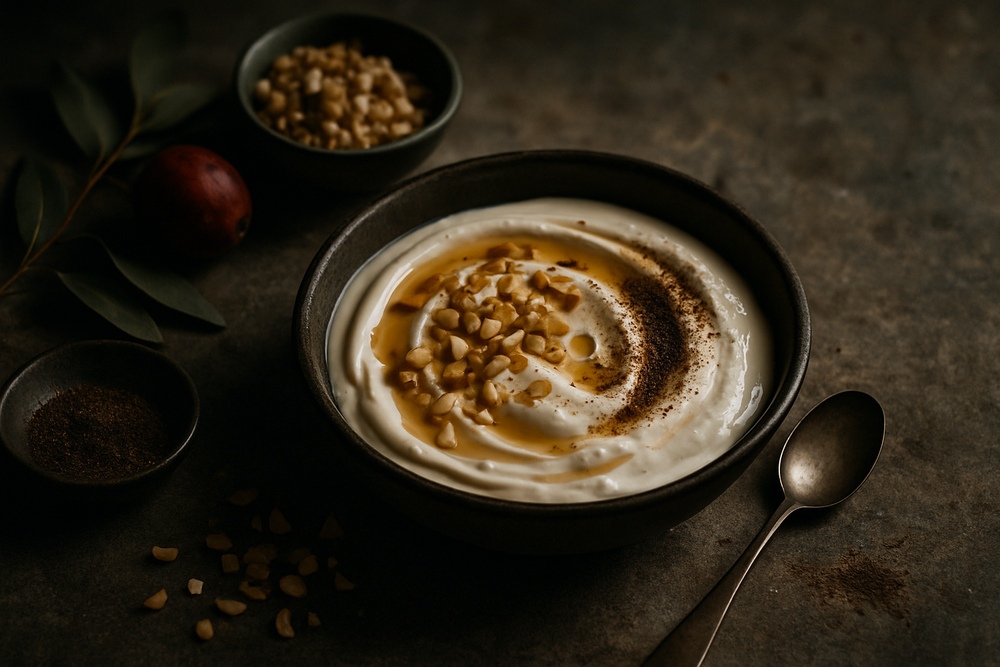
Prep Ideas
- — With quandong fruit (dried or stewed) — The obvious native pairing. The tart, vitamin C-rich flesh pairs beautifully with the rich kernel, and the vitamin C supports non-haem iron absorption from the kernel. Use both in a compote or bush-tucker granola.
- — With dark chocolate and native spices — The slight bitterness of roasted quandong kernels complements dark chocolate (70%+) and native Australian spices like wattleseed or lemon myrtle. A small handful crushed over a dark chocolate bark makes an elegant, antioxidant-rich treat.
- — Stirred into a grain bowl or warm salad — Crushed or halved roasted kernels add crunch and fat to warm grain bowls with roasted sweet potato, greens, and a tahini dressing. The iron and zinc from the kernel balance well with the plant foods around it.
Glossary
Shop This Ingredient
Stock your pantry with quality quandong kernels.
Buy on AmazonAs an Amazon Associate, Plantopedia earns from qualifying purchases. This costs you nothing extra and helps us keep the encyclopedia free.
Frequently Asked Questions
A straight-talking note first: the vast majority of research on quandong kernels is compositional — meaning scientists have measured what's in the seed rather than running clinical trials on people eating them. Most benefit claims are therefore extrapolated from the kernel's nutrient profile and from research on related oils or similar nuts. No large randomized controlled trials of quandong kernels have been published. With that caveat clearly stated, here is what the evidence suggests. Heart and circulation Quandong kernel oil is dominated by monounsaturated fatty acids, primarily ximenynic acid and oleic acid, with very little linoleic acid (an omega-6 fat). In the broader nutrition literature, diets higher in monounsaturated fats from nuts and seeds are consistently linked with healthier blood lipid profiles and reduced cardiovascular risk. Whether quandong kernels specifically move the needle on cholesterol or blood pressure has not been tested in a controlled human trial. One small metabolic study placed participants on a diet where approximately 50% of total energy came from quandong kernels to investigate tolerance and metabolism of ximenynic acid. Detailed cardiovascular outcomes from that study are not widely reported. Mechanistic work on ximenynic acid-rich oils from related Santalum species suggests potential vasodilatory (blood vessel-relaxing) and anti-inflammatory actions, but these are largely preclinical findings. Heart health benefits from quandong kernels, if they exist, remain extrapolated — not established. Digestive health and satiety Quandong kernels are very low in carbohydrate and fiber. Their substantial fat and protein content means they are likely to slow gastric emptying (the rate at which food leaves the stomach) and promote satiety — a feeling of fullness — in a way consistent with other fatty nuts. Traditional Aboriginal uses include teas made from quandong plant parts as purgatives, but these involved the whole plant rather than just the kernel, and no modern clinical data exist on digestive outcomes from kernel consumption. If you are looking for fiber-driven digestive benefits, the fruit flesh of the quandong is a better target than the kernel itself. Blood sugar and metabolism Quandong kernels deliver minimal carbohydrates and almost no free sugars. In mixed meals, replacing refined carbohydrates with high-fat, low-carb nuts and seeds can attenuate (reduce the spike in) postprandial (after-meal) blood glucose. This is well-established for nuts generally. Whether quandong kernels produce the same effect has not been measured directly. People with diabetes who want to incorporate quandong kernels should do so within an overall carbohydrate-managed eating pattern and monitor their individual responses. Inflammation and recovery Both compositional analyses and traditional bush-food knowledge describe anti-inflammatory potential in quandong kernel oil. The combination of ximenynic acid, oleic acid, phenolic antioxidants, and vitamin E creates a theoretical basis for antioxidant and anti-inflammatory activity. In vitro (lab-dish) studies on ximenynic acid-rich oils show reduced markers of inflammation. Topical use of quandong seed oil in cosmetic formulations has been reported to support skin barrier function and hydration. Translating these findings to systemic inflammation from eating the kernels requires human trials that simply have not been done yet. Promising, but not yet proven. Minerals: iron and zinc for plant-based eaters This may be the most practically significant benefit, and it is the most robustly evidenced because it rests on chemical measurement rather than speculation. Per 100 g, quandong kernels provide approximately 10.6 mg of iron and 6.6 mg of zinc — impressive figures for a plant food. A 30 g serving delivers around 18% of the daily value for each mineral. For people on WFPB diets where iron and zinc can be harder to obtain in bioavailable (easily absorbed by the body) forms, quandong kernels could be a meaningful contributor. Note that plant-derived iron is non-haem iron, which is less readily absorbed than animal-derived haem iron; pairing the kernels with a vitamin C source can improve absorption.
Buying guide: fresh, dried, roasted, or oil? Quandong kernels are a niche bush food and are not available in mainstream supermarkets. Here is what to look for and expect from each form. Whole dried or raw kernels — The most natural form. Buy from reputable Australian bush-food suppliers who can confirm the seeds have been properly identified, cleaned, and handled. Look for kernels that are pale cream to light tan in colour, smell faintly nutty, and show no signs of mould or rancidity (an acrid, paint-like smell). These can be eaten as-is or prepared further. Roasted kernels — Roasting develops a deeper, slightly bitter-nutty flavour and may improve digestibility. Some suppliers sell pre-roasted kernels; you can also dry-roast raw kernels at home in a pan over low heat for 5–8 minutes. Roasted kernels work well in trail mixes, crushed over salads, or stirred into grain bowls. Ground kernel meal — Milled kernels can be blended into baked goods, energy bars, or nut butters. No standardized nutrition label exists for this form, so treat it like a nut flour in your own recipes. Cold-pressed quandong seed oil — Used almost exclusively in cosmetic and skincare products. Some specialty producers offer it for culinary use, but human nutrition studies are lacking and oral intake guidance does not exist. For skin use, look for cold-pressed, unrefined oil from named Australian suppliers. Label tip: The words "Santalum acuminatum seed" on an ingredient list confirm you have the correct species. Avoid any product where the species is unnamed or sourced from an unknown origin.
There is no established recommended daily intake or therapeutic dose for quandong kernels. No major health authority has issued specific guidance. Culinary and traditional use typically involves small, occasional amounts: roughly 5 to 15 grams per day (around 2–10 kernels), eaten as part of a meal or snack rather than in isolation. Start low: Because these are a novel food for most people, begin with 5 g (2–3 kernels) and observe how you feel over a week before increasing. Upper practical limit: Given their caloric density (210 kcal per 30 g) and the lack of long-term safety data on large amounts, treating quandong kernels like a specialty nut — a small daily handful at most — is the most reasonable approach. The one known metabolic study used far higher amounts (around 50% of total daily energy from quandong kernels), but this was a short-term experimental protocol, not a dietary recommendation. Who might benefit most: Plant-based athletes or active adults seeking extra iron and zinc without animal foods A 30 g serving delivers roughly 18% of daily iron and zinc needs. Pair with vitamin C-rich foods to enhance non-haem iron absorption. Works well as a calorie-dense, low-carb addition to training snacks. Bush-food enthusiasts and people exploring Australian native cuisine A deeply culturally significant food with a genuinely unusual flavor profile. Adds culinary interest and nutritional variety to bush-food recipes. A small daily serve fits naturally into a diverse whole-food eating pattern.
Quick Answers
Common questions, answered in a line.
Quandong kernels are high in rare monounsaturated fats, protein, iron, zinc, vitamin E, and phenolic antioxidants like rutin and chlorogenic acid.
You can eat quandong kernels roasted and crushed over dark chocolate, stirred into grain bowls with roasted vegetables, or paired with quandong fruit in a compote.
Quandong kernels contain ximenynic (santalbic) acid, a rare monounsaturated fatty acid that is currently being studied for potential anti-inflammatory and microcirculatory effects.
Store quandong kernels in an airtight container in the refrigerator for up to three months, or freeze them for longer storage to prevent the high fat content from going rancid.
While small culinary amounts are likely safe, there is currently no specific safety data regarding the regular consumption of quandong kernels during pregnancy or breastfeeding.
People with tree nut allergies, gallbladder disease, or those taking blood-thinning medications should exercise caution when eating quandong kernels.
Quandong kernels have a rich, oily texture and a slightly bitter, earthy flavor that becomes more intense when the kernels are roasted.
For Readers in the USA
Local context — sourcing, seasonality, and regional notes.
In the United States, you can typically find quandong kernels through specialized online importers of Australian native foods or at niche boutique grocery stores in major cities like Los Angeles and New York. They are rarely stocked at standard chains like Kroger or Publix due to their status as a rare international export.
Quandong kernels are imported products in the U.S. and are not grown domestically, meaning they fall under FDA regulations for imported nuts and seeds. Look for suppliers that provide transparent sourcing information to ensure the product meets U.S. food safety standards.
While the USDA Organic seal is rare for this specific wild-harvested Australian nut, many U.S. distributors prioritize "wild-crafted" labels which indicate the kernels were harvested from their natural habitat without synthetic pesticides. Check the product packaging for Australian organic certifications which are often recognized by U.S. specialty retailers.
AI Clinical Review
- Clearly distinguishes what’s known (nutrient composition) from what isn’t (clinical outcomes), which is key for a niche food like quandong kernels.
- Accurately describes the macronutrient profile (high fat, very low carbohydrate, moderate protein) and highlights the unusually high iron and zinc for a plant food.
- Explains the distinctive fatty acids (especially ximenynic/santalbic acid) and antioxidants, while noting most data come from compositional and preclinical work.
- Offers practical guidance on sourcing, preparation, storage, and pairing with vitamin C to support non‑heme iron absorption.
- No randomized human trials have tested health outcomes from eating quandong kernels; cardiometabolic benefits are inferred from general nut research and preclinical data on related oils.
- The single small metabolic study using very high intakes (about half of calories from kernels) doesn’t translate to everyday eating and lacks detailed outcomes.
- Effects on glycemic control, satiety, and inflammation with typical culinary portions haven’t been directly measured.
- Safety data for pregnancy/lactation and for long‑term, high‑dose oral intake of ximenynic‑rich oils are limited.
- Reasonable culinary amounts are small: about 5–15 g/day; start with a few kernels to assess tolerance—especially if you have nut/seed allergies.
- Use food forms (whole or roasted kernels) rather than seed oil for oral intake; quandong seed oil is primarily a cosmetic ingredient with little ingestion data.
- Caution if you have gallbladder disease, fat malabsorption, or a history of pancreatitis (high fat load), take anticoagulants/antiplatelets, or use diabetes medications—check in with a clinician.
- For children, consider choking risk; for everyone, buy from reputable bush‑food suppliers (labeled Santalum acuminatum) and store chilled or frozen to prevent rancidity.
Kernel is edible in moderation; buy from bush-food suppliers.
References
- Nutritional composition and unusual fatty acids of quandong kernels — Asia Pacific Journal of Clinical Nutrition (apjcn.nhri.org.tw)
- Quandong kernel energy, protein, iron and zinc data — Edible Plant Database (edibleplantdb.org)
- Quandong seed oil fatty acid profile including ximenynic acid — Botanical Innovations (botanicalinnovations.com.au)
- Quandong kernel bioactives, antioxidants, and traditional uses — Hermetica Superfoods (hermeticasuperfoods.com)
- Quandong (Urti) traditional uses and bush-food nutrition — Warndu First Nations Food Guide (warndu.com)
- Diversity of Δ12 fatty acid desaturases in Santalaceae and seed oil composition — PMC peer-reviewed review (pmc.ncbi.nlm.nih.gov)
- Quandong stones, kernels, and seed structure — PMC article (pmc.ncbi.nlm.nih.gov)
- Quandong season and Aboriginal kernel uses — ABC News feature (abc.net.au)
- Nuts and seeds as protein foods — MyPlate (USDA) (myplate.gov)
- USDA FoodData Central — general nutrition database reference (fdc.nal.usda.gov)
Know Your Numbers
Eating healthy is a start. Now get to know your biomarkers.
Food changes bloodwork — inflammation, lipids, blood sugar and nutrient status all respond to what you eat. 59 markers from $59.
- Results in 7–10 days at 2,000+ Quest sites
- Licensed provider reviews every result
- One flat price, no membership, HSA/FSA eligible
Educational information only, not medical advice. Panels are ordered and reviewed through our licensed partner; Plantopedia may earn a commission.